Three things govern photographs in Texas and the first is that the shade is evergreen. Live oak is the dominant tree across the centre and east of the state, and it is an evergreen broadleaf — holding its leaves through winter and exchanging them gradually in spring rather than dropping them in autumn — growing into a very broad, low, dense crown, sometimes wider than it is tall, with heavy horizontal limbs that occasionally reach the ground and re-root. That gives three things no deciduous canopy offers. Genuine solid shade with no dapple, because the crown is dense rather than open.
Availability in every month, so a January frame has the same green mass as a July one. And limbs substantial enough to read as architecture rather than as branches, which makes a heavy oak limb crossing a frame better background structure than most buildings. The fourth property is what makes it photographically valuable: a live oak canopy is dark, sitting four or five stops below open sunlit ground.
That is a large free contrast ratio, supplied by a tree, at any hour of any day of any month — expose for the shaded faces and let the sunlit background blow, because a blown bright background reads as summer light and depth while a correct lawn with two silhouettes in front reads as a mistake. The trade is that the canopy takes the last light before the sky does, so the final frames of an evening belong in open ground rather than beneath the oaks.
The second is that humidity fills shadows, and this inverts the advice that applies in dry regions. Texas east of the Hill Country is humid — increasingly so toward the Gulf — and water vapour scatters light in every direction. A sunlit lawn in Dallas in July carries perhaps a stop and a half less contrast than the same sun angle in Arizona, and in Houston nearer two and a half. Shadow edges are soft, eye sockets retain detail, and a midday portrait outdoors is genuinely workable rather than impossible.
The costs are a paler less saturated sky, which means an empty summer sky contributes nothing to a wide frame, and noticeably hazed long lenses — a compressed distant view reads much softer in August than in November. The compensation is cloud: spring and summer both produce structure overhead, and the half hour after a front or a cell passes, with washed air and wet ground reflecting a broken sky, is the best light of the year anywhere in the state. The third is the calendar, which has one emphatic peak and one hard constraint.
Late March into April is the best window in Texas and the reason is the bluebonnets: the state flower blooms in mass meadow and roadside displays for perhaps three weeks, and in a good year the Hill Country and the prairies carry genuine sheets of it. It is worth asking whether a managed site has a naturalised area, because it is the one thing that says Texas unmistakably.
Spring is also the severe-weather season — late March through May across the centre and north, with north Texas at the southern end of Tornado Alley — so an outdoor ceremony in that window needs a covered alternative that genuinely exists rather than one listed on a website. June through September is the constraint: sustained heat with afternoon temperatures frequently above a hundred degrees inland, a sun reaching eighty degrees or more at midsummer noon, and humidity that makes it feel worse. For a party in formal clothing that is a welfare matter, and the practical answer is the ends of the day with the middle indoors or under canopy.
Two closing notes. October through April is the comfortable season and it is unusually long — mild winters, a December noon sun in the mid-thirties of degrees that models rather than flattens, and evergreen planting that holds — which makes a winter date here a positive choice rather than a compromise, unlike anywhere north of it in this library. And there is almost no deciduous autumn colour, because live oak stays green and most natives are evergreen or drought-deciduous, so nothing in an October frame says autumn.
The exception is bald cypress along the watercourses, a deciduous conifer with a buttressed base and fine feathery foliage that turns rust-orange in November and is the only substantial autumn colour the region produces. What October and November give instead is the clearest air of the year and the first comfortable temperatures after four hard months — which for landscapes whose interest is form and planting rather than foliage matters considerably more than colour would. Latitude compresses the daylight range compared with the north: roughly ten hours in December against fourteen in June, with civil twilight running twenty-two to twenty-five minutes depending how far south you are.
The end of the day is short everywhere in Texas, and it needs its two or three frames known in advance rather than improvised.
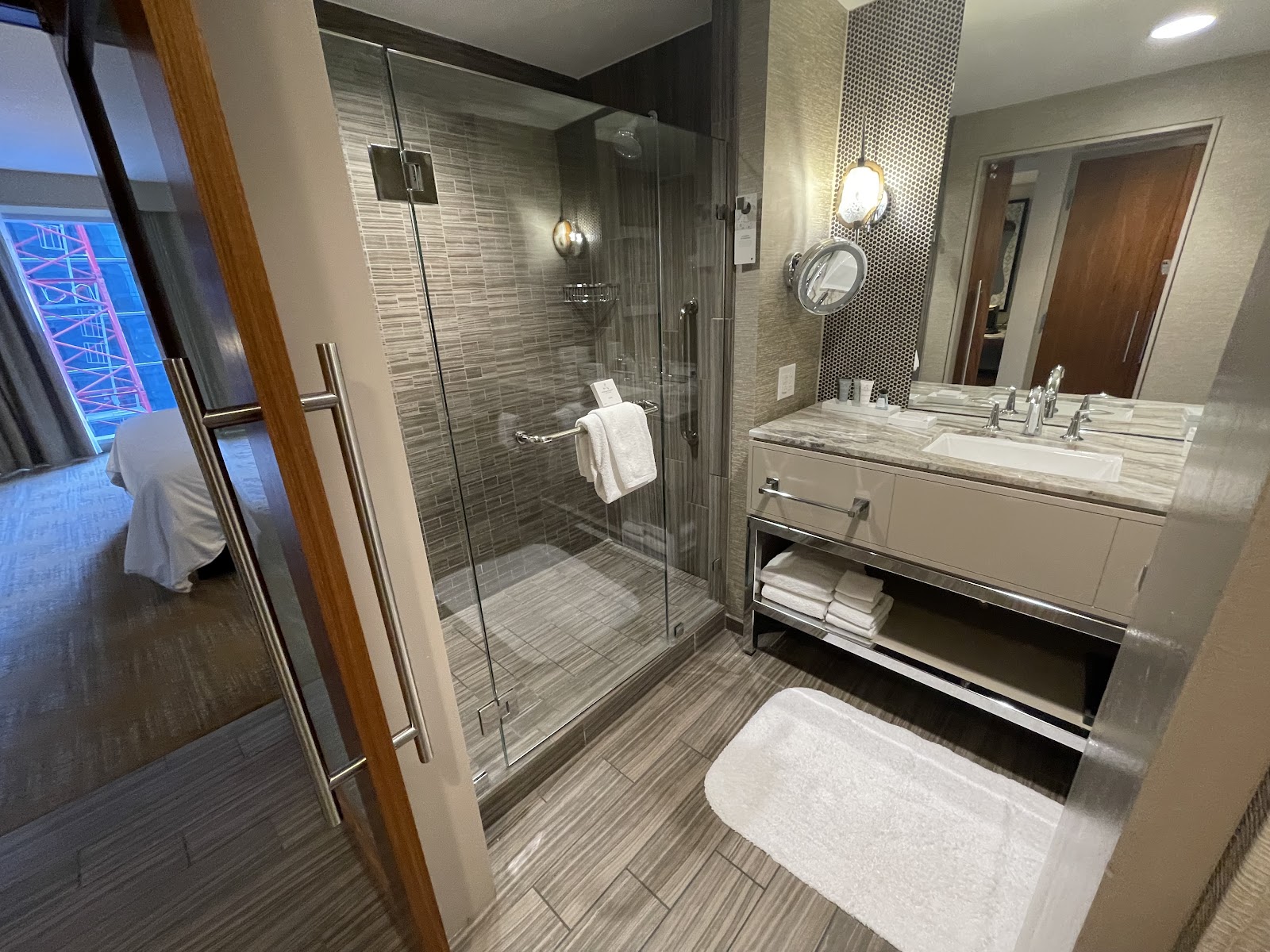
The JW Marriott Austin: What It Suits, and What It Does Not
A large convention hotel in downtown Austin — a building designed for conferences, used for a wedding.
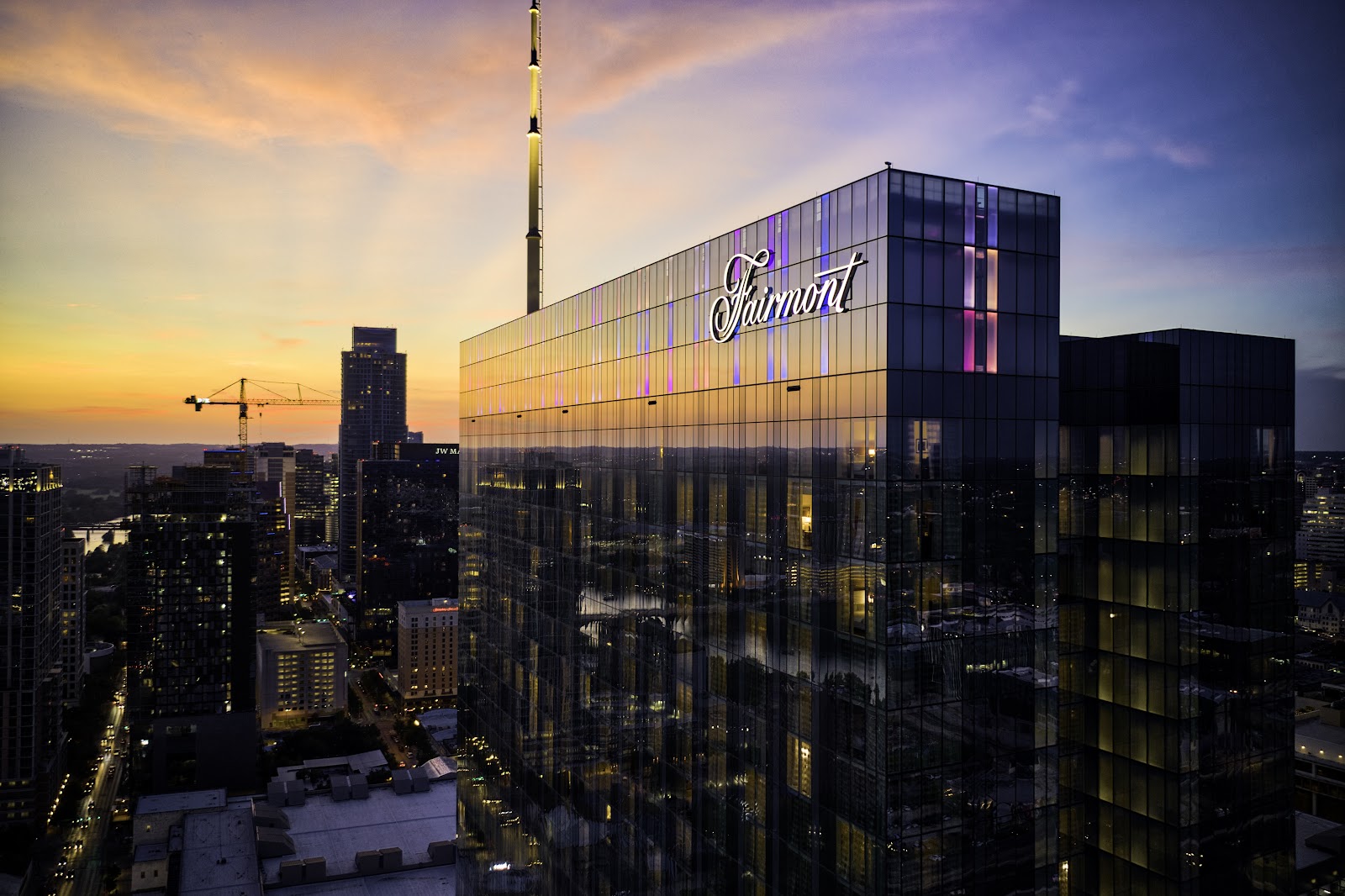
The Fairmont Austin: What It Suits, and What It Does Not
A large downtown tower hotel in Austin — a vertical venue, which is a different proposition from a horizontal one.
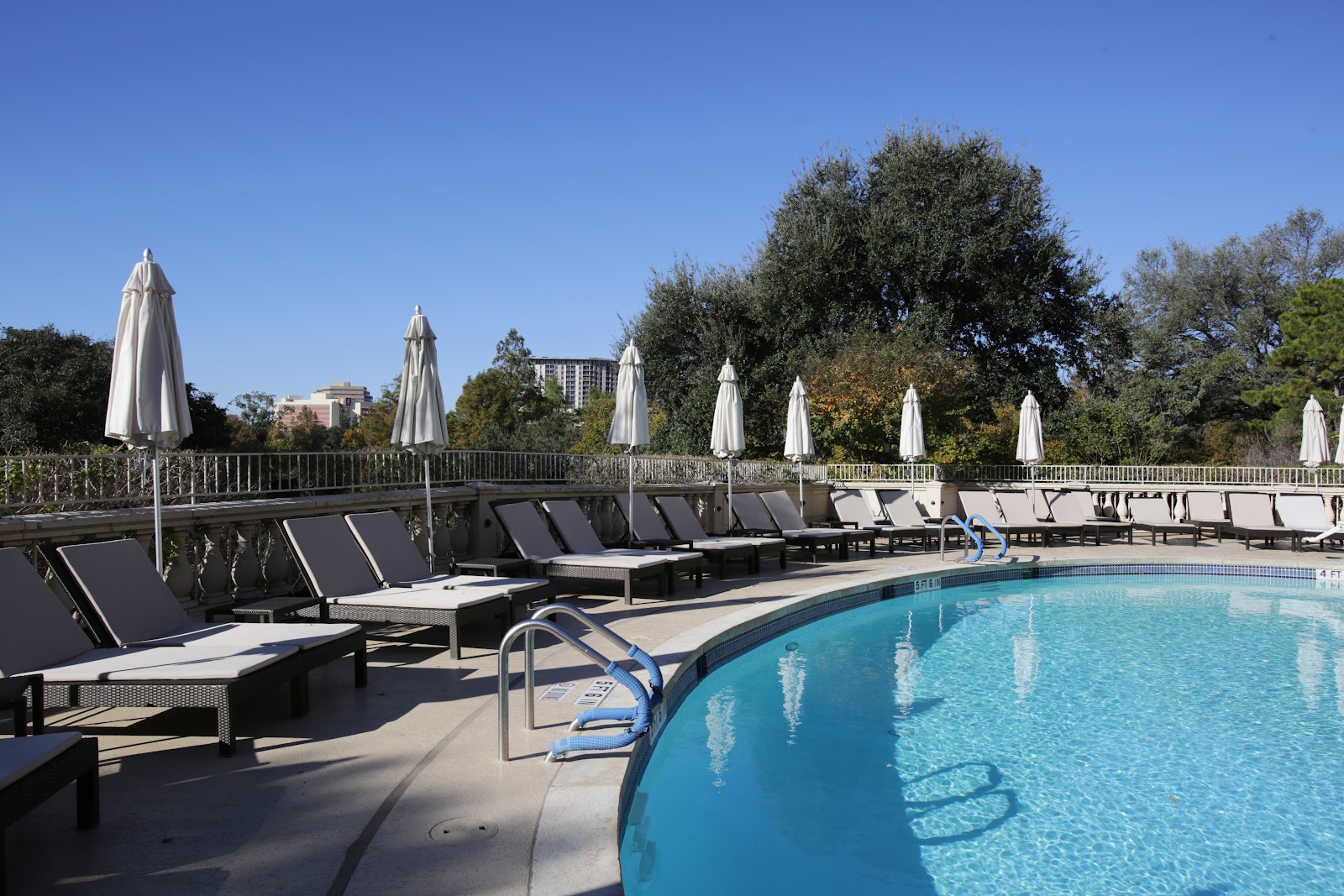
The Four Seasons Austin: The One Decision That Governs Everything
A downtown hotel on the north shore of Lady Bird Lake, with the water one way and the city the other.
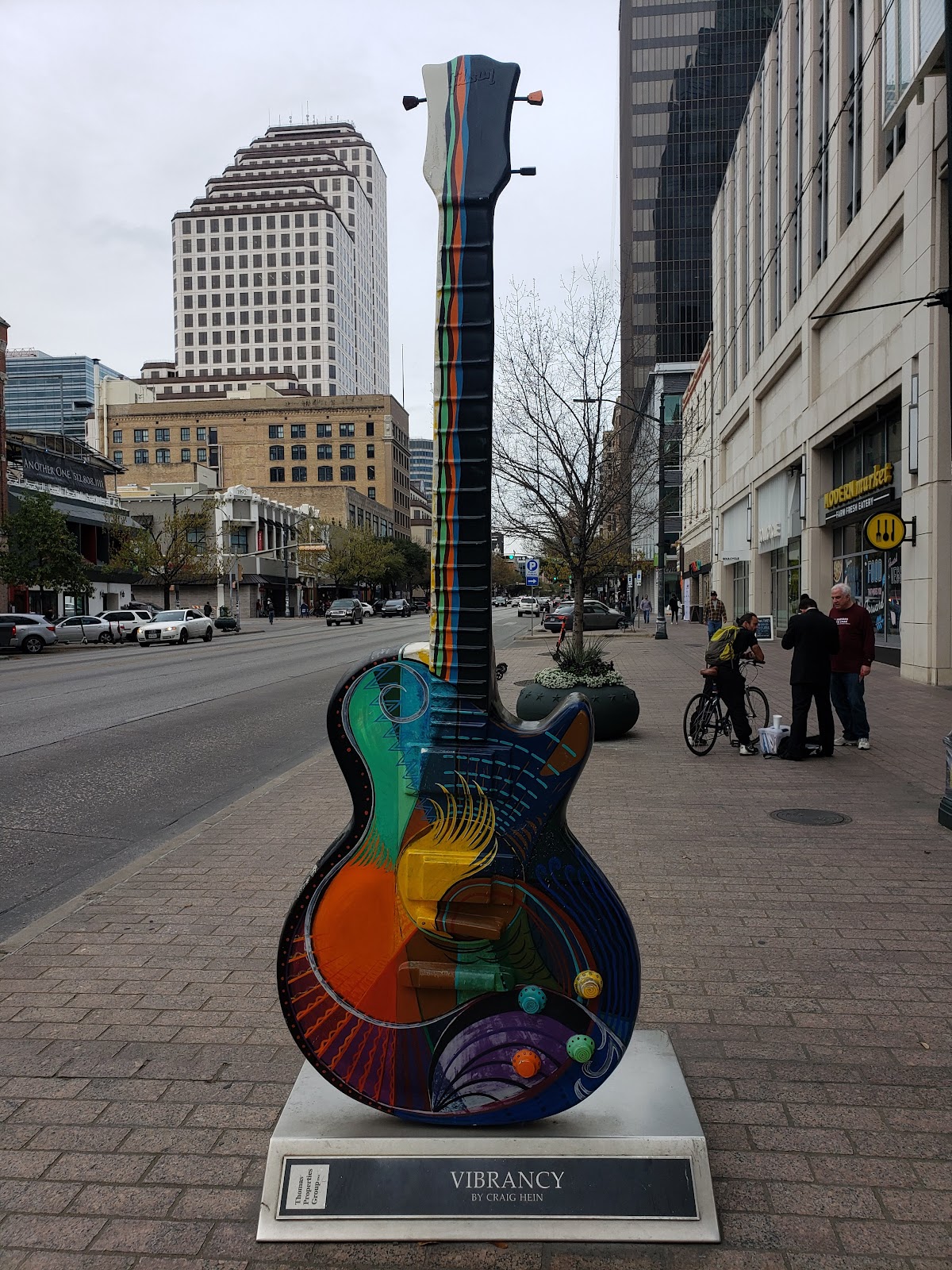
The Contemporary Austin: One Frame, and How It Is Made
A contemporary art museum with a lakeside sculpture park — where the art is outdoors and full size.
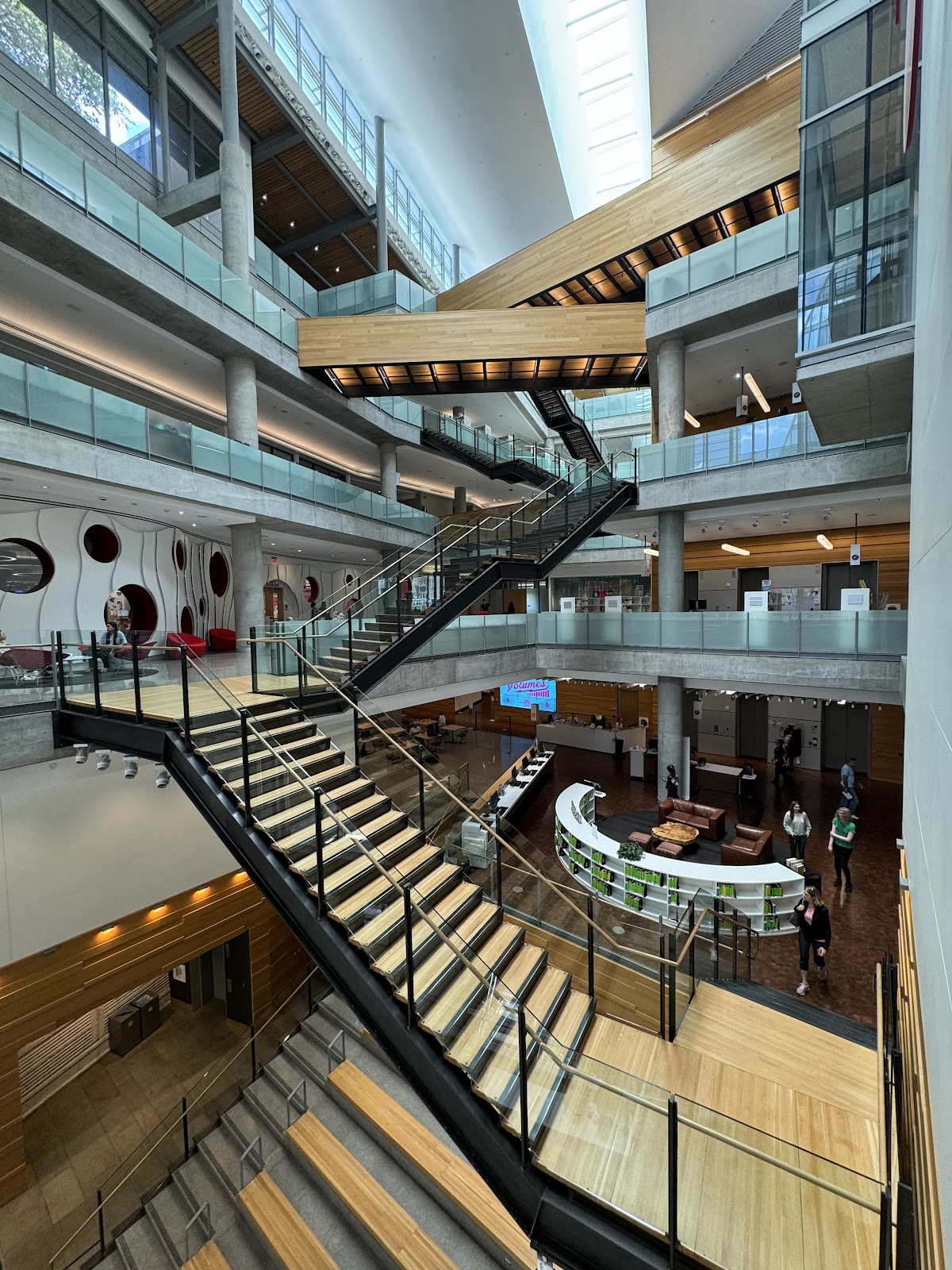
The Austin Central Library: The Venue’s Own Logic
A contemporary civic library in downtown Austin, organised entirely around getting daylight to readers.
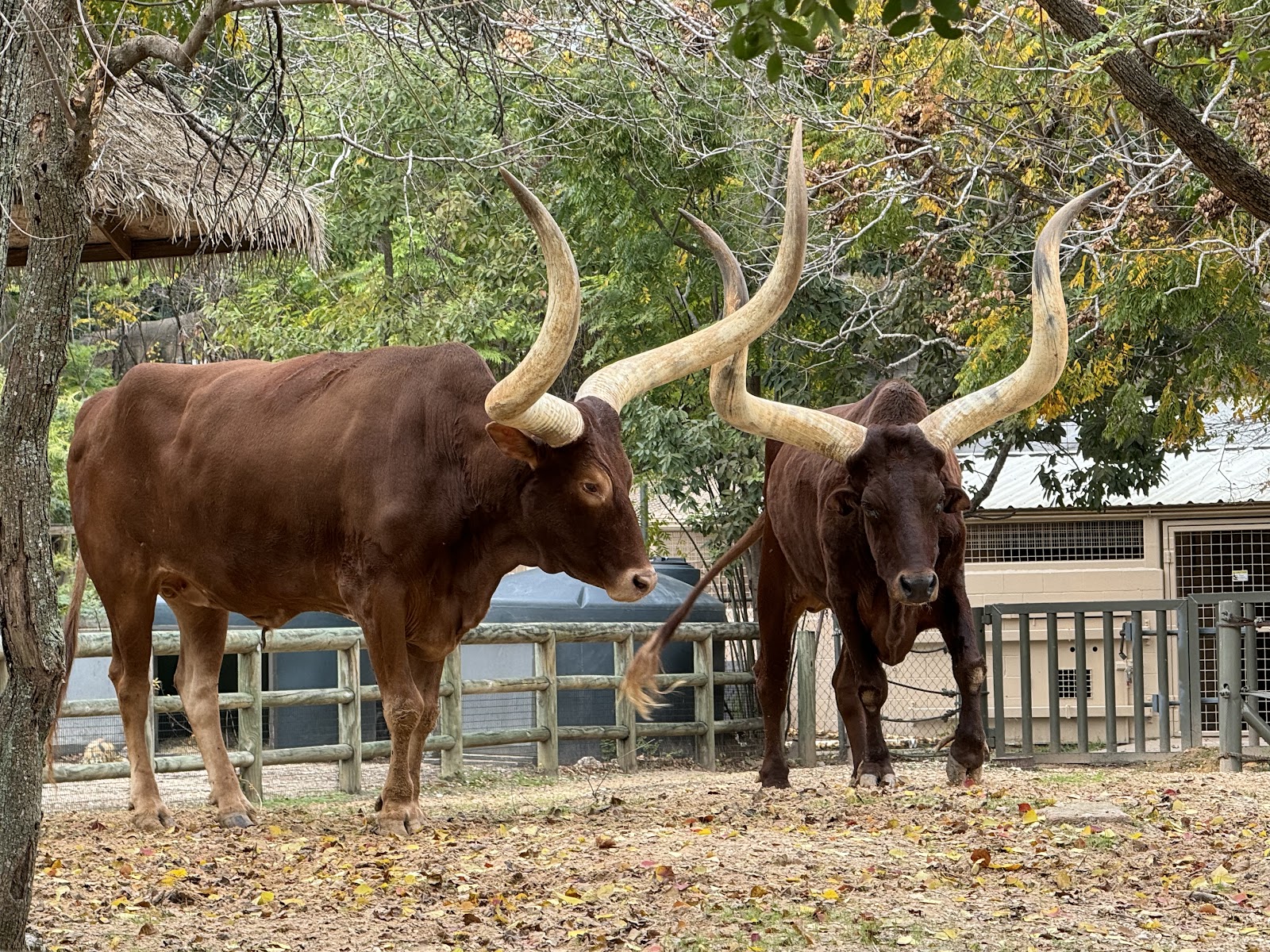
The Houston Zoo: Field Notes
A zoo in Hermann Park, on the Gulf coastal plain — where the heat is the first problem, not the barriers.
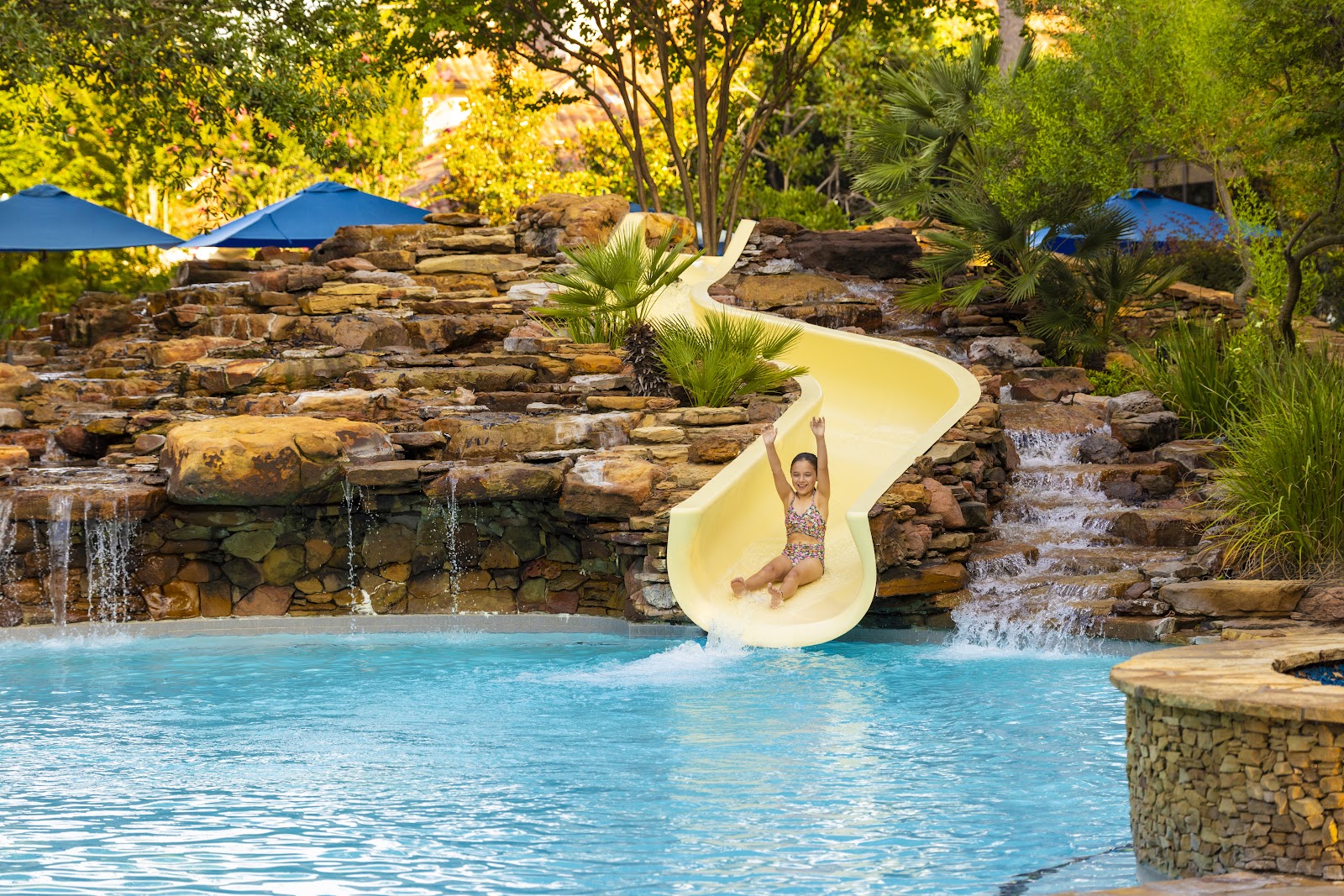
The Houstonian Hotel, Houston: One Frame, and How It Is Made
A hotel set in wooded acres inside the city — mature live oaks, and a canopy that never drops.
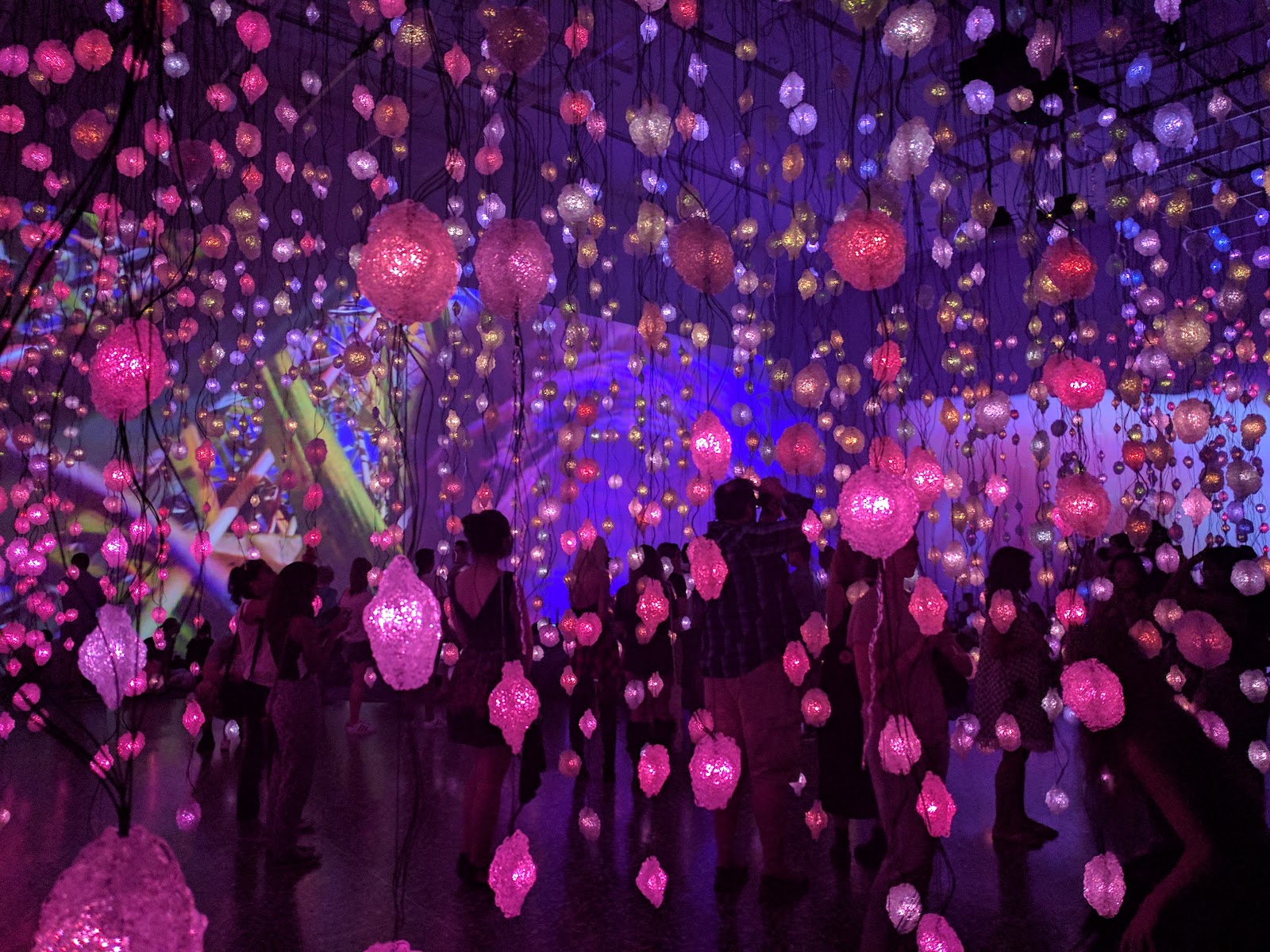
The Museum of Fine Arts, Houston: A Walk Through the Building
A museum campus of several buildings and a sculpture garden, connected below ground, in the Houston Museum District.
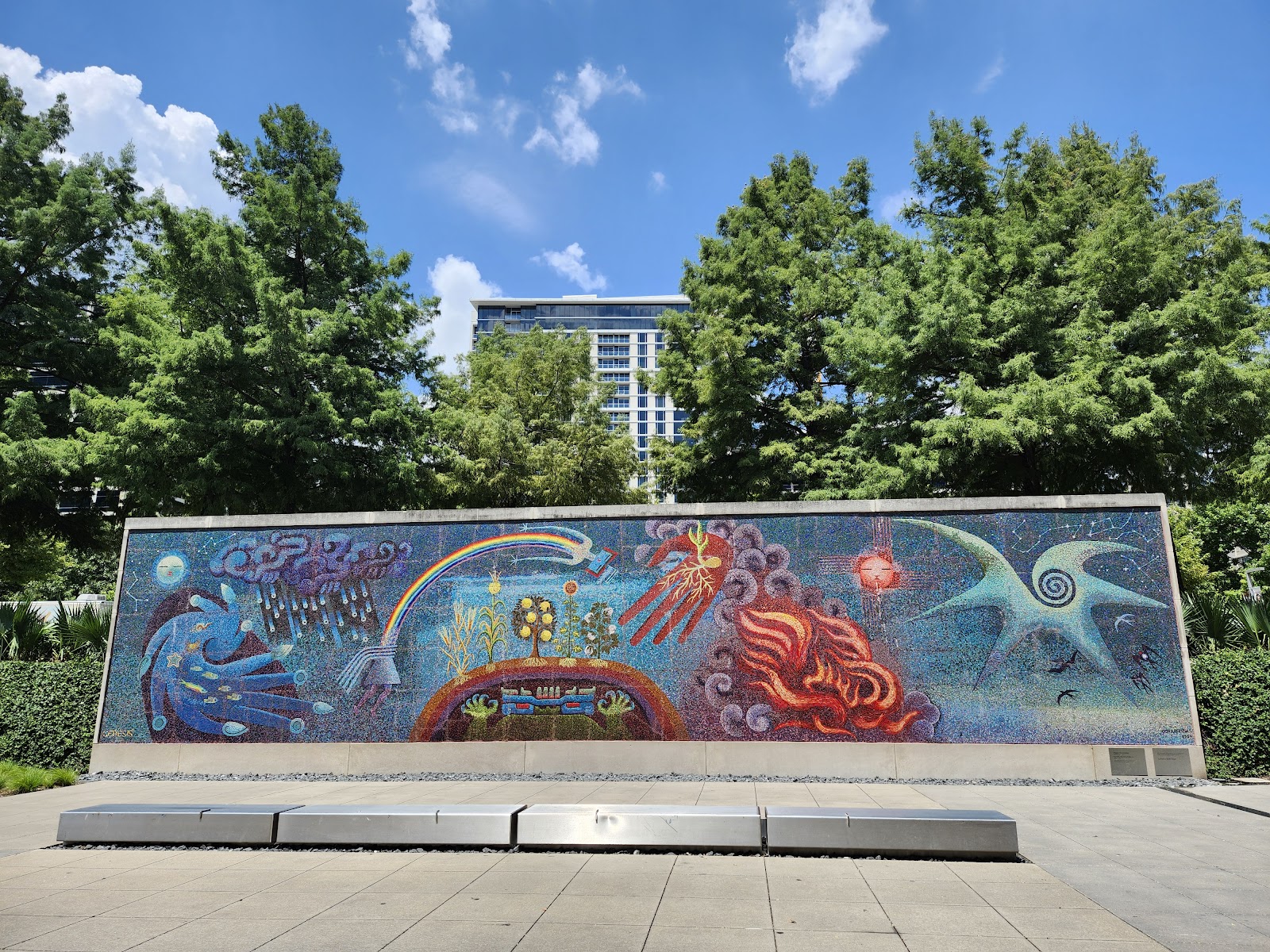
The Dallas Museum of Art: The Problem, and Four Ways Out of It
A major art museum in the Dallas Arts District — lit, entirely deliberately, for paintings rather than for faces.
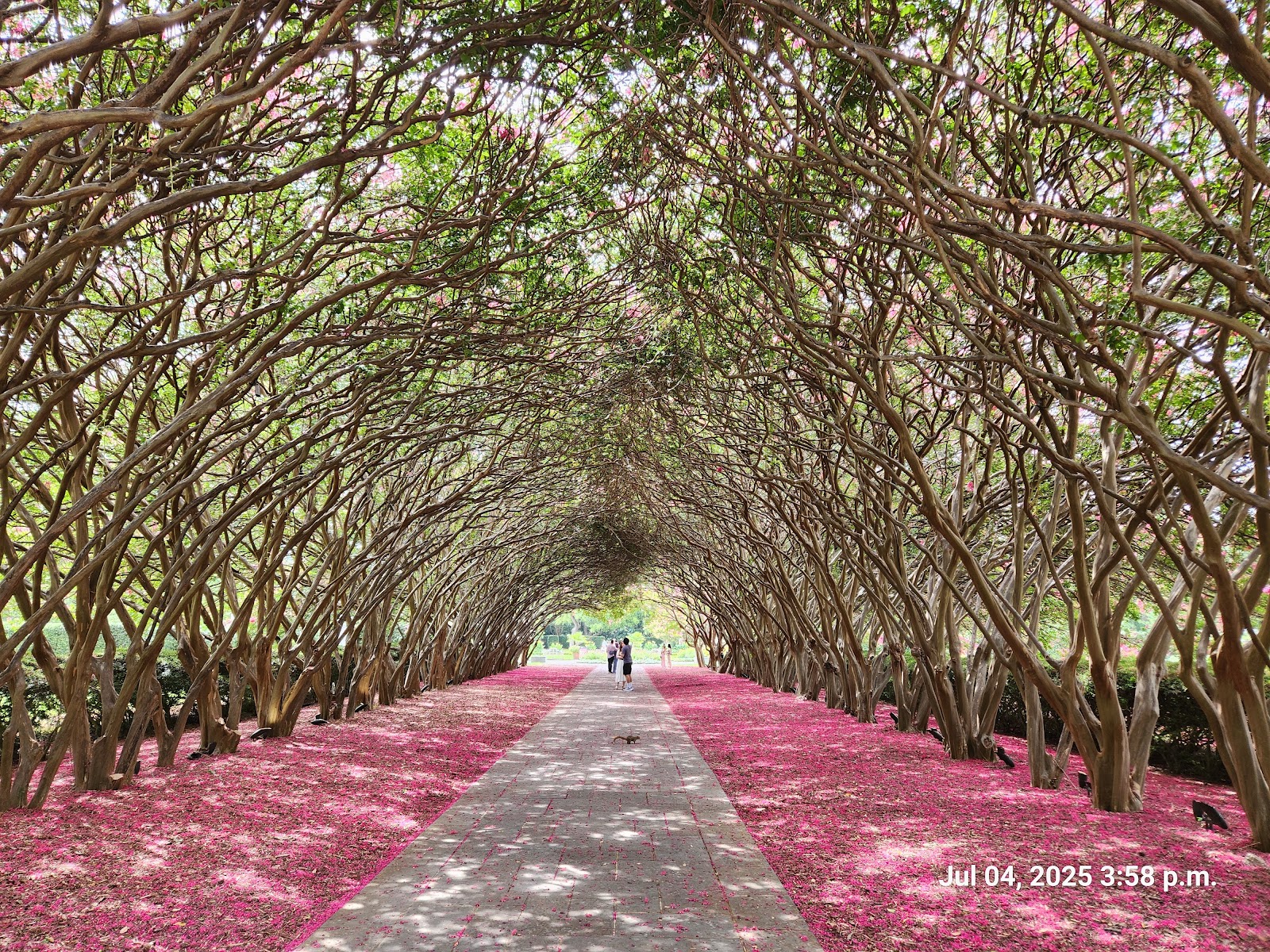
The Dallas Arboretum: The Light Through the Day
A botanical garden on the shore of White Rock Lake — a designed landscape, planted for succession.