Key West is at about twenty-four and a half degrees north, further south than anywhere else in the continental United States, and that single number produces the most extreme overhead light a photographer will meet on the mainland. At the summer solstice the midday sun here is within roughly a degree of vertical — not high, vertical.
Shadows fall directly beneath things, there is no shadow side to a face because there is no side the light is coming from, and a person standing in the open at noon in June has black eye sockets, a hard line under the chin and a bright patch on the top of the head. There is no technique for it. That is why the architecture here looks the way it does: deep verandas, wide eaves, louvred shutters and shaded galleries are not stylistic choices but the local answer to a vertical sun, arrived at long before anyone was photographing weddings.
Two or three metres in from a veranda's open edge — roof blocking the vertical component, the open side supplying direction, a pale painted floor bouncing back to fill under the chin — is the best light on the island at any hour.
The second consequence of the latitude runs the other way and catches northern photographers out: because the sun sets at a steep angle here, twilight is short. Civil twilight lasts roughly twenty-two to twenty-five minutes, against well over an hour on the northern plains in June — so any dusk frame has to be scheduled with the couple already in position, and a photographer who drifts towards it will find the colour gone. Three other local conditions matter.
Palms are the worst canopy there is: long stiff fronds with wide gaps make hard moving dapple, which under a vertical sun lands straight down on faces — gumbo limbo and banyan give genuinely full shade instead. The humidity is the most severe equipment condition in the country, so a bag opened twenty minutes before going out is the whole fix, and fogging here happens repeatedly through a session rather than once.
And the seasons are two rather than four: the dry season from roughly December into April is the good one without qualification, with clearer air, comfortable temperatures and a December midday sun at about forty-two degrees — a usable angle rather than a vertical one, which makes the full day work instead of two hours of it. The guides below take each venue on its own terms.
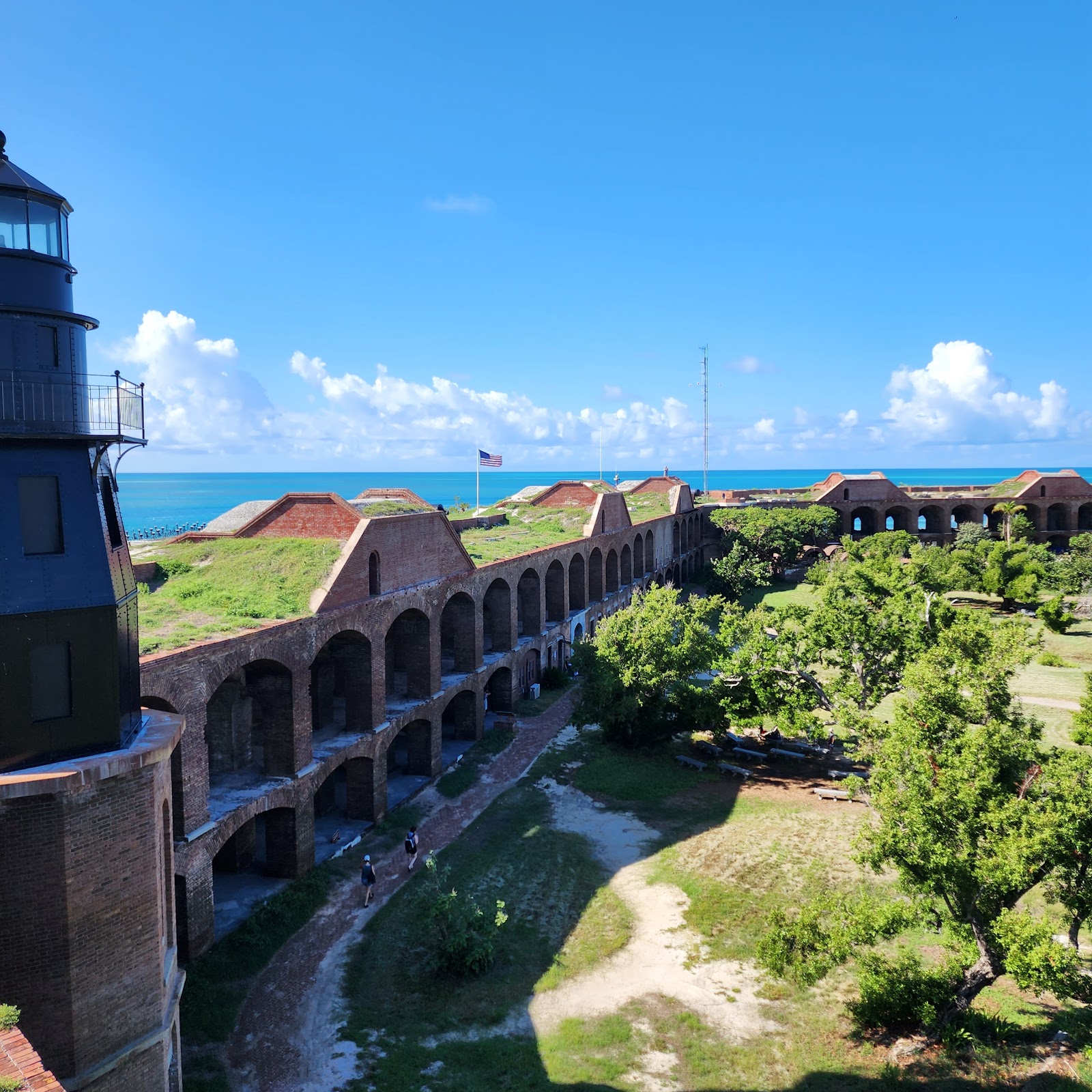
Dry Tortugas National Park: A Walk Through an Island Fort
A remote island fort reached only by boat or seaplane — walked in the order a day there actually works.
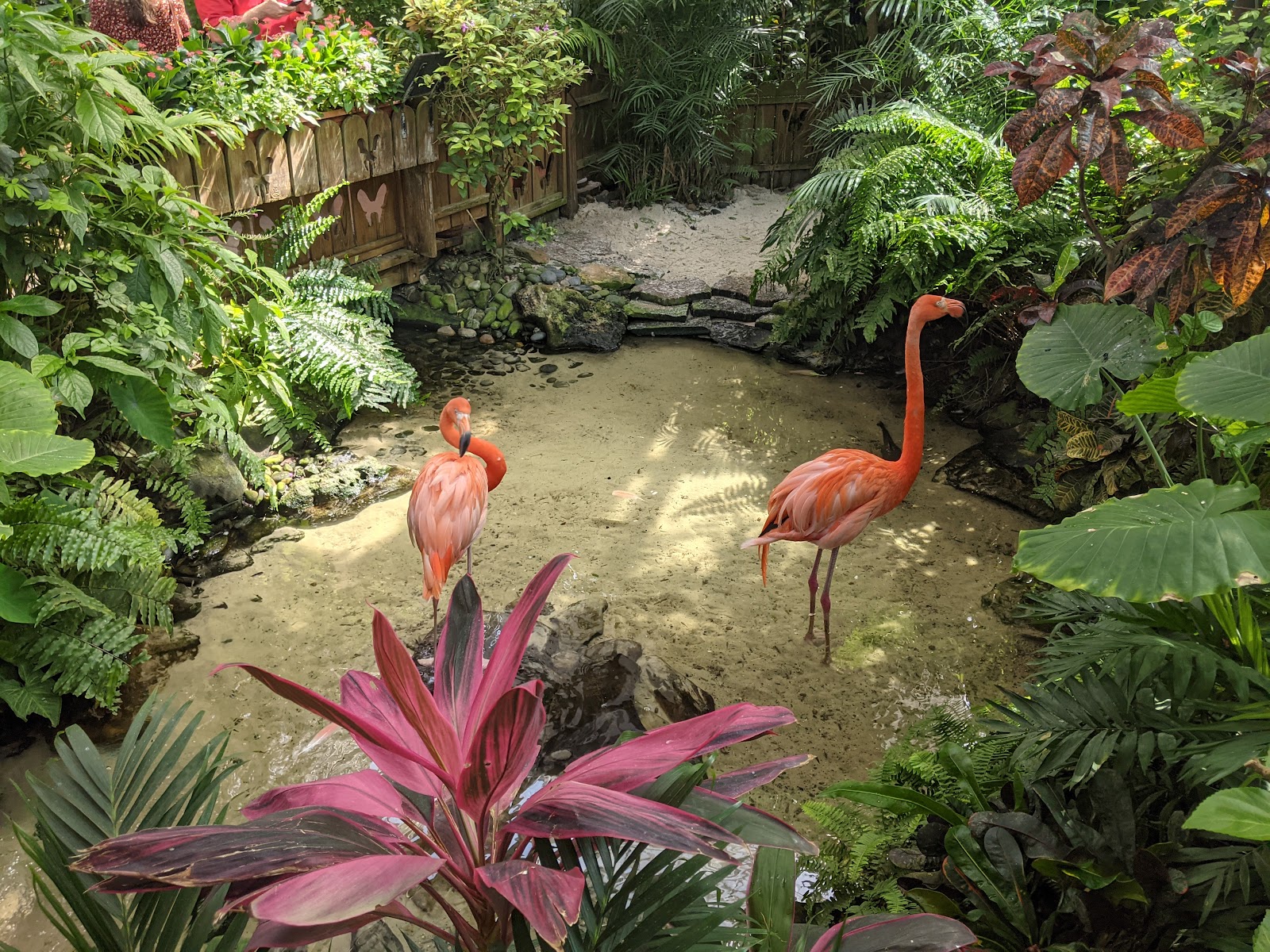
The Key West Butterfly Conservatory: The One Decision That Governs Everything
A Key West glasshouse full of living creatures — where one decision about flash governs the whole approach.
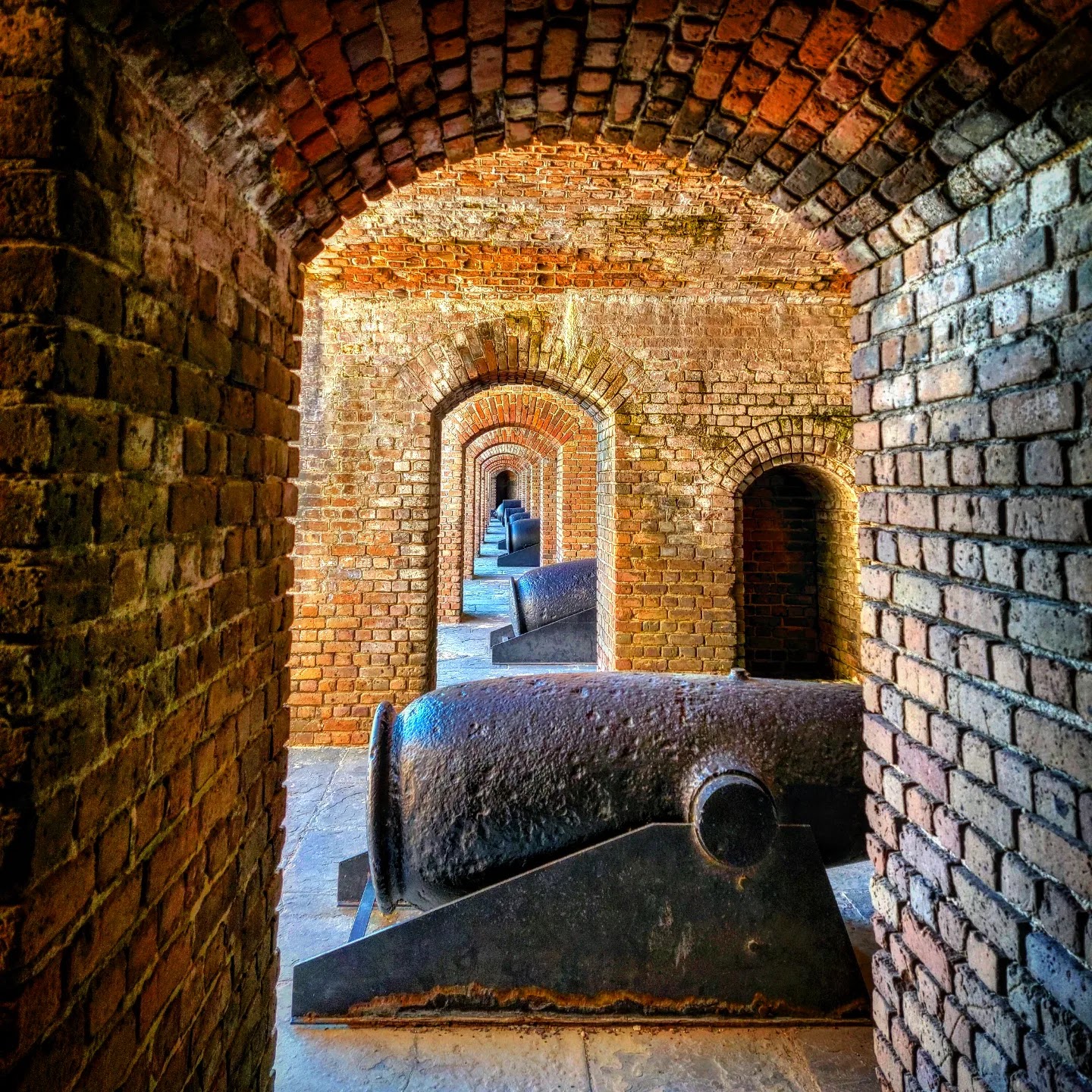
Fort Zachary Taylor, Key West: What It Suits, and What It Does Not
A masonry fort and beach in Key West — dramatic where it counts, and difficult in four specific ways.
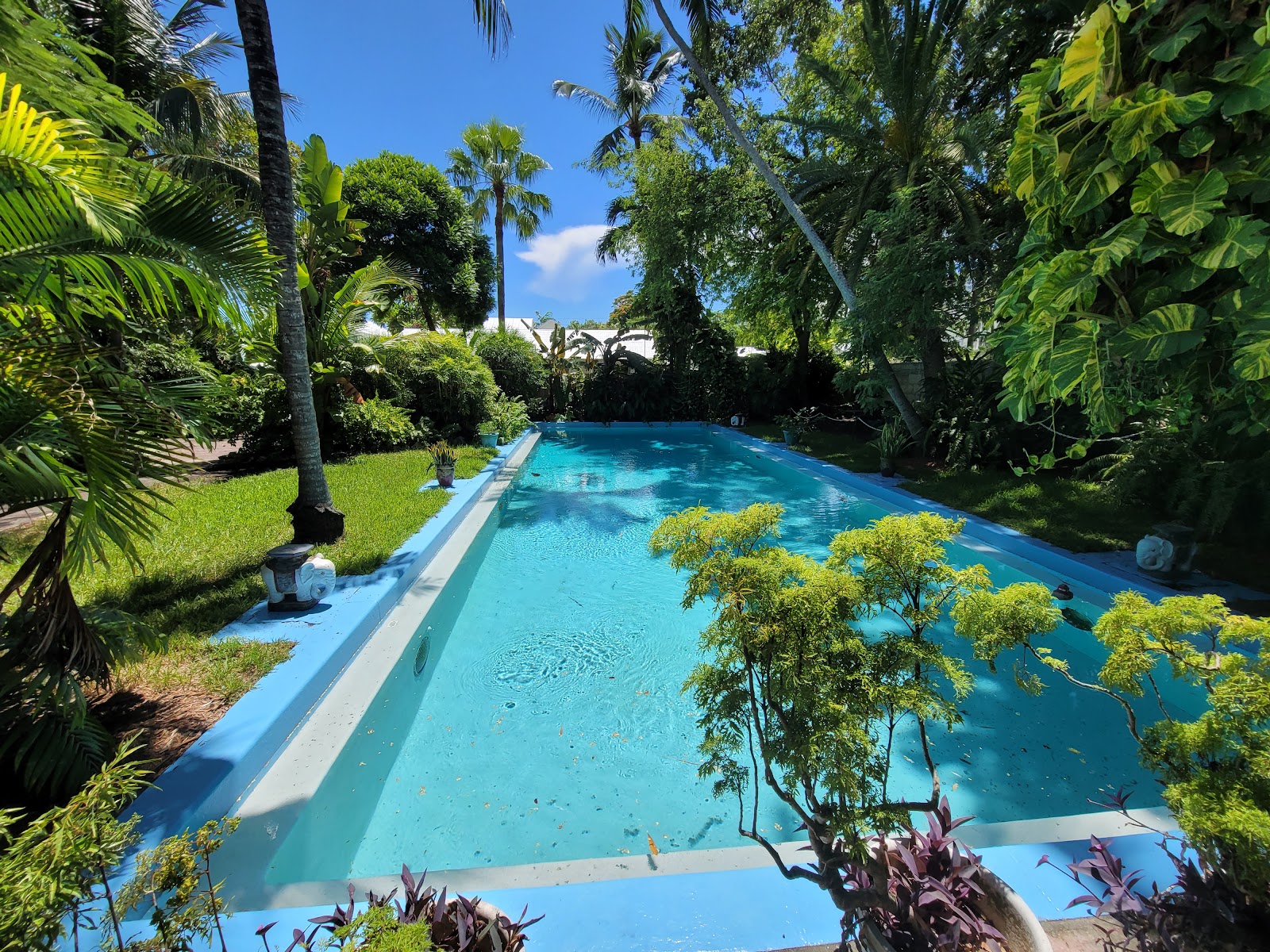
The Ernest Hemingway Home, Key West: One Frame, and How It Is Made
A historic Key West house with deep verandas — and the one frame a near-vertical sun makes possible.