Des Moines has an unusual concentration of buildings that were constructed before electric lighting was adequate, and that single fact makes several of its venues better to photograph than their modern equivalents. A 1913 office building had to put every desk near a window, which forced tall openings, narrow floor plates and high ceilings — so a converted one has daylight that actually crosses the room rather than dying a metre in.
A 1919 grand hotel put its ornament on the lower floors and its windows upstairs, which means the light and the decoration are in different places and the day works best when that is planned for rather than discovered.
Iowa's climate cuts a particular way here. Winters are cold with short days, but the sun stays low all day — which suits textured stone, formwork-marked concrete and carved oak far better than summer's high sun does, so a January wedding at several of these venues photographs unusually well provided the outdoor block is scheduled early rather than assumed at the end of the afternoon. Summer humidity is the opposite problem, fogging a lens carried from air conditioning into garden air for up to twenty minutes.
The guides below are venue by venue: why a geodesic dome casts a web of shadow rather than stripes, why a Masonic hall has no windows in its principal rooms, and why a convention hall is the hardest combination in this series — large and neutral at once.
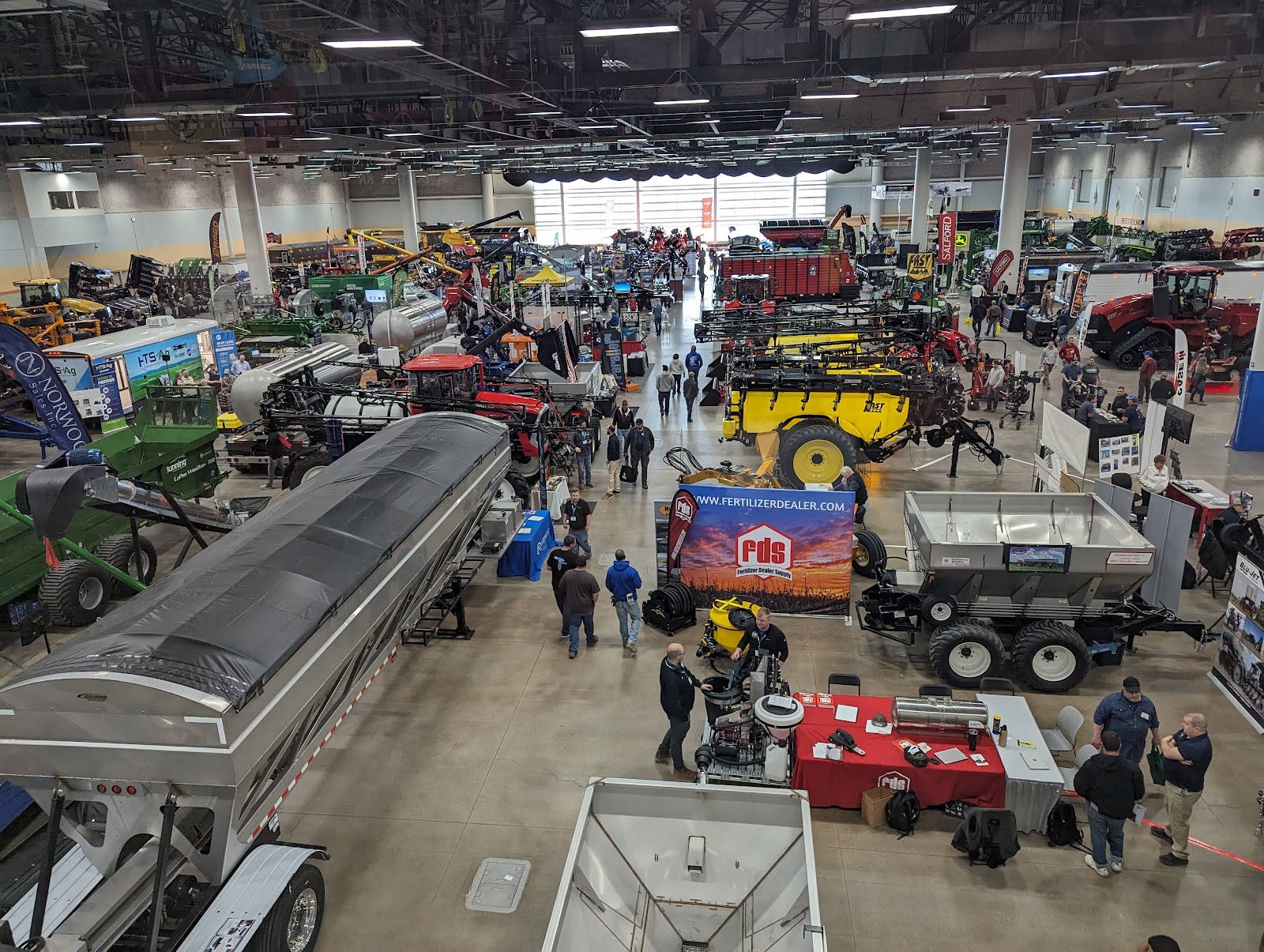
The Iowa Events Center: Four Ways Out of the Blank-Hall Problem
A convention and events complex in downtown Des Moines, Iowa, with large divisible halls and glazed public concourses.
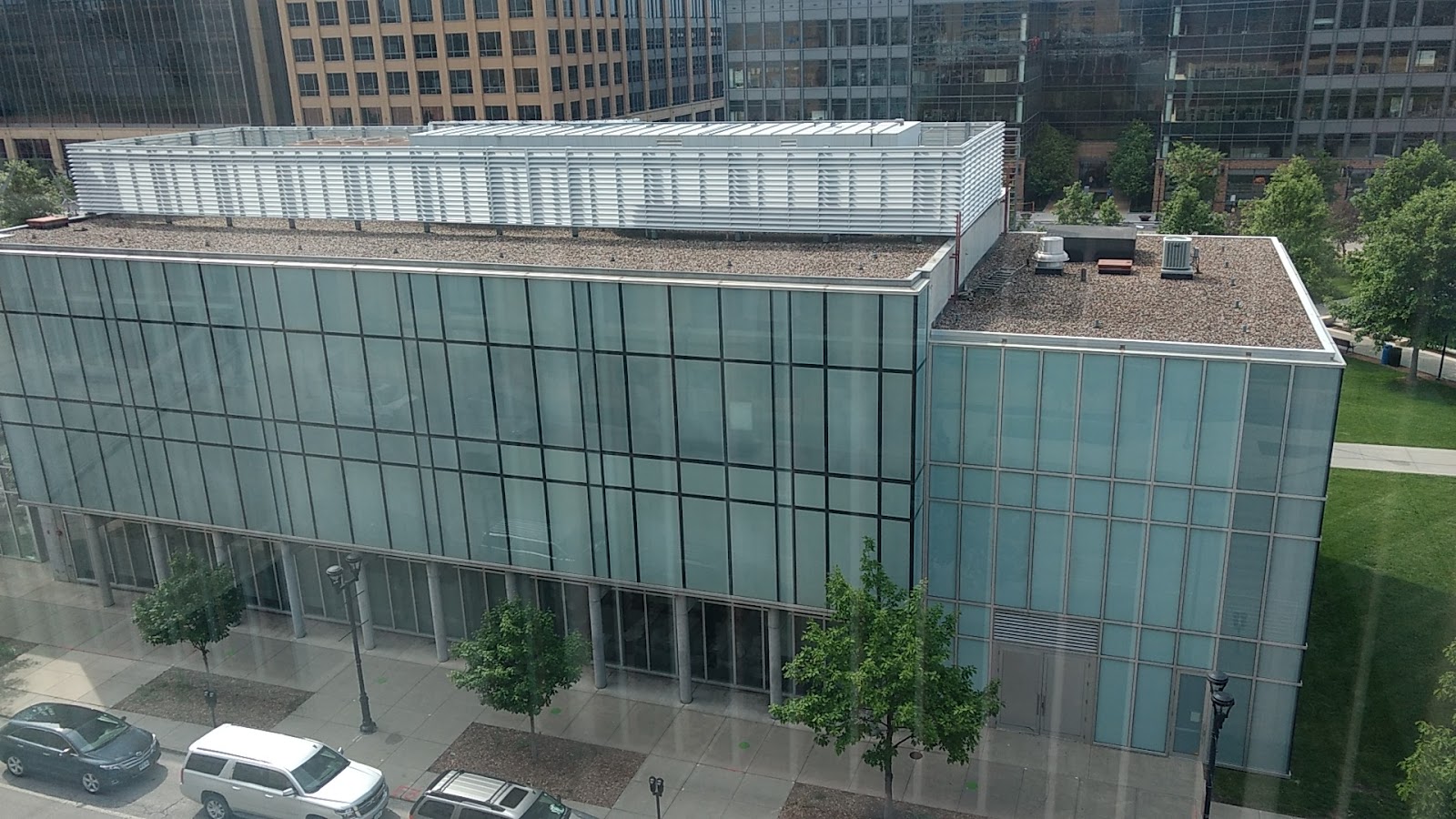
The Historic Pappajohn Center: Field Notes on a Restored Interior
A restored historic building in downtown Des Moines, Iowa, adapted for events, combining original architectural fabric with contemporary intervention.
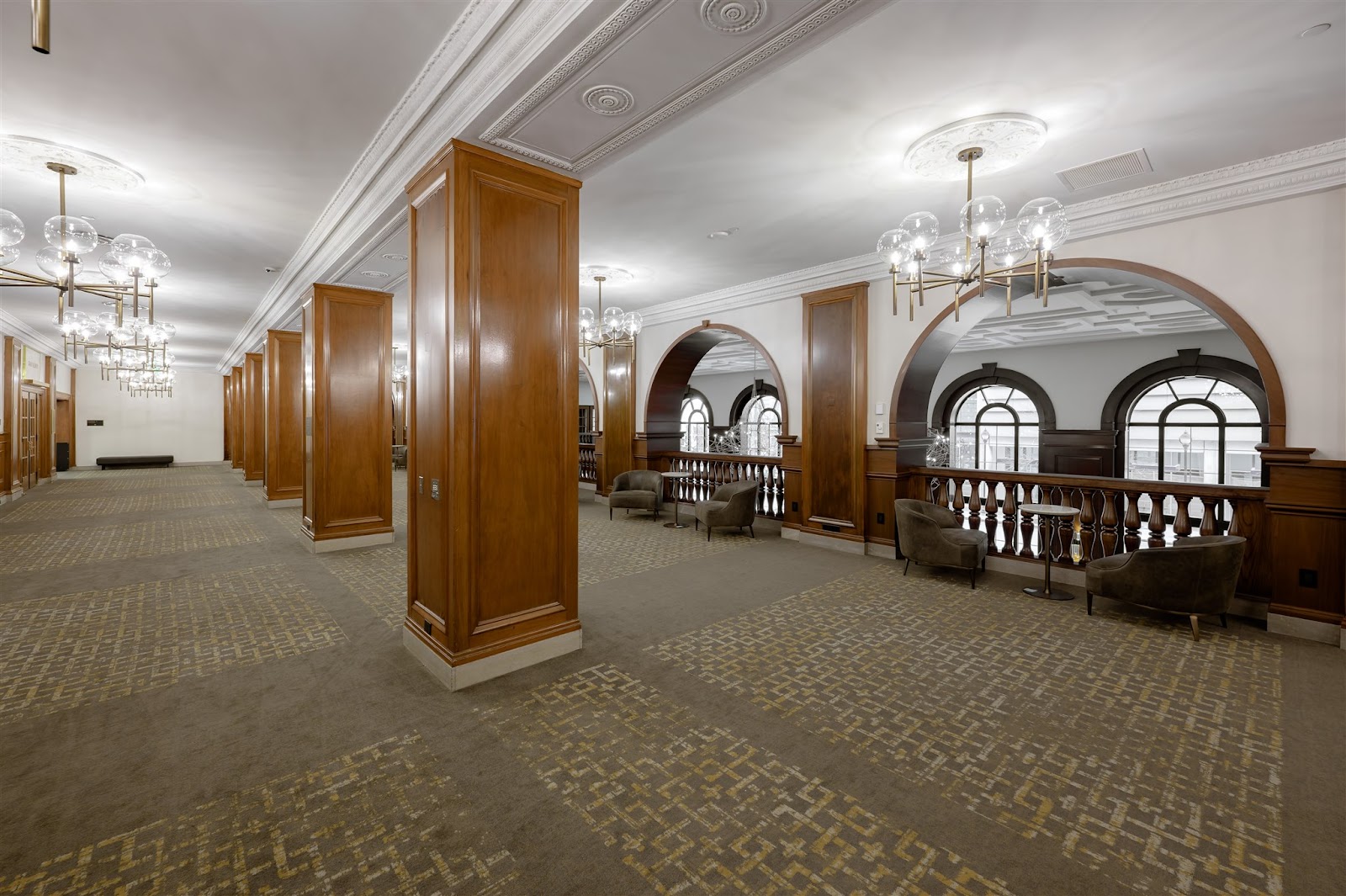
Hotel Fort Des Moines: Reading a 1919 Grand Hotel Through the Day
A 1919 grand hotel in downtown Des Moines, Iowa, with period ballroom space, a lobby and guest floors above.
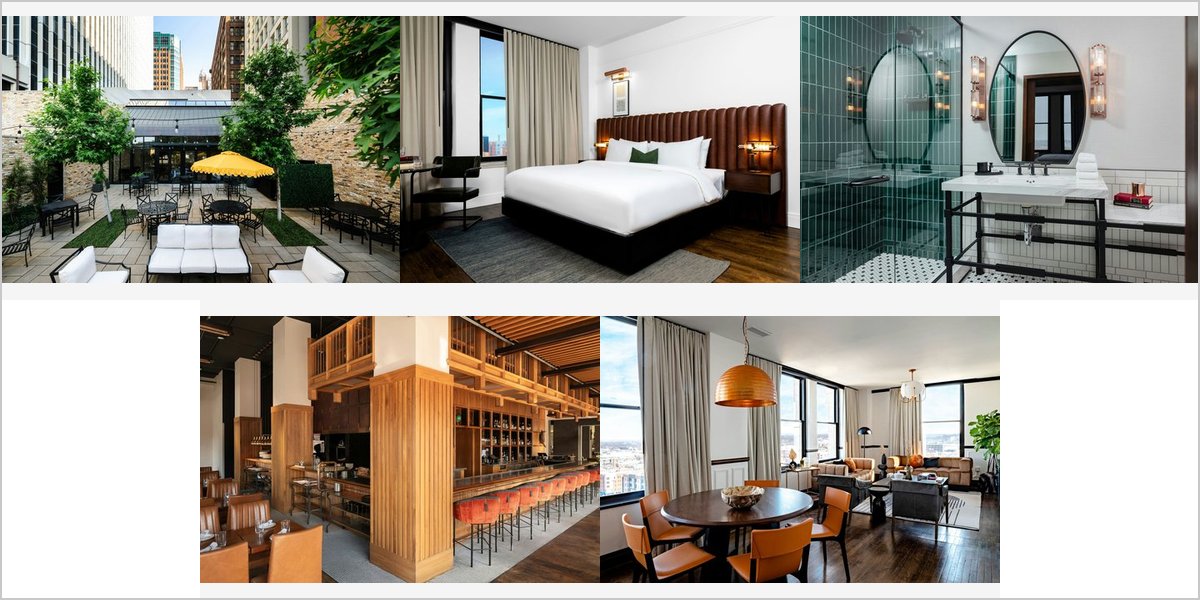
The Surety Hotel: Photographing a Converted Office Building
A 1913 downtown Des Moines office building converted to a hotel, with early twentieth-century fabric and event space.
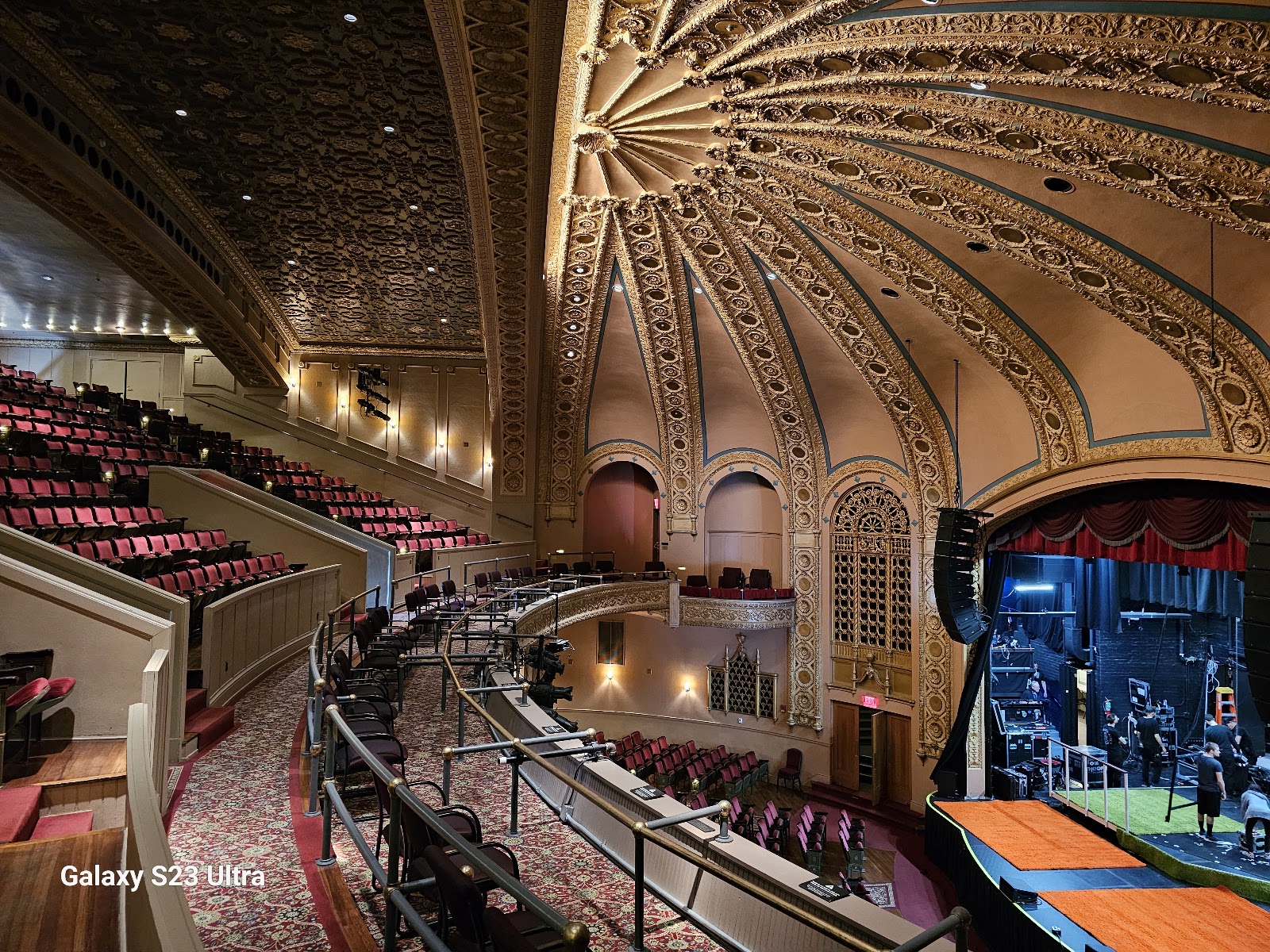
Hoyt Sherman Place: How a House and a Theatre Photograph Together
An 1877 mansion in Des Moines, Iowa, extended with an art gallery and a theatre auditorium, with grounds around it.
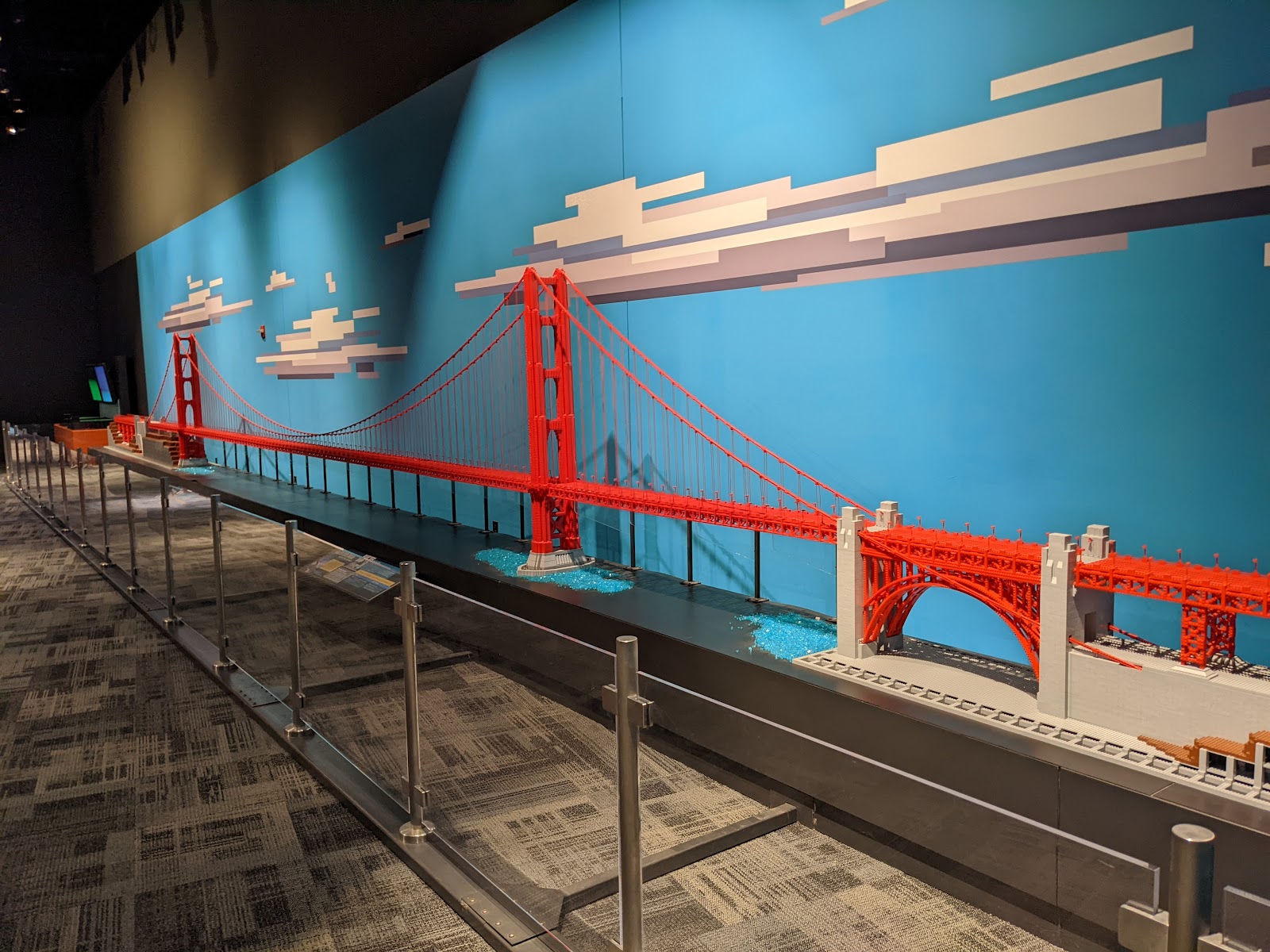
The Science Center of Iowa: Glass, Steel and the Screen Problem
A science centre in downtown Des Moines, Iowa, with a glazed atrium, exhibit halls and a domed theatre.
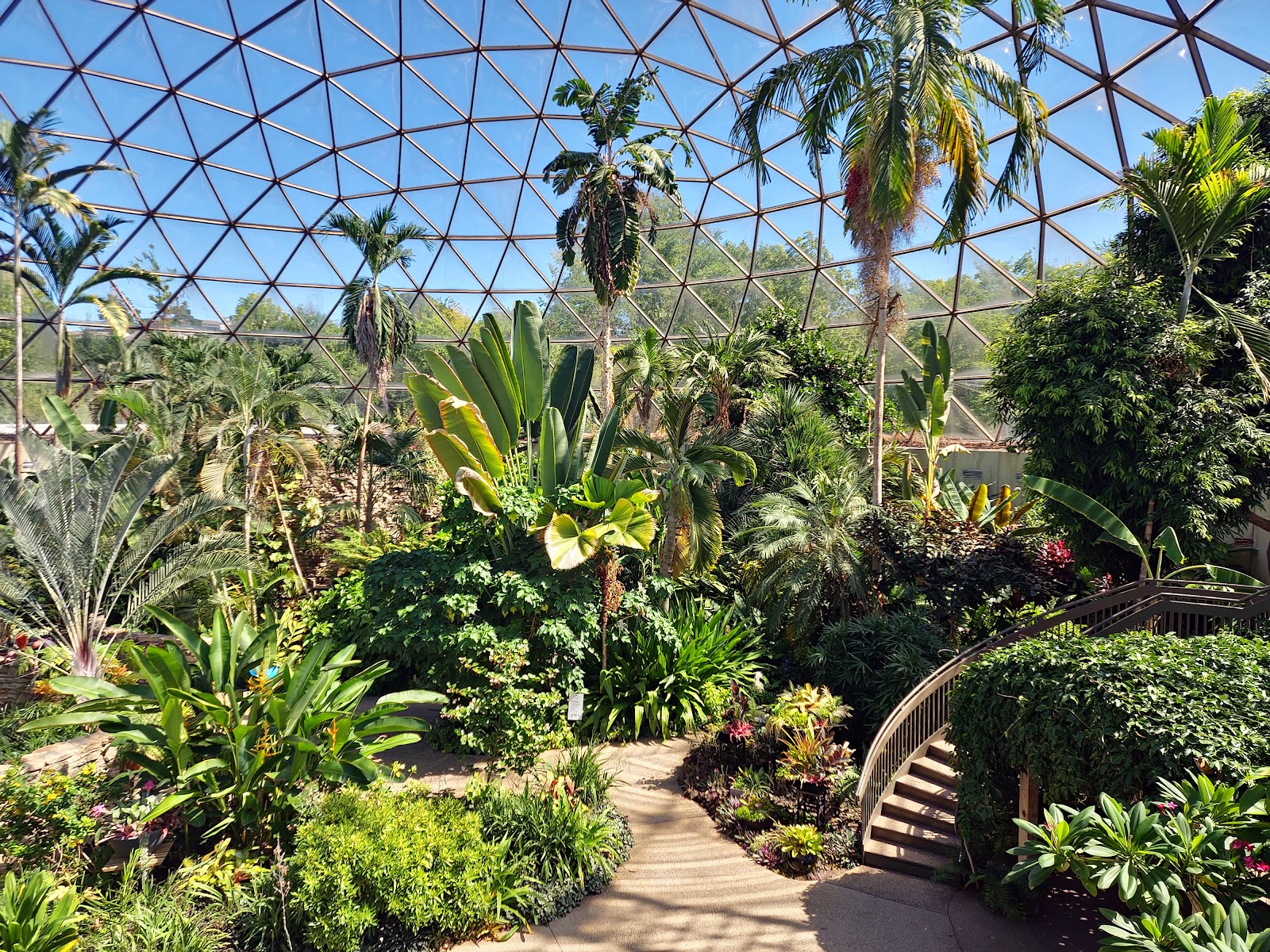
Greater Des Moines Botanical Garden: Four Ways Out of the Dome Problem
A domed conservatory and outdoor gardens beside the river in Des Moines, Iowa, with tropical planting under glass.
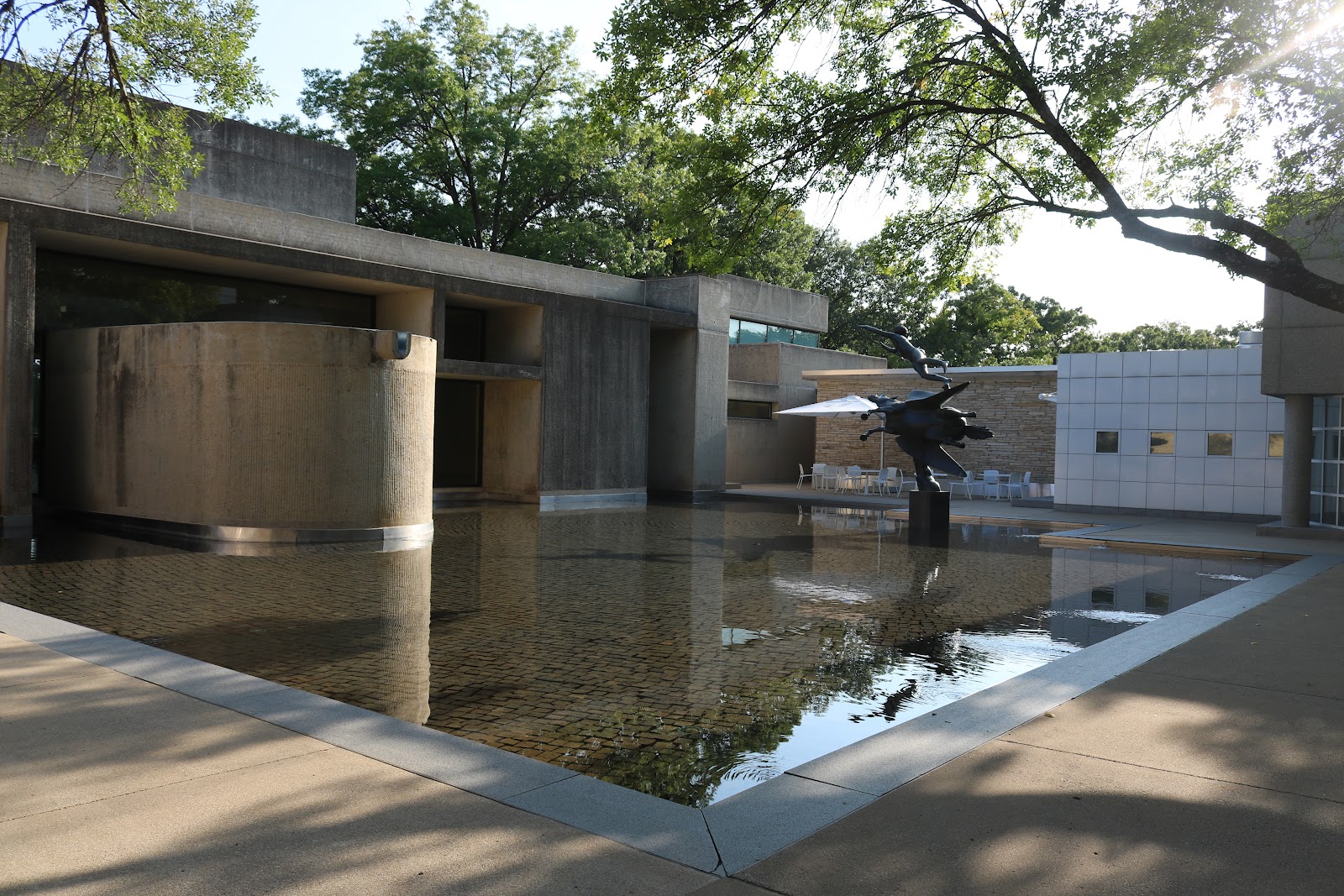
The Des Moines Art Center: A Building by Three Architects
An art museum in Des Moines, Iowa, built in distinct architectural phases across the twentieth century, with a sculpture park and grounds.
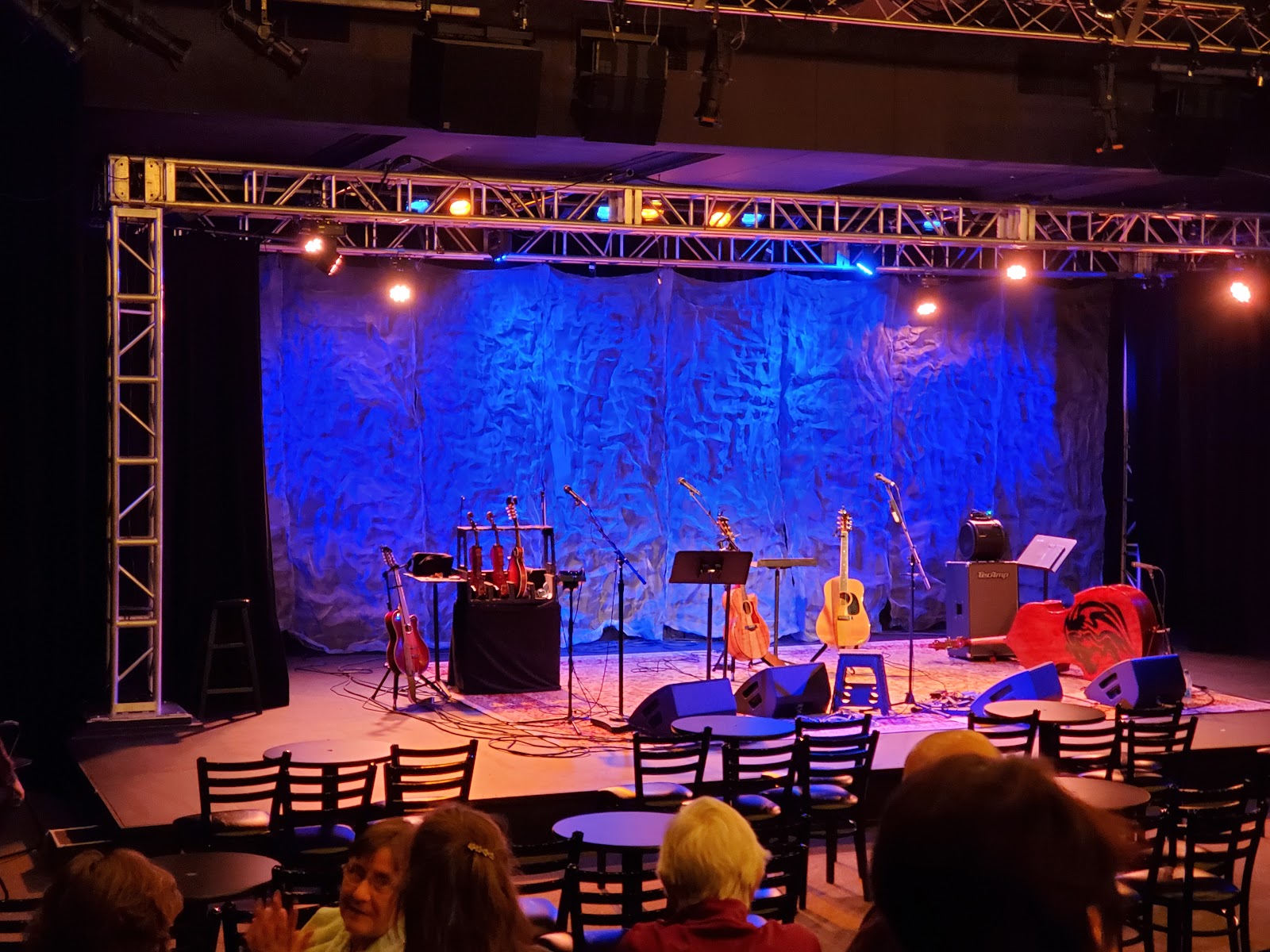
The Temple for Performing Arts: Photographing a Former Masonic Temple
A restored early twentieth-century Masonic temple in downtown Des Moines, Iowa, with grand halls, a lobby and event spaces.
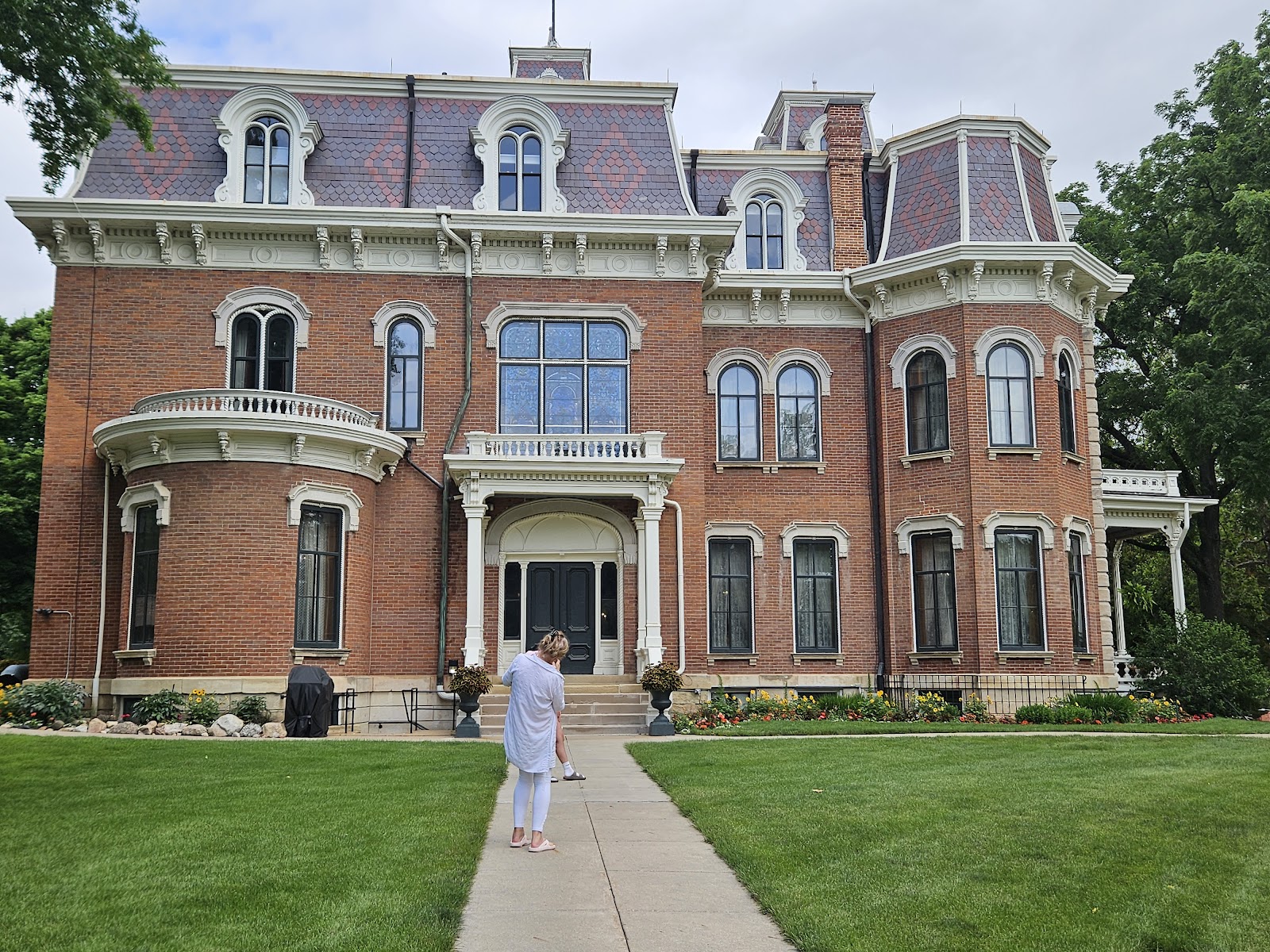
Terrace Hill: Reading a Victorian House on High Ground
A Second Empire Victorian mansion on elevated ground in Des Moines, Iowa, with formal grounds and mature planting.
- 1
- 2