The Somerset Club on Beacon Street: Is It Right for You?
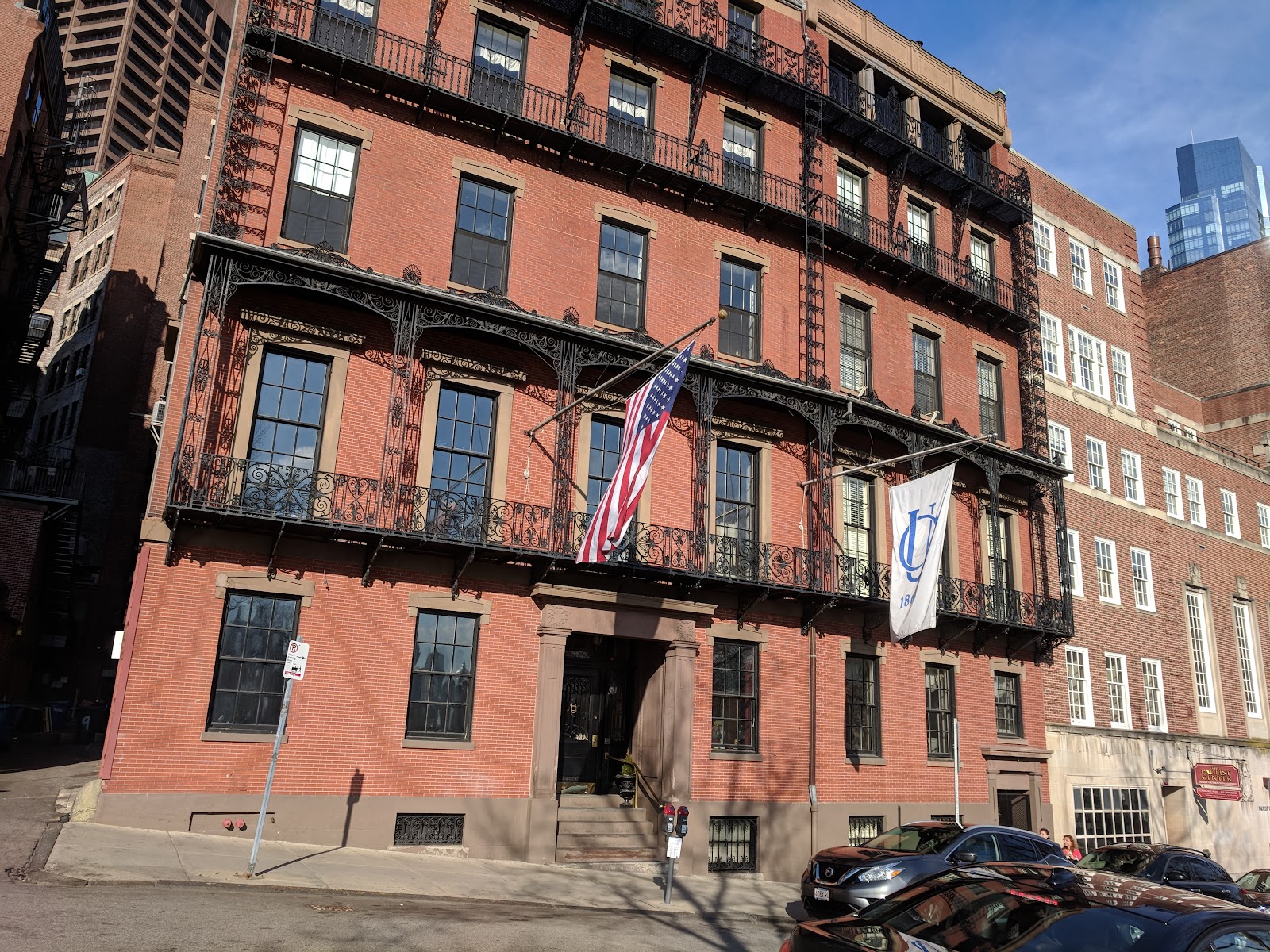
One of the oldest private clubs in America, in a granite bowfront townhouse at 42 Beacon Street overlooking Boston Common. Discreet, domestic and deeply traditional.
Read the guideVenue guides
Two Boston-specific facts run through every guide in this cluster, and neither is obvious from a map. The first is the material colour rule. Boston is built from two families of stone that behave in opposite ways: brownstone and brick are warm, so they bounce warm light that flatters skin, while granite and limestone are cool, so they bounce a neutral-to-cool fill that can render a face slightly grey.
Which side of a street a couple stands on changes the colour of their skin here more than in almost any other city, and at the stone-clad museums and the converted bank in this list it is worth carrying a warm gel or a warm reflector specifically. The second is the street plan. Outside Back Bay, Boston’s streets are irregular rather than gridded, which means the question of which way a street runs relative to the setting sun has to be answered block by block rather than once for the city — ten minutes of walking with the sun in mind is worth more than any map.
Back Bay is the exception, and because it is gridded its cross streets deliver ninety minutes of raking light predictably.
The seasons here differ more sharply than in most of this series and they change the schedules below substantially. Summer is humid but rarely extreme, and the long June days put sunset late enough that the golden hour arrives after a reception has started — which needs agreeing in advance as a short deliberate excursion rather than assumed. Autumn peaks in the middle of October for roughly two weeks, and at the waterfront venues here it reads as a coloured band on the far shore at a long focal length rather than as canopy overhead.
Winter is the hard one: sunset falls in the middle of the afternoon in December, which compresses the whole outdoor window into a couple of hours and can put it before the ceremony rather than after, and a quayside in a north-easterly reduces an outdoor block to three or four minutes. Snow is the compensation and it is the best natural fill there is, lifting exactly the shadows a low sun carves while fooling a meter by about two stops — though against pale limestone it needs watching, because the two together will clip.
And coastal fog in spring and early summer is the weather most likely to produce the best frame of the day: it separates near from far, reduces harbour clutter to soft shapes, and nobody plans for it.
Two Boston-specific facts run through every guide in this cluster, and neither is obvious from a map. The first is the material colour rule. Boston is built from two families of stone that behave in opposite ways: brownstone and brick are warm, so they bounce warm light that flatters skin, while granite and limestone are cool, so they bounce a neutral-to-cool fill that can render a face slightly grey.
Which side of a street a couple stands on changes the colour of their skin here more than in almost any other city, and at the stone-clad museums and the converted bank in this list it is worth carrying a warm gel or a warm reflector specifically. The second is the street plan. Outside Back Bay, Boston's streets are irregular rather than gridded, which means the question of which way a street runs relative to the setting sun has to be answered block by block rather than once for the city — ten minutes of walking with the sun in mind is worth more than any map.
Back Bay is the exception, and because it is gridded its cross streets deliver ninety minutes of raking light predictably.
The seasons here differ more sharply than in most of this series and they change the schedules below substantially. Summer is humid but rarely extreme, and the long June days put sunset late enough that the golden hour arrives after a reception has started — which needs agreeing in advance as a short deliberate excursion rather than assumed. Autumn peaks in the middle of October for roughly two weeks, and at the waterfront venues here it reads as a coloured band on the far shore at a long focal length rather than as canopy overhead.
Winter is the hard one: sunset falls in the middle of the afternoon in December, which compresses the whole outdoor window into a couple of hours and can put it before the ceremony rather than after, and a quayside in a north-easterly reduces an outdoor block to three or four minutes. Snow is the compensation and it is the best natural fill there is, lifting exactly the shadows a low sun carves while fooling a meter by about two stops — though against pale limestone it needs watching, because the two together will clip.
And coastal fog in spring and early summer is the weather most likely to produce the best frame of the day: it separates near from far, reduces harbour clutter to soft shapes, and nobody plans for it.
One of the oldest private clubs in America, in a granite bowfront townhouse at 42 Beacon Street overlooking Boston Common. Discreet, domestic and deeply traditional.
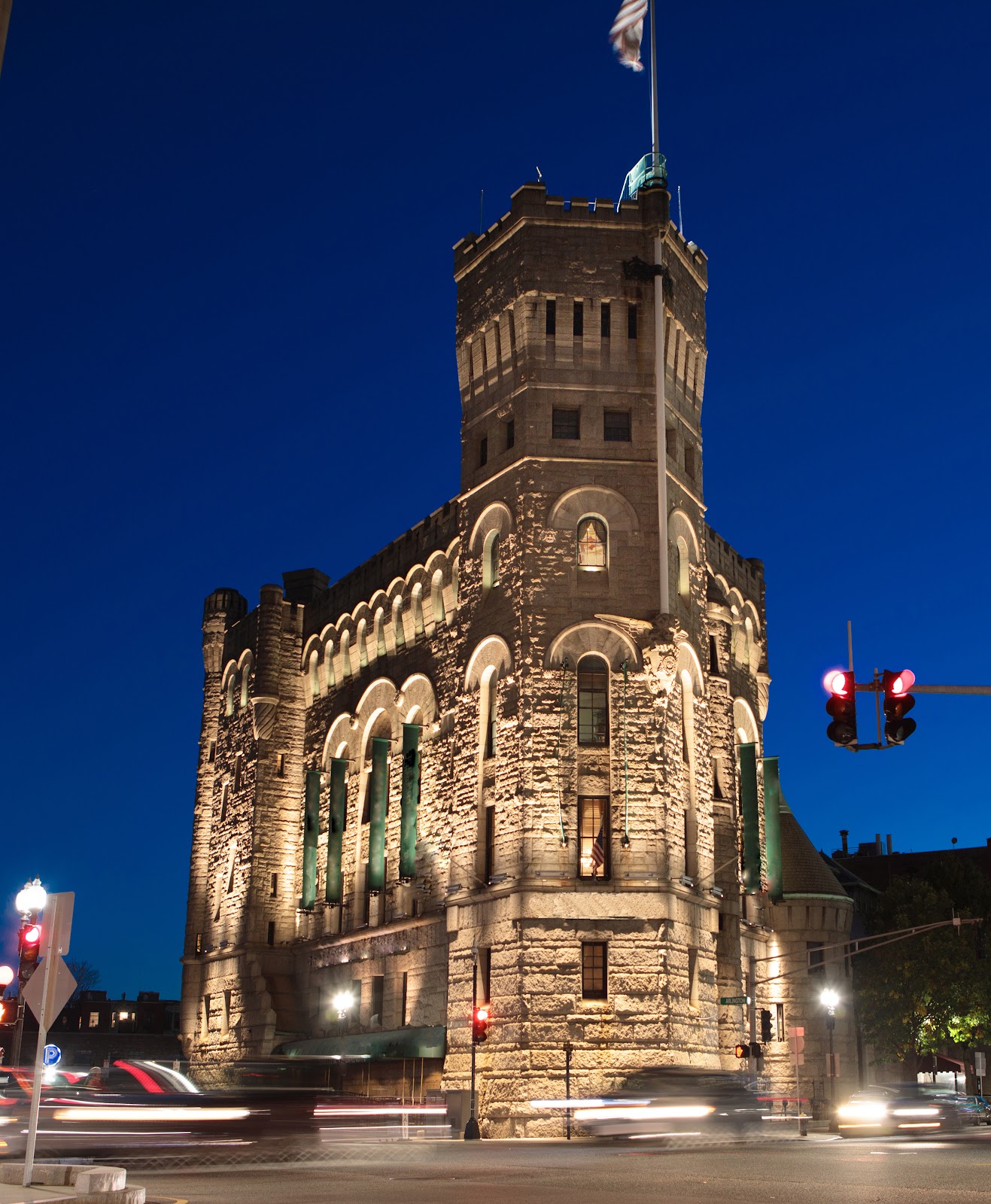
Read the guideThe former First Corps of Cadets Armory of 1897 in Park Square, a brick and timber hall with a turreted exterior. A big, dark, warm-toned room.
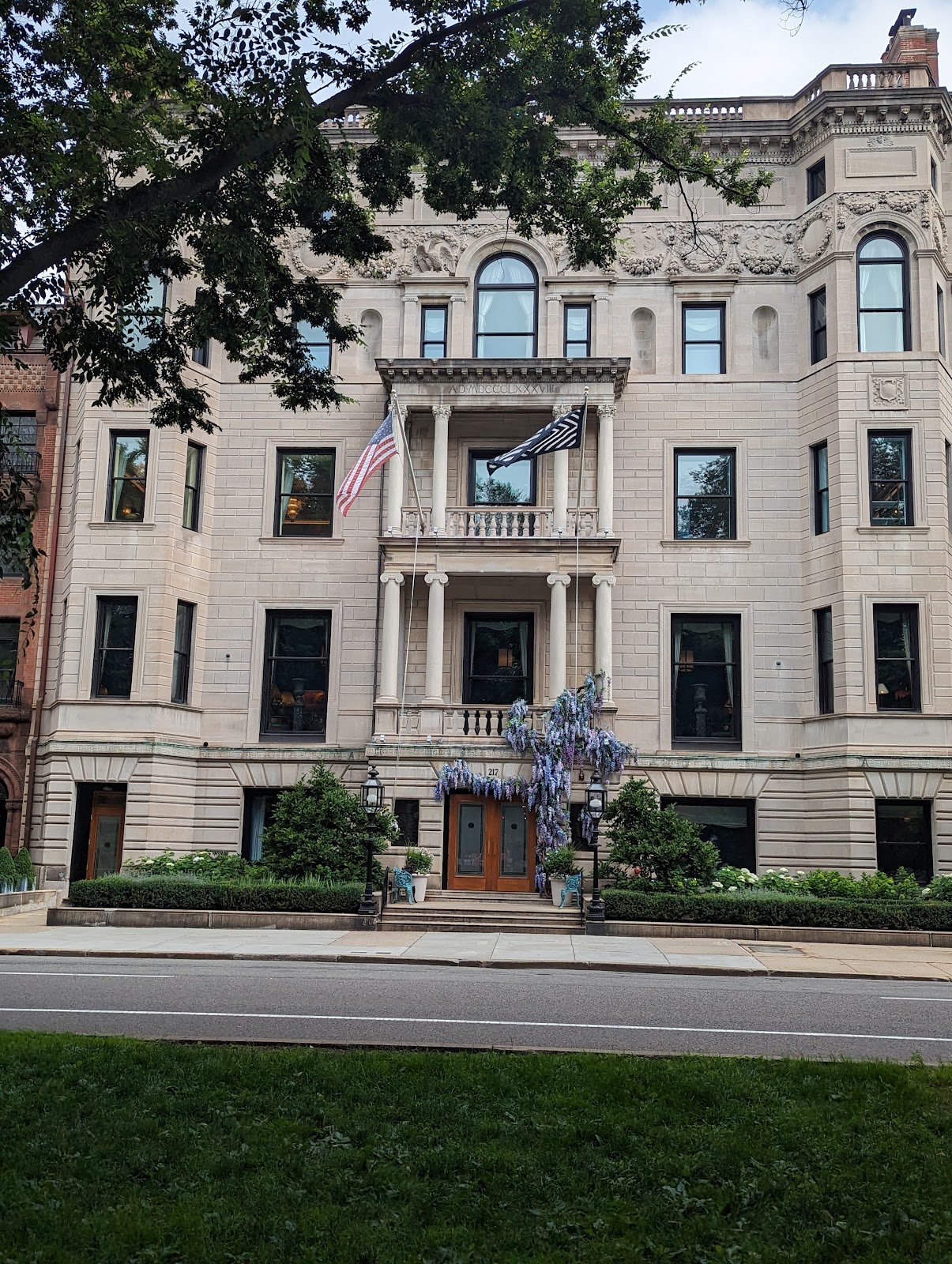
Read the guideAn 1888 McKim, Mead & White clubhouse on Commonwealth Avenue, with a grand staircase, high-ceilinged reception rooms and the avenue's tree-lined mall at the door.
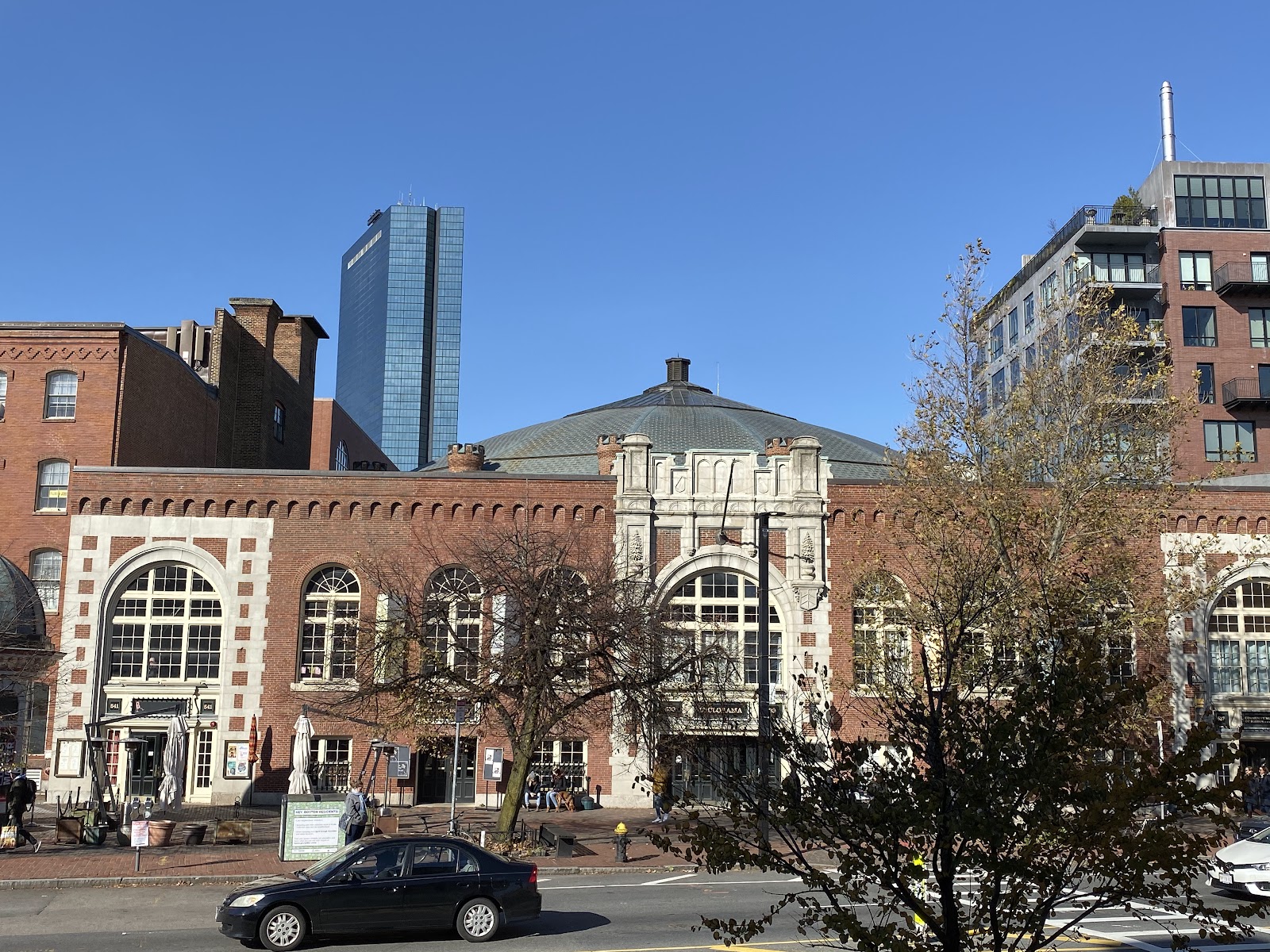
Read the guideBuilt in 1884 to house a cyclorama painting of the Battle of Gettysburg, now a vast domed event room in Boston's South End with a central oculus.
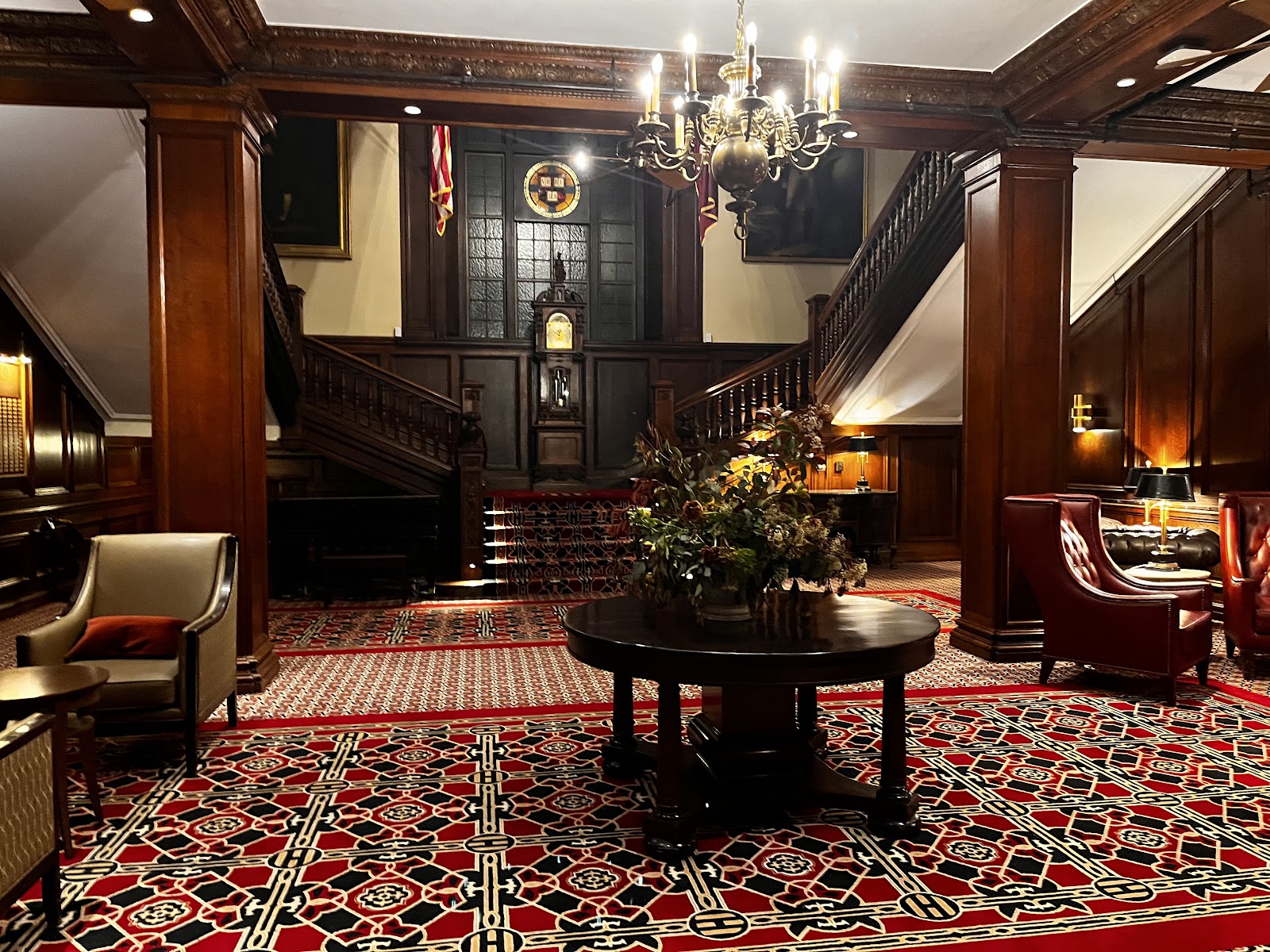
Read the guideA private club in Back Bay with panelled function rooms, oil portraits and traditional finishes. An indoor venue whose photographs still change completely with the season.
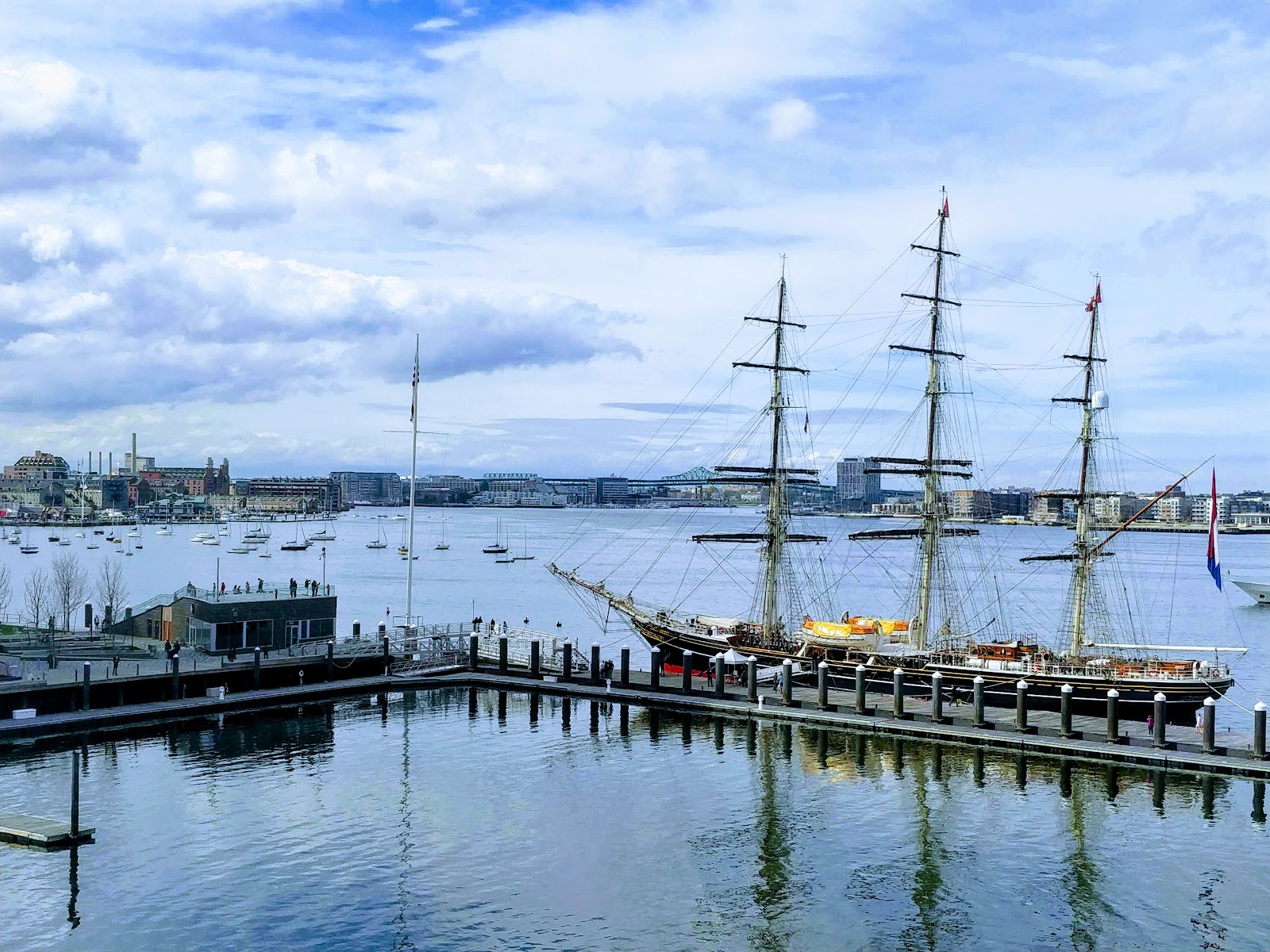
Read the guideA 2006 Diller Scofidio + Renfro building on the Seaport waterfront, cantilevered over the harbour with full-height glass and a grandstand facing the water.
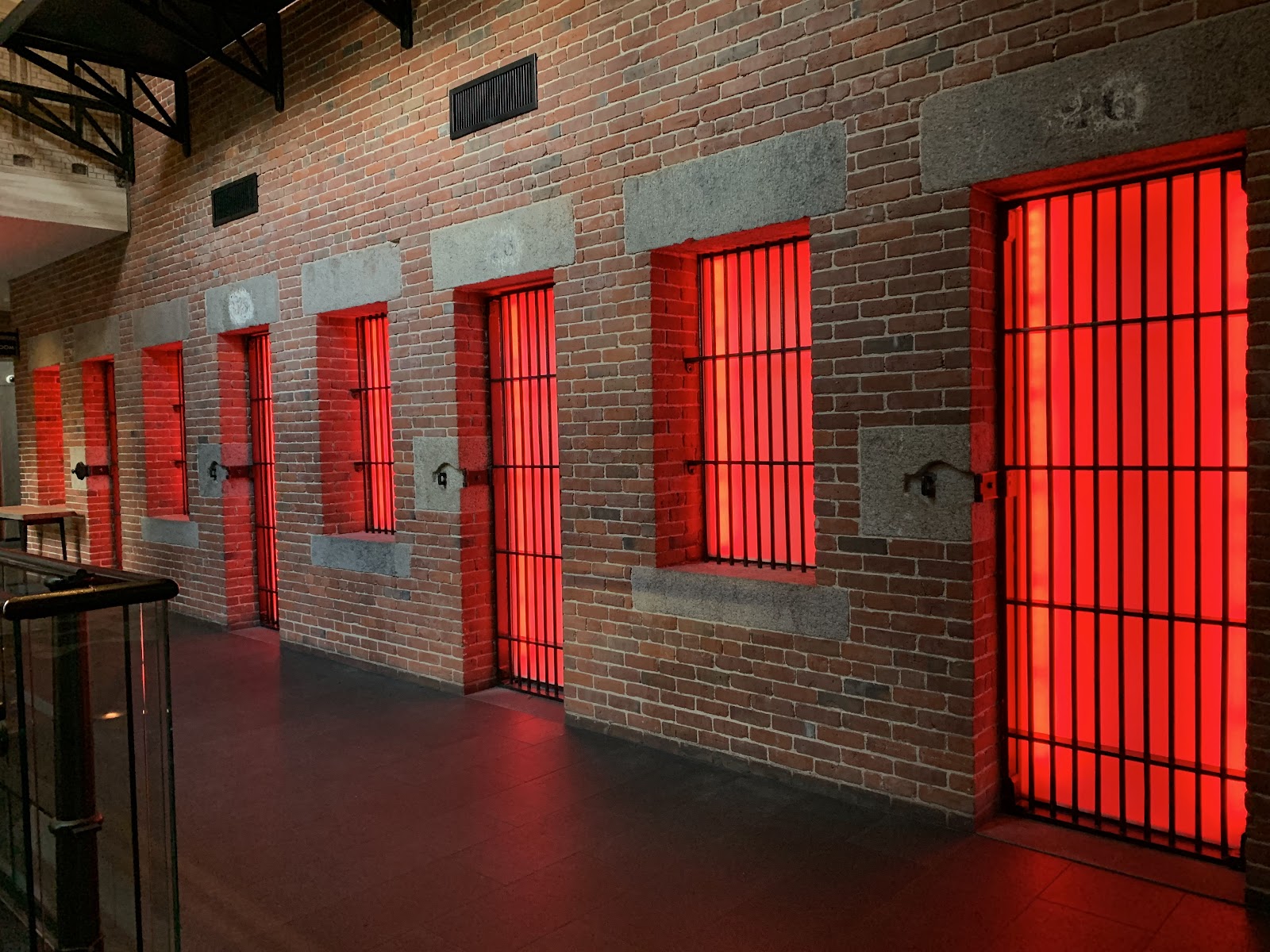
Read the guideThe former Charles Street Jail, built 1851 and converted in 2007, with a ninety-foot granite atrium and catwalks. Dramatic, hard-edged and not for everyone.
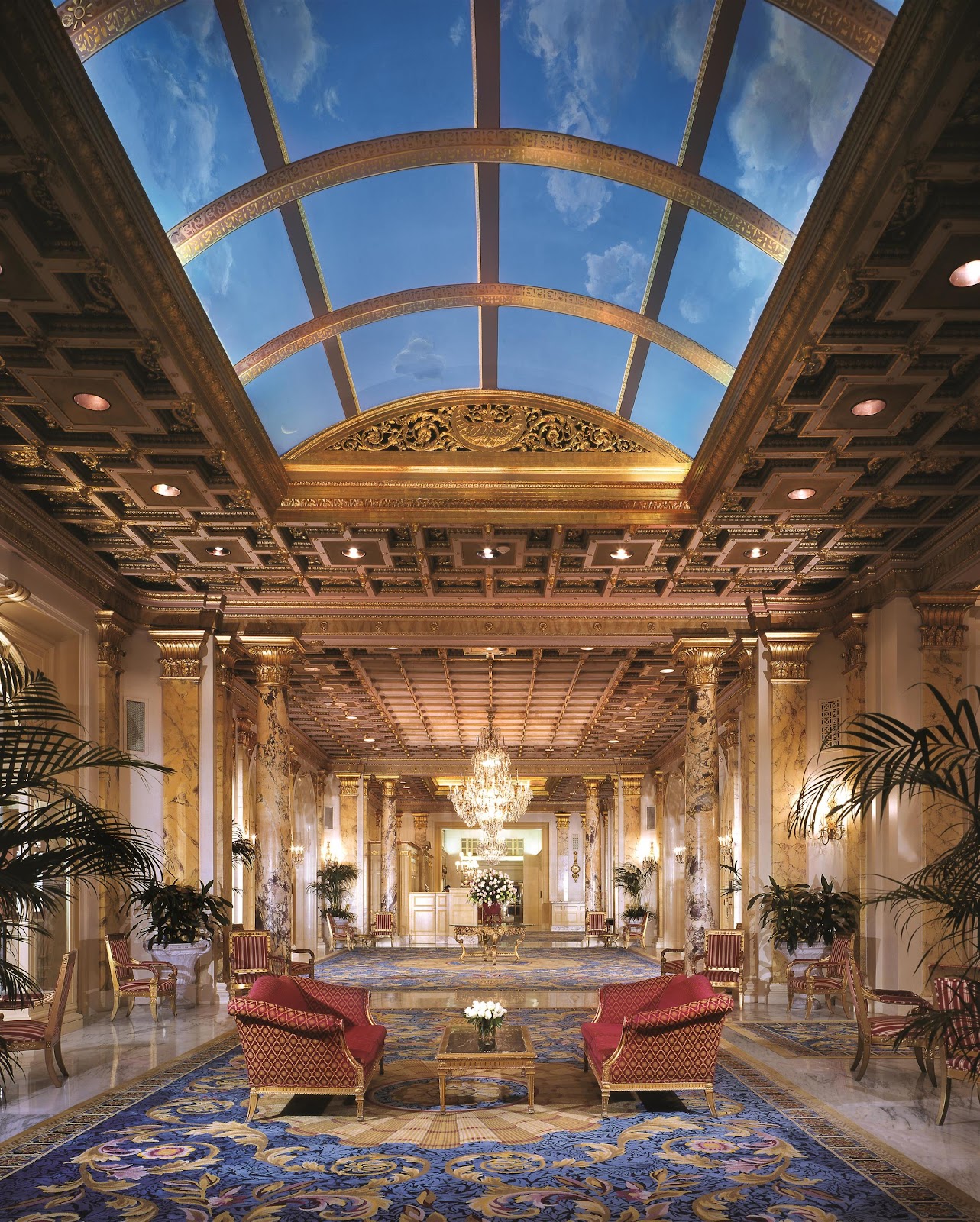
Read the guideOpened 1912 on Copley Square, a Henry Janeway Hardenbergh grand hotel with gilded ballrooms, a trompe-l'oeil lobby ceiling and no daylight where it counts.
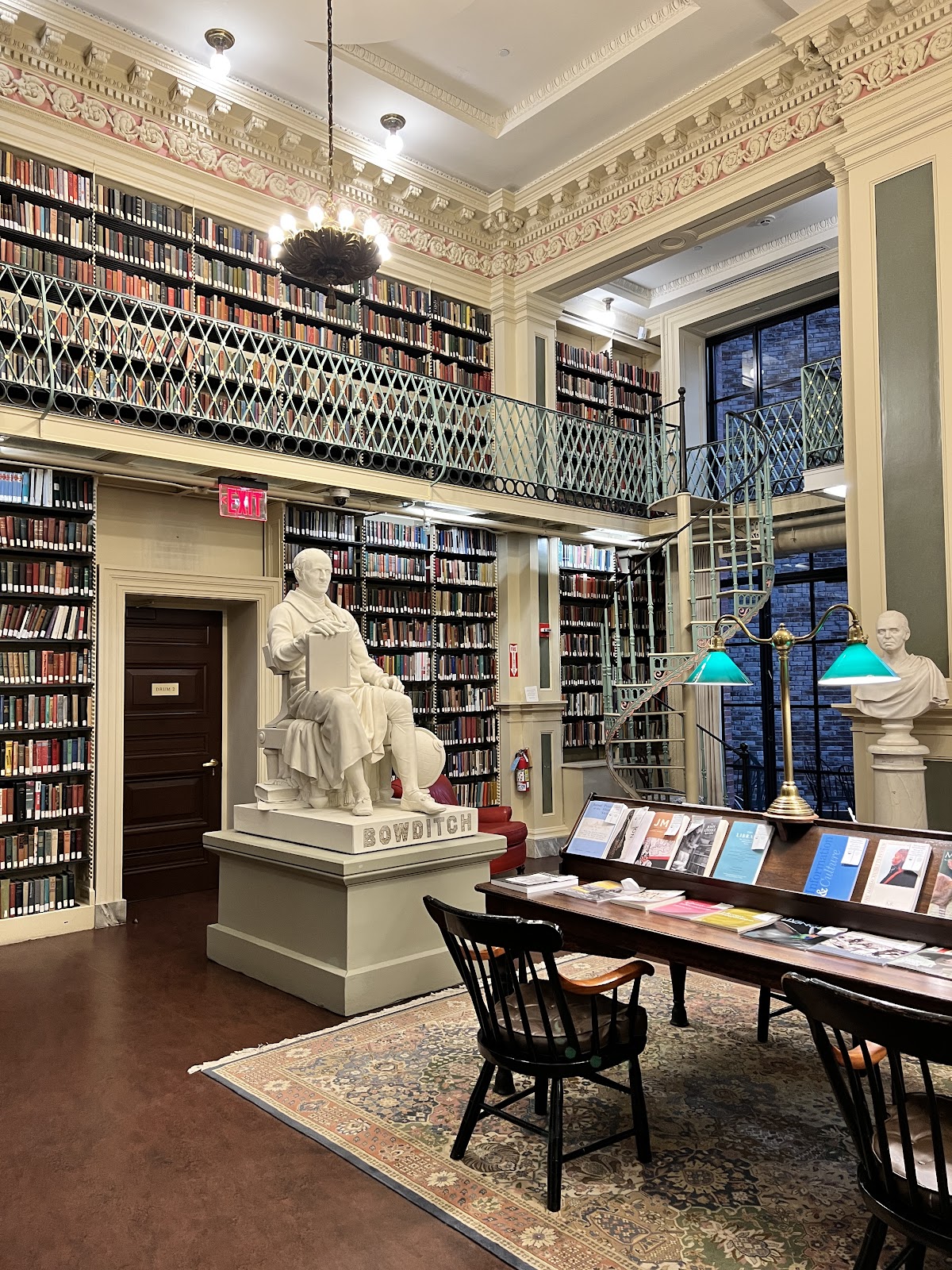
Read the guideFounded in 1807, one of the oldest independent libraries in the United States, in an 1849 building on Beacon Street beside the State House. Books, busts and balconies.
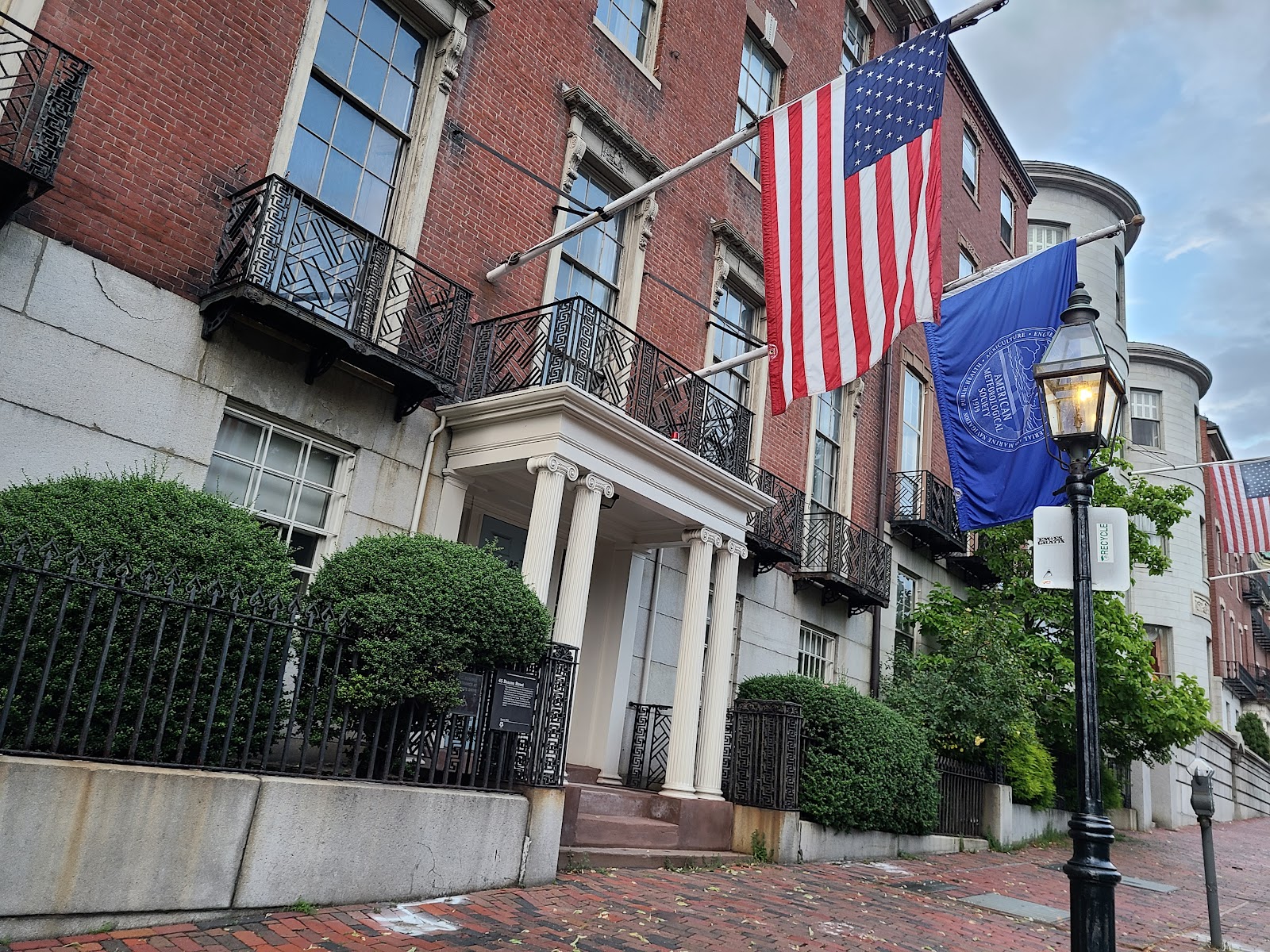
Read the guideA private club since 1863 in two joined Beacon Hill townhouses on Park Street, looking across to Boston Common. Domestic scale, period rooms, tall windows.
Read the guide