 The Somerset Club on Beacon Street: Is It Right for You?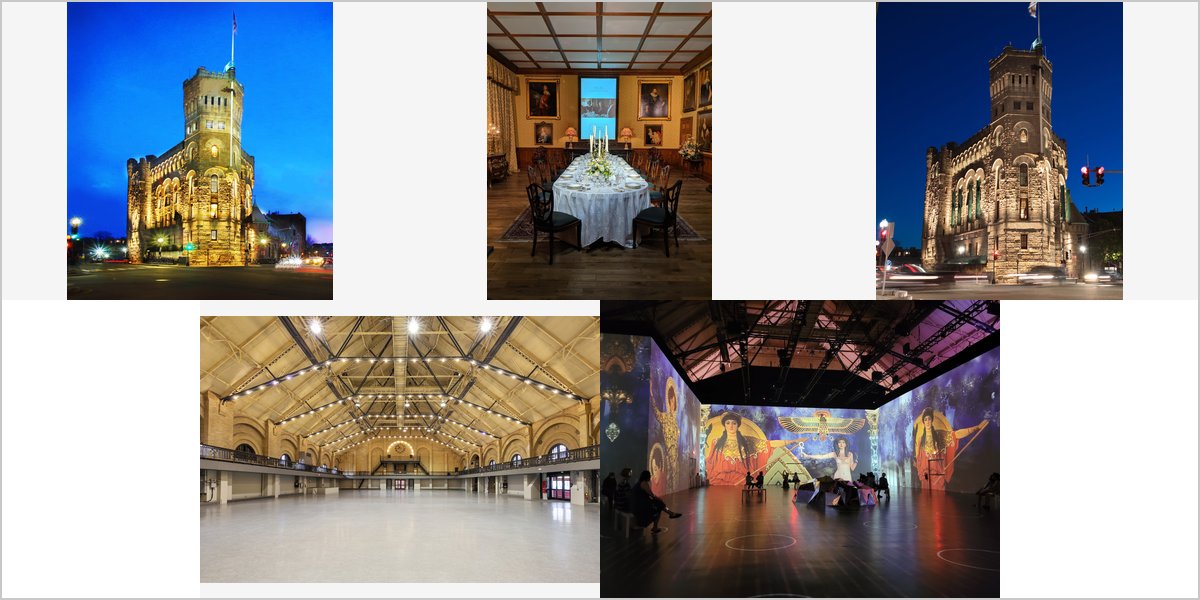
June 30, 2026
The Castle at Park Plaza: Lighting a Brick Armory
Exposed brick and heavy timber under a dark roof is a warm, handsome, light-hungry combination. Every technical decision here follows from one fact: the room gives nothing back.
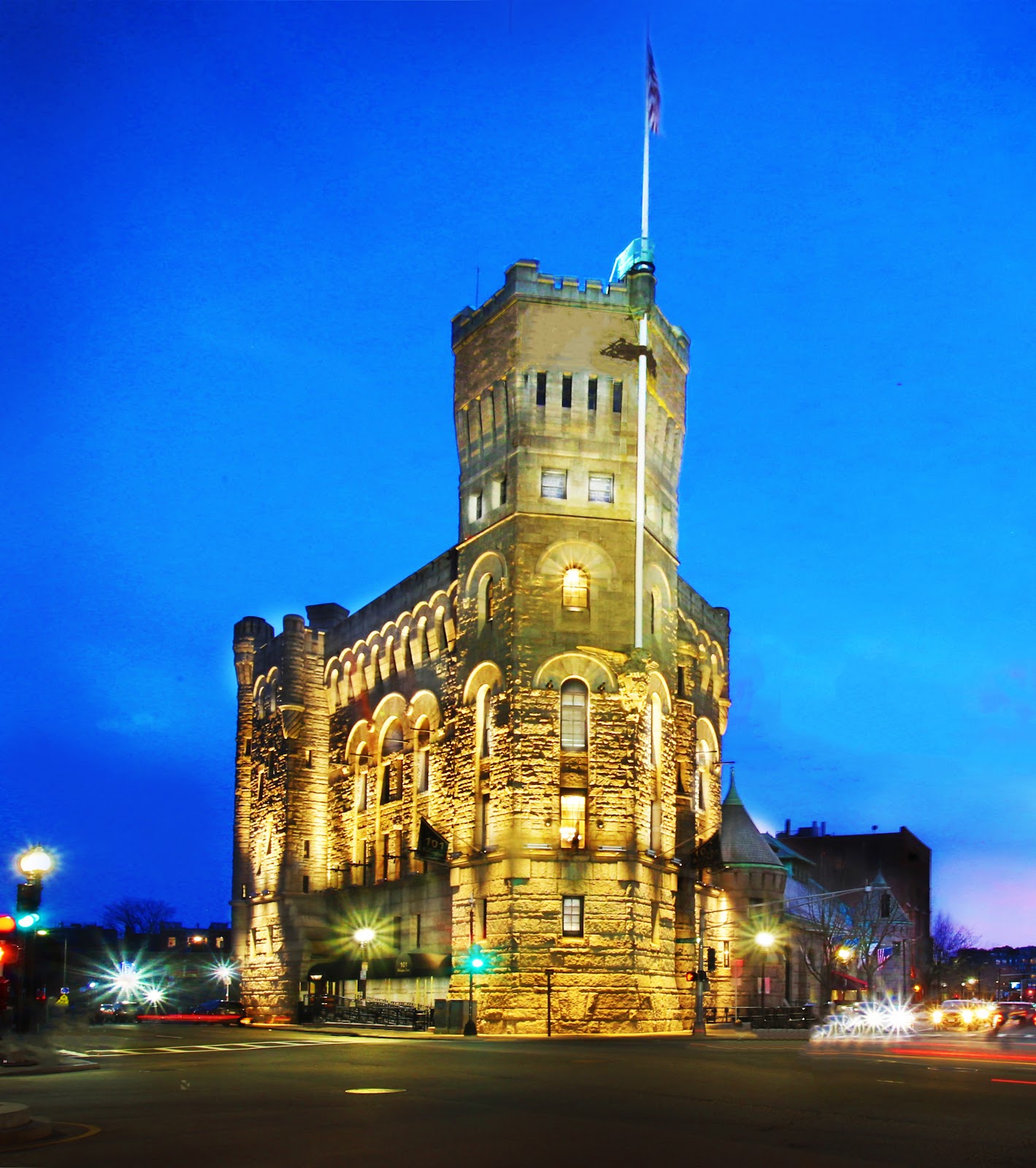
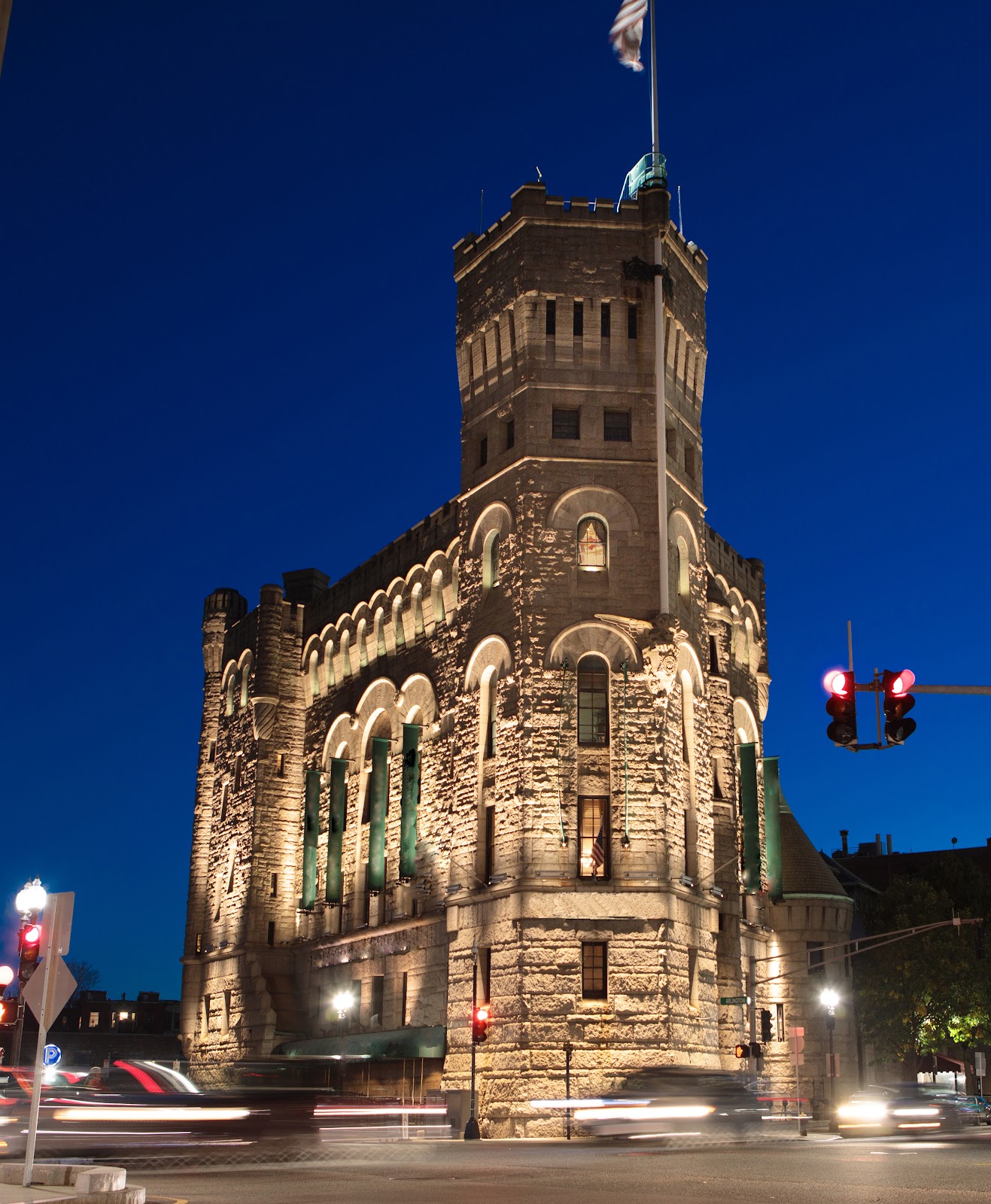
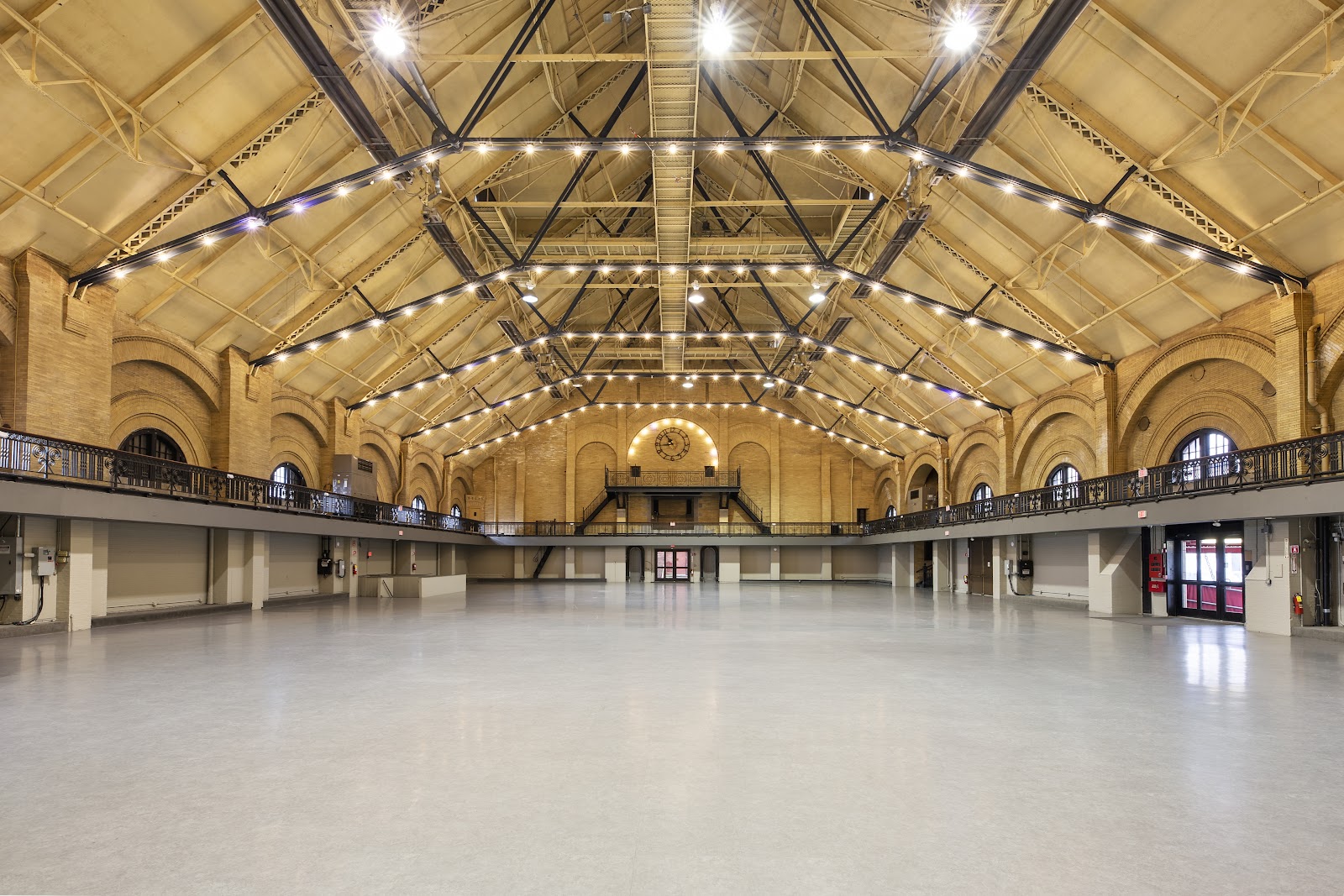
The Castle at Park Plaza is the former First Corps of Cadets Armory, completed in 1897 in Park Square, and it looks the part — a turreted brick fortress on a downtown Boston block. Inside is a large hall with exposed brick walls and heavy timber roof trusses, the kind of volume that armories were built for and that adapts very well to events.
For a photographer it belongs to the brick-hall category, which has consistent and well-understood properties. Brick is a mid-to-dark surface that reflects little light and reflects it warm. Heavy timber overhead is darker still. The roof is high. And there is effectively no usable daylight in the main volume. Added together, that means the room absorbs light rather than helping you distribute it.
This is the technical guide. We have not photographed a wedding here; brick and timber behave identically everywhere, which is what makes the optics predictable. Room configuration, rigging, power and access are for the venue to confirm — and in a hall like this, rigging and power are the two answers that shape the evening.
The Castle at Park Plaza at a glance
| Where | Park Square, downtown Boston, Massachusetts |
| Built | 1897, as the First Corps of Cadets Armory |
| Character | Large brick hall with heavy timber trusses; turreted brick exterior |
| Light | Effectively none naturally in the main hall; warm and absorbent surfaces |
| Technical headline | Brick reflects little and reflects warm — bring light and gel it |
Why brick changes your exposure and your colour
Brick sits around two to three stops darker than a white wall, and it is red. Both facts matter. The darkness means a flash that would adequately light a pale room underexposes a brick one, so you are working with more power, higher ISO, or closer light placement than you would elsewhere. The colour means every bit of light that does bounce comes back warm-red, which lands on skin.
That warm bounce is not automatically a problem — brick halls look good warm, and a slightly amber tone reads as candlelit and intimate. It becomes a problem when it is the only thing lighting faces, because skin with no neutral or cool component in it looks artificial.
The fix is the same differential approach that works in gilded rooms: keep the space warm, and light the faces with something closer to neutral so they sit inside the warmth rather than dissolving into it. A lightly gelled or ungelled flash against a warm brick ambient gives you exactly that separation, and it is the single decision that most improves photographs in this venue type.
High timber roofs and the end of bounce flash
The instinct in any large room is to point a flash at the ceiling. Here the ceiling is high, dark and made of timber, which means it absorbs most of the light, scatters the rest between the trusses, and returns almost nothing. It is the least effective bounce surface in any venue type.
So light comes from stands and it is modified. One flash with a softbox or umbrella, off to one side and feathered across the subject, does the work of a key. A second placed behind the dancefloor, aimed back toward the camera, produces the rim light that separates people from a dark background — in a room this absorbent, that separation is what stops the crowd merging into a brown mass.
For coverage on the move, an on-camera flash with a small modifier, dialled down to fill rather than dominate, keeps faces clean while the installed ambient carries the atmosphere. Do not point it at the trusses and hope.
The trusses are the venue's signature — shoot them
What distinguishes this hall from a function room is the roof structure, and it is easy to neglect because it is above the eyeline and it is dark. Including it deliberately is worth doing: a wide frame with the trusses visible above the couple gives scale and states what the building is.
That requires lighting the structure, or at least letting installed uplighting do it. Uplighters aimed at brick walls and up into the timber are the most effective ambient investment in a venue like this, because they make the architecture visible in photographs rather than merely present in the room. Without them, a wide frame shows a lit floor under a black void.
Festoons strung between trusses are the other high-value option. They read as points of light in frame, which gives depth, and they push warm light up into the timber so the roof has form. A brick hall with festoons photographs beautifully; the same hall with only floor-level lighting photographs as a cave.
Daylight, and Park Square outside
Assume the getting-ready and any daylight portraits happen elsewhere — the main hall has no meaningful natural light, and that is normal for an armory. If there are smaller rooms with windows, ask about them, because even one window changes what is possible for preparation coverage.
Outside, the location is genuinely strong. Park Square sits between the Theatre District, Boston Common and the Public Garden, so within a few minutes’ walk you have mature parkland, the Garden’s lagoon and footbridge, and downtown architecture. The building’s own turreted brick facade is also a distinctive establishing frame that identifies the venue immediately.
The best exterior light is the twenty minutes after sunset, when the square’s lighting balances the sky and brick holds its colour warmly. Schedule it as a fixed ten-minute item — brick and dusk are an unusually good combination, and it is the frame most likely to be skipped if it is left to chance.
What works in your favour
- A genuine 1897 armory with heavy timber trusses and a turreted brick exterior
- Distinctive establishing frame that identifies the venue instantly
- Brick and timber take warm installed lighting extremely well
- Park Square location: Boston Common and the Public Garden minutes away
- Entirely weather-independent, with a large volume that accepts ambitious lighting
What to plan around
- Brick is two to three stops darker than a pale wall and reflects warm — more power needed, plus a colour decision
- High dark timber roof is the worst bounce surface of any venue type
- No usable daylight in the main hall; preparation and daylight portraits happen elsewhere
- Without uplighting or festoons, wide frames show a lit floor under a black void
- Crowds can merge into a dark mass without deliberate rim lighting
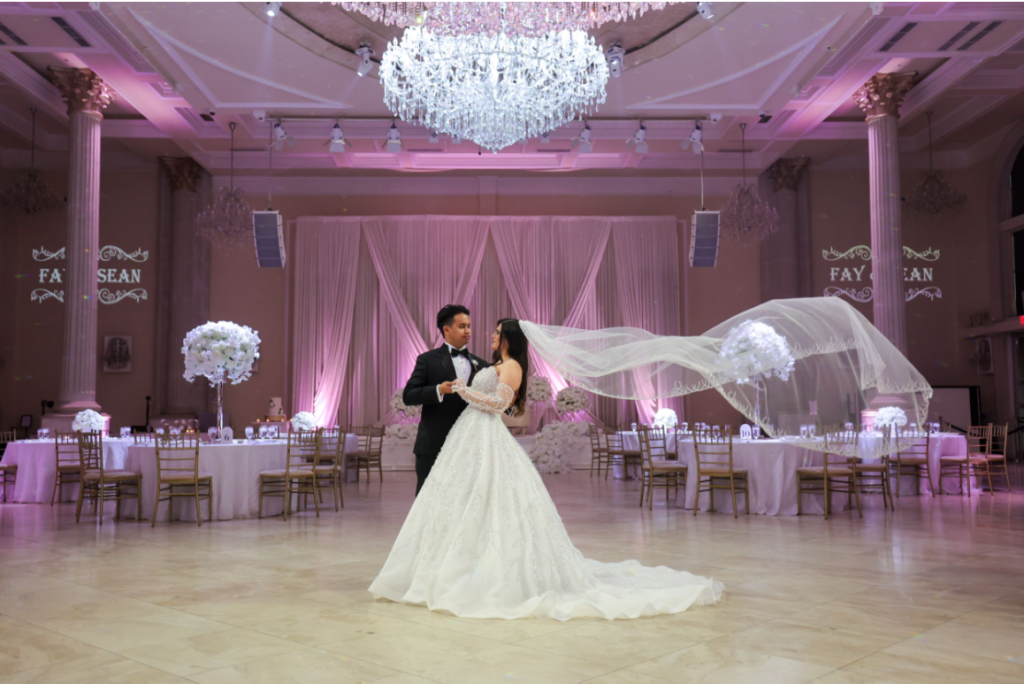
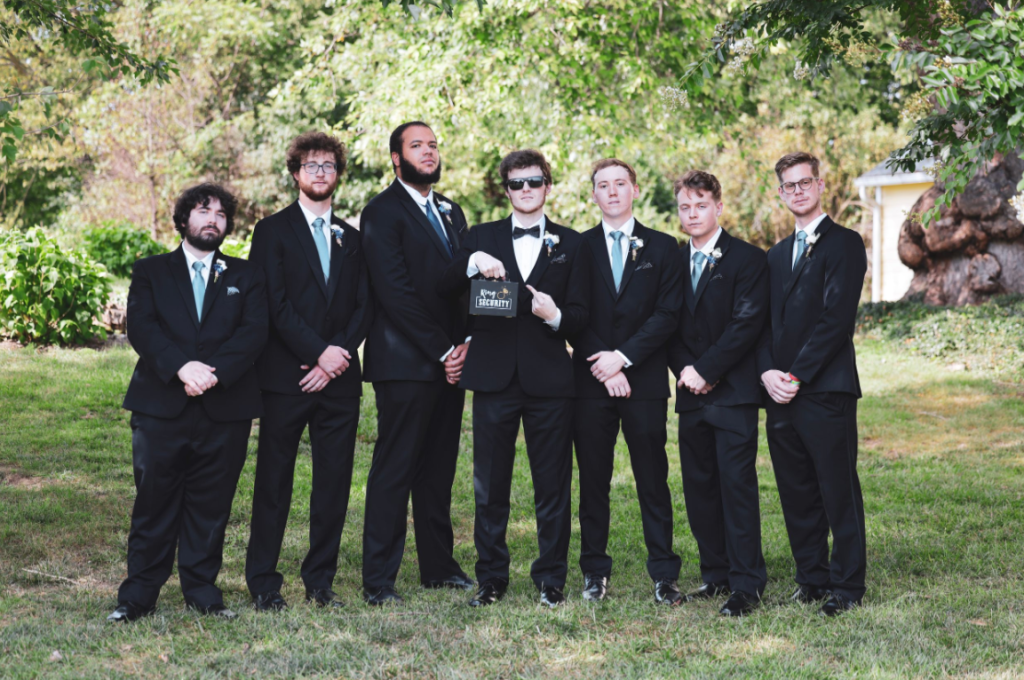
More frames from The Castle at Park Plaza
The Castle at Park Plaza wedding photography: common questions
Why is exposed brick harder to photograph than a pale wall?
Because it is two to three stops darker and it is red. The darkness means the same flash that lights a white room adequately will underexpose a brick one, and the colour means whatever light does bounce comes back warm and lands on skin. You need more power and a deliberate colour decision.
Can you bounce flash off the timber roof?
No — it is the least effective bounce surface in any venue. It is high, dark and broken up by trusses, so it absorbs most of the light and scatters the rest. Light has to come from stands with modifiers, plus a rim light behind the dancefloor to keep people separated from the dark background.
What lighting should be installed?
Uplighters on the brick and up into the trusses, and ideally festoons strung between them. That is what makes the architecture visible in photographs rather than merely present in the room. Without it, wide frames show a lit floor beneath a black void, and the roof structure — the reason to book the venue — disappears.
How do you keep skin tones from going orange?
Keep the room warm in your white balance and light faces with something closer to neutral, so they sit inside the warmth rather than dissolving into it. A lightly gelled or ungelled flash against a warm brick ambient gives that separation, and it is the single biggest improvement available in this kind of room.
Where do the daylight photographs happen?
Not in the main hall, which has no meaningful natural light. Preparation is best done elsewhere, and daylight portraits belong outside — Boston Common and the Public Garden are both a few minutes from Park Square. Ask whether any smaller rooms have windows, because even one changes the options.
More Boston venue guides
We are writing a photographer’s guide to every venue we would happily shoot in Boston. Here are three more, plus the full index:
- Fairmont Copley Plaza: The Technical Side of a Grand Ballroom
- The Harvard Club of Boston: A Season-by-Season Guide
- The Isabella Stewart Gardner Museum: Light, Timing and the Courtyard
Planning a wedding at The Castle at Park Plaza?
A brick armory is a room that gives nothing back, which makes it one of the more satisfying places to light well. Tell us your date and who is handling your lighting, and we will make sure those trusses actually appear in your photographs.