 The Bierstube: What Changes When the Reception Is in a Bar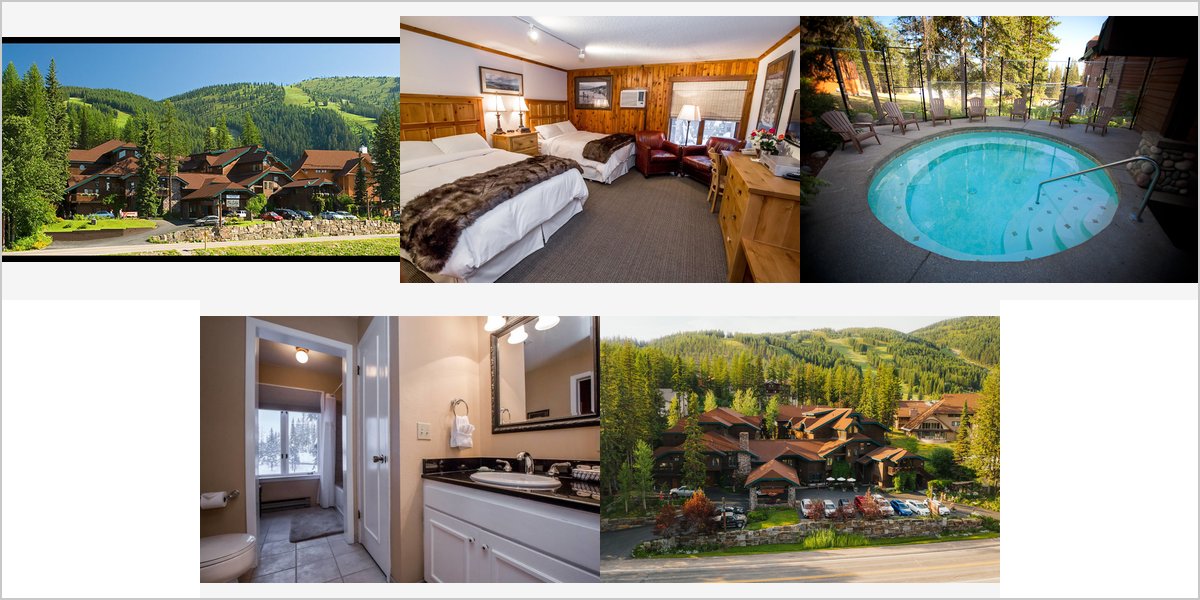
June 30, 2026
Kandahar Lodge: What Heavy Timber Does to a Photograph
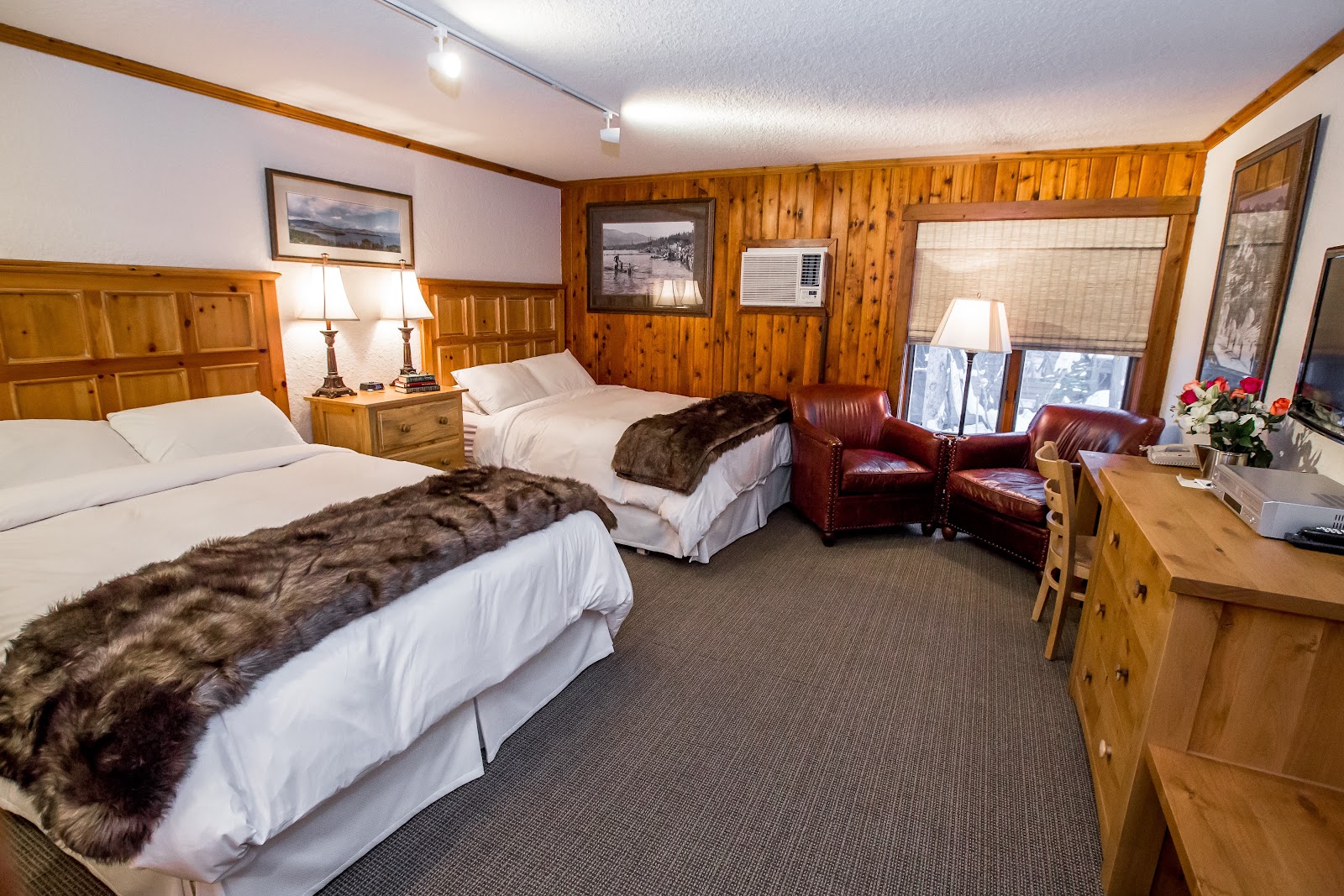
Dark wood is the defining photographic fact here. It costs you light everywhere and gives you something no white room can.
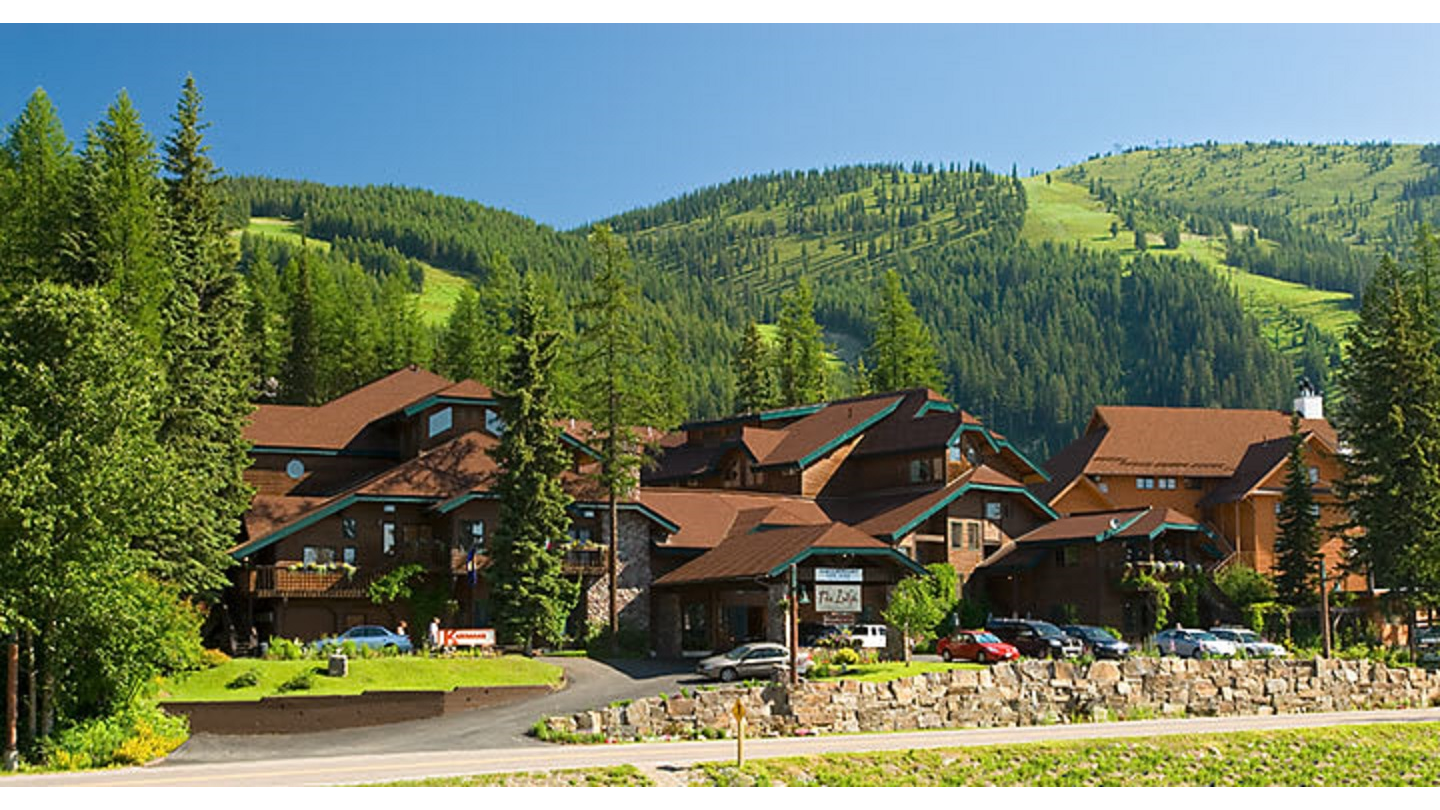
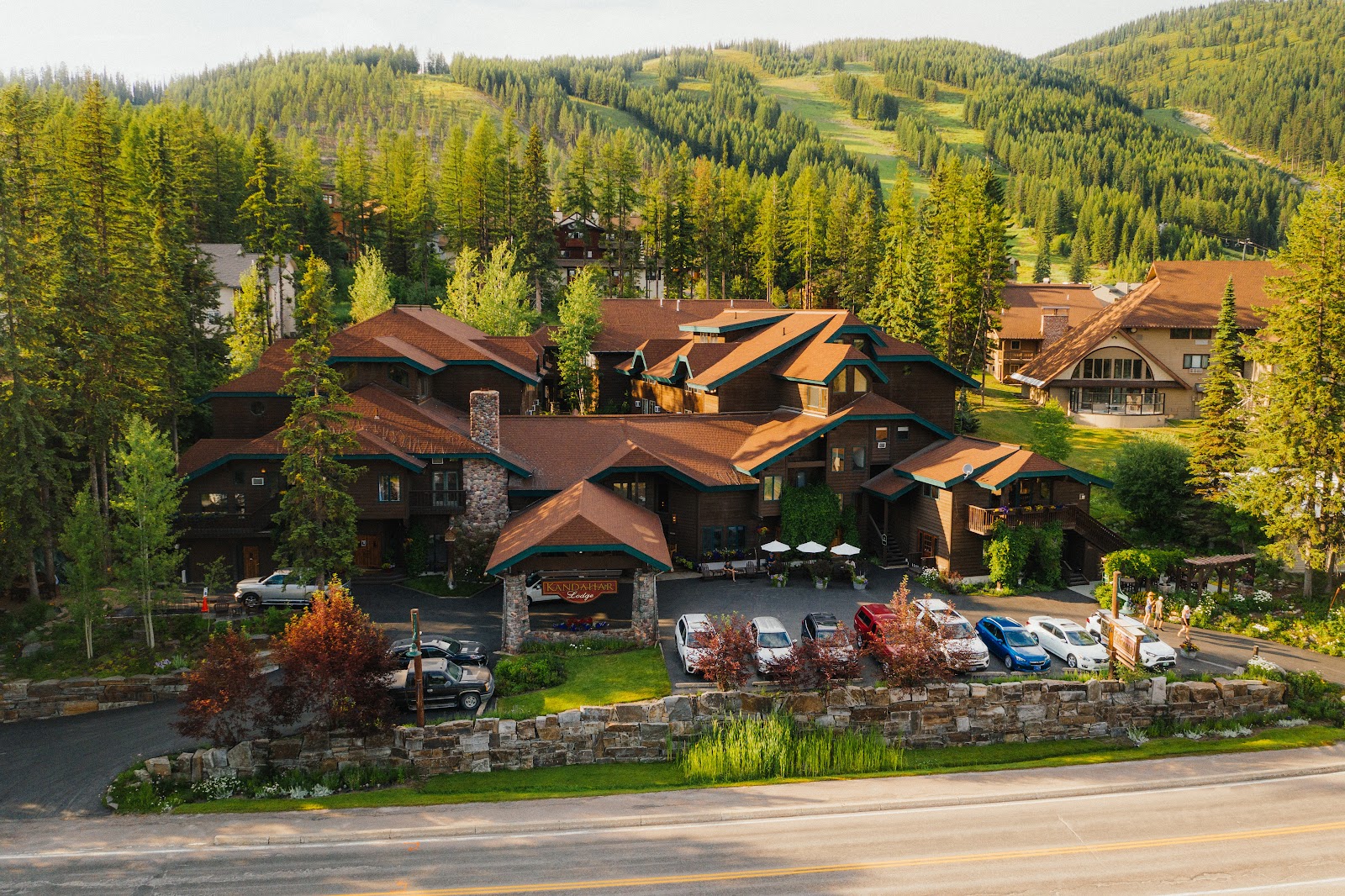
Kandahar Lodge sits on the mountain above Whitefish in northwest Montana, an alpine lodge in a European register — heavy timber, stone, low ceilings, the kind of building that reads as a ski lodge from the first frame. It is on the mountain rather than in the town, which puts winter conditions and summer altitude both in play.
The single fact a photographer needs to internalise before arriving is that dark-stained timber absorbs light instead of returning it. Every white-walled venue you have worked in has been quietly helping you: light bounces off the walls, wraps around faces and fills shadow at no cost. Timber does the opposite. It swallows the light that hits it, so a lamp that lit a pale room adequately will light this one dimly, and the fall-off from any source is far steeper than you expect.
That is a cost and it is also the venue’s entire character. This is an honest look at who that suits and who it does not. We have not photographed a wedding at Kandahar Lodge; dark timber and mountain snow behave identically wherever they occur. Room capacities, ceremony locations and seasonal availability are questions for their team.
Kandahar Lodge at a glance
| Where | Big Mountain, above Whitefish, Montana |
| Character | European-style alpine lodge — heavy timber, stone, low ceilings |
| The defining fact | Dark wood absorbs light; bounce and fill vanish |
| The gift | Deep, warm, enveloping frames no white room can produce |
| Season | Snow country in winter; altitude and green-cast conifers in summer |
What dark timber costs, and how to pay it
Three things happen in a timber interior. Ambient levels drop, because light that lands on a wall stays there rather than bouncing back into the room. Fall-off steepens, so a subject a metre from a window is properly lit and a subject three metres in is two stops down. And bounce flash stops working — aim a flash at a dark ceiling and almost nothing comes back, which is why photographers used to pale venues suddenly find their usual technique producing underexposed frames.
The corrections are straightforward once you accept the premise. Light directly rather than by bounce: a modifier you brought, pointed where you want light, because the room will not distribute it for you. Place people near windows and doors, because the fall-off gradient is steep enough that a metre of position is worth more than a stop of ISO. And expect to work wider open and higher than the room’s apparent brightness suggests, since the eye adapts to a warm dim interior far better than a sensor does.
Colour is the second half of the problem. Warm-stained wood reflects strongly orange, so any light bouncing off it arrives carrying that cast onto skin. Mixed with tungsten fixtures and a cool blue window, a single white balance cannot serve all three. Decide which source owns the faces, set for that, and let the others fall where they land — usually that means balancing for your own light or the window and accepting warm wood as warm wood, which is what it looks like to the eye anyway.
Who this venue suits
Some couples want exactly what this building does, and for them it is close to ideal:
- Couples who want warmth and enclosure rather than brightness and air — the frames here are deep, amber and intimate by default
- Winter and shoulder-season weddings, where a timber interior is the right answer to weather rather than a compromise
- Smaller guest counts, where low ceilings and intimate rooms are an asset instead of a capacity problem
- Anyone drawn to an alpine or European aesthetic that most American venues cannot deliver honestly
- Couples happy for candlelight and lamplight to be the look, not a problem to be corrected away
Who should look elsewhere
And some briefs fight the building the whole way:
- Anyone whose reference images are bright, airy and white — that is achievable here only by overpowering the room, and it will look like it
- Large formal groups, which need ceiling height and even light this kind of interior does not have
- Couples set on a light-and-pastel edit, since warm wood casts colour onto everything and fighting it dulls the whole set
- Mid-summer midday receptions, when the contrast between a dark interior and blazing altitude sun outside is at its most brutal
- Anyone unwilling to have lights in the room, because natural light alone will not carry an evening here
Snow, and the two seasons of the mountain
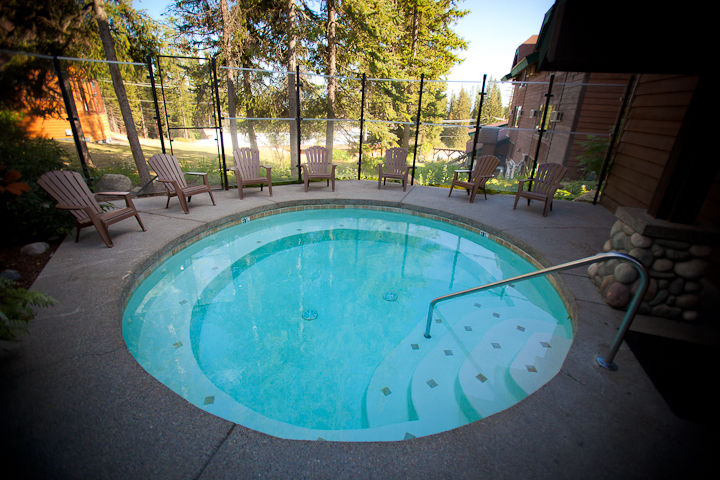
In winter this is snow country, and snow is the most useful light modifier in nature — a vast, bright, even reflector that fills shadows from below and turns the whole outdoors into a soft box. Faces lit on a snowfield have no dark eye sockets and no harsh under-chin shadow. It is genuinely flattering light and it is free.
It will also fool a meter by about two stops. A camera meters for middle grey, and a frame that is mostly snow reads as overexposed, so the automatic response is to darken it — which produces grey snow and an underexposed face. Overexpose deliberately, by one and a half to two stops, and check that the snow retains texture rather than clipping to blank white. That single adjustment is most of winter technique.
Timing changes too. Winter days here are short, and the mountain’s own bulk shortens them further by taking the sun early. A December ceremony at three in the afternoon is already close to the end of usable daylight, so the whole timeline compresses and the reception is entirely a lit event. Plan the daylight block first and work outward from it.
The trade-off with summer is real and worth stating plainly. Summer gives long evenings, green valleys and access to everything, but it also gives thin-air contrast, green-cast conifer shade and August wildfire haze. Winter gives short brutal days, cold that limits how long anyone stands outside, and snow light that is the best natural light the venue ever sees. Neither is the better season; they are different assignments.
What works in your favour
- Warm timber and stone give deep, enveloping frames no white room can
- Snow acts as an enormous natural reflector that fills faces beautifully
- Intimate scale suits smaller guest counts and candlelit evenings
- A genuinely alpine, European character that is rare in the region
- On the mountain, so winter conditions are the venue’s home ground
What to plan around
- Dark wood absorbs light; bounce flash largely stops working
- Steep light fall-off means a metre of position costs a stop or more
- Strong orange cast from wood mixes badly with windows and tungsten
- Low ceilings and intimate rooms fight large formal groups
- Snow will underexpose your faces by two stops if you trust the meter
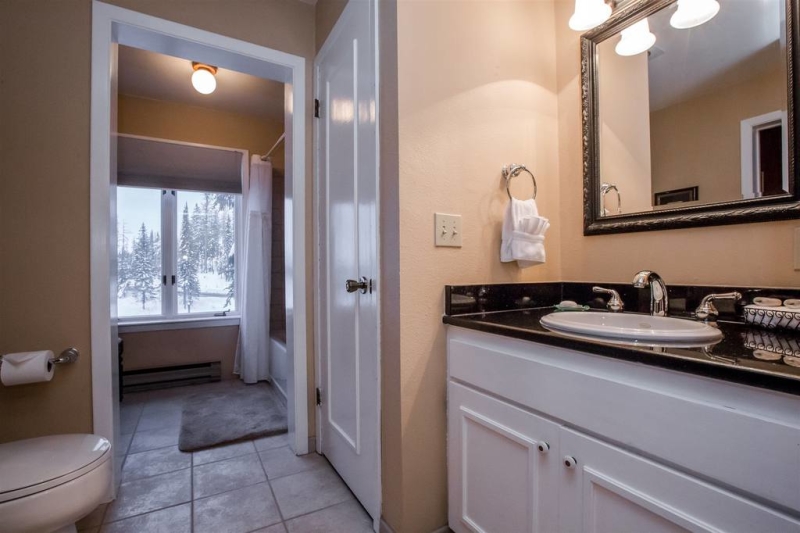
More frames from Kandahar Lodge
Kandahar Lodge wedding photography: common questions
Why does my flash look underpowered in a timber lodge?
Because you are probably bouncing it. Dark-stained wood absorbs light rather than returning it, so a flash aimed at a timber ceiling sends almost nothing back into the room. Light directly, with your own modifier pointed where you want light, and stop relying on the room to distribute it.
How do I handle the orange cast from the wood?
Decide which source owns the faces and set white balance for that one. Warm wood reflects strongly orange, and mixed with tungsten fixtures and a cool window, no single white balance serves everything. Usually you balance for your own light or the window and let warm wood read warm — which is how it looks to the eye.
Is this venue wrong for a light and airy style?
Mostly, yes. You can achieve bright and white here only by overpowering the room, and the result looks overpowered. If the couple’s reference images are all pale and airy, this building will be a fight from the first frame. It excels at deep, warm and intimate instead.
How do you expose for snow?
Overexpose deliberately, by about one and a half to two stops over what the meter says, and check that the snow holds texture rather than clipping to blank white. A meter reads a mostly-white frame as overexposed and darkens it, which gives you grey snow and a dark face.
What is winter timing like?
Short. Winter days are brief and the mountain takes the sun early on top of that, so a three o’clock December ceremony is near the end of usable daylight. The reception becomes a fully lit event. Plan the daylight block first and build the rest of the timeline around it.
Summer or winter here?
They are different assignments rather than better and worse. Summer gives long evenings and access, plus thin-air contrast, green conifer shade and possible wildfire haze. Winter gives very short days, real cold, and snow light that is the best natural light this venue ever gets.
More Whitefish venue guides
We are writing a photographer’s guide to every venue we would happily shoot in Whitefish. Here are three more, plus the full index:
- The Lodge at Whitefish Lake: Reading a Mountain Lake Hour by Hour
- The Stillwater River Lodge: One Variable Changes the Whole Venue
- The Bierstube: What Changes When the Reception Is in a Bar
All Whitefish Wedding Venues →
Planning a wedding at Kandahar Lodge?
Timber interiors need lights and a plan, and snow needs a meter you do not trust. Tell us your season and we will tell you exactly how we would light it.