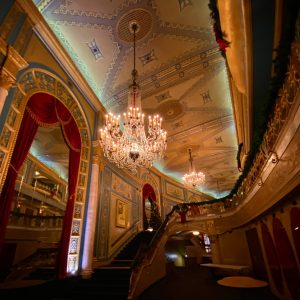
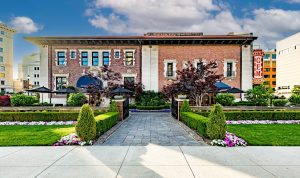
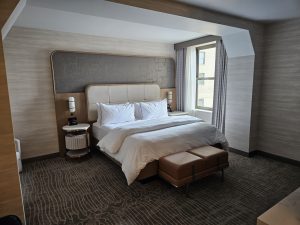
 The Westin Book Cadillac, Detroit: A Walk Up Through a Restored 1924 Hotel
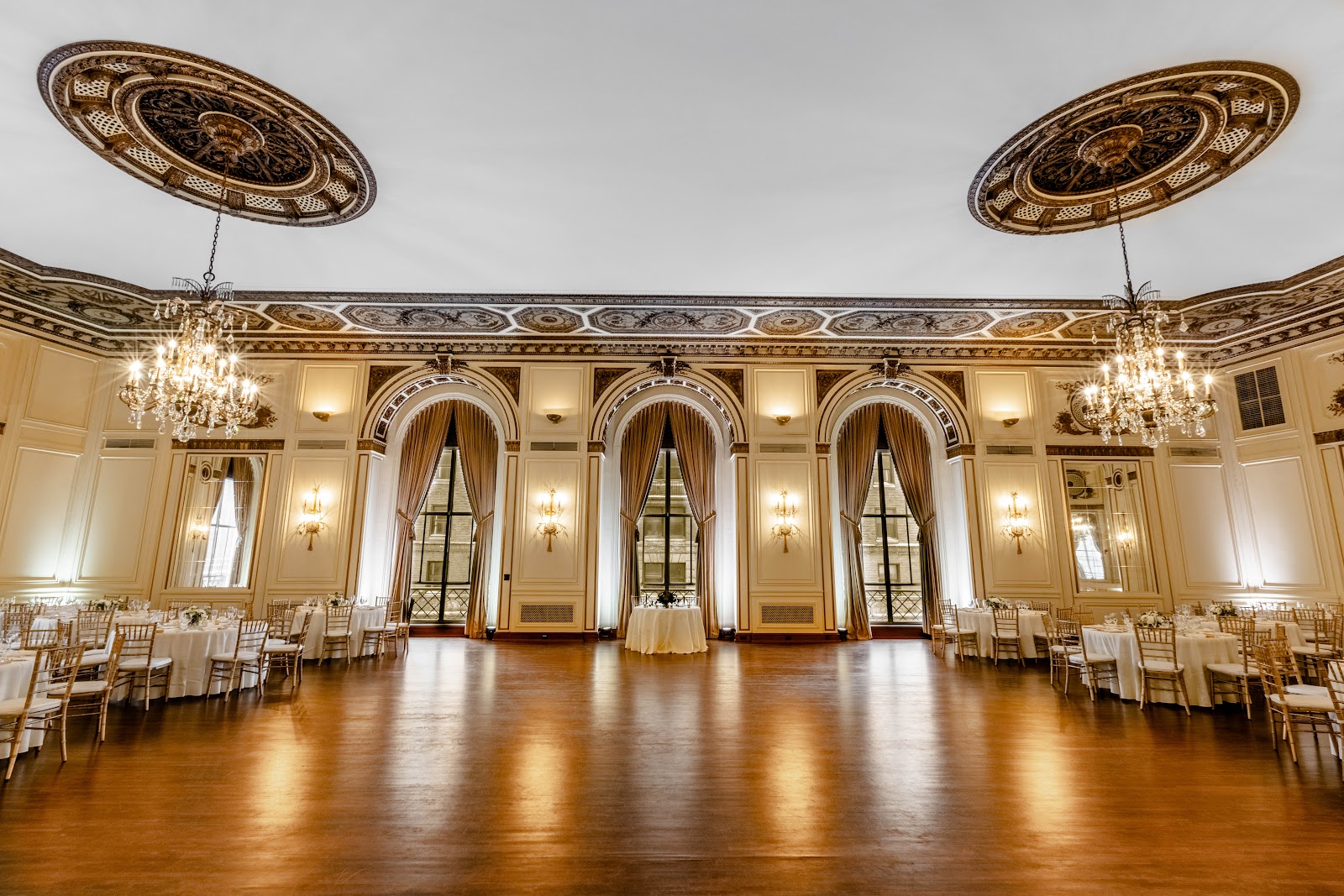
The Century Club, Detroit: Photographing a Small Club Room
A small club room is the one historic interior where bounce flash actually works. That changes everything.
The Century Club is a Detroit club venue, and the material we have on it is candid enough to say only that it is worth looking at — so this guide is written from the venue type and its district rather than from a tour, which we would rather state than imply otherwise.
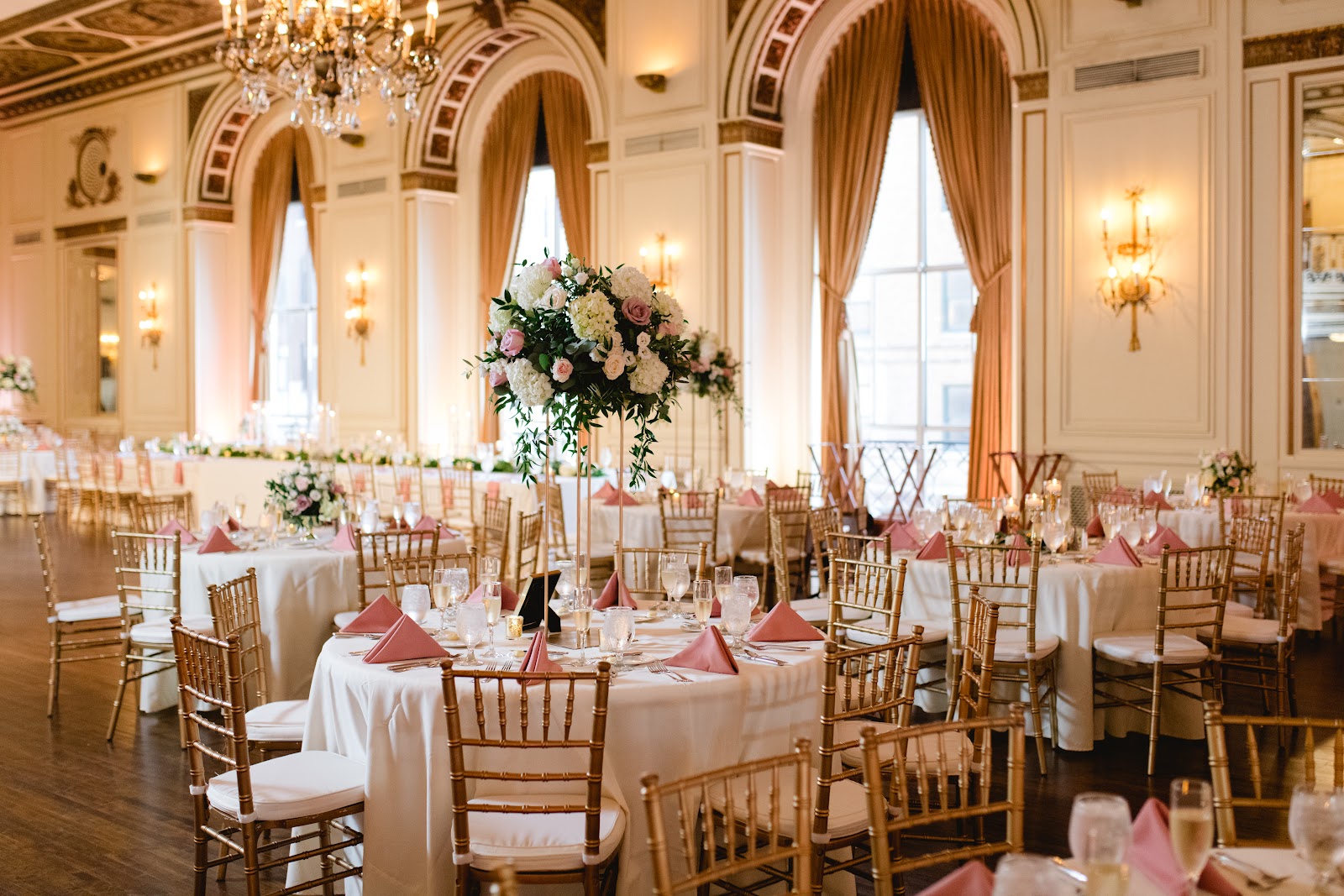
Small club rooms are consistent enough for that to be useful, and they have one property that separates them from every larger historic interior: the walls are close. In a big panelled room the surfaces absorb and nothing bounces, so every frame needs light brought in. In a small room, even dark surfaces return some light because the distances are short — and if the ceiling is pale, a flash aimed at it becomes a genuinely good source rather than a waste of a battery.
That single fact changes the working method. It means bounce is worth testing rather than dismissing, it means the ambient is higher than the fittings suggest, and it means the main problem shifts from getting light into the room to getting distance from the subject.
This follows the venue’s own logic. We have not photographed a wedding at the Century Club. What the comfortable capacity of each room is rather than the maximum, whether any room has daylight, and whether the lighting can be adjusted are the questions for their team.
The Century Club at a glance
| Where | The theatre district, Detroit, Michigan |
| Character | A club venue with intimate rooms and period character |
| The key fact | Close walls mean bounce flash works, unlike in larger historic rooms |
| The real limit | Working distance, not light |
| Ask first | Comfortable capacity, any daylight, lighting control |
Close walls: what they give and what they take
The first thing to do on arrival is test bounce with a single frame, because in a small room the answer is frequently yes and it determines everything else. A flash aimed at a pale ceiling in a room four or five metres across returns soft fill from a broad area in every direction, which is a genuinely useful light source — and it is the opposite of what happens in a tall panelled hall, where the same flash returns almost nothing.
Where the ceiling is dark rather than pale the answer flips, and the method reverts to one direct modified source at face height. But it is worth knowing which, and it takes one frame.
The second thing close walls give is a higher ambient than the fittings suggest. Warm lamps in a small room are far more effective than the same lamps in a large one, because the light they emit is reflected back rather than lost into a volume. That means a fast lens at a moderate ISO frequently suffices where a bigger room would need a raised one.
The third thing they give is warm bounce on every surface, arriving from several directions at once. Timber, brass, deep paint and patterned textiles all reflect warm, and because the cast is bounced and localised, global white balance cannot separate it from the subject. Let one gelled source be the authority on faces, or set a custom white balance on a face in the position being used and hold it through the block — in a small warm room, auto white balance drifting between frames is the usual reason a sequence fails to match itself.
What close walls take away is working distance, and that is the real limit in a small club room. There is no room to step back for a wide view without a very wide lens, and a very wide lens close to a face stretches it — so the wide frame and the portrait frame are two different photographs that cannot be combined. Attempting both in one is how small-room coverage fails.
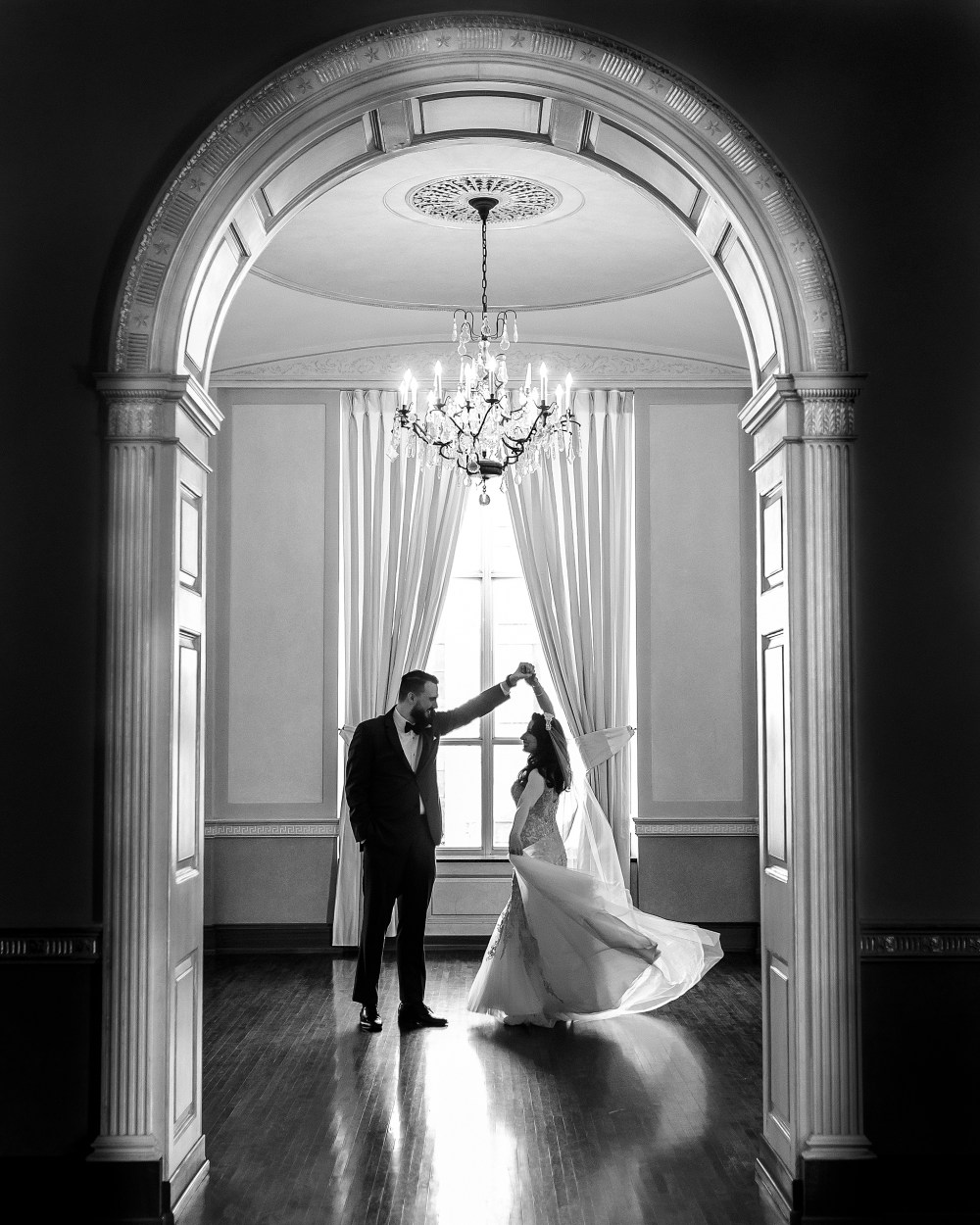
Doorways are the answer and they are the small-room photographer’s main tool: standing in one room and photographing into the next buys back the distance the walls took away, adds a natural frame, and gives depth a single room cannot. In a club where rooms open into one another, this is frequently the strongest frame available.
The last thing close walls take is background. In a small room there is no empty wall behind a subject — the background is decoration, or it is guests at close range. Find the one patch of plain wall in each room on arrival and remember where it is: that patch is where the dress, the details and any tight portrait belong.
And texture still needs raking light. Panelling, joinery and patterned surfaces read only when light runs along them, which in a small room means placing the source close to parallel with a wall rather than facing it — easier here than in a large room, because the distances are short enough to control.
The theatre district, and the frames outside
A club in a theatre district has an unusually good outdoor asset, and it is worth planning for deliberately rather than treating as a walk. Detroit’s theatre stock is exceptional, because the city was wealthy when those buildings went up — which means a short walk gives access to ornate facades, marquees and signage of a quality most cities no longer have.
A lit marquee against a sky that still holds colour is the frame the district gives and it is time-critical: it exists only in the twenty to thirty minutes after sunset, because before that the sign is invisible against a bright sky and after it the sky is black and the frame becomes a sign floating in nothing. Take the sunset time, add fifteen minutes, be in the street with the couple already there, and bracket a sequence as the sky falls.
In a district with several lit facades at once, a long lens compresses them into bands of layered light behind a couple — which is a background a single theatre cannot give, and it is specific to a theatre quarter.
Detroit gives that frame an advantage almost no other American city does: there is room to stand back. Substantial open ground and surface parking mean a whole facade and its marquee can be photographed entire rather than in fragments, which for ornate 1920s buildings is exactly what they were designed for.
That openness also means low sun reaches street level across a wider area than in a canyon city, so the last ninety minutes give raking light on masonry from more positions. Brick, stone and terracotta all show their texture only when light runs along them, so a short walk to find which side is being raked is worth more than any accessory. And Detroit’s radiating boulevards mean some streets run diagonally and take low sun at angles the grid streets do not — worth a look at a map.
Alleys are the dependable fallback: walls on both sides give directional light and a contained background with nothing distracting in it, plus shelter — and in a theatre district they often carry stage doors and painted signage, which is texture rather than clutter.
Because the club interior does not change through the day, the outdoor block can be placed exactly where the light is best rather than where the schedule allows, which at a small venue with limited interior variety is a genuine advantage rather than a compromise.
- Test bounce in the first minute; in a small room it frequently works
- Let one gelled source own the faces; small warm rooms cast from everywhere
- Shoot through doorways to buy back working distance
- Find the plain patch of wall in each room before you need it
- Sunset plus fifteen in the theatre district, in position, couple with you
Detroit's year
Michigan’s seasons are four real ones and a small warm interior suits the cold half of the year particularly well.
Winter is cold and snowy with short days, sunset falling in the middle of the afternoon in December, which compresses the outdoor window into a couple of hours and makes the marquee frame an early-afternoon proposition rather than an evening one. Outdoor blocks become a few minutes rather than twenty, which means the frames must be decided in advance and executed quickly.
That suits this venue rather than damaging it, because a small warm room is the right place to spend a short cold day and the interior will carry more of the gallery without that being a compromise.
Snow is the compensation and it does two things. Outdoors it is the best natural fill there is, lifting exactly the shadows a low sun carves while fooling a meter by about two stops — and snow falling through the light of a lit theatre marquee is one of the best frames a district like this can give.
Indoors it does something more useful in a small dark room: snow on the ground turns the outside into a very large reflector, so any daylight coming through a window arrives softer, brighter and more even than at any other time of year. A room that is difficult in July is genuinely easier in February.
The fogging risk is severe in both directions in this climate. A camera taken from a heated interior into subzero air and brought back will fog comprehensively and can take a long time to clear — long enough to lose a marquee window. Let a body reach ambient before the outdoor block rather than carrying it out cold, and plan one excursion rather than several.
Summer is warm and humid with afternoon thunderstorms a real possibility, which for an interior venue is almost entirely an advantage — the day continues without a decision. The only casualty is the marquee frame, which needs a sky, so on an unsettled evening it is worth taking early and taking twice.
Autumn gives the clearest air and the best raking light of the year on masonry and terracotta, which is the season the theatre district is at its best in — and it is the season worth building a date around if the outdoor frames matter.
More frames from The Century Club

The Century Club wedding photography: common questions
What makes a small club room different?
Close walls. Even dark surfaces return some light over short distances, and a pale ceiling makes bounce flash a genuinely good source — the opposite of a tall panelled hall.
What should you do first on arrival?
Test bounce with a single frame. The answer determines the whole approach, and in a small room it is frequently yes.
What is the real limit then?
Working distance, not light. There is no room to step back for a wide view without distorting a face, so the wide frame and the portrait frame are two photographs.
How do you buy back distance?
Photograph through doorways from an adjoining room. It adds a frame and gives depth a single room cannot, and in a club where rooms open into one another it is often the strongest frame.
What is the district's frame?
A lit theatre marquee against a sky that still holds colour, twenty to thirty minutes after sunset. Detroit’s open ground also lets you photograph a whole ornate facade entire.
Why is a small room easier in February?
Because snow turns the ground outside into a very large reflector, so daylight through a window arrives softer, brighter and more even than at any other time of year.
More Detroit, MI venue guides
We are writing a photographer’s guide to every venue we would happily shoot in Detroit, MI. Here are three more, plus the full index:
- The Charles H. Wright Museum, Detroit: Four Ways Out of the Rotunda Problem
- The Detroit Club: Photographing a Restored Private Club
- The Detroit Institute of Arts: Four Ways Out of the Gallery Problem
All Detroit, MI Wedding Venues →
Planning a wedding at The Century Club?
One test frame decides the method. Tell us your date and we will take it early.