 The Garden Wall: How to Work a Genuinely Small Venue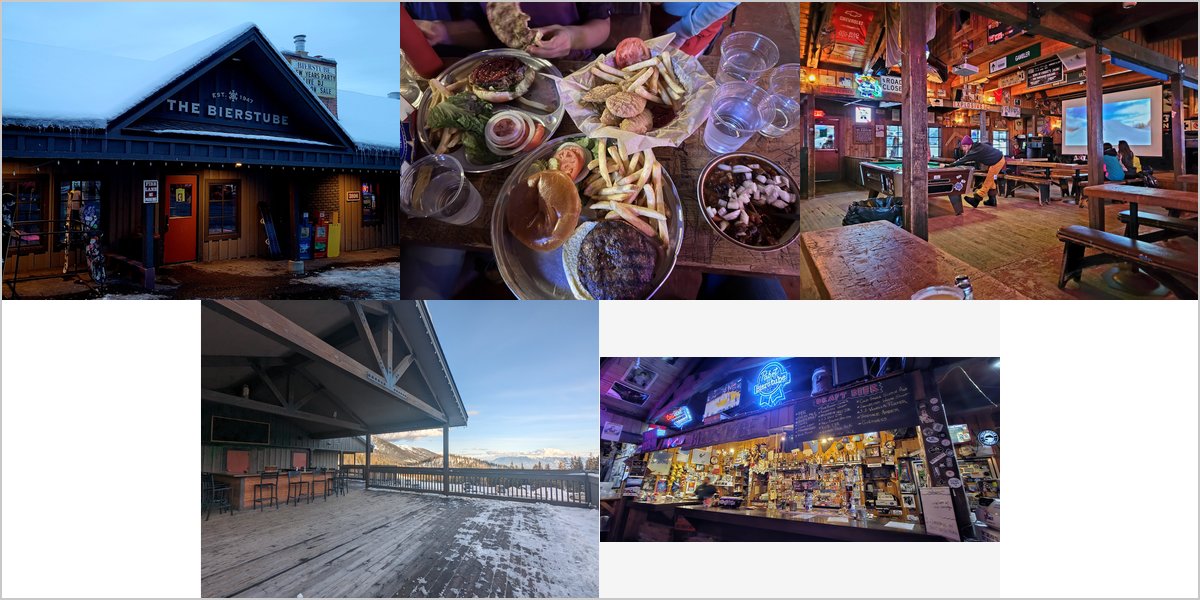
July 18, 2026
The Bierstube: What Changes When the Reception Is in a Bar
A bar is dark, warm, crowded and full of character. Three of those are problems and the fourth is why you booked it.
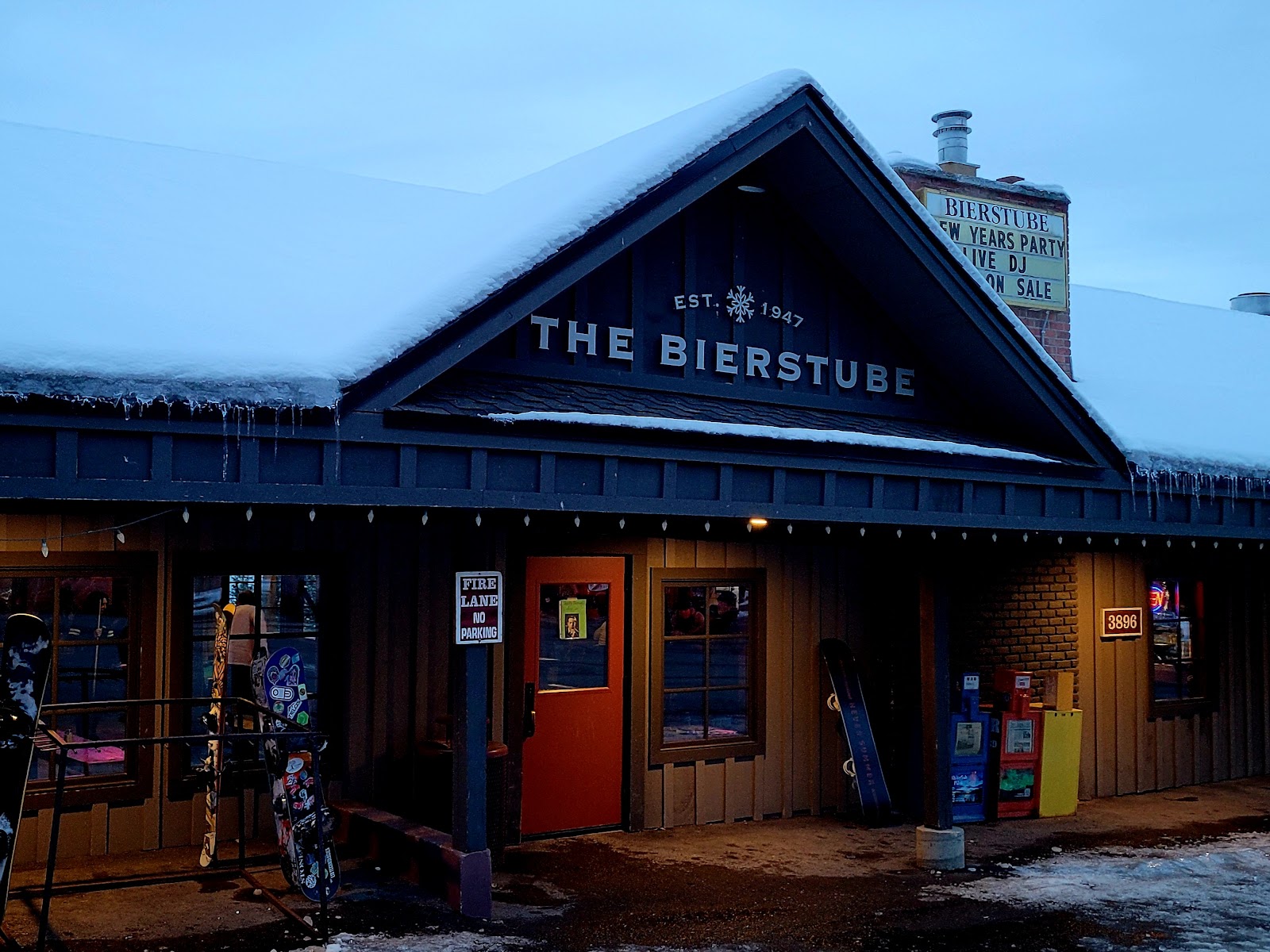
The Bierstube is a ski-town bar in Whitefish, Montana — a tavern in a mountain town, the kind of room that accumulates character over decades rather than being designed into it. Couples who book a bar for a reception are almost always doing it deliberately, and usually because the room means something to them.
Photographically a bar is the least ballroom-like venue there is, and every difference matters. The light is warm, low and comes from fixtures rather than windows. The space is tight and full of fixed furniture that cannot be moved. There are surfaces — bottles, mirrors, glass, polished wood — that throw reflections in every direction. And the whole room has a visual density that a hotel function room is specifically designed to avoid.
This is a walk through that room and what to do in each part of it. We have not photographed a wedding at The Bierstube; tavern light and tight fixed-furniture spaces behave the same everywhere. What the venue can host, whether it closes for private events and what the capacity is are questions for them — and whether it is private or not changes the assignment completely.
The Bierstube at a glance
| Where | Whitefish, Montana |
| Character | Long-standing ski-town tavern with accumulated local character |
| Light | Warm, low, from fixtures — effectively no daylight after dusk |
| The trap | Fixed furniture and reflective surfaces in every direction |
| Ask first | Whether the room closes for private events, and its real capacity |
The bar itself: reflections, and using them
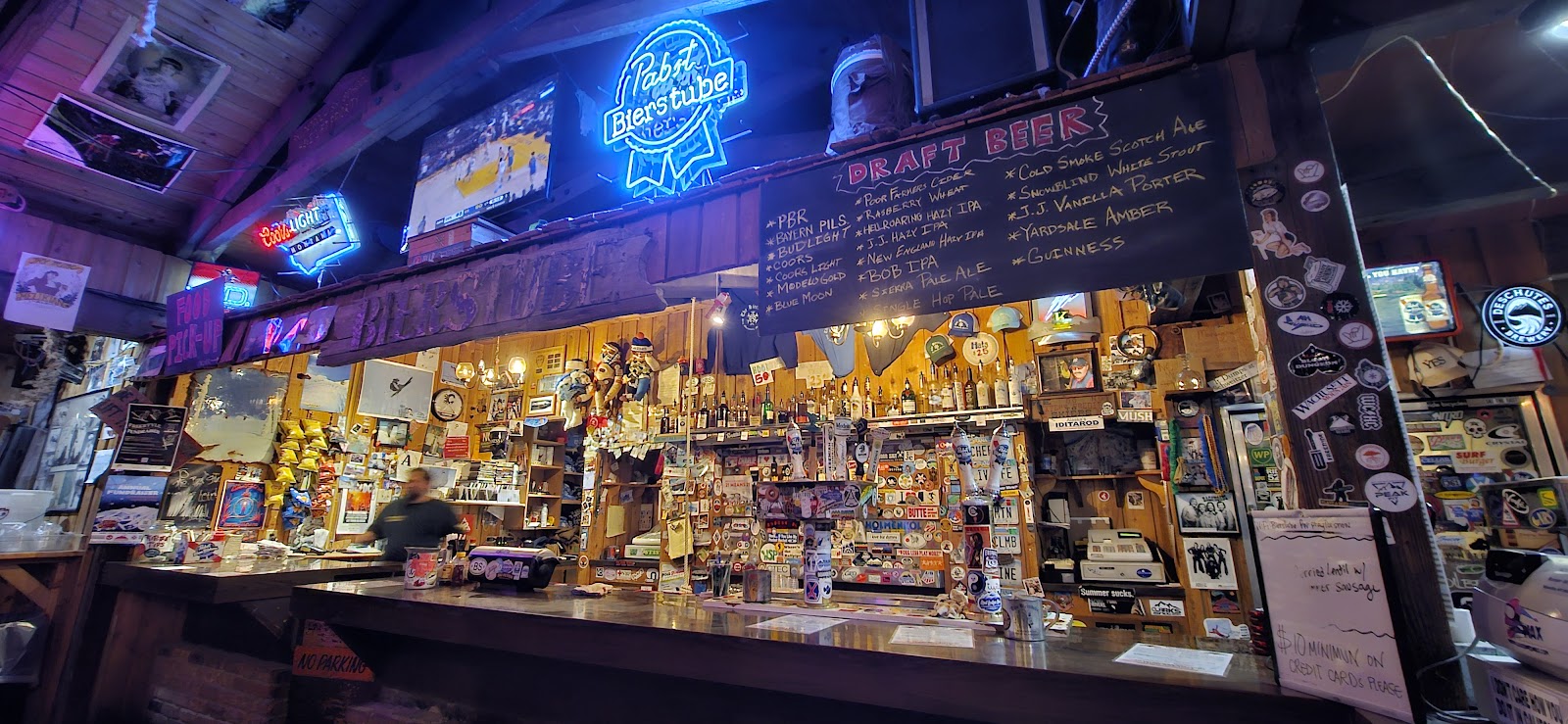
A back bar is a wall of bottles, glass and usually a mirror, which makes it the most reflective surface in any wedding venue. Point a flash anywhere near it and you get a hard bright spot straight back at camera, plus your own reflection, plus the reflection of anything bright behind you. It is the single most common technical failure in a bar reception.
The controls are angle and source position. Shoot the bar obliquely rather than square-on so the reflected cone goes past the lens. Keep the flash high and well off-axis, ideally behind the plane of the subject. And where possible, let the bar’s own lights do the work — a back bar is usually lit from within, which is the most attractive light in the room and needs nothing added.
Used deliberately, the same surfaces are the venue’s best asset. A couple reflected in a back-bar mirror between bottles, or shot through a row of glassware with the bar lights flaring behind, gives you frames that could only have been made in a bar. That is what the room is for. The difference between that and a mess is entirely about where your light sits.
The room: fixed furniture, and shooting from where you actually are
A tavern is furnished in booths, tables and stools that are heavy, often fixed, and always exactly where the room needs them to be. Unlike a function room you cannot clear a space. So the working method inverts: instead of arranging people in the space, you find the frames the space already contains and wait for people to occupy them.
That is genuinely a different mode of shooting, and it favours a documentary approach — a booth with good light in it, a corner where the bar lamps fall well, a doorway that frames the room behind. Identify three or four of those in the first ten minutes and then work them all night as people move through, rather than trying to make the room do something it cannot.
Focal length is decided for you again: tight rooms mean a 35mm doing most of the work and an 85mm for faces across a table. A wide lens indoors in a bar will include the ceiling, the fire exit and someone’s coat, so the discipline is to fill the frame with people rather than room. Density is the aesthetic here — a frame packed with faces and glassware reads correctly in a bar in a way it never would in a ballroom.
The one thing worth asking for in advance is a corner. Any reception in a tight room benefits from one agreed spot where the couple can be photographed away from the crowd for two minutes at a time, and in a bar that usually means the quietest end of the room rather than a separate space. Knowing where it is beforehand saves negotiating it at eleven at night.
The light: warm, low, and a decision to make about it
Bar lighting is tungsten or tungsten-imitating LED, and it is dim by design — bars are lit for atmosphere, not visibility. That produces two immediate consequences. Levels are low enough to need fast lenses wide open and ISO high enough to show grain. And colour is strongly warm, often mixed across several fixture types, plus neon or signage that is not a colour temperature at all but a single narrow wavelength which will not correct to anything sensible.
There are two coherent approaches and they produce different galleries. Work with the ambient: fast primes, high ISO, warm white balance, grain accepted, everything soft and atmospheric and exactly as the room looked. Or bring a light: a single off-camera flash gives you sharp, clean, properly exposed frames with a controlled colour, at the cost of the room’s own mood.
The best answer in a bar is usually both, deliberately, at different points in the night. Ambient for the candid coverage and the atmosphere frames, where the warmth and grain are the point. A light for the moments that have to be clear — speeches, the cake, formal-ish pairs — where an unusable frame is not an option. Switching consciously between the two, rather than drifting, is what separates a coherent set from a mixed bag.
Two last things about a bar specifically. If the room is not closed to the public, there will be strangers in your frames and you will need to shoot tighter than you otherwise would. And a bar reception usually runs later and looser than a ballroom one, so the best frames of the night are often after the point most photographers have packed up — the late, loud, unposed half hour is what booking a bar was actually for.
What works in your favour
- Real accumulated character no function room can manufacture
- The back bar is lit from within — the best light in the room, for free
- Reflections in mirrors and glassware give frames unique to a bar
- Density reads correctly here: packed frames of faces and glass work
- Late, loose, unposed energy that ballroom receptions rarely reach
What to plan around
- Very low light: fast primes wide open and visible grain
- Mixed tungsten, LED and neon that will not resolve to one white balance
- Reflective bottles and mirrors throw flash straight back at camera
- Fixed heavy furniture means you cannot clear a space for anything
- If the room stays open to the public, strangers are in your frames
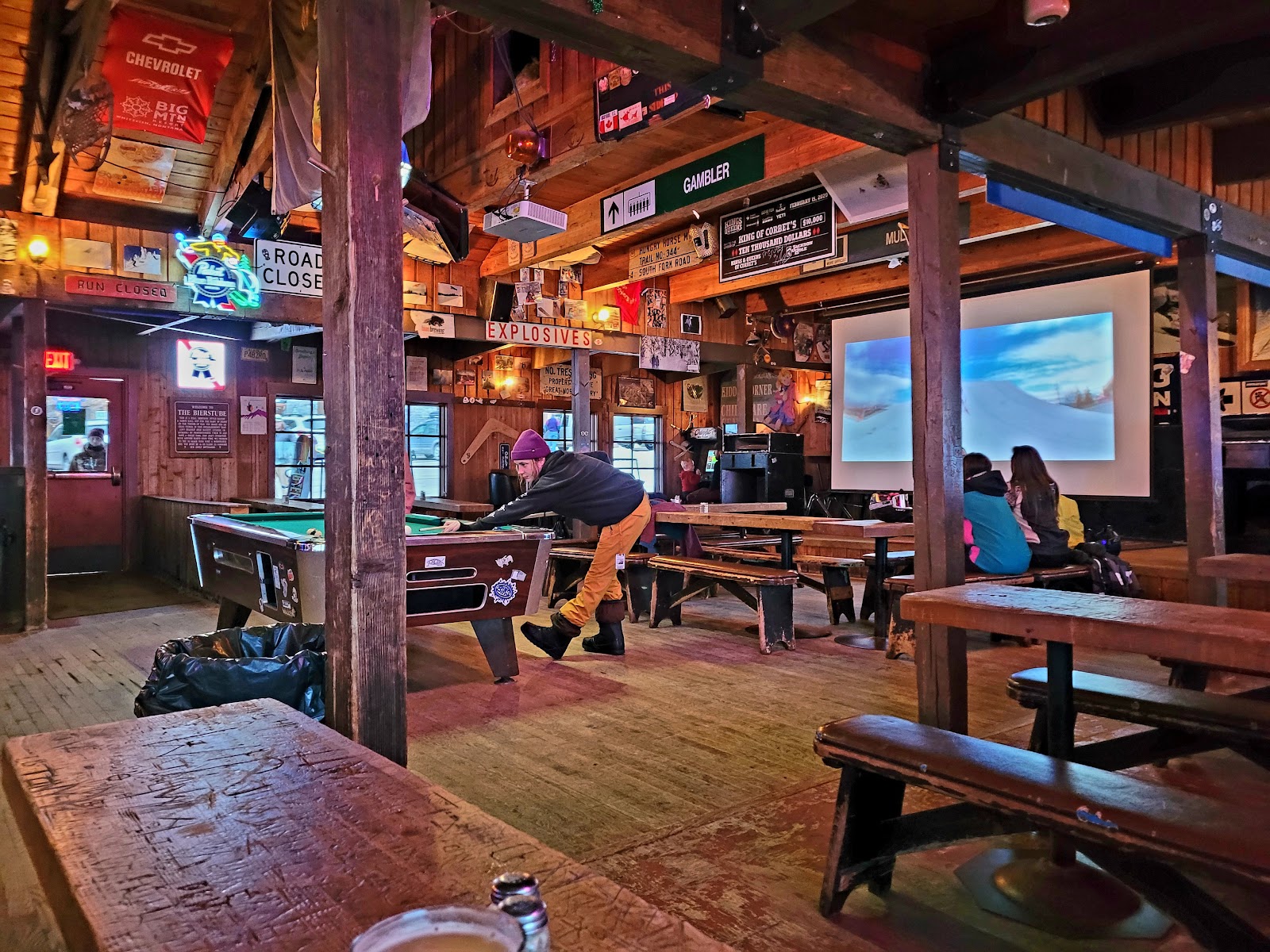
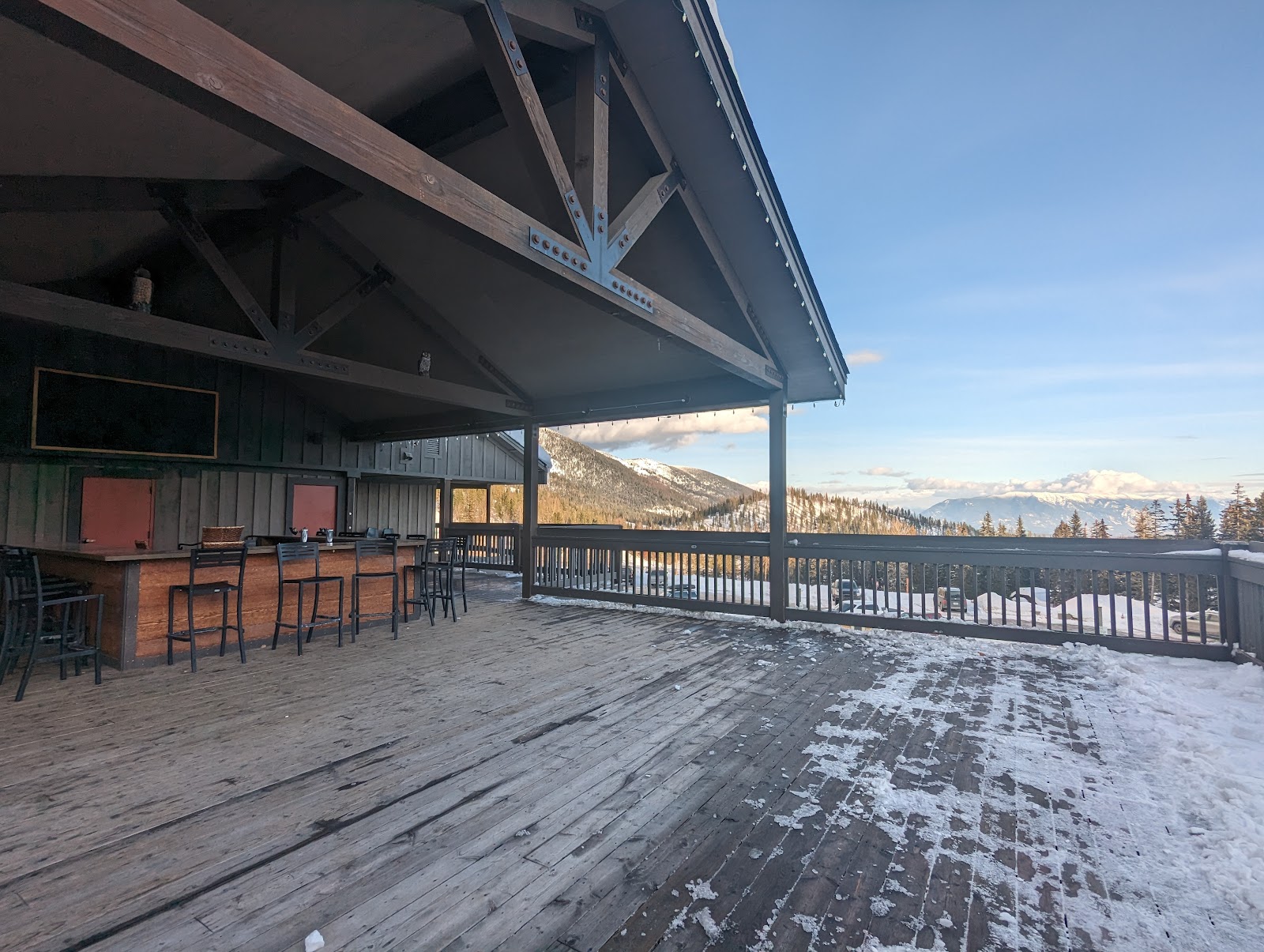
More frames from The Bierstube
The Bierstube wedding photography: common questions
How do you stop flash bouncing off the bottles behind the bar?
Shoot the bar obliquely rather than square-on so the reflected cone misses the lens, and keep your light high and well off-axis, ideally behind the plane of the subject. Better still, use the back bar’s own internal lighting, which is usually the most attractive light in the room.
Is a bar too dark to photograph?
No, but it needs fast lenses wide open and an ISO that shows grain. Bars are lit for atmosphere rather than visibility. The grain is not a defect here — a warm grainy frame is what the room actually looked like, and it suits a tavern in a way a clean flash frame does not.
Ambient light or flash?
Both, consciously, at different points. Ambient for candid and atmosphere coverage, where the warmth and grain are the point. Flash for the moments that must be clear — speeches, the cake, posed pairs. Switching deliberately rather than drifting is what keeps the set coherent.
How do you work around furniture that cannot be moved?
Invert the method. Rather than arranging people in the space, find the three or four frames the room already contains — a well-lit booth, a corner where the lamps fall nicely, a doorway framing the room — and work those all night as people move through them.
What about the neon and signage colour?
Neon is a narrow single wavelength rather than a colour temperature, so it will not correct to anything neutral. Treat it as a coloured light source and compose with it deliberately, or keep it out of the frame. Trying to white-balance it away only ruins everything else.
When are the best photographs taken in a bar?
Later than most people expect — often after the point a photographer would normally pack up. A bar reception runs looser and later than a ballroom one, and the loud unposed last half hour is usually why the couple chose a bar in the first place.
More Whitefish venue guides
We are writing a photographer’s guide to every venue we would happily shoot in Whitefish. Here are three more, plus the full index:
- The Garden Wall: How to Work a Genuinely Small Venue
- Whitefish Mountain Resort: One Decision Governs the Whole Day
- The Farmhouse Inn: Four Ways Out of the Open-Ground Problem
All Whitefish Wedding Venues →
Planning a wedding at The Bierstube?
A bar reception is warm, tight and genuinely the best part of the night. Tell us your date and whether the room goes private, and we will plan the light around it.