 The Castle at Park Plaza: Lighting a Brick Armory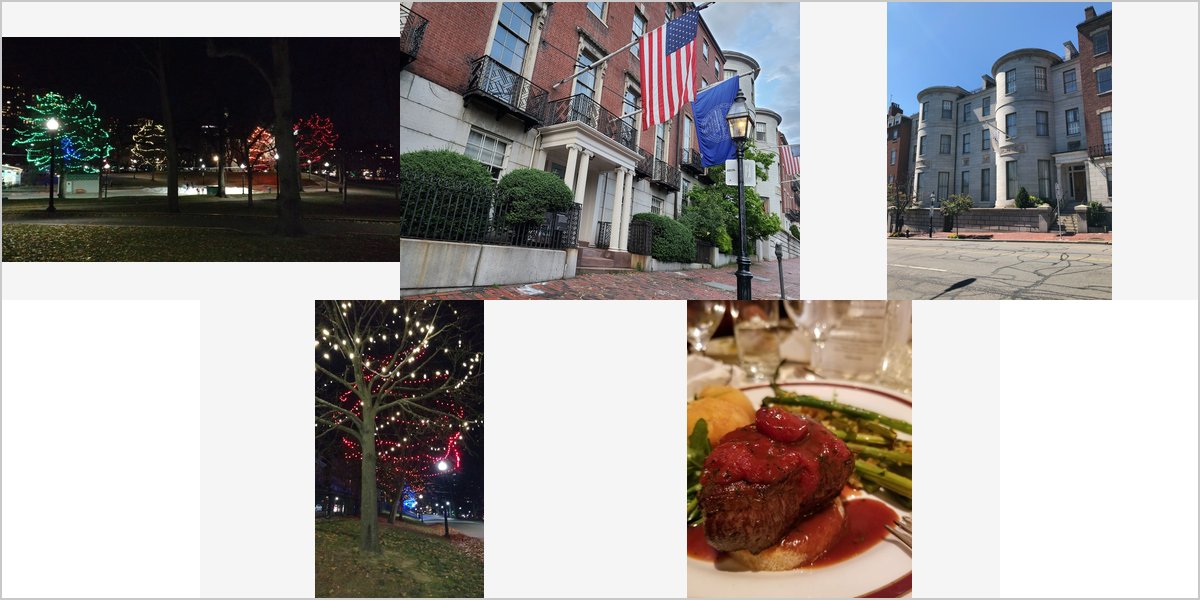
July 7, 2026
The Somerset Club on Beacon Street: Is It Right for You?
This is the most private and most traditional venue on our Boston list. That is the whole proposition — and it will not suit a couple who wants a landmark in the background.
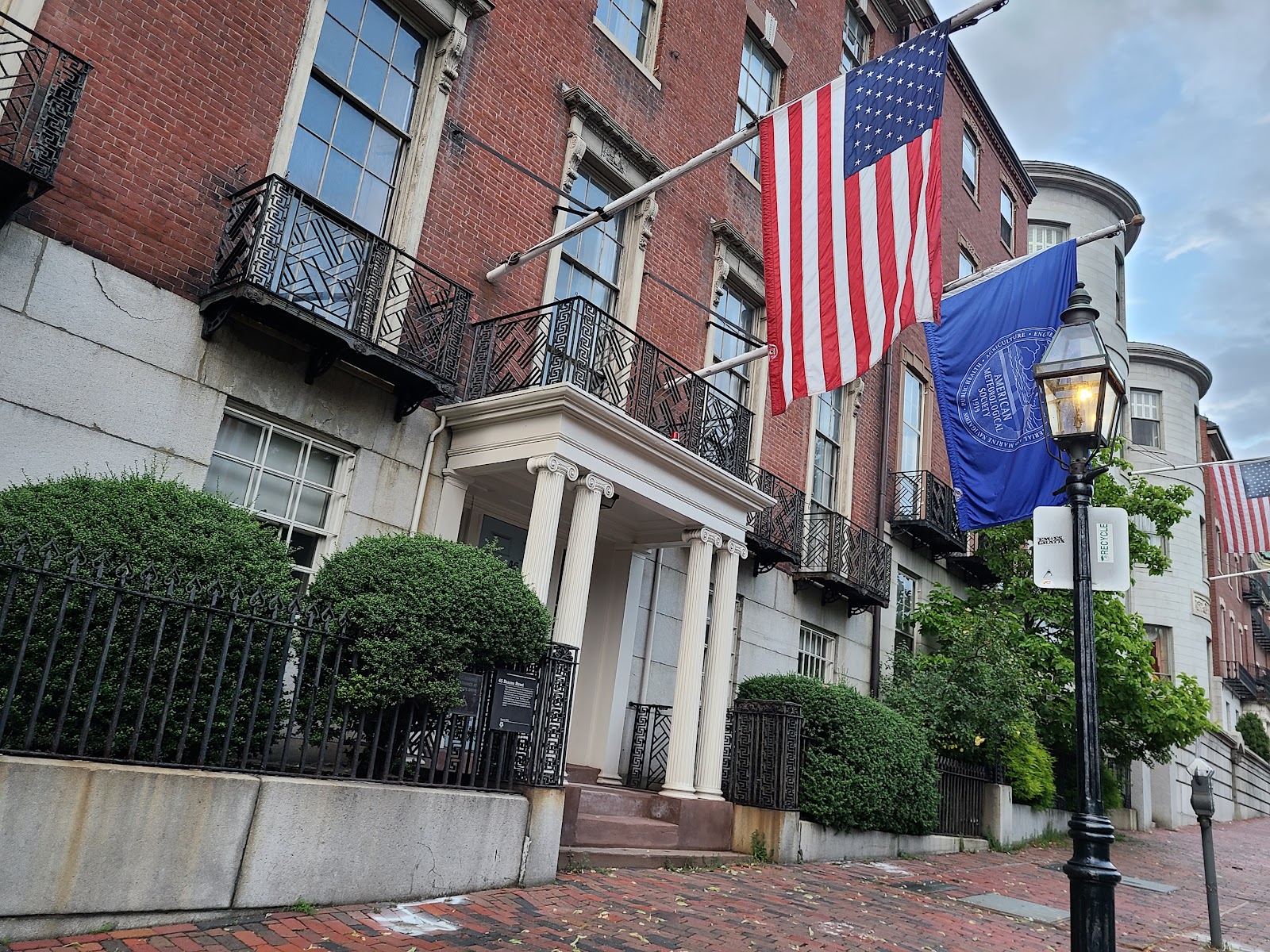
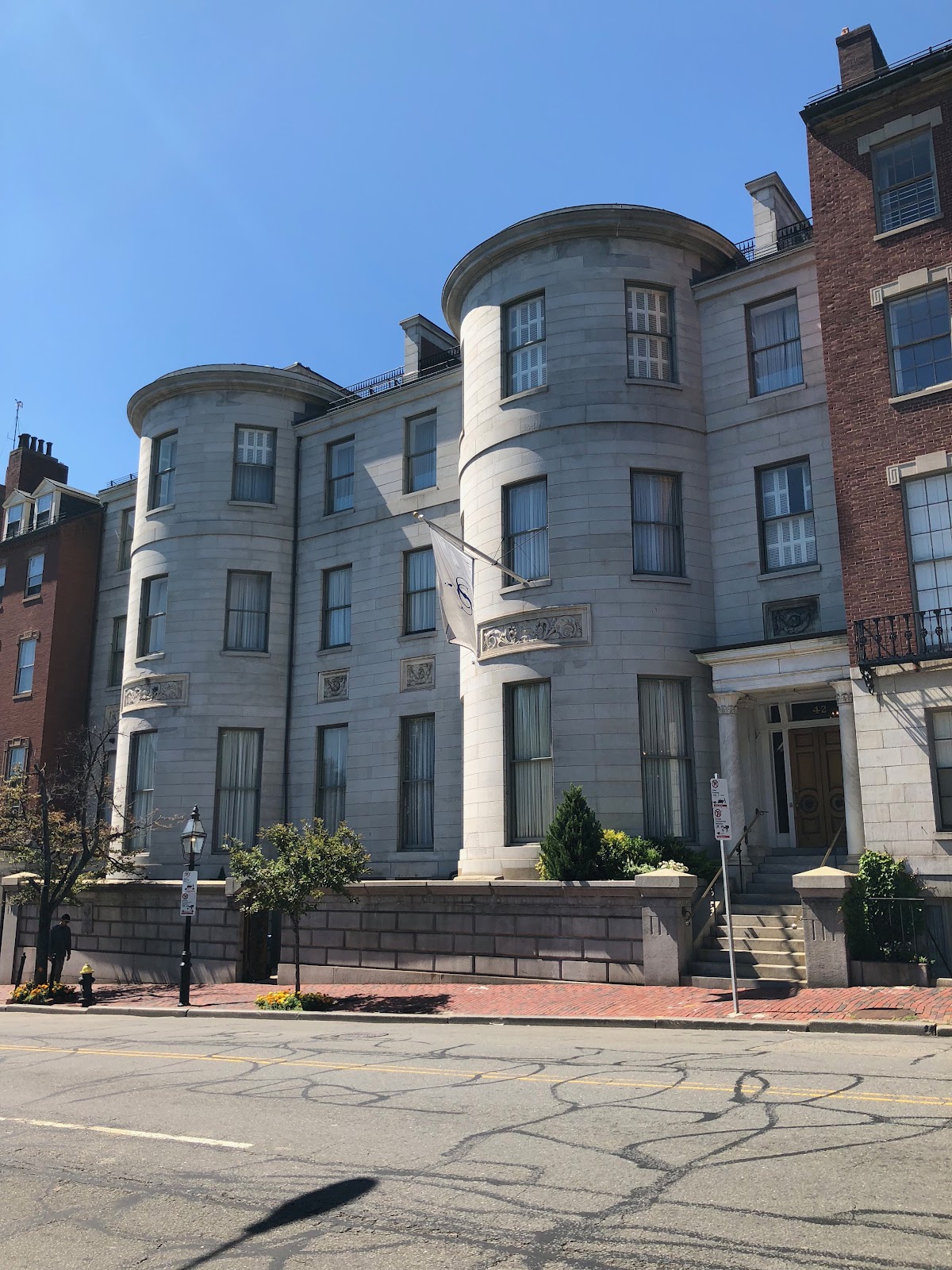
The Somerset Club occupies a granite bowfront townhouse at 42 Beacon Street on Beacon Hill, directly above Boston Common. Founded in the 1850s, it is among the oldest private clubs in the United States and has a reputation for discretion that is not merely marketing — clubs of this vintage and character are genuinely reticent, and that shapes what a wedding there can be.
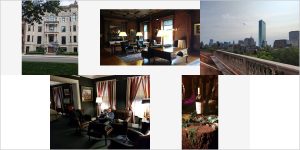
Photographically the building is a Beacon Hill townhouse at a generous scale: tall sash windows, high ceilings, rooms of domestic proportion, period joinery and warm lamps. As with the Union Club further along the same street, that combination gives unusually good natural light for a city event venue, and a staircase that is likely the best single frame in the building.
What follows is a fit assessment rather than a technical manual, because the interesting question here is suitability rather than exposure. We have not photographed a wedding at the Somerset Club, and its rules — which at a club of this character should be assumed to be strict, particularly regarding photography in member areas — are entirely for the club to state.
Somerset Club at a glance
| Where | 42 Beacon Street, Beacon Hill, Boston — overlooking Boston Common |
| Founded | 1850s; among the oldest private clubs in the United States |
| Character | Granite bowfront townhouse, domestic-scale period rooms, notably discreet |
| Light | Tall sash windows give real daylight; warm artificial light after dark |
| Assume | Firm restrictions, especially on photography where members are present |
What the building gives a photographer
Bowfront townhouses have a specific and useful architectural quirk: the curved front means the windows in the principal rooms face slightly different directions, so a single room receives light from more than one angle. That produces gentler, more wrapping illumination than a flat facade with parallel windows, and it is genuinely flattering.
Beyond that, the advantages are those of any good townhouse venue. Tall windows in rooms of moderate depth mean soft directional light across most of the floor. High ceilings mean the light comes from above the eyeline rather than sideways into it. Period joinery, panelling and fireplaces give backgrounds with texture and detail. And a nineteenth-century staircase gives verticality, leading lines and a landing window.
The limits are also those of any townhouse. Rooms are domestic in scale, so large group photographs will not work comfortably indoors. Window light falls off within a few metres. And once the sun is down — which in a Boston winter is the mid-afternoon — the building is an entirely artificial, warm, fairly dim environment that needs lighting.
Who this venue suits
Four kinds of couple, and the fit here is narrower than at most venues, which is worth saying plainly.
- Couples who actively want privacy and discretion. Not merely tolerate it — want it. If the idea of a wedding that leaves almost no public trace appeals to you, this is the building.
- Smaller, formal guest lists. The rooms are domestic. Thirty to eighty people in period rooms feels right; two hundred does not fit the architecture.
- Couples drawn to traditional, understated aesthetics. Panelling, lamplight, restrained florals, classic tailoring. The building will amplify that and will resist anything louder.
- Anyone who values good natural light indoors. Bowfront windows are a real photographic asset, and daytime portraits here need no equipment at all.
Who should look elsewhere
Being specific matters more than being encouraging, because a venue with firm rules and domestic rooms is an expensive place to discover a mismatch.
- Couples who want the venue to be recognisable. A discreet townhouse does not announce itself. If you want guests and viewers to know instantly where the photographs were taken, book the Fairmont, the Liberty or a church on Copley Square.
- Large guest lists. Past roughly a hundred, the scale works against both the atmosphere and the photographs.
- Anyone wanting freedom to photograph anywhere. At a club of this character, assume significant restrictions on where a camera may go, particularly where members are present. Ask before you plan.
- Couples wanting a big, late, loud party. Assume noise and end-time constraints in a residential Beacon Hill setting, and confirm them early.
The practical plan, and Boston Common outside
The working method is straightforward. Identify on arrival which room has the best window light and put the couple’s portraits there while daylight lasts. Use the staircase for ten minutes. Shoot the period detail — fireplaces, joinery, lamps — as its own set of frames, because that detail is the venue’s character and it costs nothing in permissions.
For the evening, the rooms are small enough that gentle lighting works: a bounced on-camera flash, or one small warm-gelled light on a stand, lifting faces a couple of stops while the lamps keep the room warm and pooled. This is a much easier lighting problem than a ballroom, and it should be handled as lightly as possible.
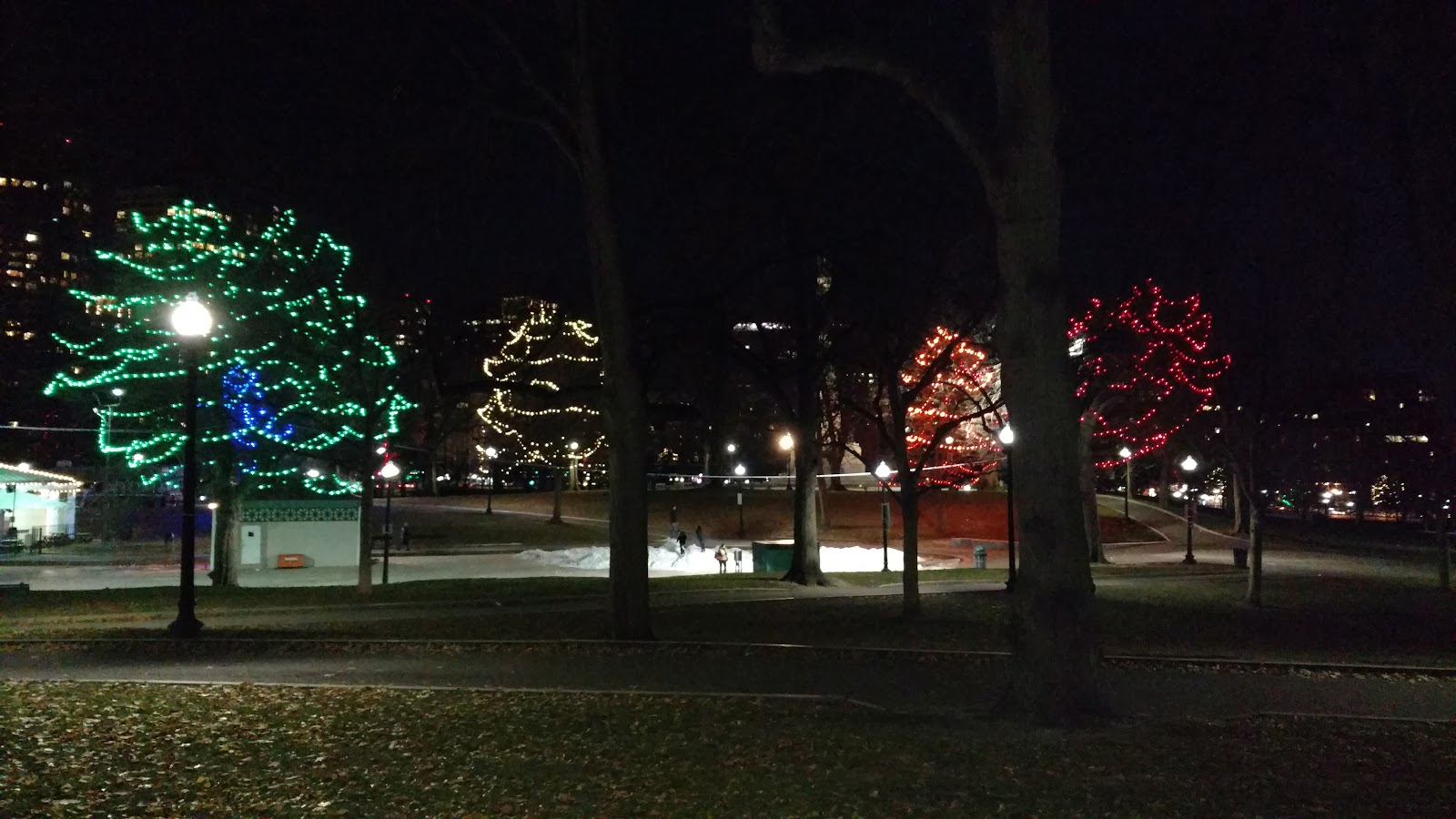
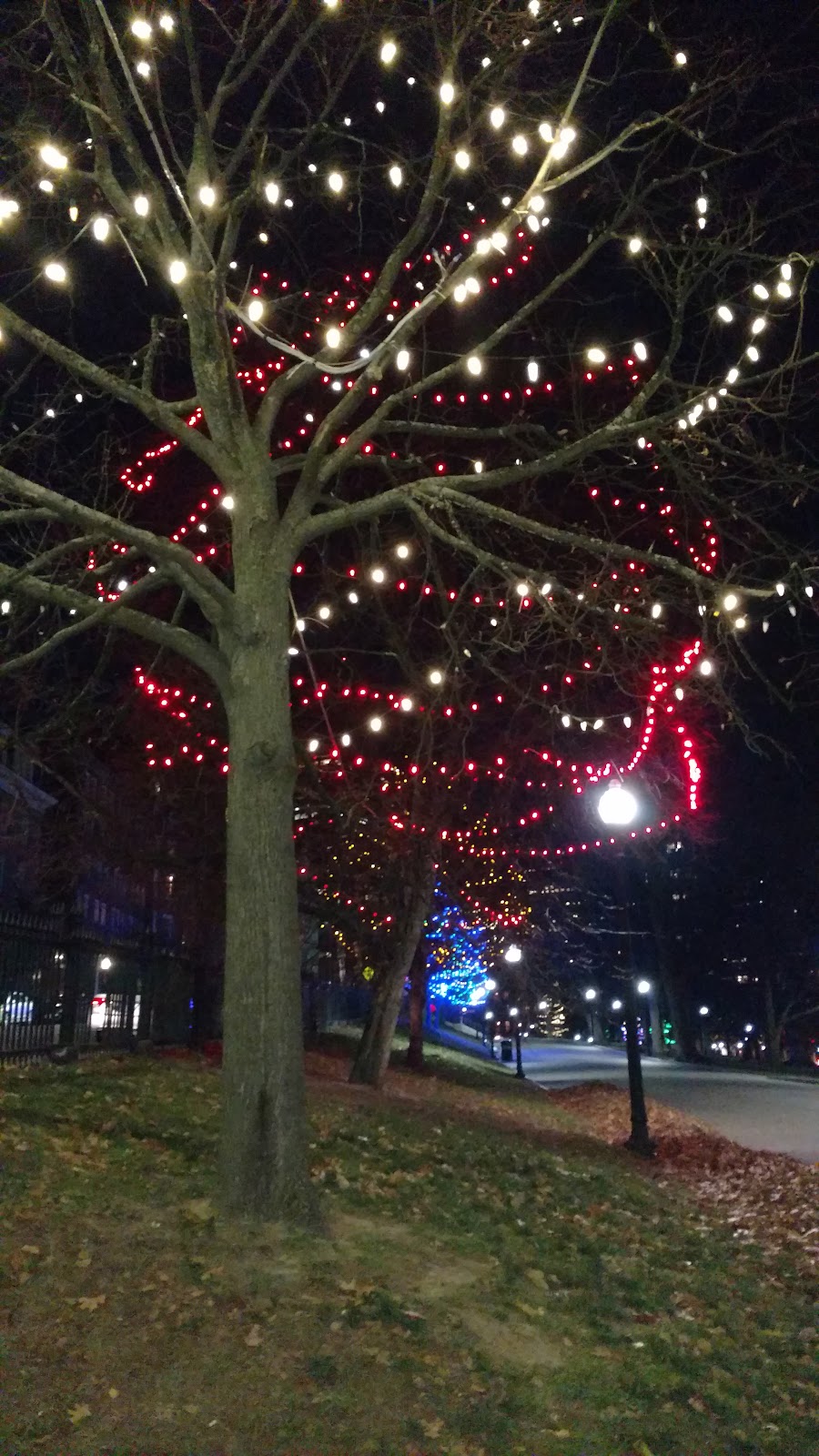
Then go outside. Boston Common is directly across Beacon Street and the Public Garden is a short walk beyond it, which means every kind of outdoor light — open shade under mature trees, lagoon reflections, long lawns — is available within minutes. Large groups belong out there rather than in a period drawing room. Late afternoon is best; twenty minutes is the right budget, and in autumn it is the best part of the day.
A final scheduling note that applies to every Beacon Hill venue: the hill is steep and the pavements are brick and uneven. Walking a wedding party down to the Common and back takes longer than the map suggests, and it is genuinely awkward in heels on nineteenth-century brick. Allow for it in the timeline rather than discovering it on the day.
What works in your favour
- Bowfront windows light rooms from more than one angle — unusually flattering natural light
- Genuine period rooms with joinery, fireplaces and lamplight for textured backgrounds
- A nineteenth-century staircase giving verticality and a landing key light
- Exceptional privacy and discretion for couples who want exactly that
- Boston Common directly opposite and the Public Garden minutes away
What to plan around
- Domestic room scale rules out large indoor group photographs
- Assume strict limits on photography, especially in member areas — confirm before planning
- The building is deliberately unrecognisable; it will not identify itself in a photograph
- No usable daylight for an evening wedding in winter
- Likely noise and end-time constraints in a residential Beacon Hill setting
More frames from Somerset Club
Somerset Club wedding photography: common questions
Is the natural light good at the Somerset Club?
Unusually so. A granite bowfront means the windows in the principal rooms face slightly different directions, so a single room receives light from more than one angle — which wraps around faces more gently than a flat facade with parallel windows. Daytime portraits here need no equipment at all.
Who is this venue right for?
Couples who actively want privacy and discretion, with a smaller and fairly formal guest list, drawn to traditional understated aesthetics. It rewards restraint and resists anything louder. It is a narrower fit than most venues, which is worth knowing before you visit.
Who should choose somewhere else?
Anyone who wants the venue to be recognisable in the photographs, anyone with a guest list beyond roughly a hundred, and anyone who wants freedom to photograph throughout the building. A discreet townhouse club does not announce itself and will not offer unrestricted access.
Can we do large family group photos?
Not indoors — the rooms are domestic in scale. With Boston Common directly across Beacon Street, the sensible plan is to take large groups outside, where there is room to arrange people properly and the light under mature trees is better anyway.
How should the rooms be lit in the evening?
Lightly. The rooms are small enough that a bounced on-camera flash or one small warm-gelled light on a stand is sufficient to lift faces a couple of stops, while the lamps keep the space warm and pooled. This is a far easier lighting problem than a ballroom and should be treated as one.
More Boston venue guides
We are writing a photographer’s guide to every venue we would happily shoot in Boston. Here are three more, plus the full index:
- The Cyclorama: Field Notes on a Domed Room
- Trinity Church, Copley Square: A Photographer Answers Your Questions
- The Union Club of Boston: A Walk-Through for Photographs
Planning a wedding at Somerset Club?
The Somerset Club is a narrow fit, and that is a compliment. Tell us what kind of day you are picturing and we will tell you honestly whether this building will give it to you — and what to ask the club before you commit.