 The Somerset Club on Beacon Street: Is It Right for You?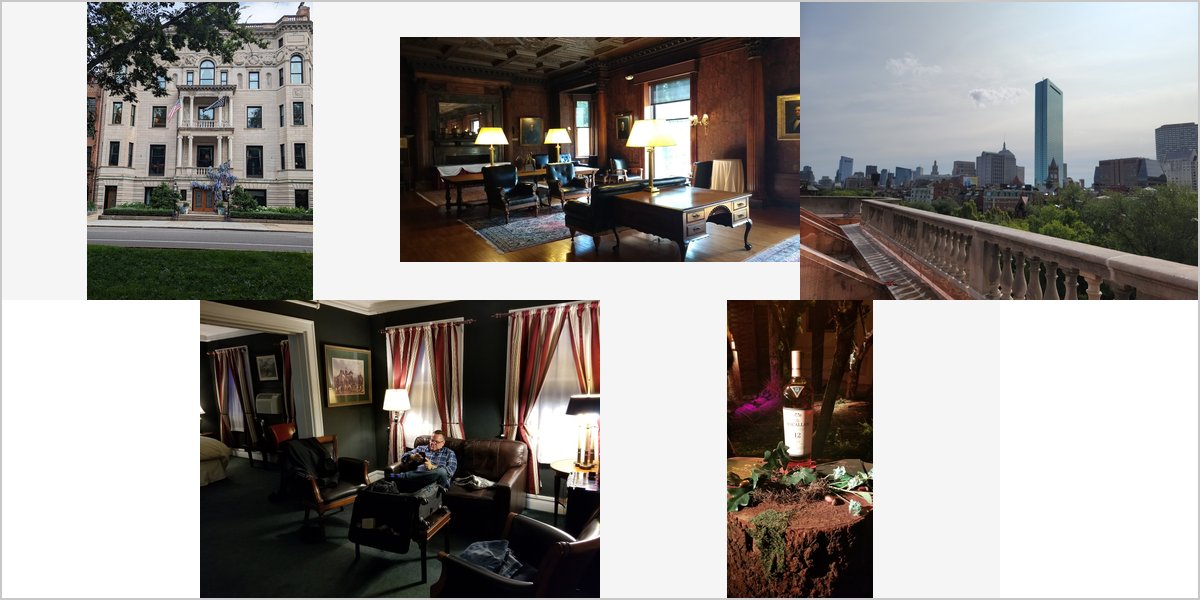
June 23, 2026
The Algonquin Club on Commonwealth Avenue: Questions Answered
A Gilded Age clubhouse by the architects of the Boston Public Library, on the best street in the city for portraits. The interiors are dark; the location is superb.
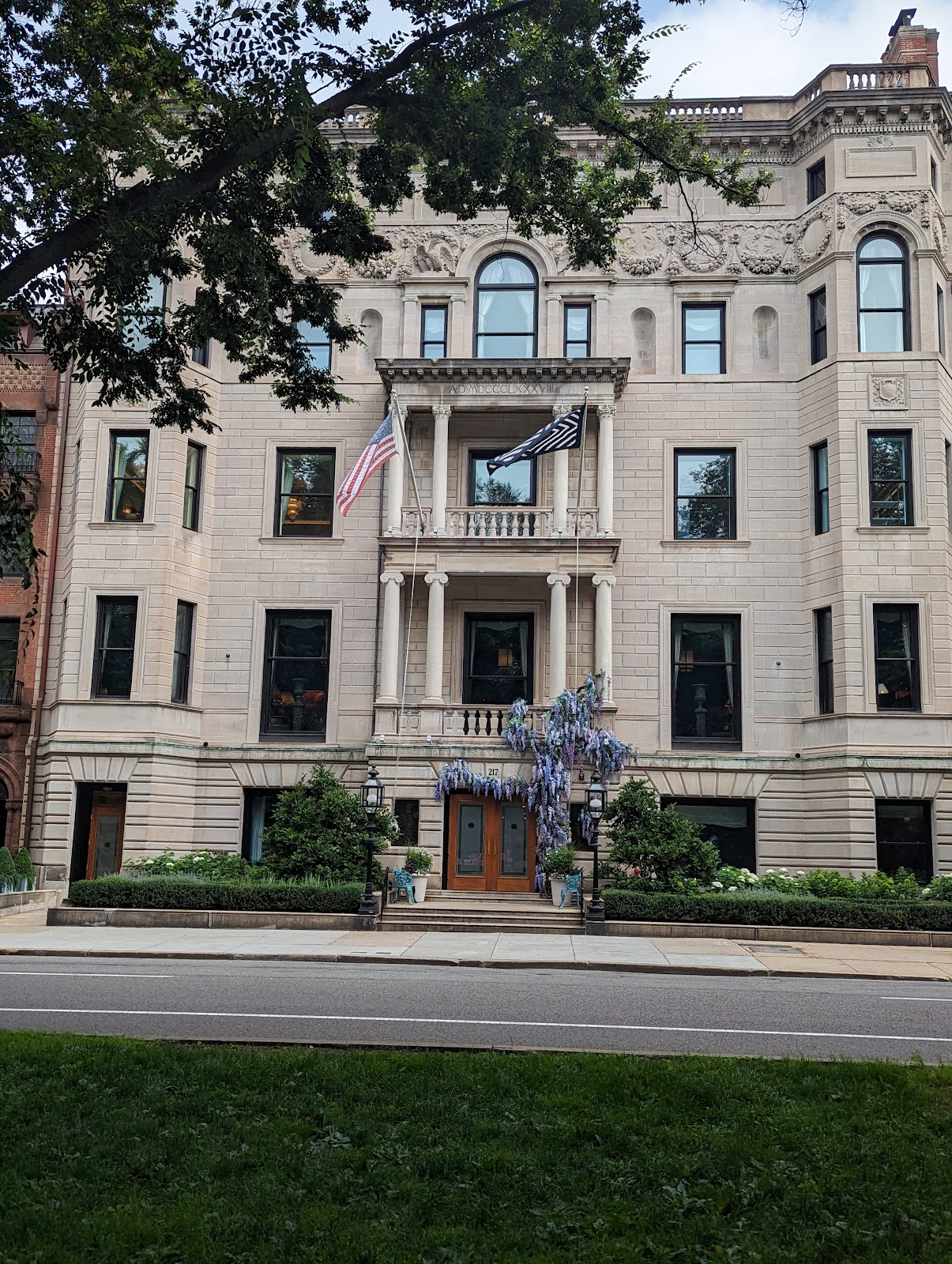
The Algonquin Club was founded in the 1880s and its clubhouse at 217 Commonwealth Avenue was completed in 1888 to a design by McKim, Mead & White — the firm responsible for the Boston Public Library and a great deal of what Americans picture when they imagine Gilded Age architecture. It is an Italian Renaissance revival building with high-ceilinged reception rooms, a grand staircase and a ballroom.
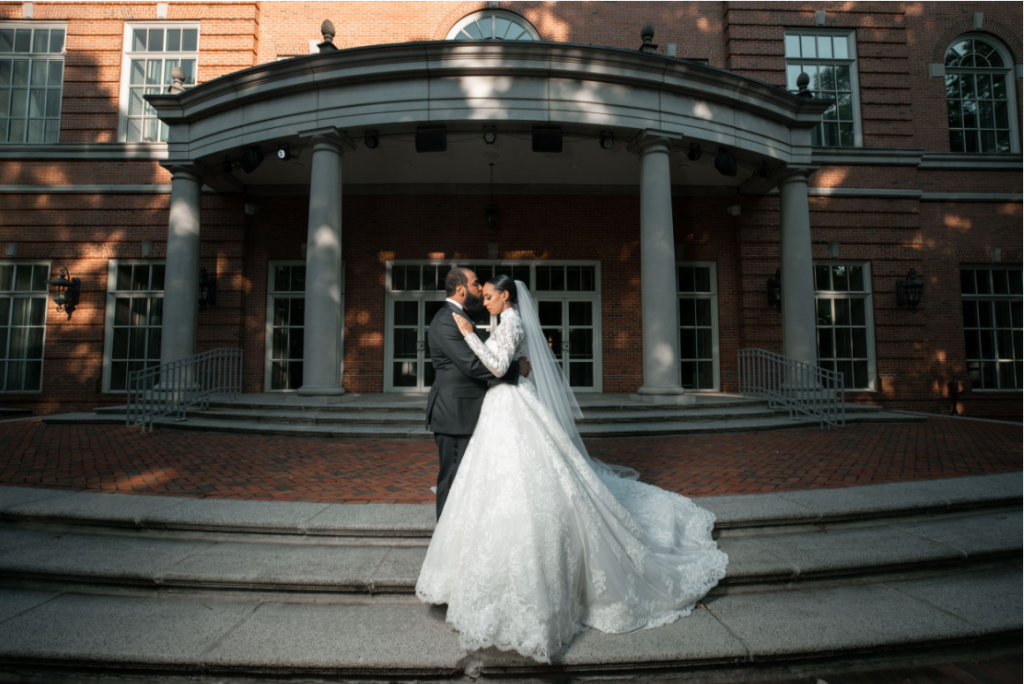
Photographically it sits in the same family as the other Back Bay clubs: handsome, formal, dark, warmly lit and almost entirely artificial after sunset. What distinguishes it is the quality of the architecture and the address. Commonwealth Avenue’s central mall — a tree-lined promenade running the length of the Back Bay — is directly outside, and it is arguably the single best portrait location in Boston.
These are the questions couples ask, answered from the craft side. We have not photographed a wedding here. Club rules on sponsorship, dress code and photography in member areas are for their office, and at private clubs they are firmer than at hotels — settle them before anything else.
Algonquin Club at a glance
| Where | 217 Commonwealth Avenue, Back Bay, Boston, Massachusetts |
| Built | 1888, designed by McKim, Mead & White |
| Character | Italian Renaissance revival: grand staircase, high reception rooms, ballroom |
| Light | Tall windows onto the avenue; warm artificial light after dark |
| The location advantage | Commonwealth Avenue mall directly outside |
Is there enough natural light inside?
More than at a hotel, less than you would like. A nineteenth-century clubhouse has tall windows, and high ceilings mean those windows are large — so rooms on the avenue frontage get genuine daylight for much of the day. That is a real advantage over a windowless ballroom, and it means daytime portraits indoors are possible without flash.
The limits are depth and season. Light from a tall window falls off quickly, so the front two or three metres of a room are usable and the back of it is not. And in a Boston winter, when the sun sets in the mid-afternoon, that daylight simply is not there for an evening wedding.
The working habit is the same one that serves in every historic building: identify the best-lit room on arrival, and put the portraits there early. Do not assume the ballroom is the right place for portraits just because it is the grandest room — grandeur and good light rarely coincide.
What is the best single location in the building?
The staircase, almost certainly. A McKim, Mead & White stair is a designed object rather than a means of circulation: generous proportions, a considered turn, stone or timber detailing, and usually a window on the landing throwing a clean key light down onto it.
It gives you three things the flat reception rooms cannot. Verticality, which lets the frame use the building’s height. Leading lines from the balustrade, which draw the eye to the couple. And elevation — you can shoot from above or below, which changes the relationship between subject and architecture in a way that standing on a level floor never does.
A dress on stairs also behaves better than a dress on a carpet. It falls, trails and takes on shape. If you protect ten minutes anywhere in this building, protect it here.
How do you light the ballroom in the evening?
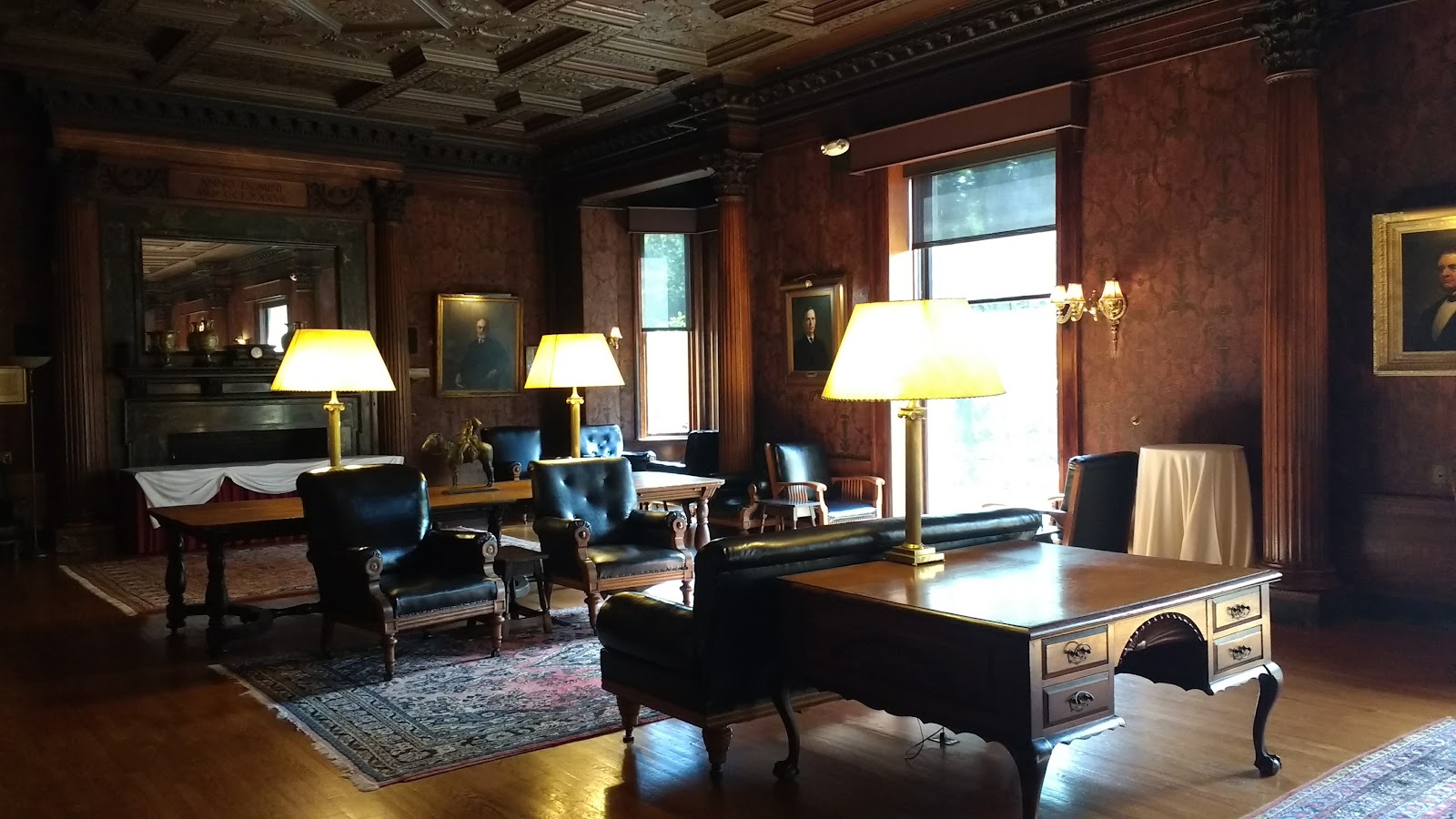
Directly and deliberately, because the usual shortcuts fail. High ceilings in a period room put any bounce surface too far away to help, and if the ceiling is dark or decorated it absorbs light and returns what little comes back as amber. Photographers who rely on ceiling bounce in rooms like this produce dim, orange frames.
One flash on a stand with a softbox, gelled warm so it sits inside the room’s own colour, placed off to one side and feathered, gives you directional light with shape. A second unit behind the dancefloor as a rim light is the highest-value addition — it separates people from a dark background and turns a flat crowd shot into a photograph with depth.
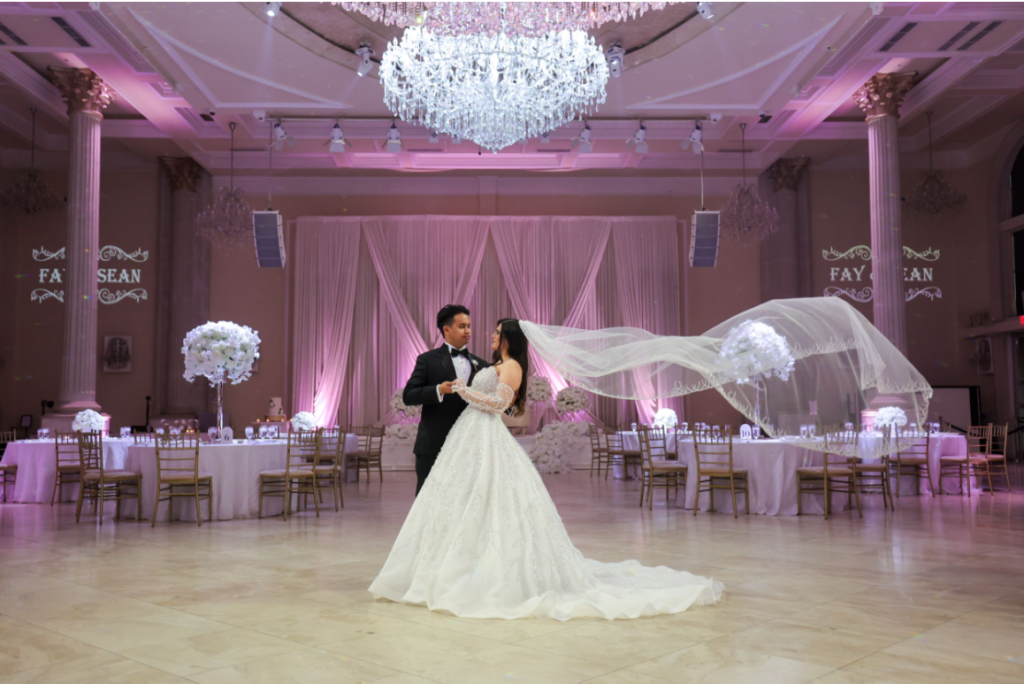
Expose so the room’s own fixtures read as glowing points rather than blown highlights, which means letting the overall frame sit darker than instinct suggests. A Gilded Age room is meant to be pooled and warm. Correct it to an evenly bright space and it looks like a conference suite with cornices.
Do we really need to go outside?
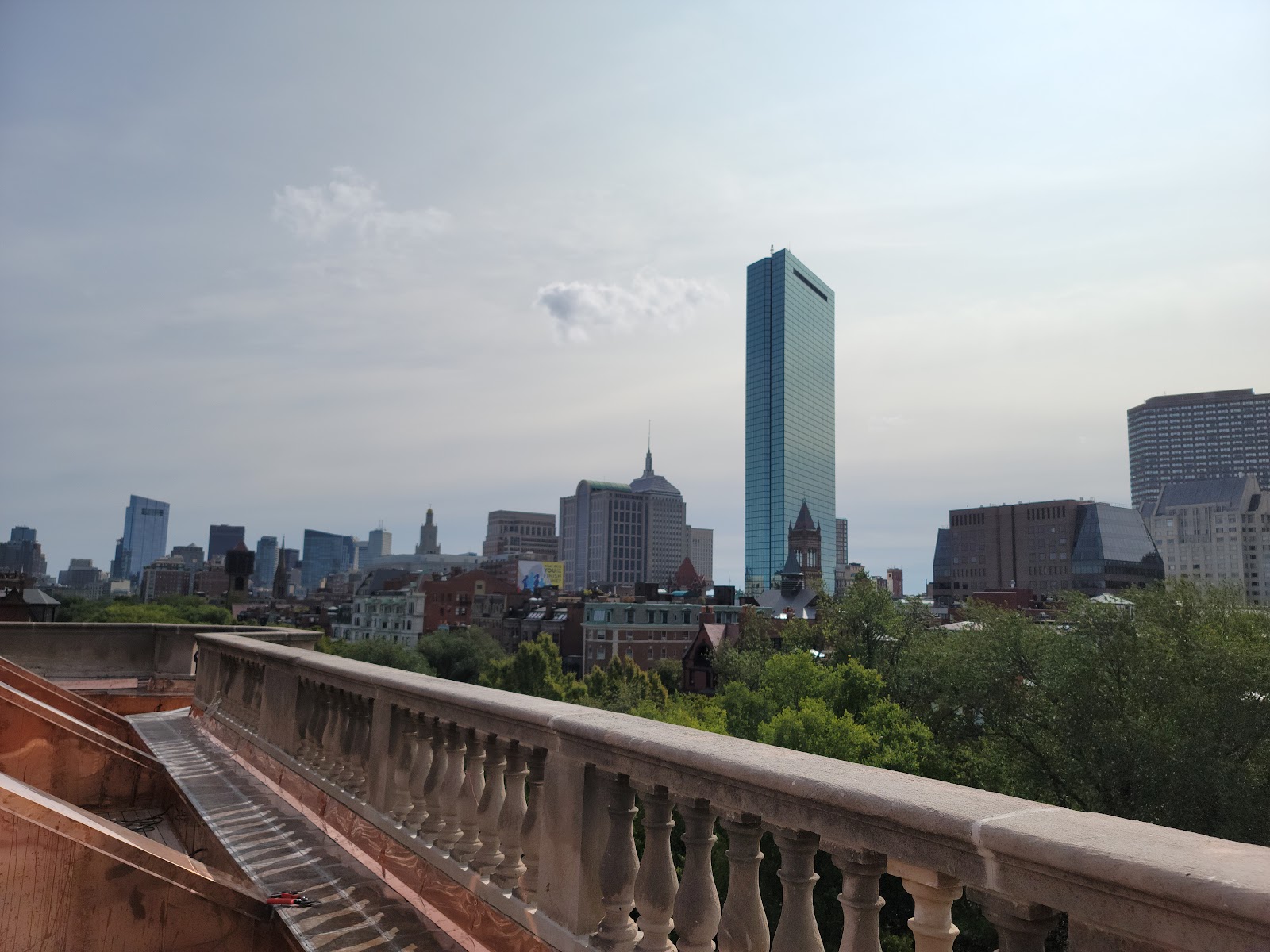
Yes, and it is the easiest decision of the day. The Commonwealth Avenue mall is a tree-lined promenade with mature specimen trees, benches, statuary and long sightlines, running straight past the door. It gives you high open shade — the most flattering outdoor light there is — plus backlight through foliage, and a receding avenue of trees that makes a beautiful compressed frame with a long lens.
It is at its best in late spring, when the magnolias along the Back Bay streets flower, and in mid-to-late October, when the mall’s trees turn. In high summer, work the shaded side; in winter, the bare trees give a graphic, architectural look that photographs surprisingly well against the brownstone.
Twenty minutes is the right budget, and it needs to be written into the timeline. The mall is public but rarely crowded in the way the Public Garden is, so you can generally work without waiting — one of the reasons it outperforms more famous locations nearby.
What works in your favour
- Architecture by McKim, Mead & White — genuine Gilded Age quality
- A grand staircase that is among the strongest single frames in any Boston venue
- Tall windows onto the avenue give real daylight in the front rooms
- Commonwealth Avenue mall directly outside: open shade, foliage and long sightlines
- Private club privacy indoors, with an uncrowded public promenade outside
What to plan around
- Window light falls off fast; the backs of rooms are unusable without added light
- No usable daylight for an evening wedding in the Boston winter
- High, dark, decorated ceilings make bounce flash ineffective in the ballroom
- Private club rules on sponsorship, dress code and member-area photography are strict
- Grandest room and best-lit room are not the same room — portraits need planning
More frames from Algonquin Club
Algonquin Club wedding photography: common questions
Does the Algonquin Club have good natural light?
Better than a hotel, but limited in depth. Tall nineteenth-century windows in high-ceilinged rooms give genuine daylight to the front two or three metres of the avenue-facing rooms, and very little beyond that. In winter, with sunset in the mid-afternoon, an evening wedding will have none at all.
What is the best place to photograph inside?
The staircase. A McKim, Mead & White stair gives verticality, leading lines from the balustrade, a landing window as a clean key light, and the ability to shoot from above or below. A dress also falls and trails on stairs in a way it cannot on a flat carpet.
How should the ballroom be lit?
With direct modified light from stands, not bounce. High decorated ceilings absorb light and return it amber, so ceiling bounce produces dim orange frames. Use one gelled flash with a softbox as a feathered key, plus a second behind the dancefloor as a rim light, and expose so the room’s fixtures glow rather than blow out.
Where are the outdoor portraits?
The Commonwealth Avenue mall, directly outside. Mature trees give high open shade and backlight, and the receding avenue compresses beautifully with a long lens. It is also far less crowded than the Public Garden, so you can usually work without waiting.
When does the location look best?
Late spring for the Back Bay magnolias, and mid-to-late October when the mall’s trees turn. High summer needs the shaded side of the street. Winter’s bare trees are more graphic than pretty but photograph well against the brownstone.
More Boston venue guides
We are writing a photographer’s guide to every venue we would happily shoot in Boston. Here are three more, plus the full index:
- Arlington Street Church: Field Notes for Wedding Photographs
- The Boston Athenaeum: Planning the Shot List
- The ICA Boston: Harbour Light and How to Time It
Planning a wedding at Algonquin Club?
Tell us your date and we will tell you which room in the building will have the best light that afternoon, and exactly how long you need on the Commonwealth Avenue mall.