 The Somerset Club on Beacon Street: Is It Right for You?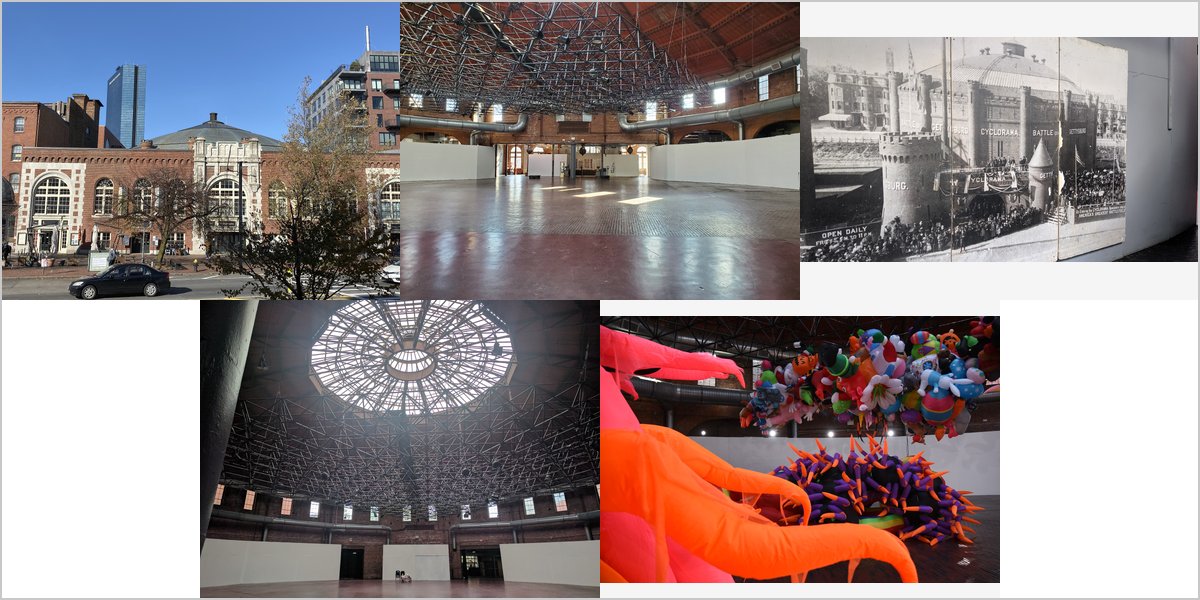
June 16, 2026
The Cyclorama: Field Notes on a Domed Room
A circular room with a dome and a central skylight is a beautiful, unusual, and genuinely awkward space to photograph. Three problems, all solvable.
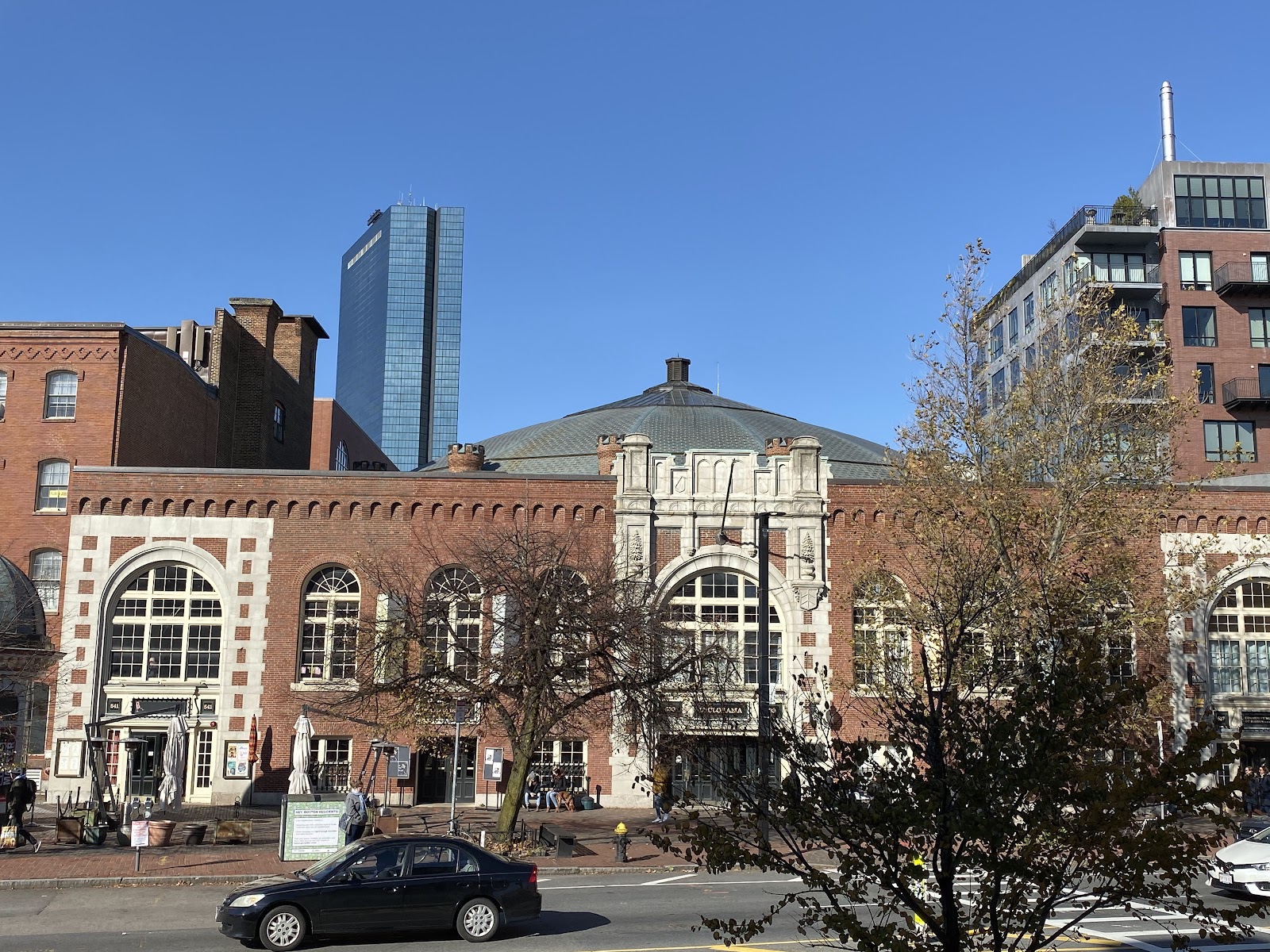
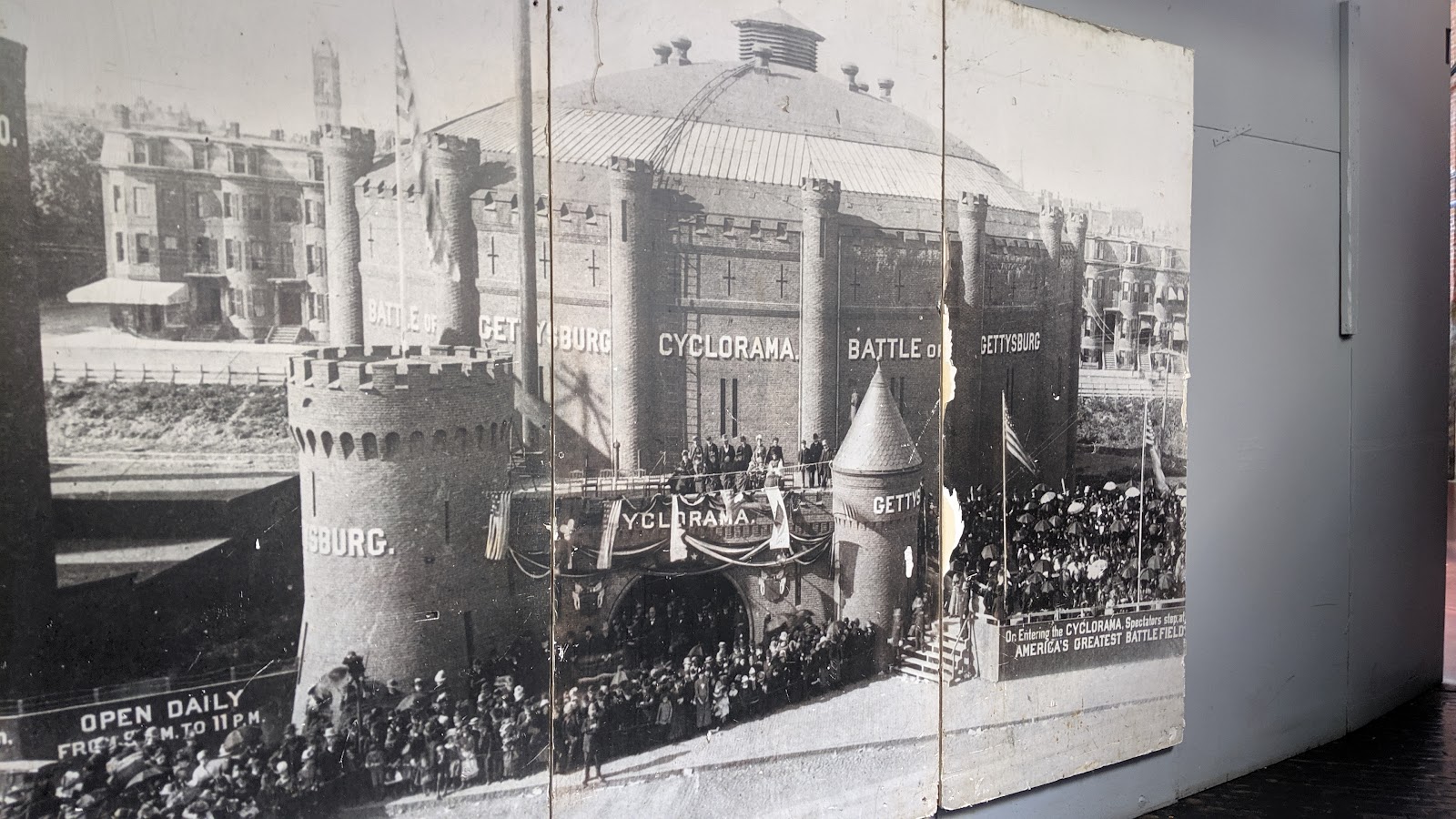
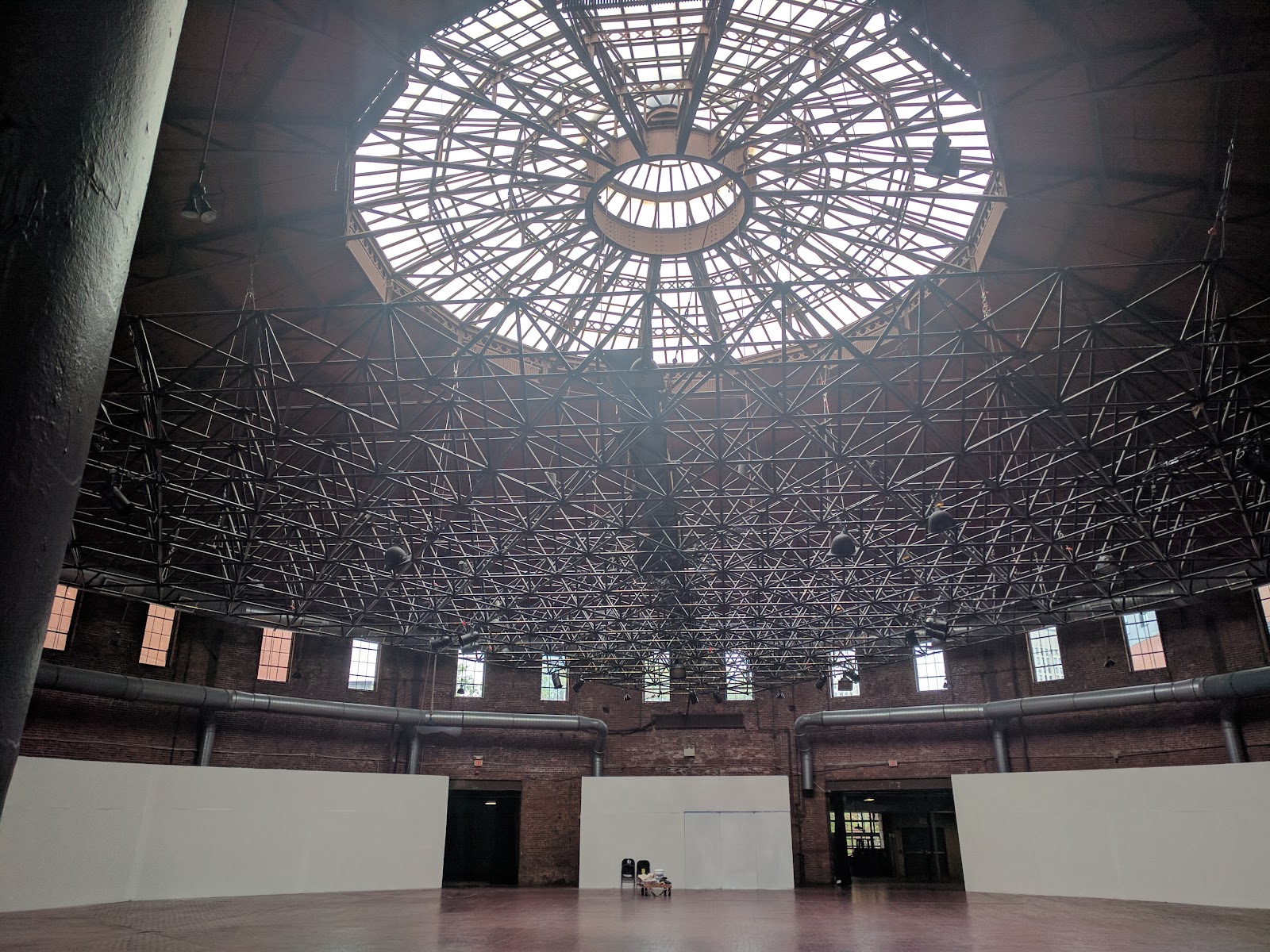
The Cyclorama was built in 1884 in Boston’s South End to house a vast circular painting of the Battle of Gettysburg. The painting is long gone; the building is now part of the Boston Center for the Arts and operates as an event space. What remains is the architecture: a large circular room under a dome, with a central oculus admitting daylight from directly overhead.
That geometry is rare and it makes the venue memorable. It also creates three specific photographic problems that a rectangular room does not have — problems of light direction, of composition, and of where people can physically be placed. None of them are severe, but all of them reward thinking about beforehand.
These are field notes on those three problems. We have not photographed a wedding here. The architecture and its optical consequences are matters of record; the room’s configuration on your date, rigging, power and what the venue permits are for the Boston Center for the Arts to confirm.
The Cyclorama at Boston Center for the Arts at a glance
| Where | Tremont Street, South End, Boston — part of the Boston Center for the Arts |
| Built | 1884, to house a panoramic painting of the Battle of Gettysburg |
| Character | Large circular room under a dome, with a central overhead oculus |
| Light | Daylight from directly above through the oculus; very little else |
| Ask first | Rigging points, power, and whether the oculus is the only daylight source |
Problem one: a central oculus lights the middle and nothing else
A skylight at the apex of a dome produces a pool of daylight in the centre of the floor and steep falloff toward the walls. Stand in the middle and you are brightly lit from straight above; walk five metres toward the perimeter and you lose several stops. In a rectangular room with side windows the light is broad and lateral; here it is a spotlight pointing down.
The straightforward consequence is that the centre of the room is the only place with usable daylight, and it is also where the ceremony aisle or the dancefloor usually goes. So daylight portraits and the event itself compete for the same square metres, and the timeline has to separate them.
The corrections for top light apply as usual — chins up slightly, a reflector low to bounce light back into eyes, or a warm-gelled fill. But the more useful move is to stop fighting it. A couple standing in a pool of overhead light in the middle of a dark circular room, shot from a distance, is a genuinely striking photograph that uses the building’s geometry rather than resisting it.
Problem two: a curved wall gives you no straight lines
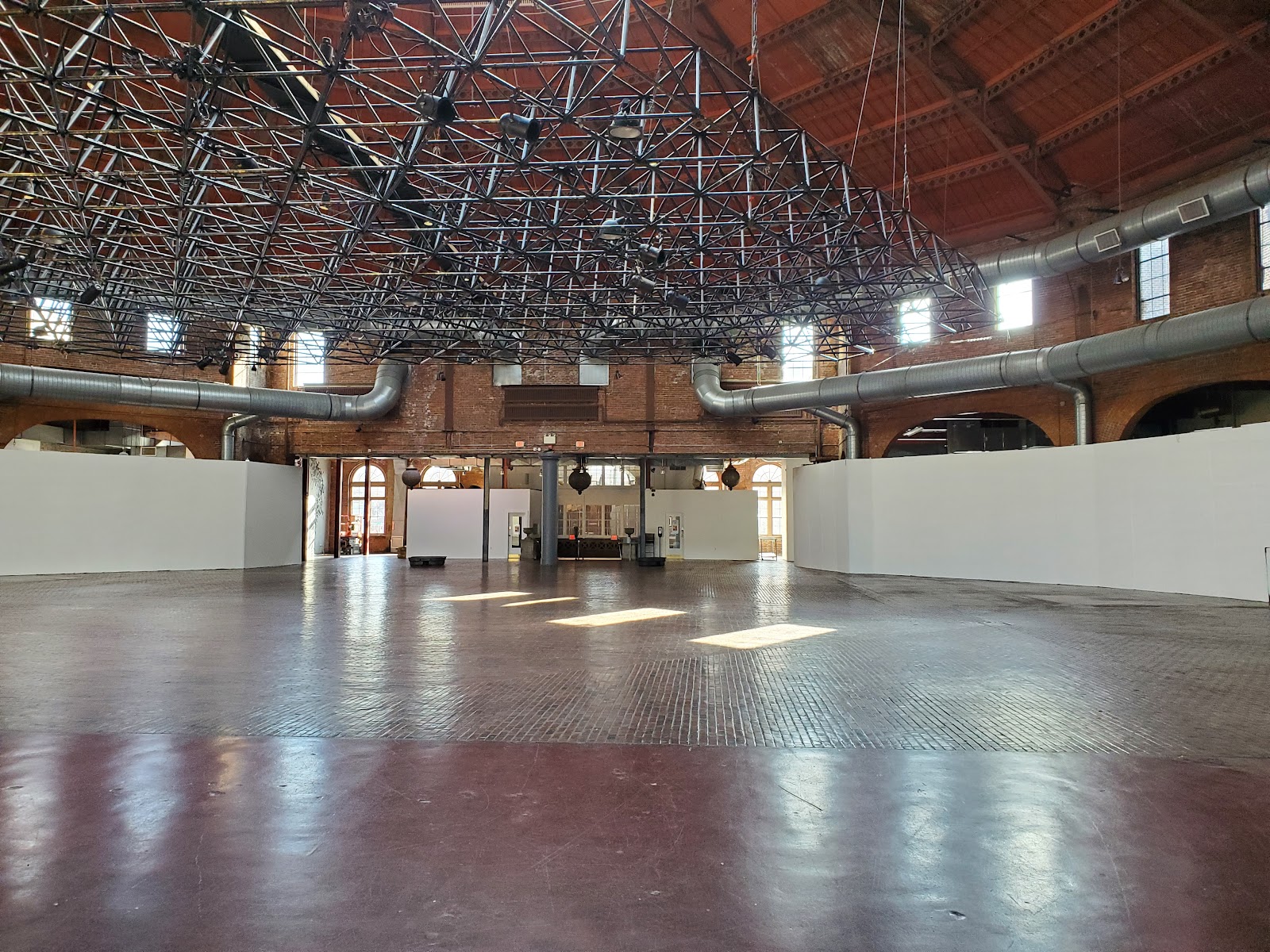
Photographers compose against edges: door frames, cornices, the meeting of wall and ceiling. A circular room has one continuous curved wall and no corners at all, which removes most of the compositional furniture you would normally use and makes wide frames feel oddly unanchored.
Two practical answers. First, use the dome itself as the anchor — shoot upward or include the curve of the ceiling so the frame has the arc as its structure. The geometry is the venue’s signature and it should be visible in at least a few images. Second, look for the introduced verticals: columns, doorways, whatever staging and lighting rigs have been installed. In a room with no natural edges, the installed elements become your composition.
Also worth knowing: a curved wall means that at a wide focal length the background bends, which reads as distortion rather than as architecture. Longer lenses behave much better here, and a 50mm or 85mm will produce cleaner portraits against a curve than a 24mm will.
Problem three: after dark it is a very large dark room
Once the oculus goes dark, the Cyclorama has essentially no light of its own. It is a big volume with a high dome, which means two things: whatever ambient lighting is installed becomes the entire look of the evening, and bounce flash is useless because the dome is far away and curved, scattering rather than returning light.
So the evening is a lighting design question first and a photography question second. Festoons or pin-spots under a dome read beautifully because the curve carries light around; uplighting on the circular wall emphasises the geometry and is the single most effective thing that can be installed here. Candlelight on tables handles the close range.
For the camera, plan two off-camera flashes, warm-gelled to match the installed ambient, with one behind the dancefloor as a rim light. Accept higher ISO than a hotel would need, set white balance manually, and do not expect to find a corner with helpful light — in a round room there are no corners.
What to settle in advance, and what is outside
Three questions determine the gallery: what ambient lighting is being installed, where the rigging and power are, and whether the oculus is genuinely the only daylight source or whether there are perimeter windows or doors that can be opened. That last one changes the daytime plan completely.
Outside, the South End is one of Boston’s best neighbourhoods to walk with a camera: bow-fronted brick rowhouses, ironwork, tree-lined streets and small parks, all within a few minutes of Tremont Street. It supplies precisely what the interior lacks — warmth, lateral light and straight architectural lines.
Budget twenty minutes for it, ideally in the late afternoon when the low sun rakes along the brick. A gallery that pairs the drama of the dome with the warmth of the South End streets is balanced; one that stays inside the rotunda is striking but monotonous.
What works in your favour
- A genuinely rare 1884 domed rotunda — instantly distinctive and memorable
- The central pool of overhead light makes a striking, geometry-led portrait frame
- Large volume with a high dome takes ambitious lighting design well
- Uplighting on a circular wall is unusually effective and emphasises the architecture
- South End streets outside supply warm lateral light and straight lines within minutes
What to plan around
- Daylight comes only from a central oculus, so it lights the middle and falls off sharply
- Daylight portraits and the event itself compete for the same central floor area
- A curved wall offers no corners or straight edges to compose against, and bends at wide focal lengths
- After dark the room has no light of its own; the evening look must be fully installed
- A high curved dome makes bounce flash ineffective
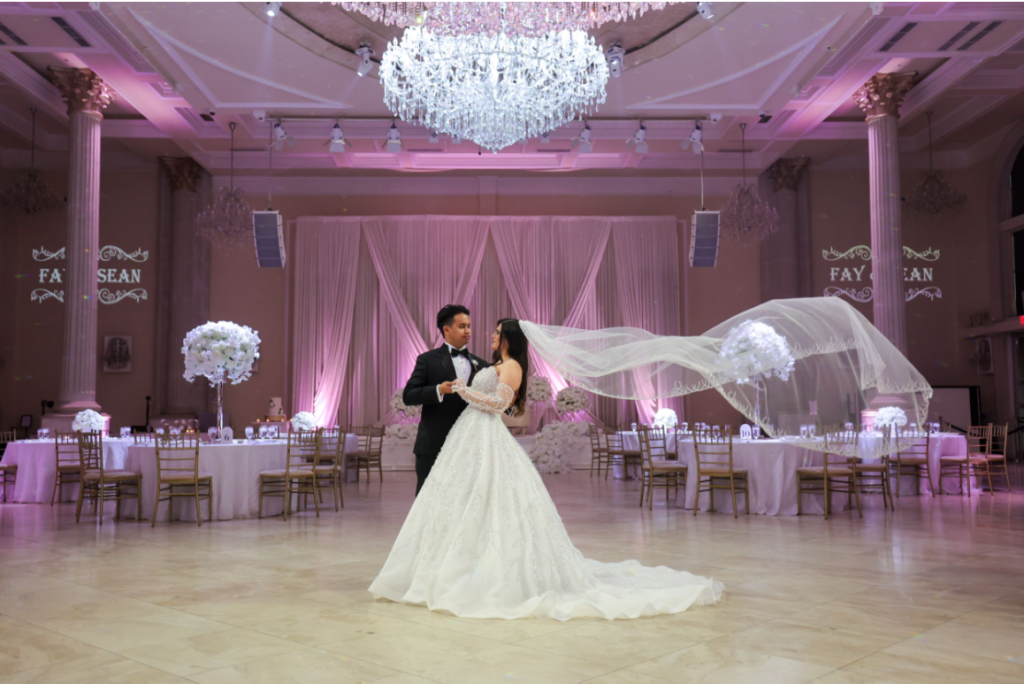
More frames from The Cyclorama at Boston Center for the Arts
The Cyclorama at Boston Center for the Arts wedding photography: common questions
Where is the daylight in the Cyclorama?
Directly overhead, through the central oculus in the dome, which lights a pool in the middle of the floor and falls off steeply toward the walls. That is the only reliable daylight, so the centre of the room is the only place with it — and it is also where the aisle or dancefloor usually goes, which the timeline has to work around.
How do you compose in a circular room?
Use the dome as the anchor — include the arc of the ceiling so the curve provides the frame’s structure — and use whatever columns, doorways and installed rigging exist as substitute verticals. Avoid wide lenses against the curved wall, because the background bends and reads as distortion. A 50mm or 85mm is cleaner.
What lighting should be installed for the evening?
Uplighting on the circular wall is the single most effective choice, because it emphasises the geometry that makes the room distinctive. Festoons or pin-spots under the dome also work well, since the curve carries light around. Without installed ambient the room is simply a large dark volume after sunset.
Can you bounce flash off the dome?
No. It is high and curved, so it scatters light rather than returning it. Plan on direct modified light from stands — two off-camera units, warm-gelled to match the installed ambient, with one behind the dancefloor as a rim light.
What is outside the venue?
The South End: bow-fronted brick rowhouses, ironwork, tree-lined streets and small parks, minutes from Tremont Street. It provides exactly what the rotunda cannot — warm lateral light and straight architectural lines. Budget twenty minutes, ideally late afternoon when the sun rakes along the brick.
More Boston venue guides
We are writing a photographer’s guide to every venue we would happily shoot in Boston. Here are three more, plus the full index:
- Trinity Church, Copley Square: A Photographer Answers Your Questions
- The Union Club of Boston: A Walk-Through for Photographs
- The Algonquin Club on Commonwealth Avenue: Questions Answered
Planning a wedding at The Cyclorama at Boston Center for the Arts?
A domed room is a lighting design problem before it is a photography problem. Tell us your date and who is handling your lighting, and we will make sure the geometry that makes this venue special actually shows up in the photographs.