 Choctaw Hall: What a Gazebo Ceremony Does to the Photographs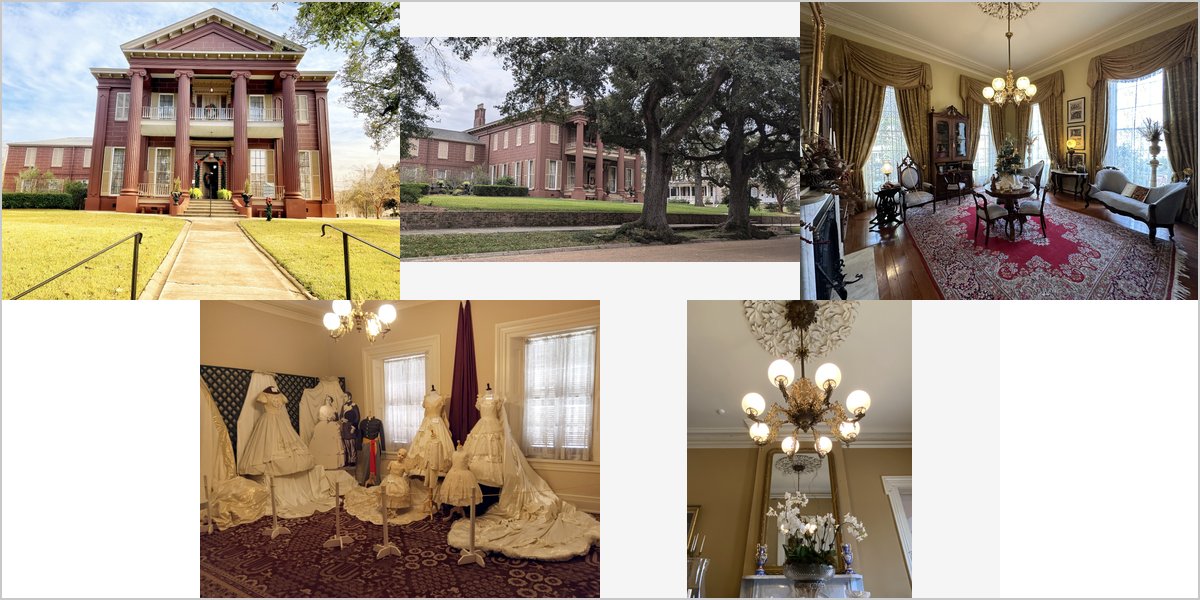
Magnolia Hall: Photographing a Greek Revival Town House
A town mansion has small rooms and tall windows, which is a better combination for a photographer than it sounds.
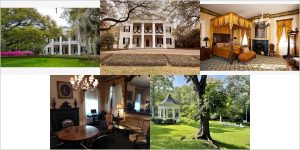
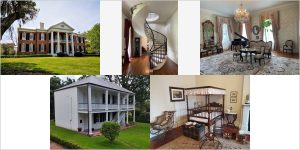
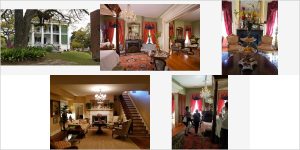
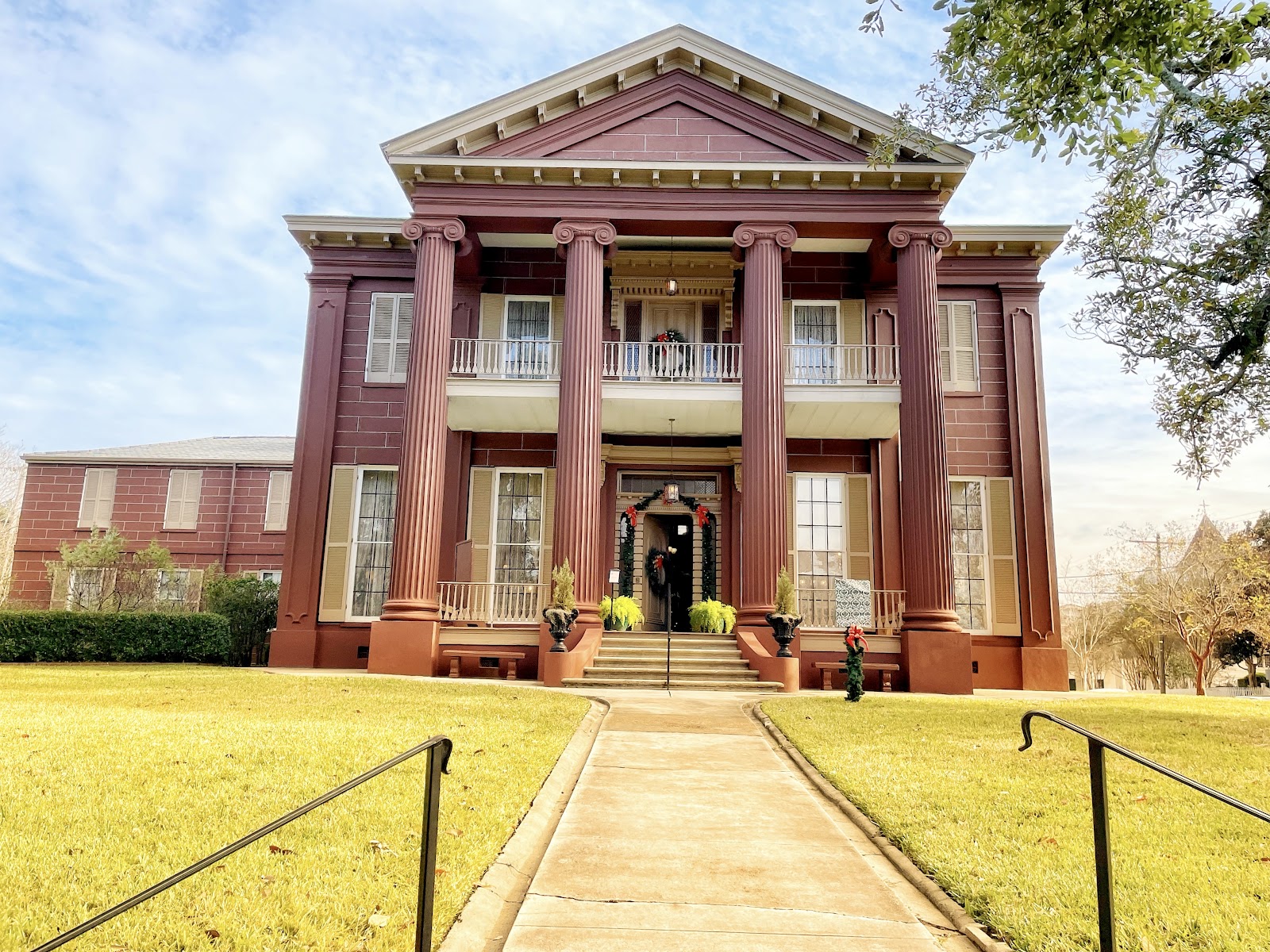
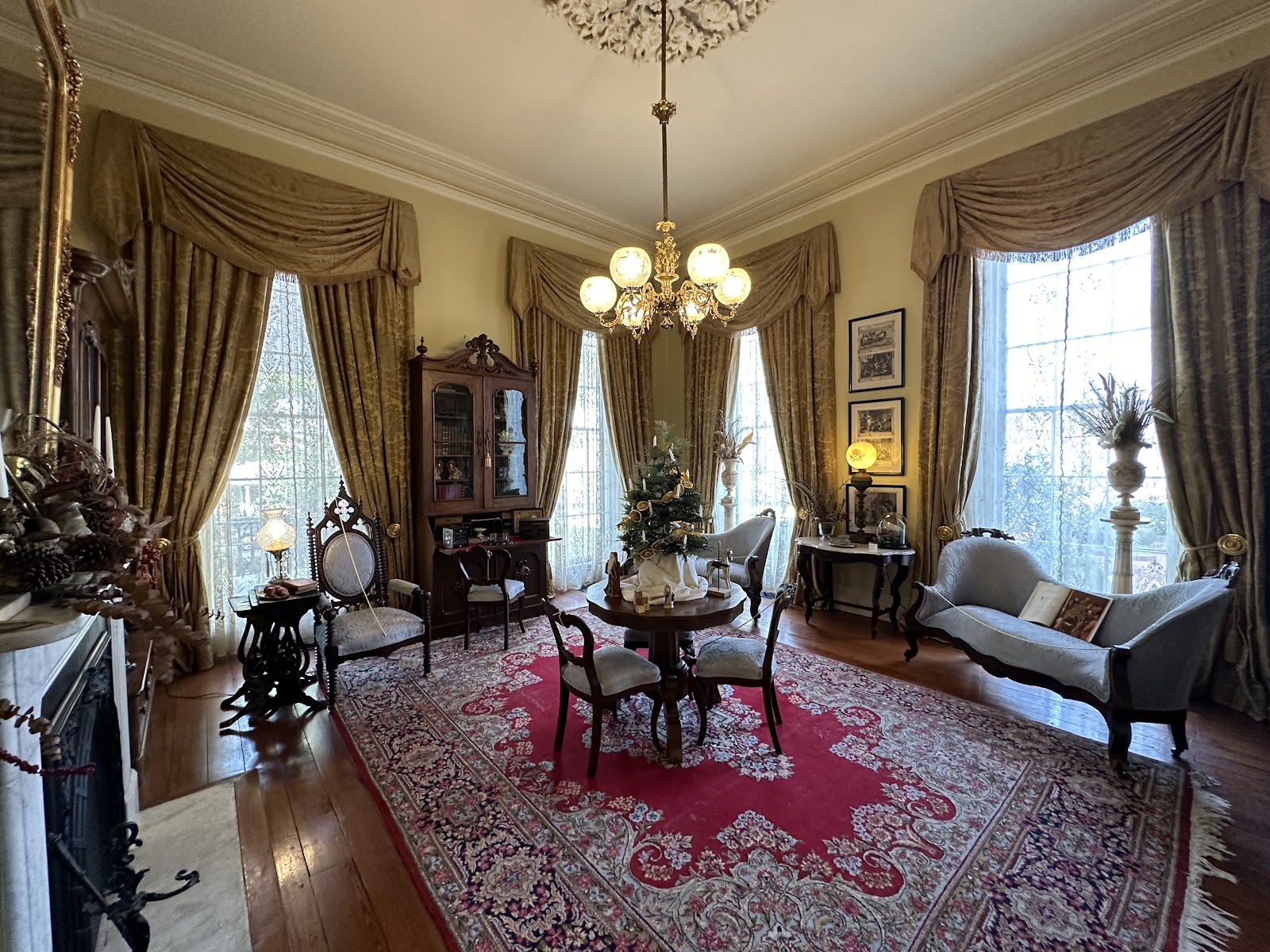
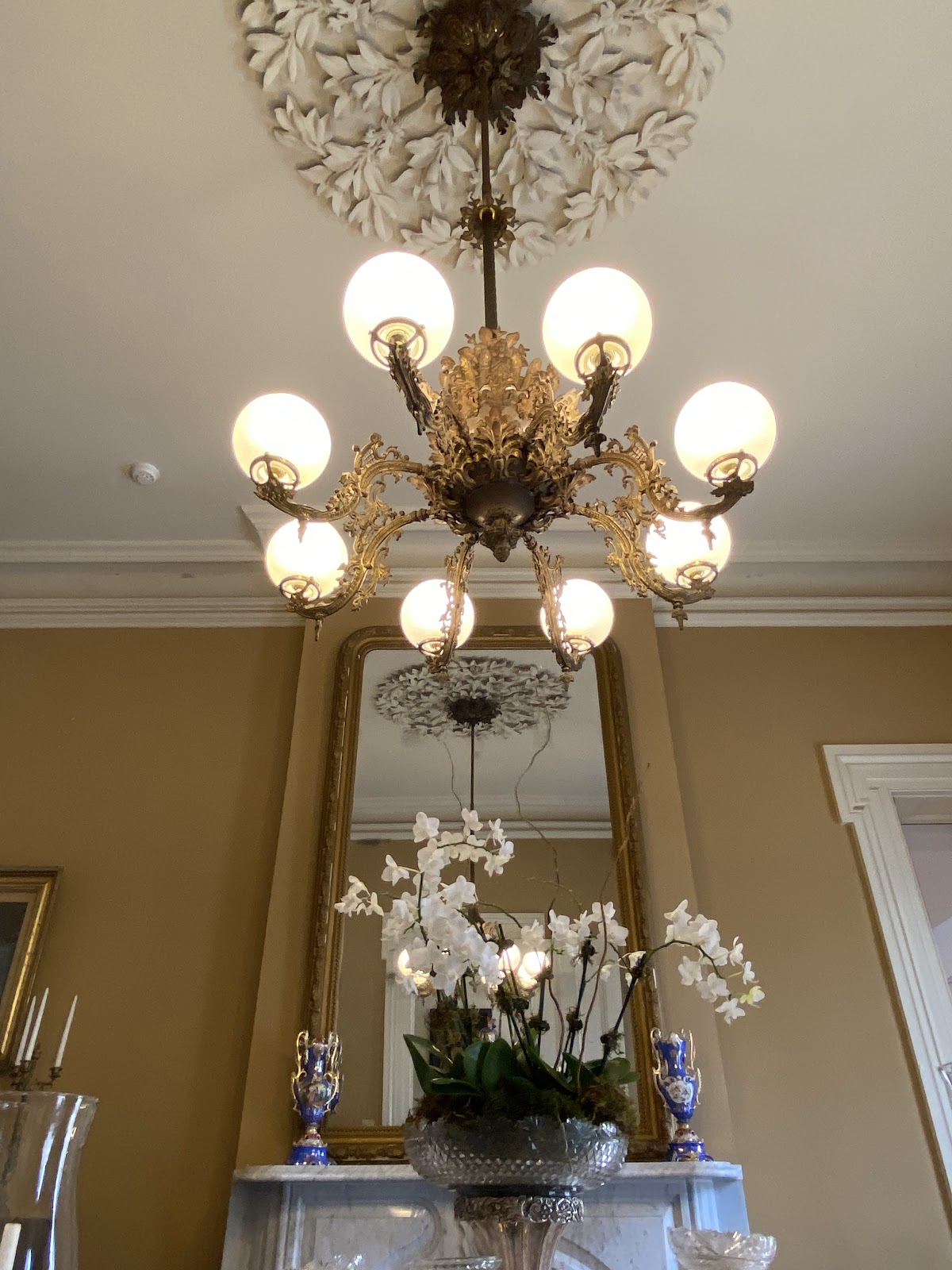
Magnolia Hall stands in the historic centre of Natchez, Mississippi, a Greek Revival mansion of the mid-nineteenth century — built as a town house rather than a plantation seat, which shows in its proportions. The interiors carry crystal chandeliers and ornate plaster ceiling medallions of the period.
Town houses of this generation have a particular set of characteristics that shape how they photograph, and they are not the same as the rural properties elsewhere in this town. The plots are smaller, so there is less ground and the building sits closer to its boundaries. The rooms are more numerous and individually smaller. And crucially the windows are very tall relative to the rooms — a nineteenth-century device to bring light deep into a house without electricity — which gives a small room a disproportionately large light source.
So this is a walk through the building, space by space, with what each gives and costs. We have not photographed a wedding at Magnolia Hall; Greek Revival town interiors and tall-window rooms behave the same wherever they occur. Which rooms a wedding may use, and what the plasterwork and furnishing restrictions are, are questions for their events team.
Magnolia Hall at a glance
| Where | The historic centre of Natchez, Mississippi |
| Character | Mid-1800s Greek Revival town mansion with chandeliers and medallions |
| The gift | Very tall windows in small rooms — a large source at close range |
| The constraint | Small rooms and a small plot; camera position is restricted |
| The trap | Medallions and chandeliers run stops above the people below |
The principal rooms: tall windows, and why they change everything
A window that runs almost floor to ceiling in a room of modest depth is, in lighting terms, a very large source at a very short distance — and both of those qualities push in the same direction. Large means soft, with gradual shadow edges and gentle wrap around a face. Close means bright and steeply falling off, so a subject a metre from the glass is well lit and one three metres in is markedly darker.
That fall-off is the useful part. It gives you a natural gradient to compose with: place a couple near the window and the room behind them drops away into shadow, which separates them from the background without any equipment at all. In a large hall with small windows you would have to manufacture that separation; here the architecture supplies it.
The instruction that follows is simply to work close to the glass and turn people into it. A subject facing the window gets a broad soft key and catchlights; a subject side-on gets strong modelling with a shadow side; a subject with their back to it gets a rim and a silhouette. Three quite different lighting setups from one window and a change of stance, and none needs anything carried.
Two cautions. Tall windows in the Deep South are frequently shuttered or draped, and shutters throw hard slatted stripes across a face in direct sun — which cannot be corrected and must be avoided by either opening them fully or closing them to diffuse. And direct sun through a tall window is a small hard source, not a soft one; a sheer curtain drawn across converts it instantly, and it is the most useful object in any period room.
Ceilings: the medallions, and the exposure they demand
Ornate plaster medallions and crystal chandeliers are the features that make these interiors worth photographing, and they are the ones photographers most often lose. The reason is straightforward: they are at or near the ceiling, they are pale, and they are commonly uplit or self-lit, so they sit two to four stops above the faces of the people standing beneath them. Metered for the couple, the medallion washes to featureless white and the chandelier becomes a blob.
The fix is the rule that applies to every grand interior and it is worth internalising: raise the people towards the ceiling rather than lowering the ceiling to the people. One warm-gelled source at face height, at a power that brings the couple within two or three stops of the plasterwork, then expose for the plasterwork. Relief survives, the chandelier clips small rather than blooming, and faces still read.
Plaster relief has the same requirement as carved stone: it needs directional light to show its depth. Frontal light flattens a medallion into a pale disc; light arriving across it from one side lifts every moulding into relief. So if the medallion is the subject of a frame, the light that serves it is off to one side, not on the camera axis.
Chandelier light alone should never be the key. It is warm, dim and directly overhead — which shadows eye sockets and drags facial lines downward. Lovely in the room, unkind on a person. Add a side source and the chandeliers become glowing detail in the upper frame, which is exactly where they belong.
What works in your favour
- Very tall windows give a large soft source at close range, with useful fall-off
- Three different lighting setups from one window and a change of stance
- Ornate plaster medallions and crystal chandeliers for a grand register
- A central location, so the historic district is walkable
- Steep light fall-off separates subject from background for free
What to plan around
- Small rooms restrict camera position more than light does
- Medallions and chandeliers run two to four stops above the people
- Shutters print hard slatted stripes across faces in direct sun
- A small urban plot, so there is little ground and few exterior options
- Formal groups of any size are difficult inside the building
The smaller rooms, and working where you cannot step back
Beyond the principal rooms, a town house of this kind is a series of smaller spaces, and in a small room the wall chooses your focal length. There is generally one camera position, and whatever covers the shot from there is the lens you are using — usually a 28mm or 35mm for anything with more than two people in it.
Wide lenses at close range distort whatever sits near the frame edge, and in a small room people naturally end up there. The compositional answers are to keep faces towards the centre and arrange any group in a shallow arc rather than a line, and to accept that a room-wide frame is an environmental shot rather than a portrait.
Lighting a small room is easier than lighting a large one, and it is worth saying so. A bare flash bounced off a pale ceiling turns the whole room into a soft source, which is larger than any modifier that would physically fit — the exact opposite of a ballroom, where bounce achieves nothing because the surfaces are too far away. So the kit needed in this building is small.
Everything is in frame in a room this size. There is nowhere to hide a bag, a case or a water bottle, so tidying the room is part of the photographic work, and two minutes of it improves a frame more than any camera setting.
Outside: a small plot, and the district as the garden
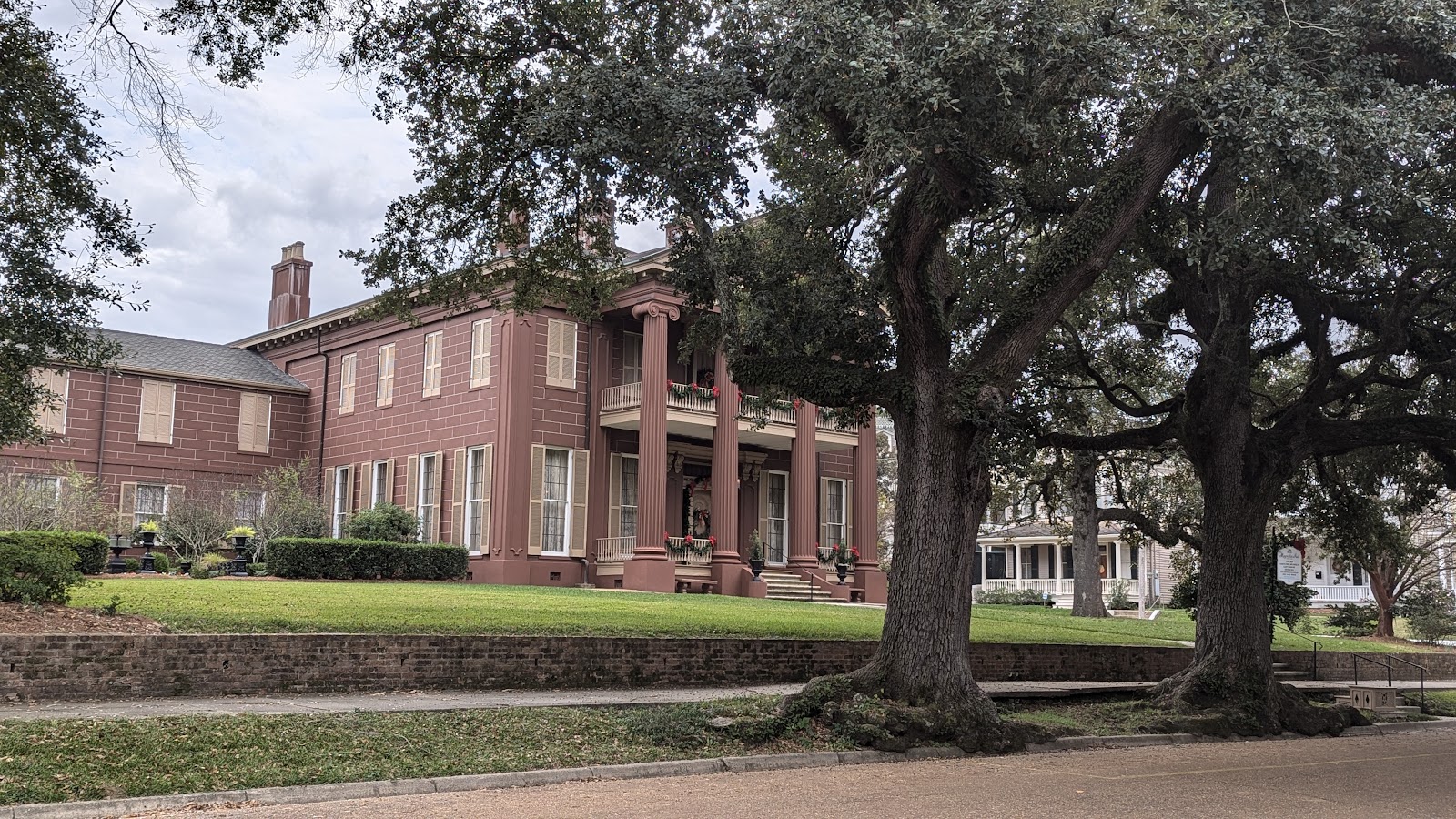
The exterior constraint of a town mansion is ground. There is less of it than at a rural property, the boundaries are closer, and neighbouring buildings are visible — which means the wide establishing frame of the whole house may not be available from within the grounds at all. A long lens from across the street usually gives a better elevation than a wide lens from the lawn, and it compresses out the parked cars.
The portico is the reliable outdoor light, as at every classical house here: a deep overhang giving hard-edged full shade with a bright open view in front of it, so a couple two metres inside the shade line facing out gets a large soft key and a dark surround, available all day regardless of the sun’s position.
The compensation for the small plot is the district. Central Natchez has a dense concentration of nineteenth-century houses, ironwork, brick pavements and mature street trees within a short walk, which effectively makes the neighbourhood the garden. Because the streets are low-rise, evening sun runs right down them, so the last forty minutes give raking light along a street of period frontages — a frame no enclosed plot could produce.
The timing summary, then: interiors and the chandelier frames through the middle of the day when outside is harsh; the portico shade at any point it is needed; and the streets in the last forty minutes. Summer heat and humidity are severe, so plan outdoor blocks short and acclimatise the lens you intend to use outside before you need it — moving from air conditioning into Natchez summer air fogs glass, inside and out, for up to twenty minutes.
More frames from Magnolia Hall
Magnolia Hall wedding photography: common questions
Why are tall windows so useful in a small room?
Because they are a very large source at a very short distance. Large means soft, with gentle wrap around a face; close means bright with steep fall-off, so the room behind the subject drops into shadow and separates them from the background at no cost.
How many lighting setups can one window give you?
Three, just by changing stance. Facing the window gives a broad soft key and catchlights; side-on gives strong modelling with a shadow side; back to it gives a rim and a silhouette. None of it needs anything carried.
How do you keep the plaster medallion from blowing out?
Raise the people towards the ceiling rather than lowering the ceiling to the people. One warm source at face height bringing the couple within two or three stops of the plasterwork, then expose for the plasterwork. Relief survives and faces still read.
Why does the medallion look flat even when exposed correctly?
Because plaster relief needs directional light, exactly like carved stone. Frontal light flattens it into a pale disc; light arriving across it from one side lifts every moulding. If the medallion is the subject, your light belongs off to one side.
What about the shutters?
In direct sun they print hard slatted stripes across faces and fabric, and striping cannot be corrected. Either open them fully or close them enough to diffuse. And a sheer curtain drawn across a sunlit window turns a small hard source into a large soft one instantly.
Where do you photograph outside on a small town plot?
Use the portico for shade, and treat the district as the garden. Central Natchez has period houses, ironwork and street trees within a short walk, and because the streets are low-rise, evening sun runs right down them — a frame no enclosed plot could give.
More Natchez, MS venue guides
We are writing a photographer’s guide to every venue we would happily shoot in Natchez, MS. Here are three more, plus the full index:
- Monmouth Historic Inn: What Changes When Everyone Stays On Site
- Rosalie Mansion: Reading the Light on a West-Facing Bluff
- Stanton Hall: Four Ways Out of the White-Column Problem
All Natchez, MS Wedding Venues →
Planning a wedding at Magnolia Hall?
Tall windows do the lighting and small rooms set the lens. Tell us your date and which rooms you have, and we will plan around both.