 Choctaw Hall: What a Gazebo Ceremony Does to the Photographs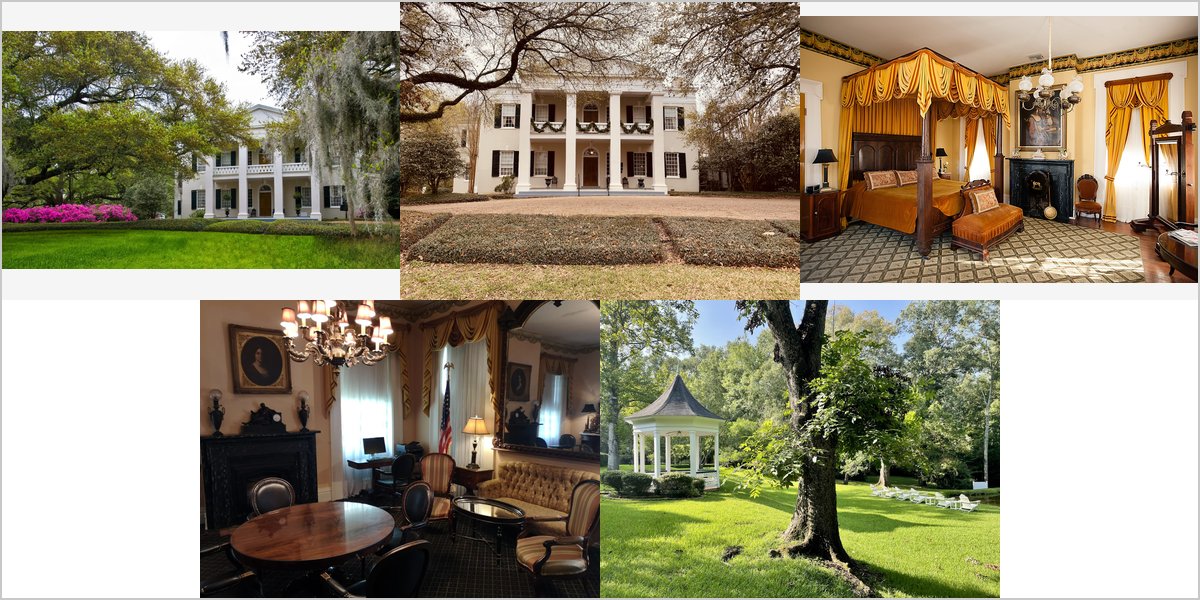
Monmouth Historic Inn: What Changes When Everyone Stays On Site
When the wedding party sleeps on site, the day stops being a schedule of transfers and becomes something else entirely.
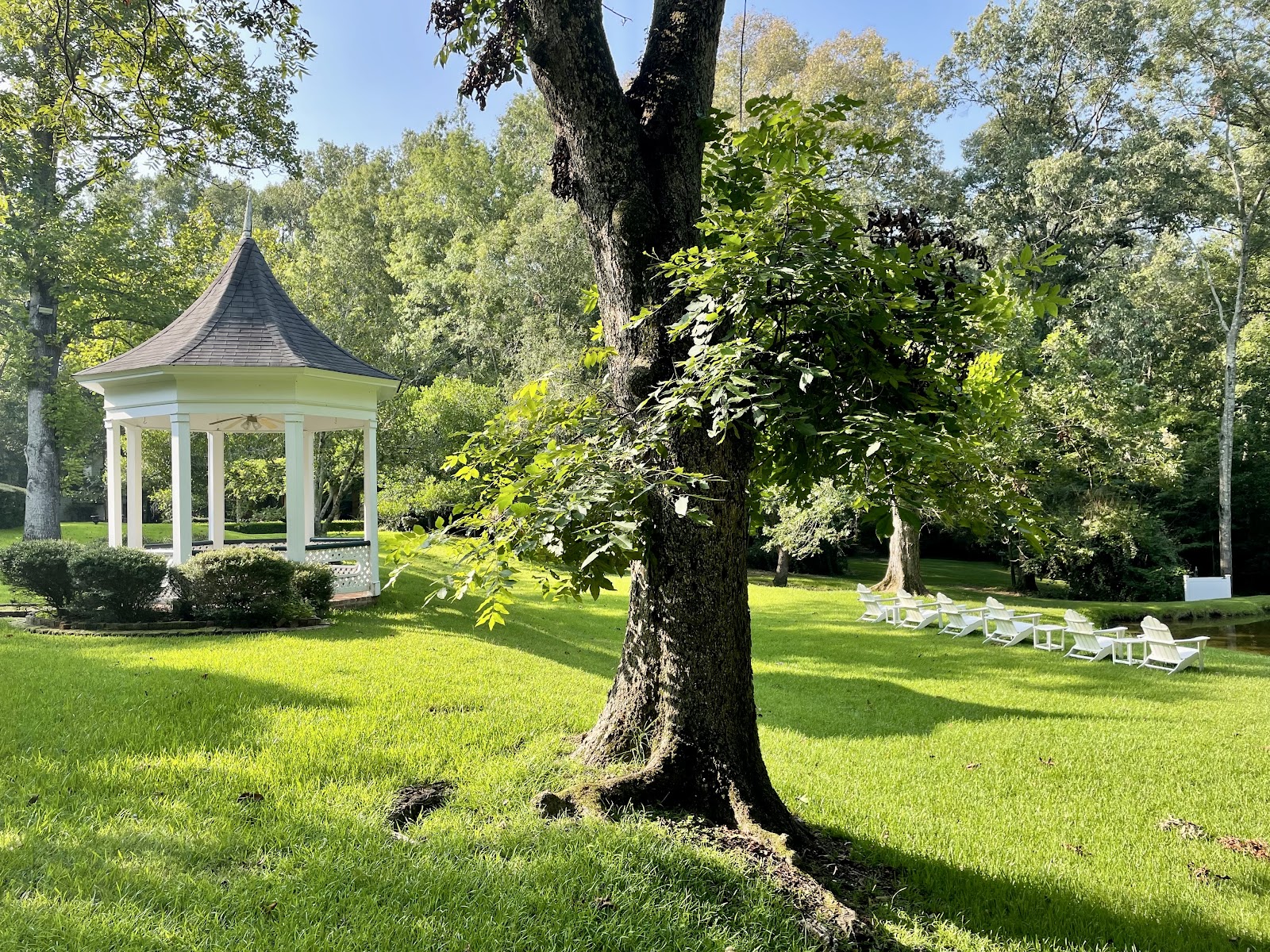
Monmouth stands on landscaped grounds close to central Natchez, Mississippi, an antebellum house with gardens, walks and water, operating as an inn with accommodation distributed across the property rather than concentrated in one block.
The significant thing about a venue like this is not architectural, and it is easy to overlook when comparing venues on photographs alone: the wedding party stays here. That single fact reorganises the day more than any feature of the building. There is no getting-ready location to drive to and no convoy to the ceremony. Nobody arrives late from a hotel across town. The couple wake up in the place they are getting married, and the photographer can work continuously from early morning to late night without a single transfer.
This piece follows that logic, because it is what the venue is actually offering. We have not photographed a wedding at Monmouth; residential inns on landscaped grounds behave the same wherever they are. Which rooms and which parts of the grounds a wedding may use are questions for their events team.
Monmouth Historic Inn at a glance
| Where | Landscaped grounds near central Natchez, Mississippi |
| Character | Antebellum house operating as an inn, with gardens, walks and water |
| The logic | The party stays on site, so the day has no transfers in it |
| What that buys | Early morning, late night, and all the quiet time between |
| Plan for | Severe summer heat and humidity; dappled light under mature trees |
What removing the transfers actually gives you
At a typical wedding, movement is the largest single consumer of time and the largest source of delay. Getting a wedding party from a hotel to a venue involves cars, parking, gathering, and the fact that groups do not move on schedule; forty-five minutes is a normal cost and it is forty-five minutes of no coverage. Remove it and the time reappears somewhere useful.
What it buys most valuably is the edges of the day. An early morning block becomes genuinely possible, because nobody has to travel to be there — and early morning in a Deep South summer is the only comfortable hour outdoors, as well as the softest light. Equally, the late evening extends, because nobody is watching the clock for a drive back.
It also buys quiet time, which is where the best documentary frames live. A residential property has the couple present, un-hurried, in the hours around the formal parts of the day: a first coffee on a gallery, a parent adjusting a tie in a bedroom, a moment on a garden walk before anyone else is up. Those frames are not available at a venue the party arrives at and leaves.
The practical instruction is to propose a longer, looser coverage window rather than a tightly packed one, and to explain why. At a transfer-heavy venue the argument for more hours is about logistics; here it is about content — the additional hours contain photographs rather than driving.
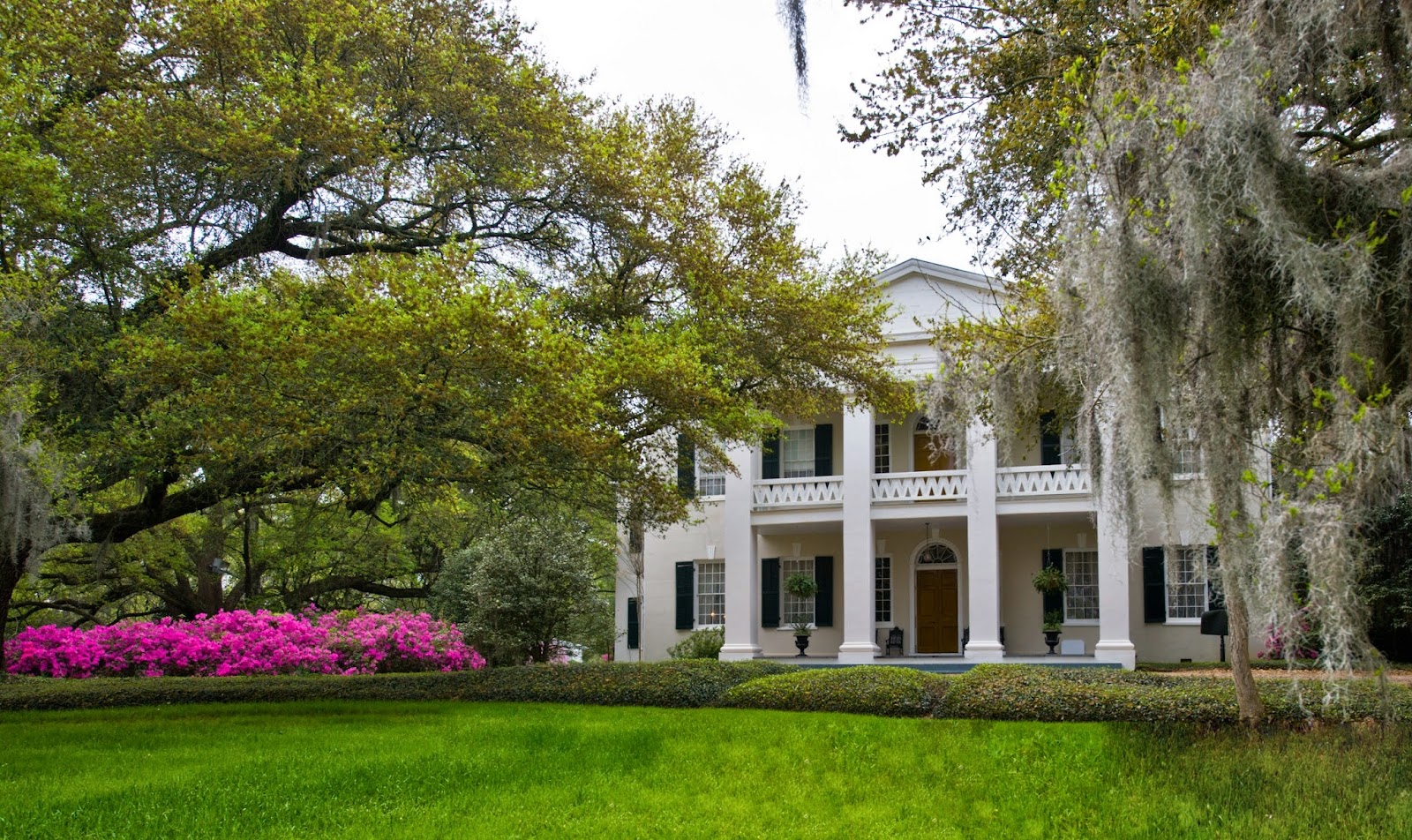
Working a property with accommodation spread across it
Distributed accommodation has one drawback that mirrors the advantage: people are in different buildings, so the getting-ready coverage is spread across the grounds rather than concentrated in a corridor. That costs walking, and it means moments can happen in one building while you are in another.
Two things fix most of it. Establish in advance which building each key person is in and in what order things are happening, so the route through the morning is planned rather than improvised. And accept that a second shooter has disproportionate value at a venue like this, because the two halves of a morning are genuinely in different places at the same time rather than sequentially.
The rooms themselves will vary, which matters for consistency. Individually decorated period rooms in an inn differ in wall colour, window size and orientation, so a set shot across three of them will not match itself unless white balance is set per room. That is thirty seconds each and it is the difference between a coherent morning sequence and a patchy one.
The useful rule for choosing where to work: ask for the room with the largest window on the shaded side of its building, and do the dress and the detail work there regardless of who is staying in it. A big soft window is worth more than proximity to the action, and the fifteen-metre walk is nothing compared with what the light is worth.
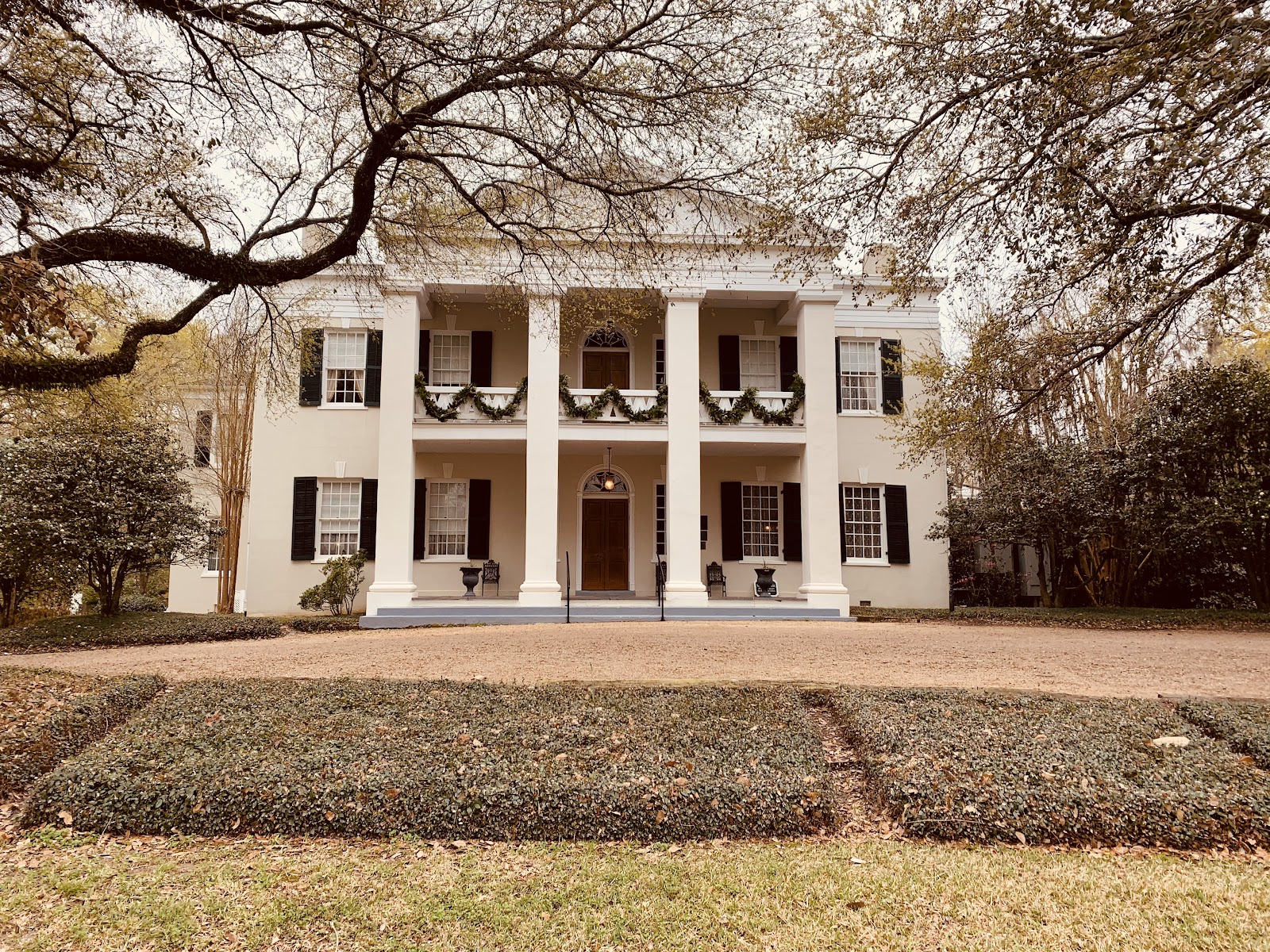
The grounds, the water and the hours that matter
Landscaped grounds with mature planting and water give three distinct conditions, and each peaks at a different hour. Still water early is a mirror that doubles the trees and the sky and bounces soft fill upward into faces — the best light on the property and the first to go, since any breeze destroys the reflection and high sun turns the surface to clipping highlights.
Mature canopy at midday gives dappled light, which is the least manageable natural condition there is: neither soft nor directional, several stops of difference across a face, and shifting with the breeze. It cannot be corrected and must be avoided by position — full open shade, full sun, or canopy dense enough that the patches merge. The house’s galleries and overhangs are the reliable alternative, and at a Natchez wedding in summer the middle of the day belongs to them.
The last ninety minutes are when the grounds are worth the walk. Low sun comes in under the canopy horizontally rather than down through it, which turns leaves translucent and puts a rim on hair and shoulders. Backlit planting is the single most reliable beautiful frame on any wooded site and it requires only that the sun be behind the subject.
Then the two Mississippi practicalities that shape every outdoor block here. Heat: nobody in formal clothes stays comfortable in open sun in a Natchez summer, so outdoor sessions should be short, shaded and decisive rather than exploratory. And humidity: a lens brought from an air-conditioned bedroom into that air fogs inside and out for ten to twenty minutes, and wiping the front does nothing. Acclimatise the kit you intend to use outdoors before you need it, or keep one body outside from the start.
Because the property is residential, there is one more scheduling advantage worth using: the night does not have to end with the reception. A couple already at home can step out after dark for a lit frame on a gallery or a garden walk, with no transport and no rush, and that is a genuinely different photograph from anything taken earlier. It costs five minutes and it is only available at a venue where everybody is already staying.
What works in your favour
- No transfers, so the time normally lost to movement becomes coverage
- Early morning and late night both genuinely available
- Quiet unhurried hours where the best documentary frames live
- Still water early that mirrors the grounds and bounces fill upward
- Galleries and overhangs as dependable shade through the worst hours
What to plan around
- Accommodation spread across buildings means moments in two places at once
- Individually decorated rooms differ and need white balance set per room
- Mature canopy makes midday dapple the default outdoor condition
- Severe summer heat limits how long anyone stays in open sun
- Humidity fogs lenses for up to twenty minutes leaving air conditioning
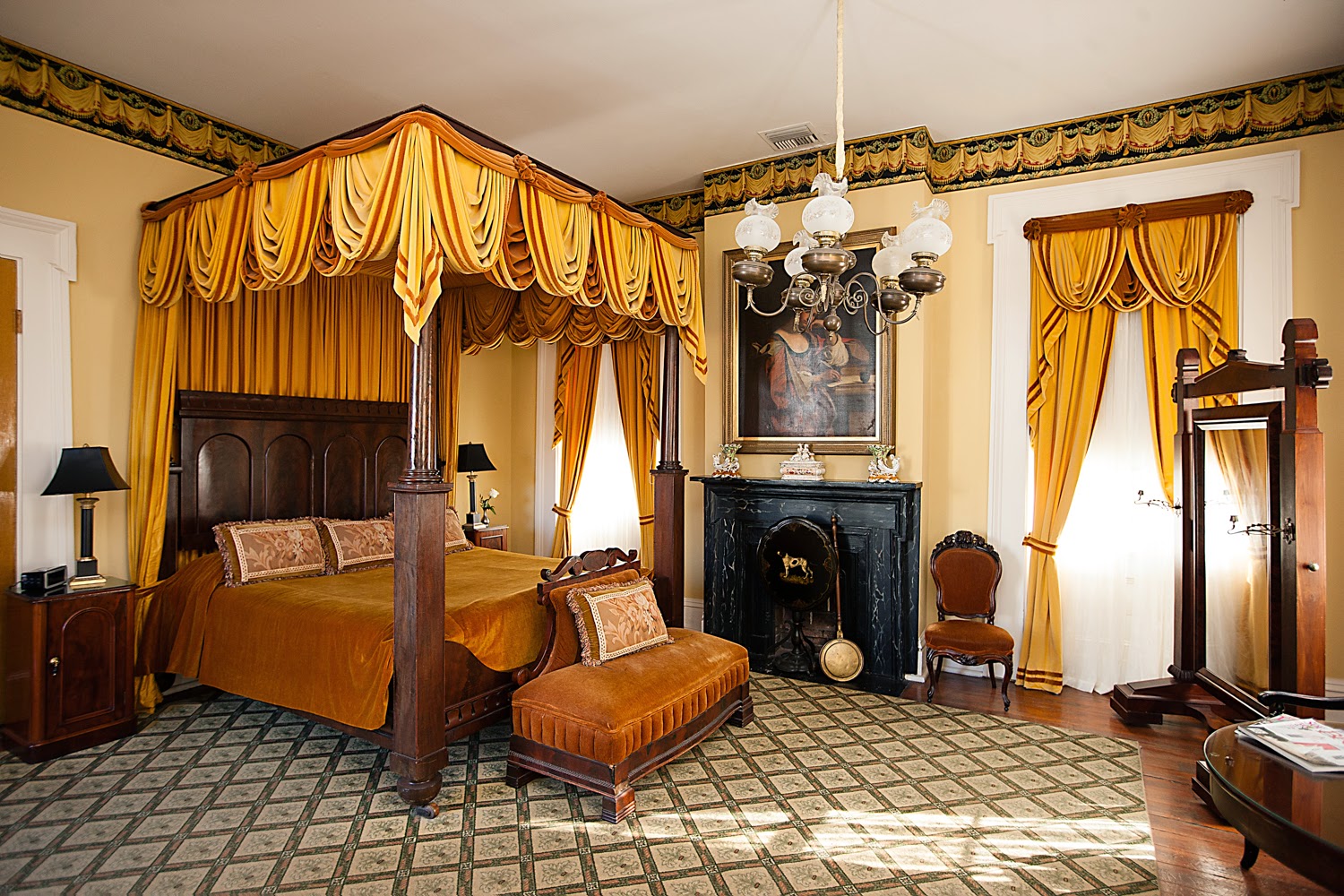
More frames from Monmouth Historic Inn
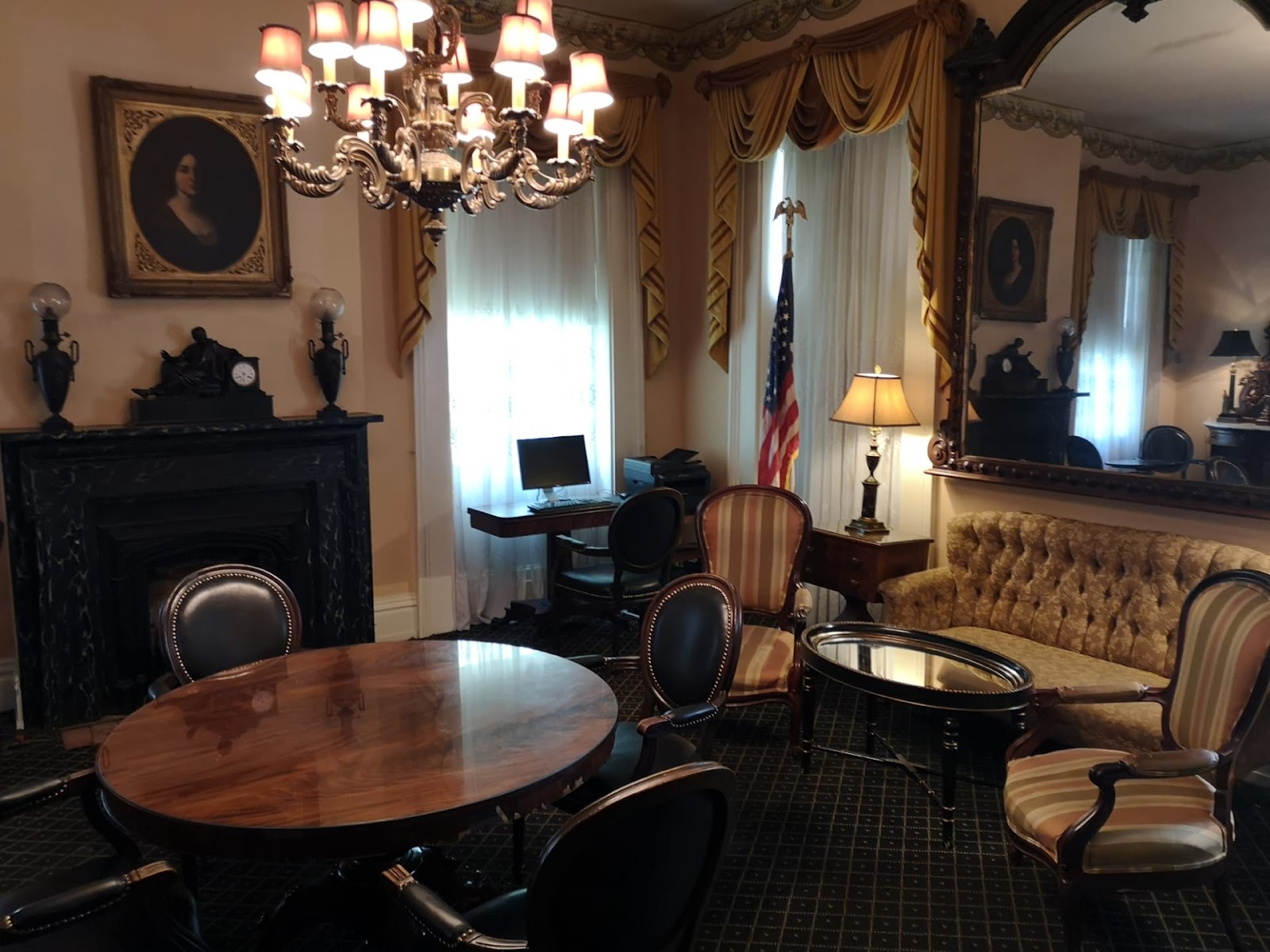
Monmouth Historic Inn wedding photography: common questions
What difference does staying on site make?
It removes the transfers, which are the largest consumer of time and the largest source of delay at most weddings — forty-five minutes with no coverage is normal. That time reappears at the edges of the day, where the best light and the quietest moments are.
Is a longer coverage window worth it here?
More than at most venues, and for a different reason. At a transfer-heavy venue extra hours buy logistics; here they buy content, because the additional hours contain photographs — early morning, quiet unhurried time, and a late frame after dark.
What is the drawback of accommodation spread across a property?
People are in different buildings, so the morning happens in two places at once rather than sequentially. Plan the route in advance, and note that a second shooter has disproportionate value here for exactly that reason.
Which room should the dress and details be photographed in?
The one with the largest window on the shaded side of its building, regardless of who is staying in it. A big soft window is worth more than being close to the action, and a fifteen-metre walk costs nothing by comparison.
When is the water at its best?
Early, while it is still. Then it mirrors the trees and sky and bounces soft fill upward into faces. Any breeze destroys the reflection and high sun turns the surface into clipping highlights, so it is the first condition of the day to go.
Is there a frame only this kind of venue allows?
A lit frame after dark on a gallery or garden walk. A couple already staying on site can step out with no transport and no rush, five minutes after the reception, and that is a genuinely different photograph from anything earlier in the day.
More Natchez, MS venue guides
We are writing a photographer’s guide to every venue we would happily shoot in Natchez, MS. Here are three more, plus the full index:
- Rosalie Mansion: Reading the Light on a West-Facing Bluff
- Stanton Hall: Four Ways Out of the White-Column Problem
- The Auburn Museum: Field Notes on a Freestanding Spiral Stair
All Natchez, MS Wedding Venues →
Planning a wedding at Monmouth Historic Inn?
A residential venue gives back the hours most weddings lose to driving. Tell us your date and we will plan a day with its edges included.