 The Portland Regency: A Season-by-Season Guide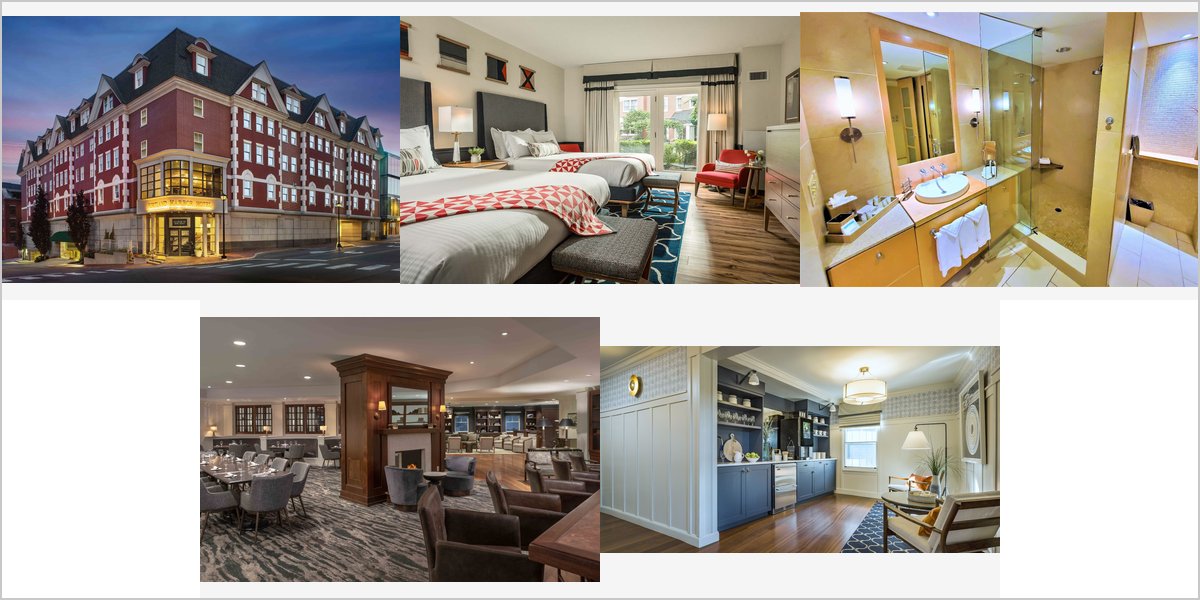
June 20, 2026
The Portland Harbor Hotel: Working an Old Port Courtyard
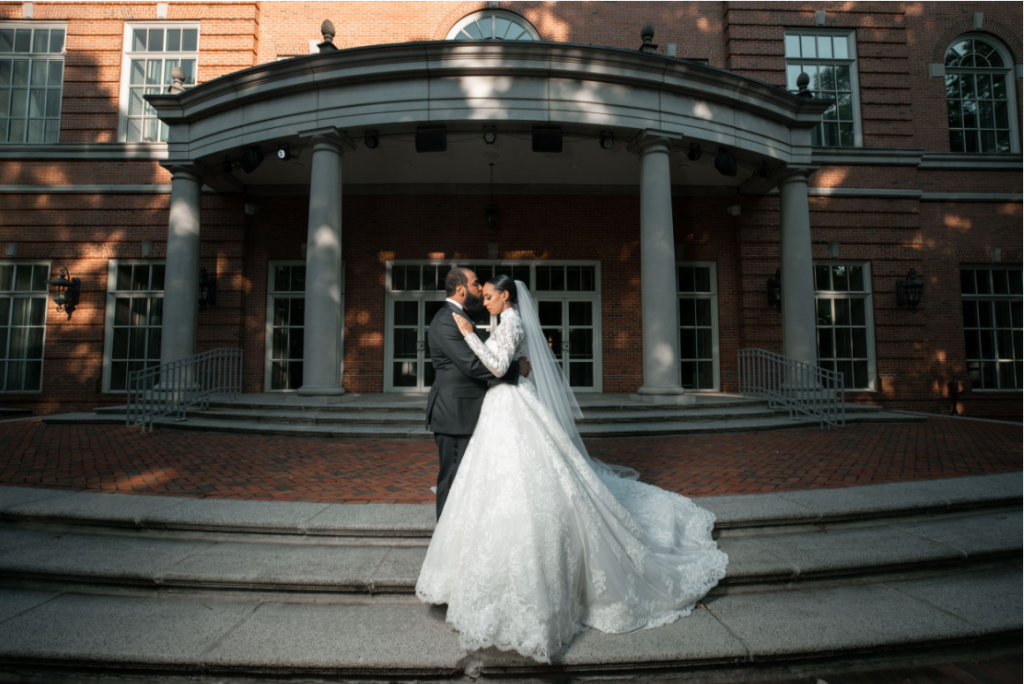
A walled garden courtyard in the Old Port. Sheltered from the wind off the water, which in coastal Maine is worth more than any view.
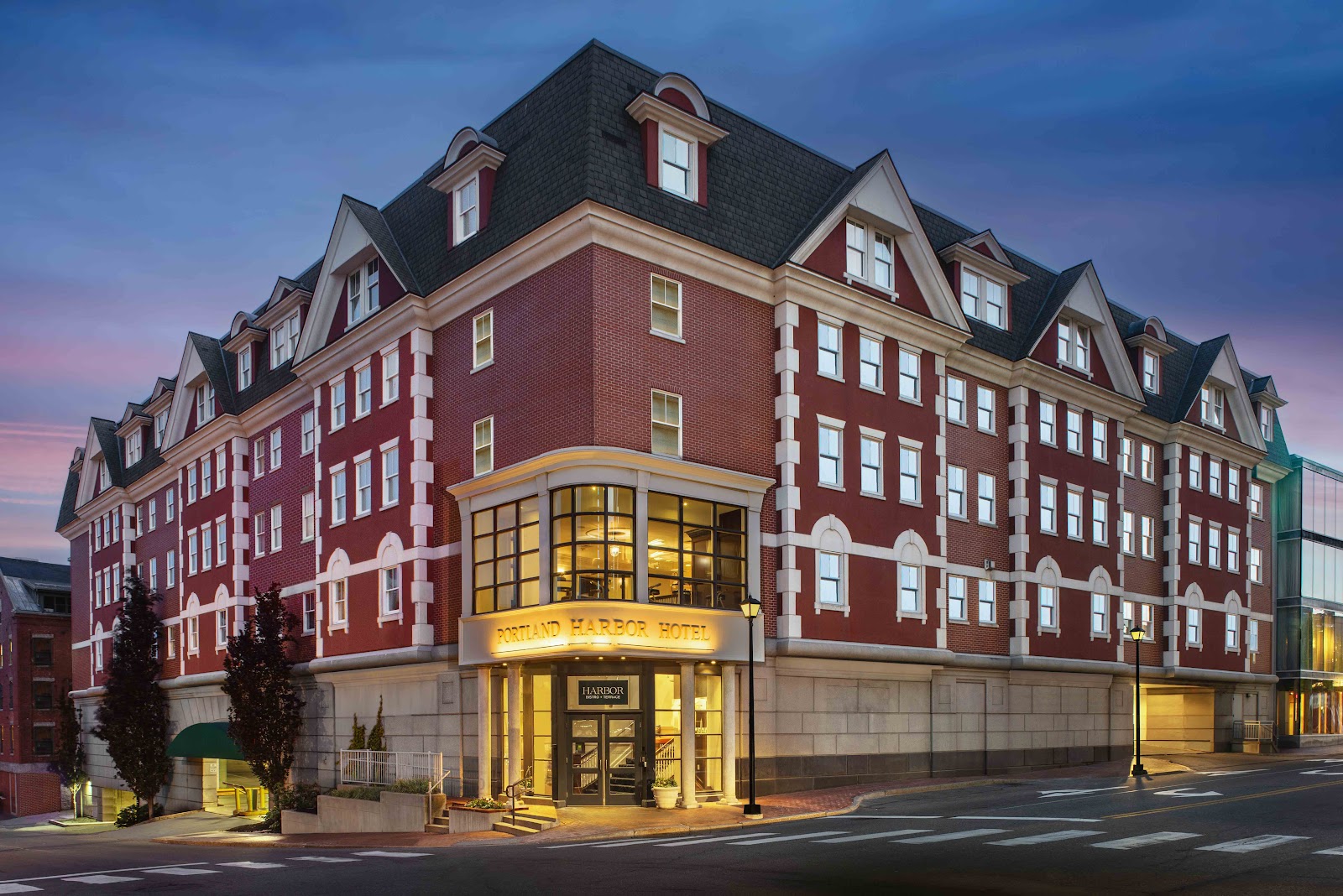
The Portland Harbor Hotel sits in the heart of Portland’s Old Port, the district of cobbled streets and brick and granite warehouses behind the working waterfront, and has function space along with a walled garden courtyard enclosed by brick.
Photographically the courtyard is the asset worth planning around, and the reason is specific to this coast. Portland’s wind comes off the water and it is persistent, cold and stronger than inland wind — it moves veils continuously, makes light modifiers impractical and is genuinely uncomfortable in formalwear. A courtyard walled on all sides removes all of that while keeping the daylight.
This is a light-and-timeline guide. We have not photographed a wedding here; walled courtyards and Old Port architecture behave predictably. Which spaces your booking includes and courtyard exclusivity are for their events team.
Portland Harbor Hotel at a glance
| Where | Fore Street, Old Port, Portland, Maine |
| Character | Hotel with function space and a brick-walled garden courtyard |
| Light | Courtyard open shade; interiors artificial; guest rooms hold the daylight |
| Why the courtyard matters | Shelter from persistent cold wind off the water, with daylight kept |
| Ask first | Courtyard exclusivity, and which rooms are included |
The courtyard: shelter plus daylight
A walled courtyard does four things at once, and in coastal Maine all four matter. It blocks the wind, which here comes off the water and is persistent rather than occasional. It keeps people warmer than an open space at the same temperature, because wind chill is the larger part of coastal cold. It is private, so no passers-by appear and nobody is hurrying you. And brick walls bounce light inward, filling shadows under brows from directions no reflector would reach.
The light is usually open shade — soft, even, directionless — since the walls block direct sun for much of the day. That is the most forgiving light there is and it works at almost any hour, which makes the courtyard the flexible part of the schedule rather than the tightly timed part.
The trade is that low golden-hour sun will not reach the courtyard floor. If you want warm raking light, it happens on the Old Port streets outside. Plan a short block there rather than waiting for something the geometry will not deliver.
Brick also adds a little warmth to the bounce, which is worth noting: it is flattering in small amounts, but keep a metre from a sunlit brick wall if you do not want skin picking up its colour.
Guest rooms, and the interiors
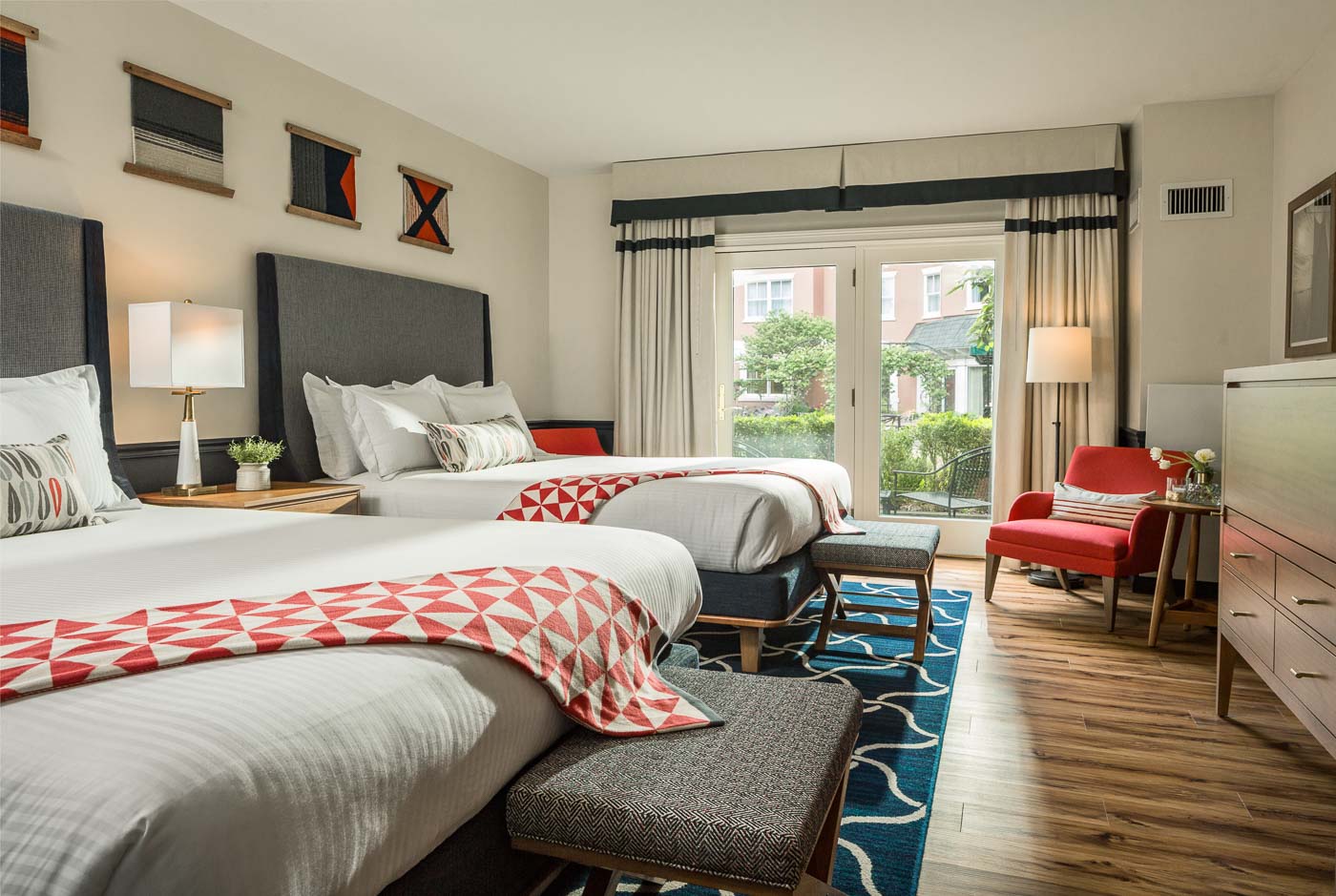
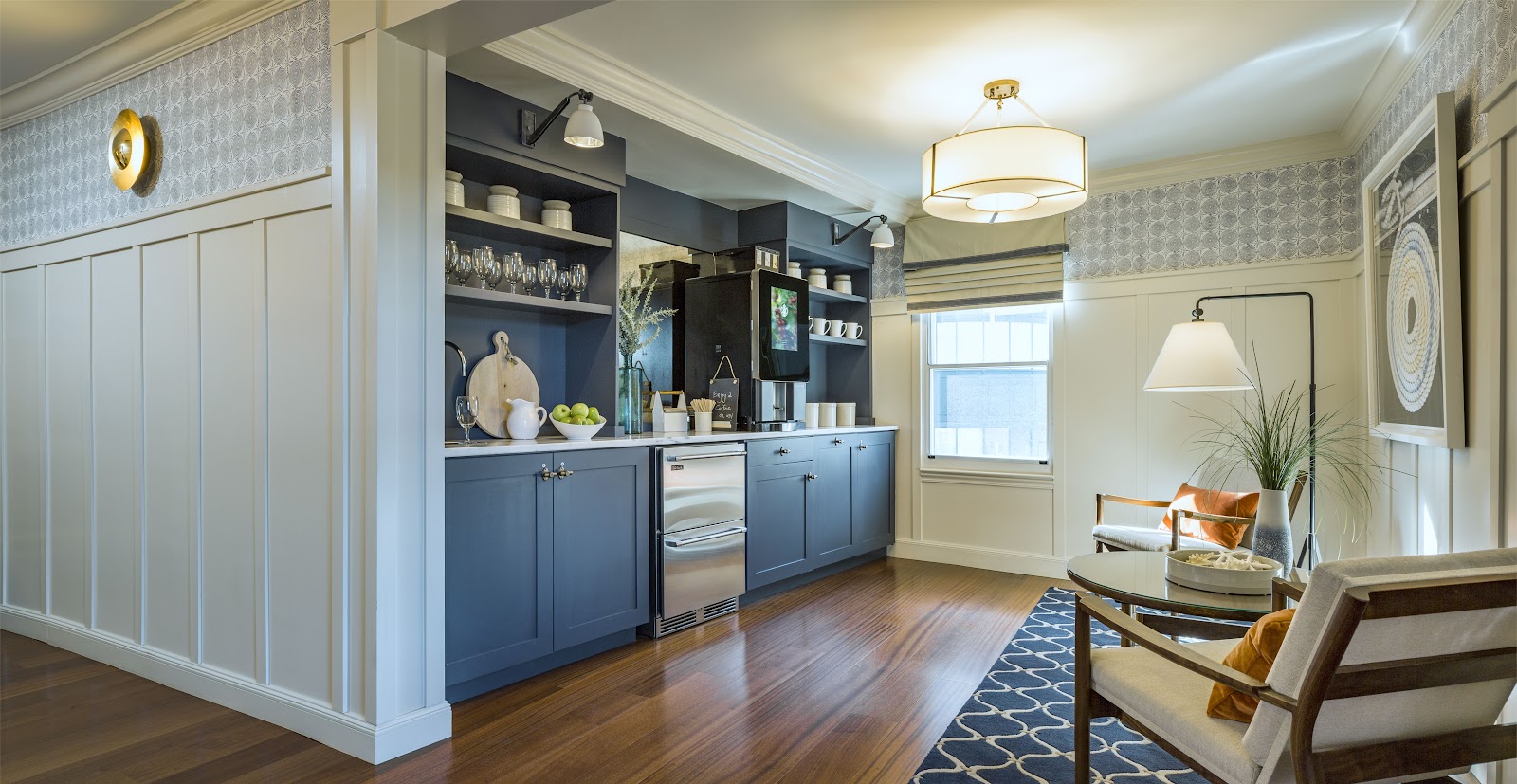
Guest rooms hold the conventional daylight and the preparation coverage belongs there. Ask for a higher floor — in the Old Port that usually means less obstruction from neighbouring buildings and possibly a harbour glimpse. Every artificial fixture off so daylight and tungsten are not mixing, clutter cleared, everything within a metre or two of the glass.
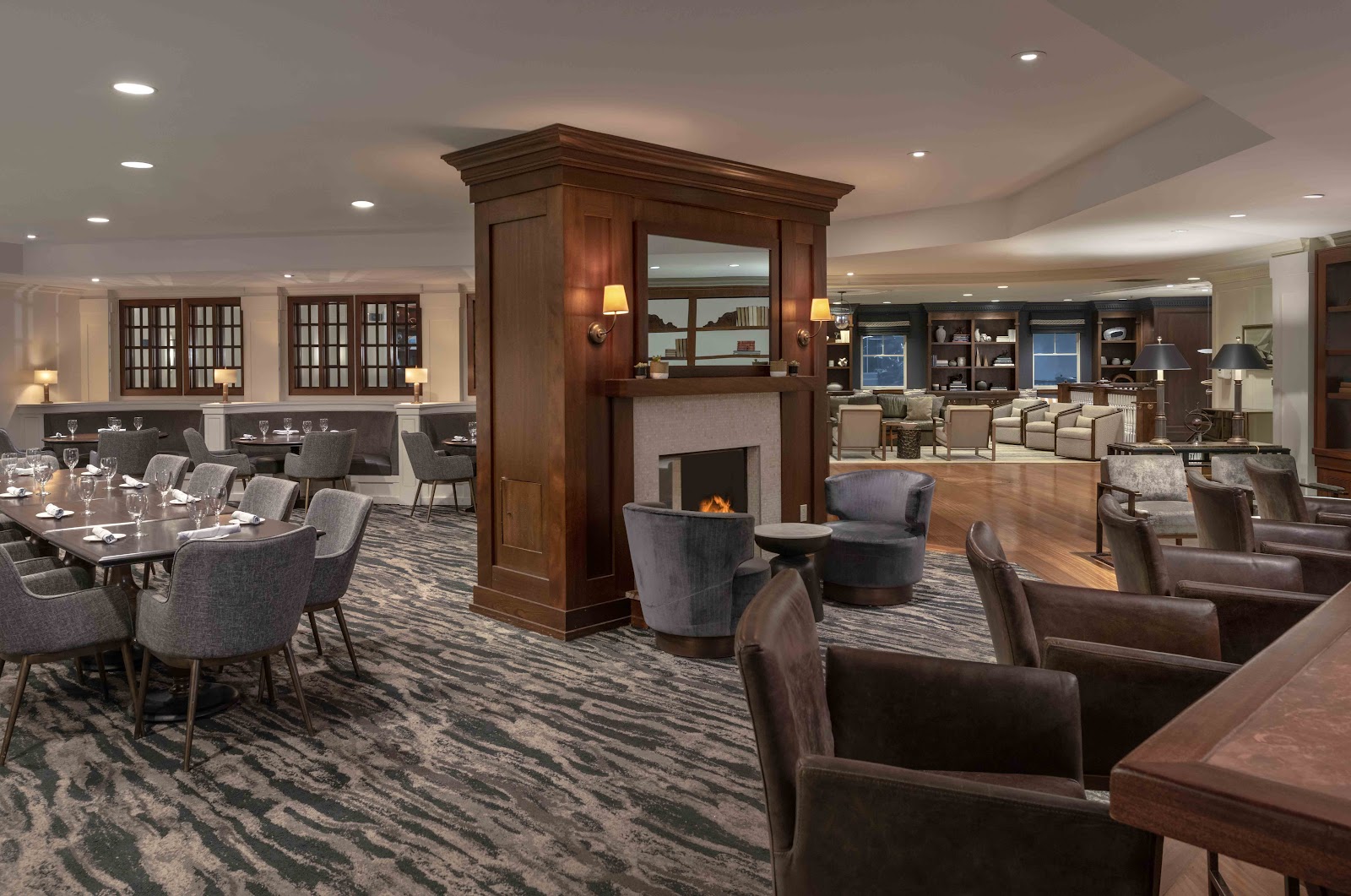
The function spaces will be conventional hotel rooms: moderate scale, neutral or lightly traditional finishes, artificial light. That is good news for lighting, because moderate pale ceilings return a bounced flash where a grand ballroom would not — one bounced unit handles moving coverage and one gelled light on a stand handles a considered portrait.
What those rooms will not do is carry a frame or identify themselves. So plan portraits in the courtyard and on the Old Port streets, and let the function rooms host the reception. Keep the room warm in white balance and faces slightly cooler, as in any warm interior.
The Old Port: the best exterior in the city
This is where the location earns itself. The Old Port is a dense district of cobbled streets, brick and granite warehouses, iron detail and narrow alleys, with the working waterfront a couple of minutes away. The density of good backgrounds within a short walk is exceptional.
Narrow streets are the practical gift: a street with buildings on both sides is shaded on one side at almost any hour, and the shaded side with warm bounce from the sunlit buildings opposite is one of the best portrait situations any city offers — soft, directional, warm and available all day without depending on the clock.
Coastal air is notably clear, which means Portland’s brick and granite reads with more contrast and colour than inland stock of the same period. The last hour of daylight along a cobbled street is very good indeed, and cobbles hold reflections after rain in a way asphalt does not.
And the waterfront adds water, which reflects light upward into faces — unusually flattering — plus boats, ropes and Casco Bay as genuine character.
One more Old Port characteristic worth using: the district is genuinely active in the evening, with lit restaurant frontages, bar windows and street lamps along the cobbles. That makes the twenty minutes after sunset unusually good here, because there is real light coming from the buildings rather than only from the sky — a couple on a cobbled street with lit windows behind them is a warm, layered frame that an empty commercial district cannot produce. Wet cobbles after rain double all of it.
The timeline, and Maine's daylight
The plan, built around the courtyard’s stability and the Old Port’s hour.
- Preparation in a higher-floor guest room, artificial lights off, everything to the window.
- Courtyard portraits and groups at almost any hour, since open shade is stable and sheltered.
- Old Port streets in the last hour of daylight, working the shaded side with warm bounce from opposite.
- The waterfront for ten minutes, for water bouncing light up and Casco Bay behind.
- Calculate the sunset for your date. Maine’s swing is extreme: usable light past eight in July, a mid-afternoon sunset in December.
- Reception lit with bounce plus one stand light, warmth preserved, faces slightly cooler.
What works in your favour
- A walled courtyard sheltering from persistent cold coastal wind while keeping daylight
- Courtyard walls bounce light inward, filling shadows an open space cannot
- The Old Port immediately outside — exceptional density of good backgrounds
- Narrow streets give shade with warm bounce at almost any hour
- Clear coastal air makes brick and granite read with real contrast; cobbles hold reflections
What to plan around
- Golden-hour sun will not reach the courtyard floor
- Sunlit brick adds warm colour to skin at close range
- Function rooms are conventional and will not carry a frame
- No daylight in the event spaces
- Maine’s extreme seasonal swing must be calculated — a December sunset is mid-afternoon
More frames from Portland Harbor Hotel
Portland Harbor Hotel wedding photography: common questions
Why does a walled courtyard matter so much in Maine?
Because the wind here comes off the water and is persistent, cold and stronger than inland wind — it moves veils continuously, makes modifiers impractical and is genuinely uncomfortable in formalwear. Walls remove all of that while keeping the daylight, and wind chill is the larger part of coastal cold.
Will we get golden hour in the courtyard?
No. The walls block low direct sun, which is exactly what makes the space sheltered and evenly lit. Warm raking light happens on the Old Port streets outside, so plan a short block there rather than waiting for something the geometry cannot deliver.
What is the best street light in the Old Port?
The shaded side of a narrow street, with warm bounce from the sunlit buildings opposite. It is soft, directional and warm, and because a narrow street is shaded on one side at almost any hour it does not depend on the clock — which makes it the most reliable light in the district.
Is the waterfront worth ten minutes?
Yes. Water reflects light upward into faces, filling the shadows overhead sun creates, which is unusually flattering — and boats, ropes and Casco Bay give genuine character rather than a generic background. It is a couple of minutes from the hotel.
How much does the season change the plan?
Considerably. Portland is far enough north that July gives usable light well past eight while a December sunset arrives in the middle of the afternoon. Calculate it for your date, because a winter wedding needs portraits before the ceremony rather than after.
More Portland, ME venue guides
We are writing a photographer’s guide to every venue we would happily shoot in Portland, ME. Here are three more, plus the full index:
- The Portland Museum of Art: Building the Shot List
- The Portland Observatory: Field Notes on an 1807 Signal Tower
- The Portland Regency: A Season-by-Season Guide
All Portland, ME Wedding Venues →
Planning a wedding at Portland Harbor Hotel?
A sheltered courtyard is the most useful thing a coastal venue can have. Tell us your date and we will plan the courtyard, the shaded Old Port streets and the sunset time for that week.