 The Portland Regency: A Season-by-Season Guide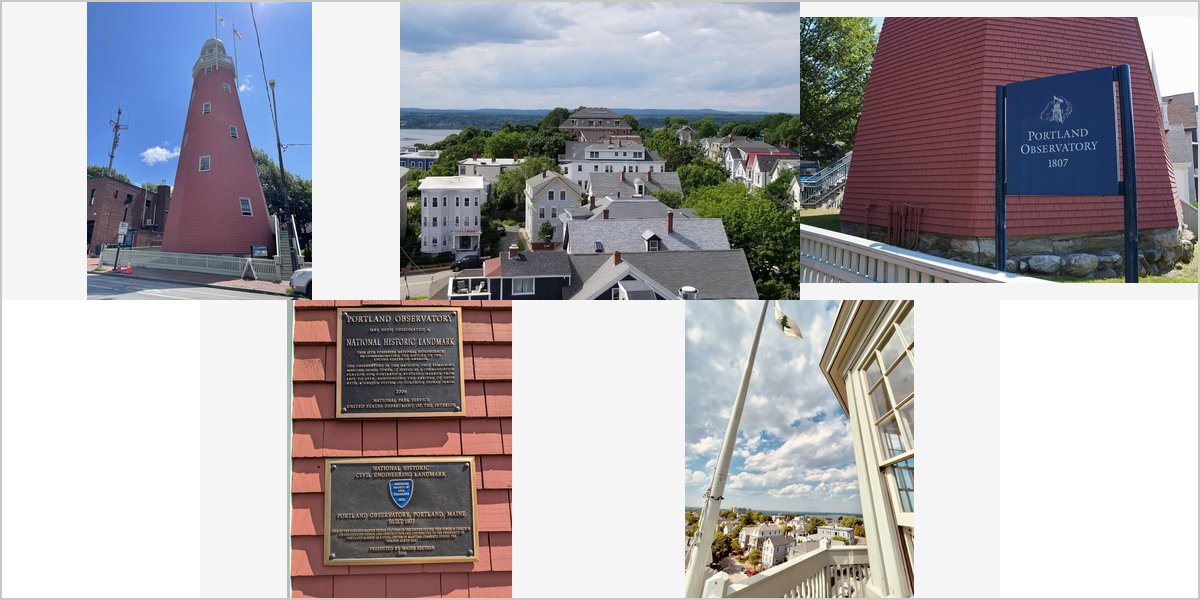
May 9, 2026
The Portland Observatory: Field Notes on an 1807 Signal Tower
An 1807 signal tower on a hill above the harbour. Extraordinary, tiny, and it will not host a wedding — but it will give you one remarkable frame.
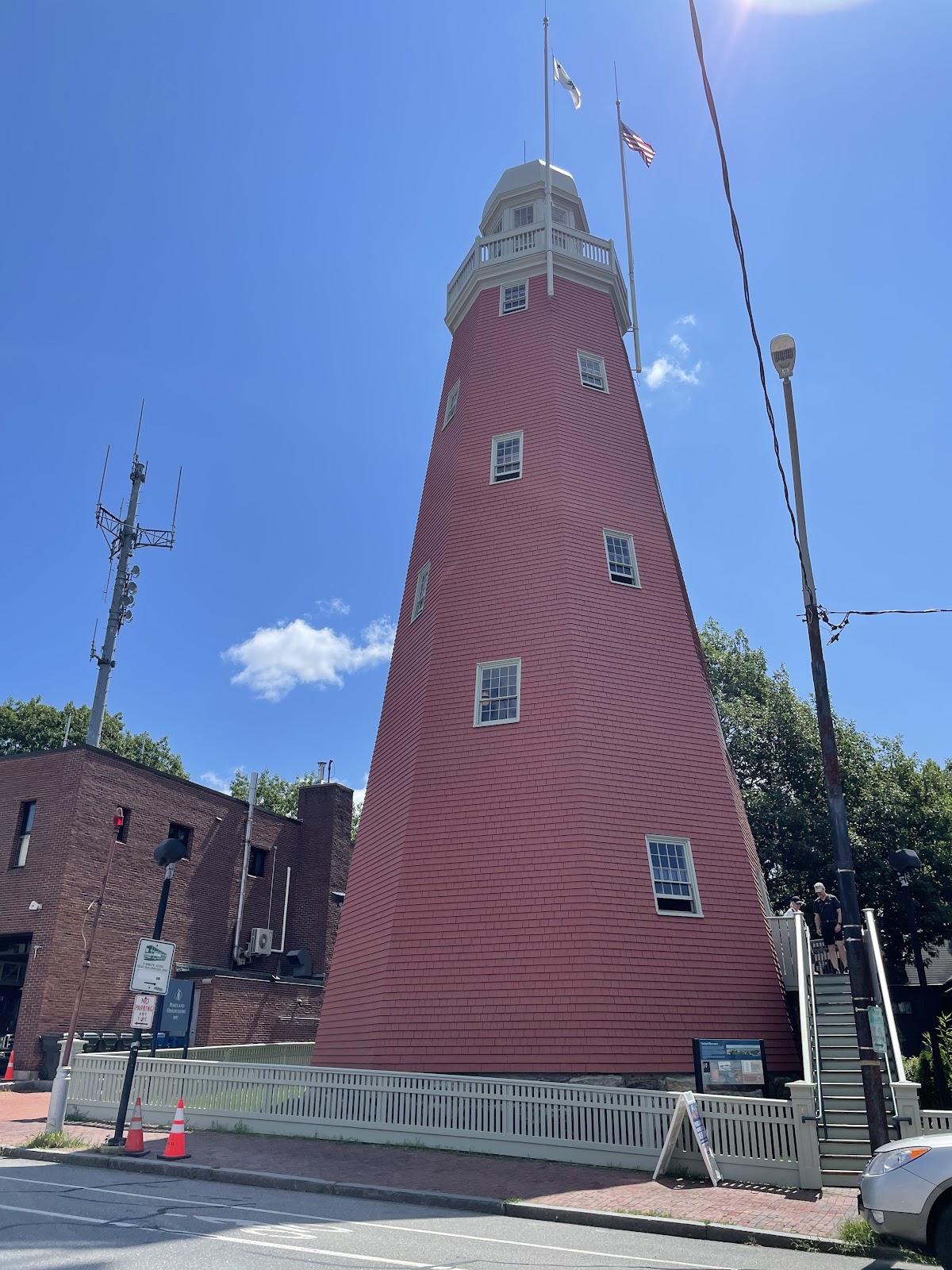
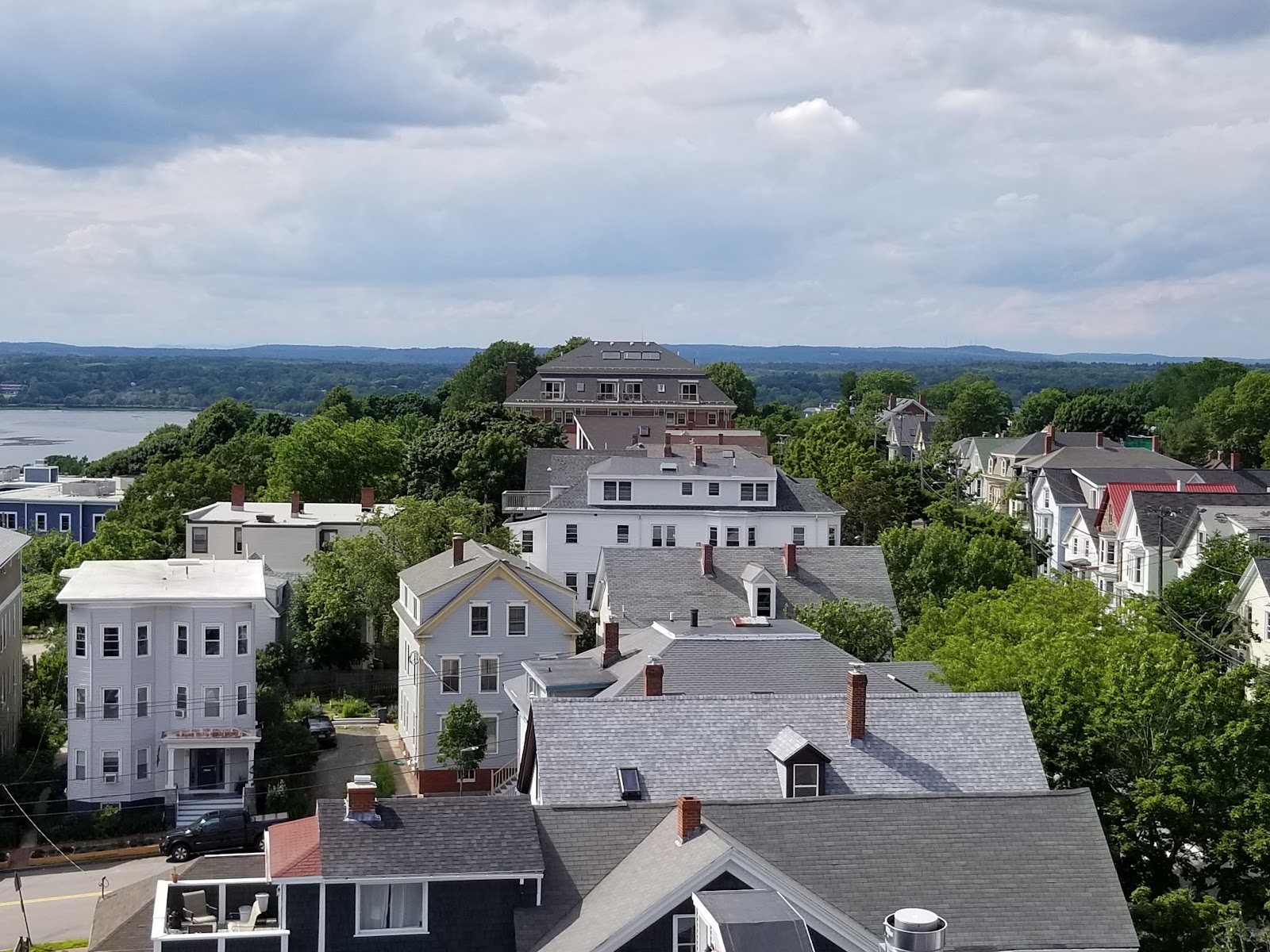
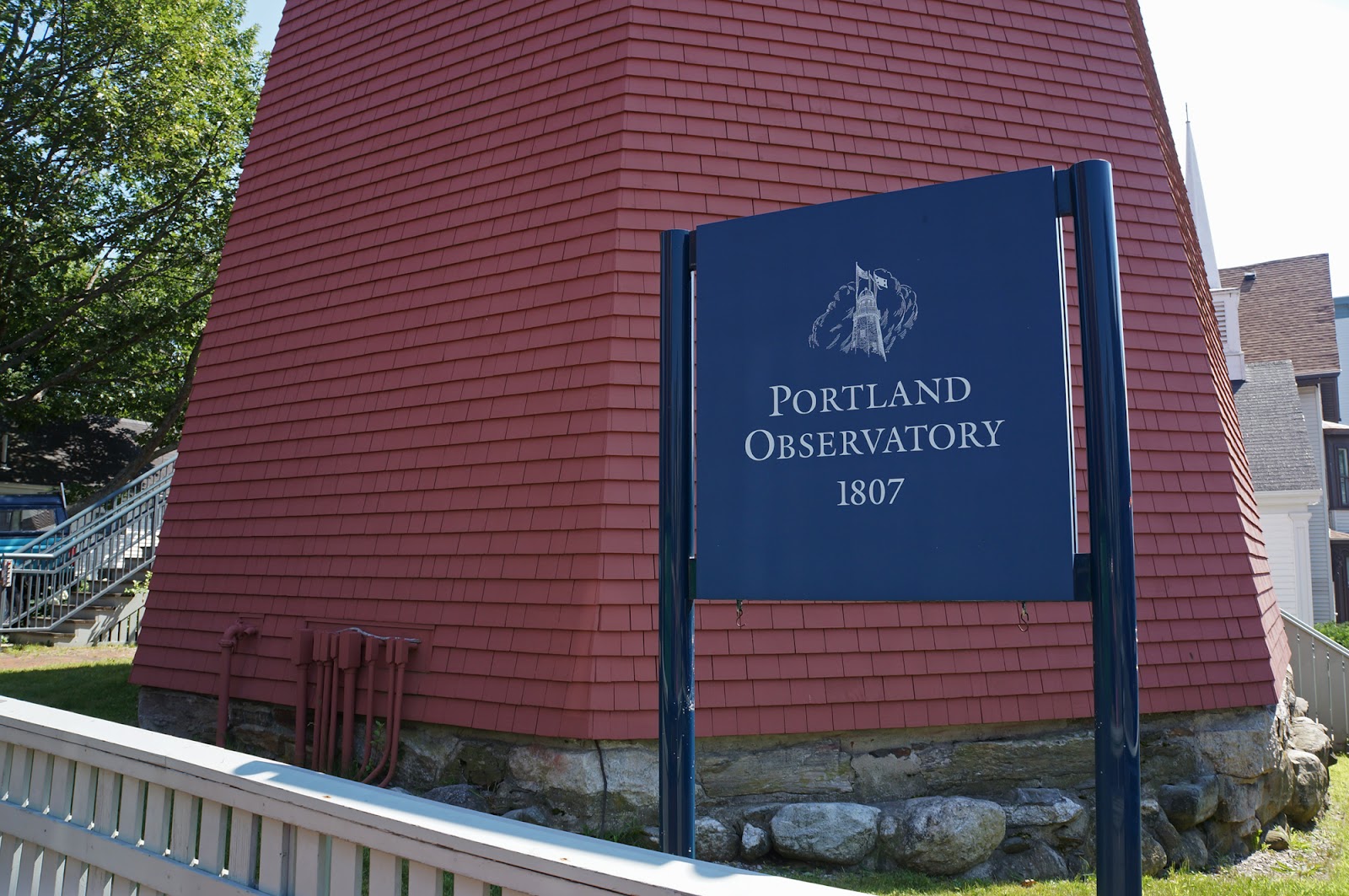
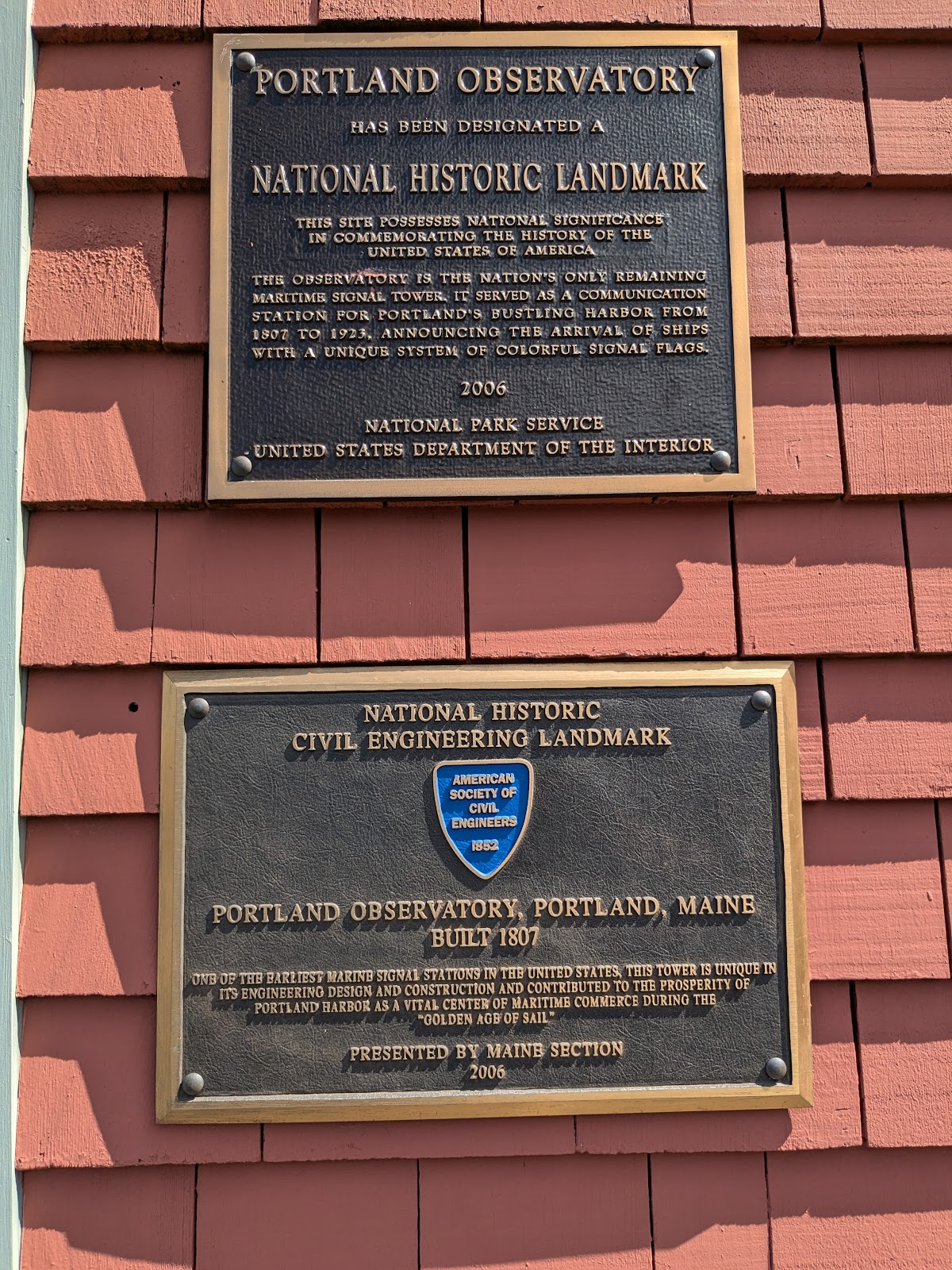
The Portland Observatory was built in 1807 on Munjoy Hill as a maritime signal tower, used to spot incoming ships and signal their arrival to the waterfront below. It is the last surviving signal tower of its kind in the United States, an octagonal shingled structure rising above the hill with views across Portland and Casco Bay.
Photographically it needs an honest framing from the outset. This is a small historic tower, not a venue in the conventional sense. The interior is a narrow octagonal shaft with a stair, and the space at the top is confined. What it offers is a genuinely unique structure, an elevated view over a working harbour, and a location on Munjoy Hill that is among the best in the city.
These are field notes on three problems and what the tower gives in return. We have not photographed a wedding here; narrow tower interiors and elevated harbour views behave predictably. Whether ceremonies are permitted, capacity, and what access is available are entirely for the property’s managers — and capacity will be the limiting answer.
Portland Observatory at a glance
| Where | Munjoy Hill, Portland, Maine |
| Built | 1807 as a maritime signal tower — the last of its kind in the US |
| Structure | Octagonal shingled tower with an internal stair and a confined top space |
| The offer | A unique structure, elevated harbour views, and a superb hilltop location |
| The limit | Very confined interior; realistically not a ceremony or reception venue |
Problem one: a tower interior is a stair, not a room
An octagonal signal tower is essentially a vertical shaft with a staircase in it. There is no room in the conventional sense, no space to stand back, and at most two or three people can occupy any given level comfortably. That rules out a ceremony, a group photograph, and anything involving more than the couple and a photographer.
What it does give you is verticality of an unusual kind. Looking straight up or straight down a narrow stair in an octagonal shaft produces a geometric, almost abstract frame — repeating angles receding, with light falling from above. That is a genuinely striking image and it exists in very few buildings.
The light inside follows the shaft: it enters near the top and falls downward, so the upper levels are considerably brighter than the base. Place people where that falling light reaches them, expose for their faces, and let the shaft below go dark. The falloff is the drama.
Problem two: the top space is confined and the view is the point
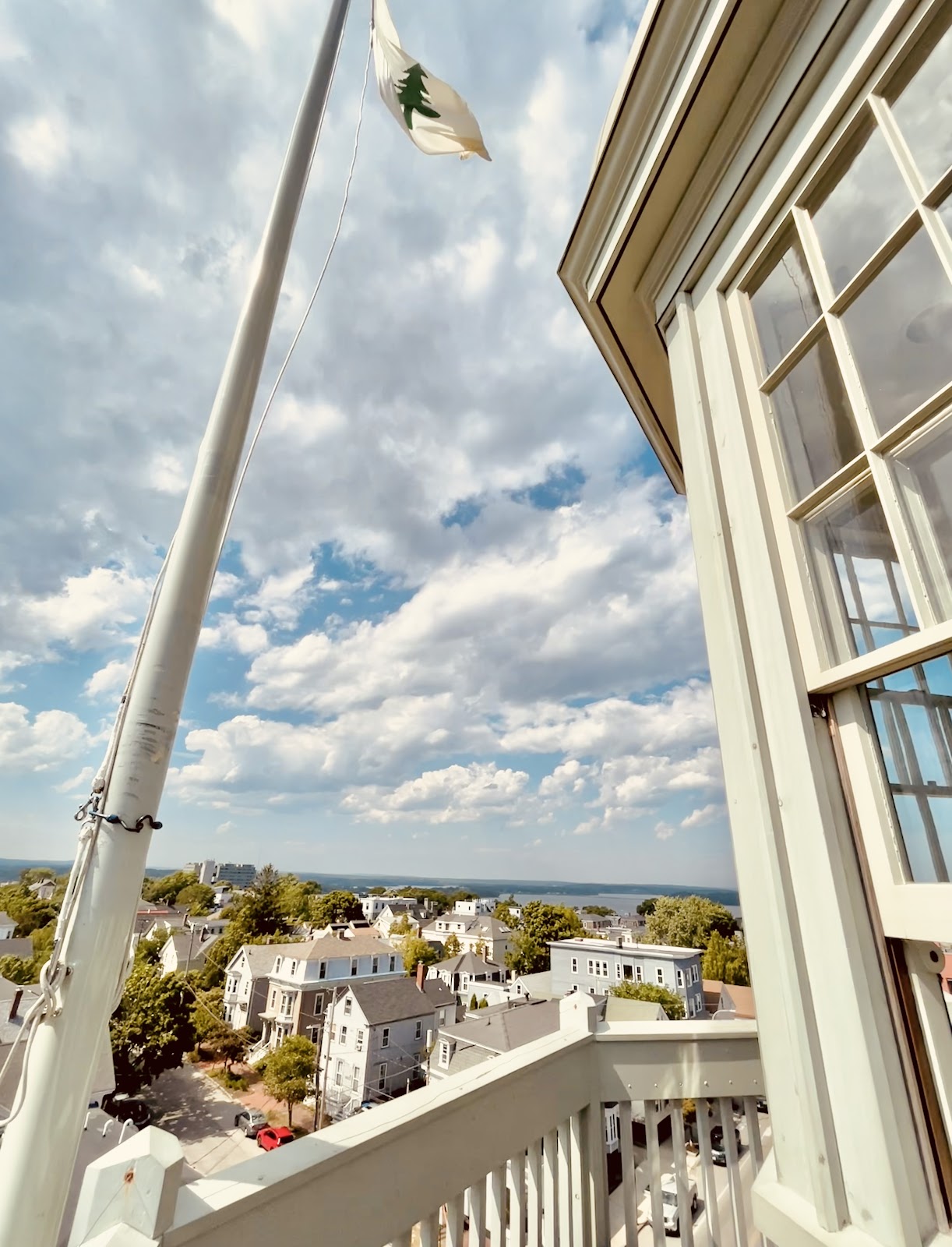
The upper viewing level is small, and the windows are period openings rather than modern glazing — which means the view is framed in segments rather than panoramic. That is actually an advantage compositionally: a window frames a view, and a couple beside a window with the harbour beyond is a stronger frame than the same couple against an unbroken glass wall.
The exposure problem is the familiar one. A bright harbour outside sits several stops above an interior face, so posing anyone against a window silhouettes them. Turn them parallel to the opening so it becomes a side light, or add a small fill to bring faces within range of the view — which in a confined space means a very small light source, not a stand.
Because the space is tight, a wide lens is essential indoors and the compositions will be close. That is a stylistic commitment: intimate, architectural and close rather than expansive.
Problem three: it is one location, not a day
Plan the tower as a fifteen or twenty minute visit for the couple and a photographer, not as a venue. Ceremony, reception, groups and everything else happen elsewhere. Treated that way it is a superb addition to a Portland wedding; treated as a venue it will disappoint.
The good news is that Munjoy Hill around it is genuinely excellent. It is a hilltop neighbourhood of nineteenth-century clapboard and brick houses with views over Casco Bay, and the Eastern Promenade — a waterfront park along the hill’s seaward edge — is close by with open lawn, mature trees and a working harbour beyond.
That gives you everything the tower cannot: room for groups, full-length portraits, high open shade, and water reflecting light upward into faces, which is unusually flattering. A Portland wedding that pairs fifteen minutes in the tower with half an hour on the Eastern Promenade has range that neither location gives alone.
Maine’s latitude matters for the timing: long summer evenings with usable light well past eight, and a mid-afternoon December sunset. Calculate it for your date rather than assuming.
What the tower gives in return
Three things worth the fifteen minutes. First, a structure that exists nowhere else — the last maritime signal tower in the country, which gives a photograph a story rather than merely a backdrop.
Second, the internal geometry: an octagonal shaft with a receding stair and light falling from above is an abstract architectural frame that no purpose-built venue can offer.
Third, elevation. Munjoy Hill is high enough that the harbour reads as a landscape rather than a waterfront, and a couple at the top of a tower above a working port is a frame with genuine scale.
Plan it as a deliberate excursion with the couple alone, take those three frames, and go back down. That is the honest and the best use of an 1807 signal tower.
What works in your favour
- The last surviving maritime signal tower in the United States — a story, not just a backdrop
- An octagonal shaft with a receding stair gives an abstract architectural frame
- Elevation over a working harbour, with Casco Bay reading as landscape
- Munjoy Hill and the Eastern Promenade close by for everything the tower cannot do
- Water on the Promenade bounces light upward into faces — unusually flattering
What to plan around
- Not a venue: a vertical shaft with a stair, holding two or three people per level
- No ceremony, reception or group photograph is possible inside
- Period window openings mean bright views several stops above interior faces
- Confined space forces wide lenses and close compositions indoors
- Maine’s extreme seasonal daylight swing must be calculated for the date
More frames from Portland Observatory
Portland Observatory wedding photography: common questions
Can we get married in the Portland Observatory?
Realistically no — it is a vertical shaft with a staircase, holding two or three people per level, so a ceremony, a reception and a group photograph are all impossible inside. Plan it as a fifteen or twenty minute excursion for the couple and a photographer, with everything else happening elsewhere.
What is the frame worth going for?
Three of them. Looking up or down the octagonal stair, which is an abstract architectural image very few buildings offer. A couple beside a period window opening with the harbour beyond. And the tower itself from outside, with elevation over Casco Bay giving the harbour real scale.
How do you handle the window light?
Turn people parallel to the opening so it becomes a side light, rather than posing them against it — a bright harbour is several stops above an interior face and will silhouette anyone in front of it. If you want both, a very small fill source, because the space is too tight for a stand.
What should we plan around it?
Munjoy Hill and the Eastern Promenade. The hill is a neighbourhood of nineteenth-century clapboard and brick with bay views, and the Promenade is a waterfront park with open lawn, mature trees and water reflecting light upward. Half an hour there plus fifteen minutes in the tower gives real range.
Does the season matter?
Considerably, because Portland is far enough north that the swing is extreme — summer evenings give usable light well past eight while a December sunset arrives mid-afternoon. Calculate it for your date, since the tower excursion needs daylight and the window is much shorter in winter.
More Portland, ME venue guides
We are writing a photographer’s guide to every venue we would happily shoot in Portland, ME. Here are three more, plus the full index:
- The Portland Regency: A Season-by-Season Guide
- The Press Hotel: A Walk-Through of a Converted Newspaper Building
- The State Theatre: Field Notes on a 1929 Movie Palace
All Portland, ME Wedding Venues →
Planning a wedding at Portland Observatory?
Fifteen minutes in an 1807 signal tower is a genuinely rare frame. Tell us your date and we will plan the tower as an excursion and the Eastern Promenade as the rest of it.