 The Thunderbird Inn: Field Notes on a 1964 Motor Inn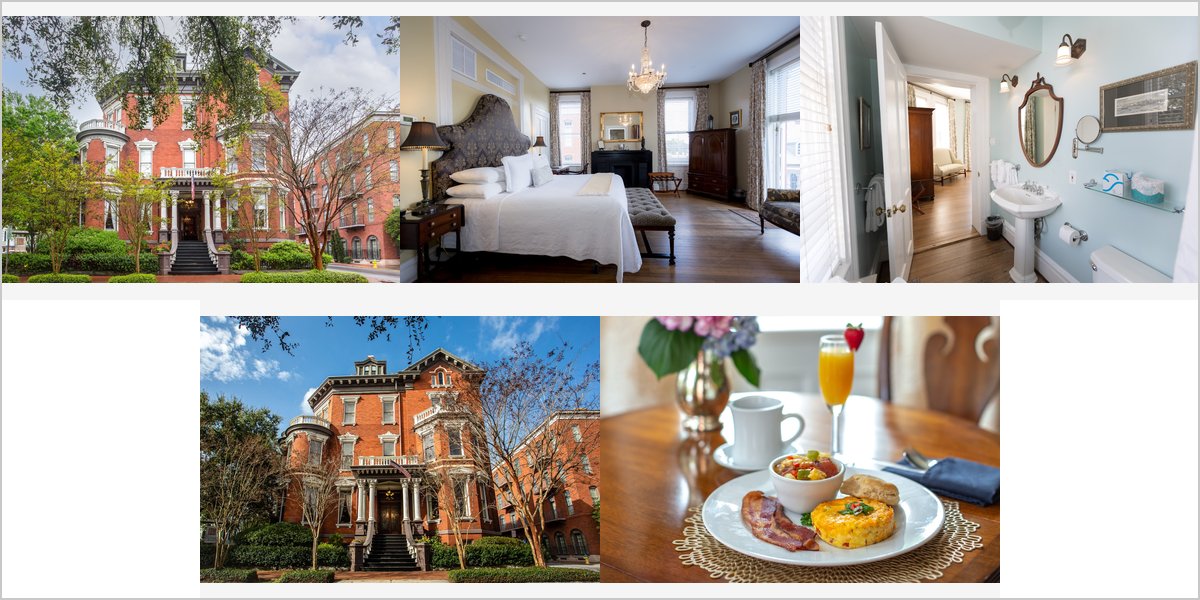
May 9, 2026
The Kehoe House: Who This Savannah Inn Suits
An 1892 mansion on a Savannah square, run as an inn. The square outside does most of the photographic work, and the scale decides whether it suits you.
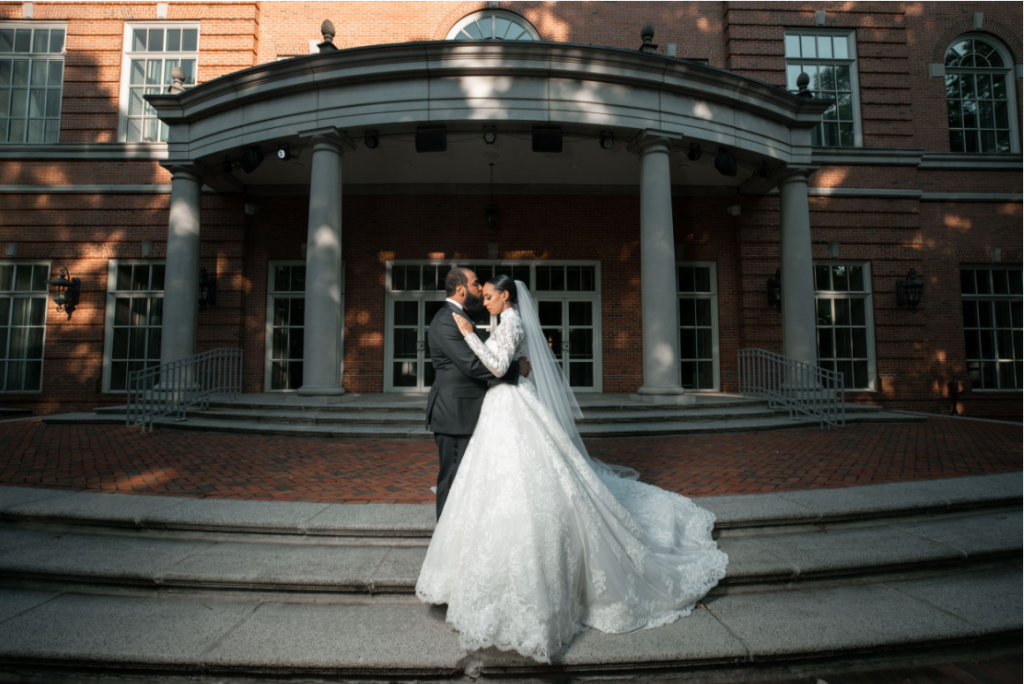
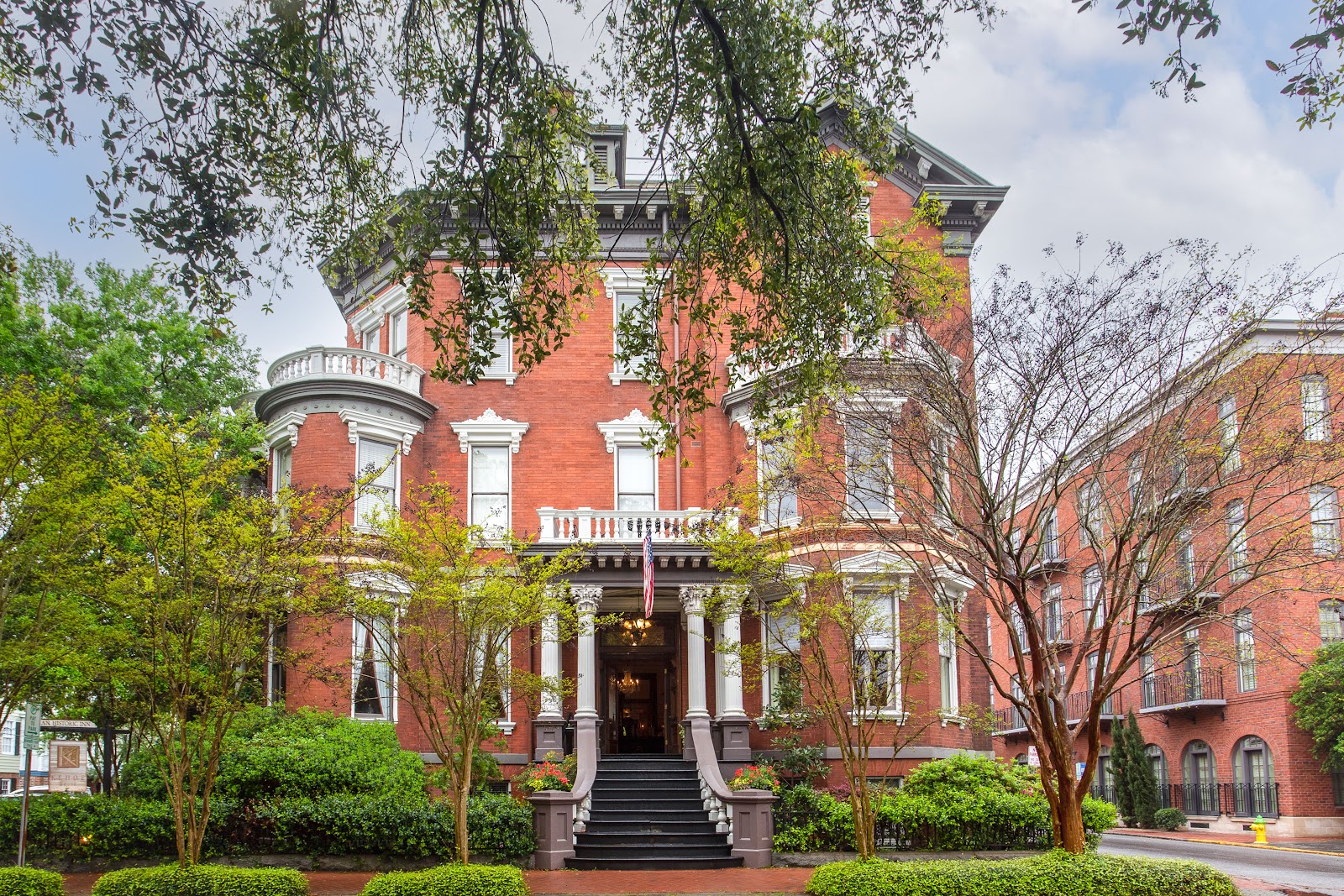
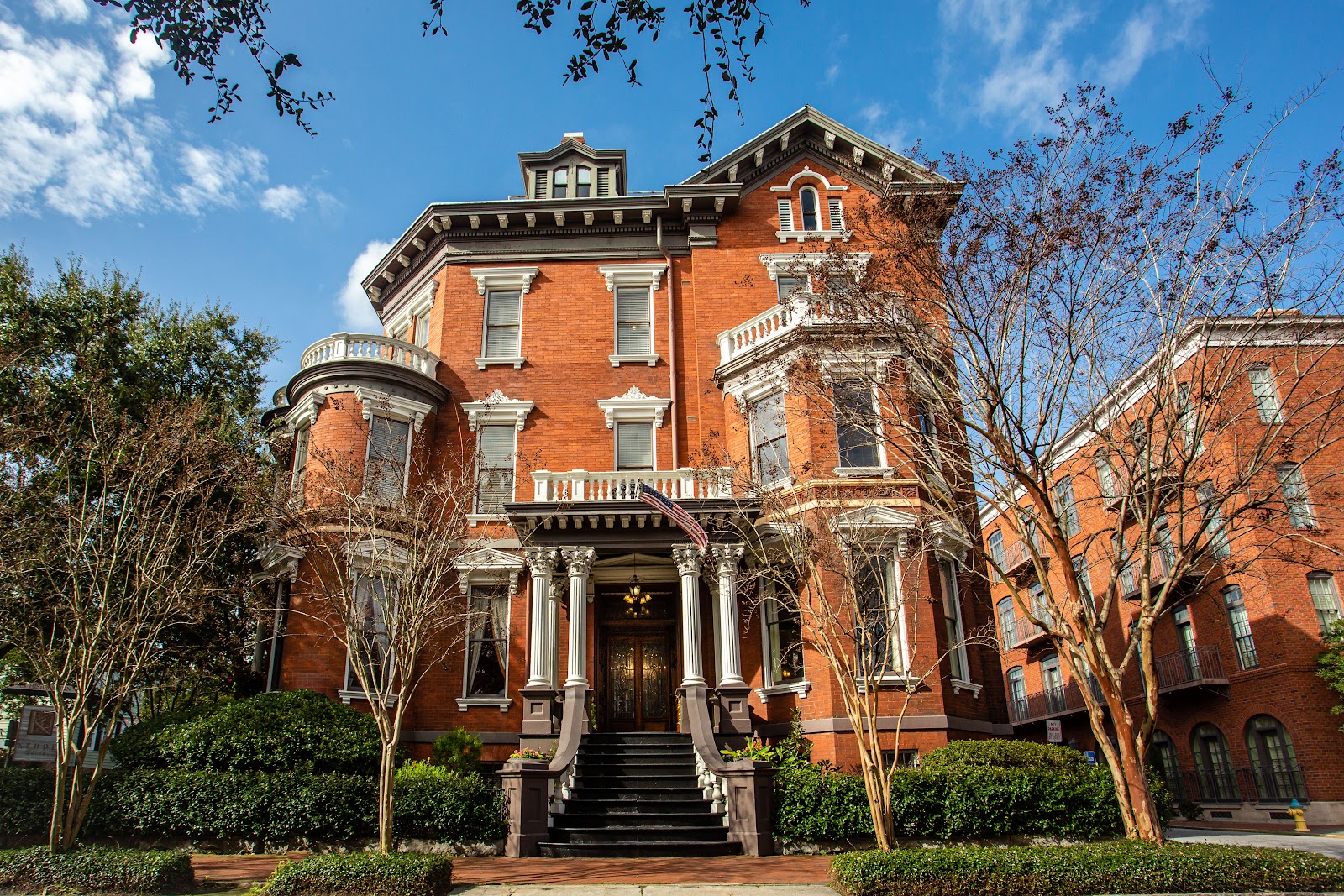
The Kehoe House was built in 1892 on Columbia Square in Savannah’s historic district, a Renaissance Revival mansion in red brick with notable cast-iron detailing — William Kehoe ran an iron foundry, which explains the ironwork. It now operates as a small luxury inn with event use.
Photographically it sits in a category that Savannah has more of than almost any American city: the historic-square inn. These are mansions of real quality, domestic in scale, with period interiors, situated directly on one of the city’s twenty-odd planted squares. The formula is consistent and so are its strengths and limits.
This is a fit assessment. We have not photographed a wedding at the Kehoe House; the behaviour of Victorian brick interiors and live-oak square light is predictable. Capacity, which rooms are included and whether the inn is exclusively yours are for their team, and the exclusivity question is the important one at any small inn.
The Kehoe House at a glance
| Where | Columbia Square, historic district, Savannah, Georgia |
| Built | 1892, Renaissance Revival in red brick with cast-iron detailing |
| Character | Small luxury inn in a period mansion; domestic room scale |
| Light | Tall Victorian windows indoors; high live-oak shade on the square outside |
| Ask first | Exclusivity, capacity, and whether guest rooms are available for preparation |
What the building and the square give you
Two quite different things, and the square is the more valuable. Columbia Square, like all Savannah’s squares, is a planted formal space with live oaks, Spanish moss and a monument, and it sits immediately outside the door. That gives you high open shade — the most flattering outdoor light there is — backlit translucent moss at the low-sun hours, and enough room to arrange a large group properly.
Having that within twenty seconds of the venue is a genuine advantage. Most historic-house venues send you somewhere else for outdoor work; here it is at the doorstep, which means the outdoor block can be short and can be repeated as the light changes.
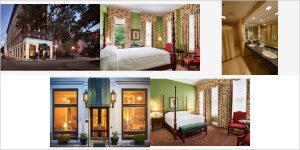
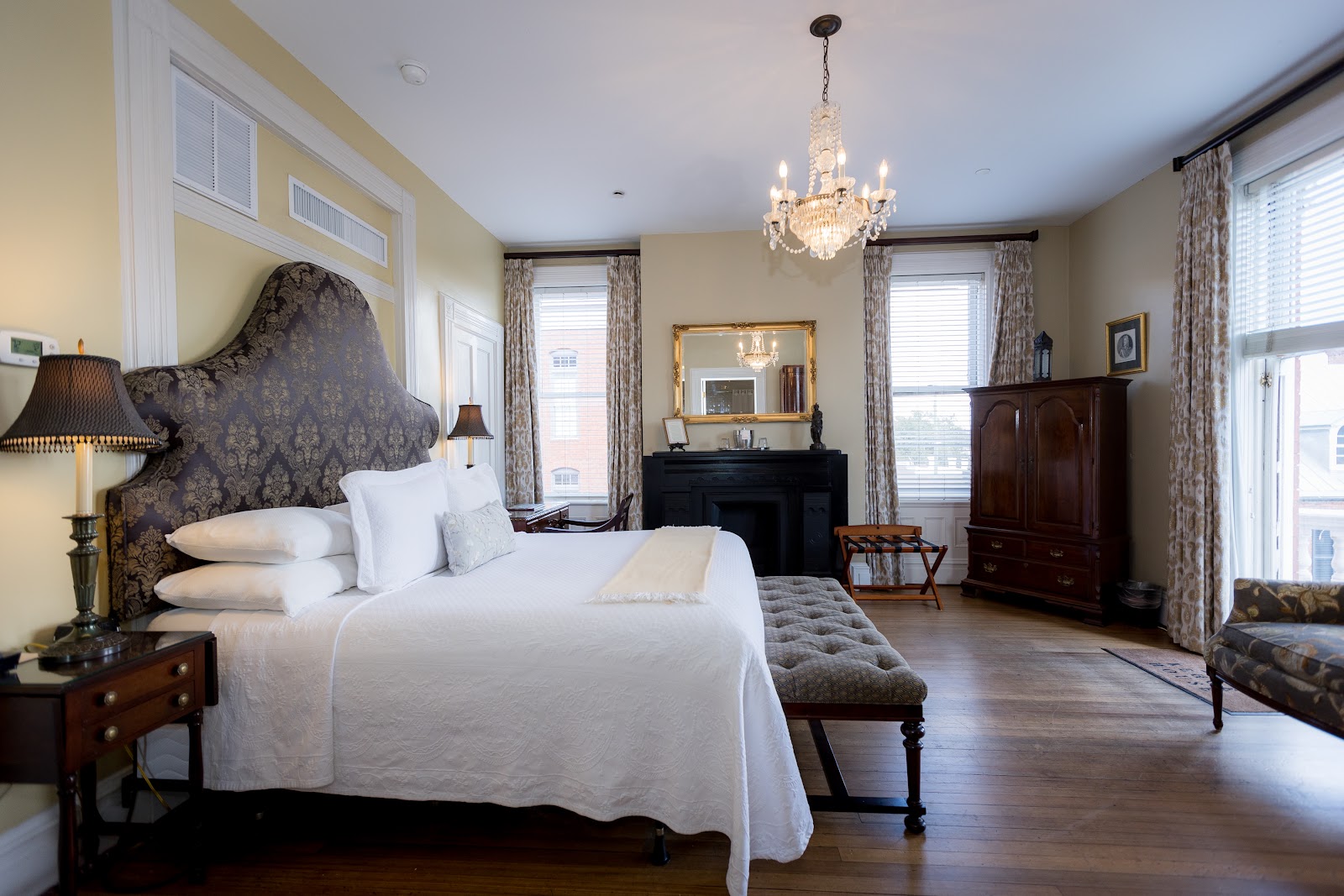
The building gives you tall Victorian windows, high ceilings, period joinery and cast-iron detail. Interiors are warm and reasonably dark, with usable daylight for two to three metres from the glass. Red brick outside is a warm mid-tone that holds raking light well — late afternoon on a brick facade with ironwork is a strong establishing frame.
Who this venue suits
Four kinds of couple.
It is worth being concrete about the upper end of that range, because guest count is the decision that most often goes wrong at inns. Seventy people can eat comfortably in a house like this and still leave a photographer somewhere to stand. A hundred cannot: the rooms fill, the circulation clogs, and every frame acquires a stranger’s shoulder in the foreground. If the number is drifting upward during planning, that is the moment to reconsider the venue rather than hoping the rooms will stretch.
- Smaller weddings, roughly twenty to seventy. The rooms are domestic and the inn is small. At that scale it is elegant; beyond it, cramped.
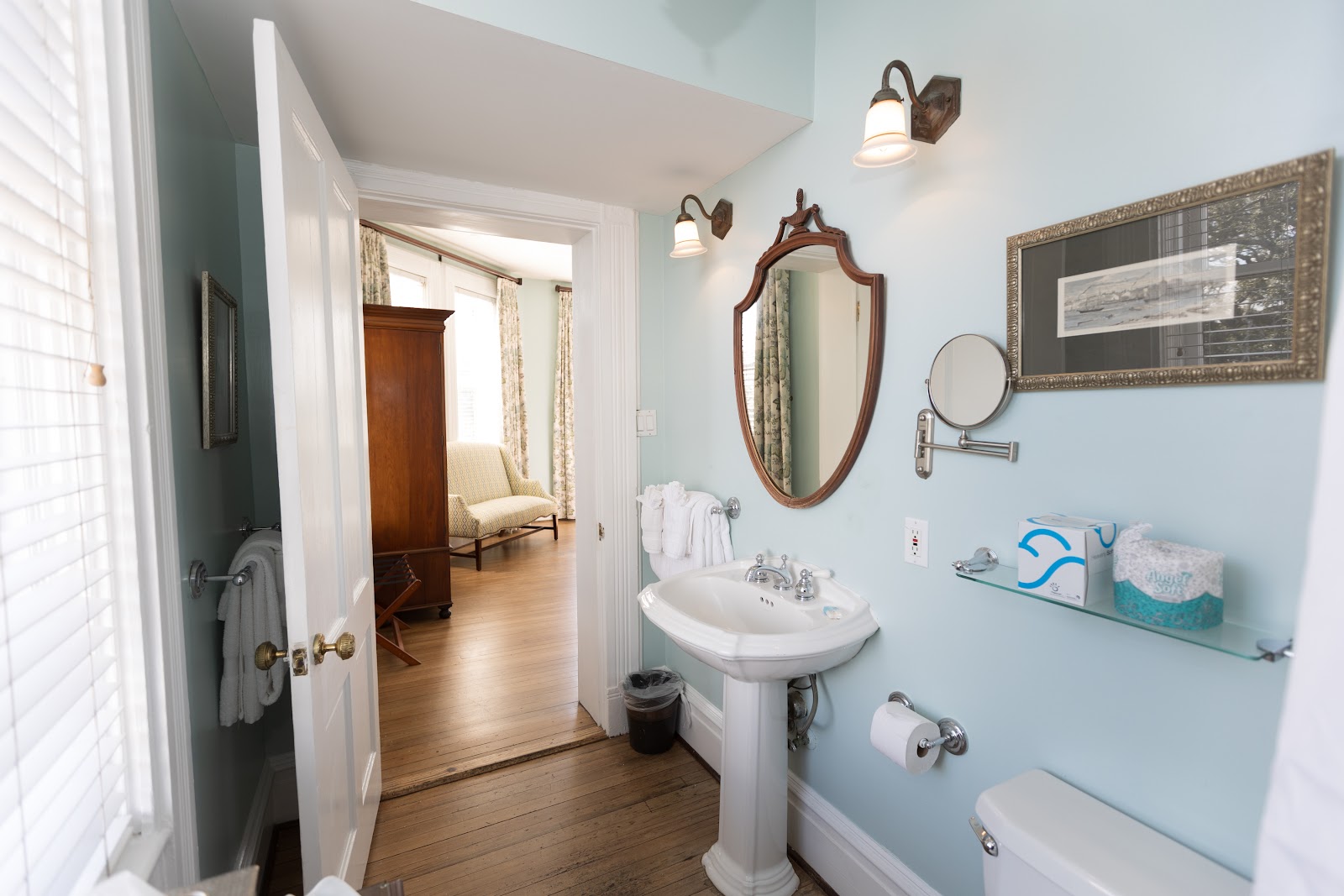
- Couples staying on site. An inn means guest rooms, which means preparation photographs in real window light rather than in a borrowed side room. That is worth more to a gallery than most people expect.
- Anyone who wants Savannah itself in the photographs. A square-side inn puts live oaks, moss and the historic district into the frame without travelling.
- Couples who value privacy. If the inn is exclusively yours, you get a private house for the day with a public park outside — an unusually good combination.
Who should look elsewhere
Directly.
- Large guest lists. Past roughly seventy the building cannot flatter it, and crowded period rooms photograph badly — no clean backgrounds and people in every frame.
- Couples wanting a ballroom or architectural drama. This is a house, not a landmark. There is no grand volume and no spectacular interior space.
- Anyone needing a guaranteed indoor group photograph. There is no room for a large group inside, so groups depend on the square, and therefore on the weather.
- Couples who need the whole property. If the inn is running as a hotel with other guests during your wedding, the coverage changes — confirm it.
The practical plan, and Savannah's climate
The sequence that works: preparation in a guest room with a tall window, artificial lights off, everything moved to the glass. Couple’s portraits on Columbia Square in the last hour of daylight when the moss backlights. Groups on the square while there is still light. The brick facade as the establishing frame in that same hour. Then interiors for the evening, lit lightly.
Lighting the interiors is a gentle problem rather than a hard one, which is a real advantage of a domestic-scale venue. Rooms are small enough that a bounced on-camera flash or one small warm-gelled light on a stand lifts faces adequately while leaving the period warmth intact. Keep the room warm in your white balance and the faces slightly cooler — the standard differential.
Savannah’s climate needs planning for. It is hot and very humid much of the year, which fogs lenses moving from air conditioning to outdoors — allow ten to twenty minutes for gear to acclimatise. Afternoon thunderstorms are common in summer, and the square offers no shelter, so the wet-weather plan for groups has to be settled indoors in advance. Mosquitoes are active at dusk, which is when you want to be on the square.
One last point in the venue’s favour: because the square is public and free and twenty seconds away, you can go back out whenever the light changes. Very few venues allow a photographer to reconsider, and that flexibility quietly improves a gallery more than any single location does.
What works in your favour
- Columbia Square at the door: high open shade, backlit moss, and room for a large group
- Guest rooms on site give genuine window light for preparation coverage
- Red brick with cast-iron detail holds raking light — a strong late-afternoon establishing frame
- Small rooms mean modest lighting is genuinely sufficient indoors
- The square is public and adjacent, so you can return whenever the light changes
What to plan around
- Domestic scale — comfortable to roughly seventy guests, cramped beyond
- No indoor space for a large group photograph; groups depend on the square and the weather
- No ballroom or architectural drama; it is a house, not a landmark
- Interiors are warm and go dark beyond a few metres from the windows
- Heat, humidity, lens fogging, summer thunderstorms and dusk mosquitoes all need planning
More frames from The Kehoe House
The Kehoe House wedding photography: common questions
How many guests does the Kehoe House suit?
Roughly twenty to seventy for the photographs to work well. It is a domestic-scale 1892 mansion run as a small inn, and beyond about seventy the period rooms become crowded, which shows up as people in every frame and no clean backgrounds left.
What is the biggest advantage of this venue?
Columbia Square, twenty seconds from the door. It gives high open shade, backlit Spanish moss at the low-sun hours and genuine room for a large group — and because it is public and adjacent, you can go back out whenever the light changes. Most venues allow no such reconsideration.
Where do the getting-ready photographs happen?
In a guest room, which is a real advantage of an inn over a house museum. Ask for a room with a tall window, switch off every artificial light so daylight and tungsten are not mixing, and work within a metre or two of the glass.
Can we photograph a large group indoors?
No. The rooms are domestic in scale and there is no grand volume, so groups happen on the square. That makes them weather-dependent, and since Savannah gets regular summer afternoon thunderstorms, settle the indoor fallback for groups in advance.
What should we confirm before booking?
Whether the inn is exclusively yours for the day. If it is operating as a hotel with other guests during your wedding, the coverage changes — other people in frames, less freedom to work in shared spaces. It is easy to assume exclusivity rather than check it.
More Savannah venue guides
We are writing a photographer’s guide to every venue we would happily shoot in Savannah. Here are three more, plus the full index:
- The Marshall House: Lighting Cast-Iron Verandahs and Heart Pine
- The Olde Pink House: Field Notes on a 1789 Georgian Mansion
- The Pirates’ House: Who This Venue Suits
Planning a wedding at The Kehoe House?
A small inn on a Savannah square is a strong combination if your numbers fit it. Tell us your guest count and date, and we will tell you honestly whether the house will flatter the day — and how we would use the square.