 The Thunderbird Inn: Field Notes on a 1964 Motor Inn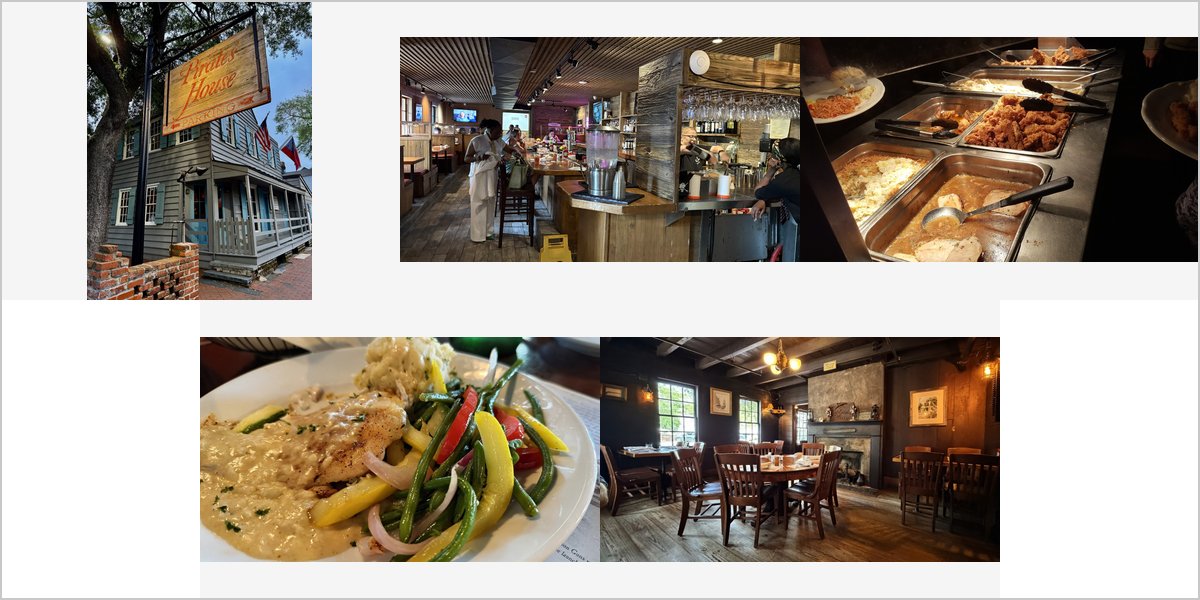
June 13, 2026
The Pirates’ House: Who This Venue Suits
A warren of tiny low-ceilinged rooms with a great deal of character and almost no space. This venue is a strong yes or a clear no, and it is worth knowing which.
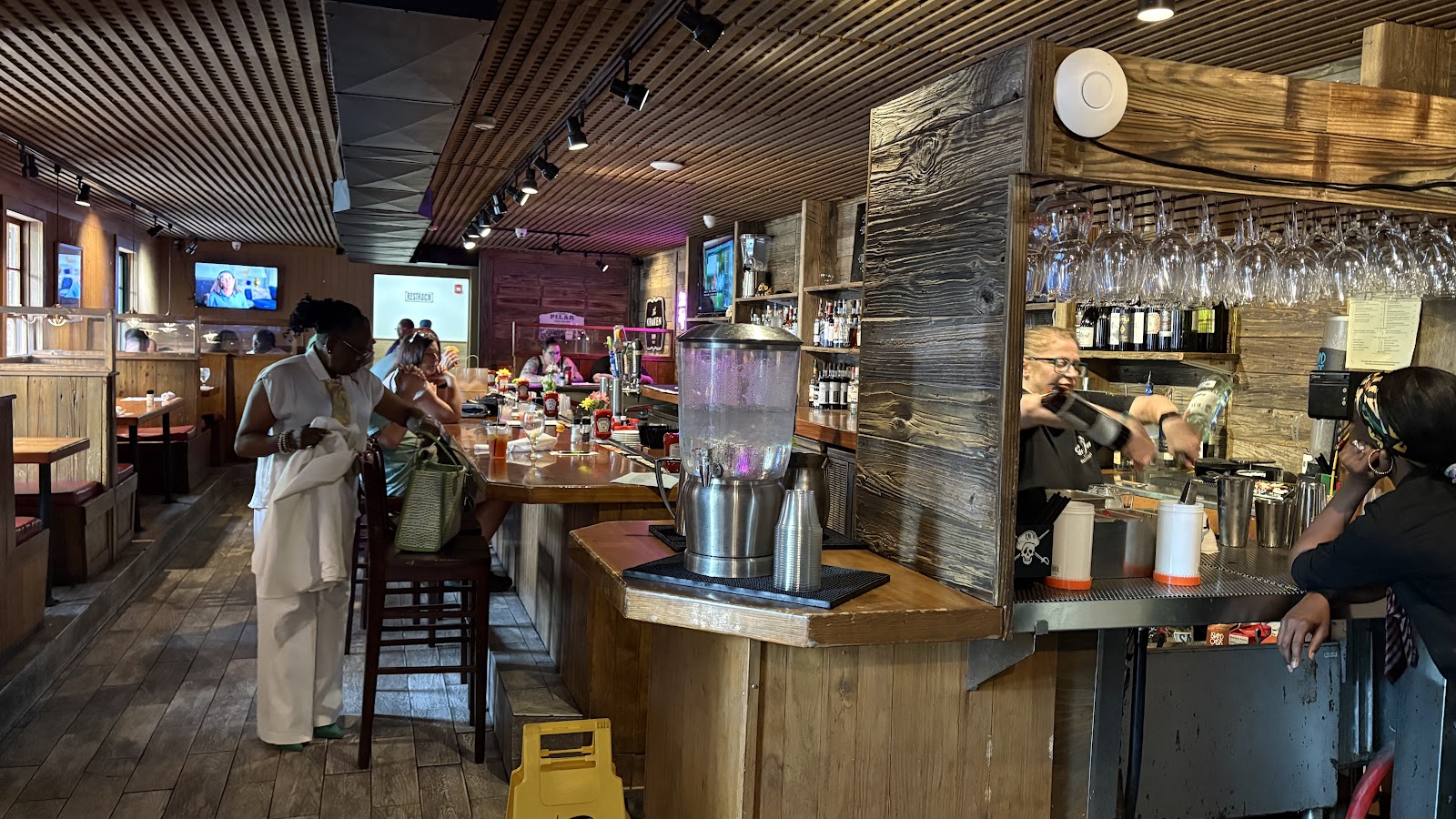
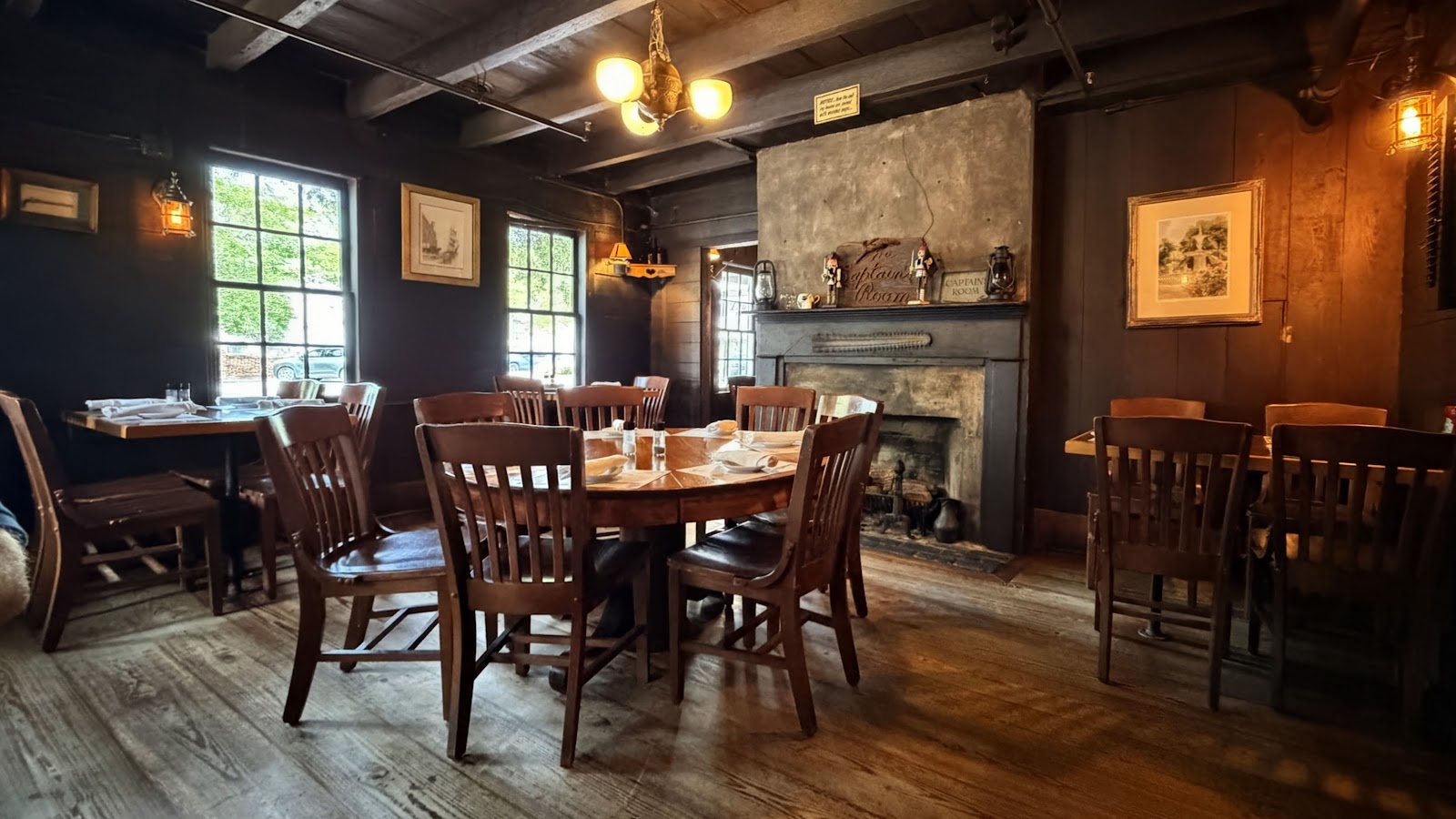
The Pirates’ House stands near the Savannah River on the east side of the historic district, incorporating fabric from the mid-eighteenth century and long operating as a seamen’s inn before becoming a restaurant. It is a warren: a series of small linked dining rooms with low ceilings, exposed timber, uneven floors and a cellar, added to over two centuries.
Photographically this is at the extreme end of the historic-venue spectrum. The character is exceptional — genuinely old, dense, atmospheric, entirely unlike a purpose-built venue. The constraints are equally extreme: ceilings low enough to matter, rooms small enough that a photographer and a couple nearly fill one, and almost no natural light in the interior.
So this is a fit assessment. We have not photographed a wedding at the Pirates’ House. The optics of low dark timber rooms are consistent everywhere; capacity, which rooms are available and whether spaces are exclusively yours are for their team, and the exclusivity question matters a great deal in a working restaurant.
The Pirates' House at a glance
| Where | East Broad Street area, near the Savannah River, Georgia |
| Age | Incorporates mid-eighteenth-century fabric; among Savannah’s oldest buildings |
| Character | A warren of small low-ceilinged linked rooms, exposed timber, a cellar |
| Light | Very little natural light; warm artificial and candle-type fixtures |
| Ask first | Exclusivity, capacity per room, and whether the cellar is included |
What low ceilings actually do — including one advantage
Low ceilings are usually described as a limitation and they mostly are. You cannot get height into a frame, wide shots feel compressed, and there is no room for a light on a tall stand. Anyone over average height will appear close to the ceiling in every photograph, which is unflattering.
But there is a genuine and underrated advantage: bounce flash works properly. In a high ballroom, light fired at the ceiling travels far, spreads out and returns weak. In a room with a ceiling two and a half metres up, a bounced flash comes back strong and soft, turning the whole ceiling into a large diffuse source. This is one of the few venue types where a single on-camera flash produces genuinely good light.
So the lighting problem here is easy, which offsets the space problem being hard. One flash bounced behind or above you lights a small dark room beautifully, and if the ceiling is dark timber rather than pale plaster, a small portable bounce card or a low-power off-camera unit against a pale wall does the same job.
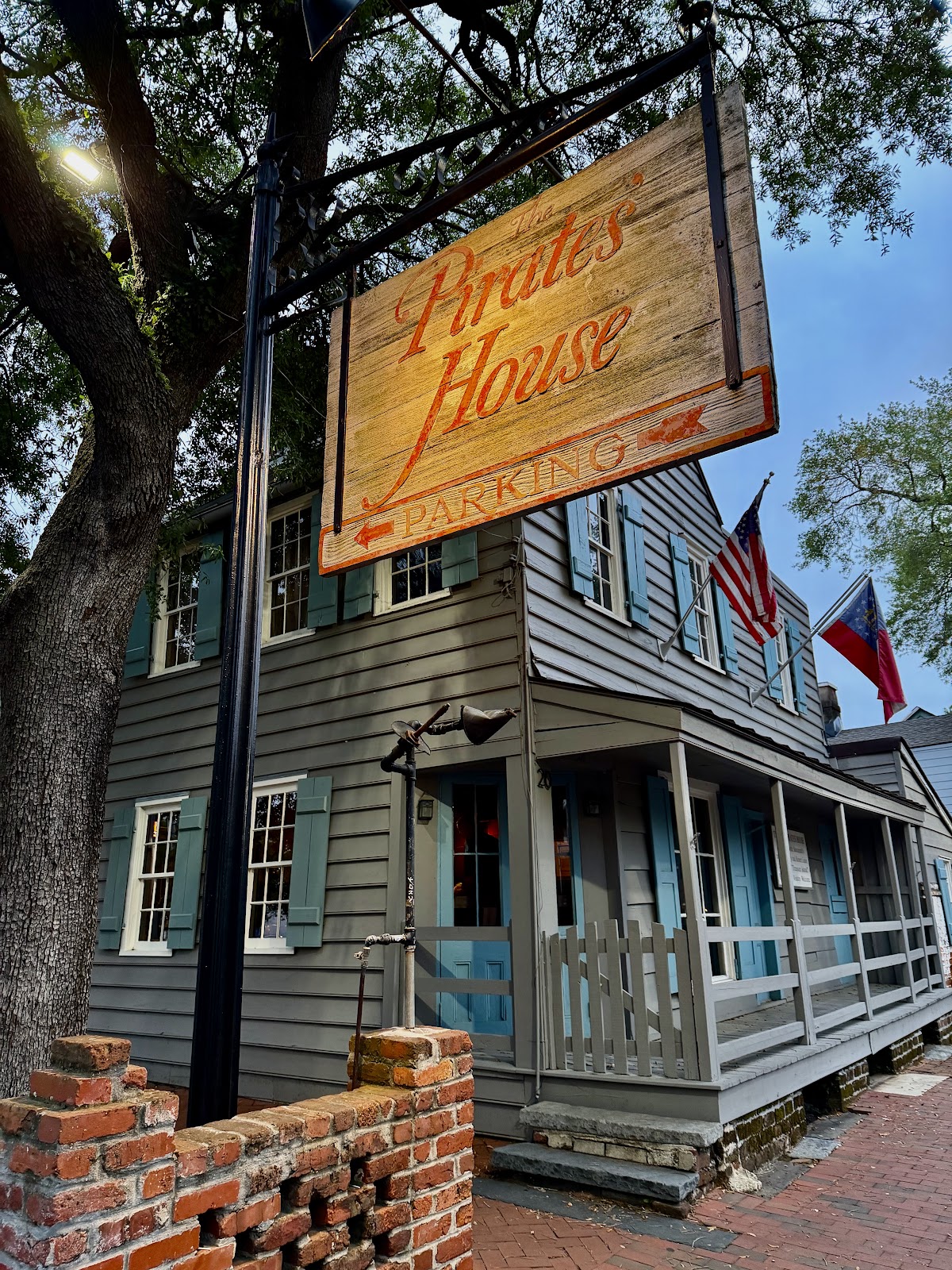
Who this venue suits
Four kinds of couple, and the fit is genuinely narrow.
- Small weddings — realistically under fifty. The rooms are tiny and linked. At small numbers it feels like a private inn; beyond that it is a crowd in a corridor.
- Couples who want atmosphere over elegance. This is dark timber, uneven floors and centuries of accumulation. If your reference images are warm, candlelit and slightly rough, it delivers exactly that.
- Anyone drawn to genuine age. Eighteenth-century fabric is rare in American venues, and it photographs as what it is.
- Couples treating it as a dinner venue. Ceremony and portraits elsewhere or outside, dinner here. That structure plays to every strength and avoids every weakness.
Who should look elsewhere
Being clear about this matters more than usual, because the venue’s character is seductive in photographs of the building and the constraints only appear when you try to photograph people in it.
- Anyone wanting full-length portraits or a dress photographed properly. There is not the distance or the height. A dress with a train has nowhere to be seen in full.
- Larger guest lists. Above roughly fifty the building becomes a series of separate crowded rooms rather than a venue, and coverage fragments — you cannot be in two rooms at once.
- Couples wanting bright, airy, light-filled imagery. There is almost no natural light. The whole interior is warm, dark and enclosed by design.
- Anyone needing an indoor group photograph. Not possible at any size worth the name. Groups happen outside.
The practical plan, and going outside
The sequence that works: ceremony and portraits outside or at another location while there is daylight; groups outside; then dinner and evening coverage in the building, lit with bounced flash and warm gels, letting the rooms stay dark and pooled.
Inside, work close and work with the timber. Exposed beams, old brick, uneven boards and low doorways are the subject, and they photograph best as background to a tight portrait rather than as a wide establishing shot that cannot fit them in. A 28mm or 35mm indoors, half-length compositions, and a flash bounced off whatever pale surface is nearest.
Keep the room warm in white balance and the faces slightly cooler — the standard differential, and it matters here because dark timber and warm fixtures leave nothing neutral in the frame at all.
Outside, the eastern edge of the historic district gives you the river, cobbled ramps, old warehouse brick and the squares a short walk west. That covers groups, full-length portraits, daylight and golden hour. Budget a proper block for it rather than treating it as optional, because everything the interior cannot do happens out there.
A note on covering a fragmented building, because it is the part that is easy to underestimate. In a single-room venue a photographer sees everything; in a warren, guests distribute themselves across five or six small rooms and a great deal happens out of sight. The practical answer is to agree in advance which room holds the moments that matter — the toasts, the cake, the first dance if there is one — and to accept that coverage elsewhere will be thinner. A venue like this rewards a couple who concentrate the key moments in one place rather than letting them scatter.
What works in your favour
- Genuine eighteenth-century fabric — an age almost no American venue can match
- Exceptional atmosphere: dark timber, old brick, uneven floors, a cellar
- Low ceilings make bounce flash genuinely effective, so lighting is easy
- Warm, enclosed and entirely weather-independent
- River, cobbled ramps and historic squares within a short walk for everything else
What to plan around
- Tiny linked rooms — realistically under fifty guests, and coverage fragments above that
- No full-length portraits and no way to photograph a train properly indoors
- Almost no natural light anywhere in the building
- No indoor group photograph is possible at any useful size
- Low ceilings put tall people close to the ceiling in every frame
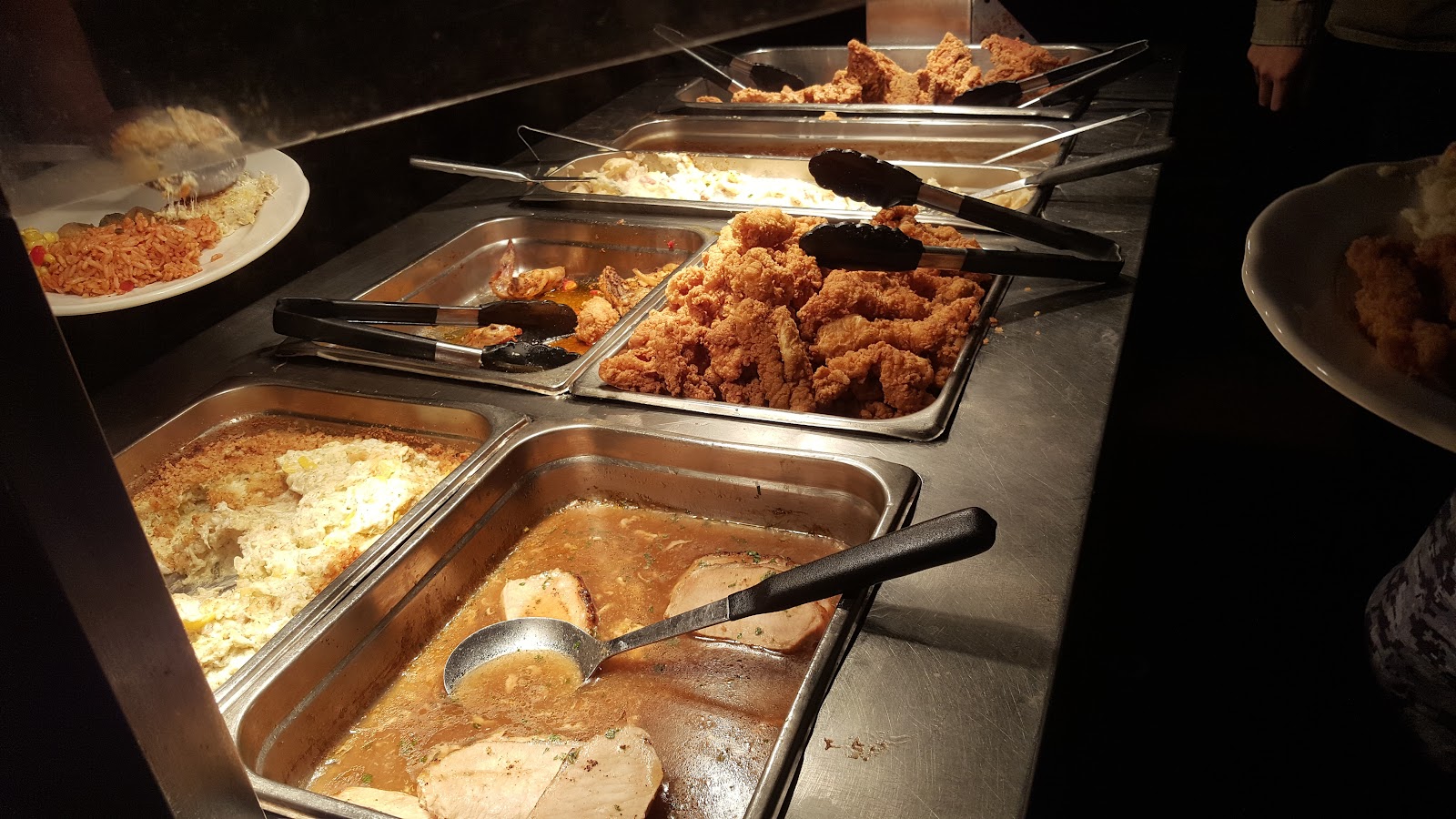
- A working restaurant — confirm exclusivity or expect other diners in shot
More frames from The Pirates' House
The Pirates' House wedding photography: common questions
How many guests does the Pirates' House suit?
Realistically under fifty. It is a warren of small linked low-ceilinged rooms, and above that number it stops being a venue and becomes several crowded rooms at once — which also fragments the coverage, because a photographer cannot be in two rooms simultaneously.
Is the low ceiling a problem?
Mostly, but with one real advantage. You cannot get height into a frame and tall people sit close to the ceiling in every shot. However, a low ceiling makes bounce flash genuinely effective — light fired upward comes back strong and soft, so a single on-camera flash produces good light here, which it would not in a ballroom.
Can we get full-length portraits inside?
No. There is neither the distance nor the height, and a dress with a train has nowhere to be seen in full. Full-length portraits need to happen outside, where the eastern historic district gives you the river, cobbled ramps and old warehouse brick within a short walk.
What is the best way to use this venue?
As a dinner venue. Hold the ceremony and take portraits outside or elsewhere while there is daylight, do groups outside, then bring everyone in for dinner and evening coverage. That structure uses every strength the building has and avoids all of its constraints.
What should we confirm first?
Whether the rooms are exclusively yours. It operates as a restaurant, so if other diners are present during your wedding, they will appear in frames and a photographer’s freedom to move is limited. Also ask capacity per room rather than overall, because the room-by-room number is what actually constrains the day.
More Savannah venue guides
We are writing a photographer’s guide to every venue we would happily shoot in Savannah. Here are three more, plus the full index:
- Planters Inn: A Photographer Answers Your Questions
- A Savannah Riverboat Wedding: Building the Shot List
- The Gastonian: A Walk-Through of Two Joined Townhouses
Planning a wedding at The Pirates' House?
This is a strong yes or a clear no, and guest count usually decides it. Tell us your number and we will be straight with you — then plan a structure that uses the building for what it is genuinely brilliant at.