Two facts govern almost every photograph made on the Maine coast, and neither of them is about the light directly. The first is the tide. The Gulf of Maine has one of the larger ranges on the American Atlantic seaboard, and it increases north-eastward: around nine feet at Portland, ten on the midcoast, eleven around Mount Desert. That is a great deal of vertical change on a rocky shore, twice a day. At high water the sea reaches the granite, the rock reads as a clean edge, and a shoreline frame has three simple bands.
At low water there is nine or ten feet of additional rock exposed, banded with dark brown rockweed over barnacle and blue mussel — which is either the best dark foreground available anywhere or a mess of wet weed across the bottom of the frame, depending entirely on whether it was planned for. It is also genuinely slippery, which means it is photographed from dry ground with a longer lens rather than stood on in wedding shoes. Looking up the tide takes two minutes and it is the most consequential preparation available at any venue on this page. The second fact is the cold water.
The Gulf of Maine is one of the colder stretches of the western Atlantic, which means warm humid air moving over it condenses — and sea fog is frequent from late spring through midsummer, sometimes for days, sometimes arriving within half an hour.
Fog is not a spoiled day. It is an enormous diffuser: it removes every hard shadow, collapses the brightness range to two or three stops, makes soft flattering light available everywhere, and makes group photography easy because everyone is in the same light. What it takes is the horizon — which turns a seaward frame into a subject against nothing, a beautiful photograph once and a monotonous one five times. At a scenic venue fog is a cost; at a cluttered working harbour it is a gift, because it removes the background entirely. Three further things recur here.
The species decide the shade: red spruce, white spruce and balsam fir hold dense evergreen canopies that block almost all light, which makes a spruce margin the darkest natural background in the northeast — three or four stops of separation a metre inside the edge — while white paper birch has the most reflective bark of any northern tree and gives the highest-contrast natural background in New England when set against that spruce.
Granite is the material: coarse-grained, pink-grey, crystalline, often glacially polished, and genuinely low in saturation — which makes it the kindest background in this guide for skin and white fabric, and a high-frequency texture that is spectacular under raking light and a flat grey field under flat light. And the calendar is unusual.
This coast faces broadly east, so the sun comes out of the water in the morning and the evening is an even shadowless afterglow instead; the light is longer here than anywhere else in these guides, with civil twilight running thirty-three to thirty-six minutes; and the strongest window is not summer but September, which brings drier clearer air, the end of the fog season, the calmest wind of the year and thinning crowds — followed by a coastal autumn in the second and third weeks of October, two to three weeks behind inland Maine because the sea delays it.
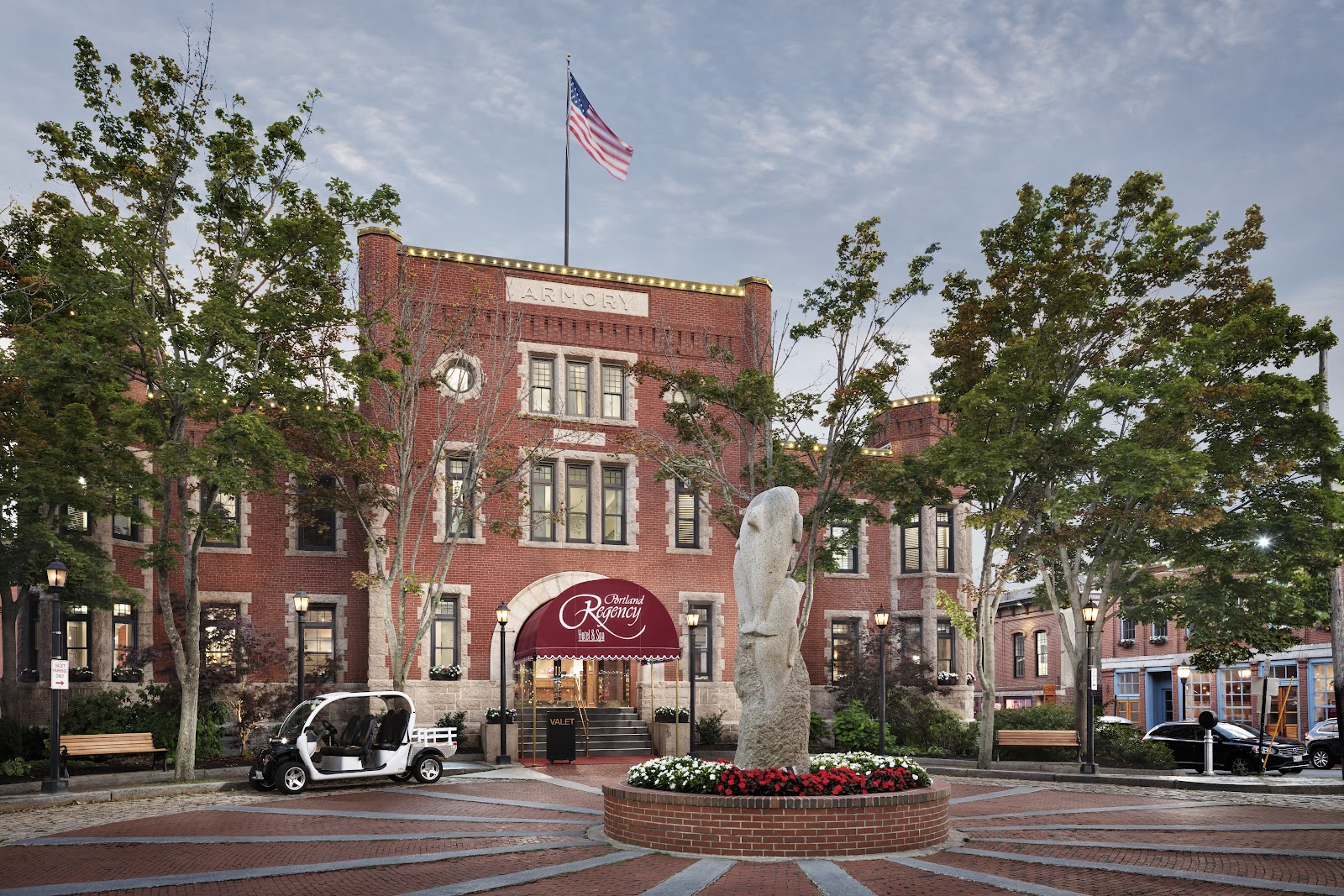
The Portland Regency: A Season-by-Season Guide
A converted 1895 brick armory in the heart of Portland's Old Port, now a hotel with function rooms and period brick character.
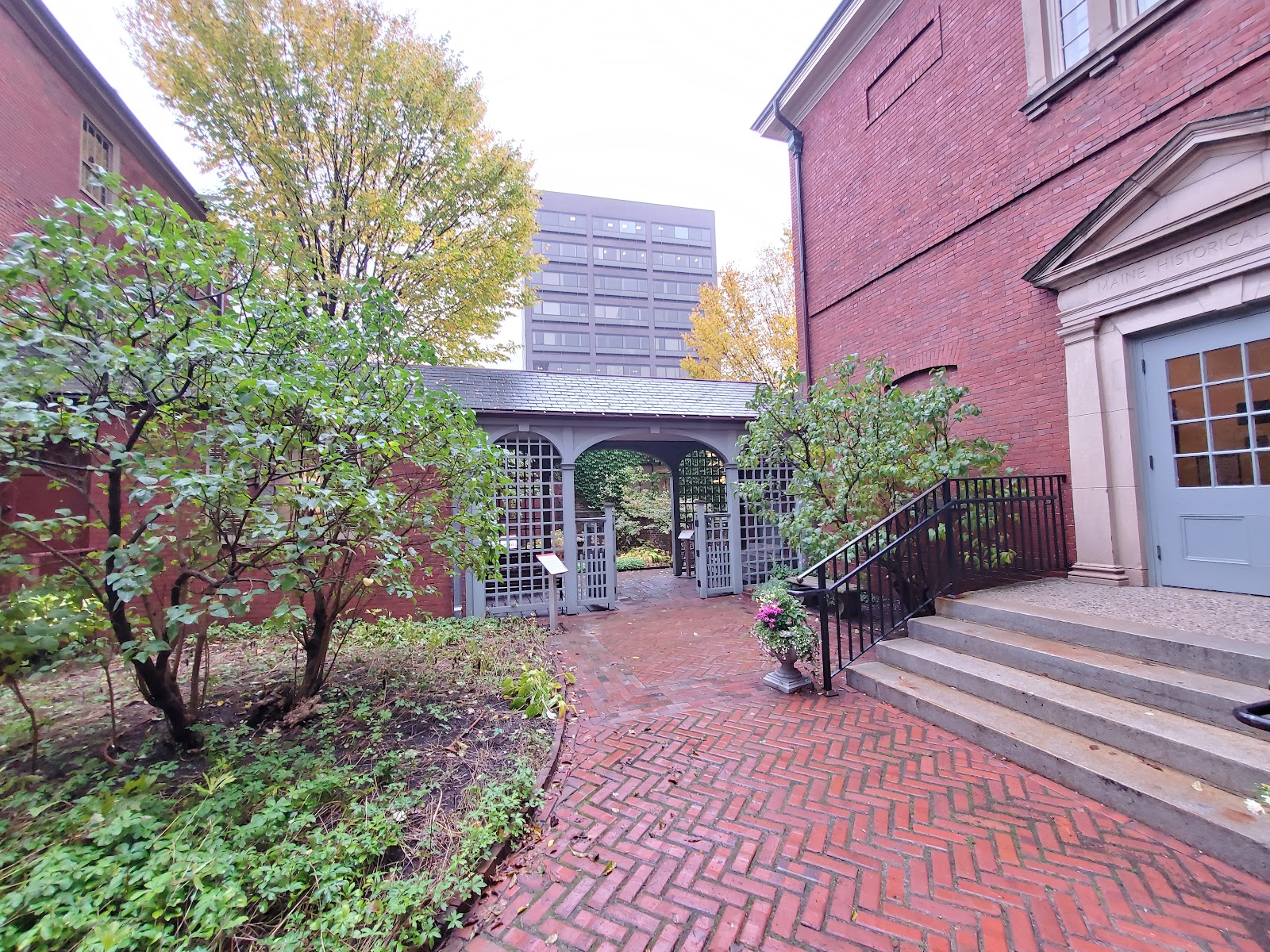
The Maine Historical Society: Building the Shot List
Founded 1822, the Maine Historical Society campus on Congress Street includes the 1786 Wadsworth-Longfellow House, a museum, a research library and a garden.
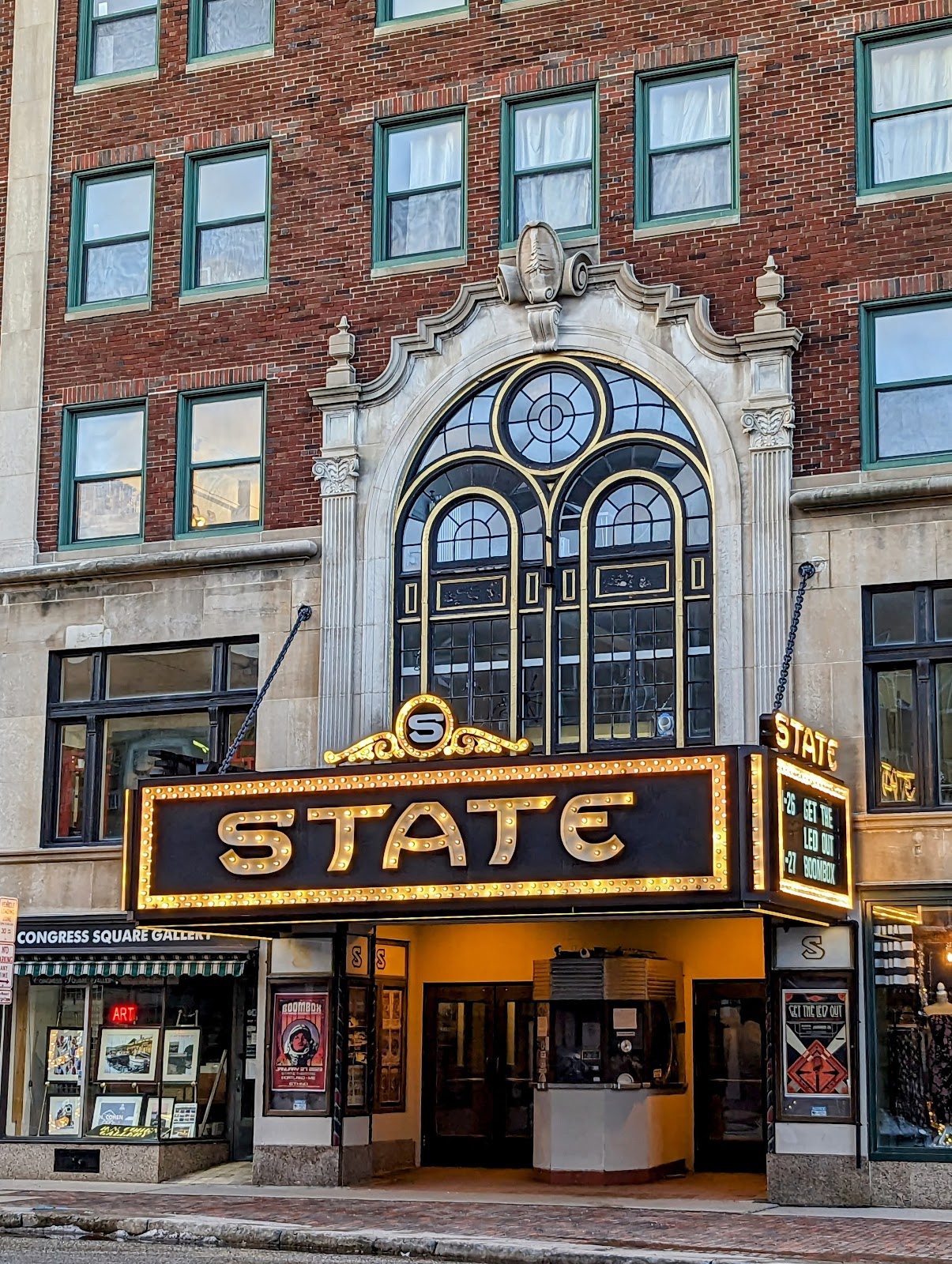
The State Theatre: Field Notes on a 1929 Movie Palace
Opened 1929 on Congress Street in Portland, Maine, a movie palace with Spanish-influenced detailing, now operating as a standing-room music venue.
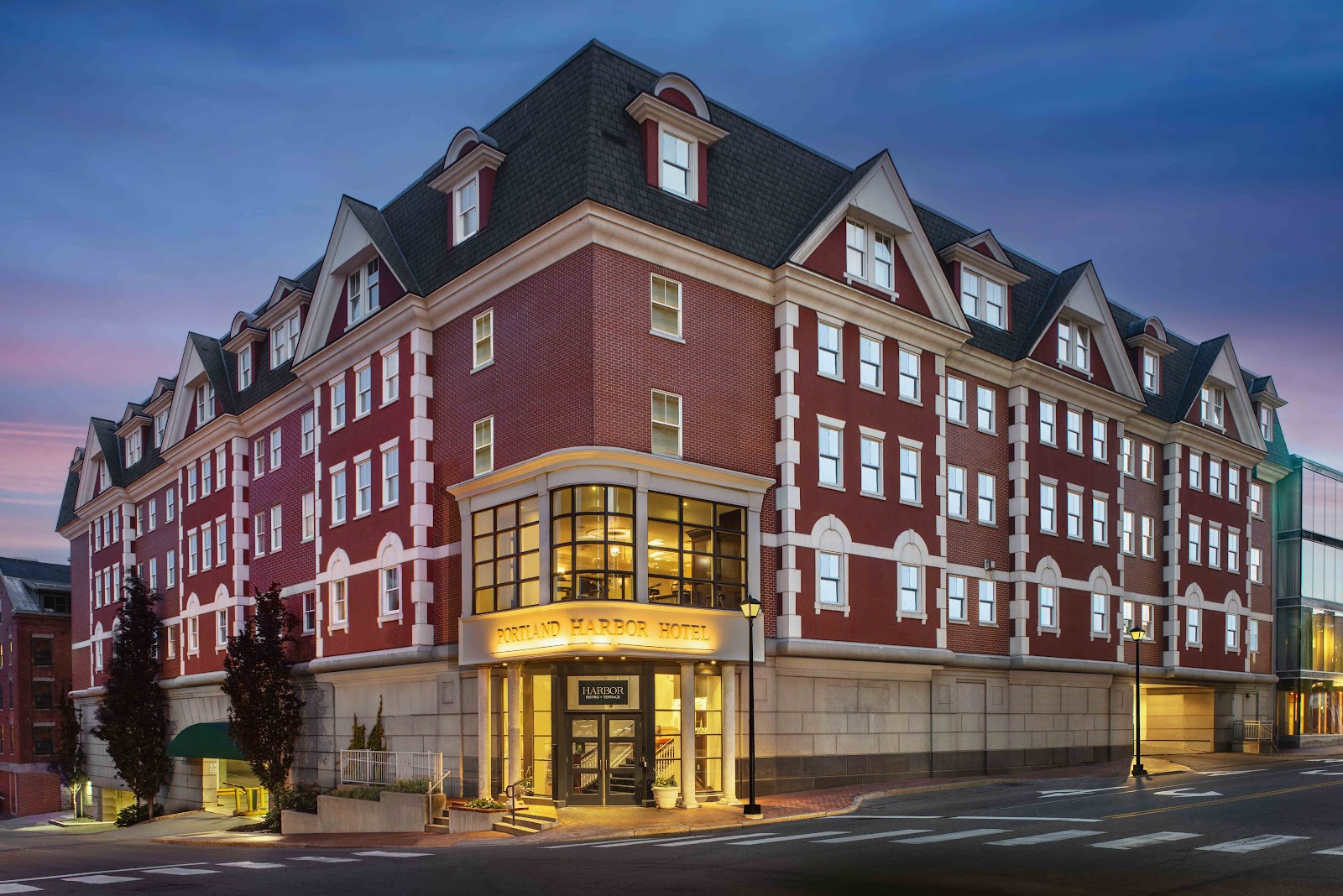
The Portland Harbor Hotel: Working an Old Port Courtyard
A hotel in the heart of Portland's Old Port, with function space and a walled garden courtyard enclosed by brick, a short walk from the working waterfront.
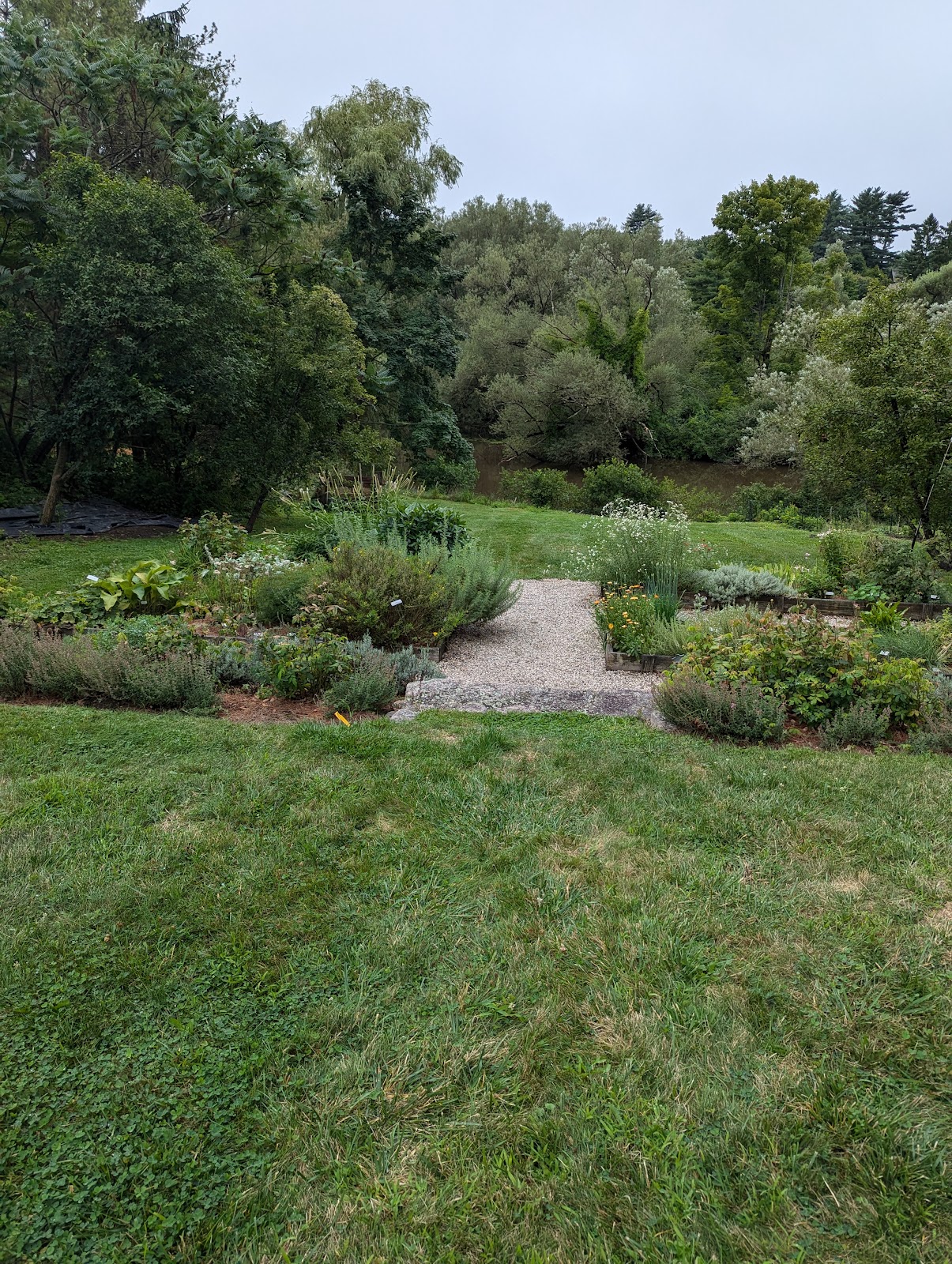
The Tate House: Who This 1755 House Suits
Built 1755 in the Stroudwater district of Portland, a Georgian house with an unusual clerestory gambrel roof, and an eighteenth-century-style garden.
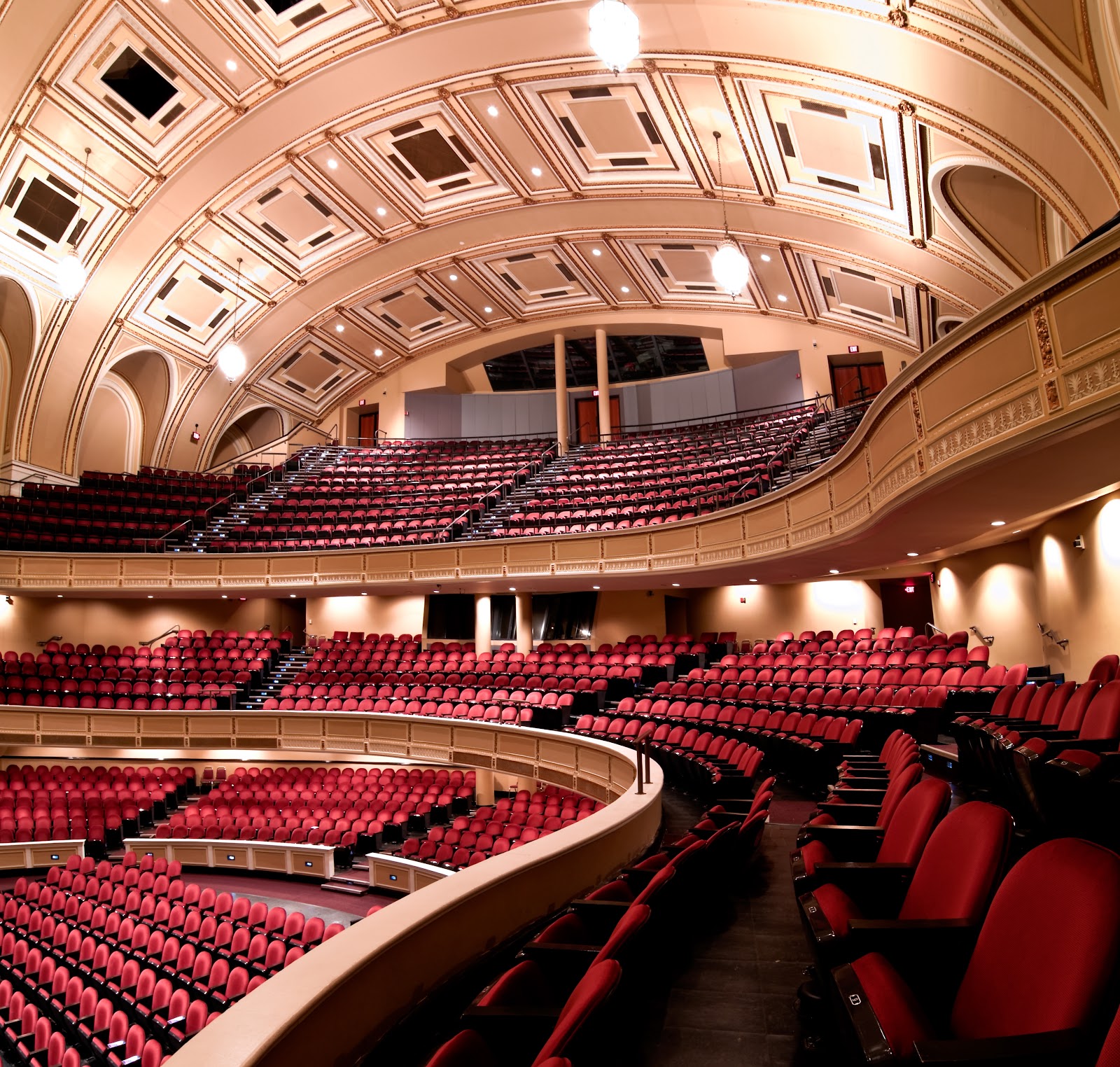
Merrill Auditorium: Lighting a 1912 Civic Hall with a Kotzschmar Organ
A 1912 auditorium within Portland City Hall, home to the Kotzschmar Memorial Organ — one of the largest municipal organs in the world.
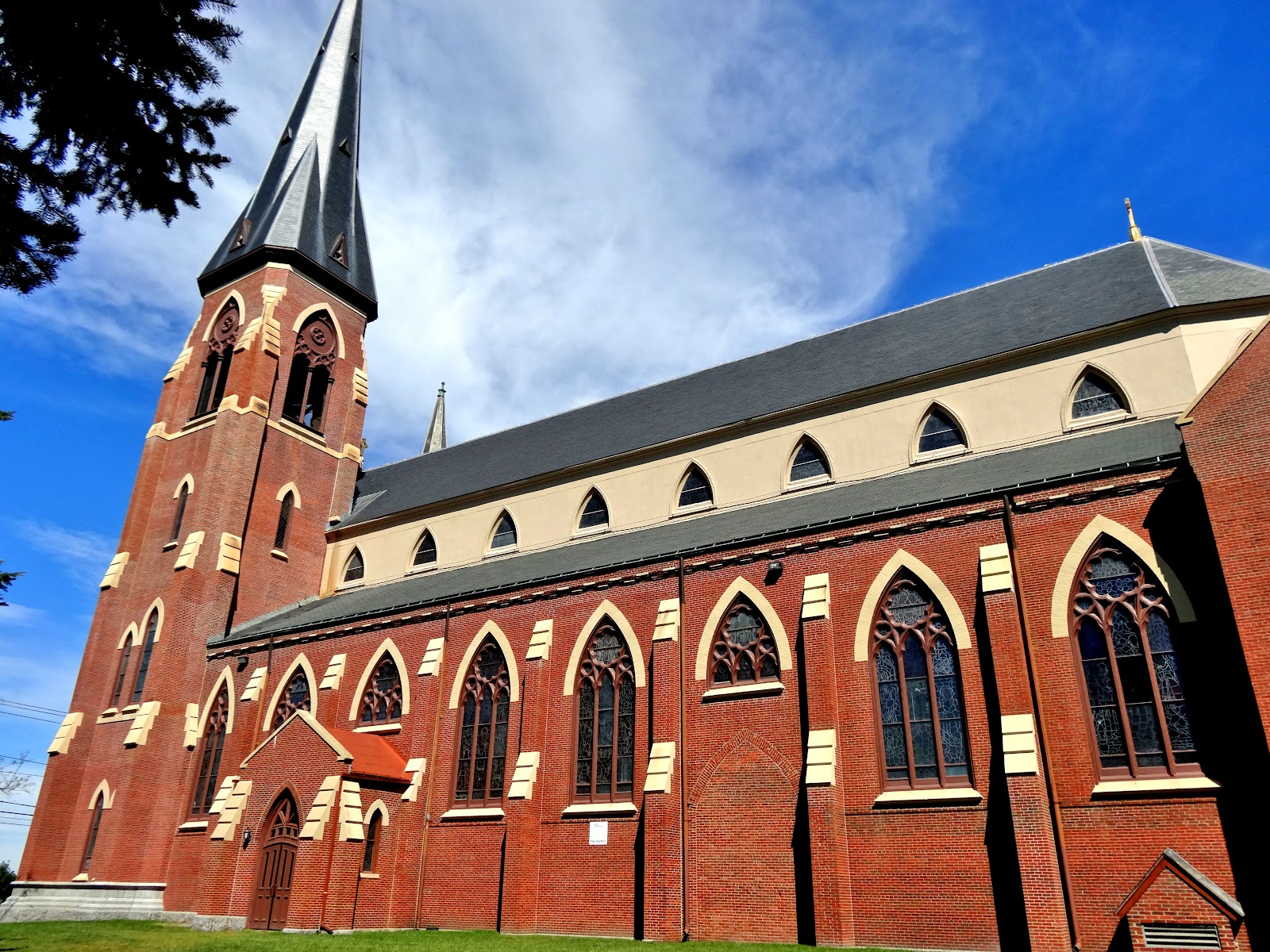
The Cathedral of the Immaculate Conception: A Photographer Answers Your Questions
Consecrated 1869, a Gothic Revival cathedral in Portland's Munjoy Hill area, with a tall nave, stained glass and the verticality the style is built on.
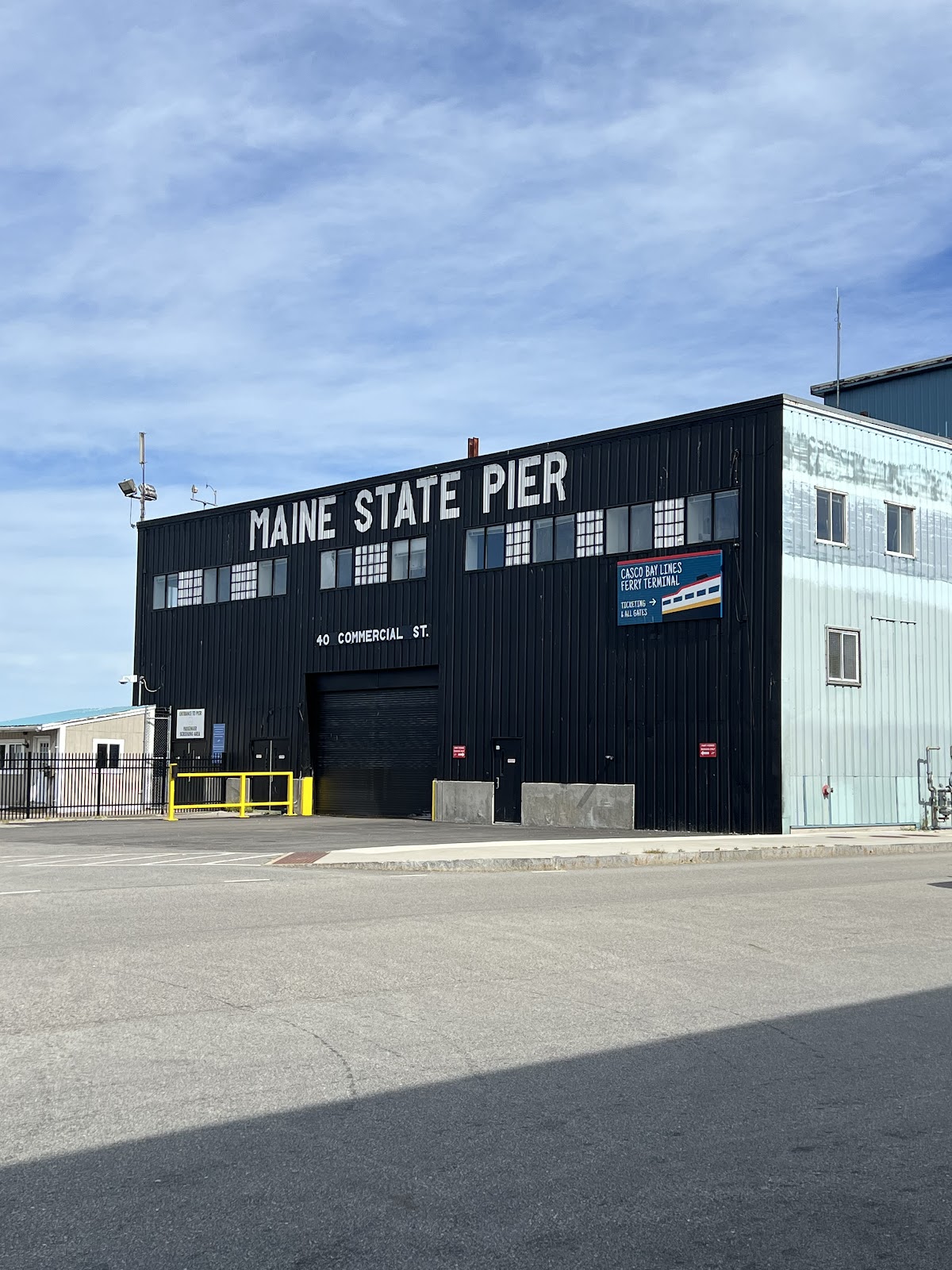
The Maine State Pier: Reading the Light on a Working Waterfront
A working pier on Portland harbour with a large pier shed and open deck, used for events, with Casco Bay and the working waterfront around it.
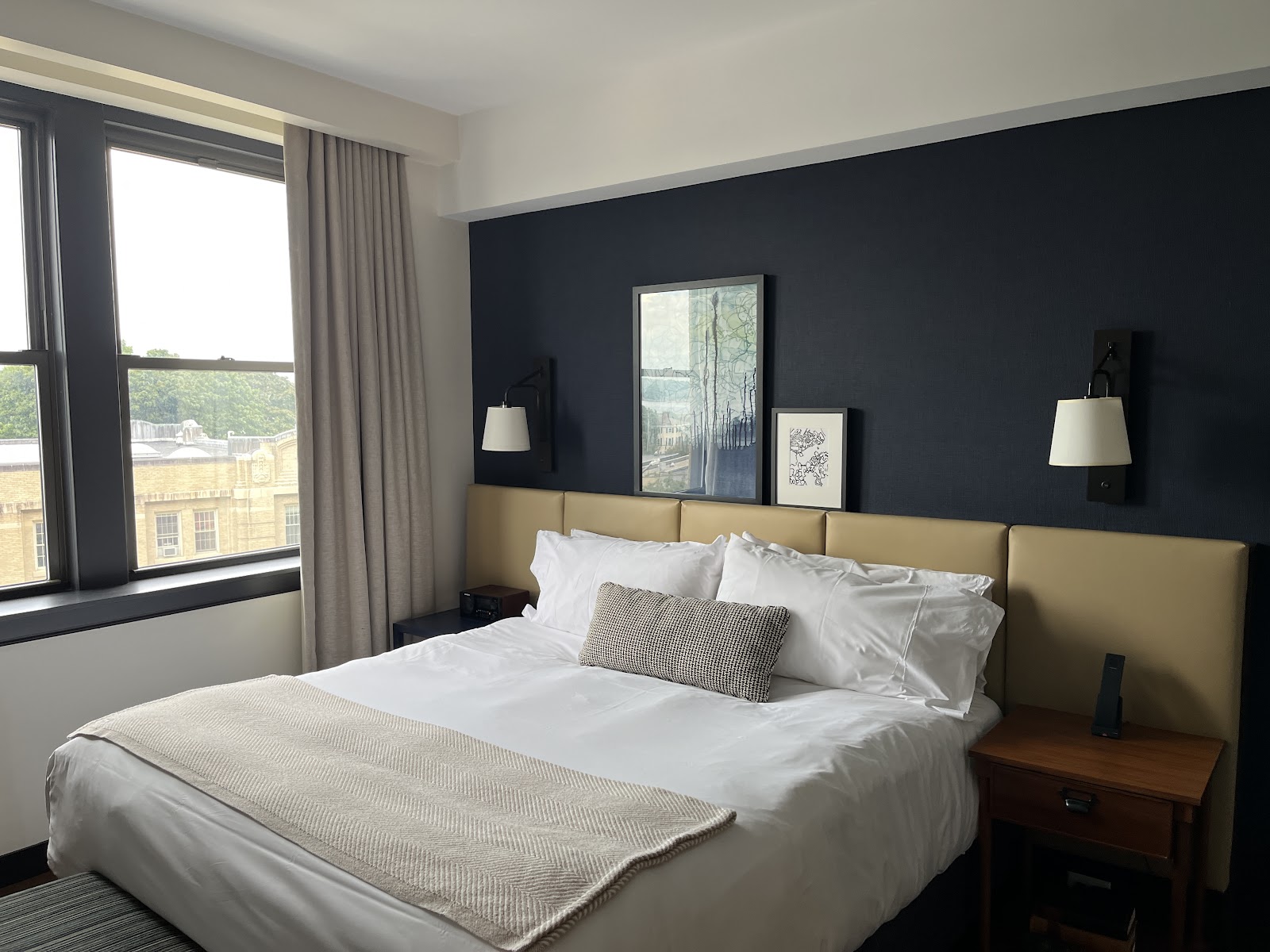
The Press Hotel: A Walk-Through of a Converted Newspaper Building
The former Portland Press Herald headquarters in downtown Portland, Maine, converted into a design hotel with newspaper-themed interiors and period detailing.
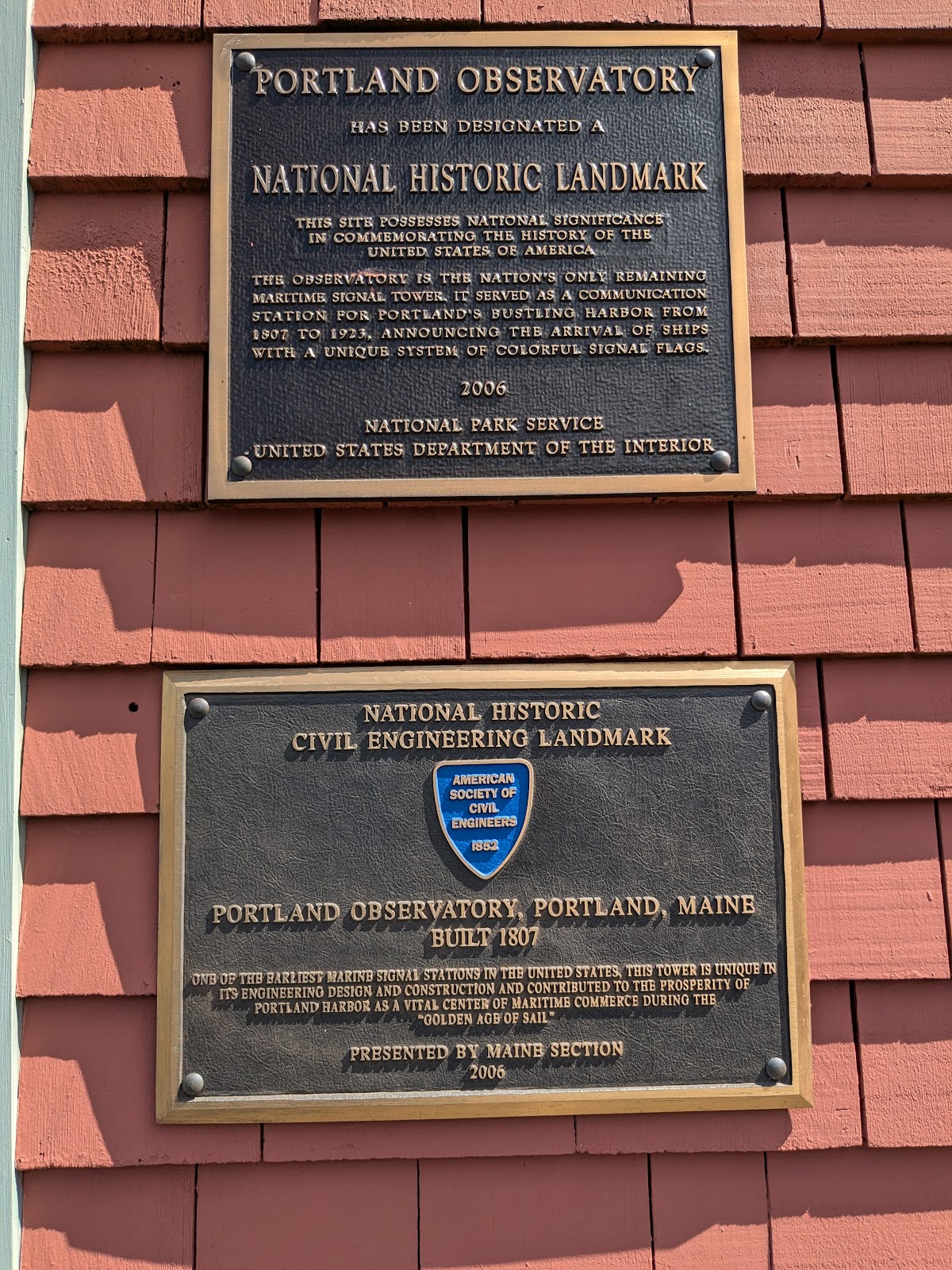
The Portland Observatory: Field Notes on an 1807 Signal Tower
Built 1807 on Munjoy Hill, an octagonal maritime signal tower — the last surviving one in the United States — with views over Portland and Casco Bay.