 The Portland Regency: A Season-by-Season Guide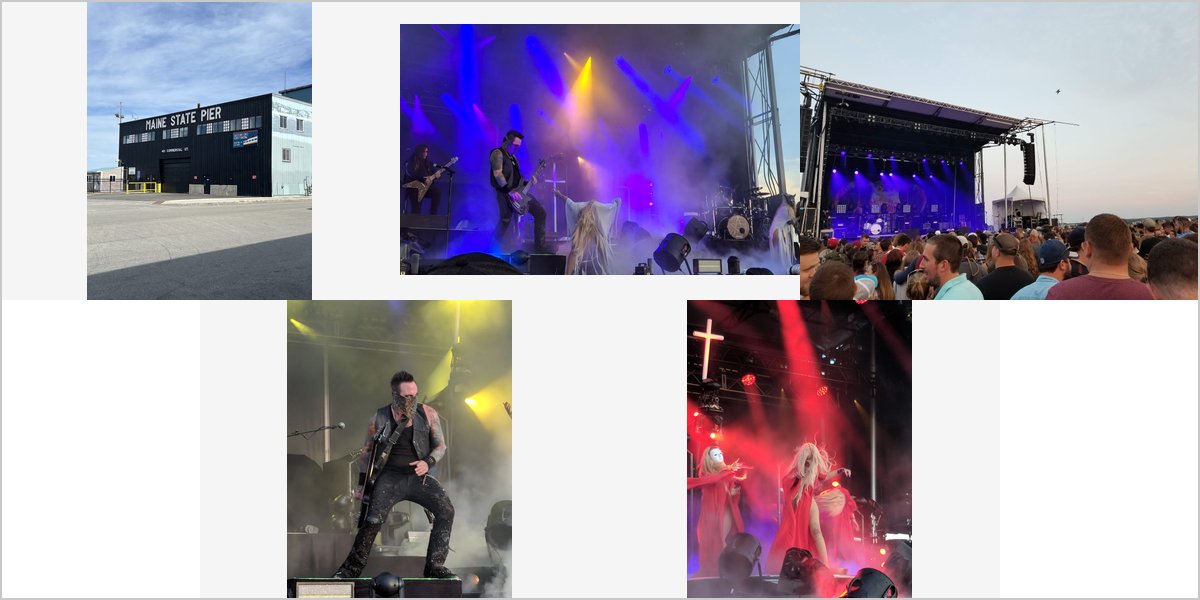
May 23, 2026
The Maine State Pier: Reading the Light on a Working Waterfront
A working pier over Casco Bay. Water is the best natural reflector there is, and here it surrounds you on three sides.
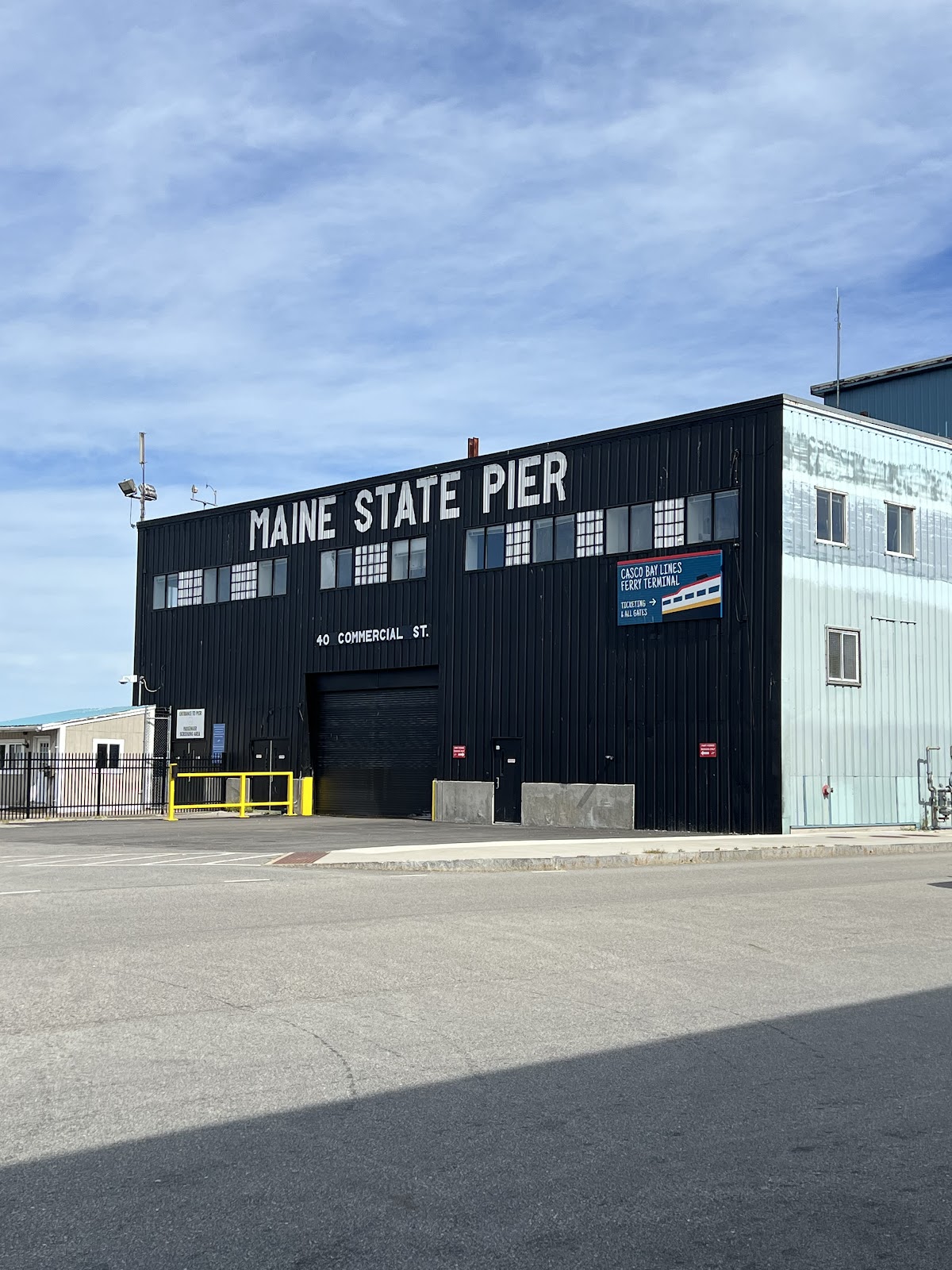
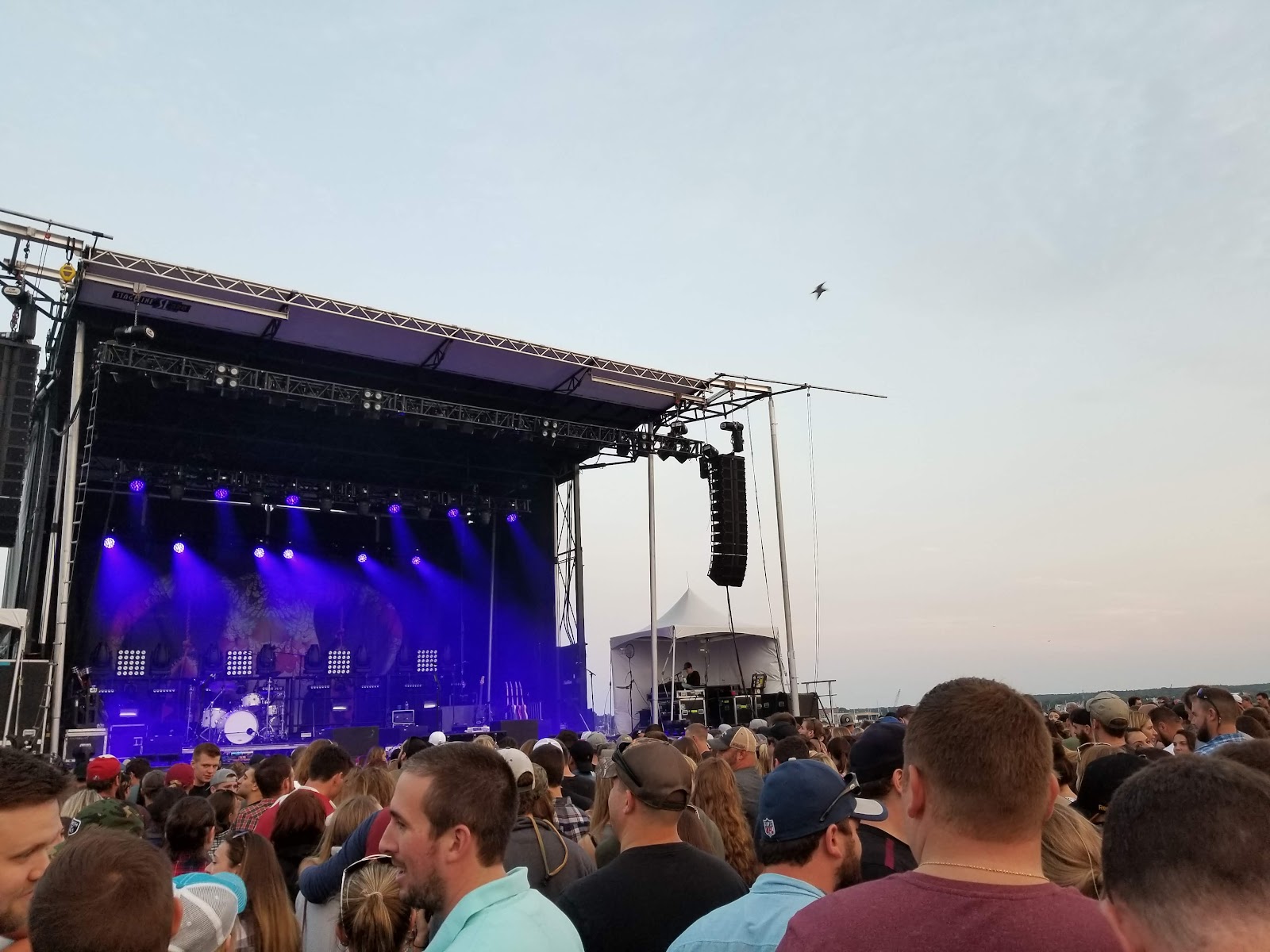
The Maine State Pier extends into Portland harbour with a large pier shed and open deck, used for events, in the middle of a genuinely working waterfront — ferries, fishing boats, commercial traffic and the Casco Bay islands beyond.
Photographically the defining fact is water on three sides. A large body of water is the most flattering natural reflector available, because it returns light upward into faces — filling under brows and chins, which is the exact opposite of the top-down problem that afflicts atriums, galleries and open midday sun. On a pier that effect surrounds you.
This is a light-and-timeline guide. We have not photographed a wedding at the Maine State Pier; harbour light, pier sheds and Maine’s coastal conditions behave predictably. Which spaces are included, whether the deck is exclusive and what the working pier’s operational constraints are are for their team.
Maine State Pier at a glance
| Where | Portland harbour, Maine — a working pier with a shed and open deck |
| Setting | Working waterfront: ferries, fishing boats, commercial traffic, Casco Bay islands |
| Light | Water on three sides reflecting light upward — the best natural fill there is |
| Structure | A large pier shed for shelter; open deck exposed on all sides |
| Plan around | Wind, cold off the water, and a working pier’s operations |
Why water light is so good
Sunlight reaching a face outdoors normally comes from above, which shadows eye sockets and the area under the chin. That is why open midday sun is unflattering and why photographers hunt for shade or bring reflectors. A large body of water solves it for free: light striking the surface bounces upward, arriving at faces from below and filling exactly the shadows the sun creates.
On a pier with water on three sides that effect is unusually strong and it comes from multiple directions at once. Faces are lit from above by the sky and from below by the water, which is close to the arrangement a studio photographer builds deliberately. It is genuinely the most flattering natural light in this series.
Two qualifications. The effect is strongest when the water is calm and the sun is fairly low, because a rough surface scatters rather than reflects and high sun bounces away rather than up. And the light is cool — water and sky light reads blue — so skin can look slightly cold, which a small warm fill or a warm white balance corrects.
Orientation, and when to be where
The pier’s orientation determines everything about timing, and it is the one thing worth establishing precisely. Portland harbour opens broadly east and south-east toward Casco Bay, which means from a pier you are generally looking out across water toward the sunrise rather than the sunset.
That inverts the standard advice usefully. Early morning gives low light coming in across the water toward you — the water lit rather than dull, the islands catching warmth, and the whole harbour at its best. Evening light comes from behind the city over your shoulder, which side-lights the water and front-lights the boats and islands. Both are good and they are quite different.
The practical upshot is that you are not dependent on a single sunset frame. A morning ceremony or early first look is genuinely viable here in a way it is not at a west-facing venue, and the evening still gives you warm light on the bay from behind. Ask which direction the deck faces and plan accordingly.
The pier shed, and shelter that matters
A large pier shed is a substantial asset in this location, and not only for rain. It gives you a roof over open sides, which is the natural-softbox-with-top-gobo arrangement — the roof blocks the overhead component while the open sides admit broad light at head height. Combined with water bouncing up from outside, that is exceptional portrait light in the middle of the day.
It also matters for wind and cold, which on a Portland pier are more significant than rain. Wind off the water is persistent and colder than the air temperature suggests, and it will move veils and hair continuously and make large light modifiers impractical. The shed is where you retreat, and it is genuinely usable rather than a compromise.
Inside, a pier shed will be industrial — steel, timber, concrete, service fittings — which is characterful and absorbent. Bounce flash is unlikely to be useful if the ceiling is high, so plan for stands and modifiers, plus a rim light behind any group to separate them from a dark interior.
The timeline, and the working waterfront
Built around the orientation and the wind rather than a generic template.
- Establish which way the deck faces. It decides whether your best light is morning or evening, and at a harbour venue that is the whole plan.
- Use the shed at midday. Roof plus open sides plus water bounce is excellent light precisely when open deck is harsh.
- Portraits on the open deck when the sun is low, with calm water giving maximum uplight.
- Warn people about the wind and the cold. It is colder on a pier than in the city, and the difference surprises everyone.
- Use the working waterfront deliberately. Fishing boats, ferries, ropes, bollards and the islands are genuine character — far better than pretending the pier is a garden.
What works in your favour
- Water on three sides reflecting light upward — the most flattering natural fill in this series
- A pier shed gives roof-plus-open-sides light, excellent even at midday
- Harbour orientation makes a morning ceremony genuinely viable, not a compromise
- A working waterfront gives authentic character: boats, ropes, bollards, islands
- Casco Bay islands give a real horizon and depth
What to plan around
- Persistent wind off the water, colder than the air temperature suggests
- Wind rules out large light modifiers on the open deck
- Water and sky light is cool; skin can read cold without a warm fill
- Pier shed interiors are industrial and absorbent; bounce flash may not work
- A working pier has operational constraints — confirm what they are

More frames from Maine State Pier
Maine State Pier wedding photography: common questions
Why is water such good light?
Because it reflects light upward into faces, filling the shadows under brows and chins that overhead sun creates. It is the opposite of the top-down problem in atriums and galleries, and on a pier with water on three sides it comes from multiple directions at once — close to what a studio photographer builds deliberately.
When is the best light here?
It depends which way the deck faces, and that is worth establishing precisely. Portland harbour opens broadly east and south-east, so early morning gives low light coming in across the water toward you, while evening light comes from behind the city and side-lights the water. Both are good and quite different.
Is a morning wedding viable?
Genuinely, and more so than at most venues. Because the harbour faces broadly east, morning light comes in across the water with the bay lit rather than dull and the islands catching warmth. That makes an early ceremony or first look a real option rather than a compromise.
What is the pier shed for?
Rain, but also wind, cold and midday light. A roof over open sides is a natural softbox with a top gobo — the roof blocks the overhead component while the open sides admit light at head height, and water bouncing in from outside fills the rest. It is excellent light, not a fallback.
What should guests be warned about?
The wind and the cold. Wind off the water is persistent and it feels colder than the air temperature suggests, which surprises everyone who has not stood on a Maine pier. It will also move veils and hair continuously, so plan bare or minimally modified flash and shoot bursts.
More Portland, ME venue guides
We are writing a photographer’s guide to every venue we would happily shoot in Portland, ME. Here are three more, plus the full index:
- Merrill Auditorium: Lighting a 1912 Civic Hall with a Kotzschmar Organ
- The Portland Harbor Hotel: Working an Old Port Courtyard
- The Portland Museum of Art: Building the Shot List
All Portland, ME Wedding Venues →
Planning a wedding at Maine State Pier?
Water is the best reflector you will ever work with, and here it is on three sides. Tell us your date and which way the deck faces, and we will tell you whether your light is morning or evening.