 The Maine Historical Society: Building the Shot List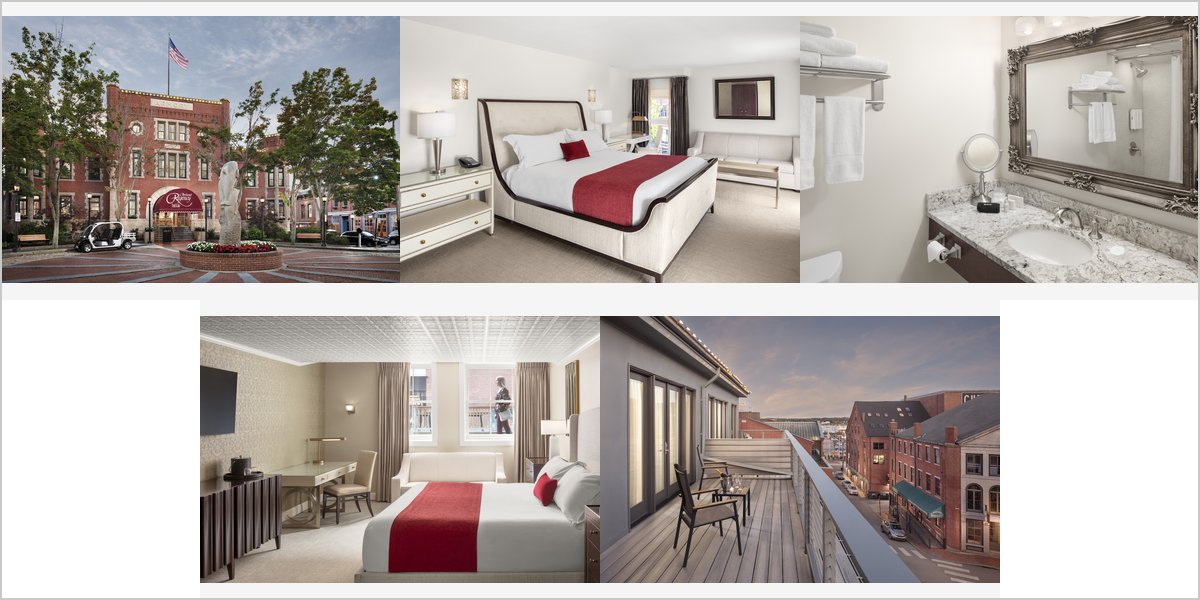
July 11, 2026
The Portland Regency: A Season-by-Season Guide
A converted brick armory in the Old Port. Entirely indoors, which in a Maine winter is exactly what you want.
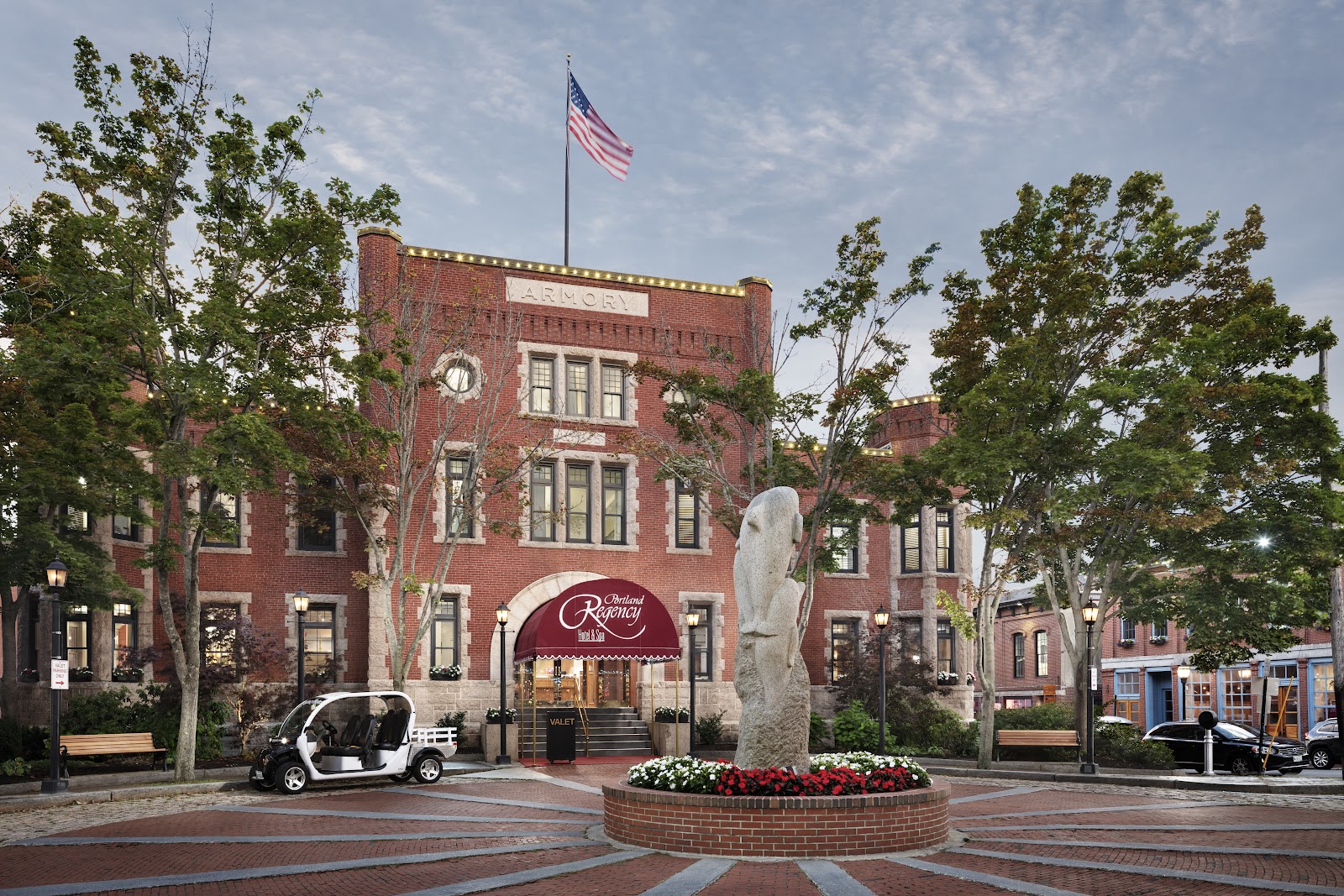
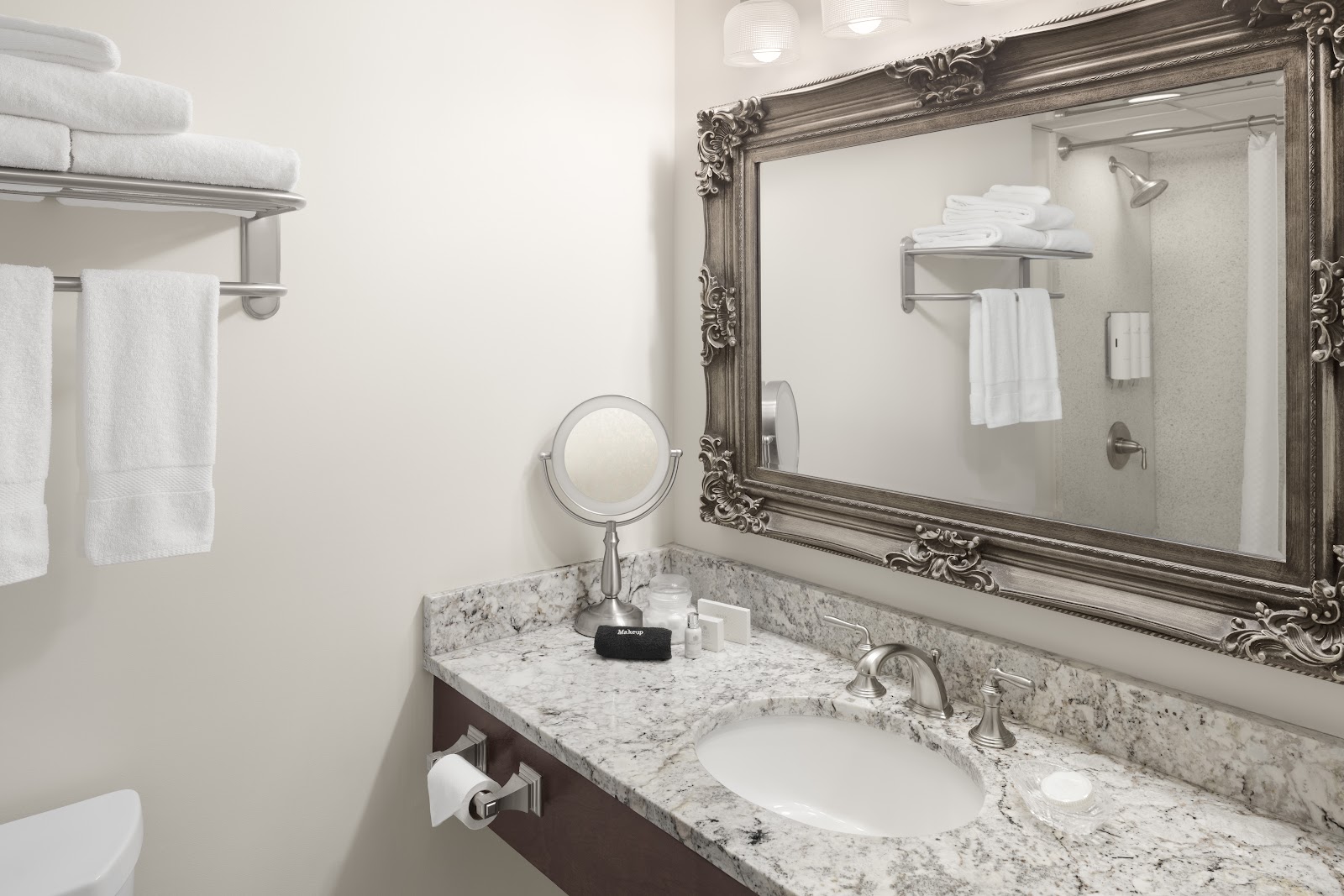
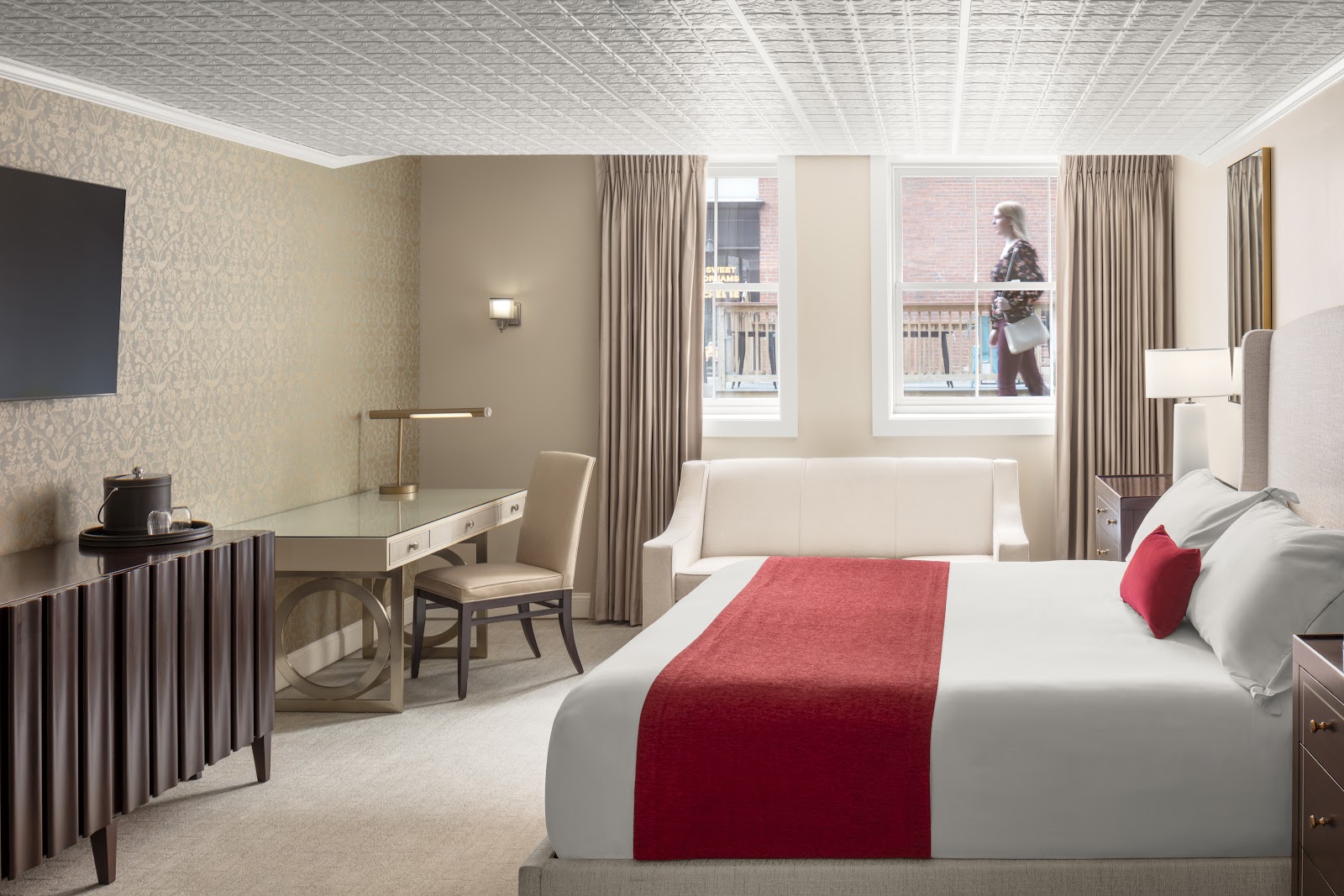
The Portland Regency occupies a brick armory built in 1895 in the heart of Portland’s Old Port, converted into a hotel with function rooms that retain the building’s period brick character.
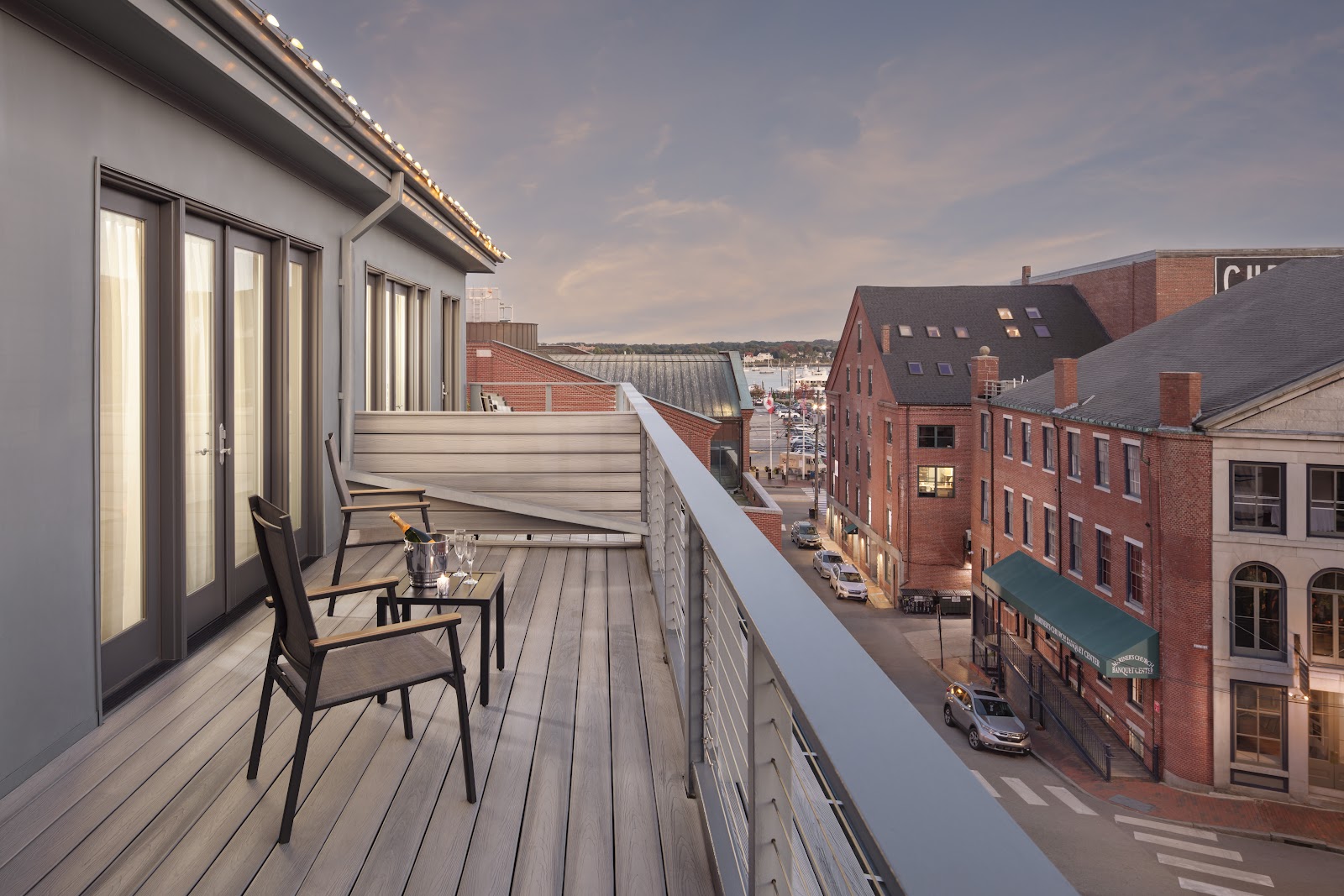
Photographically it is a converted-armory venue in an exceptional district, which means the honest framing is that the interiors are characterful and warm while the Old Port outside is where the strongest frames are. The building supplies brick, period structure and reliable weather-proof space; the district supplies cobbles, granite, water and the best street light in Maine.
Because a venue whose outdoor work happens on public streets is entirely governed by the season, this guide is organised that way. We have not photographed a wedding at the Regency; brick interiors and Old Port light behave predictably. Which spaces are included are for their events team.
Portland Regency Hotel at a glance
| Where | Milk Street, Old Port, Portland, Maine — a converted 1895 armory |
| Character | Period brick function rooms in a converted armory building |
| Light | Warm artificial indoors; the Old Port streets outside do the daylight work |
| Seasonal driver | Maine’s extreme daylight swing and coastal wind |
| The winter case | Entirely indoors, in the middle of the best walkable district in Maine |
Spring: the district comes back
April and May are when Portland becomes properly workable again. Temperatures allow people outside without a coat over the dress, the wind off the water moderates from its winter severity, and the days lengthen quickly — by May there is genuinely generous evening light.
The Old Port is at its best in that light. Cobbled streets, brick and granite frontages and narrow alleys read with real contrast in clear spring air, and because the streets are narrow one side is always shaded with warm bounce from the sunlit buildings opposite. That combination is the most reliable portrait light in the city and it does not depend on the hour.
The caution is that coastal Maine spring is changeable and often raw — a warm still afternoon and a cold windy one can be a day apart. The venue being entirely indoors means that is an inconvenience rather than a crisis, which is precisely its advantage.
Summer: long evenings and a busy district
July and August give Portland its longest days, with usable light well past eight in the evening. That is a genuine gift: the last hour of daylight and the twenty minutes after sunset fall comfortably after dinner has started, which means the outdoor block can be a relaxed mid-evening excursion rather than a squeeze before the meal.
The complication is crowds. The Old Port in summer is the busiest it gets, with tourists, restaurant terraces and general activity, so wide frames will contain strangers. Longer lenses at wide apertures handle most of it, and the district thins considerably after about nine — which in July is still within the usable light.
Coastal summer humidity is modest compared with the South, but it does haze distant harbour views. Clear days give you Casco Bay with real separation; hazy ones give a soft wash.
Autumn: the best balance
September and October are the strongest overall. The crowds thin, the air becomes exceptionally clear — coastal autumn air in Maine is about as clear as it gets — and the sun stays low through much of the afternoon, which widens the good light window considerably.
Brick and granite in clear low autumn light is the best this district looks. The contrast is high, the colour is warm, and the cobbles hold the light. Add whatever street trees there are turning, and an autumn Old Port block is genuinely excellent.
Daylight is shortening fast, though. By late October the sunset has moved to the early evening, which means the outdoor block needs to sit before or immediately after the ceremony rather than later. That is the trade for the better light.
Winter: better than couples expect
This is the season worth making the case for, because couples discount it and at this venue they should not. The building is entirely indoors and weather-proof, which removes the risk that makes winter difficult elsewhere. And the Old Port in winter has genuine advantages.
It is quiet — the crowds that fill it in July are gone, so a cobbled street at five in the afternoon may be empty. The sunset arrives mid-afternoon, which means the twenty minutes after it happens at a civilised hour rather than at nine o’clock. Lit restaurant and bar frontages along the cobbles give real warm light coming from the buildings rather than only from the sky. And wet cobbles after rain or snowmelt double every light source in a way asphalt never does.
The honest caveats are cold and wind. Wind off the water in a Maine January is genuinely severe and it is the wind rather than the temperature that limits outdoor time — five or ten minutes is realistic, not thirty. So plan a short, well-scouted excursion rather than an open-ended walk, and let the interior carry the rest.
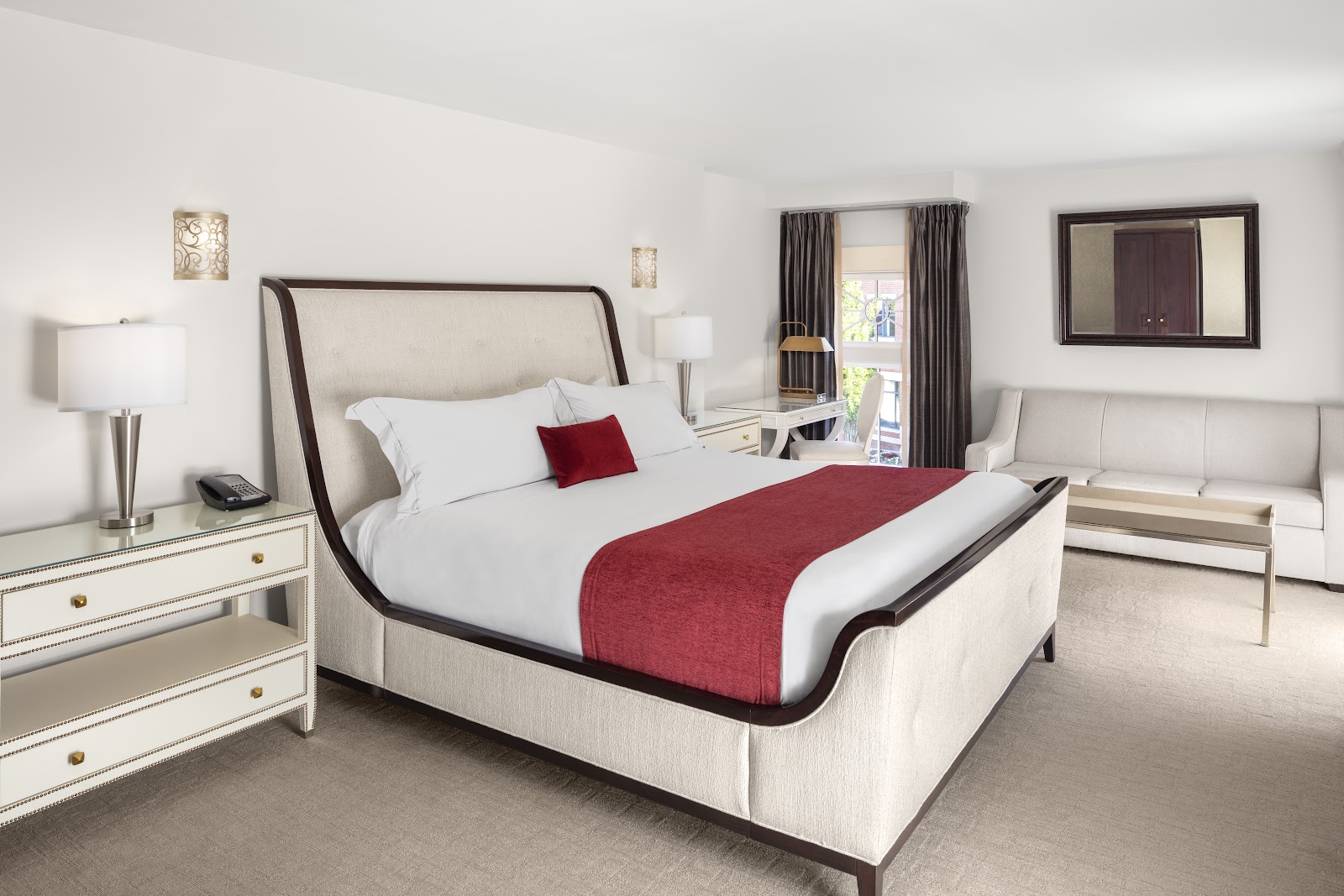
Indoors, the brick armory interiors are warm and absorbent: brick sits two to three stops below white and returns warm, so plan stands and modifiers rather than bounce if the ceilings are high, keep the room warm in white balance and light faces slightly cooler.
There is one winter-specific technical detail that catches people out repeatedly. Moving a camera from a Maine January street into a warm brick interior fogs the front element immediately, and it takes several minutes to clear — during which the entrance photographs, which is exactly when you have come back inside, are unshootable. Either keep one body acclimatised indoors and only take the other out, or accept the gap and plan the entrance shot before the excursion rather than after it. It sounds trivial and it has cost more wedding photographers a key frame than any other cold-weather problem.
What works in your favour
- Entirely indoors and weather-proof, in the middle of the best walkable district in Maine
- Narrow Old Port streets give shade with warm bounce at almost any hour
- Long July evenings put the outdoor block comfortably after dinner starts
- Clear autumn air makes brick and granite read at their best
- Winter Old Port is quiet, lit from the buildings, and the dusk window lands mid-afternoon
What to plan around
- Period brick interiors are warm and absorbent; bounce may not work if ceilings are high
- The Old Port is genuinely crowded in summer — wide frames will contain strangers
- Winter wind off the water limits outdoor time to five or ten minutes, not thirty
- Late-autumn sunsets force the outdoor block before or immediately after the ceremony
- Summer haze softens distant harbour views
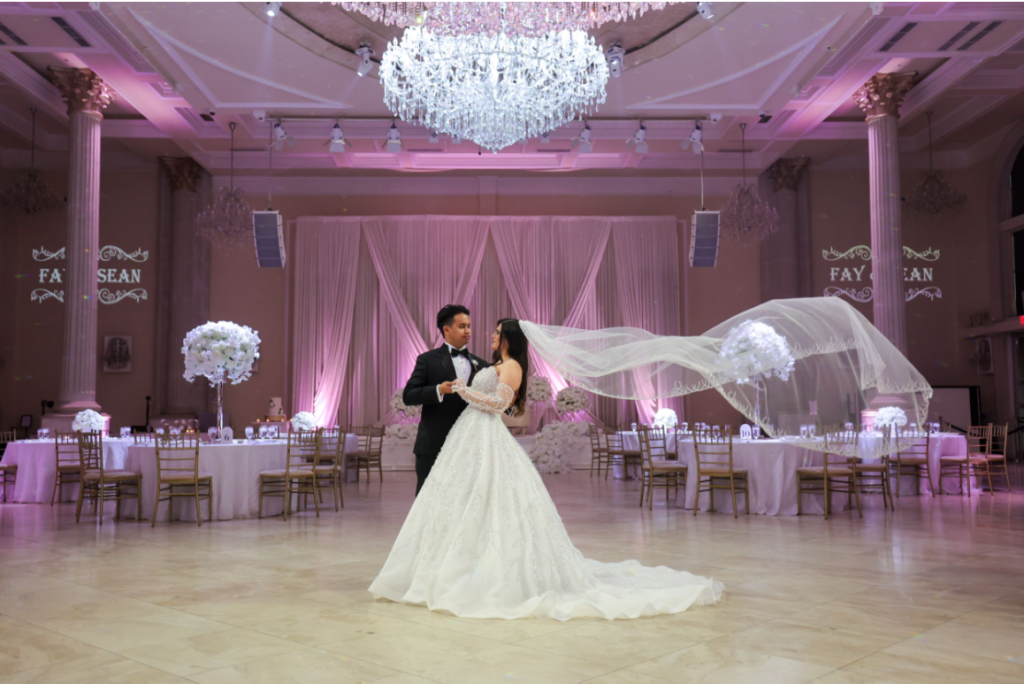
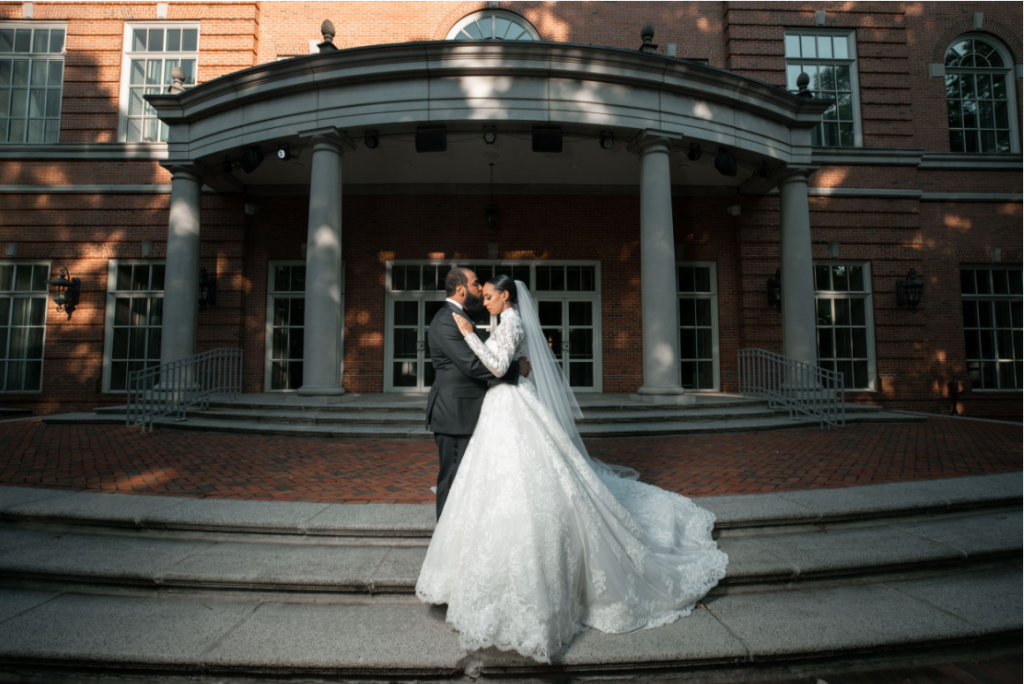
More frames from Portland Regency Hotel
Portland Regency Hotel wedding photography: common questions
What is the best season here?
September and October. The summer crowds thin, coastal autumn air is exceptionally clear, and the sun stays low through much of the afternoon so the good light window widens. Brick and granite in clear low light is the best the Old Port looks.
Is a winter wedding a bad idea?
Not at this venue, and couples discount it too quickly. The building is entirely indoors and weather-proof, the Old Port is quiet with the summer crowds gone, lit restaurant frontages give real warm light from the buildings, and the dusk window lands mid-afternoon rather than at nine o’clock.
What limits outdoor time in winter?
Wind rather than temperature. Wind off the water in a Maine January is severe, and it is what makes standing outside untenable — five or ten minutes is realistic, not thirty. Plan a short well-scouted excursion rather than an open-ended walk.
How bad are the summer crowds?
The Old Port in July and August is the busiest it gets, with tourists and restaurant terraces, so wide frames will contain strangers. Longer lenses at wide apertures handle most of it, and the district thins considerably after about nine — which in July is still within usable light.
What is the most reliable light in the district?
The shaded side of a narrow street, with warm bounce from the sunlit buildings opposite. Because Old Port streets are narrow, one side is shaded at almost any hour, so this light does not depend on the clock — which makes it more dependable than golden hour.
More Portland, ME venue guides
We are writing a photographer’s guide to every venue we would happily shoot in Portland, ME. Here are three more, plus the full index:
- The Press Hotel: A Walk-Through of a Converted Newspaper Building
- The State Theatre: Field Notes on a 1929 Movie Palace
- The Tate House: Who This 1755 House Suits
All Portland, ME Wedding Venues →
Planning a wedding at Portland Regency Hotel?
An indoor venue in a great walkable district makes winter a real option rather than a compromise. Tell us your date and we will give you the sunset time and plan a block that matches the month.