The buildings in Manhattan are largely made of native Kansas limestone, and that single material fact produces the governing photographic decision at almost any venue here. Limestone is not a neutral surface. It is pale, cream-to-buff in colour, coarse in texture, and it reflects a great deal of the light falling on it — which makes a sunlit limestone wall a large, warm, directional source rather than a background. A couple standing three metres from a lit limestone elevation is being lit by that wall, whether or not anyone intended it.
So the decision is whether to use the stone as the light or to take control of the faces yourself. Using it means standing the couple in shade three to four metres out from a sunlit face, turned towards it, which gives soft warm directional light for nothing — with a custom white balance set on a face in position, because limestone bounce is markedly warmer than daylight. Working against it means gelling your own source warm to sit near the stone's colour, because an ungelled flash gives a face lit from two directions at two temperatures, and that cannot be corrected afterwards.
The same rock explains the landscape. Manhattan sits in the Flint Hills at the confluence of two rivers, with limestone bluffs above the valley — so there is genuine relief here rather than the flat prairie people expect, and elevation is available. The Flint Hills is the largest remaining expanse of tallgrass prairie in North America, preserved precisely because the flint-bearing limestone close to the surface made the hills unploughable: they were grazed rather than cultivated and the original grassland survived.
Tallgrass changes through the year more dramatically than almost any surface — big bluestem and Indian grass stand above head height by late August, turn bronze in autumn and hold that colour standing through winter, so bronze grass against pale limestone is the region's own colour pairing. In late March and April the grassland is burned, giving blackened ground, smoke on the horizon, and an intense green flush within weeks. Wind is the constant with very little to break it, which means no lightstands outdoors and a veil that will not behave.
And winter is when the stone looks best: a December midday sun at about twenty-seven degrees above the horizon rakes it all day, and snow against warm limestone is a strong and genuinely local contrast. The guides below take each venue on its own terms.
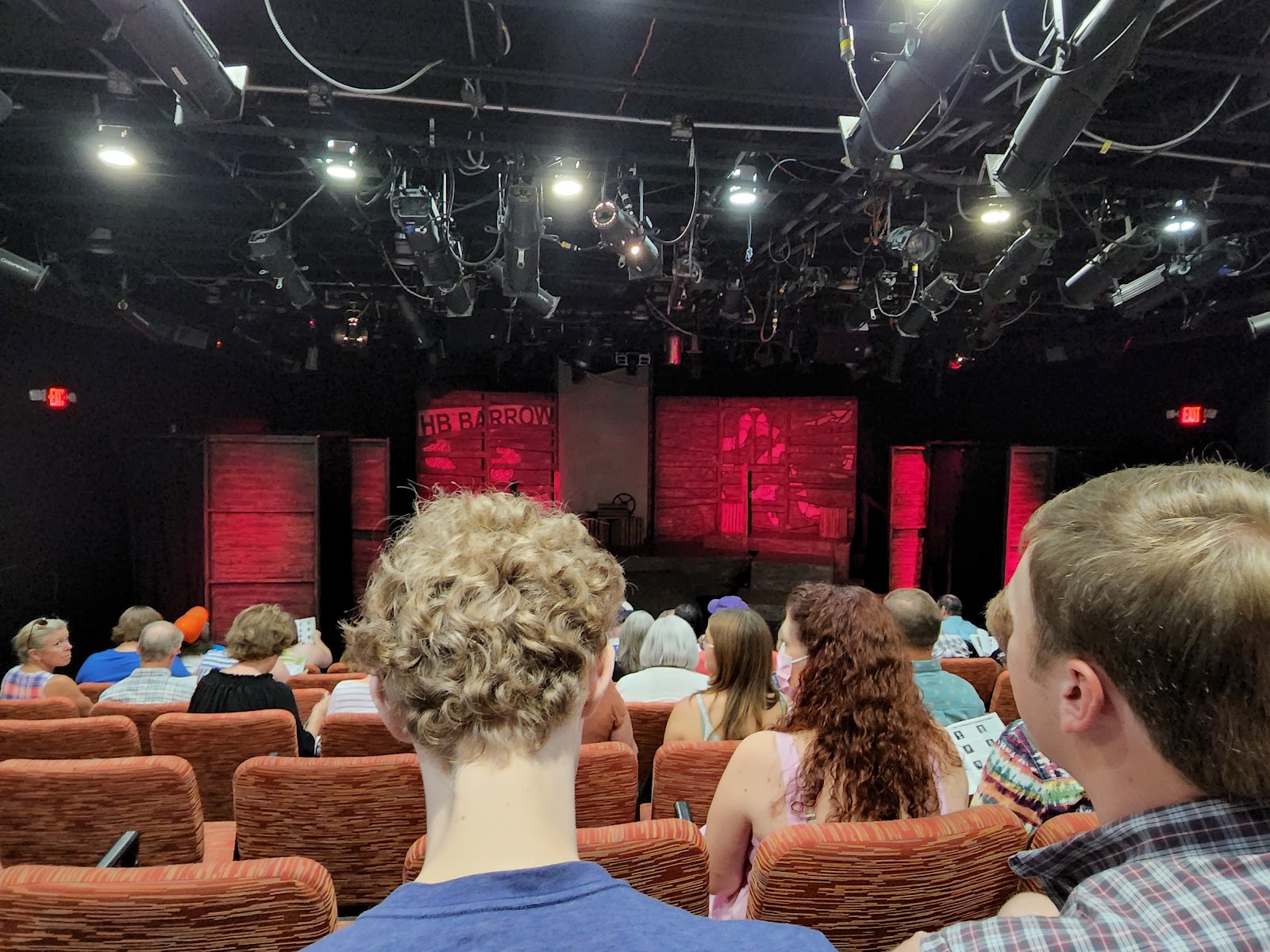
The Manhattan Arts Center, Manhattan: A Walk Through the Building
A Manhattan arts centre walked in the order a wedding day uses it — lobby, gallery, theatre and out.

Colbert Hills Golf Course, Manhattan: What It Suits, and What It Does Not
A Flint Hills golf course — open ground, real elevation, and four difficulties worth knowing in advance.
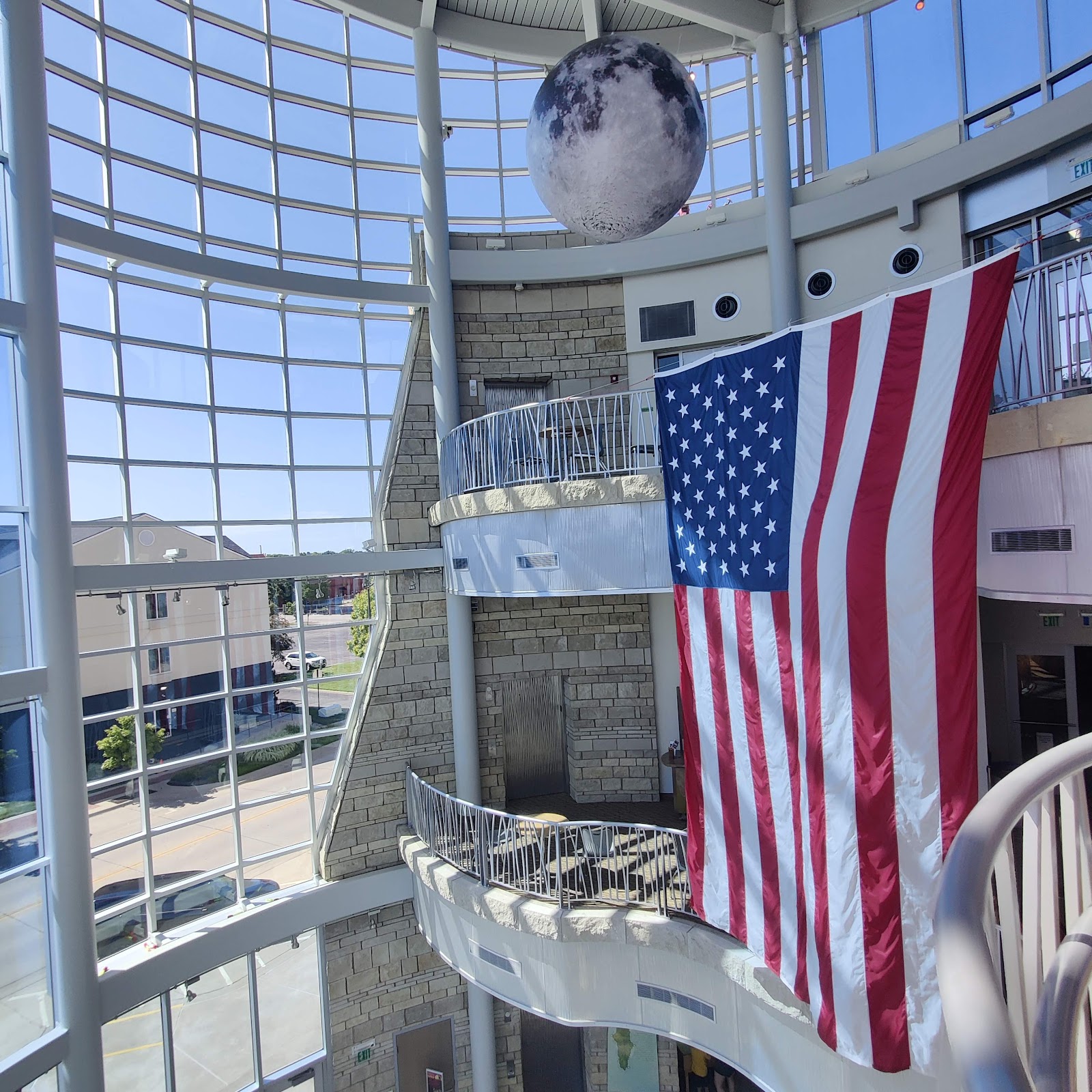
The Flint Hills Discovery Center, Manhattan: One Frame, and How It Is Made
A modern Manhattan museum with full-height glazing — and the one frame those windows exist to give.
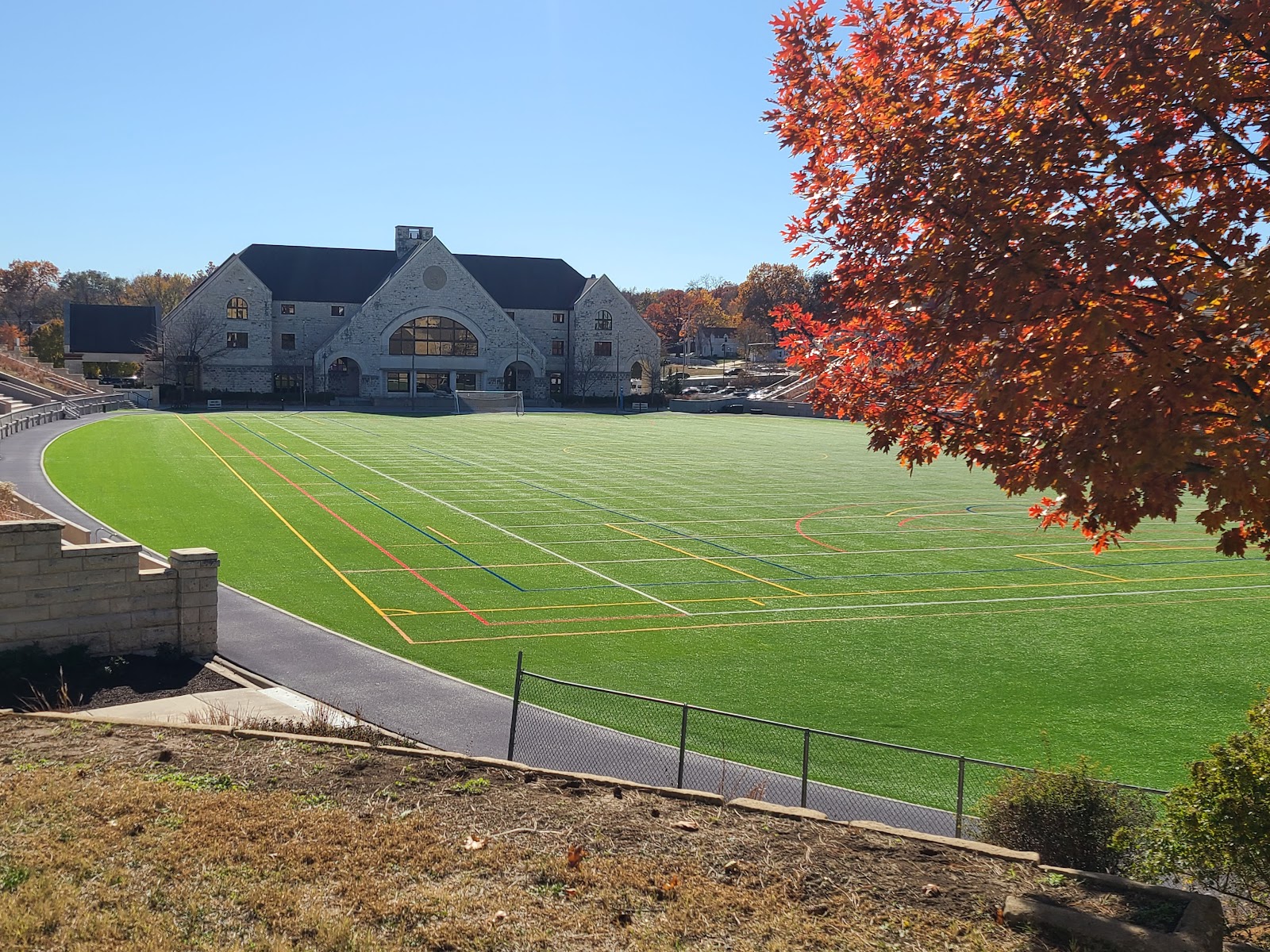
The Kansas State University Alumni Center, Manhattan: The One Decision That Governs Everything
A Manhattan venue built of native Kansas limestone — and the one decision that stone forces on a photographer.