Tennessee is unusually long and unusually varied, and the variation is organised. The state runs about seven hundred kilometres west to east and it crosses, in that distance, from the Mississippi floodplain at around eighty metres above sea level to the crest of the Great Smoky Mountains at over two thousand — one of the widest elevation ranges of any state east of the Rockies.
Tennesseans divide it into three grand divisions, and the division is geological rather than sentimental: West Tennessee is Gulf coastal plain and Mississippi alluvium, flat and deep-soiled; Middle Tennessee is the Nashville Basin and the Highland Rim around it, limestone with thin soil over rock; East Tennessee is the Great Valley and then the Blue Ridge. For a photographer that means the light in this state is not one thing, and a set made in Memphis and a set made in Nashville will not match without a decision about how to reconcile them.
The two cities in this collection sit in the western and middle divisions and they differ in every way that matters. Memphis is on the fourth Chickasaw Bluff, the only high ground on the east bank of the lower Mississippi for hundreds of miles, looking west across half a kilometre of moving water at an Arkansas bank that is flat to the horizon. That gives an unobstructed western sky and a sunset that runs all the way down, which is rare in the interior of the country, where most river cities look at a bank that rises and cuts the last twenty minutes off the sun.
Memphis is also built on loess, fine deep windblown silt, which grows things to a size thin ground never allows — so the canopies close overhead, the understorey works as a wall, and a garden there feels denser and taller than a garden of the same age further north. Nashville is a hundred and fifty miles east and three hundred feet higher, in a shallow bowl of grey fossiliferous limestone with almost no soil over it.
It is flat, its street trees are smaller, its redeveloped districts have next to no canopy, and its local stone photographs cold — blue-grey in shade, needing warming deliberately or the older buildings look lifeless.
The shared conditions are the ones that come from being a humid subtropical region at around thirty-five to thirty-six degrees north, and there are four of them worth knowing before any Tennessee date. The midsummer noon sun sits between seventy-seven and seventy-nine degrees, which is high enough to be genuinely difficult on open ground for about three hours in the middle of a summer day — flat top light, black eye sockets, and heat coming back up off paving.
Civil twilight runs twenty-four to twenty-six minutes in midsummer and slightly less at the equinoxes, with the useful balance point, where sky and artificial light are within a stop of one another, lasting ten to twelve minutes of that. It is short, it is fixed, and it does not negotiate: know the closing frame in advance and walk to it. Humidity is the great compensator and it reverses an instinct most photographers bring from drier places.
July dewpoints in the low to mid seventies mean the air is full of water vapour, and water vapour scatters light into shadows, so a sunlit surface here in July carries roughly two stops less shadow contrast than the same sun angle in Arizona — soft shadow edges, eye sockets holding detail, and midday open shade that is a usable portrait light rather than a compromise.
It costs a pale washed sky in wide frames, visible haze past about eighty-five millimetres, and a lens that fogs within seconds on the way out of air conditioning into summer air, which on any day alternating between the two is a recurring problem rather than a one-off. Keep the camera warm. And spring is the season of both the best light and the real risk: Tennessee lies in an active severe-weather corridor, with Memphis on the eastern edge of the most active part of it, and the systems that arrive between March and May are organised and fast with genuine wind rather than passing showers.
Any outdoor element in that window needs a covered alternative that exists, is reachable in minutes, and has been looked at rather than assumed. Middle Tennessee adds one hazard the west of the state largely escapes, which is occasional winter freezing rain — a travel problem rather than a photographic one, but worth a contingency on a January date.
Season by season across the state: October into early November is the best window everywhere in it, with dry air, no haze, comfortable temperatures, sun angles low enough that the whole afternoon works, and colour holding late — bald cypress in the west turning rust in November long after other deciduous colour has dropped. Late March into April is beautiful and risky.
Summer is workable at the two ends of the day with the middle given up, and the half hour after an afternoon storm clears is the finest light of the year in either city: washed air, wet paving mirroring the sky, saturated planting, and a low sun under a broken ceiling.
Winter is short, with sunset before five in Memphis and before half past four in Nashville, which compresses a whole day and frequently puts the best twenty minutes of light during cocktails — but the light itself is the best of the year in quality, with a thirty-degree noon sun modelling faces at every hour, no haze at all, and evergreen material throughout the south of the region, magnolia in the west and redcedar in the middle, so a January frame still has structure and dark mass in it rather than only bare branches.
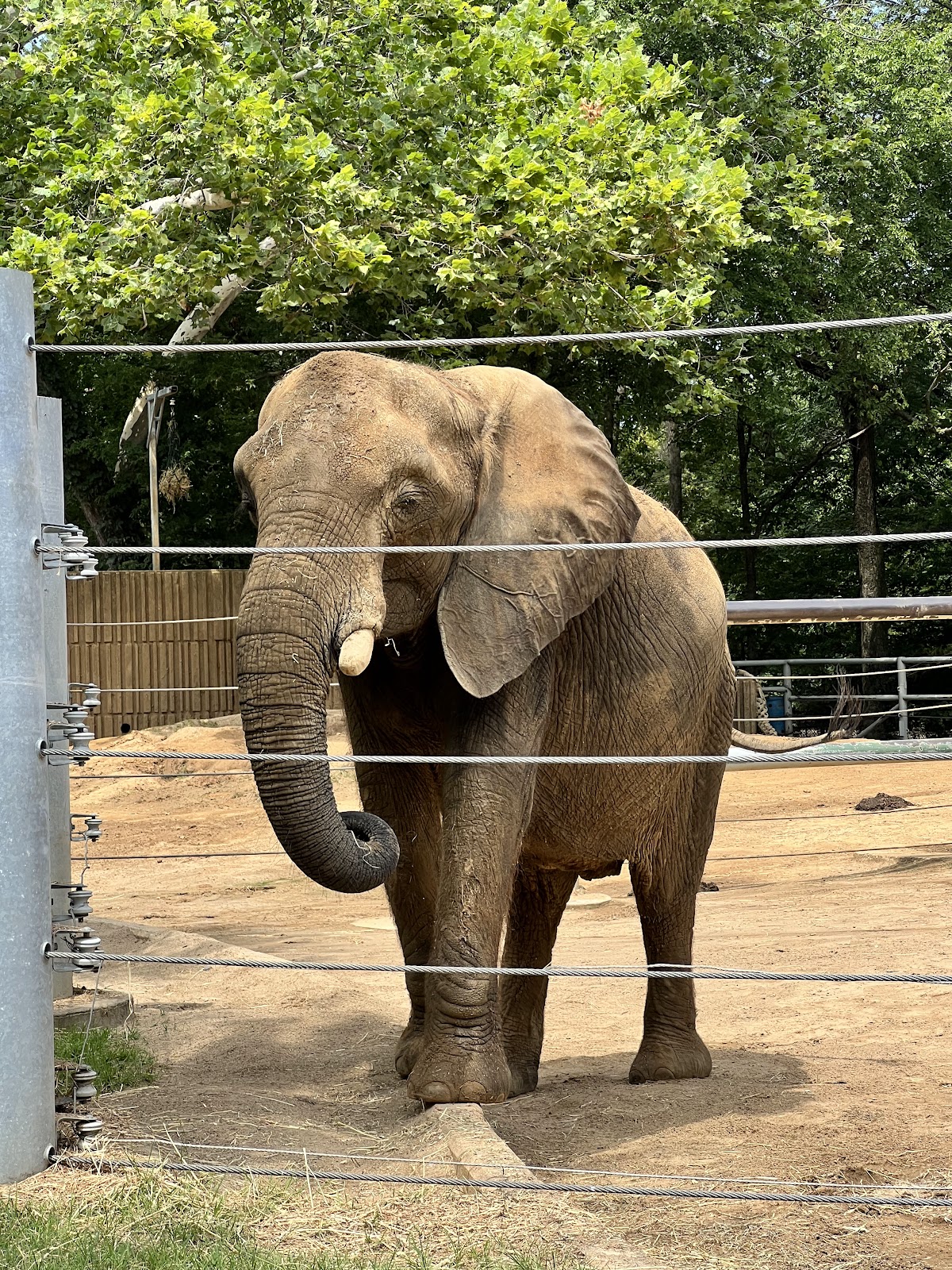
The Memphis Zoo: The Problem, and Four Ways Out of It
A zoo in Overton Park with an Egyptian Revival entrance — and a set of backgrounds designed for animals rather than for photographs.
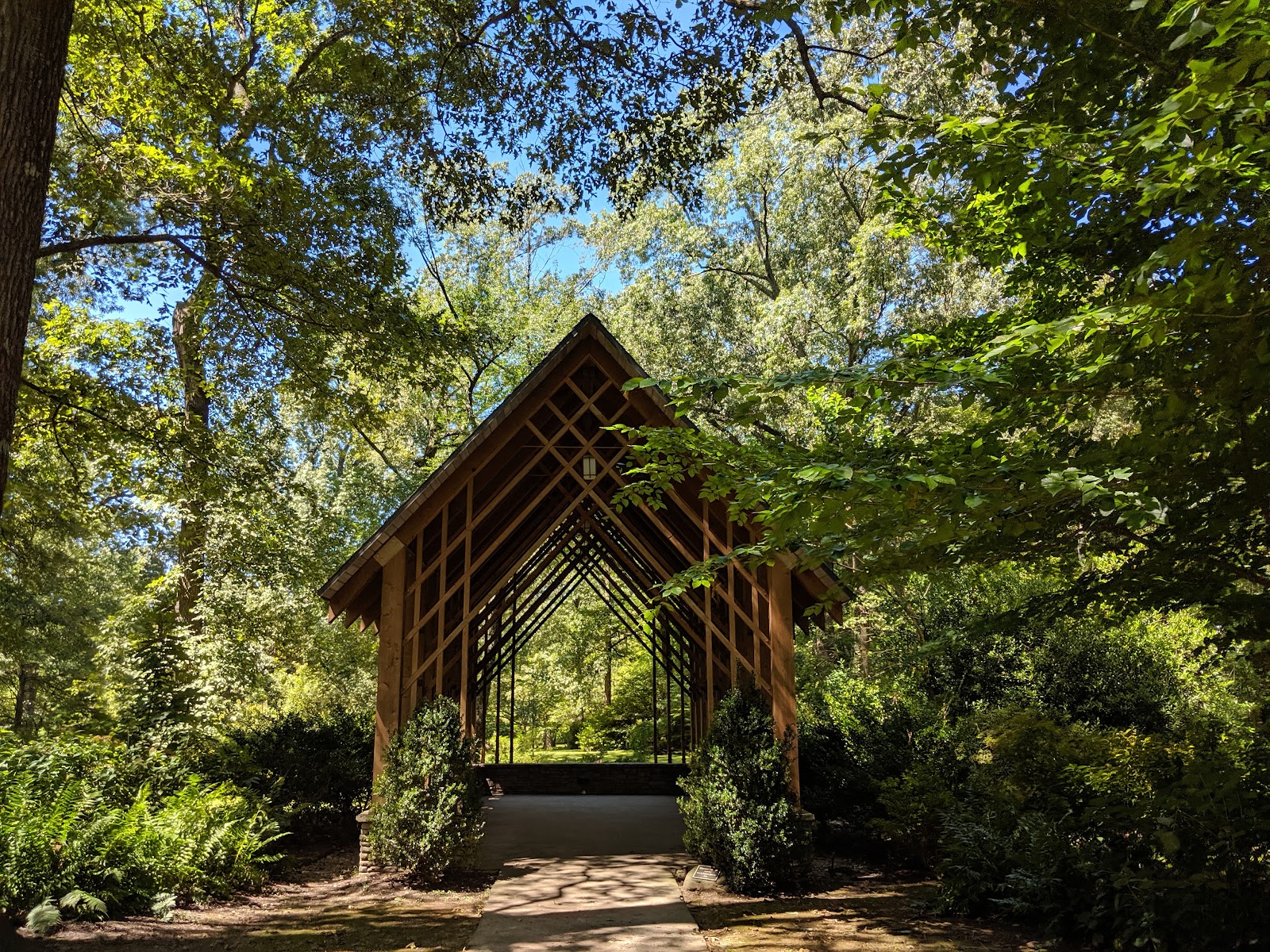
The Memphis Botanic Garden: The Venue’s Own Logic
Ninety-six acres organised as dozens of small gardens — which means it is not one venue but a sequence of them.
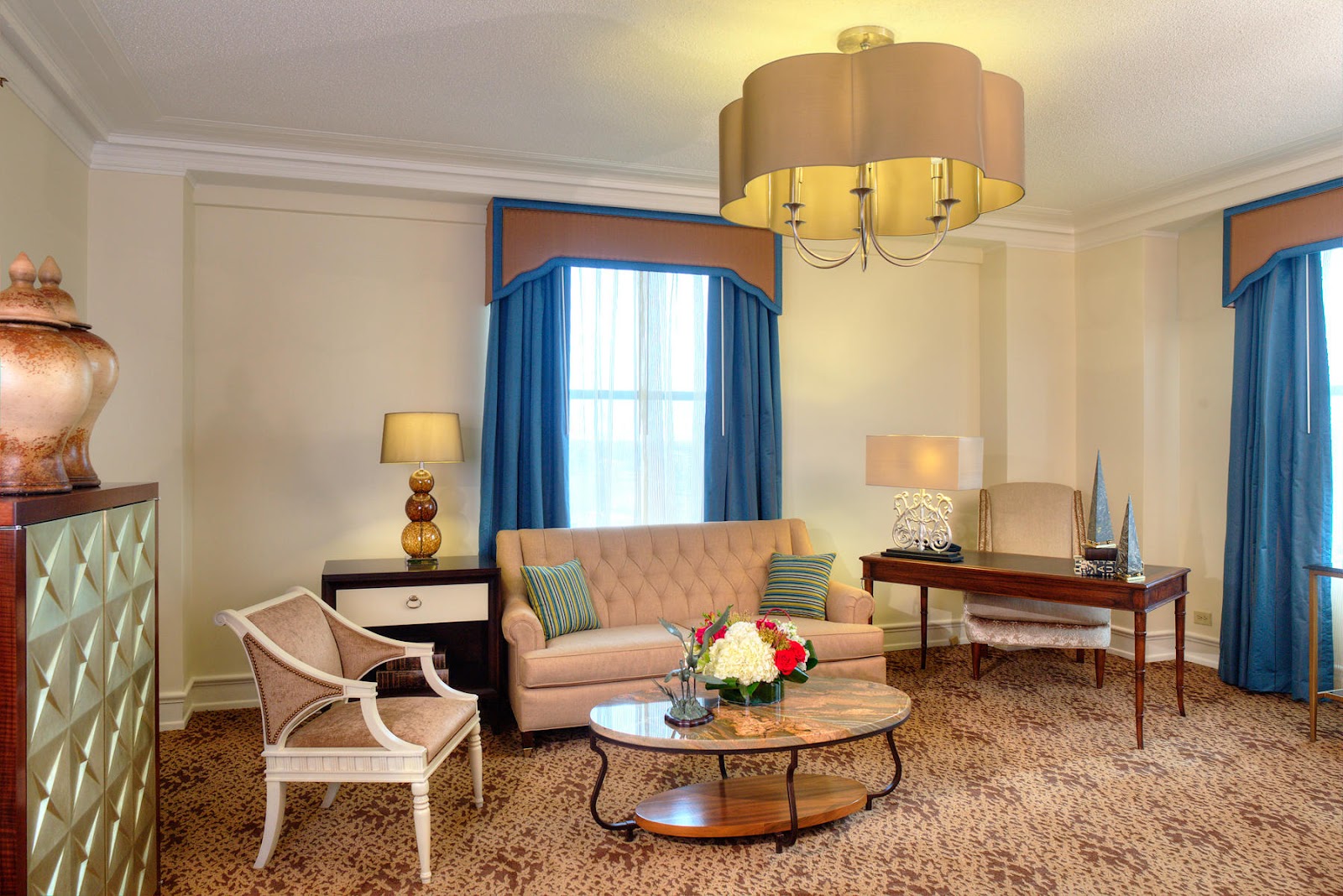
The Peabody Memphis: The One Decision That Governs Everything
A 1925 grand hotel in downtown Memphis whose best interior room has a public appointment every afternoon.
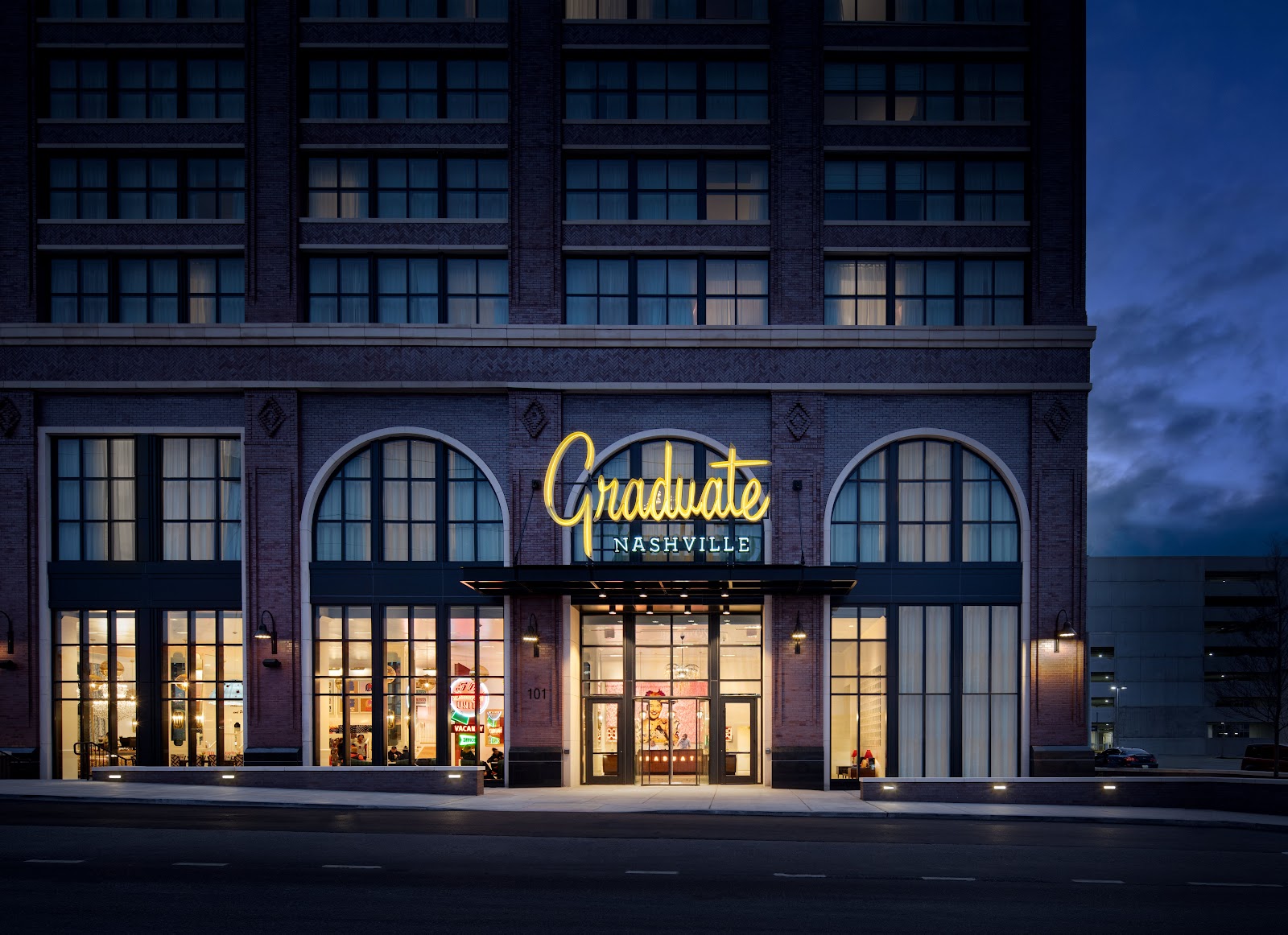
The Graduate Nashville: Field Notes, Problem and Solution
A maximalist hotel in Midtown where every surface is patterned — which is a problem with four specific solutions.
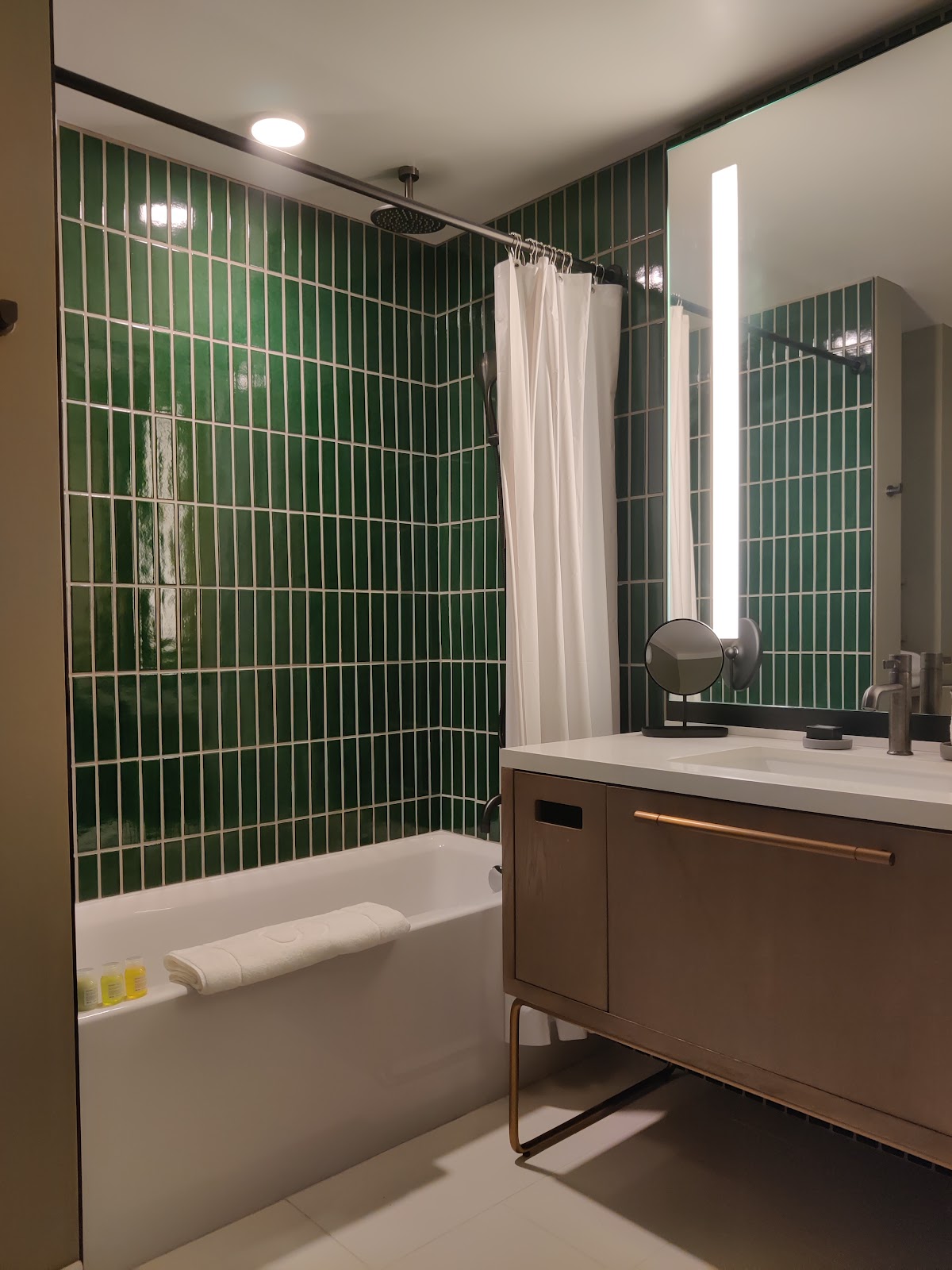
The W Nashville: One Frame, and How It Is Made
A design-led hotel in the Gulch, opened in 2021 — and one frame that only a building like this can give you.
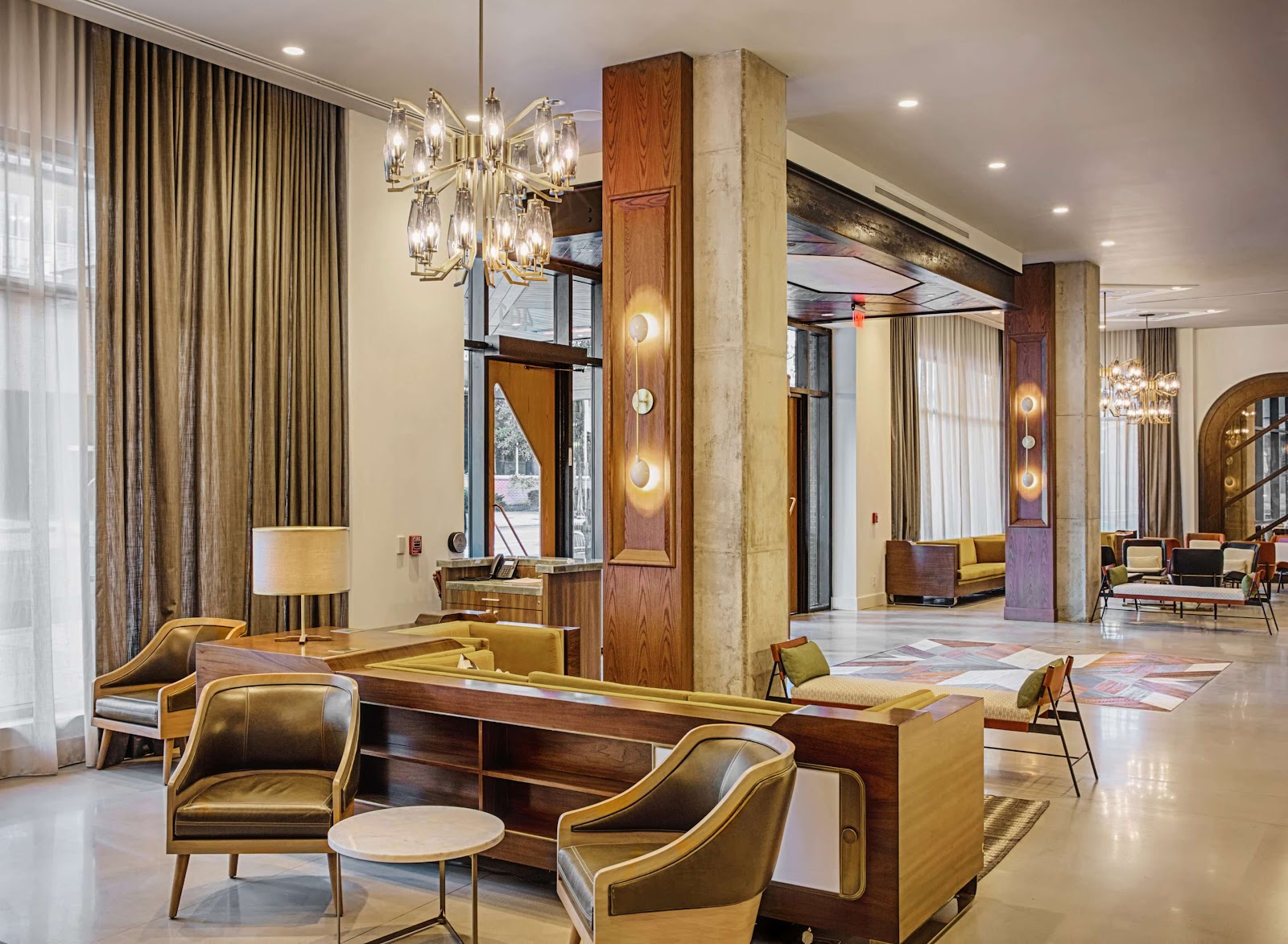
The Thompson Nashville: A Walk Through the Building
A mid-rise in the Gulch, opened in 2016, with a roof worth climbing to — and a neighbourhood built in a railway cut.
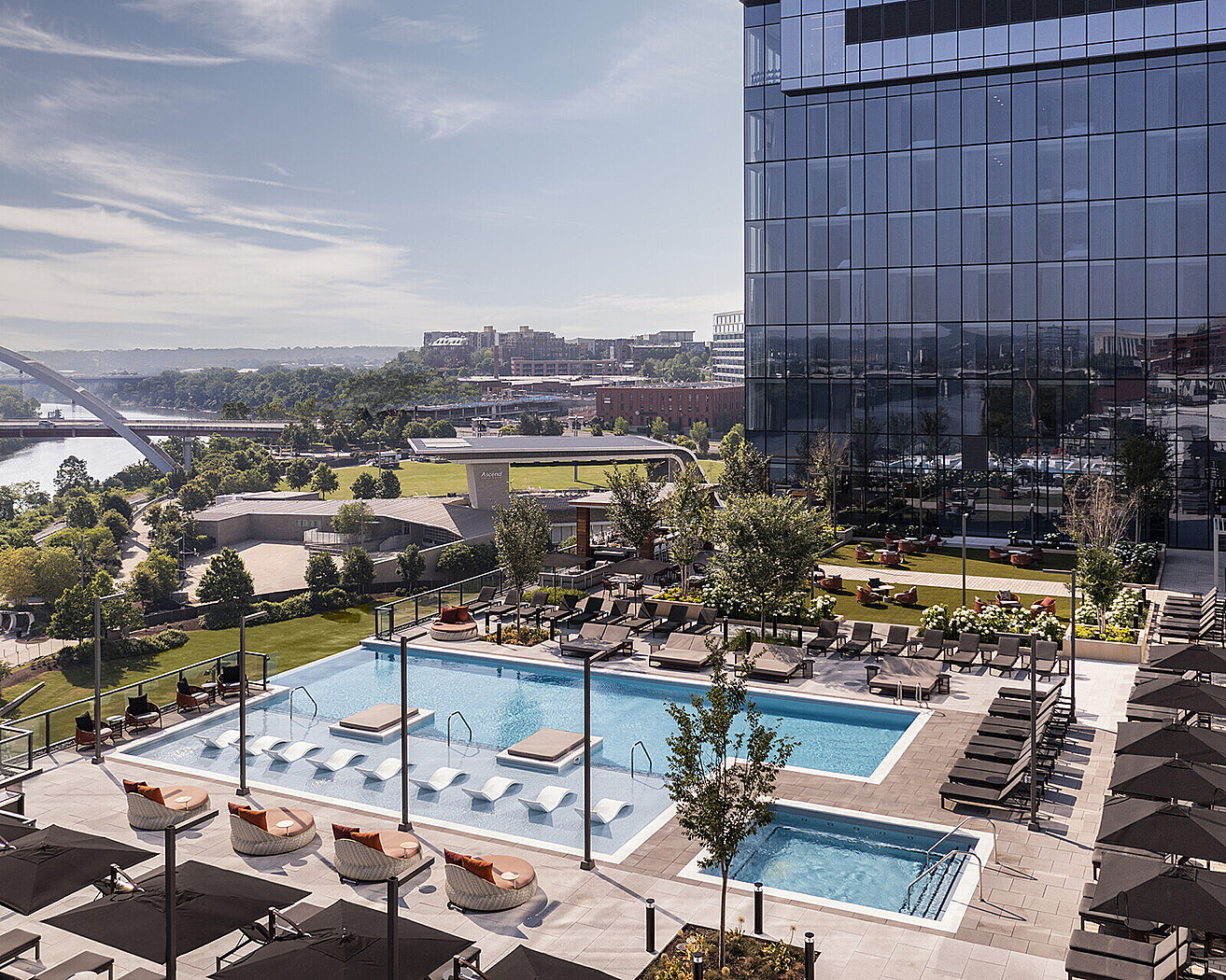
The Four Seasons Nashville: The Light Through the Day
A tower of around forty storeys in SoBro, opened in 2022 — and a set of light problems specific to modern glass.
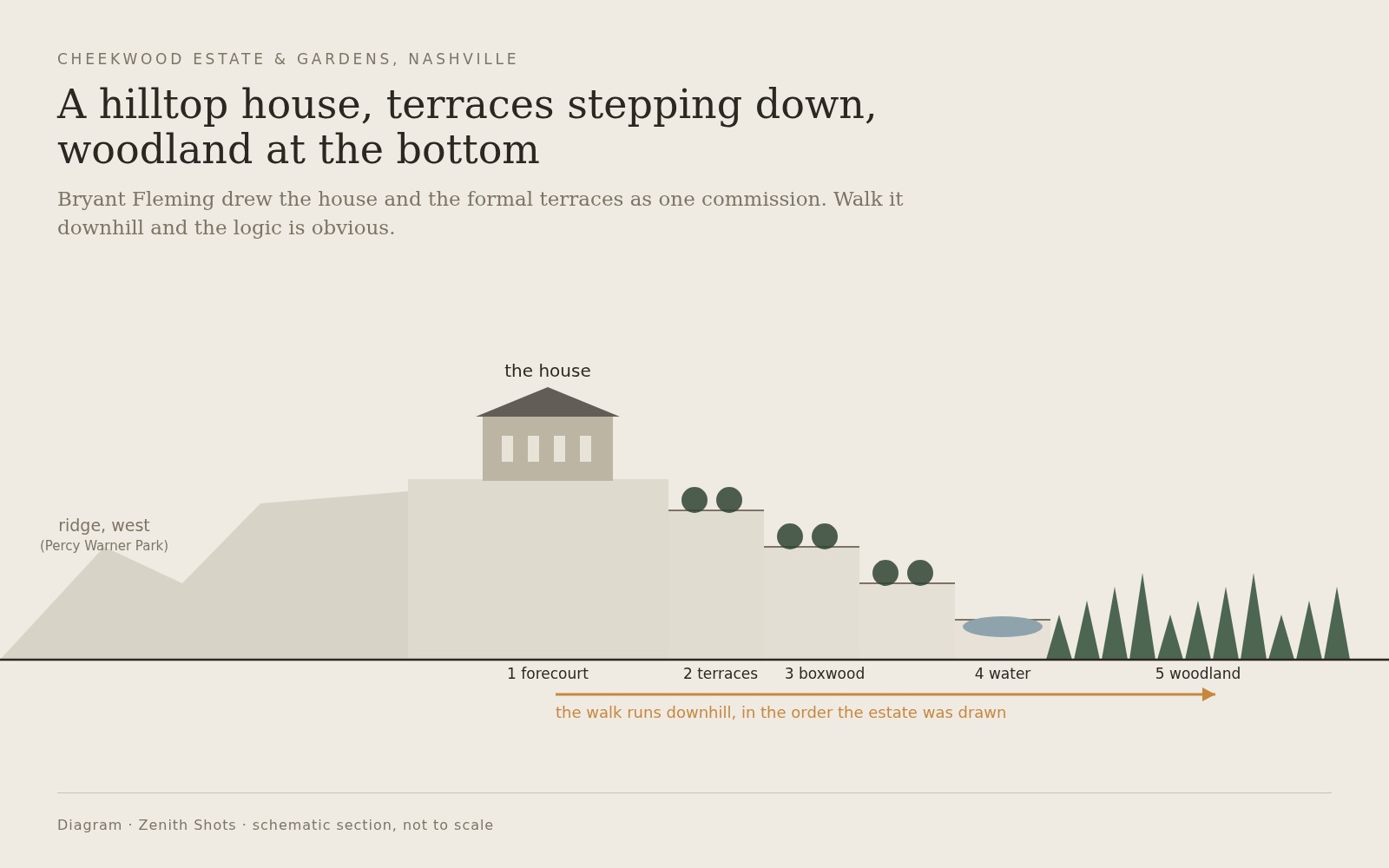
Cheekwood Estate & Gardens, Nashville: A Walk Down the Terraces
A limestone house and its gardens drawn by one hand in 1929 — which means the good sightlines are already there, waiting to be found rather than invented.