Madison's geography is genuinely unusual and it governs everything. The city centre is built on an isthmus — a strip of land perhaps half a mile wide between Lake Mendota to the north-west and Lake Monona to the south-east — with the state capitol on the high point and the downtown running along the ridge. That produces something no other Midwestern city offers: water within a five-minute walk in either direction from anywhere central, and a legible domed landmark a few streets away. The practical gift is that a city frame and a water frame are available in the same hour without transport.
The directional gift is better still: the two lakes lie on opposite sides, so Mendota gives the sunset and Monona gives the sunrise, and whichever hour a schedule permits, one of them has the sun behind it. Open water reflects the sky, which makes it a very large low-angle source — filling under the chin and lifting eye sockets, an effect that strengthens sharply at grazing angles, so the fill is strongest in exactly the last hour when the light is best.
Whether the surface is still is a matter of wind rather than hour, and here wind is more likely than in a comparable inland city, because with water on two sides the temperature difference between lake and land drives onshore breezes from both directions on any warm day. That means no unweighted light stands outdoors and a five-hundredth of a second for anything with hair or fabric in it. Broken water is not a loss: a low camera turns a rippled surface into a bright specular path running toward the lens, and dropping to knee height lengthens it considerably.
The capitol is the city frame, and a pale granite dome is a specific exposure problem — a bright object with a narrow tonal range that blows easily, so expose for it and let the sky fall where it falls, because a blown dome has no ribs or detail to recover. It wants a moderate telephoto from a few streets away rather than a wide lens from the square, because compression gives it mass.
The lakes also shape the weather, acting as thermal masses that lag the seasons in both directions. Spring is late and cool because the water stays cold into May, which delays leaf-out and makes April a genuinely difficult date at this latitude — cold, grey, with the trees not yet out and the lakes at their coldest. Autumn is mild and extended because the water holds summer warmth into November, which pushes the colour later and keeps the outdoor spaces pleasant longer. So the season is shifted rather than simply short.
Both lakes freeze substantially in most winters, for long enough that people walk and drive on them, and an iced lake is a distinctive photographic surface: flat, white and featureless, with ice fishing shanties on it and the capitol dome beyond. A frame across frozen Monona toward the city is specifically Madison and very rarely photographed at a wedding — the caveat being that an exposed lakeshore in a Wisconsin January is brief work. Late September into mid-October is the best window of the year.
The hardwoods turn properly — sugar maple to scarlet and orange, oak to russet, basswood and hickory to yellow — the air reaches its clearest, which matters here more than at most places because the signature frames are compressed distant views that read sharply in October and softly in August, and the lakes are still mild and often calm. October gives the most settled water of the year, and a mirror-calm lake doubling the capitol is the best water frame available.
A warm dry autumn delays and dulls the colour while a cool wet one brings it forward and intensifies it, so plan a fortnight either side of the first week of October rather than a specific weekend. Summer is long-lit at fifteen hours twenty-five — the most schedule room of any season — and humid enough to fill shadows by about a stop and a half against a dry climate, with correspondingly hazier distances.
Winter is cold and short, about eight hours fifty-five of daylight in December, with long stretches of flat grey overcast that flatters faces and gives masonry nothing, because granite and brick without shadow lose their texture entirely. Which is why Madison's interior-driven venues — a panelled city club, a themed hotel, a converted downtown building — are sensible winter choices rather than compromises: their best frames are windows and finishes that do not care what the sky is doing. Two closing notes.
Civil twilight here runs about thirty-three minutes, among the longer figures in this library and half again what the Texas venues get, which makes the blue hour a genuine working session rather than a scramble — three or four setups fit comfortably. In December it arrives around five in the afternoon, putting a lit exterior frame comfortably before the reception; in June near nine-thirty, which puts it after dinner and makes it an easier ask of a party who have already relaxed into the day.
And Wisconsin hardwoods cast solid shade with no dapple — dense rounded crowns of broad leaves — so a midday portrait under one is straightforward, which is the opposite of the filigree canopies in this library's arid regions.
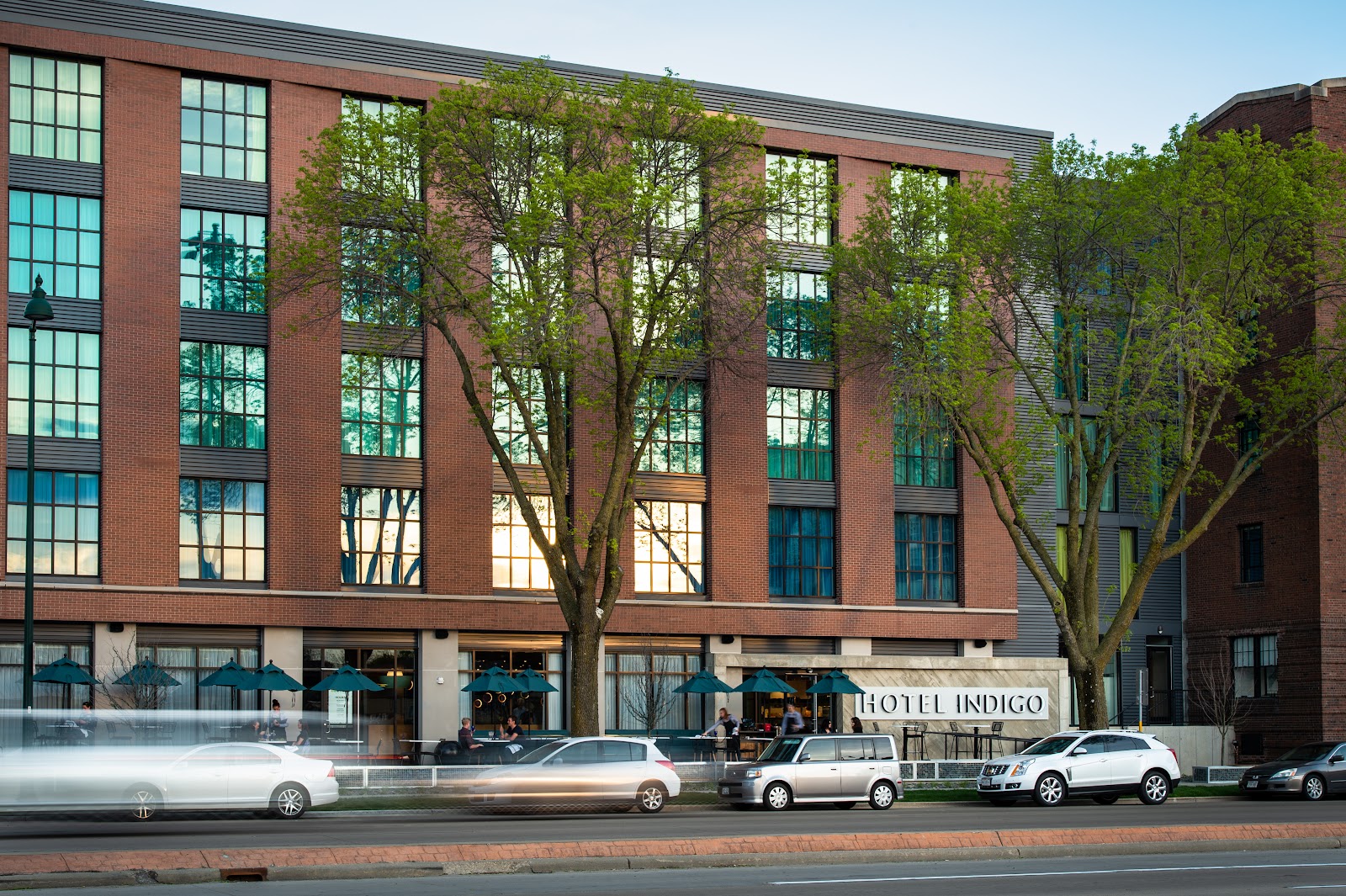
The Hotel Indigo Madison: What It Suits, and What It Does Not
A boutique hotel in a converted downtown building — where original fabric and contemporary fit-out sit side by side.
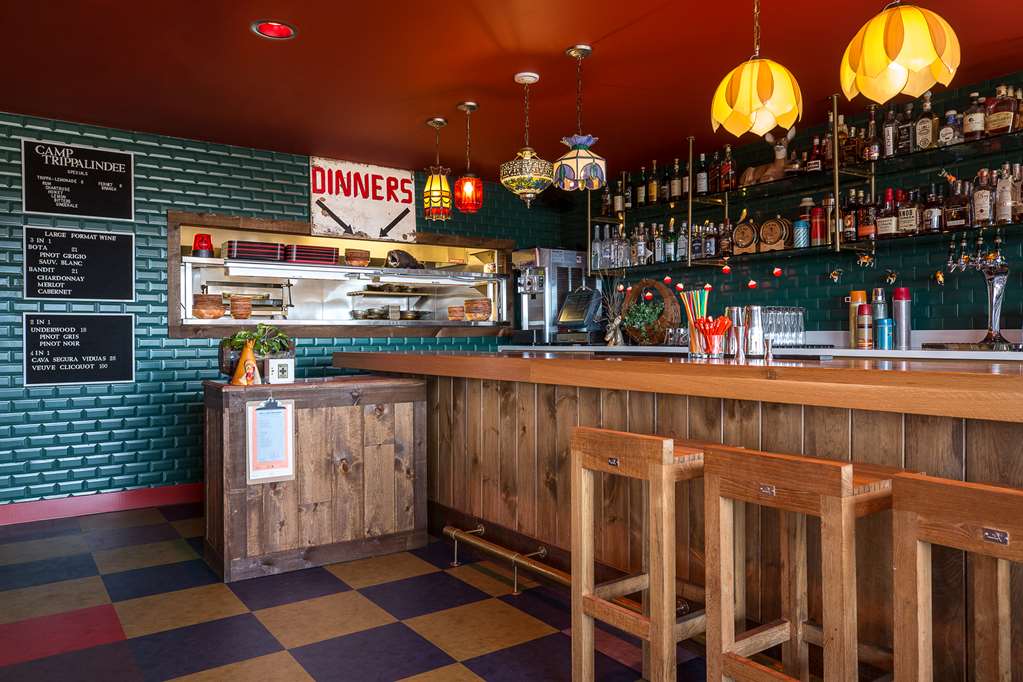
The Graduate Madison: What It Suits, and What It Does Not
A heavily themed collegiate hotel in downtown Madison — pattern, colour and reference on every surface.
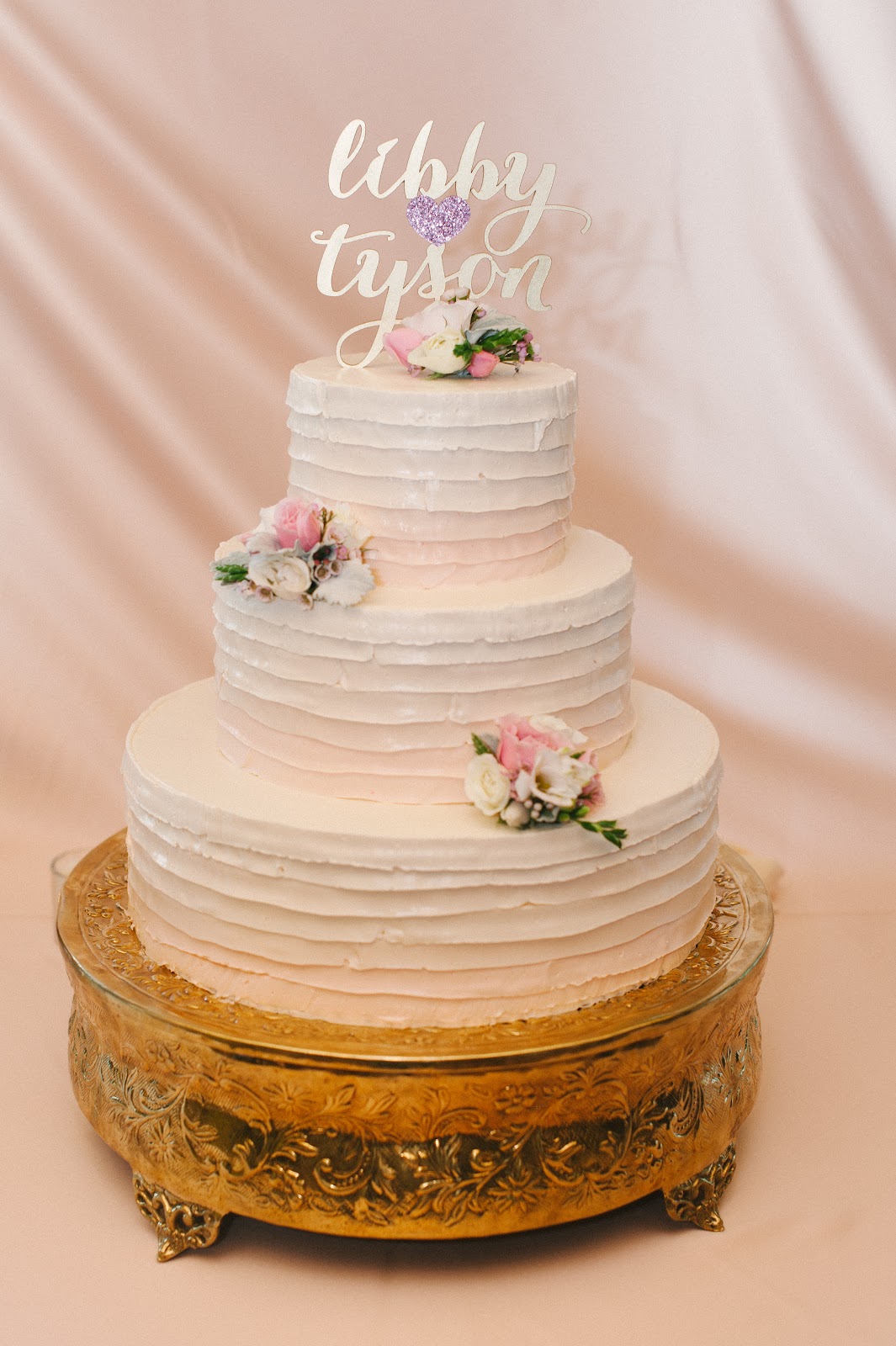
The Madison Club, Madison: The Venue’s Own Logic
A private city club on Lake Monona — a building designed for members rather than for guests, which changes the rooms.
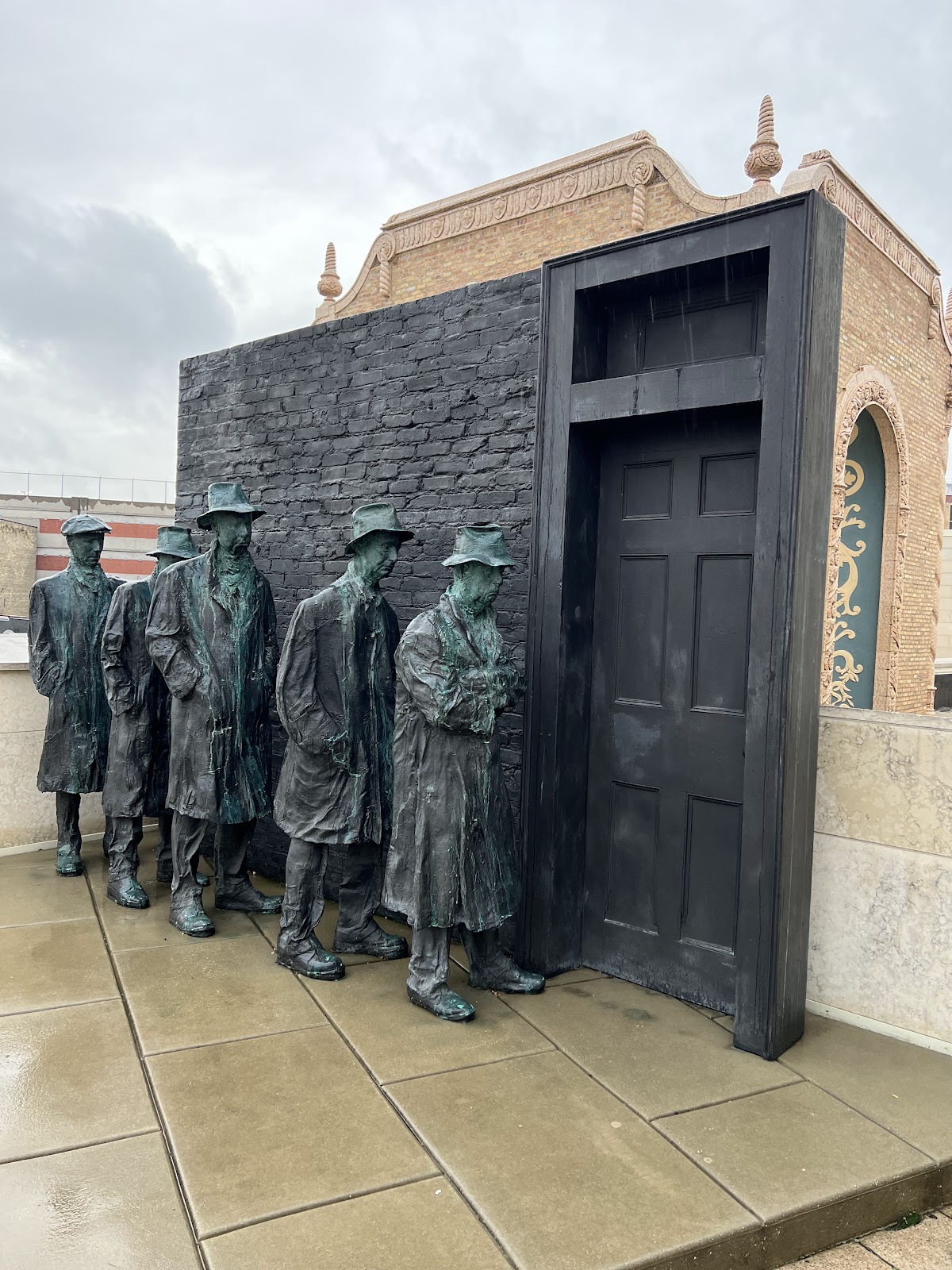
The Madison Museum of Contemporary Art: One Frame, and How It Is Made
A contemporary art museum in downtown Madison with a rooftop sculpture garden above a city built on an isthmus.