Houston is the most humid location in this library and that is not a minor detail — it changes the light, the air, the equipment and the plan. The city sits at about twenty-nine and three-quarter degrees north at roughly fifty feet above sea level on the Gulf coastal plain, some fifty miles from open water, with prevailing onshore flow for much of the year. Summer dewpoints reach the seventies, which is genuinely tropical. Water vapour scatters light in every direction, and the consequences are mostly favourable and worth stating plainly because they invert the advice that applies in dry regions.
Shadows are filled: a sunlit lawn here in July carries perhaps two and a half stops less contrast than the same sun angle in Arizona, which means shadow edges are soft, eye sockets retain detail, and a midday portrait outdoors is genuinely workable rather than impossible. The desert rule — that noon is unusable without cover — does not apply here with anything like the same force, because the atmosphere is doing the fill that an Arizona sky refuses to do. The costs are three. Long lenses lose contrast quickly, so a compressed view across a park or toward downtown reads noticeably softer in August than in January.
High humidity gives a whitish rather than a saturated blue, so an empty summer sky contributes nothing to a wide frame and the interest has to come from cloud. And lenses fog when moving from an air-conditioned interior into outdoor air — the reverse of the winter problem, happening within seconds, taking minutes to clear. The fix is to carry the camera warm rather than leaving it in the air conditioning while waiting.
The cloud is reliable and it is the compensation. Gulf Coast summer afternoons generate convection from sea-breeze convergence almost daily — towering cumulus building through the afternoon and frequently a thunderstorm late — which gives structure overhead most summer days. The half hour after a cell passes is the best light of the year: washed air, wet paving and foliage, saturated colour, a low sun beneath a broken ceiling. Wet subtropical planting is the specific prize, because rain darkens and saturates broad leaves and makes palmetto, banana and live oak read properly rather than as washed-out grey-green.
It also means an outdoor ceremony in summer needs a covered alternative that genuinely exists, because a Gulf Coast storm arrives fast and heavily — and hurricane season runs June through November, which is a real planning consideration for a date in that window rather than a theoretical one. The heat is the honest constraint: June through September brings afternoon temperatures in the nineties with humidity that makes them feel considerably worse, and a sun reaching eighty-three and a half degrees at midsummer noon. For a party in formal clothing outdoors that is a welfare matter. Which is exactly why the trees matter here.
Live oak is the dominant shade tree — evergreen, broad, dense and low-crowned, holding its leaves year-round — and deep shade beneath a mature specimen is measurably cooler than open ground, because the canopy blocks the radiant load entirely rather than merely filtering it. That is a practical advantage with photographic consequences: people stay outside longer under a canopy, which means more of the day is usable. It also supplies a free four-stop ratio between a shaded subject and sunlit ground beyond, available in every month, and heavy horizontal limbs that read as architecture.
Note that misters and water features help far less than they would in a dry climate, because the air is already near saturation and evaporative cooling has almost nothing to work with. The understorey is worth knowing: dwarf palmetto is the signature, a fan-shaped evergreen that reads instantly as subtropical and places a frame geographically in a way an oak alone cannot, and backlit its fans are translucent and show their ribbing. Spanish moss hangs from the oak limbs in grey-green translucent streamers and glows against a low sun. Crape myrtle flowers pink, white or magenta from June through September, covering precisely the months when nothing temperate blooms.
And azaleas are the seasonal event — older Houston plantings flower in mass pink, white and magenta in March, for about three weeks, which is the strongest colour the Gulf Coast produces. October through April is the comfortable season and it is long: mild winters, a December noon sun at thirty-seven degrees that models rather than flattens, and evergreen planting that looks essentially the same in January as in July. A winter wedding here is a positive choice rather than a compromise.
There is almost no deciduous autumn colour, so nothing in an October frame says autumn — what October and November give is the clearest air of the year and the first comfortable temperatures. And the twilight is the shortest in this library at about twenty-two minutes, shorter still beneath a dense evergreen canopy, because the trees take the last light before the sky does. Two or three end-of-day frames known in advance and walked to, in open ground rather than under the oaks.
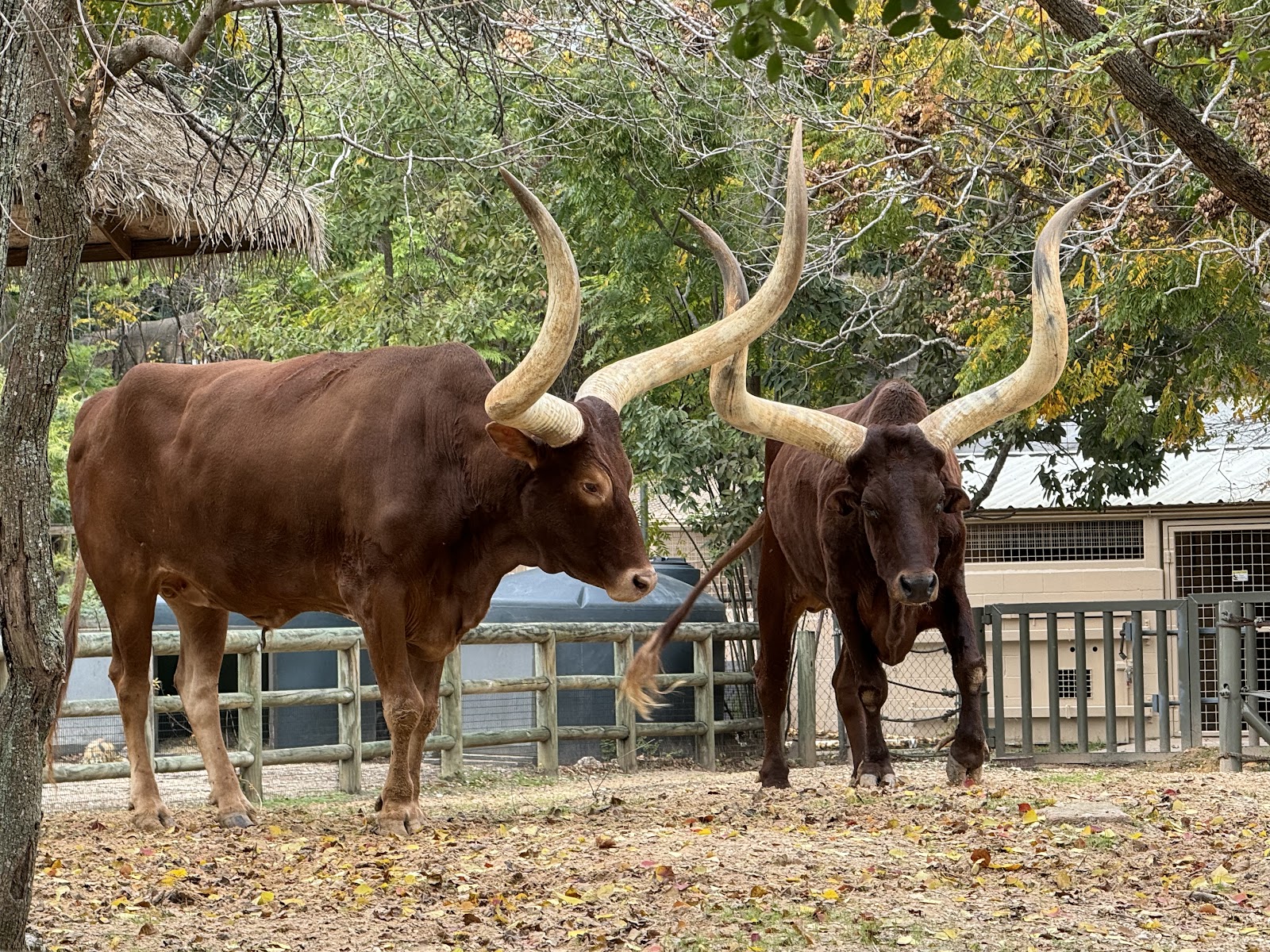
The Houston Zoo: Field Notes
A zoo in Hermann Park, on the Gulf coastal plain — where the heat is the first problem, not the barriers.
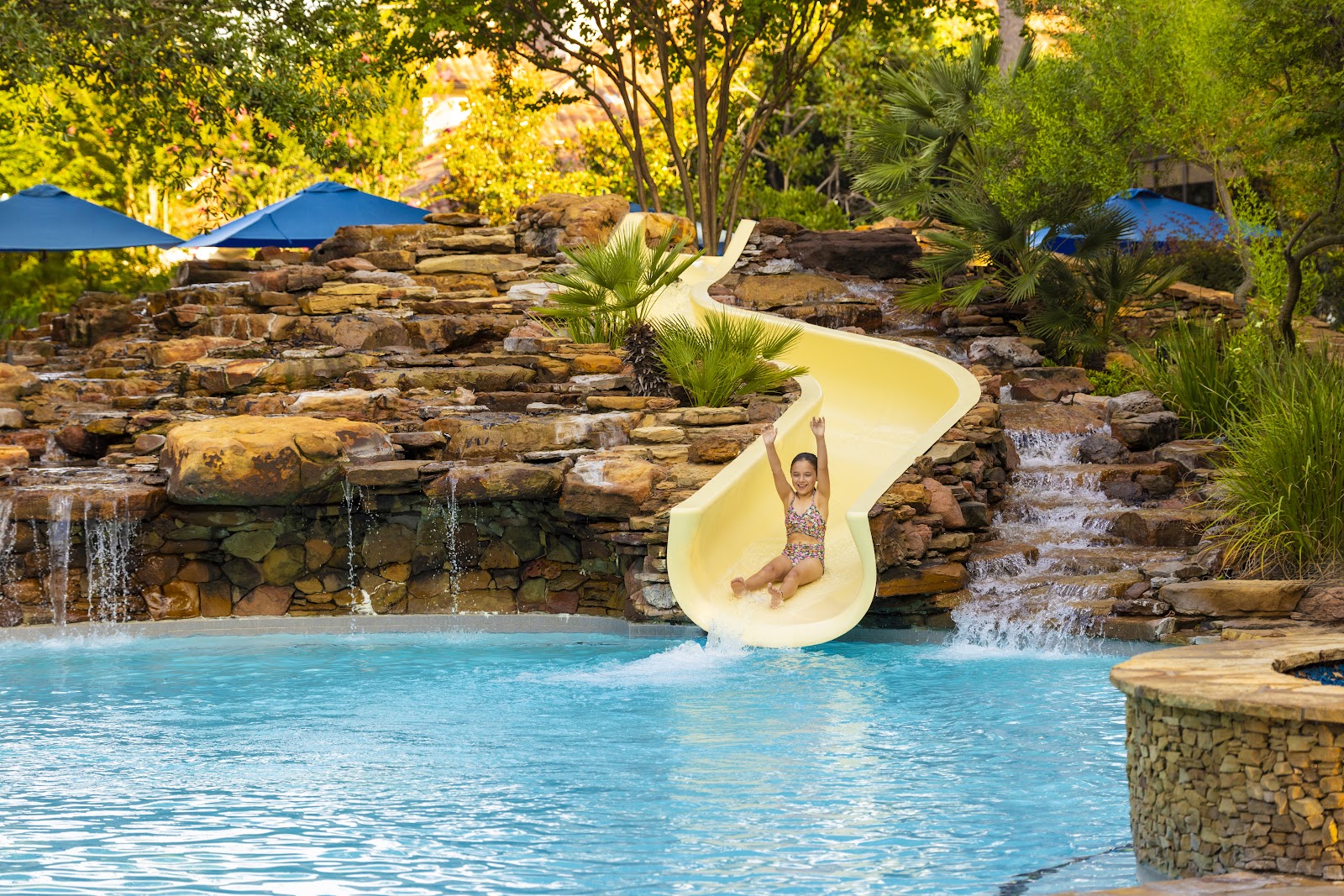
The Houstonian Hotel, Houston: One Frame, and How It Is Made
A hotel set in wooded acres inside the city — mature live oaks, and a canopy that never drops.
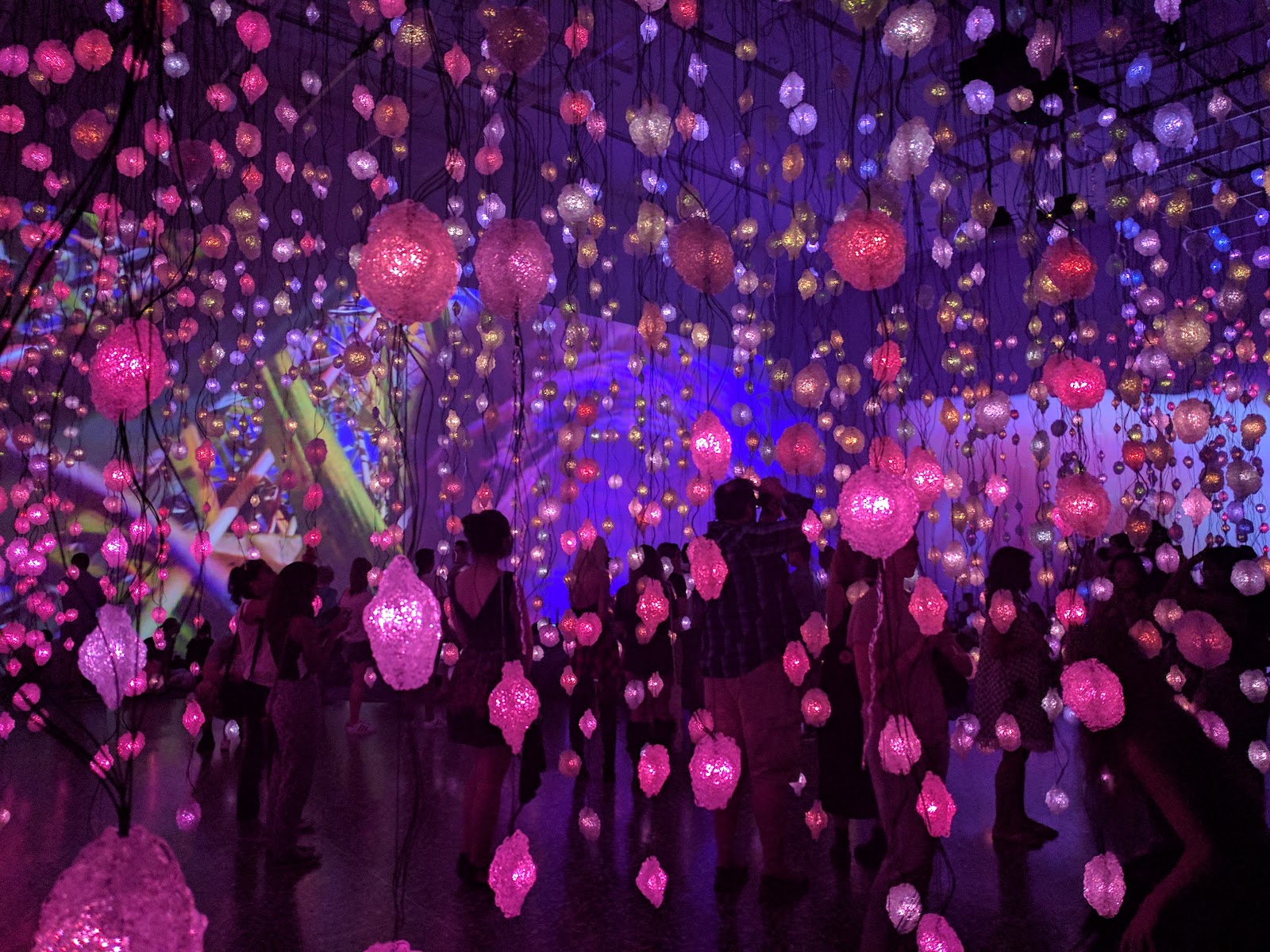
The Museum of Fine Arts, Houston: A Walk Through the Building
A museum campus of several buildings and a sculpture garden, connected below ground, in the Houston Museum District.