Phoenix sits at about eleven hundred feet on the floor of the Salt River valley at roughly thirty-three and a half degrees north, and the first thing to establish is that there is no shade. Palo verde and mesquite, the two significant native trees, carry leaves measured in millimetres on open filigree branch structures — drought adaptations that make them cast a fine hard moving dapple rather than cover. Stand a couple under one at midday and their faces are covered in small hard-edged patches, and at eighty degrees of sun elevation that is unrecoverable, because the air here gives shadows almost no atmospheric fill.
Very low humidity and minimal particulate scattering mean the direct beam arrives essentially unmodified, so the gap between a lit surface and a shaded one runs roughly two stops wider than the same sun angle produces in a humid climate. A deep porch in Phoenix is a more extreme instrument than the identical porch in Florida. The consequence is that every usable shade in this city is built, carried, or irrigated: a ramada, a loggia, a courtyard wall's shadow, a held diffuser, or a specimen tree the surrounding desert could not support. The irrigated trees are the useful discovery, and they are not equal.
Pecans give the broadest, highest canopy in the low desert — a deciduous hickory with a crown pruned clear several metres up, which means real shade with headroom for a group of forty. Citrus gives genuine cover too, evergreen and glossy, but its canopy starts near head height so the space beneath is cramped. Ficus, olive, eucalyptus and Aleppo pine all work. Date palms, despite being the city's signature planting, give almost none: the crown sits ten or fifteen metres up on a bare trunk and the fronds are sparse, so the shadow is a small broken pattern a long way from the base.
Use a palm as a graphic vertical against open sky, never as shelter.
The same clarity that removes the shadow fill gives a deep saturated blue sky, which means open shade is lit by a blue source and reads distinctly cool while direct sun reads warm — so an ungelled flash puts a yellow-green face into a frame that is warm above and cold below. Warm-gelling every source is the most reliable correction in this state. Then the season, which runs backwards from almost everything else in this library.
November to April is mild, dry, calm and among the most pleasant climates in North America, with a December noon sun reaching only about thirty-three degrees, which means it never climbs high enough to flatten a face or erase a building's geometry — the whole short day has directional light and there is no bad hour at all.
February to April is the best window, because this desert flowers in spring rather than autumn: brittlebush yellow from February, Mexican gold poppy and lupine in March in a year with adequate winter rain, ocotillo red on the tips of its whip-like stems, and palo verde in mass yellow bloom through April into May. In May the saguaros flower white at the crown of the column, five metres up. From May to September afternoons regularly exceed a hundred and ten degrees, which for a party in formal clothing outdoors is a welfare question rather than a comfort one.
And here Phoenix has a problem specific to itself that almost nobody plans for: the evening does not cool. In undisturbed desert the daily swing is twenty-five or thirty degrees, because dry air holds little heat and the ground radiates freely to a clear sky after dark — which is why a desert evening is traditionally the pleasant part of a hot day, and it is the assumption behind every summer plan that moves outdoors after six.
Decades of growth replaced desert with paving, buildings and irrigated landscape, and the result is one of the most pronounced urban heat islands anywhere: the built fabric stores the day's heat in its mass and releases it overnight, so metropolitan nighttime lows now run roughly ten degrees warmer than the surrounding desert. An outdoor evening reception in July is still genuinely hot at ten at night, and a walled masonry courtyard is at the warmer end of that.
The monsoon, from July into September, is the compensation and it is substantial: clear mornings, towering convective cloud building over South Mountain and the Superstitions through the afternoon, thunderstorms late, and the best light of the year in the half hour after a cell passes — washed air, wet Saltillo tile and wet rock gone deep red, saturated colour and a low sun under a broken ceiling.
It also brings the haboob, a wall of dust advancing across the valley ahead of a collapsing storm, sometimes thousands of feet high, which is among the most dramatic subjects in these guides, entirely unplannable, and the clearest argument for a covered alternative that genuinely exists. Two closing facts. Camelback Mountain is the valley's anchor — twelve hundred feet of red Precambrian sandstone and conglomerate that takes a low frontal sun and returns a saturated warm colour the clear air preserves in full detail — and it wants a moderate telephoto, because a wide lens renders it at true angular size and reduces it to a ridge.
And civil twilight here runs about twenty-five minutes with an abrupt fall-off, so three end-of-day frames fit only if none of them is being decided at the time.
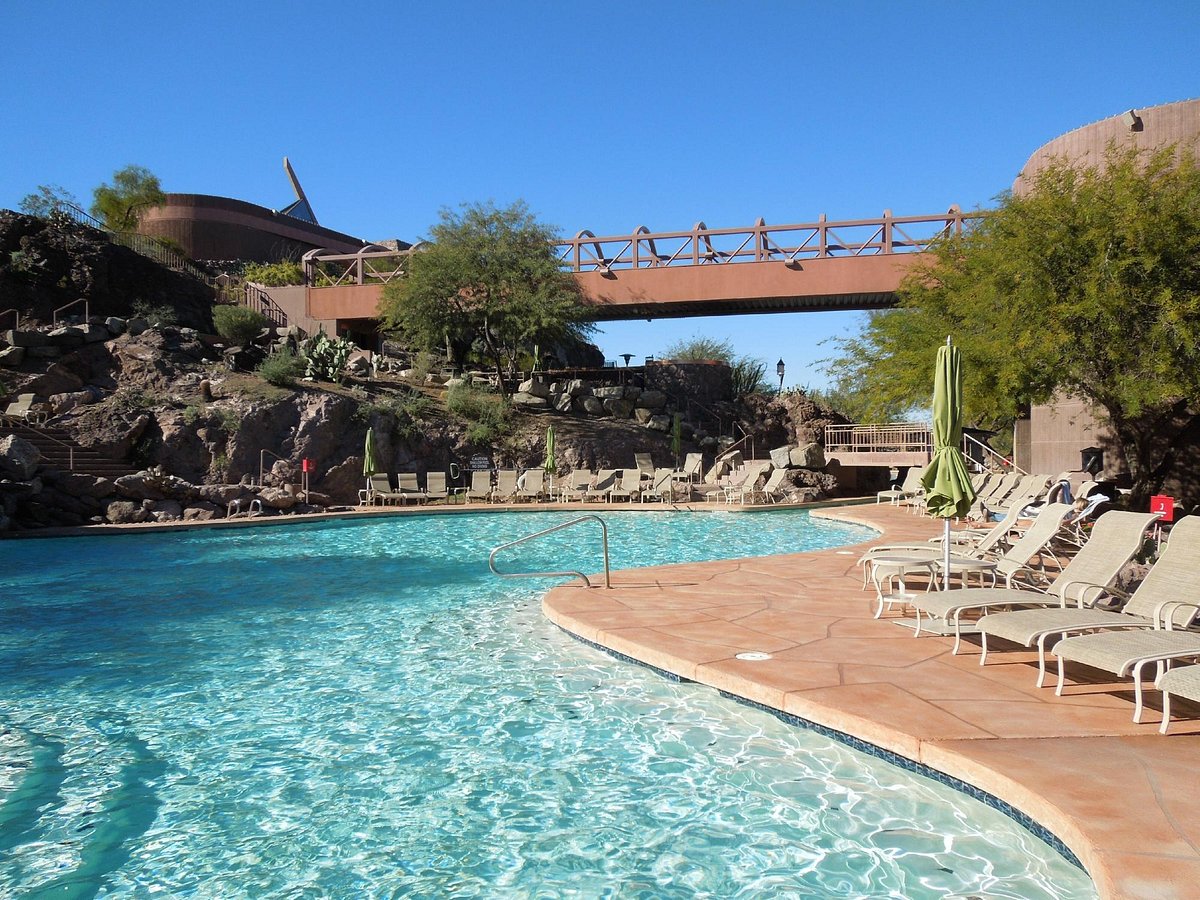
The Saguaro Buttes, Phoenix: A Walk Through the Site
A desert site among buttes and mature saguaro, where the landscape supplies everything and shelters nothing.
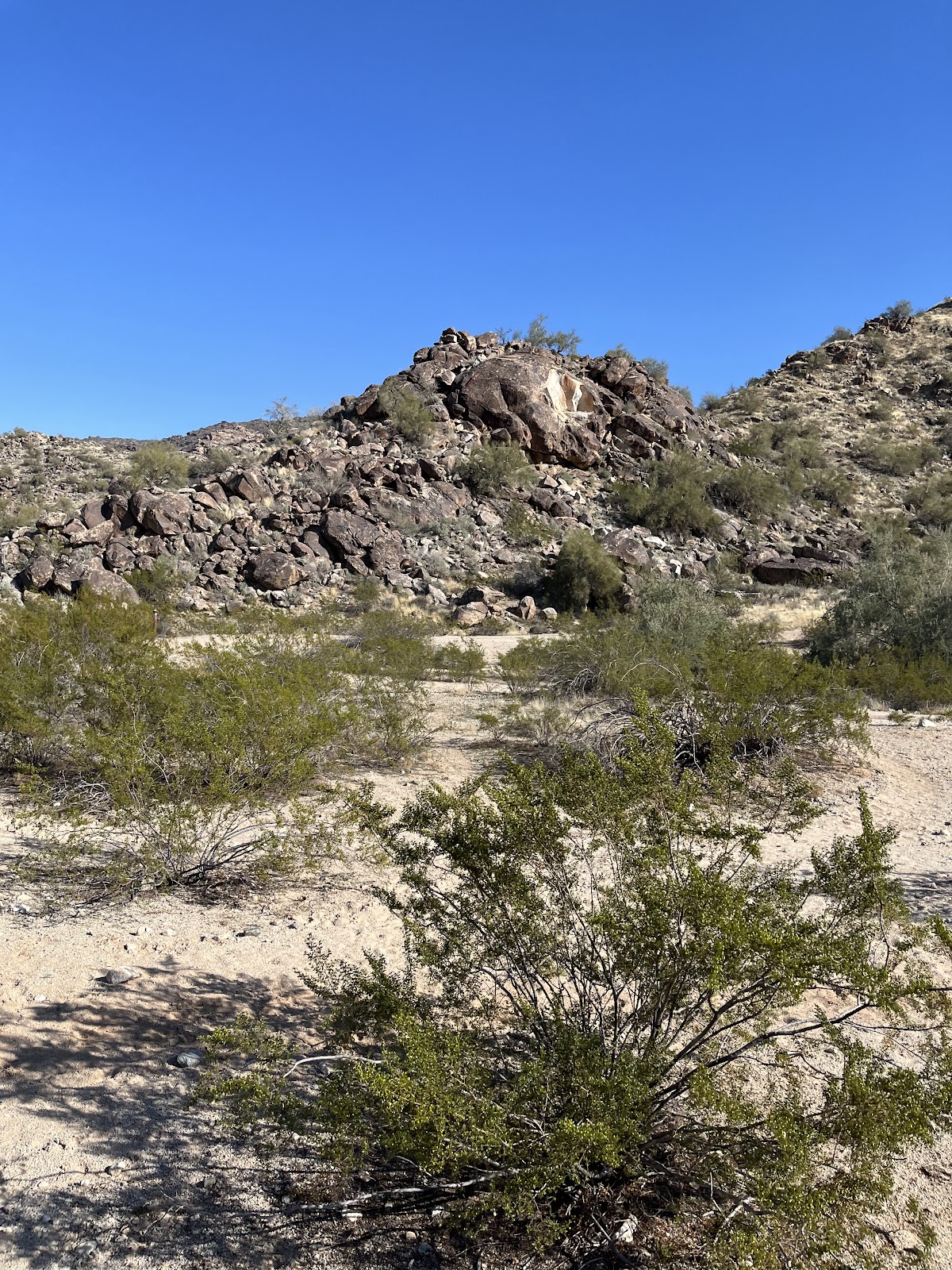
The Ramada at South Mountain, Phoenix: One Frame, and How It Is Made
A ramada below South Mountain, and the one frame it exists to make: a shaded party against a blazing desert.
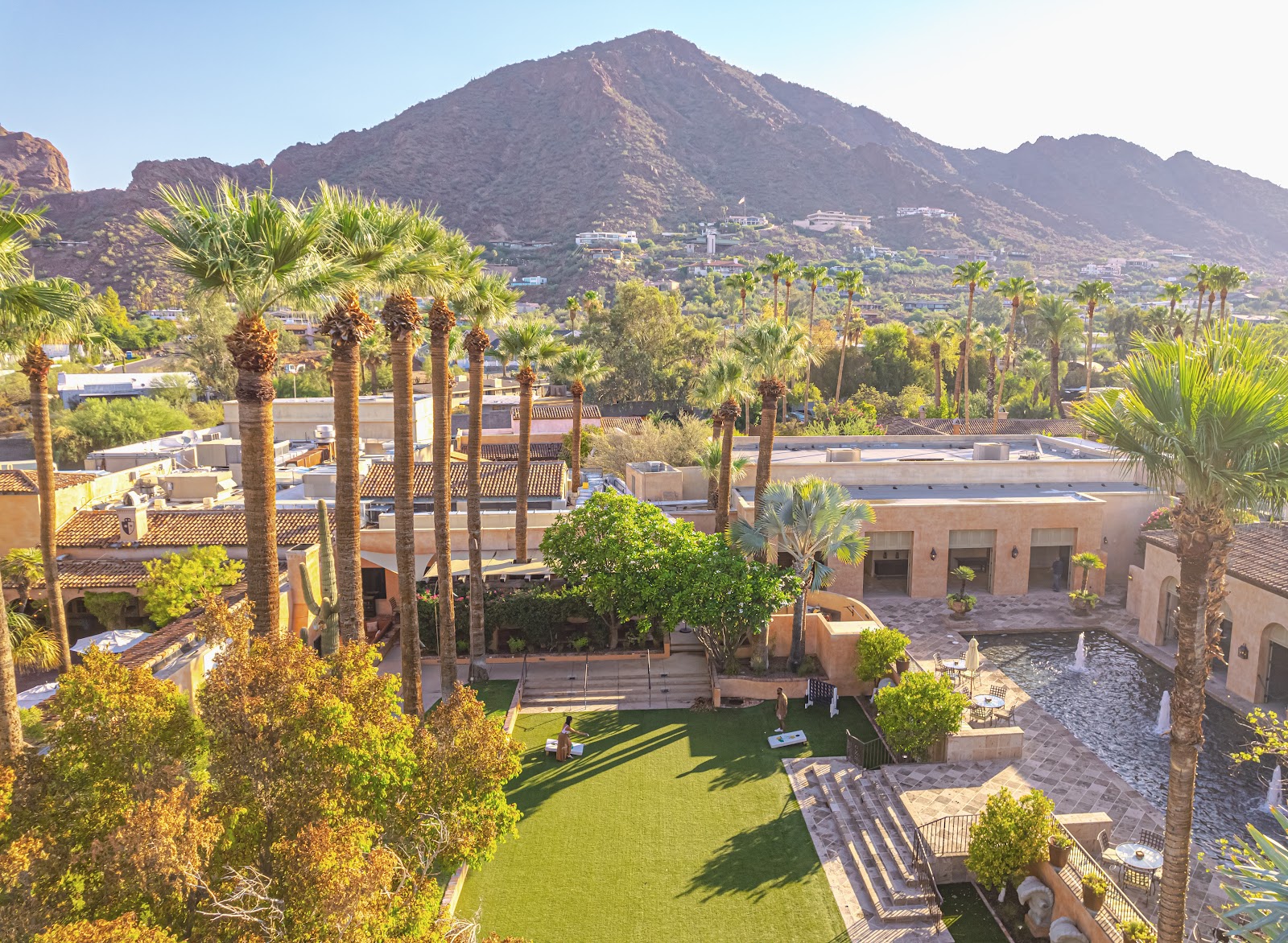
The Royal Palms Resort, Phoenix: The Problem, and Four Ways Out of It
A 1920s Spanish Colonial estate at the foot of Camelback, lined with date palms that give almost no shade at all.
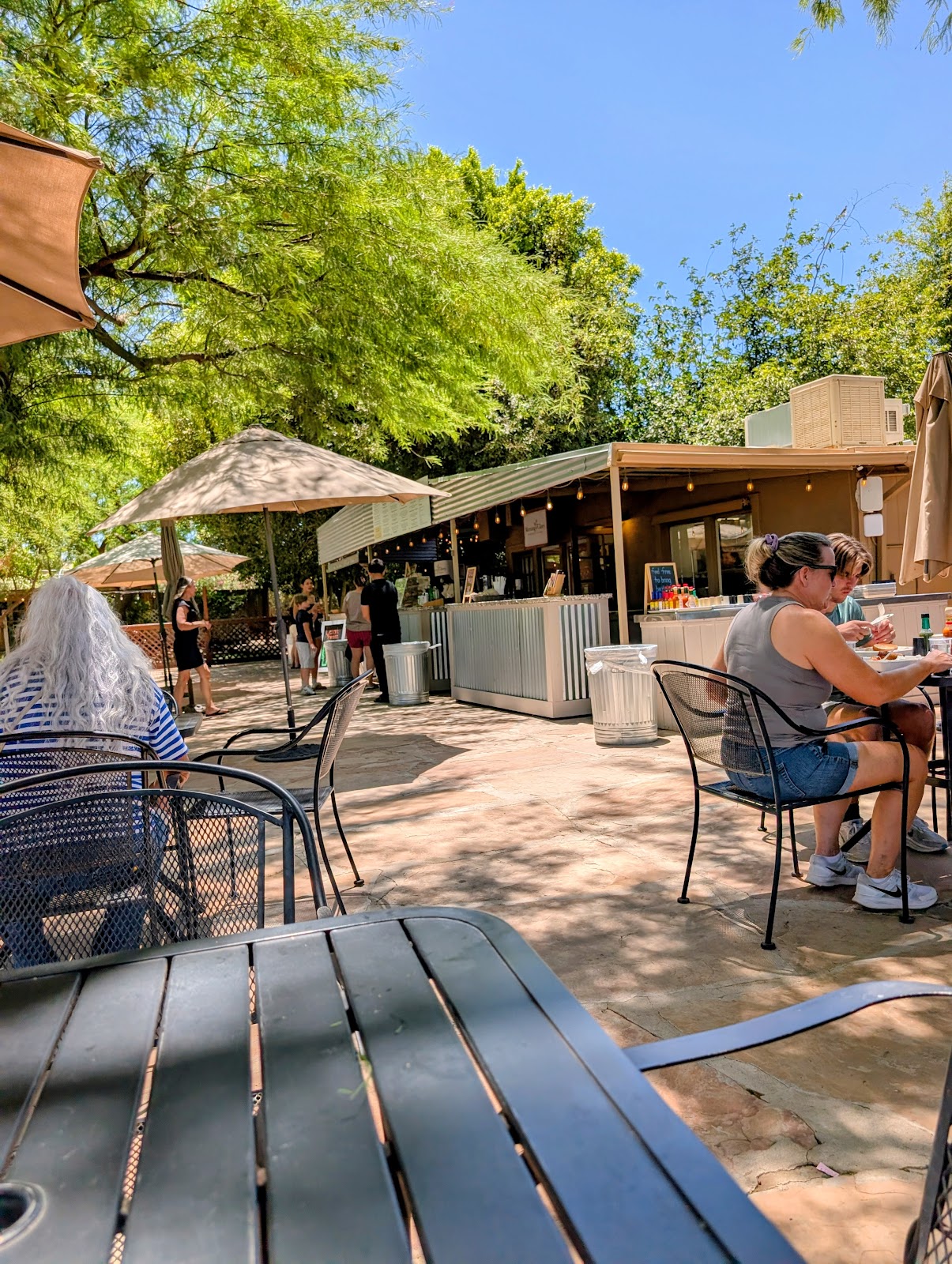
The Farm at South Mountain, Phoenix: The Light Through the Day
A pecan grove below South Mountain — the largest, highest and best canopy in the low desert.
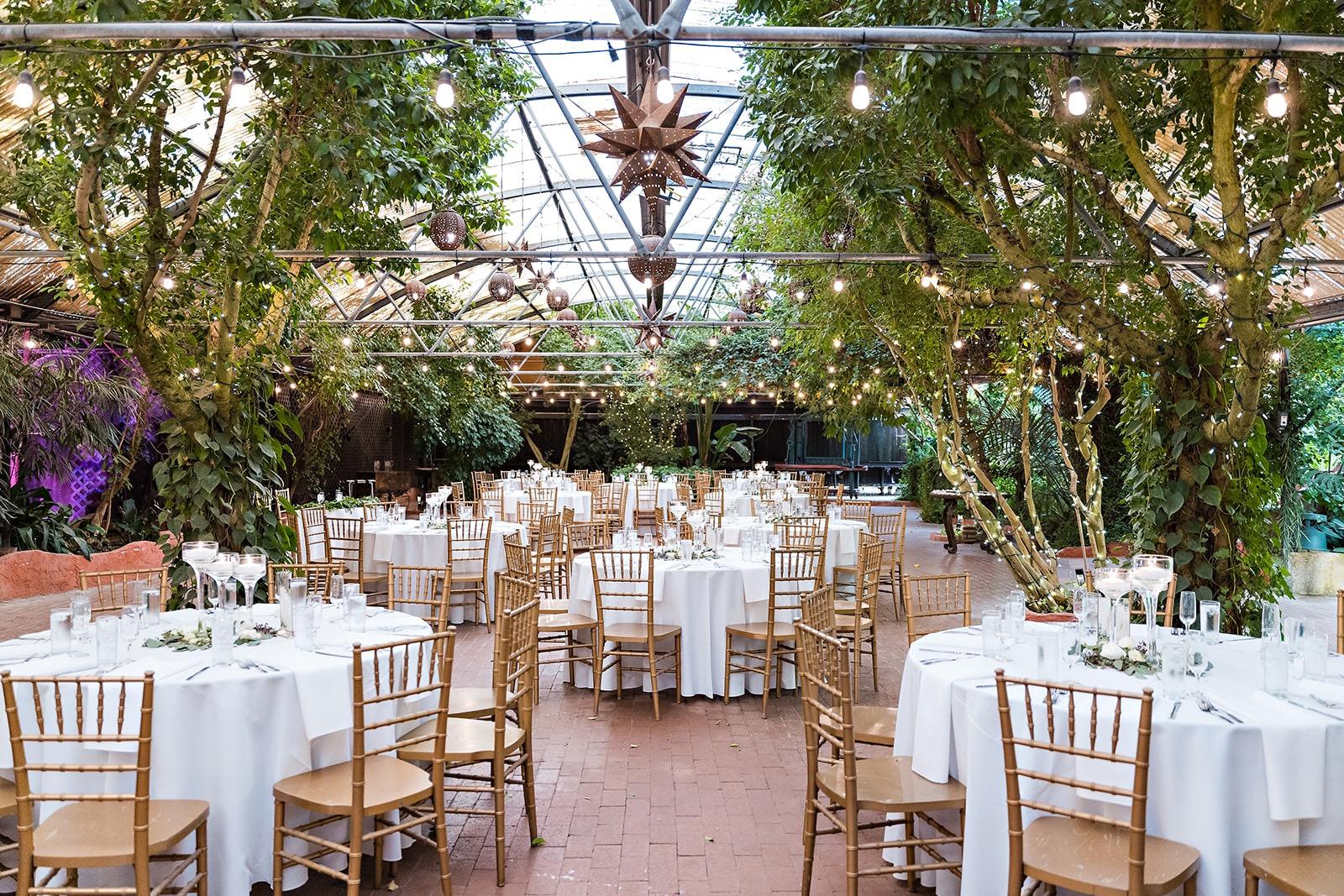
The Boojum Tree, Phoenix: The Venue’s Own Logic
A walled garden venue in Phoenix named for one of the strangest plants in the world.
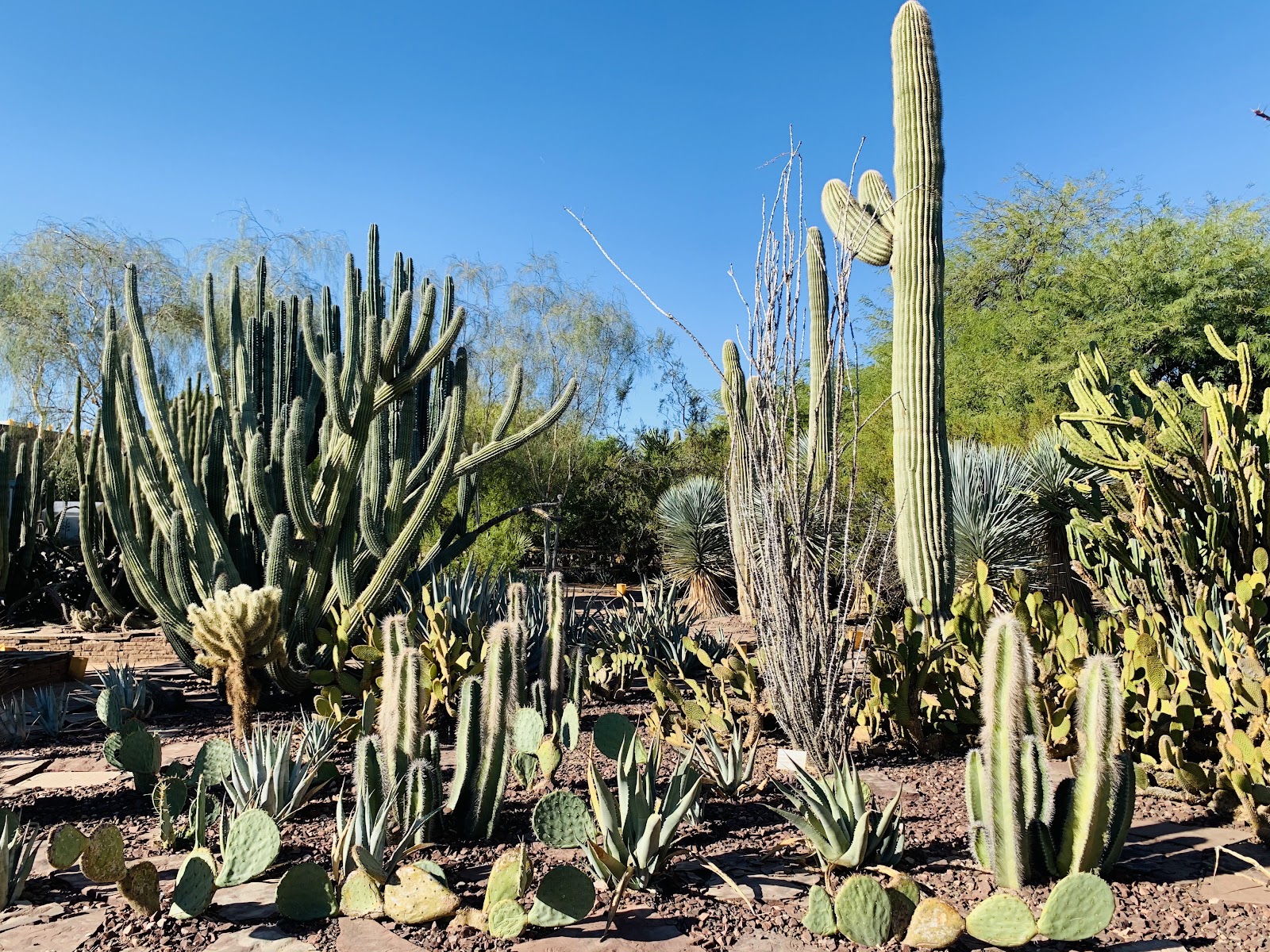
Desert Botanical Garden, Phoenix: What It Suits, and What It Does Not
A major desert plant collection in Papago Park — and a plant palette that is global rather than Sonoran.