Overhills Mansion: Who This Venue Suits, and Who It Doesn’t
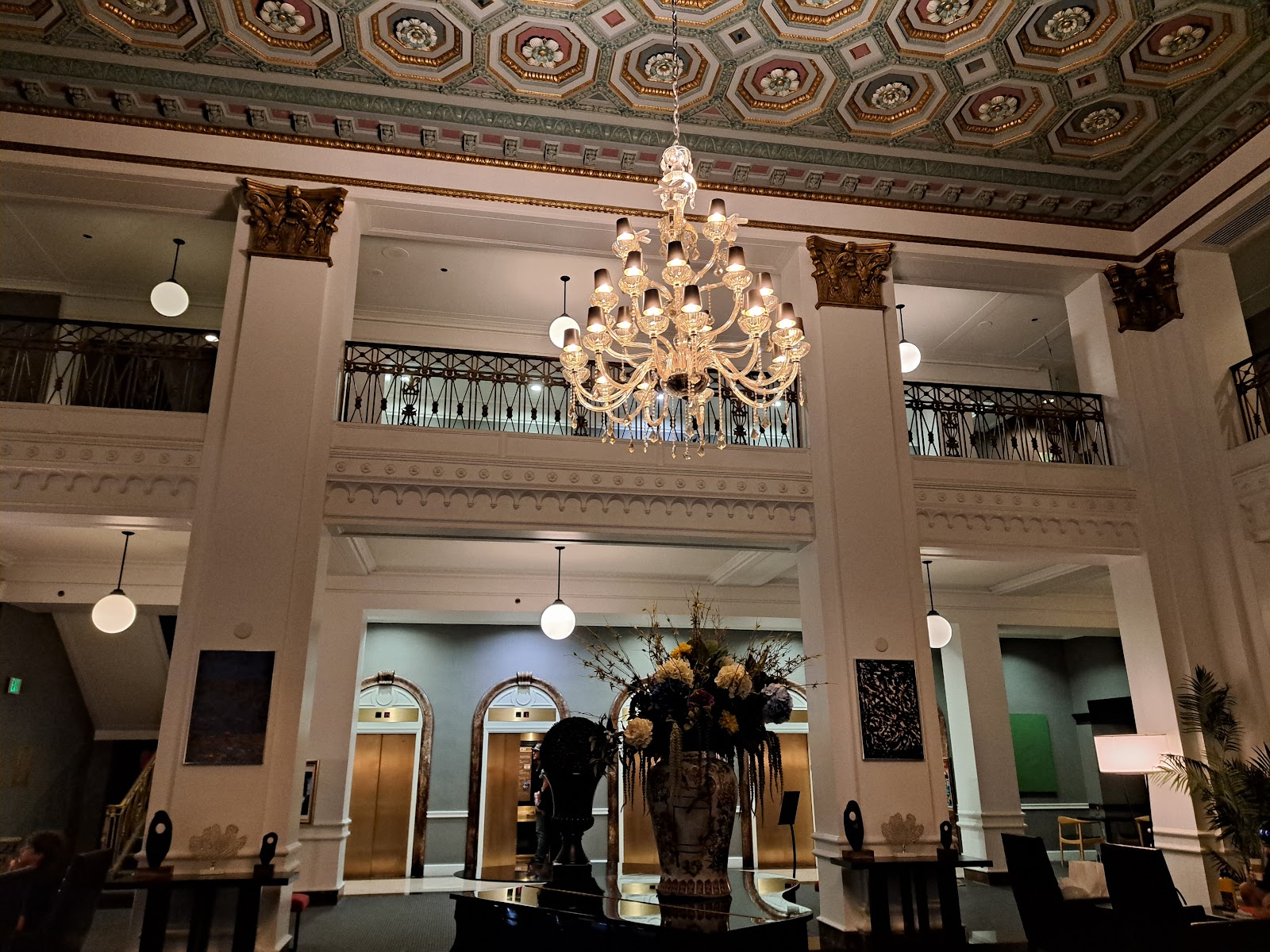
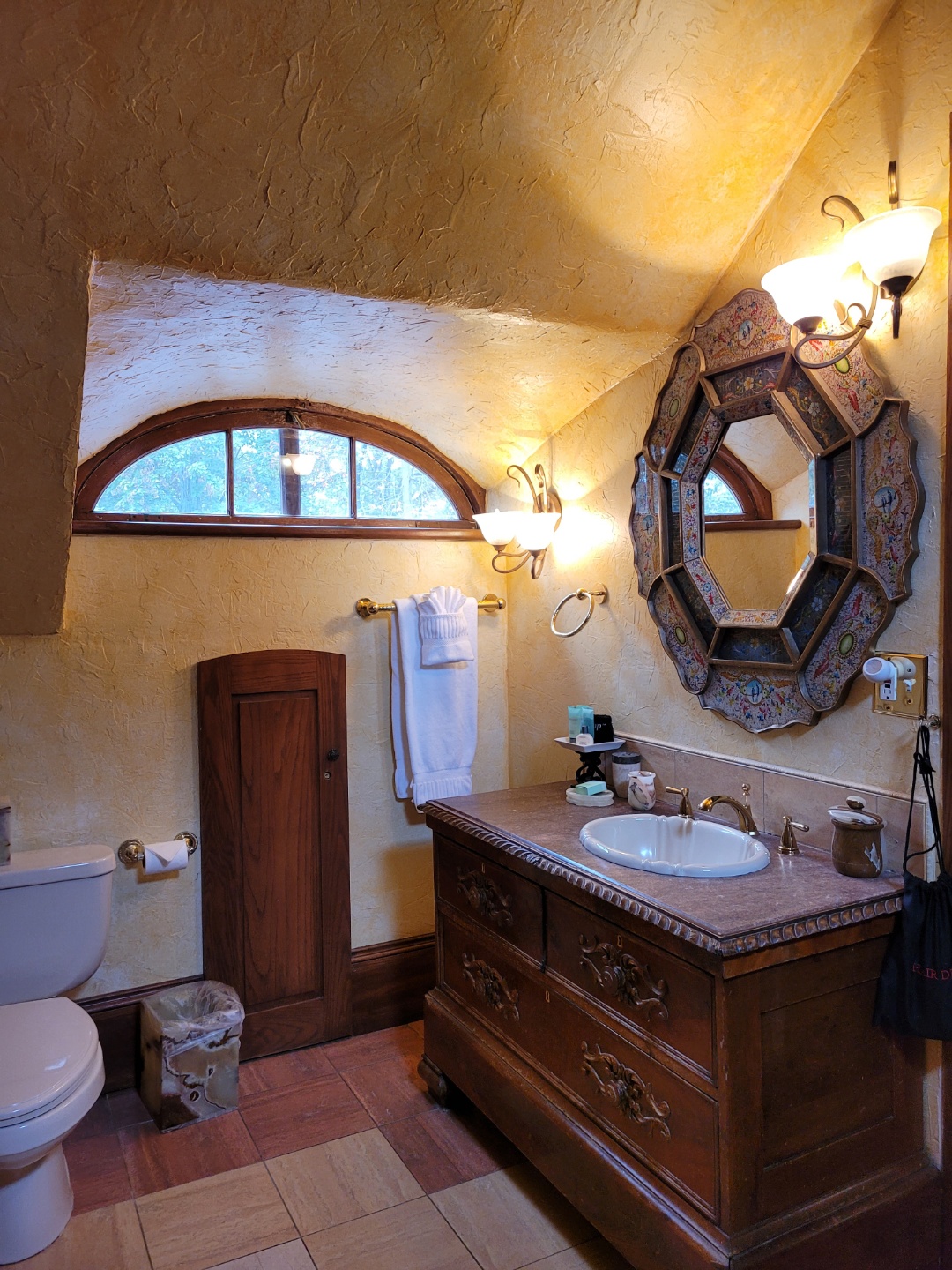
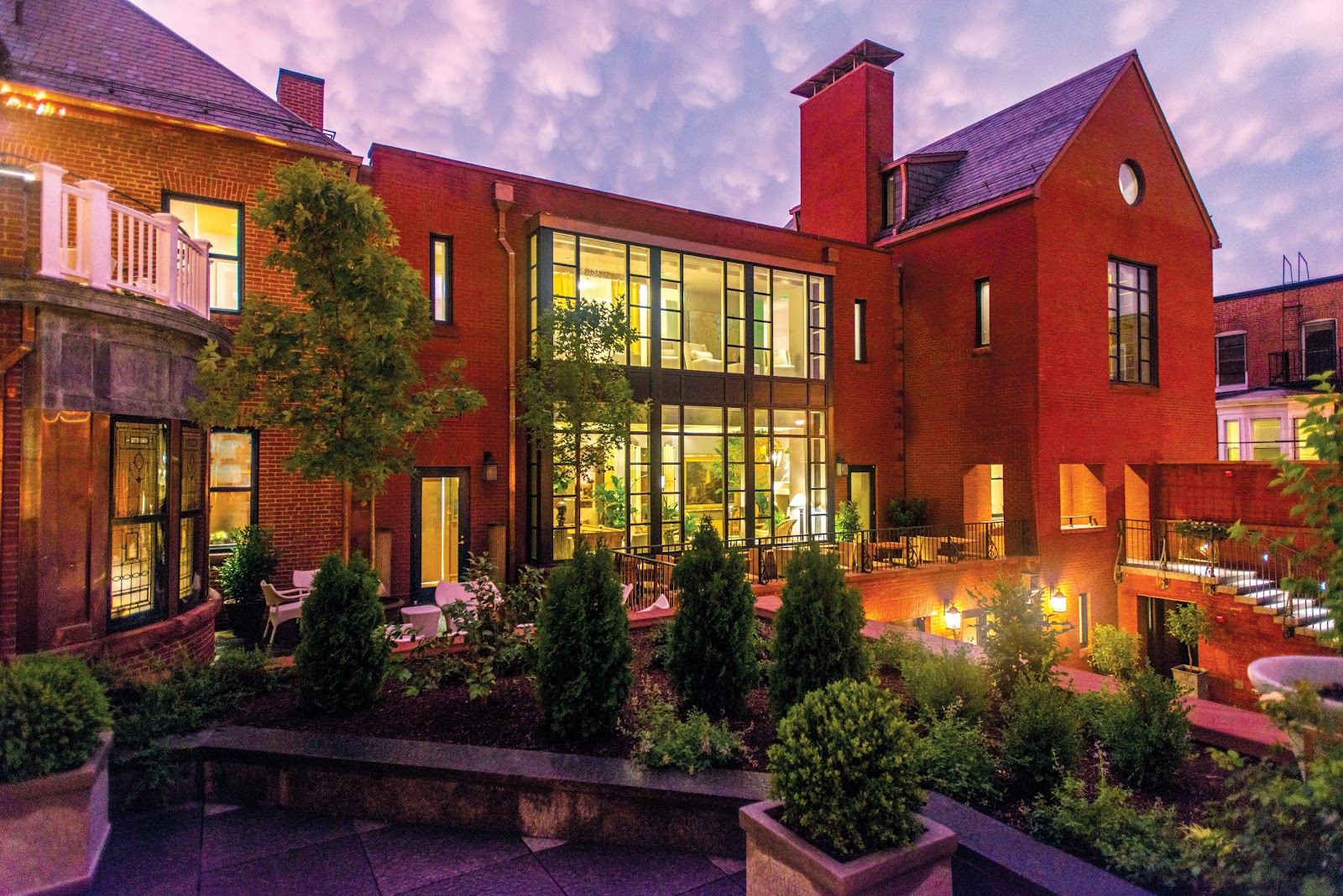
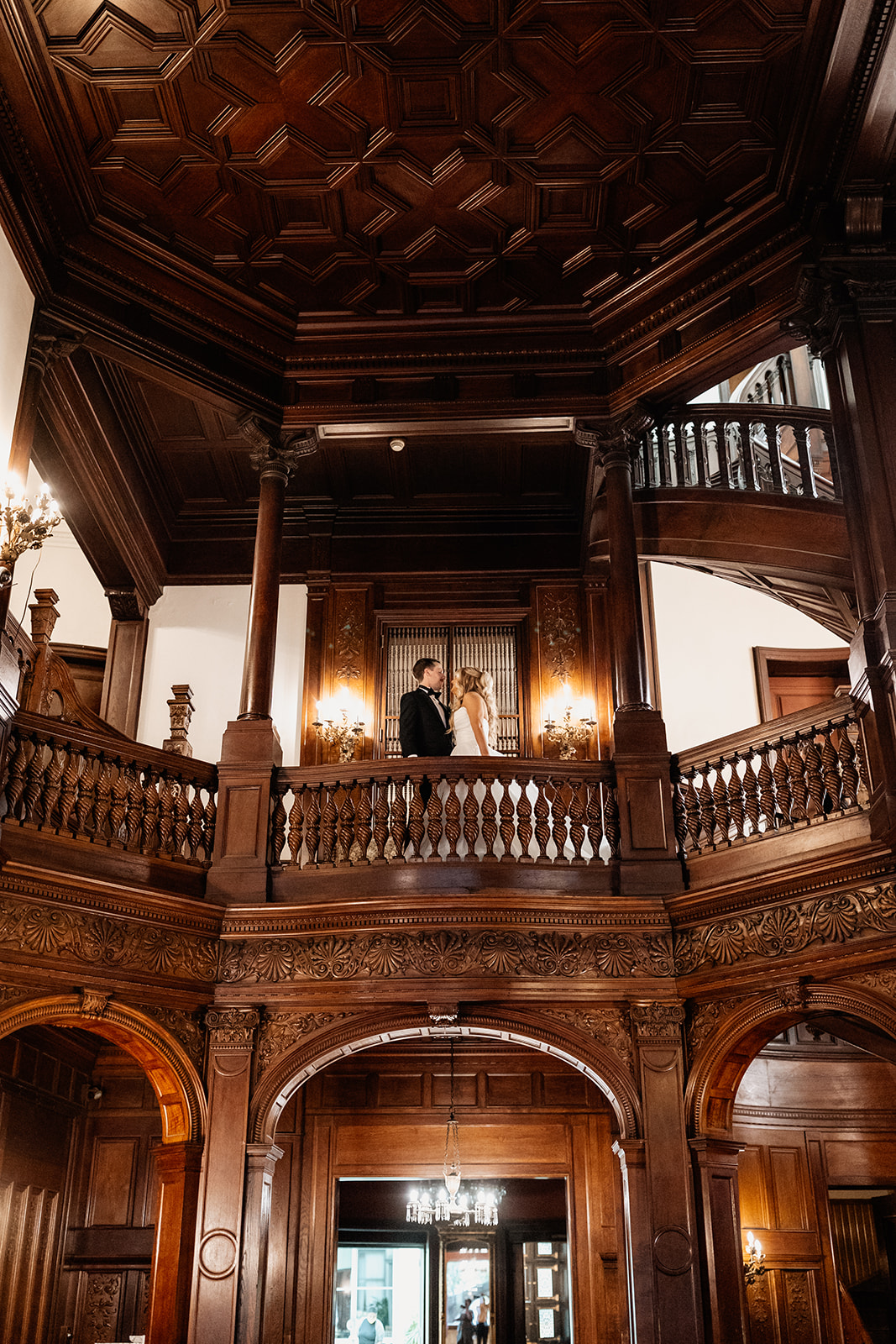
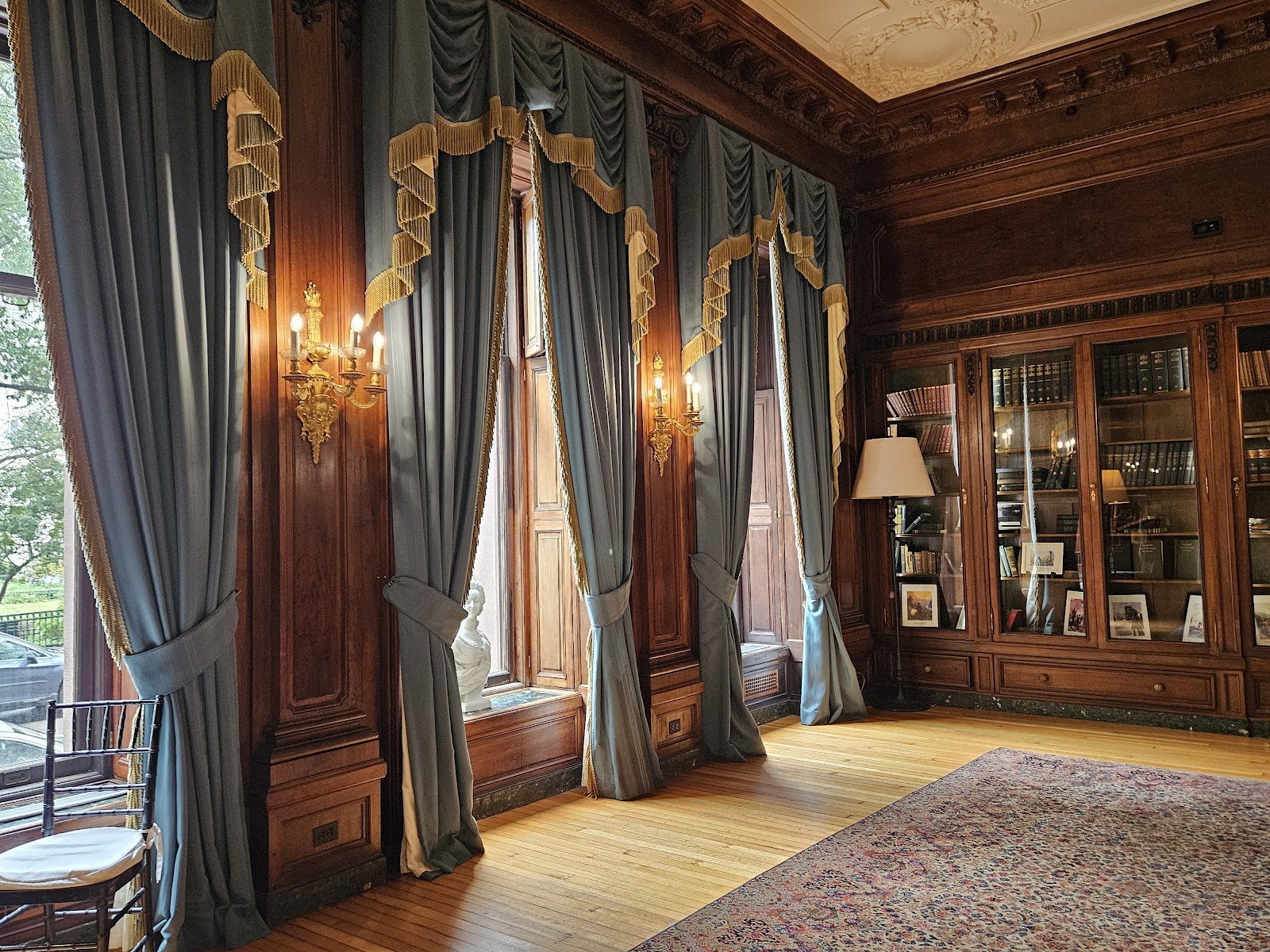
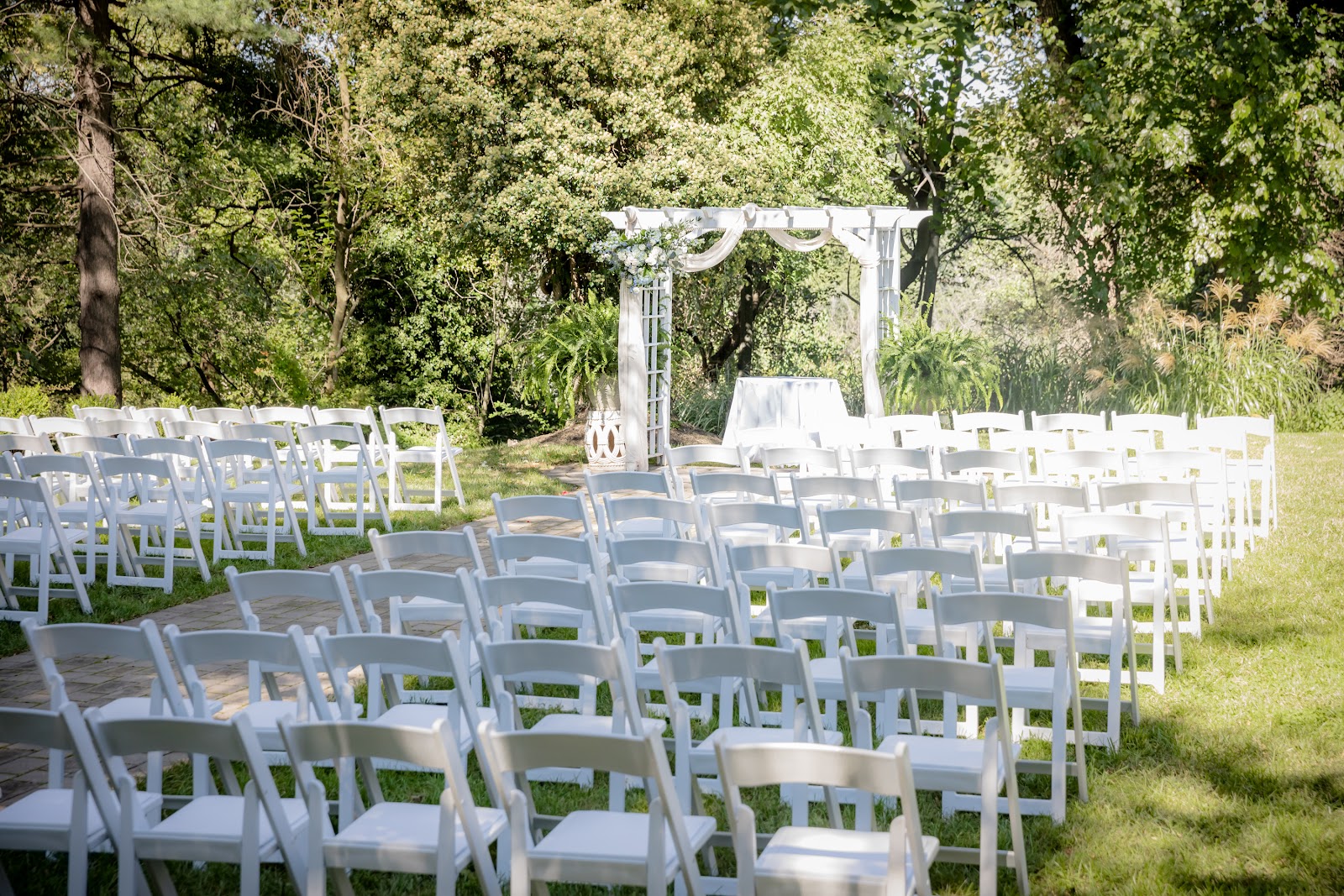
A late nineteenth-century mansion on wooded grounds in Catonsville, west of Baltimore, run as a dedicated wedding and event venue.
Read the guideVenue guides
Baltimore gives a photographer two things that almost no other city in this series gives at once: a working harbour and streets of brick rowhouses with white marble steps. The harbour matters because water is a broad reflector, so any room or quayside facing it receives light twice — directly from the sky and again bounced up off the surface — which raises ambient and fills the shadow that overhead sun creates. It also gives depth to compress, which is why almost every waterfront venue in this list is a long-lens site rather than a wide one, despite the space being wide.
Harbour wind is the price: stronger and gustier at the water’s edge than in the streets behind, enough to make a veil a held-or-removed decision and to break the water surface, so a mirrored reflection frame belongs to early morning.
The rowhouse streets are the counterweight, and they are genuinely useful rather than merely characterful. Because they are narrow and low-rise, low evening sun reaches street level and runs the whole length of a block — ninety minutes of raking light on brick, which shows its texture only when light runs along it. And the white marble steps fronting so many of those houses behave as low reflectors, bouncing light up into a face to fill the shadow overhead sun leaves: a frame that is located and lit at the same time, which is a rare combination anywhere. Mid-Atlantic weather sets the limits.
Summer heat and humidity keep outdoor blocks short and purposeful, afternoon thunderstorms are common rather than rare, and humidity produces lens fogging in both directions — kit chilled by air conditioning fogs on going out, cold kit fogs on coming in, and both take many minutes to clear. The guides below are venue by venue: why an 1888 glasshouse is governed entirely by what the sky is doing, why tank light is four problems rather than one, why a star fort has almost no shade at all, and why one church in this list needs a single decision about coloured light made before anything else.
Baltimore gives a photographer two things that almost no other city in this series gives at once: a working harbour and streets of brick rowhouses with white marble steps. The harbour matters because water is a broad reflector, so any room or quayside facing it receives light twice — directly from the sky and again bounced up off the surface — which raises ambient and fills the shadow that overhead sun creates. It also gives depth to compress, which is why almost every waterfront venue in this list is a long-lens site rather than a wide one, despite the space being wide.
Harbour wind is the price: stronger and gustier at the water's edge than in the streets behind, enough to make a veil a held-or-removed decision and to break the water surface, so a mirrored reflection frame belongs to early morning.
The rowhouse streets are the counterweight, and they are genuinely useful rather than merely characterful. Because they are narrow and low-rise, low evening sun reaches street level and runs the whole length of a block — ninety minutes of raking light on brick, which shows its texture only when light runs along it. And the white marble steps fronting so many of those houses behave as low reflectors, bouncing light up into a face to fill the shadow overhead sun leaves: a frame that is located and lit at the same time, which is a rare combination anywhere. Mid-Atlantic weather sets the limits.
Summer heat and humidity keep outdoor blocks short and purposeful, afternoon thunderstorms are common rather than rare, and humidity produces lens fogging in both directions — kit chilled by air conditioning fogs on going out, cold kit fogs on coming in, and both take many minutes to clear. The guides below are venue by venue: why an 1888 glasshouse is governed entirely by what the sky is doing, why tank light is four problems rather than one, why a star fort has almost no shade at all, and why one church in this list needs a single decision about coloured light made before anything else.
A late nineteenth-century mansion on wooded grounds in Catonsville, west of Baltimore, run as a dedicated wedding and event venue.
Read the guideOpened 1928, a 22-storey Art Deco tower in downtown Baltimore, with a restored ballroom and period detailing throughout the public rooms.
Read the guideA Tudor-style mansion on around 45 wooded acres in Stevenson, north-west of Baltimore, with gardens, a pool terrace and an organic farm.
Read the guideAn 1889 Mount Vernon mansion, now a small luxury hotel with a conservatory and walled courtyard garden. Intimate scale, real daylight, and a garden that rain cannot spoil.
Read the guideA private club occupying a historic mansion on Mount Vernon Place, with marble entrance hall, panelled rooms and a substantial staircase overlooking the square.
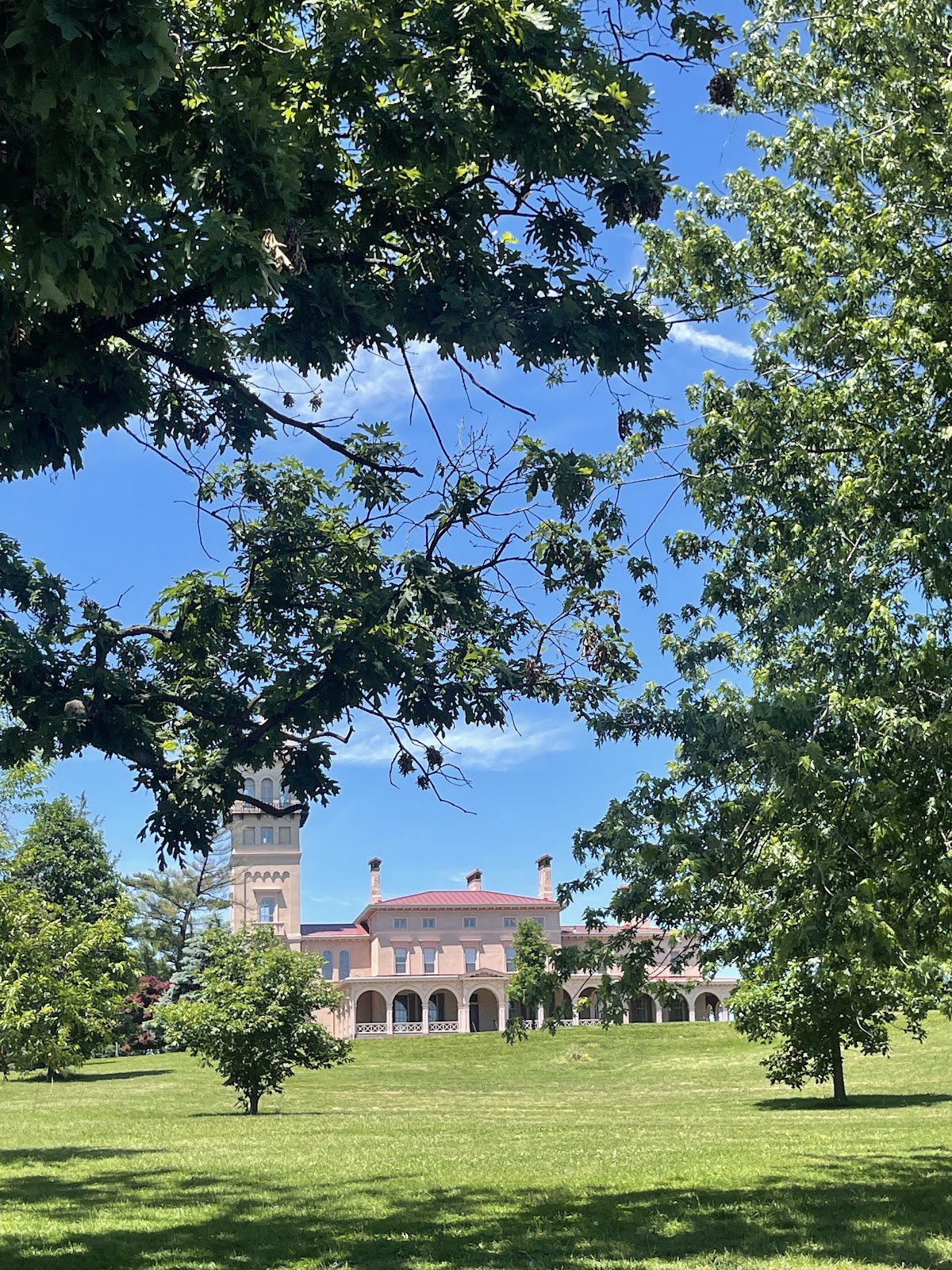
Read the guideJohns Hopkins' summer villa, remodelled in the 1850s into an Italianate house with a tall campanile tower, set in Baltimore's Clifton Park.
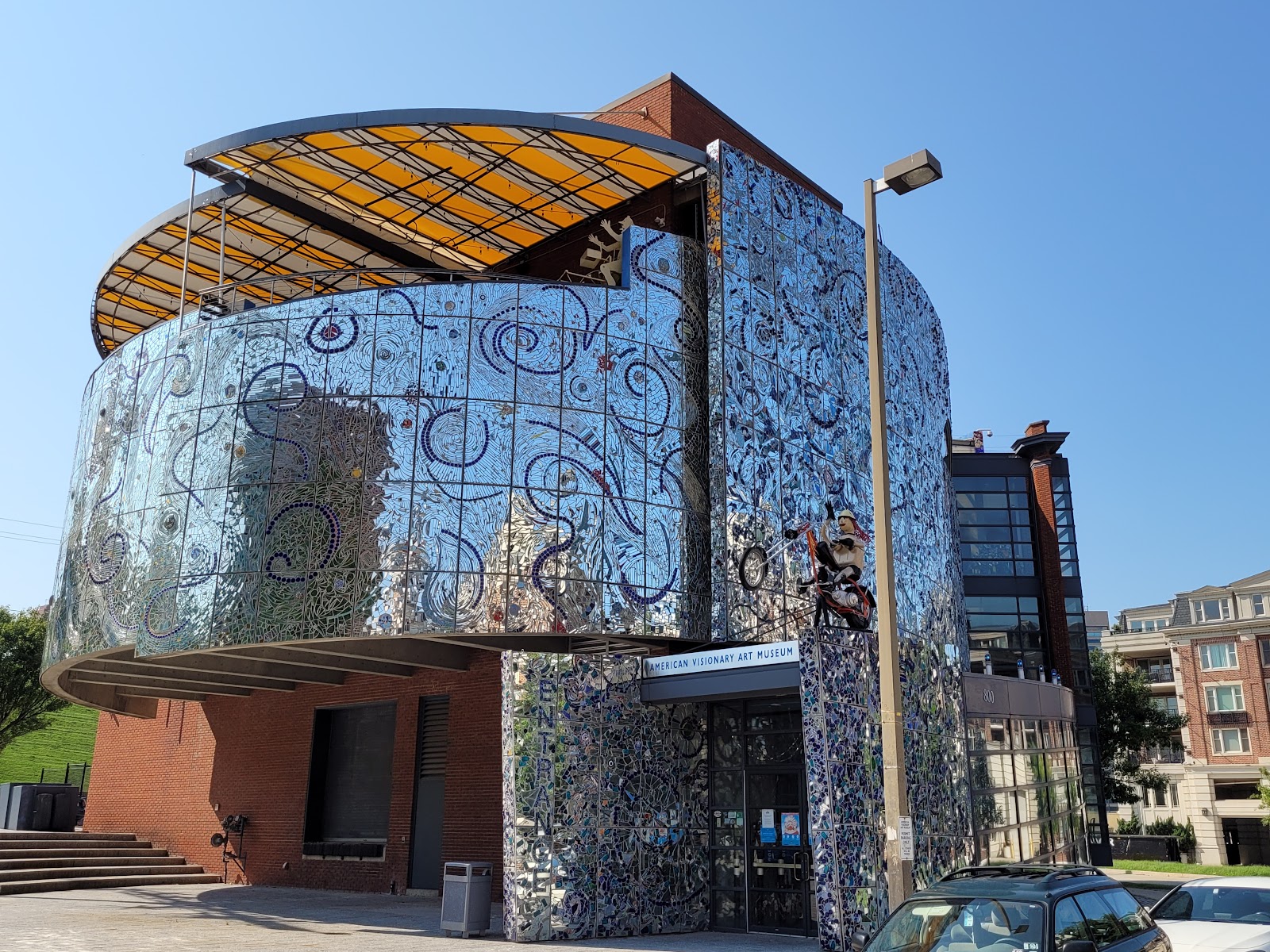
Read the guideFounded 1995 at the foot of Federal Hill on the Inner Harbor, covered in mirror mosaic with a sculpture barn and giant whirligig. Joyful, chaotic and entirely un-neutral.
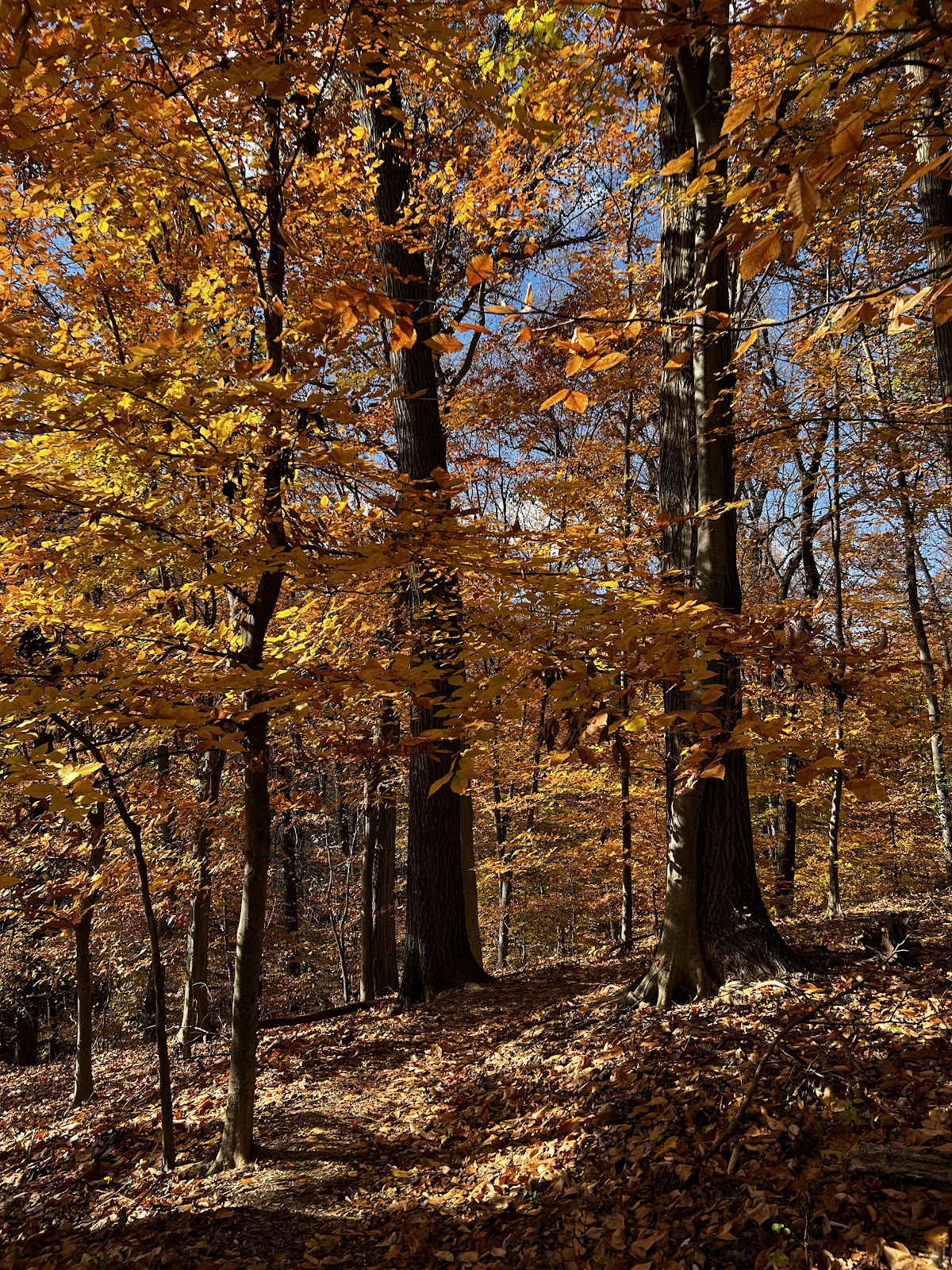
Read the guideAround 200 acres of arboretum and formal gardens in north Baltimore, centred on an 1880s stone mansion. Mature specimen trees and long open lawns.
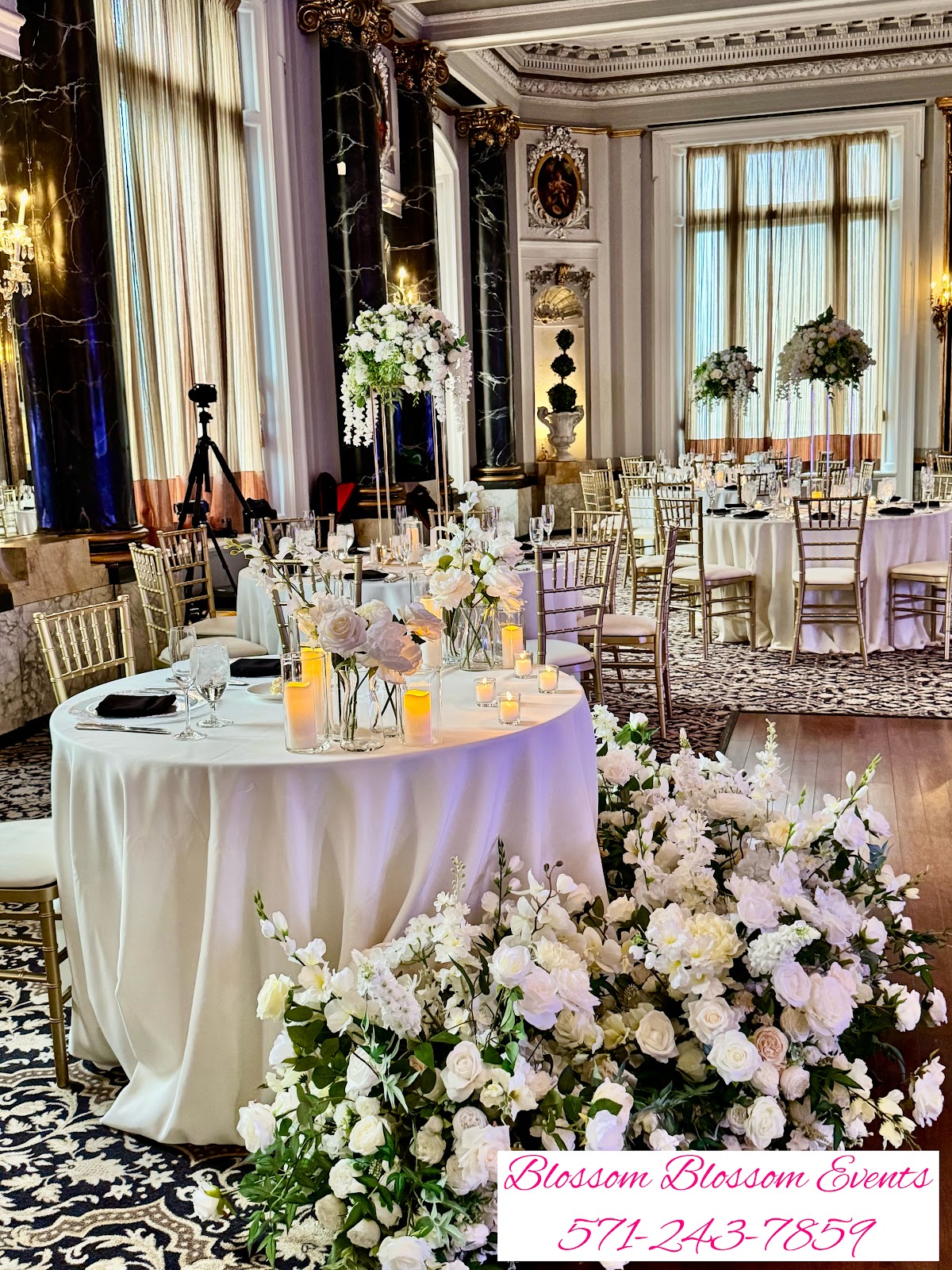
Read the guideOpened 1903 in Mount Vernon, a Beaux-Arts grand hotel with ornate ballrooms, a famous mirrored room and a thirteenth-floor rooftop over Baltimore.
Read the guideFour joined townhouses on Mount Vernon Place remodelled by Stanford White for Mary Garrett — Tiffany glass, carved woodwork and Baltimore's largest Gilded Age interior.
Read the guide