 The Lord Baltimore Hotel: Lighting a 1928 Art Deco Ballroom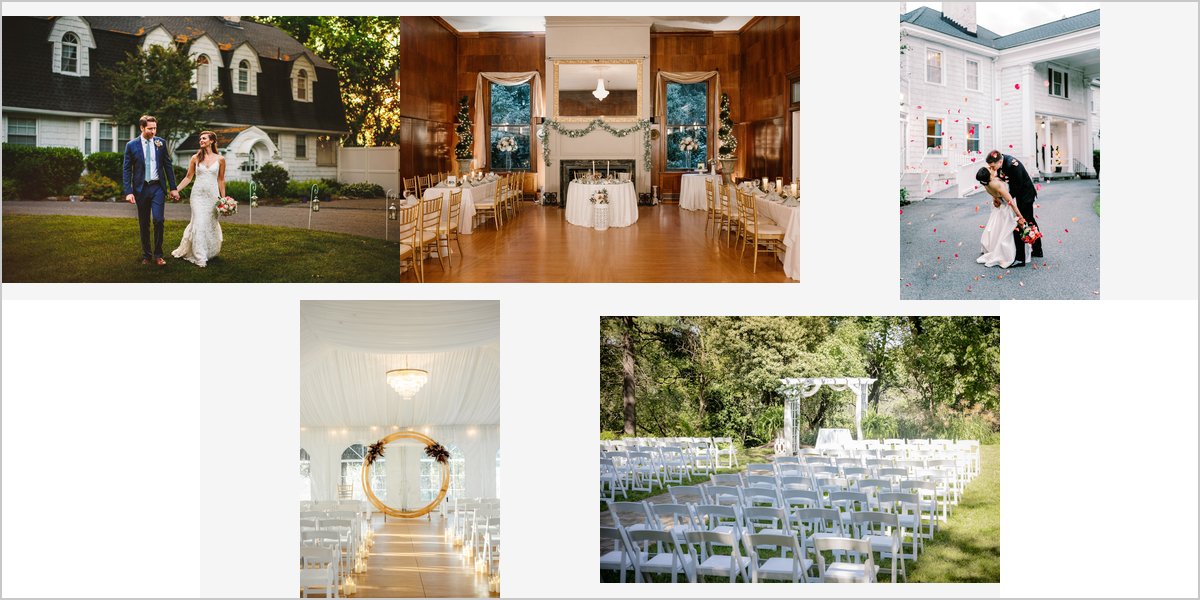
July 9, 2026
Overhills Mansion: Who This Venue Suits, and Who It Doesn’t
A dedicated wedding venue in a historic house is a different proposition from a museum or a club: fewer rules, more control, less prestige. Here is who that suits.
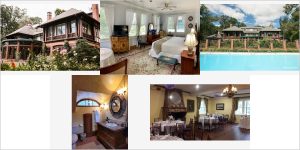
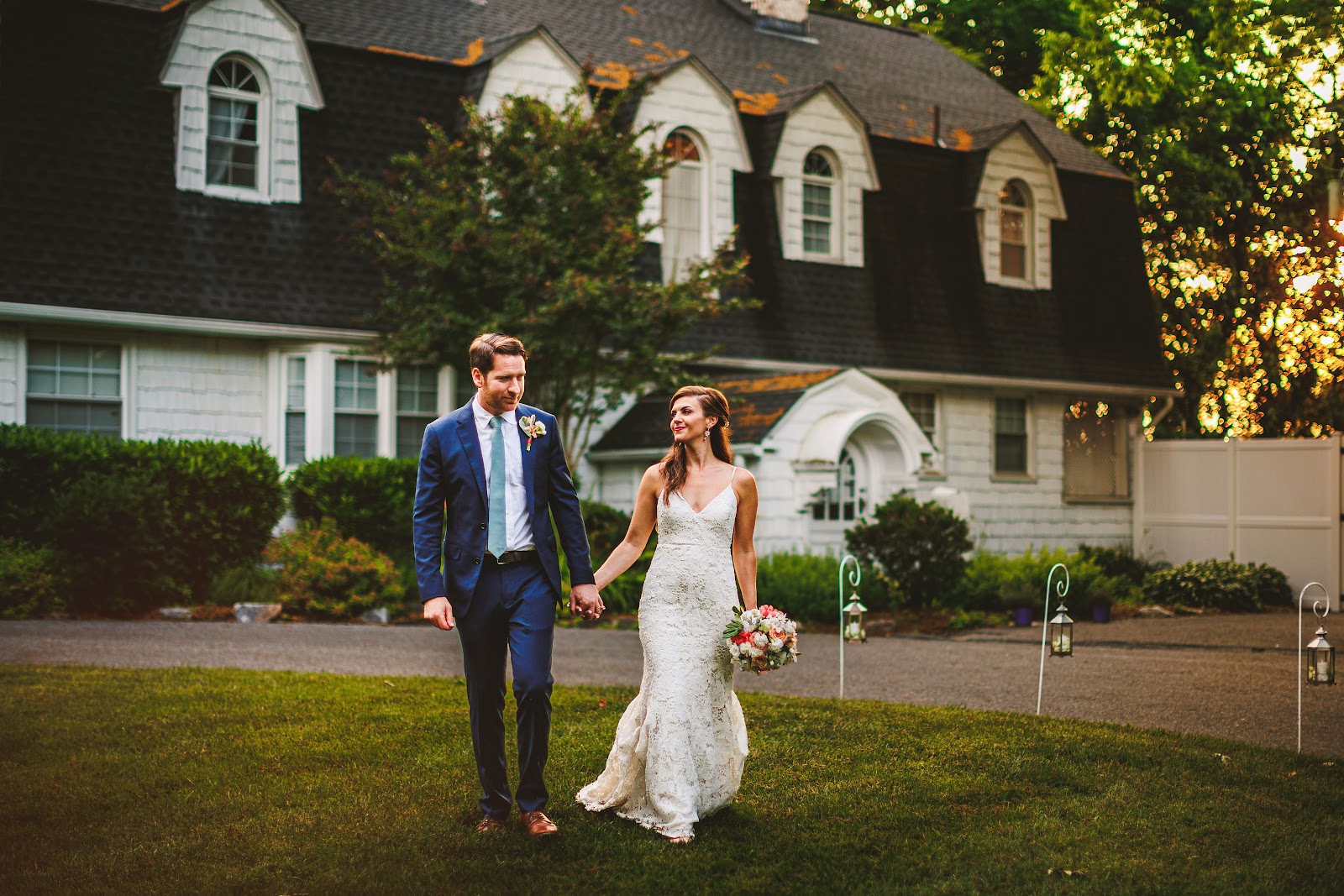
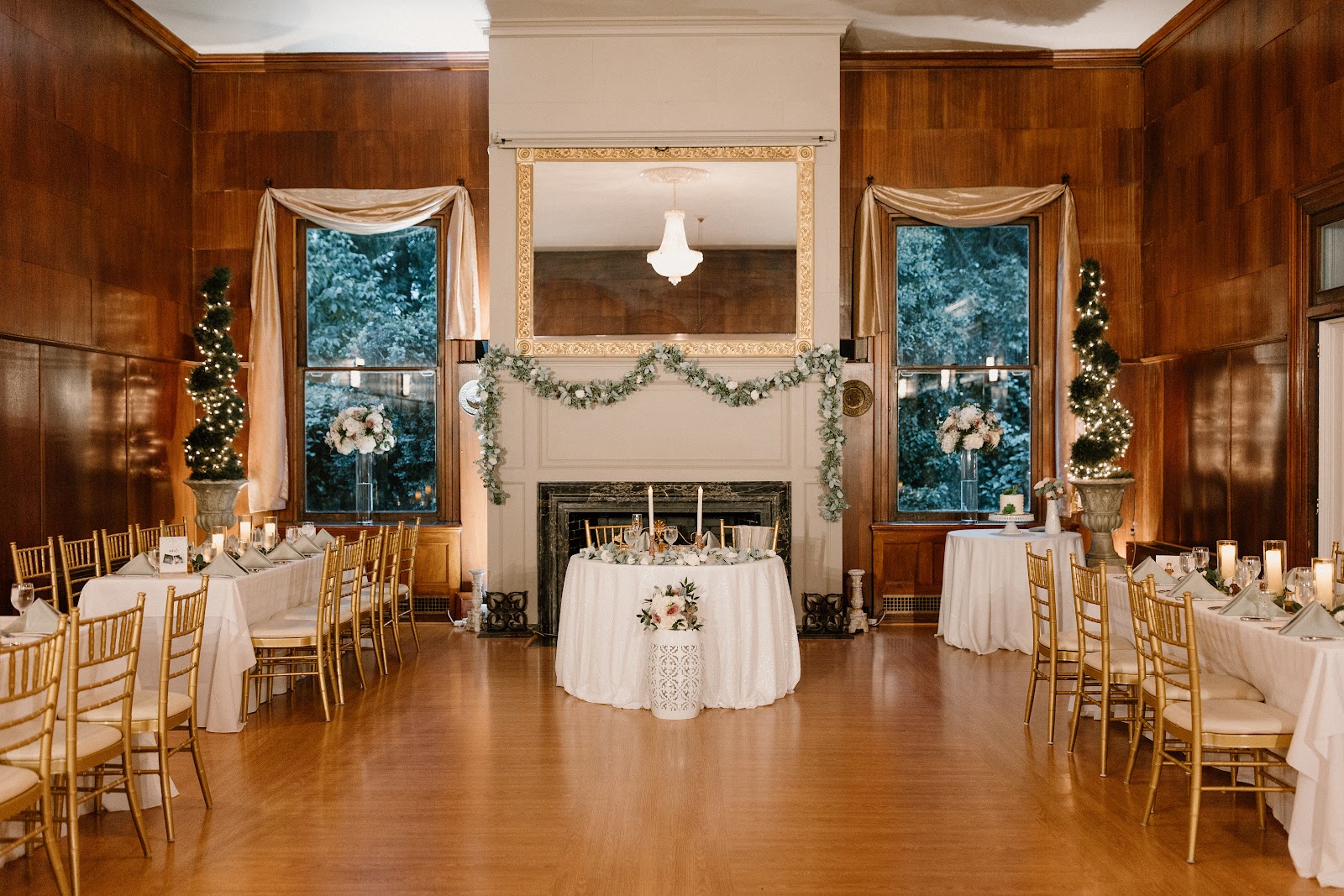
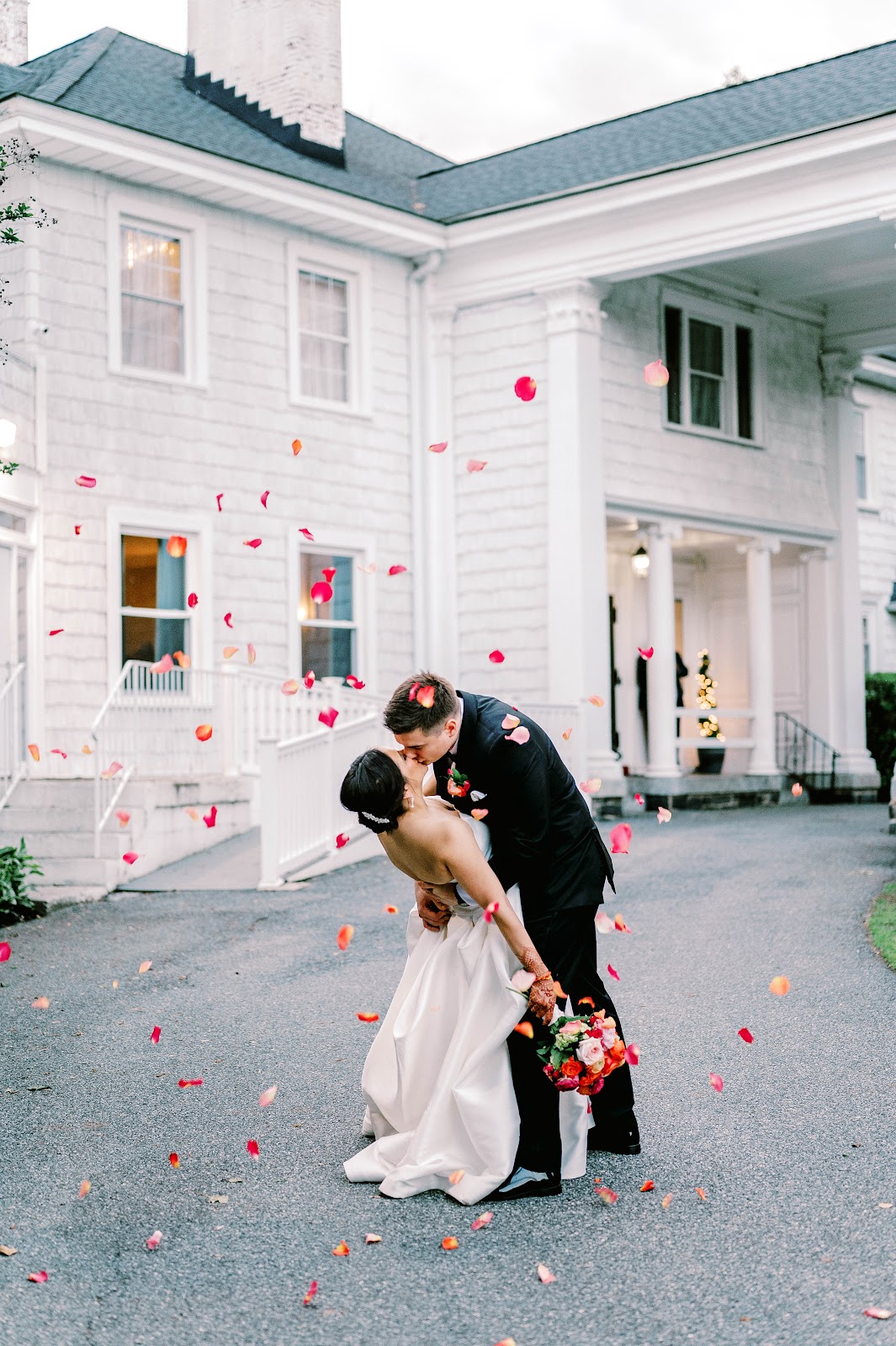
Overhills Mansion is a late nineteenth-century house on wooded grounds in Catonsville, west of Baltimore, operating as a dedicated wedding and event venue. That last phrase is the most important fact about it, and it distinguishes Overhills from most of the other venues in this Baltimore set.
A museum, a library, a church or a private club is something else first and a wedding venue second. The rules, the access windows and the priorities all reflect that, and a photographer works within constraints set by conservators, clergy or members. A dedicated venue has none of that. The whole building exists to host your day, which means access is generous, staff expect photographers, and nobody is going to tell you a room is closed for an exhibition.
What you trade is prestige and distinctiveness. This guide assesses that trade honestly. We have not photographed a wedding at Overhills; capacity, inclusions and rules are for their team, though at a dedicated venue expect those answers to be accommodating rather than restrictive.
Overhills Mansion at a glance
| Where | Catonsville, Maryland — west of Baltimore, on wooded grounds |
| Character | Late nineteenth-century mansion operating as a dedicated wedding venue |
| Light | Period-house window light indoors; canopy shade and open lawn outdoors |
| The key advantage | No competing institutional priorities — generous access and no conservation rules |
| The trade | Less distinctive and less prestigious than a museum, library or landmark club |
What a dedicated venue actually gives you
More than couples expect, and it shows up in the photographs rather than in the brochure. Time is the main thing. At an institutional venue you get a fixed access window with escorted movement, and a shot list of eight locations becomes three. At a dedicated venue you can move freely, revisit a spot when the light changes, and take ten unhurried minutes on a staircase without anyone waiting.
Second, lighting freedom. Conservation rules on flash and stands are the single biggest constraint at museums and libraries. Here you can put a light where it needs to go, which means dark rooms become usable rather than being written off.
Third, the small practical things that quietly determine whether coverage is good: somewhere for the wedding party to get ready on site, a private route between spaces, and staff who have seen a hundred weddings and know when the room needs turning around. None of it is glamorous and all of it converts directly into photographs.
Who this venue suits
Four kinds of couple, specifically.
- Couples who want a relaxed, unhurried day. If the idea of being escorted between rooms on a schedule set by a museum sounds stressful, this is the answer. The pace here is yours.
- Anyone whose priority is photographs of people rather than of a building. A period house with grounds provides pleasant, warm, unobtrusive backgrounds. It will not compete with faces.
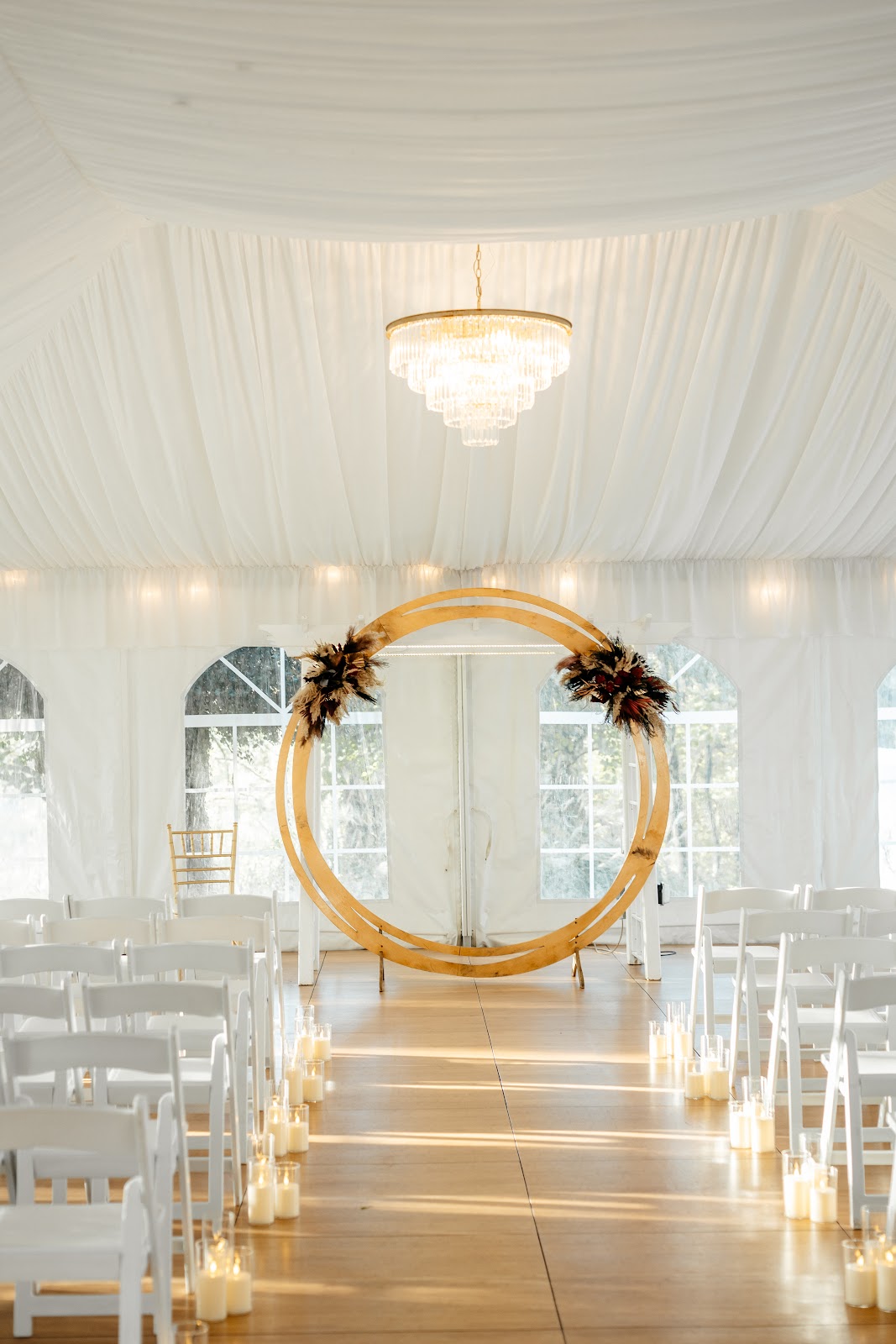
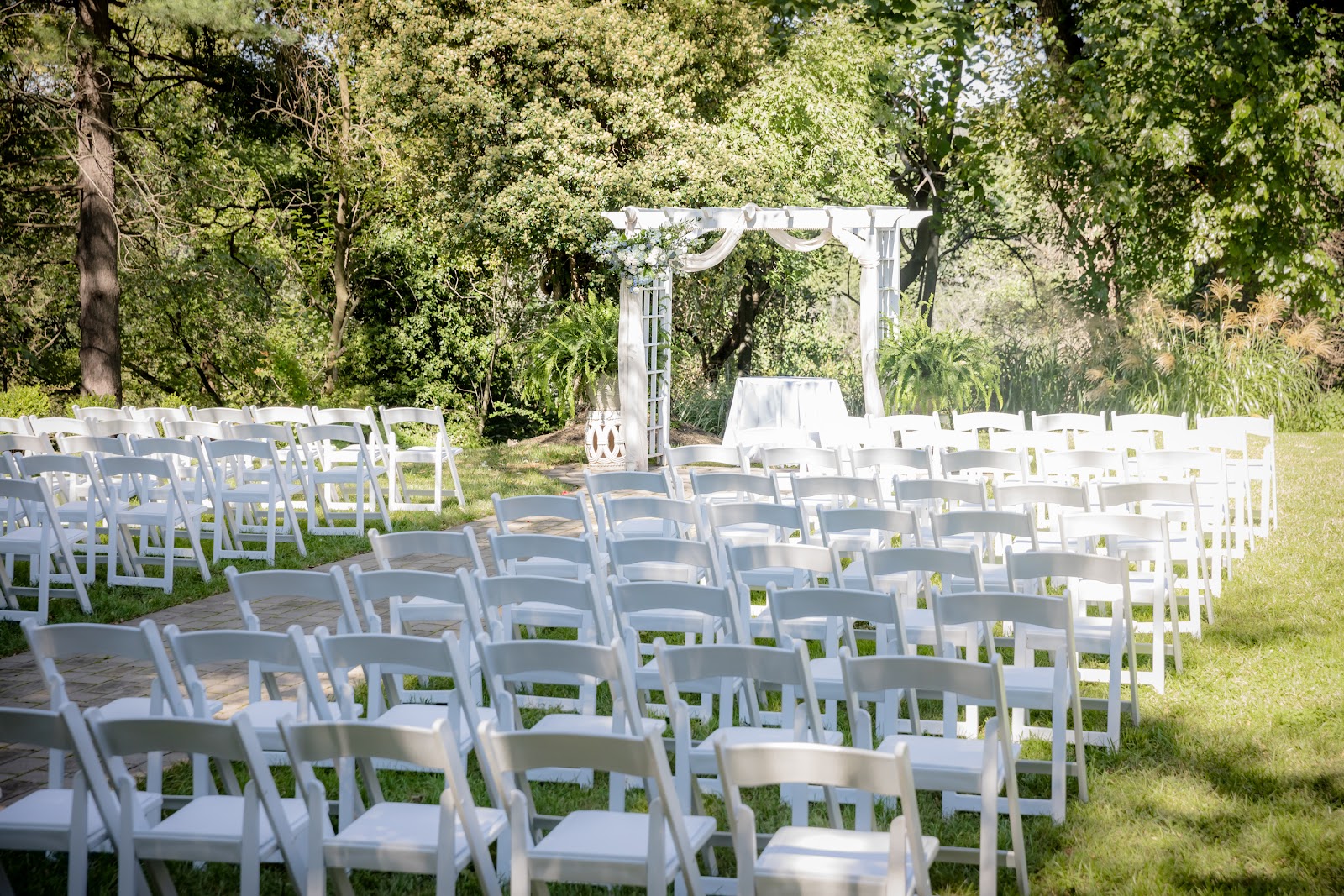
- Couples wanting both indoor and outdoor options without travelling. House plus wooded grounds plus lawn means ceremony, groups and portraits can all happen on one site.
- Those who want the lighting done properly. Because there are no restrictions on equipment, a photographer can light the interiors the way they should be lit rather than working around a prohibition.
Who should look elsewhere
The honest inverse.
- Couples who want a landmark. If you want viewers to recognise the venue instantly, book the Peabody Library, the Basilica or the Belvedere. A suburban historic house will not do that.
- Anyone after architectural drama. There is no ninety-foot rotunda, no five-tier stack room, no mirrored ballroom. The scale is domestic and the character is pleasant rather than spectacular.
- Couples with very large guest lists. A house of this type has domestic room proportions, so past a certain number the interiors get cramped and groups have to be outdoors regardless of weather.
- Anyone who wants a city backdrop. Catonsville is suburban and wooded. There is no skyline, no harbour and no urban architecture within walking distance.
Making the most of it: the practical plan
Because access is generous, the winning strategy here is the opposite of the institutional one. Instead of a short list of must-get frames, plan to work the light as it changes across the day and revisit locations.
Concretely: portraits in the best-lit interior room mid-afternoon, groups on the lawn while the sun is still high enough to light faces evenly under open shade, then return outside for the last ninety minutes when low light rakes through the trees. That last window is the best light the site offers and the freedom to go back out for it is exactly what a dedicated venue buys you.
Indoors, use the equipment freedom properly. One light on a stand, gelled warm, turns a dark Victorian room from a write-off into a good portrait location. Two lights make the reception look intentional. At a museum you could not do either; here you can, and it is the single biggest quality difference available.
Wooded grounds also mean a rain plan matters, and the good news is that a dedicated venue will have thought about it. Ask specifically where the ceremony and the group photographs go in wet weather, and expect a clear answer — which is itself a sign of a venue that runs weddings properly.
What works in your favour
- Generous access and no institutional access windows — the pace of the day is yours
- No conservation restrictions on flash or stands, so dark interiors can be lit properly
- House, wooded grounds and lawn on one site: ceremony, groups and portraits without travelling
- Getting-ready space on site and staff experienced with photographers
- Freedom to revisit locations as the light changes, which institutional venues never allow
What to plan around
- Not a landmark — the venue will not identify itself in a photograph
- No architectural drama; domestic scale and pleasant rather than spectacular character
- Domestic room proportions limit large indoor group photographs
- Suburban wooded setting with no skyline, harbour or urban architecture nearby
- Requires a real rain plan, since much of the appeal is outdoors
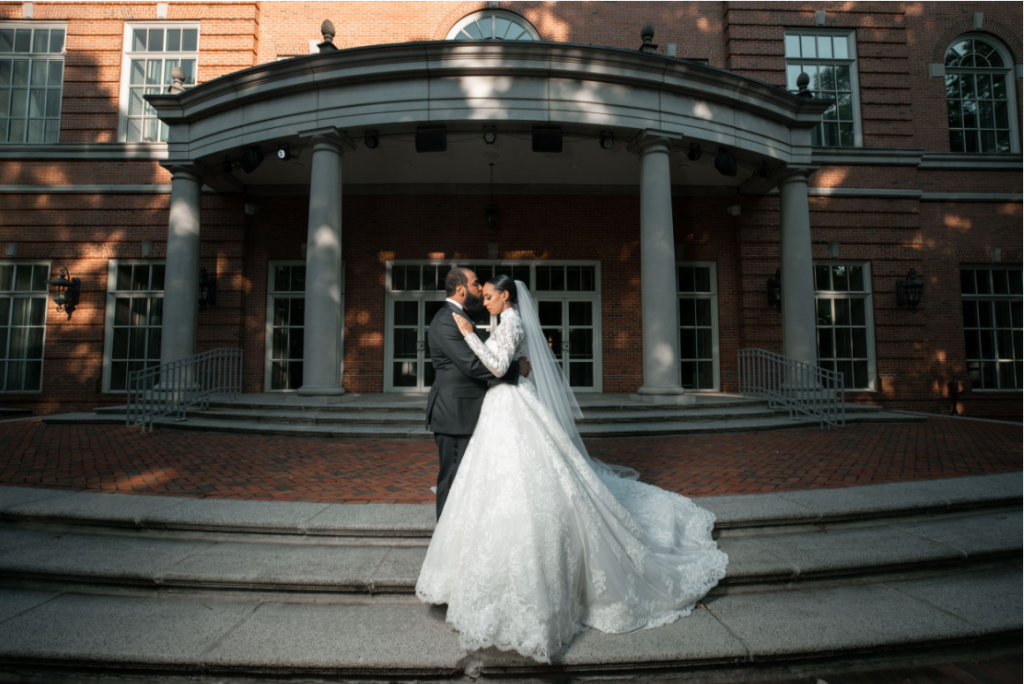
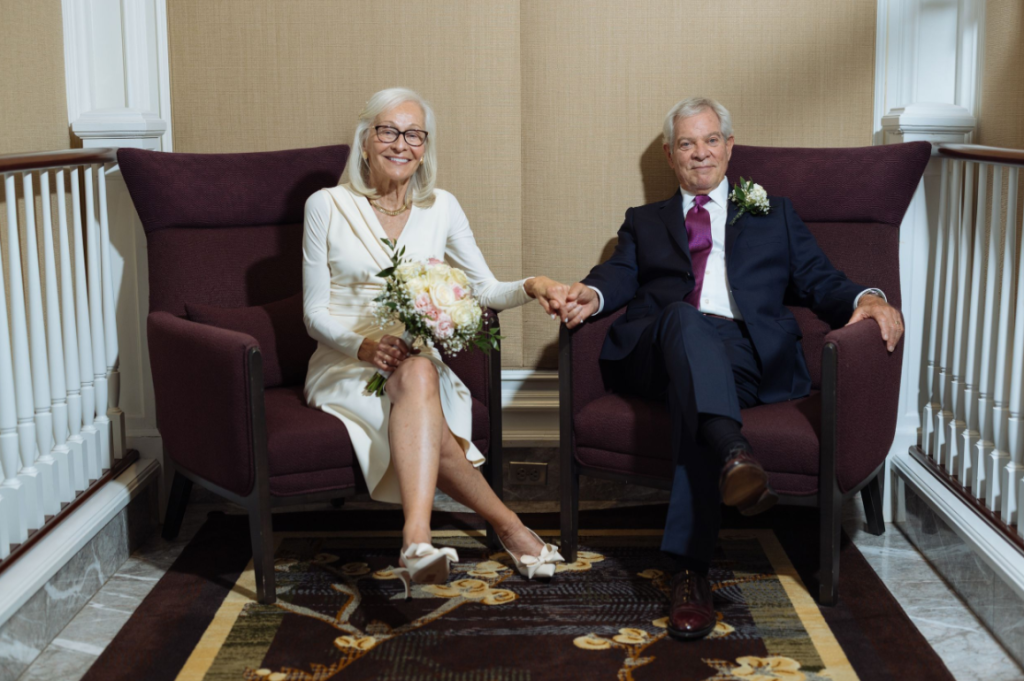
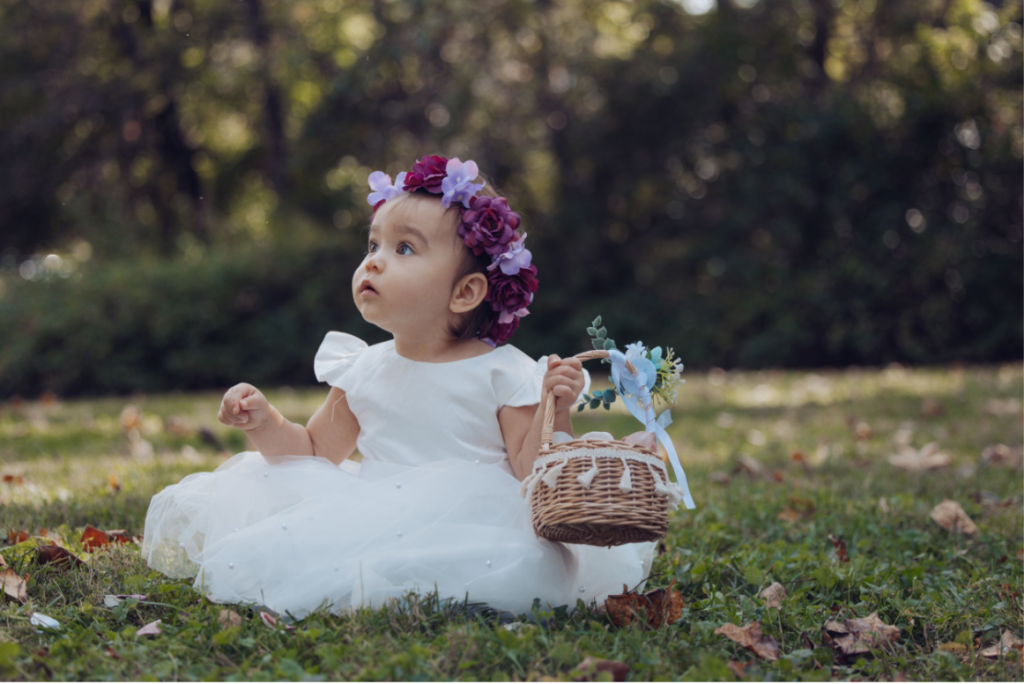
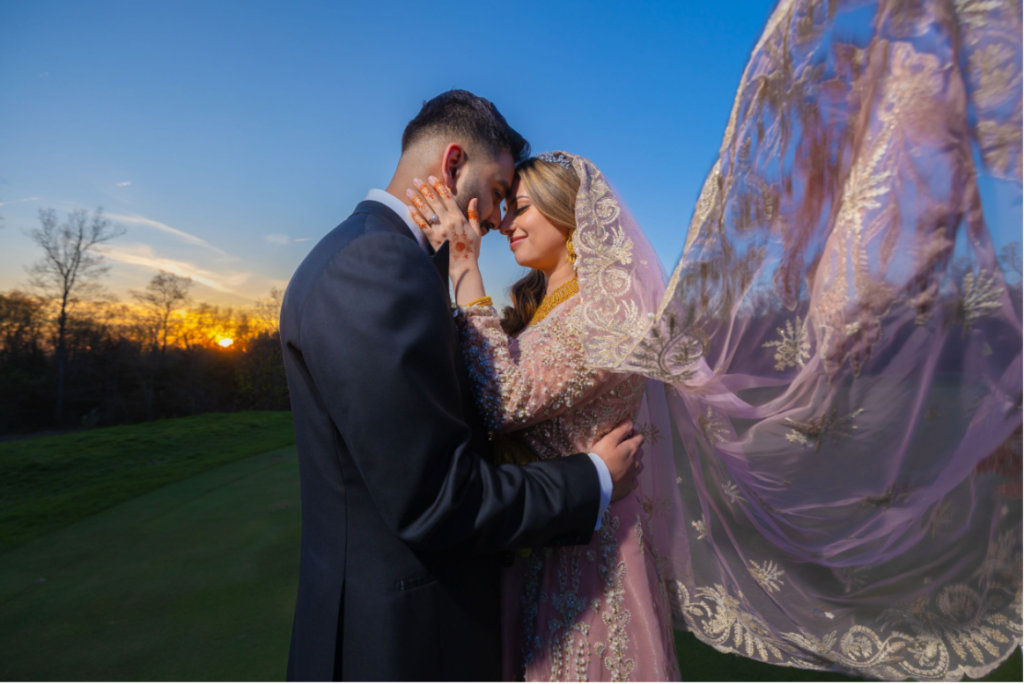
More frames from Overhills Mansion
Overhills Mansion wedding photography: common questions
What is the advantage of a dedicated wedding venue over a museum or club?
Time and lighting freedom, both of which show up directly in the photographs. There is no fixed access window or escorted movement, so you can revisit a location when the light changes, and there are no conservation restrictions on flash or stands, so dark interiors can be lit properly rather than written off.
Who should choose somewhere else?
Anyone who wants a recognisable landmark or architectural drama. There is no rotunda, no grand stack room, no mirrored ballroom — the scale is domestic and the character pleasant rather than spectacular. The Peabody Library, the Basilica or the Belvedere serve that brief instead.
Can we do large group photographs?
Outdoors, yes — the lawn gives room to arrange people properly. Indoors, only smaller groups, because the rooms have domestic proportions. That makes the wet-weather plan for groups an important question to settle with the venue in advance.
What is the best light on the site?
The last ninety minutes of daylight, when low sun rakes through the wooded grounds. The real advantage here is that generous access lets you go back outside for it rather than being locked into a single institutional access window — so plan to return rather than treating it as one pass.
How should the interiors be photographed?
With your own light, which is the freedom this kind of venue gives you. One warm-gelled light on a stand turns a dark Victorian room from unusable into a good portrait location, and two make the reception look intentional. At a museum neither would be permitted.
More Baltimore venue guides
We are writing a photographer’s guide to every venue we would happily shoot in Baltimore. Here are three more, plus the full index:
- The Rawlings Conservatory: A Walk-Through of Glass Houses
- The Belvedere: The Technical Side of a 1903 Grand Hotel
- The American Visionary Art Museum: Who This Venue Suits
All Baltimore Wedding Venues →
Planning a wedding at Overhills Mansion?
A venue with no institutional rules lets us light the interiors properly and go back out for the best light. Tell us your date and we will plan a day that uses that freedom rather than wasting it.