 Overhills Mansion: Who This Venue Suits, and Who It Doesn’t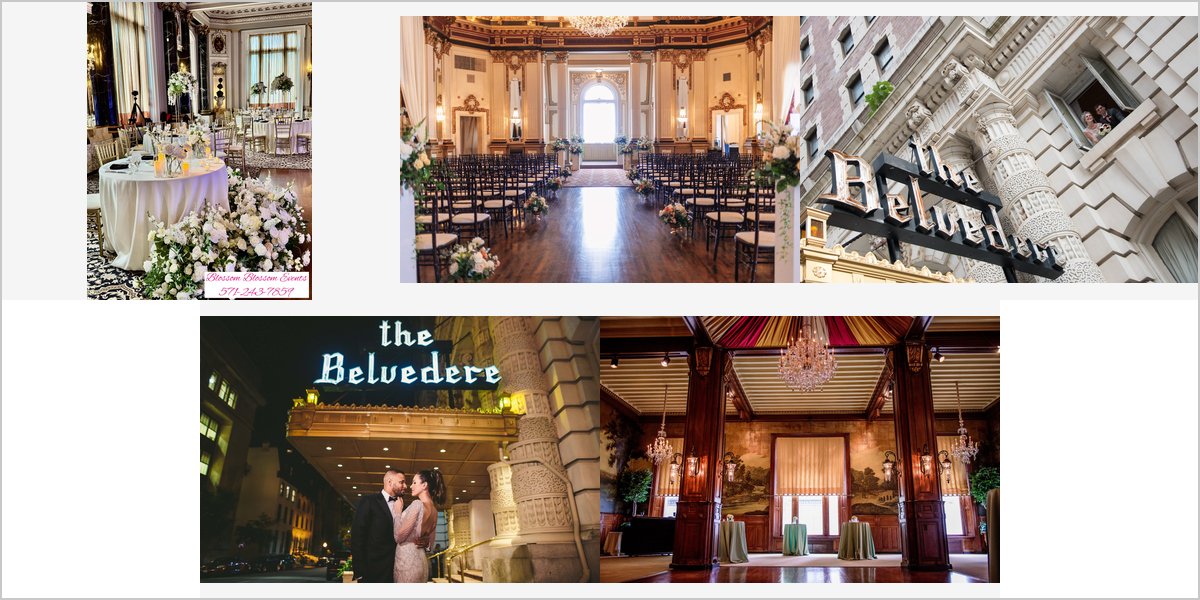
May 14, 2026
The Belvedere: The Technical Side of a 1903 Grand Hotel
Mirrors are the technical problem here, and they are the reason to book it. A mirrored ballroom reflects your lights, your stands and you — unless you plan for it.
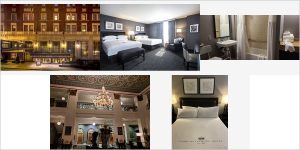
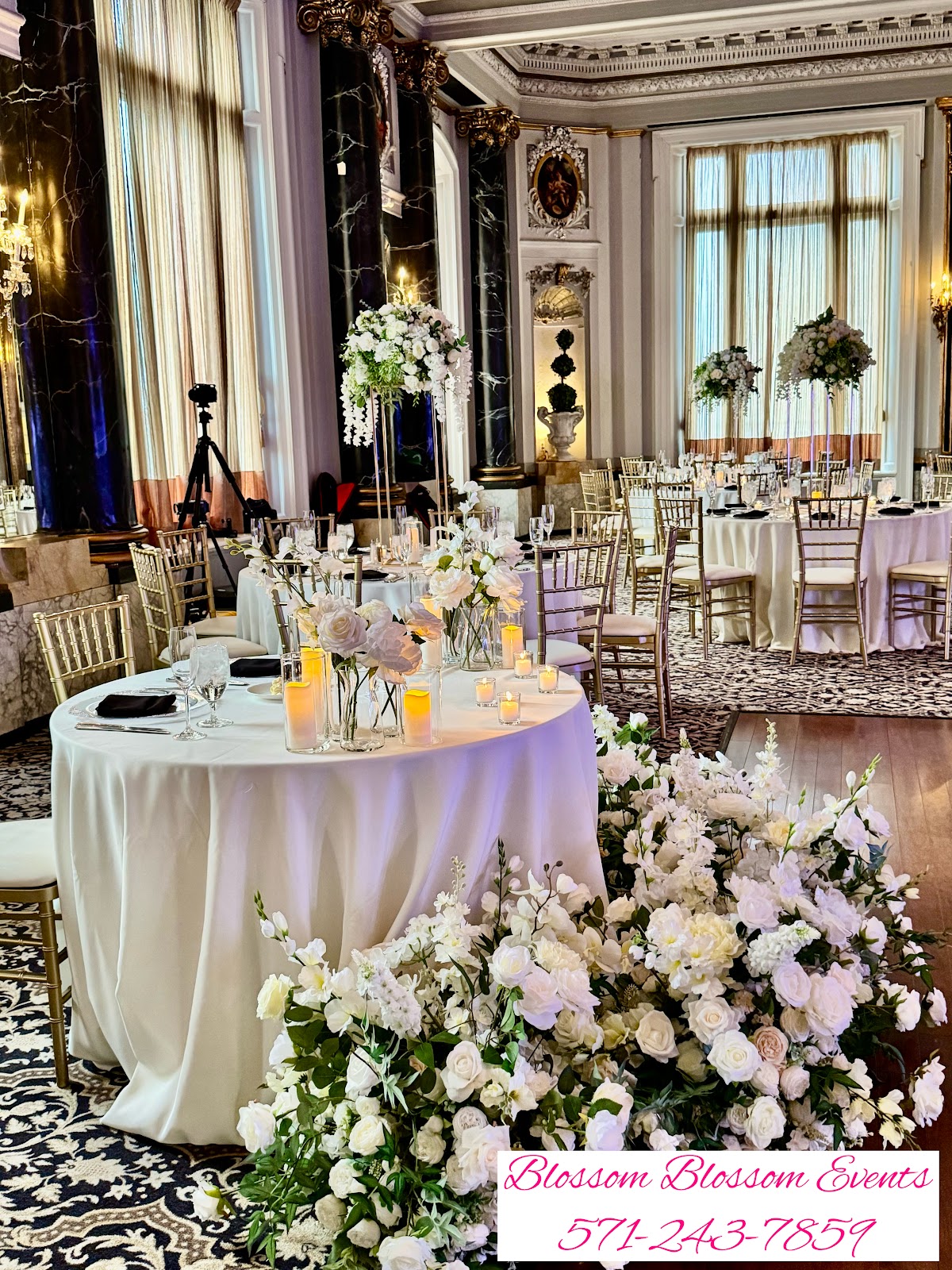
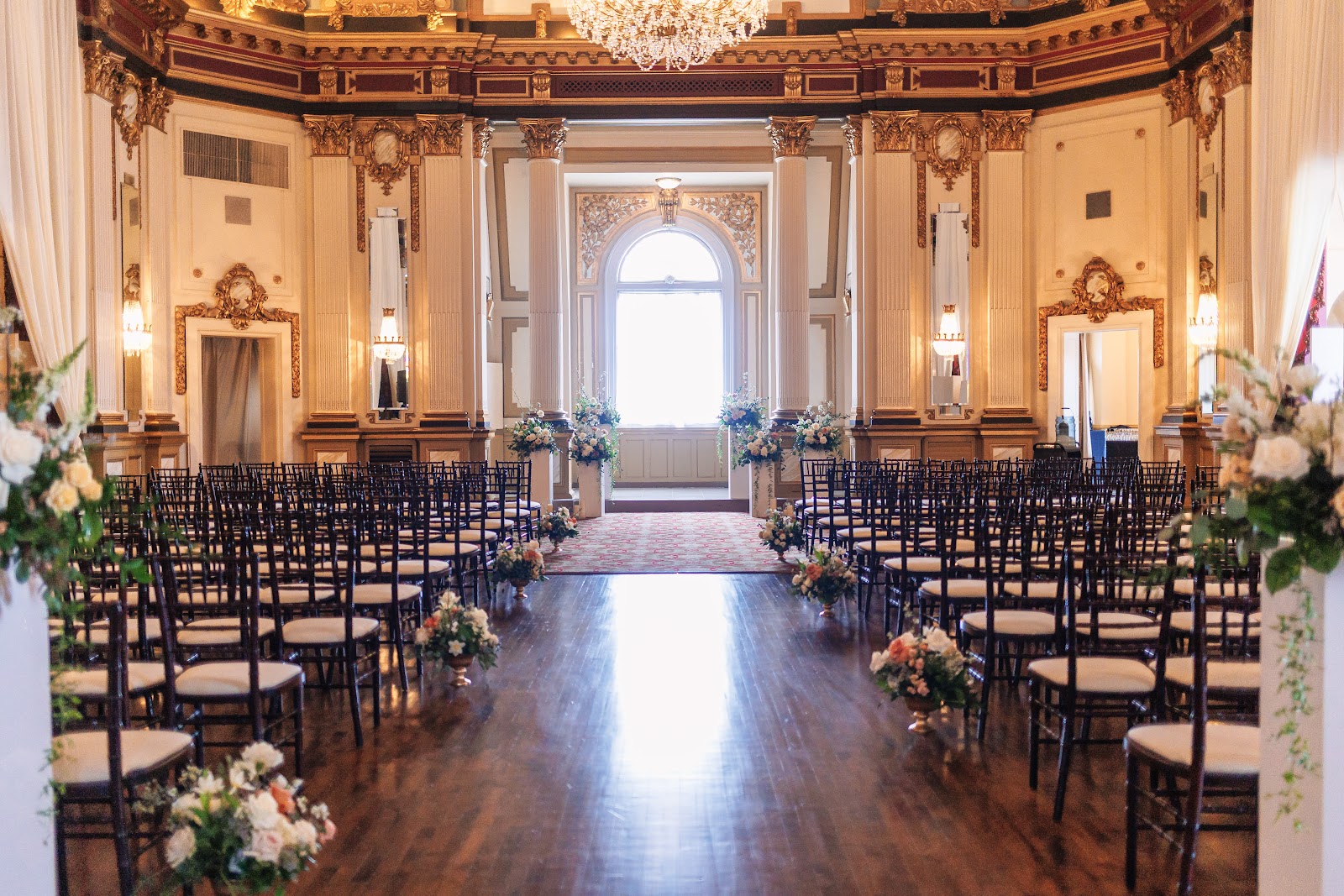
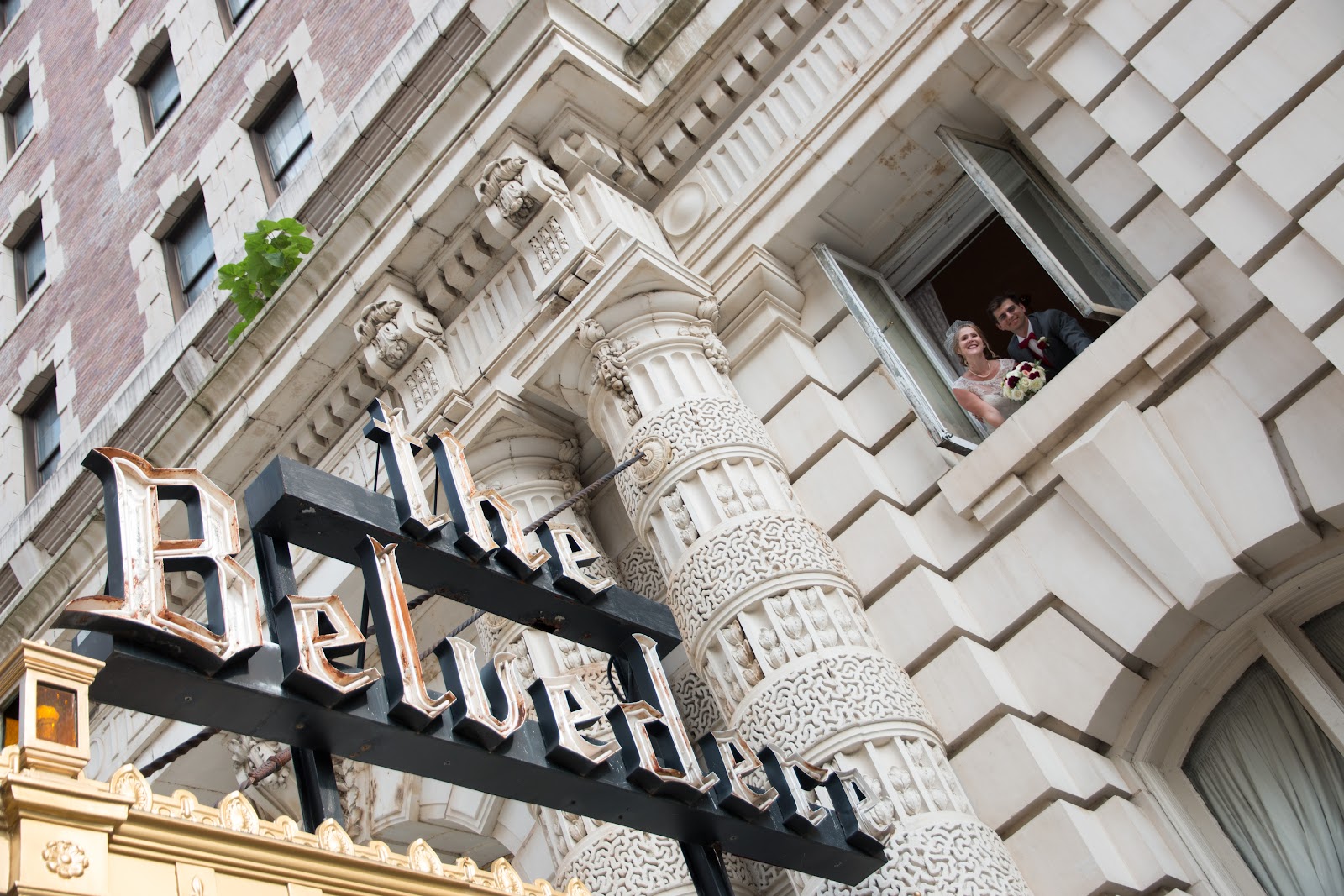
The Belvedere opened in 1903 in Baltimore’s Mount Vernon, a Beaux-Arts grand hotel of the era when hotels were civic monuments. It now operates primarily as a residential building with event spaces, and those spaces retain the period character: ornate plasterwork, chandeliers, a heavily mirrored ballroom, and a thirteenth-floor room with views across the city.
It presents the standard grand-hotel problems — no daylight in the event spaces, warm tungsten throughout, high ceilings that defeat bounce flash — plus one that is specific and genuinely interesting. Large mirrored surfaces change the rules of lighting completely, because anything you put in the room appears in the photograph twice.
This guide addresses the mirrors first, then the usual grand-hotel technique. We have not photographed a wedding at the Belvedere. Room configurations, which spaces your event includes and rooftop access are for their events team — ask specifically about the roof, because a thirteenth-floor view is the venue’s best asset for portraits and access to it is the difference between a good gallery and an ordinary one.
The Belvedere at a glance
| Where | Chase Street, Mount Vernon, Baltimore, Maryland |
| Opened | 1903, Beaux-Arts; now residential with event spaces |
| Spaces | Ornate ballrooms, a heavily mirrored room, a thirteenth-floor space with city views |
| Light | Warm tungsten throughout; no meaningful daylight in the event rooms |
| Technical headline | Mirrors reflect your lights and your stands — plan positions, not just power |
Mirrors: the one rule that changes everything
A mirrored wall means every light stand, every flash head, every assistant and frequently the photographer appears in the frame. You cannot hide a light behind you when the wall behind your subject shows the whole room. This is the single most common reason mirrored ballrooms produce disappointing photographs — not the light level, but the clutter that ends up in shot.
The working method is angles. Shoot at an oblique angle to a mirrored surface rather than square-on, so the reflection shows the room’s depth rather than the camera position. Place lights outside the reflected cone — which in practice means well to the side and often behind the mirror’s plane. And check the frame edges before committing, because a stand leg intruding into a reflection is very hard to remove afterwards.
Used deliberately, mirrors are a genuine asset. They double a chandelier, extend a room visually, and let you show a couple from two angles in one frame. The infinite-reflection shot — a couple between two facing mirrors — is a striking image that only exists in rooms like this.
Chandeliers and the exposure decision
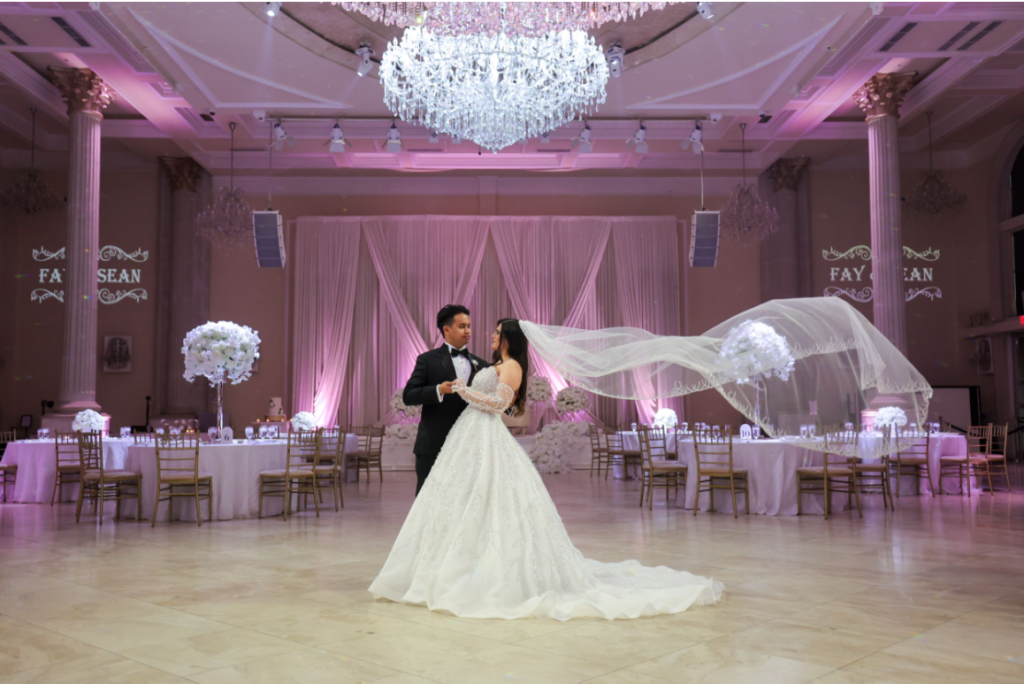
In any period ballroom the chandeliers are several stops brighter than everything else, and in a mirrored room they are brighter still because their reflections add to the total. Meter for the room and they become structureless white blobs; meter for them and the room goes black.
Expose so the chandeliers retain shape — crystals distinguishable rather than fused — and bring the room up with your own light. That means the ambient exposure sits deliberately darker than instinct suggests. If the hotel dims the chandeliers for dinner service, take the wide room frame then: the dynamic range collapses and a single exposure holds everything.
The reflections help here too. A dimmed chandelier reflected in a mirrored wall reads as a second light source in frame, which gives a wide shot depth and stops it looking flat.
High ceilings, warm tungsten, and the differential white balance
The usual grand-hotel technique applies. High ornate ceilings make bounce flash ineffective — the light goes up, is absorbed by plasterwork and paint, and returns warm and weak. So light comes from stands with modifiers: one flash as a feathered key off to the side, one behind the dancefloor as a rim light.
On colour, keep the room warm and light the faces slightly cooler. Everything in a 1903 hotel adds amber — tungsten fixtures, gilding, timber, patterned carpet — and skin with no neutral component in it looks artificial. A lightly gelled or ungelled key against the tungsten ambient gives you faces that read naturally inside a warm room.
Set white balance manually in each space. A mirrored room, a ballroom and a rooftop will not share a colour temperature, and auto white balance will average them all into something wrong.
The rooftop, which is the reason to negotiate hard
A thirteenth-floor space with views over Baltimore is unusual and it is the venue’s strongest photographic asset. It gives you the one thing the rest of the building cannot: daylight, plus a horizon, plus elevation.
The best window is the twenty minutes after sunset, when the sky still holds colour and the city lights come up to match it. From height, that is a genuinely spectacular frame, and it is worth building the timeline around — a ten-minute block, scheduled, not attempted if convenient. Mount Vernon’s own architecture and the wider skyline both read well from that elevation.
During daylight, a rooftop is also the only place in the building where you can do a group photograph in natural light. If access is included, use it for that. If access is uncertain, ask before booking, because without the roof you have a handsome but entirely windowless venue.
What works in your favour
- Genuine 1903 Beaux-Arts interiors with ornate plasterwork and chandeliers
- A mirrored ballroom that can double chandeliers and produce frames no other room offers
- A thirteenth-floor space with city views — daylight, horizon and elevation in one place
- Dimmed chandeliers at dinner give a wide frame a single exposure can hold
- Mount Vernon location with the Washington Monument and formal squares nearby
What to plan around
- Mirrors put your lights, stands and crew in the photograph unless angles are planned
- Chandeliers clip several stops before the room; ambient must be exposed darker than instinct
- High ornate ceilings make bounce flash ineffective
- No meaningful daylight in the ballrooms; the reception is entirely a lighting assignment
- Rooftop access is the venue’s best asset — confirm it is included before booking
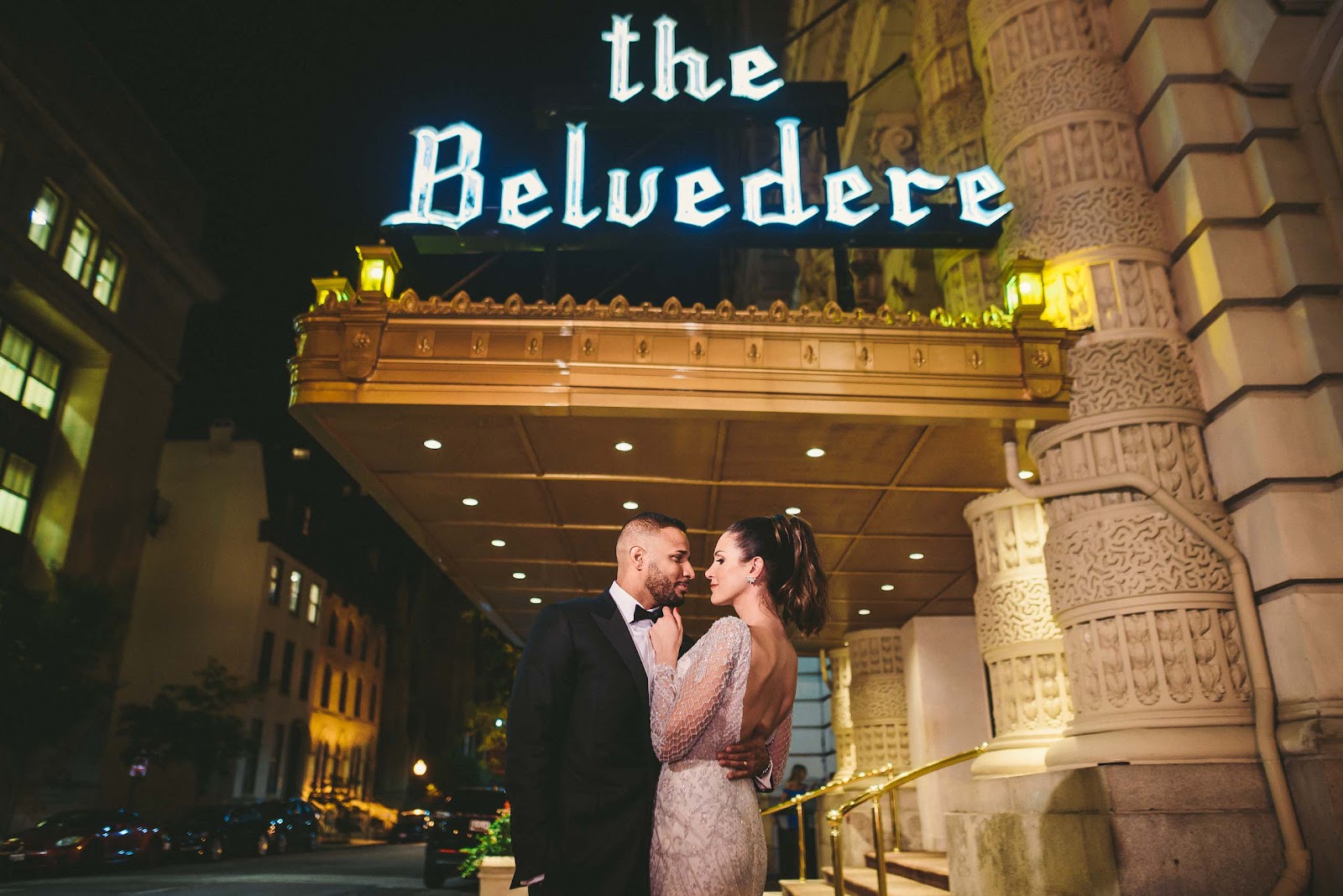
More frames from The Belvedere
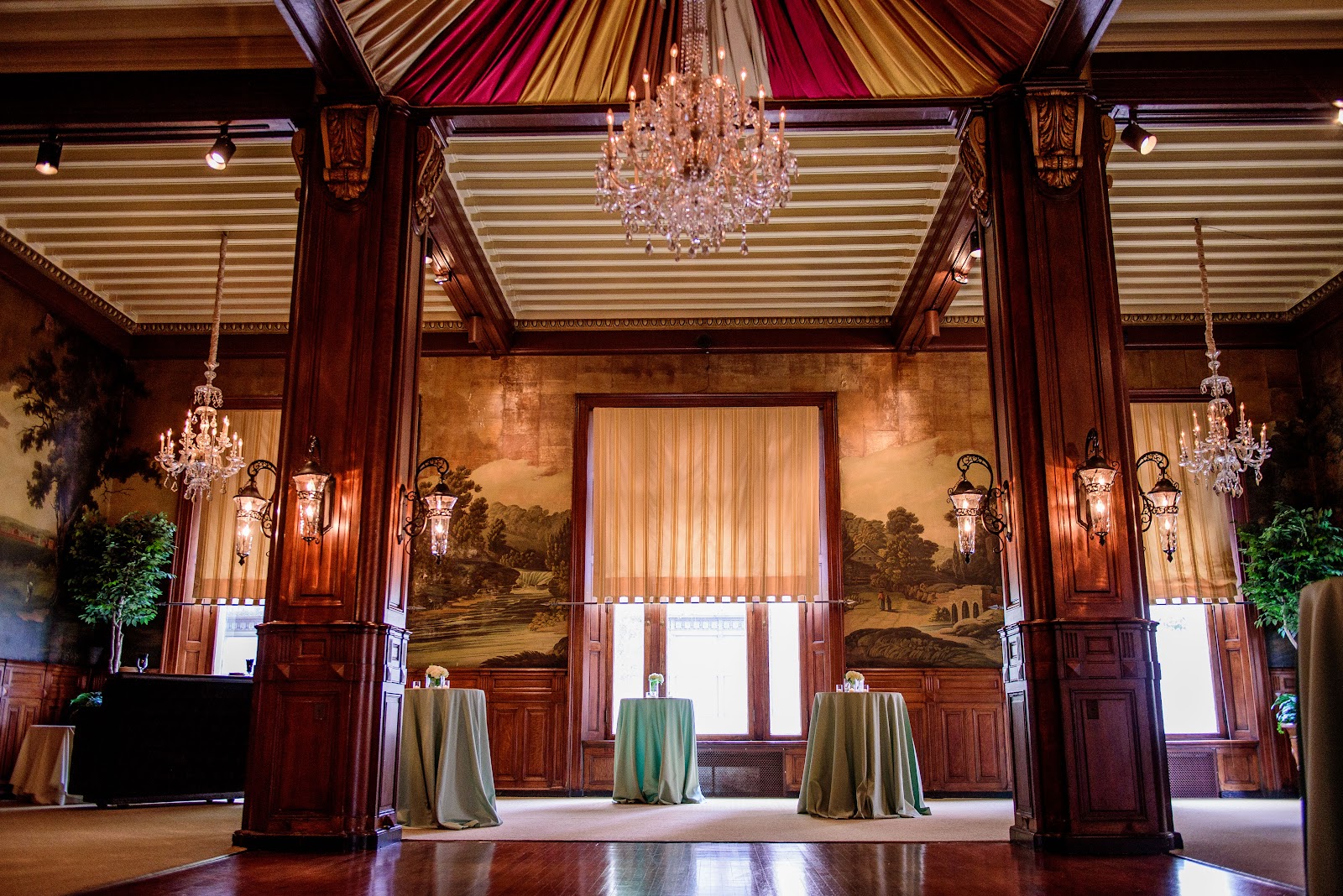
The Belvedere wedding photography: common questions
What is the hardest thing about photographing a mirrored ballroom?
Keeping your own equipment out of the picture. A mirrored wall shows every light stand, flash head and crew member, and a stand leg in a reflection is very hard to remove afterwards. Shoot obliquely rather than square-on, place lights outside the reflected cone, and check the frame edges before committing.
Are mirrors an advantage or a problem?
Both, and deliberately used they are an advantage. They double a chandelier, extend the room visually and let you show a couple from two angles in one frame. The infinite-reflection shot between two facing mirrors is an image that only exists in rooms like this.
How should the chandeliers be exposed?
So the crystals stay distinguishable rather than fusing into a white blob, which means the ambient exposure sits darker than instinct suggests and faces come up with your own light. If the hotel dims them for dinner, shoot the wide room frame then — the range collapses to something one exposure holds.
Why not just bounce the flash off the ceiling?
Because a high ornate plaster ceiling absorbs the light and returns very little, warm. It is the standard mistake in period ballrooms and it produces dim amber frames. Use direct modified light from stands, plus a rim light behind the dancefloor.
Is rooftop access important?
It is the single thing worth negotiating hardest for. A thirteenth-floor space is the only place in the building with daylight, a horizon and elevation, and the twenty minutes after sunset from up there is the best frame the venue offers. Without it you have a handsome but completely windowless venue.
More Baltimore venue guides
We are writing a photographer’s guide to every venue we would happily shoot in Baltimore. Here are three more, plus the full index:
- The American Visionary Art Museum: Who This Venue Suits
- The Baltimore Basilica: Field Notes on a Latrobe Interior
- Clifton Mansion: A Photographer Answers the Real Questions
All Baltimore Wedding Venues →
Planning a wedding at The Belvedere?
Mirrored rooms reward a photographer who has worked out the angles in advance. Tell us your date and whether the rooftop is included, and we will send a lighting plan plus the exact dusk window for that evening.