 Overhills Mansion: Who This Venue Suits, and Who It Doesn’t
The Baltimore Zoo: What It Suits and What It Does Not
The best thing at this zoo is not an enclosure. It is a covered porch with a view.
The Baltimore Zoo sits within Druid Hill Park, and among its ceremony spaces the Mansion House Porch is the one couples choose most — a historic covered porch with a sweeping view over the park.
That porch is worth leading with, because a covered porch is the best-designed light on any site and most people looking at a zoo are thinking about the animals. A roof overhead blocks the sky, a wall behind bounces, and the open side becomes one very large directional source — which is what a softbox does, at architectural scale, for nothing. Add a view over parkland as a background and it is a complete portrait setup that requires no equipment and works in any weather.
Everything else at a zoo comes with structural constraints, and they are worth stating plainly rather than working around silently. This is written as suits and does not suit. We have not photographed a wedding at the zoo; zoos behave consistently. What the Mansion House booking includes, whether the grounds can be private, and what the indoor fallback is are the questions for their team.
The Baltimore Zoo at a glance
| Where | Druid Hill Park, Baltimore, Maryland |
| Character | A zoo in a large historic park, with a Mansion House porch |
| The real asset | The covered porch — architectural softbox with a parkland view |
| Suits | Couples who want the animals, larger counts, a distinctive gallery |
| Does not suit | Anyone needing no fencing anywhere, or a large indoor fallback |
The porch, and the fencing everywhere else
The porch first, because it is the thing to plan around. Standing a metre inside the edge of a covered porch puts a subject in a large soft directional key with the light coming horizontally from the open side — which models a face properly instead of falling on it from above, and does so for hours rather than for twenty minutes. It also works in rain, which at an outdoor venue is not a small thing.
The view is the second half of it. A sweeping outlook over parkland compresses beautifully on a long lens, stacking trees and distance into a soft layered background, while a wide lens reduces the same view to a thin strip. This is a long-lens position rather than a wide one, despite the instinct a view provokes.
The porch also has a specific geometry worth using: because the light comes from one side only, moving a subject two metres along the porch changes the light from front to side to near-backlit without moving a single piece of equipment. Three quite different portraits exist within one architectural feature.
Away from the porch, fencing is the standing constraint and the tool for it is optical rather than compositional. A long lens at a wide aperture, with the couple several metres in front of any barrier, turns mesh into an unreadable soft band — present in the frame but not legible as fencing. At 35mm the same barrier stays sharp and obvious. Almost the entire zoo problem is solved by focal length.
The corollary is that a wide lens near an enclosure is a mistake, not a preference. Wide angles keep background detail sharp and include much more of it, so the frame will contain a fence, a sign, a bin and a service door. If a frame seems to need a wide lens near an enclosure, it needs a different position.
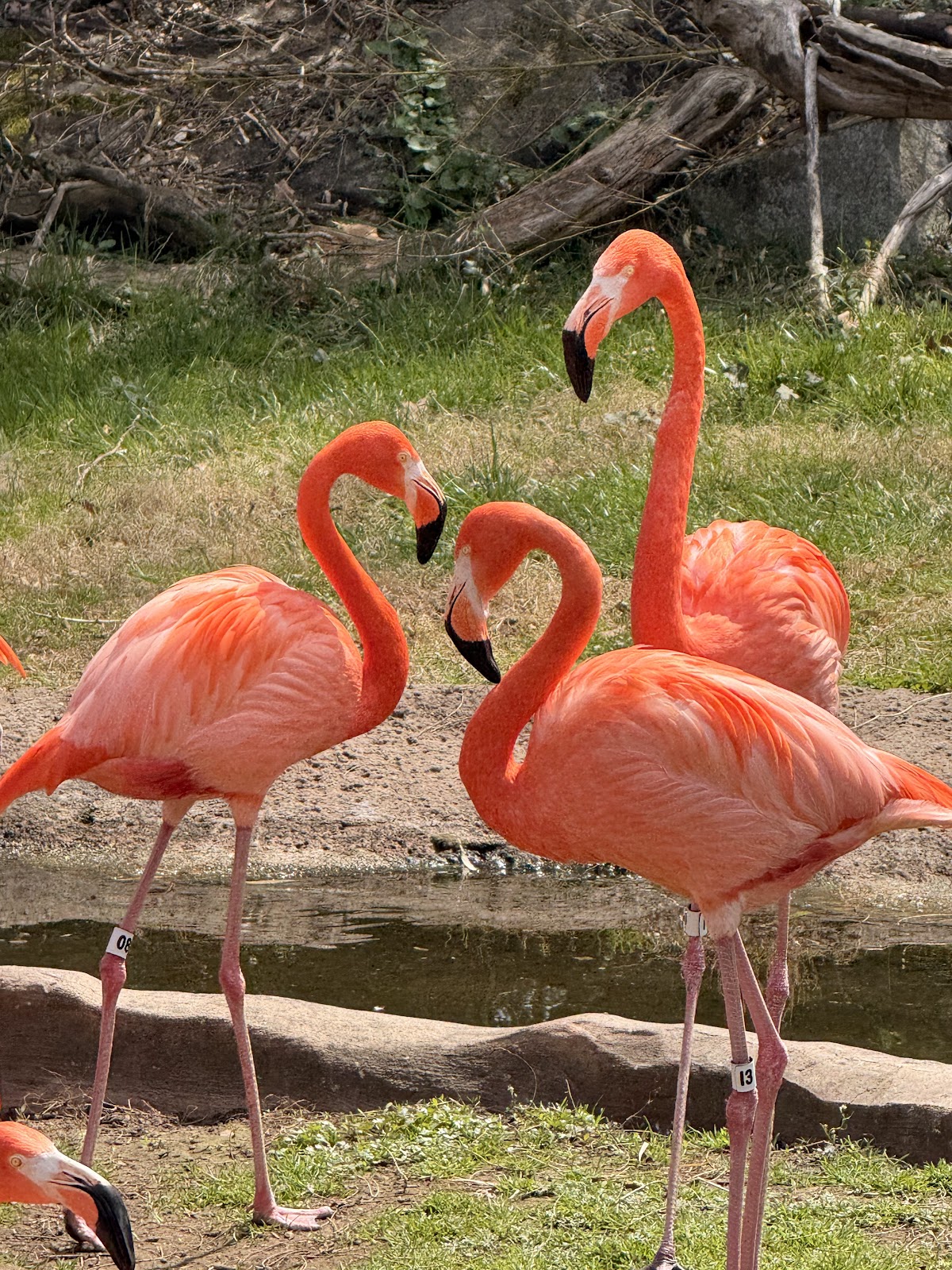
Animals behave as content rather than background, because human vision prioritises movement and faces. An animal behind a couple takes the eye every time — so either commit, place the couple to one side and let it be a co-subject, or move. Half-in fails.
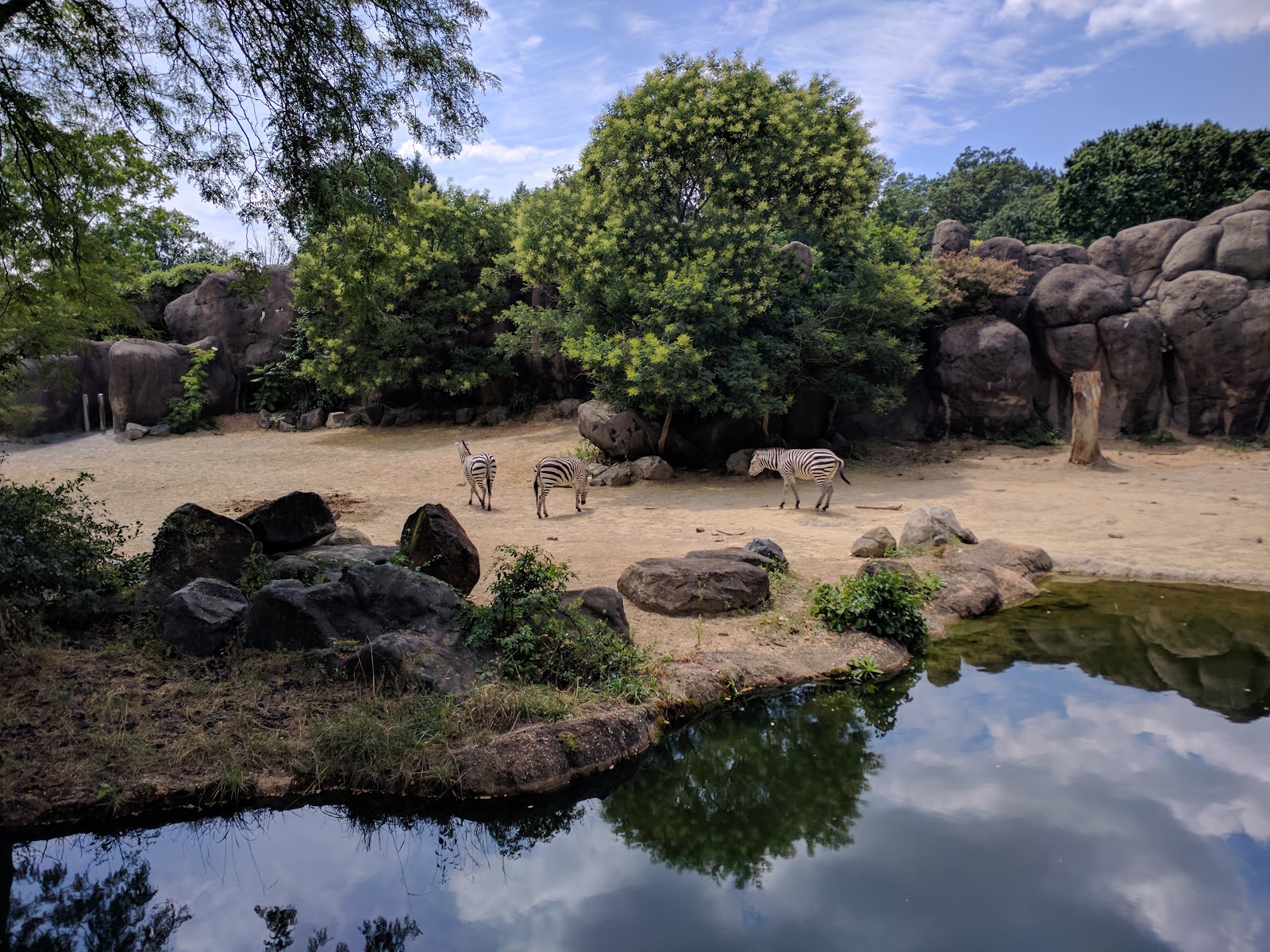
Who it suits
The distinctiveness here is real and the porch makes it unusually workable, which is a combination zoos do not always offer.
These briefs are well served:
- Couples who genuinely want the animals in the photographs, not merely nearby
- Anyone drawn to a covered porch ceremony with a parkland view behind it
- Larger guest counts, since zoo and park grounds absorb numbers easily
- Couples wanting a gallery that looks unlike every other wedding gallery
- Anyone content for the photographer to work mostly on a long lens
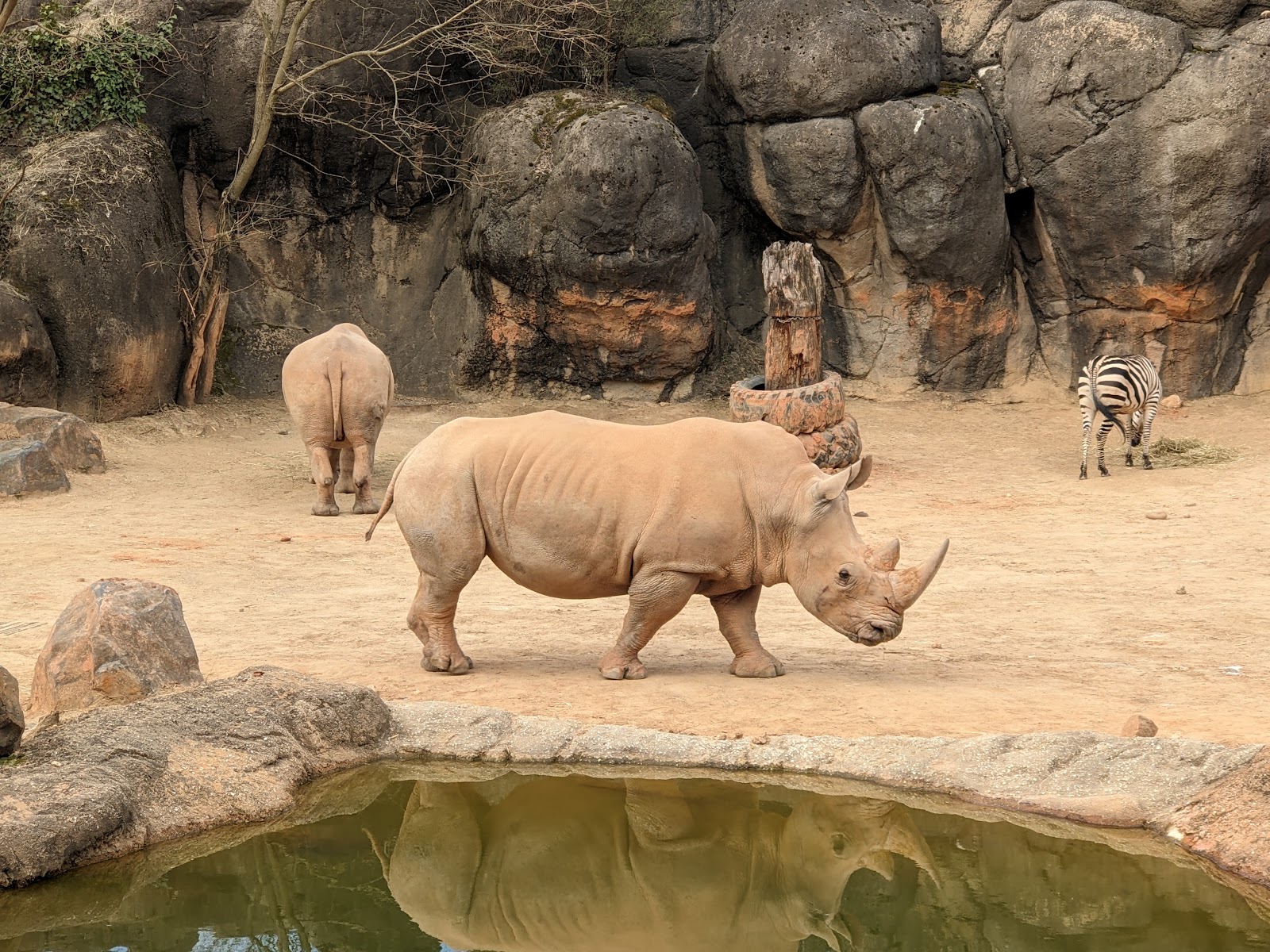
Who should look elsewhere
The reverse list is not a criticism of the zoo. Every constraint here follows from keeping animals well and letting the public see them, which is what the institution exists to do.
Several reasonable intentions run against those constraints:
- Anyone whose gallery must contain no fencing, mesh or railings anywhere
- Briefs needing architectural character, since most zoo buildings are functional
- Couples who cannot tolerate other visitors in frame, unless the grounds are private
- Anyone relying on a substantial indoor fallback, which a zoo may not have
- Weddings wanting a formal, enclosed, controlled setting throughout
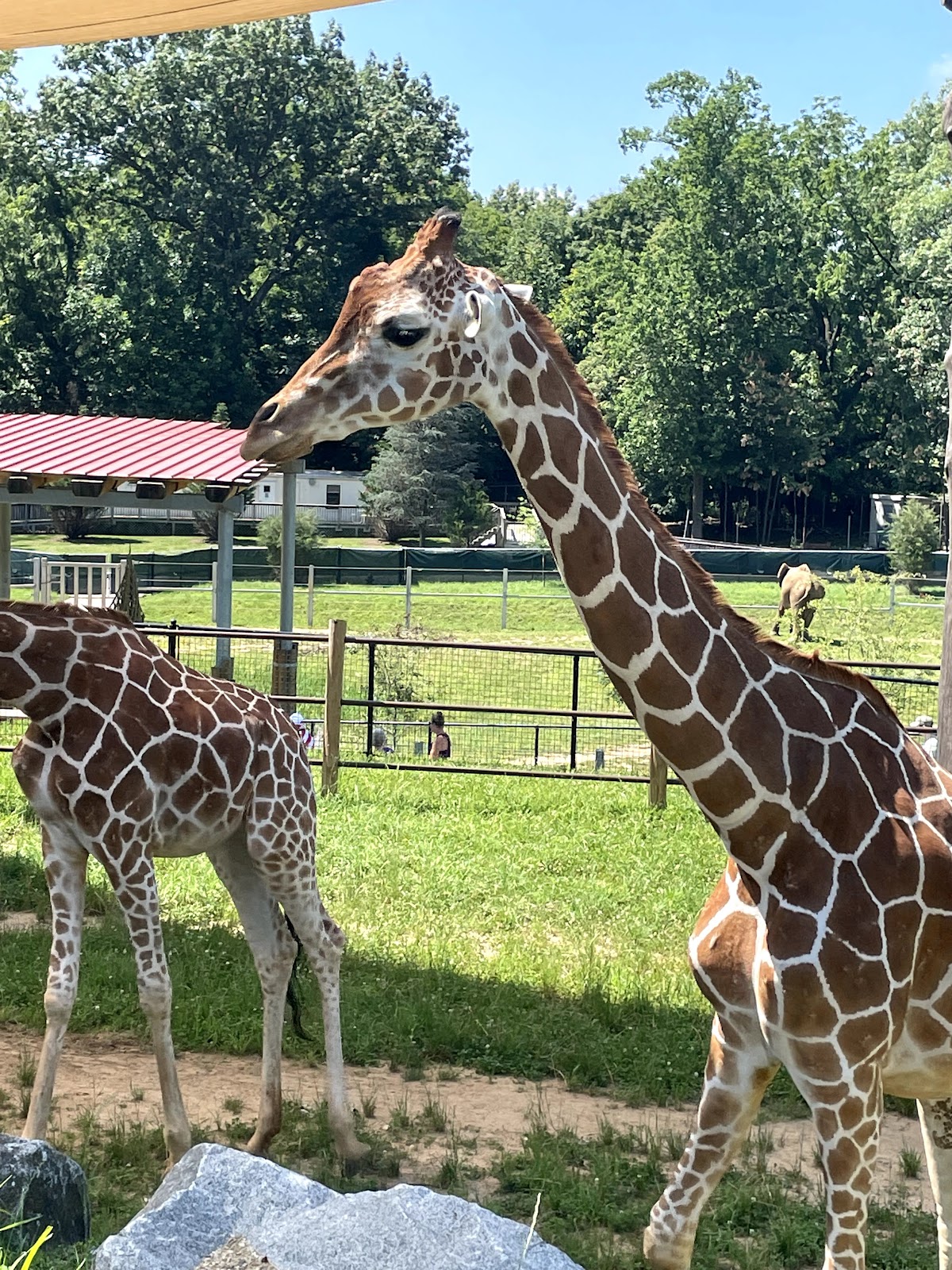
The park, the light, and Baltimore weather
Druid Hill Park around the zoo is the asset people forget to ask about. A large historic park has what a zoo does not: mature canopy, open lawn, long sight lines, built features and no fencing. If access to the park is straightforward, it solves most of the zoo’s problems in a five-minute walk, and it is worth establishing in advance rather than improvising.
Mature canopy is the summer resource. Continuous deep shade under old trees is soft, cool and directional towards any opening, which makes a humid Baltimore afternoon workable; dapple is the same canopy when the sun is above rather than beside it, putting hot spots several stops above the surrounding shadow across a face and shifting with every breeze. Full shade, open light, or wait for the sun to drop below the branches — never a face in dapple.
Zoo grounds themselves are open by design, because habitats need light and visitors need sight lines, so shade is scarce and scattered. The building’s own shadow and any covered structure are the midday resources, and the porch is the best of them.
The last ninety minutes do two things at once here. Low raking light lights the couple while putting mesh and railings into shadow, which physically reduces how much the fencing matters; and it backlights foliage so the grounds read as planted rather than merely green. It is the window worth protecting.
Mid-Atlantic conditions govern the season. Summer heat and humidity make long outdoor blocks difficult in formal clothes, and afternoon thunderstorms are common rather than rare — which at a venue whose main asset is outdoors needs an honest answer in advance about what the fallback is, how many it holds, and when the decision is made. A covered porch is a partial answer for a ceremony and not an answer for a reception.
Humidity produces the season’s equipment risk: a camera chilled in an air-conditioned car or building fogs comprehensively on reaching warm damp air and can take many minutes to clear. Let the kit warm before it is needed. And the compensation is real — grounds after rain are saturated and dark, paths hold reflections, animals are often more active in the cool, and low sun under a departing cloud bank is better light than any clear afternoon gives.
More frames from The Baltimore Zoo
The Baltimore Zoo wedding photography: common questions
What is the best photographic feature here?
The Mansion House Porch. A roof blocking the sky, a wall behind bouncing and an open side make it a very large soft directional source — a complete portrait setup with no equipment, and it works in rain.
How should the porch view be shot?
On a long lens. Compression stacks trees and distance into a soft layered background, where a wide lens reduces the same view to a thin strip. It is a long-lens position despite the instinct a view provokes.
How do you handle fencing?
Optically. A long lens at a wide aperture with the couple several metres in front of any barrier turns mesh into an unreadable soft band. Almost the entire zoo problem is solved by focal length.
Why is a wide lens wrong near enclosures?
Because it keeps background detail sharp and includes far more of it, so the frame will contain a fence, a sign, a bin and a service door. A frame that seems to need a wide lens there needs a different position.
What should you ask about the park?
Whether you can use it. Druid Hill Park has mature canopy, open lawn, long sight lines and no fencing — it solves most of the zoo’s problems in a five-minute walk, if access is straightforward.
What does the rain plan need to cover?
The reception as well as the ceremony. A covered porch answers the ceremony question; it does not answer the reception one, and afternoon storms are common rather than rare here.
More Baltimore, MD venue guides
We are writing a photographer’s guide to every venue we would happily shoot in Baltimore, MD. Here are three more, plus the full index:
- Fort McHenry, Baltimore: A Walk Through a Star Fort
- The Four Seasons Baltimore: Photographing a Waterfront Luxury Hotel
- Frederick Douglass-Isaac Myers Maritime Park: One Frame and How It Is Made
All Baltimore, MD Wedding Venues →
Planning a wedding at The Baltimore Zoo?
The porch and the park are the plan. Tell us your date and we will ask about both.