 Overhills Mansion: Who This Venue Suits, and Who It Doesn’t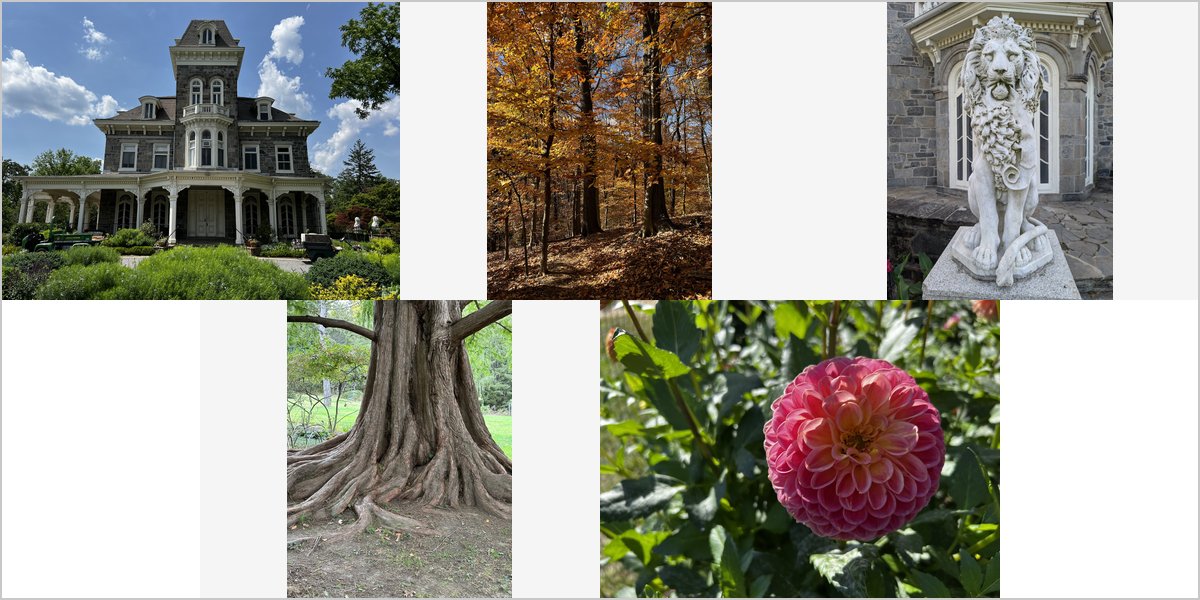
May 21, 2026
Cylburn Arboretum: A Season-by-Season Photography Guide
A mansion, formal gardens and 200 acres of mature trees. The season changes this venue more than the hour does — here is what each one actually gives you.
Cylburn Arboretum occupies roughly 200 acres in north Baltimore, built around a stone mansion dating from the 1860s to 1880s and surrounded by formal gardens, specimen tree collections and open meadow. It is a city-owned arboretum with event use, which means you get botanical-garden quality planting with parkland scale.
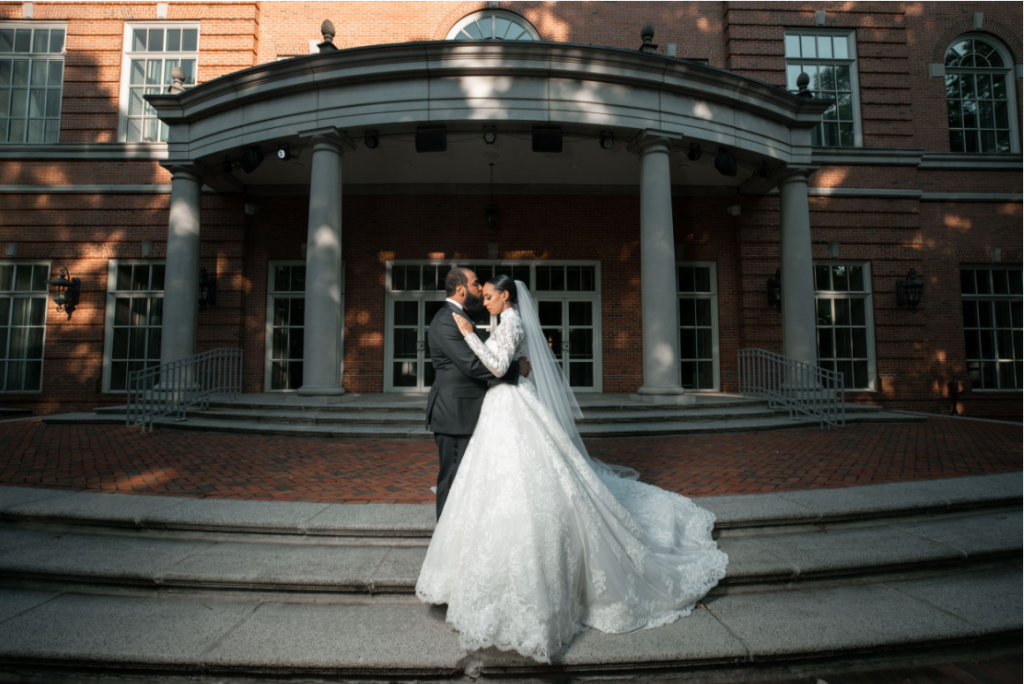
Photographically that combination is unusually generous. Mature specimen trees provide high open shade, which is the most flattering outdoor light available. Formal gardens give structure and colour. Open lawns give you clean backgrounds and room for large groups. And the stone mansion supplies architecture — a hard edge to compose against, and a rain plan of sorts.
Because a venue defined by planting changes completely with the calendar, this guide is organised by season. We have not photographed a wedding at Cylburn; the behaviour of canopy light and Mid-Atlantic seasons is knowable. What is bookable, what permits are needed and whether the mansion interior is included are for the arboretum to confirm.
Cylburn Arboretum at a glance
| Where | North Baltimore, Maryland — roughly 200 acres, city-owned |
| Centrepiece | A stone mansion of the 1860s–1880s, with formal gardens around it |
| Grounds | Specimen tree collections, formal beds, open lawns and meadow |
| Light | High open shade under mature trees; full sun on the lawns |
| Plan around | Mid-Atlantic humidity in summer, and short usable light in late autumn |
Spring: the strongest season here
April and May are when an arboretum earns its keep. Flowering trees come through in sequence — magnolias, cherries, dogwoods, then the formal beds — and because a collection holds many species rather than one, the flowering period stretches over weeks instead of days. That makes spring dates far less of a gamble than at a venue relying on a single planting.
The light is also at its best. The canopy is not yet fully closed, so more light reaches the ground than in July, and the sun is high enough for long days but not yet harsh. Portraits under partially leafed trees get dappled light that is soft rather than contrasty — the brief window each year when dappling is an asset instead of a problem.
The practical caution is ground conditions. A Mid-Atlantic spring is wet, and 200 acres of parkland after rain means soft lawns. Keep the walking routes to firmer paths and check before committing a ceremony to open grass.
Summer: work the shade, avoid the middle of the day
Baltimore summers are hot and genuinely humid, and both matter. Humidity affects comfort, hair and makeup, and it puts haze in the air that softens distant backgrounds — sometimes attractively, sometimes just flatly. Heat in formalwear on an open lawn is a real constraint on how long anyone will cooperate.
Light-wise, the canopy is now fully closed, which splits the site into two environments: deep open shade under the specimen trees, and full harsh sun on the lawns. The shade is excellent and the lawns between roughly eleven and four are not. High sun gives raccoon-eye shadows, squinting and blown highlights on a white dress.
So summer weddings here should live under the trees, with the lawns reserved for the last ninety minutes of daylight when the sun is low enough to rake across the grass. That late window is genuinely beautiful — long light across open meadow with trees behind — and it is worth protecting above anything else in the schedule.
Autumn: the best colour and a hard deadline
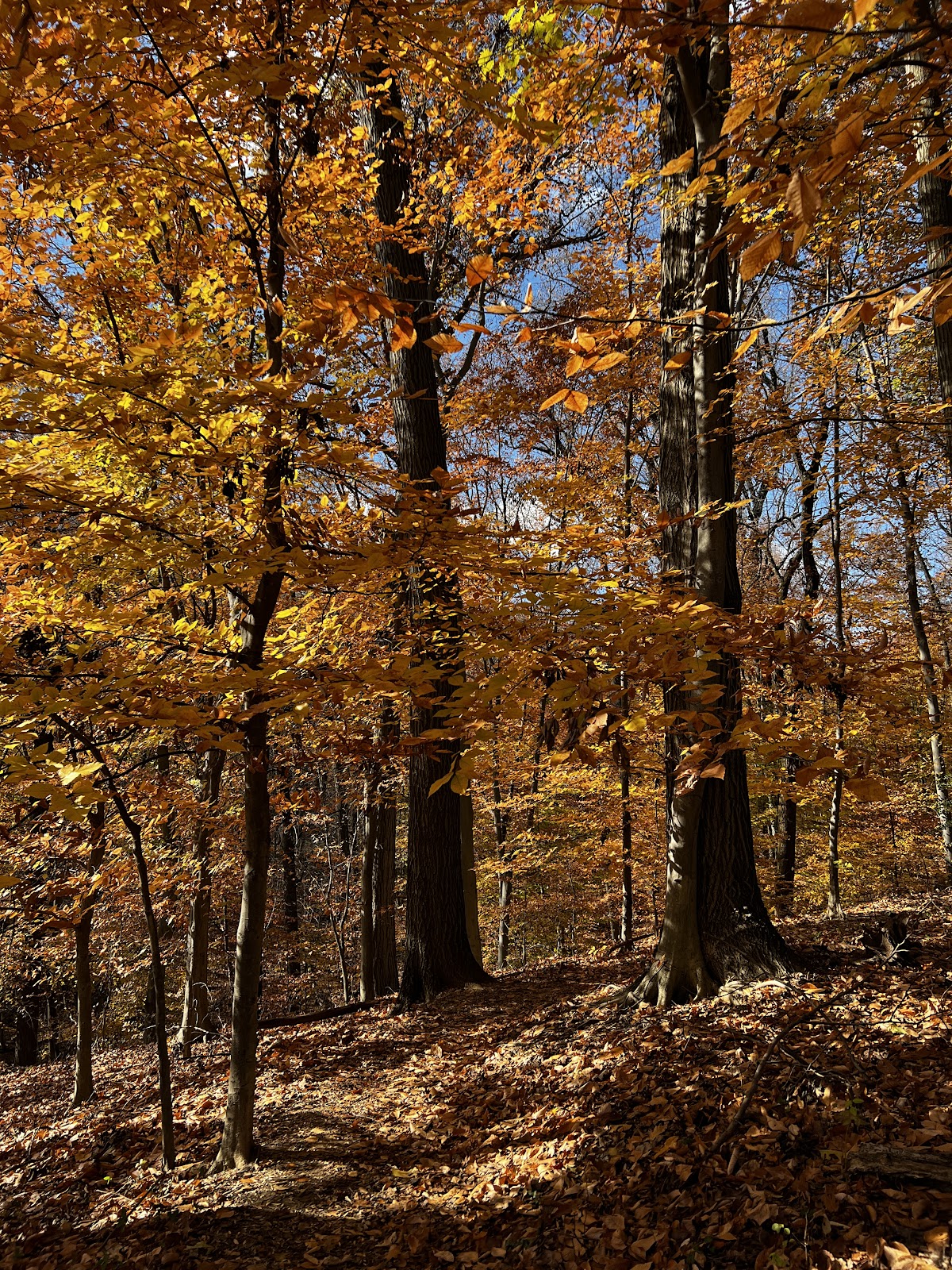
Late October into early November is the peak, and an arboretum’s advantage shows again: a species collection turns unevenly, so the colour period is longer and more varied than a native woodland’s. You get yellows, reds and coppers overlapping rather than a single brief flush.
Autumn light is the year’s most flattering. The sun stays low, so it comes in under the canopy rather than down through it for most of the afternoon — which means the good window is hours wide instead of minutes. Combined with the colour, this is when the venue photographs best.
The deadline is real, though. By late October, usable light on a wooded 200-acre site disappears well before the published sunset, and a grey afternoon can be dim by four. Autumn ceremonies here need to be earlier than instinct suggests, with portraits before the ceremony rather than saved for after.
Winter: structure, stone and an honest warning
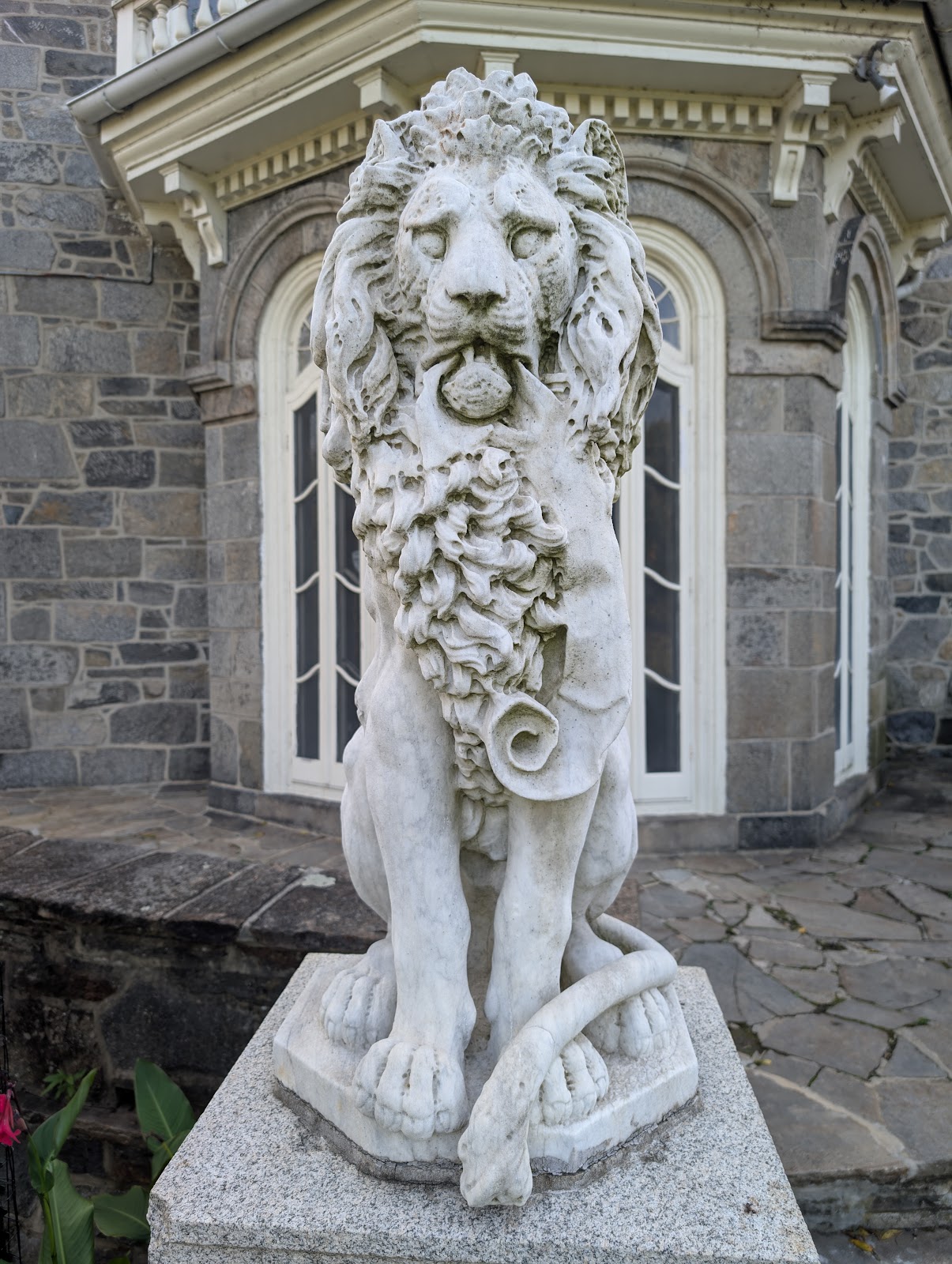
Deciduous trees are bare, so the arboretum loses most of its softness and gains graphic structure — bare branch patterns, long sightlines through the collection, and the stone mansion standing clear instead of half-hidden by foliage. Evergreen specimens keep some colour. It is austere and it photographs well if that is the intention.
Fog or frost transforms it. Fog on a 200-acre site separates the tree collection into receding layers and is the single most photogenic condition available here; frost on formal beds gives fine detail that no other season offers. Neither can be planned for, but both are worth being ready for.
The warning is daylight and cold. Short days, a mid-afternoon sunset and genuinely cold open parkland make winter the hardest season here, and outdoor time becomes a brief planned excursion rather than a block of the day. A winter wedding at Cylburn works if the ceremony and reception are indoors and the outdoor portion is ten deliberate minutes — not if it is planned like a spring wedding that happens to be cold.
What works in your favour
- A species collection stretches both the spring flowering and the autumn colour over weeks
- Mature specimen trees give high open shade — the most flattering outdoor light there is
- Open lawns provide clean backgrounds and genuine room for large groups
- A stone mansion supplies architecture, a hard compositional edge and some shelter
- Fog and frost in winter produce conditions no other season can offer
What to plan around
- Full sun on open lawns is harsh between roughly eleven and four in summer
- Baltimore humidity affects comfort, hair and makeup, and hazes distant backgrounds
- Usable light disappears well before sunset in late autumn on a wooded site
- Wet spring ground makes open-lawn ceremonies and walking routes a real consideration
- A city-owned public arboretum — confirm permits, bookable areas and whether the mansion is included
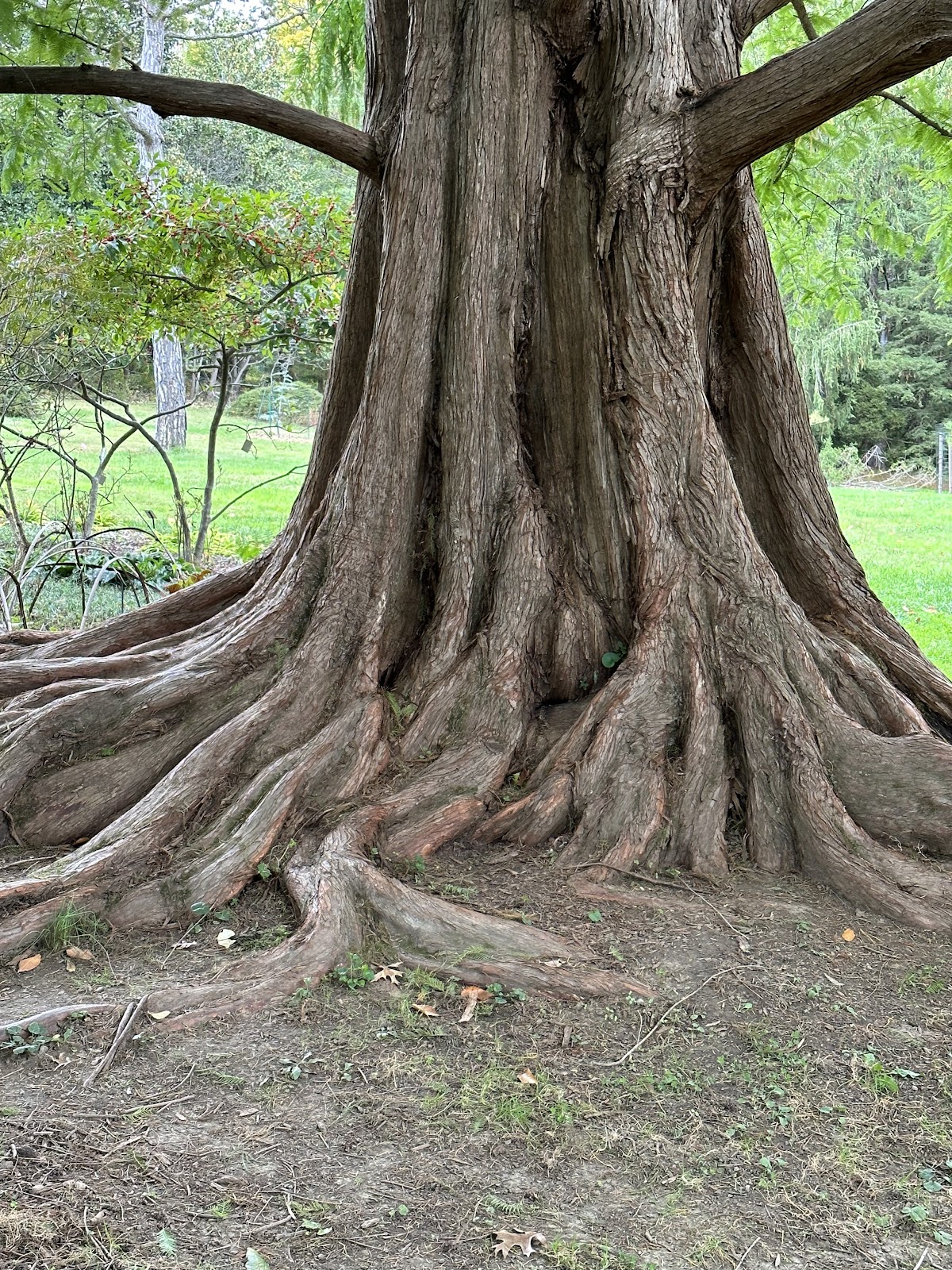
More frames from Cylburn Arboretum
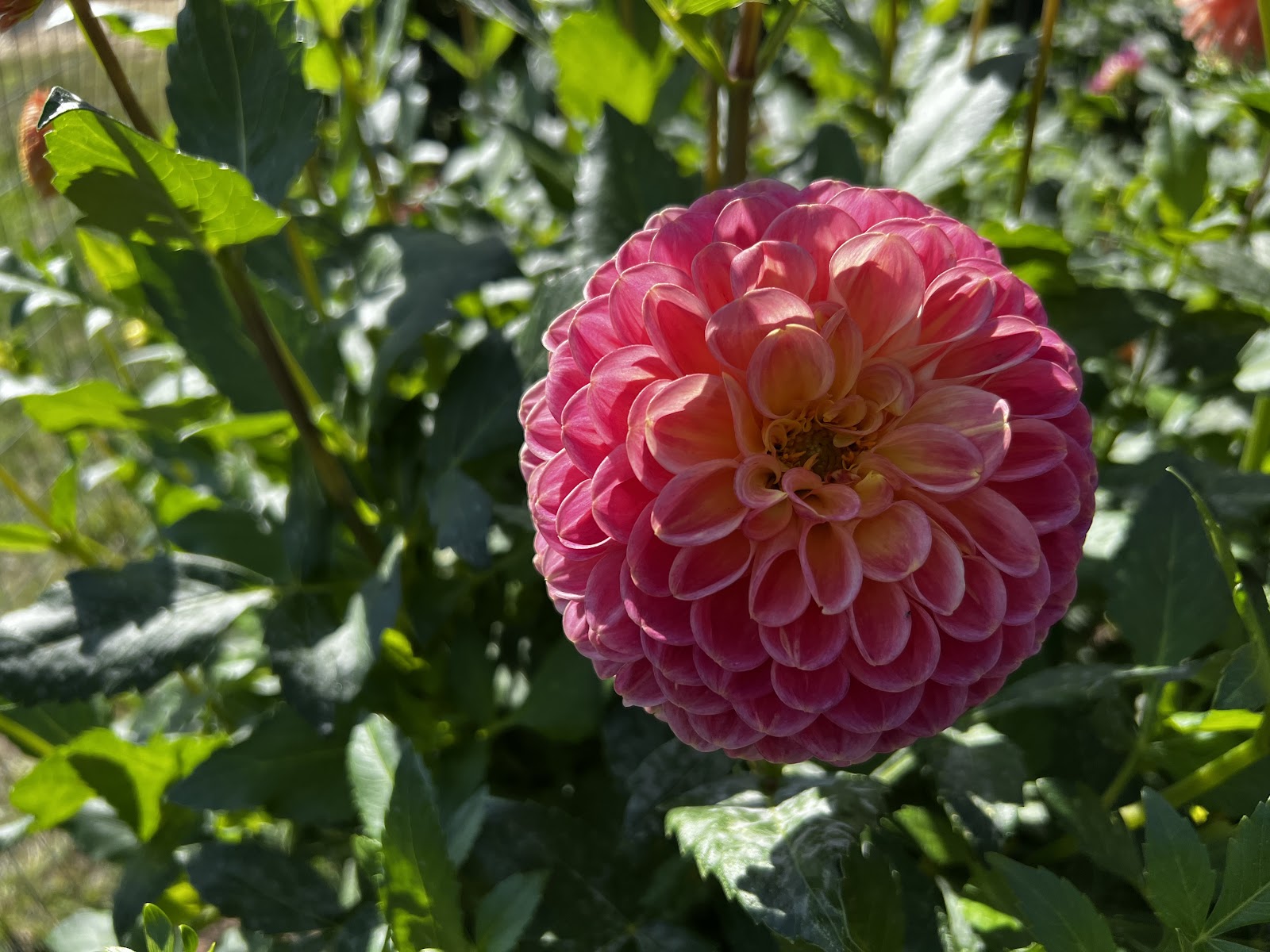
Cylburn Arboretum wedding photography: common questions
What is the best season at Cylburn Arboretum?
Spring, roughly April to May, for flowering across weeks rather than days plus soft light through a canopy that has not yet closed. Late October into early November gives the strongest colour and the most flattering light of the year, but on a much tighter daylight schedule.
How bad is the light on the lawns in summer?
Between about eleven and four on a clear day, poor — high sun with no shade produces shadowed eyes, squinting and blown highlights on a white dress. Work under the specimen trees during the day and save the lawns for the last ninety minutes, when low light rakes across the grass beautifully.
When does the light run out in autumn?
Earlier than the almanac suggests. On a wooded 200-acre site in late October, usable light goes well before published sunset, and an overcast afternoon can be dim by around four. Schedule an autumn ceremony earlier than feels natural and take portraits before it, not after.
Is winter worth considering?
Only if it is planned as an indoor wedding with a short outdoor excursion. Days are short, the sunset is mid-afternoon and open parkland is genuinely cold. The reward is fog or frost, which transform the site — fog separates the tree collection into receding layers better than anything else can.
Can we hold large group photographs there?
Yes, and this is one of its real strengths. Open lawns give clean backgrounds and genuine room to arrange a large group properly, which small historic venues cannot. Just keep groups out of high midday sun and check ground conditions after spring rain.
More Baltimore venue guides
We are writing a photographer’s guide to every venue we would happily shoot in Baltimore. Here are three more, plus the full index:
- The Engineers Club: Building the Shot List at the Garrett Mansion
- The Garrett-Jacobs Mansion: A Walk-Through of a Gilded Age House
- The George Peabody Library: Reading the Light in a Cathedral of Books
All Baltimore Wedding Venues →
Planning a wedding at Cylburn Arboretum?
Tell us your date and we will tell you what should be flowering or turning that week, where the usable light falls, and how to build the timeline so the best hour is not spent eating.