 The Omaha Children’s Museum: A Photographer Answers Your Questions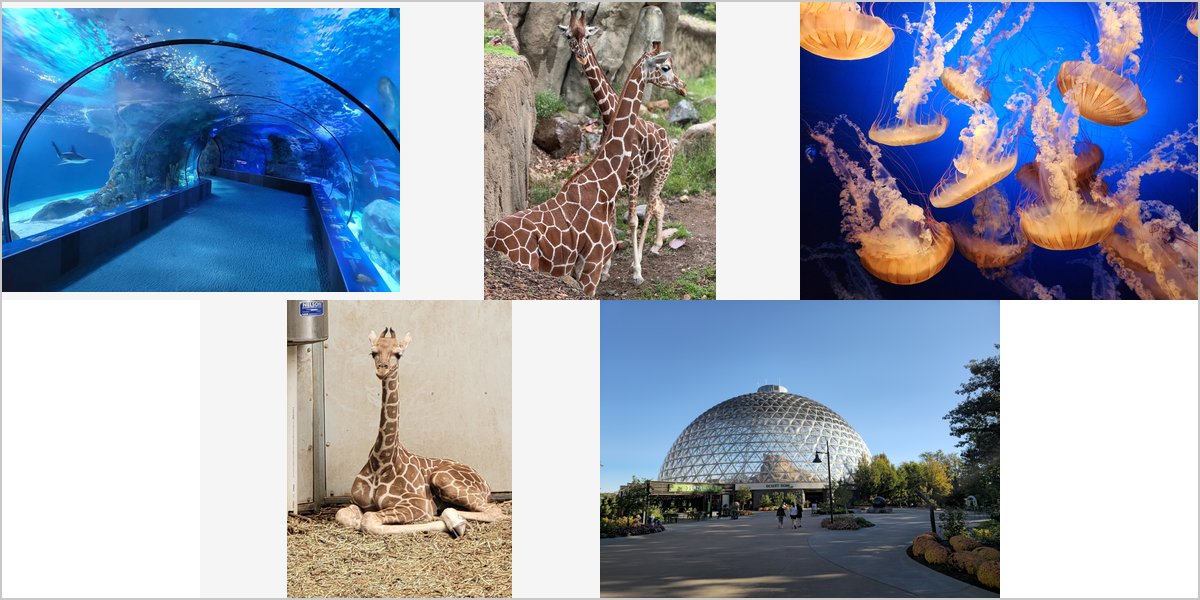
May 21, 2026
The Henry Doorly Zoo: A Photographer Answers Your Questions
Two of the largest indoor habitats in the world, both under glass. Extraordinary spaces, and a humidity problem that will cost you frames if you ignore it.
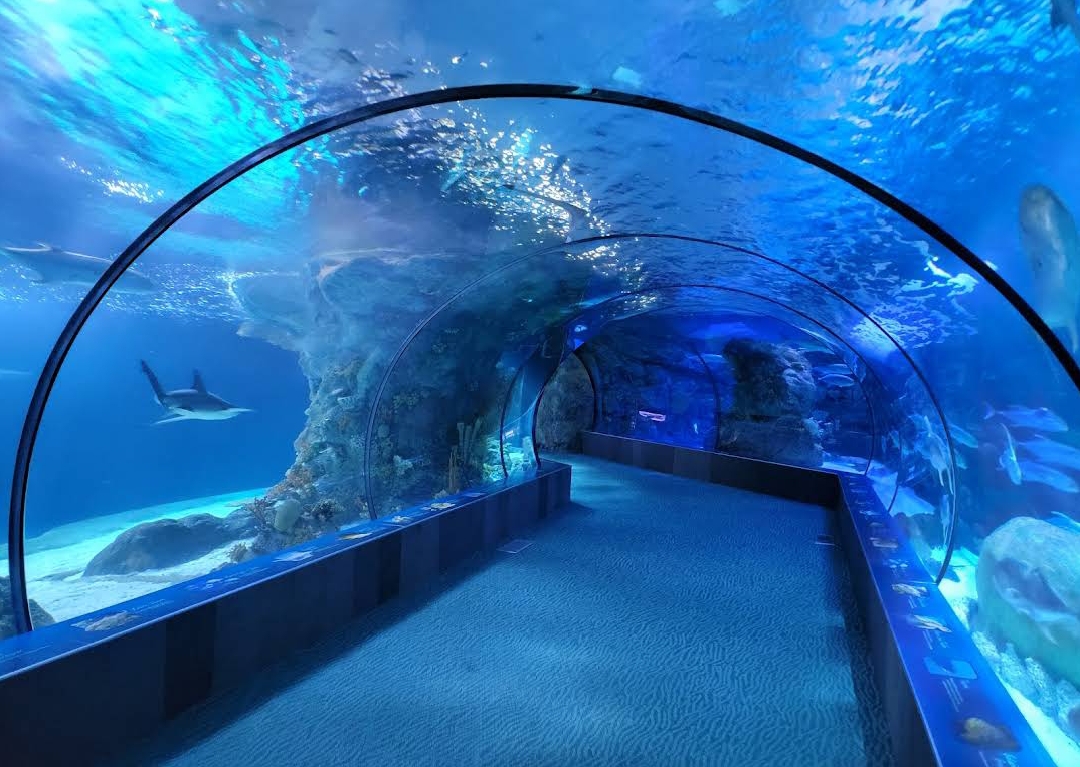
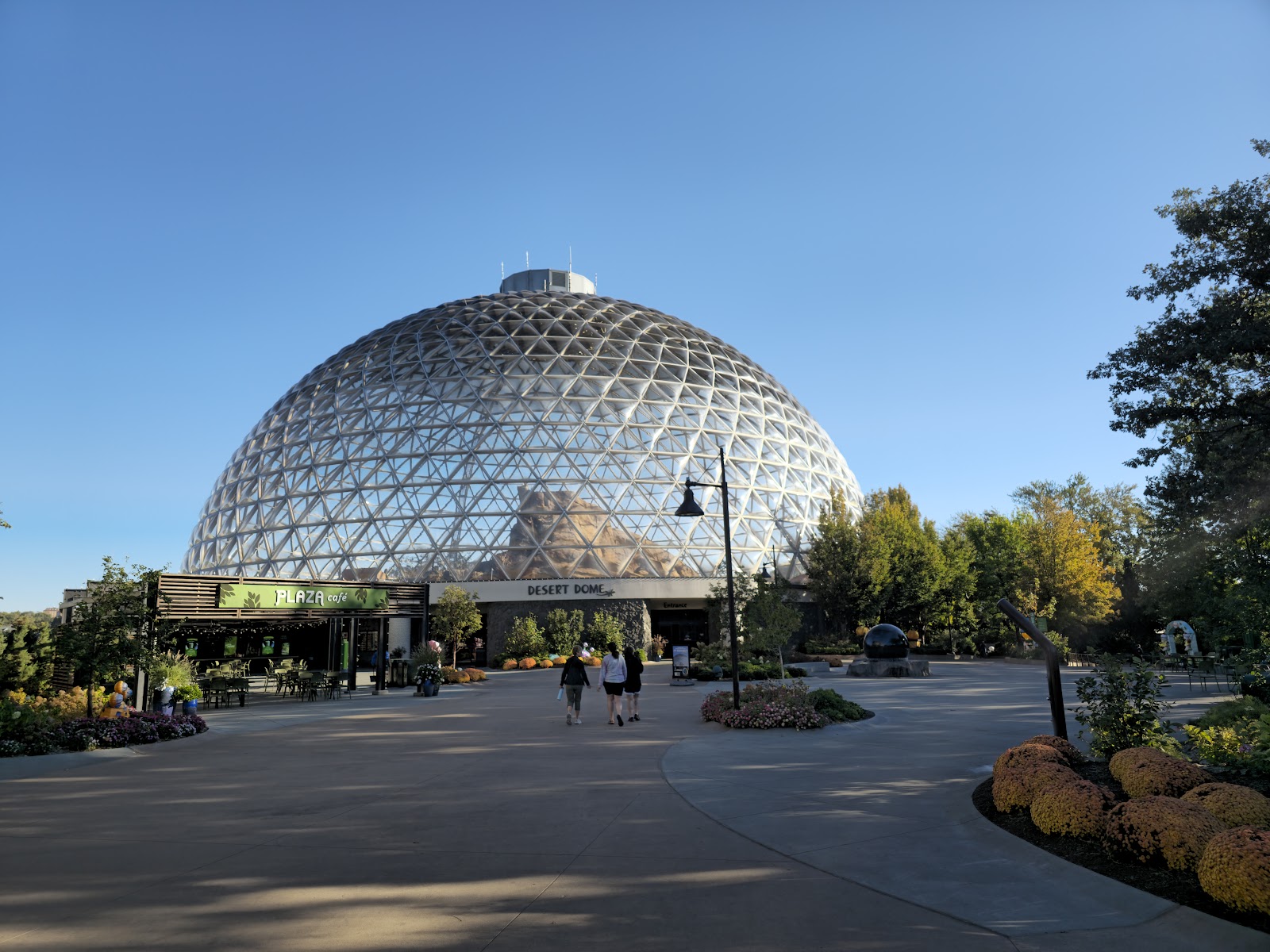
The Henry Doorly Zoo in Omaha is known for building indoor habitats at exceptional scale: the Desert Dome, housed under a large geodesic dome and among the world’s biggest indoor deserts, and the Lied Jungle, one of the largest indoor rainforests. Alongside those sit conventional zoo grounds, gardens and an aquarium.
Photographically the indoor habitats are the interest, and they are unusual. A geodesic dome over a desert gives you enormous scattered daylight through triangulated glazing — soft, almost shadowless, and very forgiving. An indoor rainforest gives you dense planting, high humidity and filtered green light. Neither is like any conventional venue, and both need specific handling.
These are the questions couples ask. We have not photographed a wedding at the Henry Doorly Zoo; geodesic glazing and tropical-house humidity behave predictably. Which spaces are available, access times and whether the public is present are for their events team — and public presence is the question that matters most.
Henry Doorly Zoo at a glance
| Where | South Omaha, Nebraska |
| Known for | The Desert Dome under a geodesic dome, and the Lied Jungle indoor rainforest |
| Light | Scattered near-shadowless daylight in the dome; filtered green light in the jungle |
| The main hazard | Humidity — lens fogging that takes fifteen to twenty minutes to clear |
| Ask first | Whether the public is present, and what after-hours access is available |
What is the light like under a geodesic dome?
Exceptionally good, and unusual. Triangulated glazing scatters light in every direction as it enters, and because the structure is a dome rather than a box, light arrives from overhead and from all sides at once. The result is very soft and close to shadowless — more like standing inside a giant light tent than in a room with windows.
That makes it forgiving in a way almost no large venue is: you can place people nearly anywhere and get even, flattering light on faces with no hard shadows and no squinting. The desert planting underneath is also pale and sandy, which bounces light back upward and fills under chins — the opposite of the top-down problem in most atriums.
The one weakness is flatness. Shadowless light is kind but undramatic, so a portrait there benefits from something creating direction — positioning near a bright opening, or a small warm fill to give faces some modelling. Otherwise the frames are pleasant and slightly characterless.
And inside an indoor rainforest?
Quite different. Dense tropical planting means the light is filtered, green and considerably dimmer than the dome, with the same problems as any heavily planted glasshouse: a strong green cast bouncing onto skin, and much higher ISO than the space appears to need.
Set a custom white balance inside rather than trusting auto, which will try to neutralise the green and push everything else magenta. Keep a metre or two of separation between people and dense foliage, which reduces the bounce substantially and lets the planting soften behind them. And accept that you are working wide open at high sensitivity.
What a rainforest gives you that nothing else does is scale and drama — tall planting, water, and a genuine sense of enclosure. One or two frames there are worth having, and they look like nowhere else.
How bad is the humidity problem?
Bad enough to plan around, and it is the single most likely thing to cost you frames. A lens carried from a cool exterior or an air-conditioned building into a tropical house fogs instantly and completely — inside the lens as well as outside — and takes fifteen to twenty minutes to clear. No cloth fixes internal condensation.
The only reliable solution is acclimatisation: bring the bodies and lenses into the humid space well before you need them and let them reach ambient temperature. If the plan involves moving repeatedly between a cold exterior and a warm rainforest, dedicate one body to each environment rather than swapping.
In a Nebraska winter this is more severe, not less, because the temperature differential is larger. A January wedding with a rainforest session needs the gear inside the building a good twenty minutes ahead, and it needs the photographer to have planned for that rather than discovering it.
The humidity affects people too. Hair, makeup and comfort in formalwear all suffer in a tropical house, so keep those sessions short — which is kinder and also produces better photographs, since nobody looks relaxed while overheating.
What about crowds, and is after-hours worth it?
As at any zoo, public presence is the dominant variable. During opening hours it is a busy family attraction and there is no arrangement that keeps children out of wide frames — you would shoot tight with longer lenses all day. After closing the same spaces become extraordinary private environments with nobody in them.
Ask about after-hours access first, because it changes the assignment completely. It also aligns with the light: an evening slot means working at the end of the day, and in the dome the light stays usable later than outdoors because the glazing collects light from the whole sky.
One further practical point about enclosure: because both signature habitats are indoors, this venue is genuinely weather-independent. In a climate with severe Nebraska winters and humid summers, having two spectacular interior spaces is a real advantage — a January wedding here can be photographed in a desert under a dome, which is not something many venues can offer.
Outside, the conventional zoo grounds and gardens give you open ground and mature planting for groups, and the usual continental-climate rules apply: unusable in the middle of a humid July day, excellent in the last ninety minutes, brief in January.
What works in your favour
- A geodesic dome giving soft, near-shadowless, very forgiving light at large scale
- Pale desert planting bounces light back upward, filling under chins
- An indoor rainforest offering scale and drama available nowhere else
- Genuinely weather-independent, which matters in a continental climate
- After-hours access turns it into an extraordinary private environment
What to plan around
- Severe lens fogging moving into humid houses — fifteen to twenty minutes to clear
- Strong green cast and high ISO in the rainforest
- Dome light is forgiving but flat; portraits need added direction
- During opening hours the public is unavoidably in wide frames
- Humidity is hard on hair, makeup and comfort in formalwear
More frames from Henry Doorly Zoo
Henry Doorly Zoo wedding photography: common questions
Why is the light under the Desert Dome so good?
Because triangulated geodesic glazing scatters light in every direction as it enters, and the dome shape delivers it from overhead and all sides at once — more like standing inside a giant light tent than a room with windows. The pale sandy planting also bounces light back up, filling under chins.
What is the catch with the dome?
Flatness. Shadowless light is kind but undramatic, so portraits there can be pleasant and slightly characterless. Give faces some modelling by positioning near a bright opening or adding a small warm fill, and the frames gain the direction the space does not supply.
How serious is the lens fogging?
It is the single most likely thing to cost you frames. A lens brought from a cool exterior into a tropical house fogs inside and out and takes fifteen to twenty minutes to clear, with nothing to be done but wait. Acclimatise gear well in advance, and in winter allow longer because the differential is larger.
Should we ask for after-hours access?
It is the first thing to ask. During opening hours it is a busy family attraction and children will be in every wide frame; after closing the same spaces are extraordinary and private. An evening slot also aligns with the light, and the dome stays usable later than outdoors because the glazing collects the whole sky.
Is it a good winter venue?
Unusually so. Both signature habitats are indoors, so the venue is genuinely weather-independent — a January wedding here can be photographed in a desert under a dome, which very few venues anywhere can offer. Just allow extra acclimatisation time for the equipment.
More Omaha venue guides
We are writing a photographer’s guide to every venue we would happily shoot in Omaha. Here are three more, plus the full index:
- The Orpheum Theater: Field Notes on a 1927 Vaudeville Palace
- The Rose Theater: A Walk-Through of a 1926 Movie Palace
- The Brickway: Who This Old Market Distillery Suits
Planning a wedding at Henry Doorly Zoo?
Two of the world’s largest indoor habitats, and one humidity problem that decides whether you get the frames. Tell us your date and we will plan the acclimatisation and ask about after-hours access.