 The Omaha Children’s Museum: A Photographer Answers Your Questions
June 25, 2026
The Brickway: Who This Old Market Distillery Suits
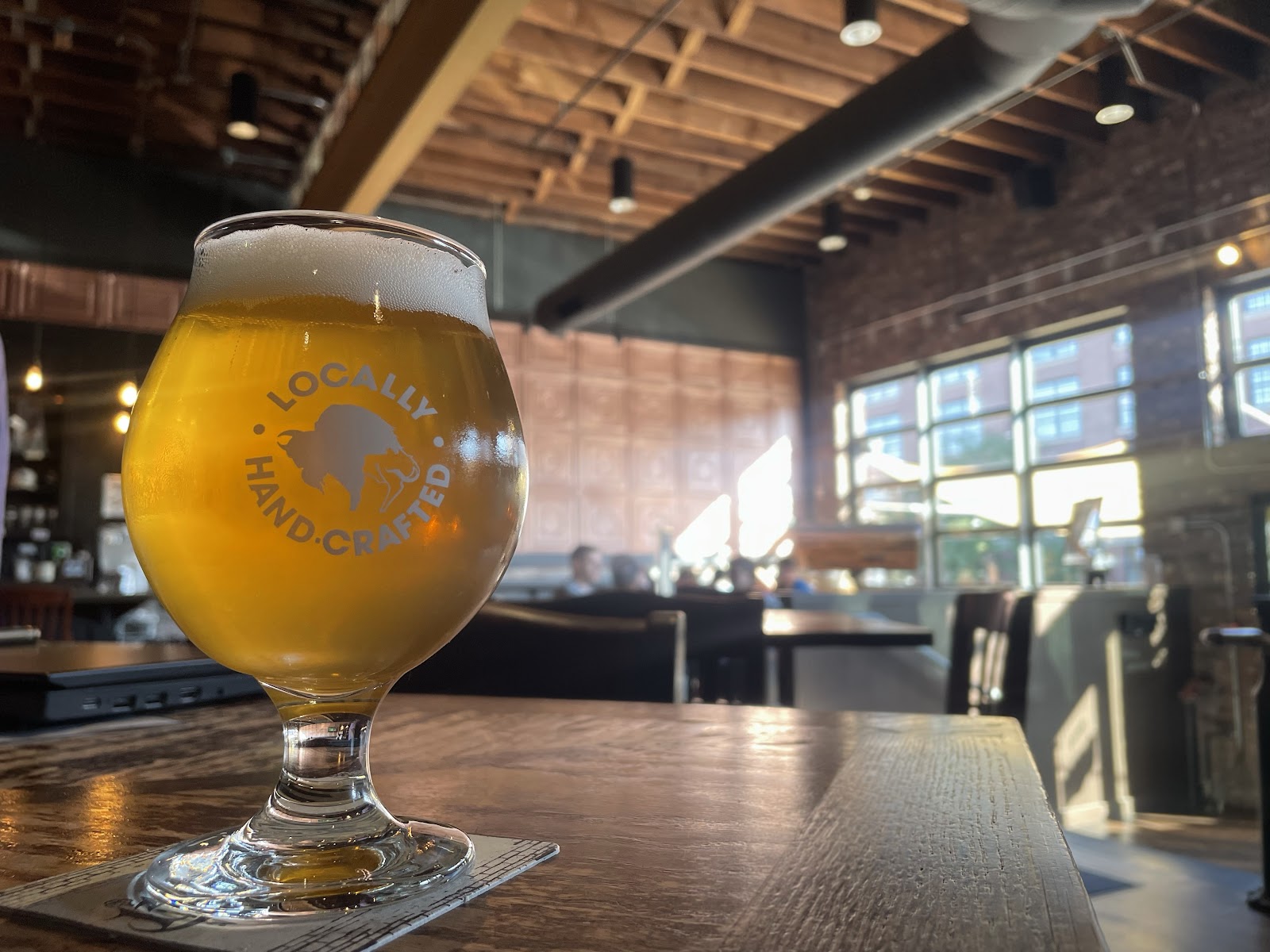
A working distillery in a brick warehouse. The room is small and industrial; the Old Market outside is one of the best photographic districts in the Midwest.
The Brickway operates as a distillery and brewery in a brick warehouse building in Omaha’s Old Market — the district of nineteenth and early twentieth-century warehouses, cobbled streets and cast-iron detail that occupies the city’s original commercial core. It has production equipment, a taproom and event space.
Photographically the honest assessment is that the location matters more than the venue. The interior is a working distillery: brick, steel, copper stills, moderate scale, industrial lighting. That is characterful and it has genuine limits. The Old Market outside is exceptional — cobbles, brick, iron fire escapes, warehouse frontages, alleys and mature street trees, all within a few minutes’ walk.
So this is a fit assessment. We have not photographed a wedding at the Brickway; distillery interiors and brick warehouse districts behave predictably. Capacity, whether the public is present and production access are for their team, and public presence matters at a working taproom.
The Brickway at a glance
| Where | Old Market district, downtown Omaha, Nebraska |
| Character | Working distillery and brewery in a brick warehouse; taproom and event space |
| Interior | Brick, steel, copper stills, moderate scale, industrial lighting |
| The real asset | The Old Market outside — cobbles, brick, iron and alleys |
| Ask first | Capacity, whether the taproom is exclusive, and production access |
What the interior gives you, and what it does not
It gives you copper. Distillery stills are polished copper, which is the most photographically attractive metal there is — warm, reflective, and it produces specular highlights that read unmistakably as metal under raking light. A couple beside a copper still is a frame that says distillery and nothing else, and it is genuinely handsome.
It also gives you brick and steel, which is characterful and which behaves the way it always does: brick sits two to three stops below white and returns warm, steel is dark and neutral, and neither helps you distribute light. Industrial fixtures overhead are poor in colour rendering and drop light from above, so faces need your own light.
What it does not give you is scale, variety or many clean backgrounds. A working distillery is a functional space with equipment, pallets, hoses and signage in it, and the frames available are relatively few. That is the honest limit, and it is why the district outside carries so much of the value.
One technical point about copper that is worth knowing before you get there. Polished copper is not just reflective, it is warm-reflective — it returns light with its own colour, so anyone standing close to a still picks up a distinctly orange cast. That is flattering in small amounts and unpleasant in large ones, so keep a metre of separation where you do not want it, set white balance in that position rather than across the room, and light faces with something closer to neutral. Copper as a background is superb; copper as your only light source is not.
Who this venue suits
Four kinds of couple.
- Smaller, relaxed, unfussy weddings. A distillery taproom suits a casual celebration far better than a formal one, and the photographs will reflect that.
- Couples who actually like the product and the place. If the distillery means something to you, the frames carry it. If it is just a room, they will not.
- Anyone who wants the Old Market in their photographs. This is the argument for booking here: the district is genuinely one of the best photographic environments in the Midwest and it is on the doorstep.
- Couples happy with an industrial, contemporary look. Copper, brick and steel are a coherent palette and they suit modern styling.
Who should look elsewhere
Directly.
- Anyone with a large guest list. A distillery taproom is not a ballroom, and crowded industrial space photographs badly — equipment, people and clutter in every frame.
- Couples wanting a formal or traditional aesthetic. Copper stills and brick will not deliver it. A restored grand hotel will.
- Anyone needing many clean backgrounds indoors. A working production space has few, and repetition across a full gallery is a real risk.
- Couples who cannot secure exclusivity. A working taproom with the public present means strangers in frames and limited freedom to move.
The Old Market: why this location is the point
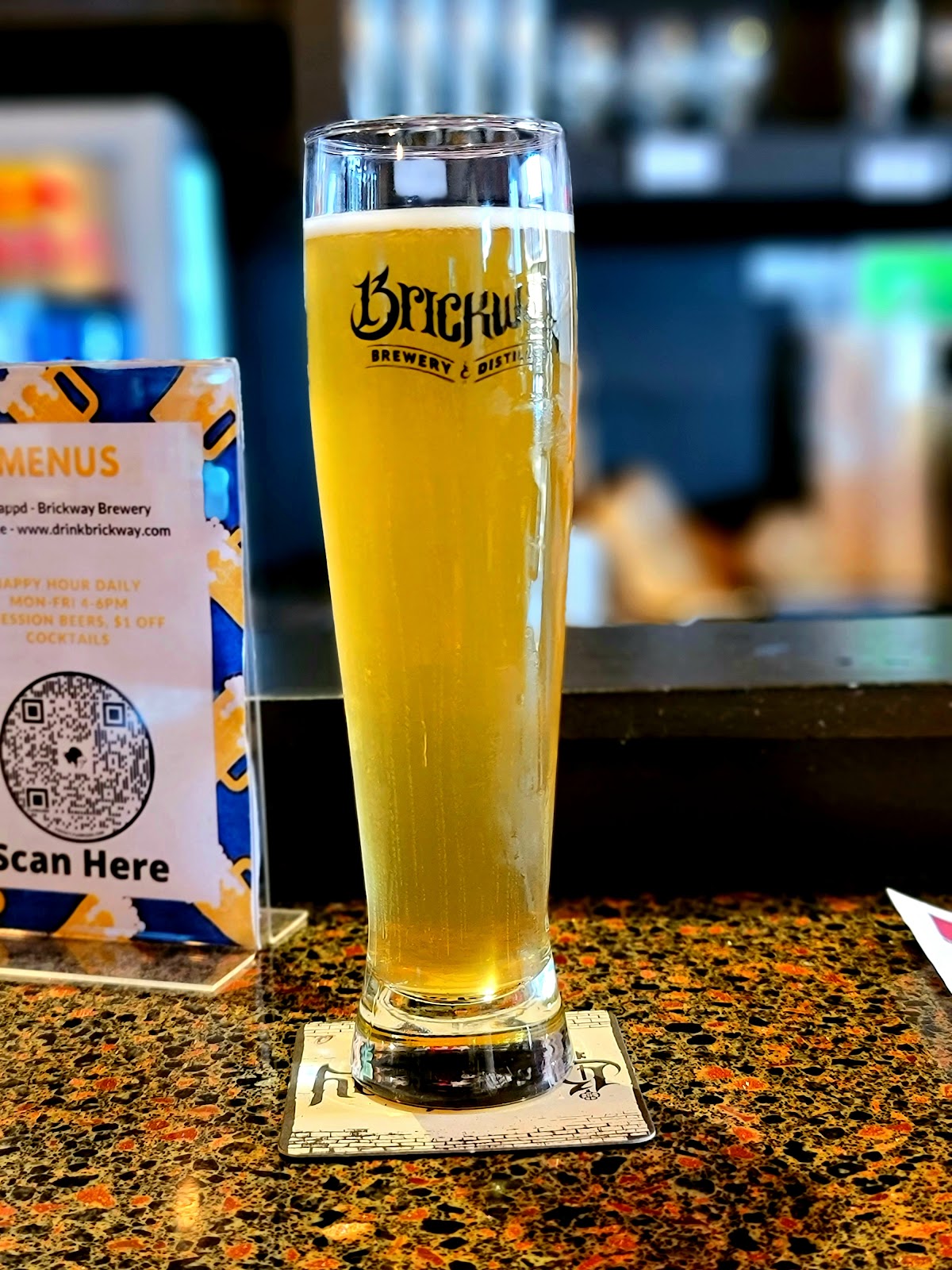
The district is the reason to book here and it deserves a proper block in the timeline rather than ten leftover minutes. Old Market gives you cobbled streets, brick warehouse frontages, cast-iron fire escapes, narrow alleys, mature street trees and canopied walkways — a density of good backgrounds within two or three minutes’ walk that very few American districts match.
The narrow streets are the practical gift. A street with buildings on both sides is shaded on one side at almost any hour, and the shaded side with warm bounce from the sunlit buildings opposite is one of the best portrait situations in any city: soft, directional, warm and available all day without depending on a particular hour.
The alleys and fire escapes give you verticality and graphic structure, which brick alone does not. And the cobbles are genuinely photogenic in low light and after rain, when they hold reflections in a way asphalt does not.
The best window is the last hour of daylight and the twenty minutes after sunset. Old Market at dusk, with lit shopfronts and wet cobbles, is as good as Midwest street photography gets — and it is where the best frames of this wedding will be taken. Budget thirty minutes, not ten.
One practical note: Old Market is busy in good weather, particularly summer evenings. Longer lenses handle it, and early morning is genuinely quiet if an uncluttered frame matters.
What works in your favour
- Polished copper stills are the most photogenic metal there is under raking light
- The Old Market outside is one of the best photographic districts in the Midwest
- Narrow shaded streets with warm bounce give excellent portrait light all day
- Cobbles hold reflections in low light and after rain in a way asphalt does not
- A coherent copper, brick and steel palette suiting modern styling
What to plan around
- A working production space with equipment, clutter and few clean backgrounds
- Brick and steel absorb light; industrial overhead fixtures are poor for faces
- Not suited to large guest lists or a formal aesthetic
- Exclusivity matters — a public taproom means strangers in frames
- Old Market is busy in good weather, especially on summer evenings
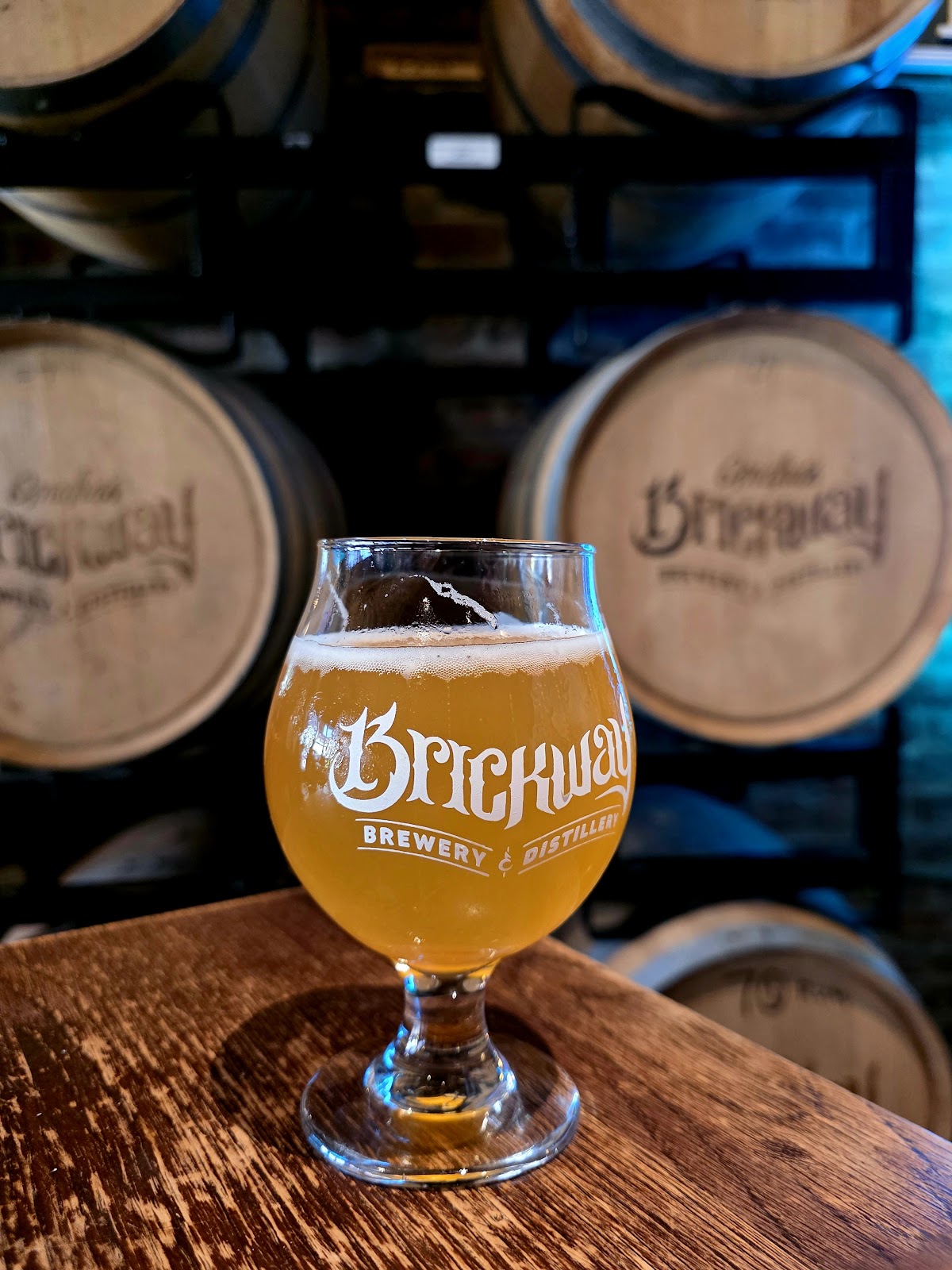
More frames from The Brickway
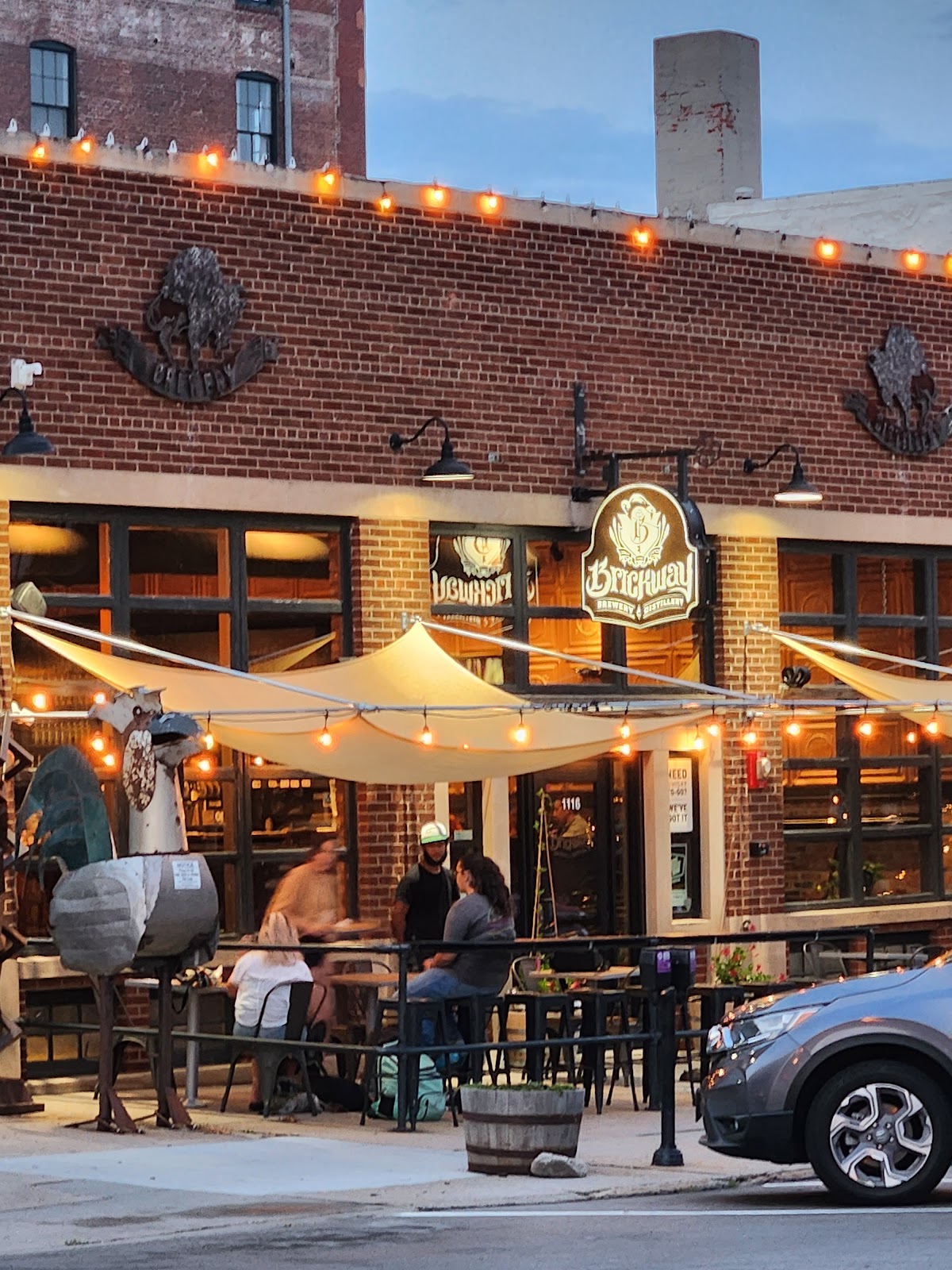
The Brickway wedding photography: common questions
What is the best frame inside?
A couple beside a copper still, lit from the side. Polished copper is the most photogenic metal there is — warm and reflective, producing specular highlights that read unmistakably as metal under raking light. It is also the frame that says distillery and nothing else.
Is the interior enough for a full gallery?
No, and that is the honest assessment. A working production space has equipment, pallets and signage in it and relatively few clean backgrounds, so repetition is a real risk. The Old Market outside is where most of the good frames will come from.
Why is the Old Market so good photographically?
Density. Cobbled streets, brick warehouse frontages, cast-iron fire escapes, alleys and mature street trees all within two or three minutes. The narrow streets are also shaded on one side at almost any hour, and shade with warm bounce from sunlit buildings opposite is superb portrait light that does not depend on the clock.
When should the outdoor block happen?
The last hour of daylight and the twenty minutes after sunset — Old Market with lit shopfronts and wet cobbles is as good as Midwest street photography gets. Budget thirty minutes rather than ten, because this is where the best frames of the day will be taken.
What should we confirm before booking?
Whether the taproom is exclusively yours. A working taproom with the public present means strangers in frames and much less freedom to move. Also ask about production access, since the copper stills are the interior’s main asset, and about actual capacity rather than the maximum.
More Omaha venue guides
We are writing a photographer’s guide to every venue we would happily shoot in Omaha. Here are three more, plus the full index:
- The Venue at 60th: Field Notes on a Purpose-Built Event Space
- The Holland Center: Building the Shot List in a Contemporary Concert Hall
- The Joslyn Art Museum: Photographing a Pink Marble Art Deco Court
Planning a wedding at The Brickway?
The stills are worth a frame and the Old Market is worth half an hour. Tell us your date and guest number and we will be straight about the room, then plan the district properly.