The Baltimore Basilica: Field Notes on a Latrobe Interior
Benjamin Henry Latrobe's basilica of 1821 — the first cathedral built in the United States — with a great dome lit by concealed skylights and a pale neoclassical interior.
Read the guideVenue guides
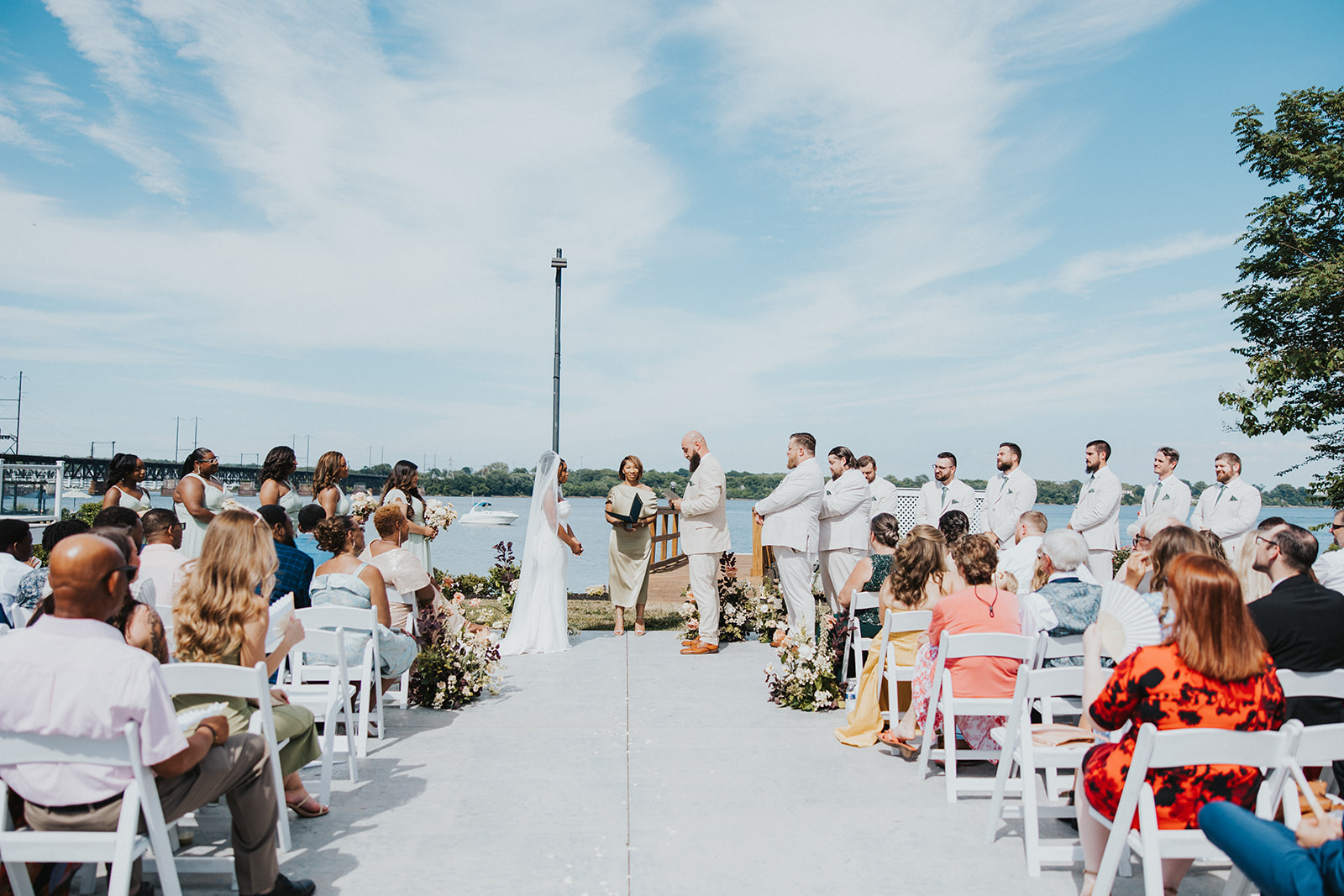
Baltimore gives a photographer two things that almost no other city in this series gives at once: a working harbour and streets of brick rowhouses with white marble steps. The harbour matters because water is a broad reflector, so any room or quayside facing it receives light twice — directly from the sky and again bounced up off the surface — which raises ambient and fills the shadow that overhead sun creates. It also gives depth to compress, which is why almost every waterfront venue in this list is a long-lens site rather than a wide one, despite the space being wide.
Harbour wind is the price: stronger and gustier at the water’s edge than in the streets behind, enough to make a veil a held-or-removed decision and to break the water surface, so a mirrored reflection frame belongs to early morning.
The rowhouse streets are the counterweight, and they are genuinely useful rather than merely characterful. Because they are narrow and low-rise, low evening sun reaches street level and runs the whole length of a block — ninety minutes of raking light on brick, which shows its texture only when light runs along it. And the white marble steps fronting so many of those houses behave as low reflectors, bouncing light up into a face to fill the shadow overhead sun leaves: a frame that is located and lit at the same time, which is a rare combination anywhere. Mid-Atlantic weather sets the limits.
Summer heat and humidity keep outdoor blocks short and purposeful, afternoon thunderstorms are common rather than rare, and humidity produces lens fogging in both directions — kit chilled by air conditioning fogs on going out, cold kit fogs on coming in, and both take many minutes to clear. The guides below are venue by venue: why an 1888 glasshouse is governed entirely by what the sky is doing, why tank light is four problems rather than one, why a star fort has almost no shade at all, and why one church in this list needs a single decision about coloured light made before anything else.
Benjamin Henry Latrobe's basilica of 1821 — the first cathedral built in the United States — with a great dome lit by concealed skylights and a pale neoclassical interior.
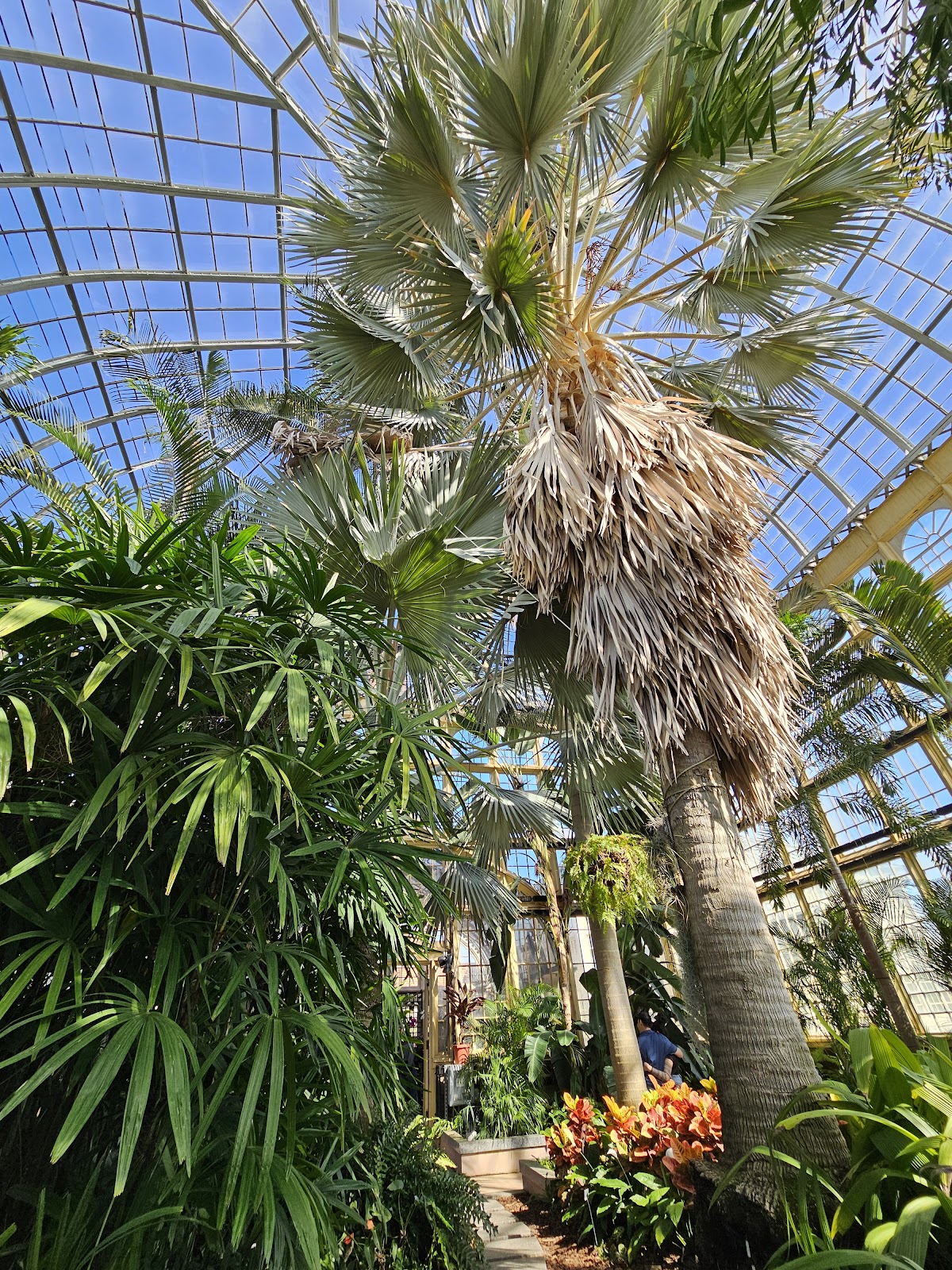
Read the guideBaltimore's 1888 Victorian conservatory in Druid Hill Park — a glass palm house with linked growing houses. Green, humid, and lit entirely through glass.
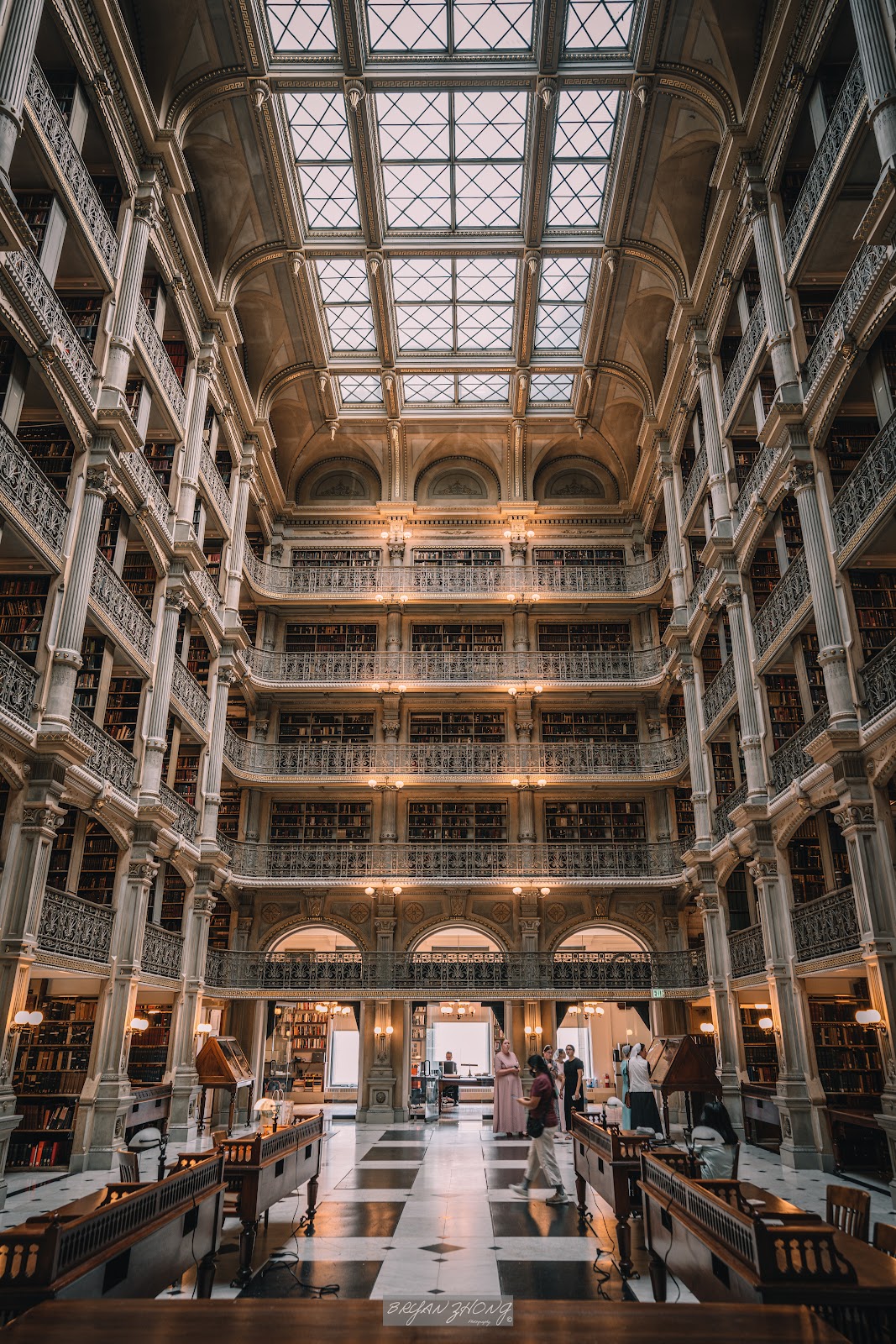
Read the guideOpened 1878, the Peabody's stack room rises five tiers of cast-iron balconies to a skylight sixty feet above. One of the great interiors in America.
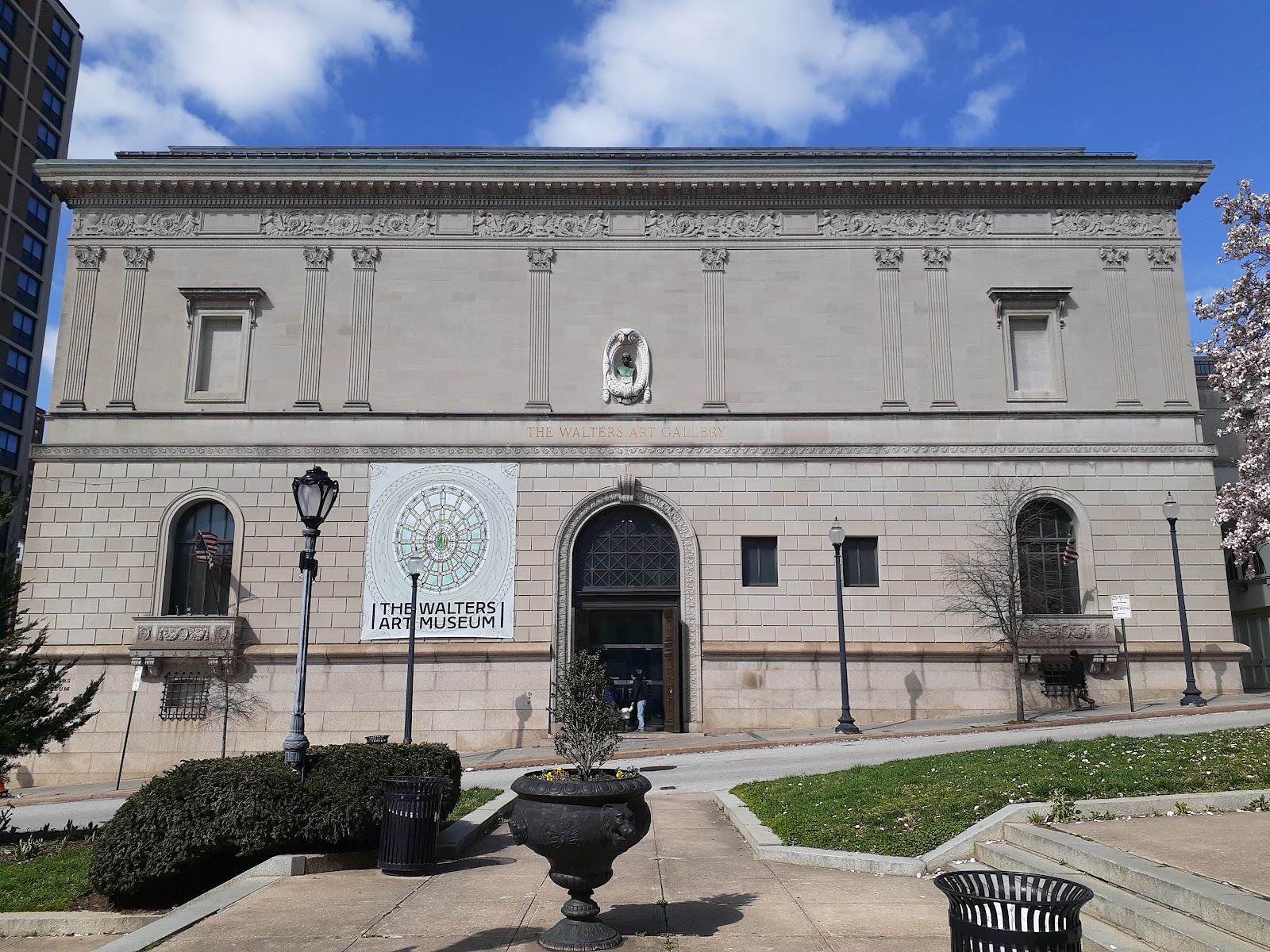
Read the guideA Baltimore art museum combining majestic historic architecture with extensive art collections across several buildings.
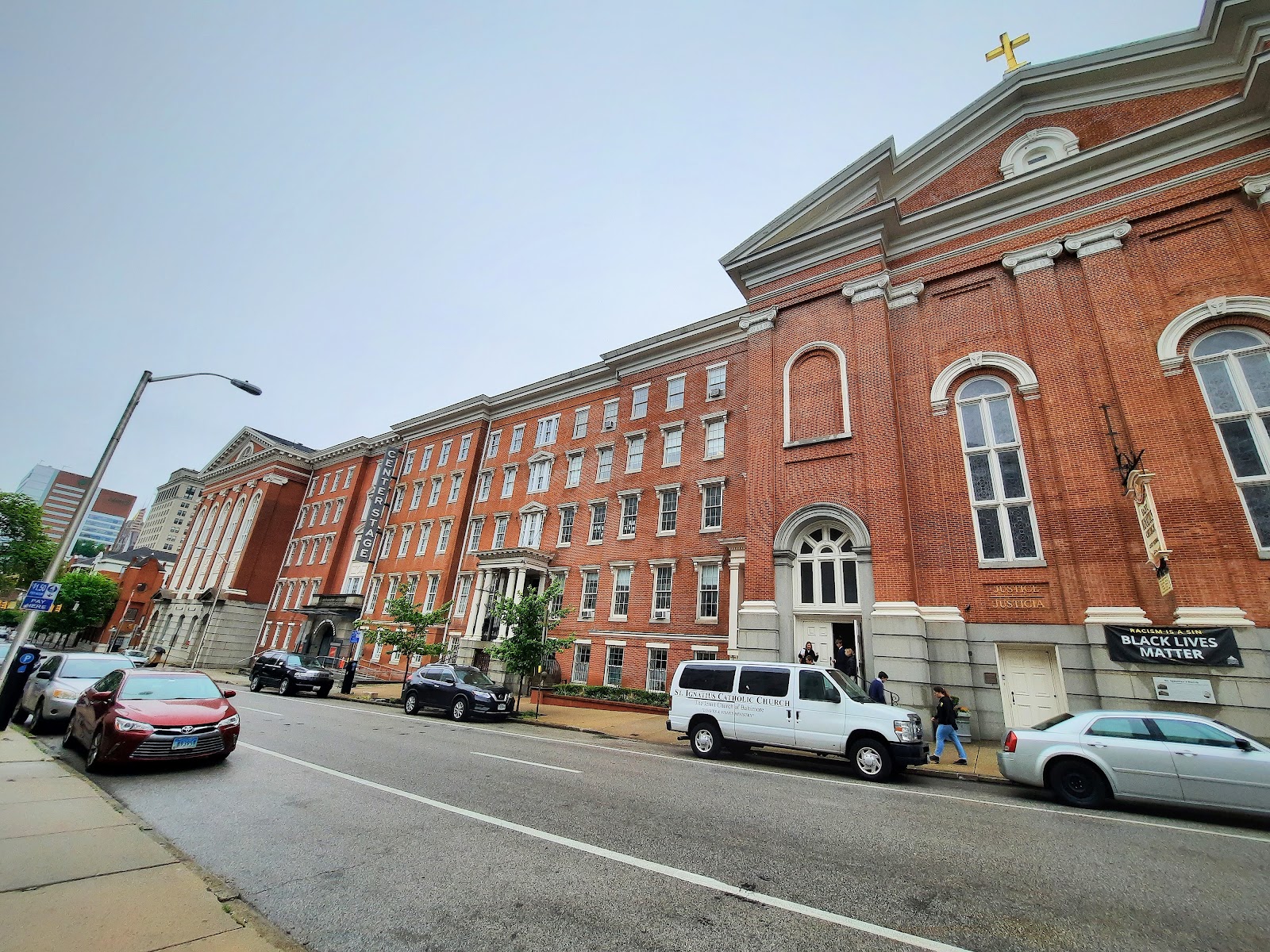
Read the guideA historic church in Baltimore where daylight filtering through stained glass casts coloured light through the nave.
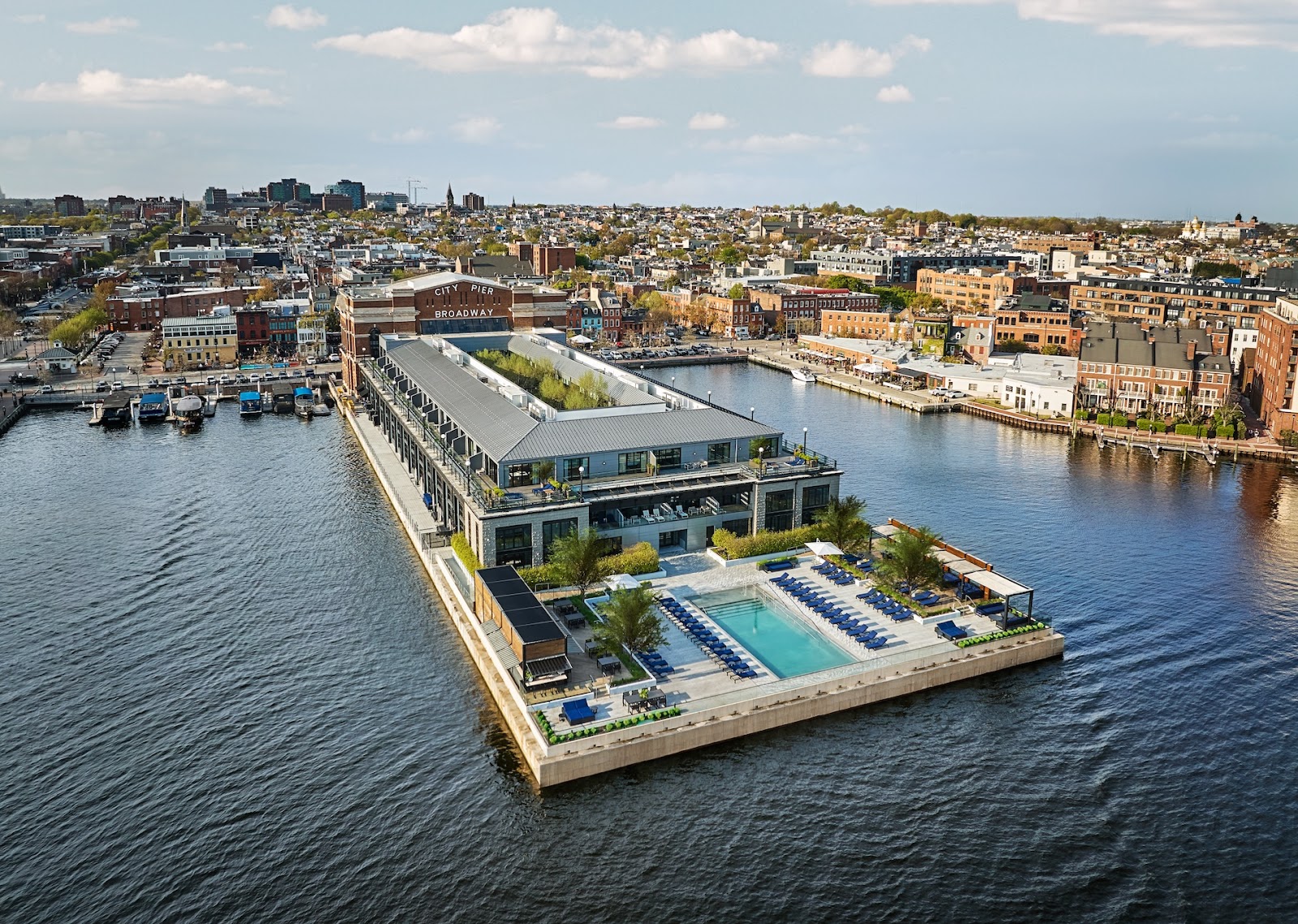
Read the guideA waterfront hotel in Baltimore offering privacy, exclusivity and pier-side outdoor space alongside its interiors.
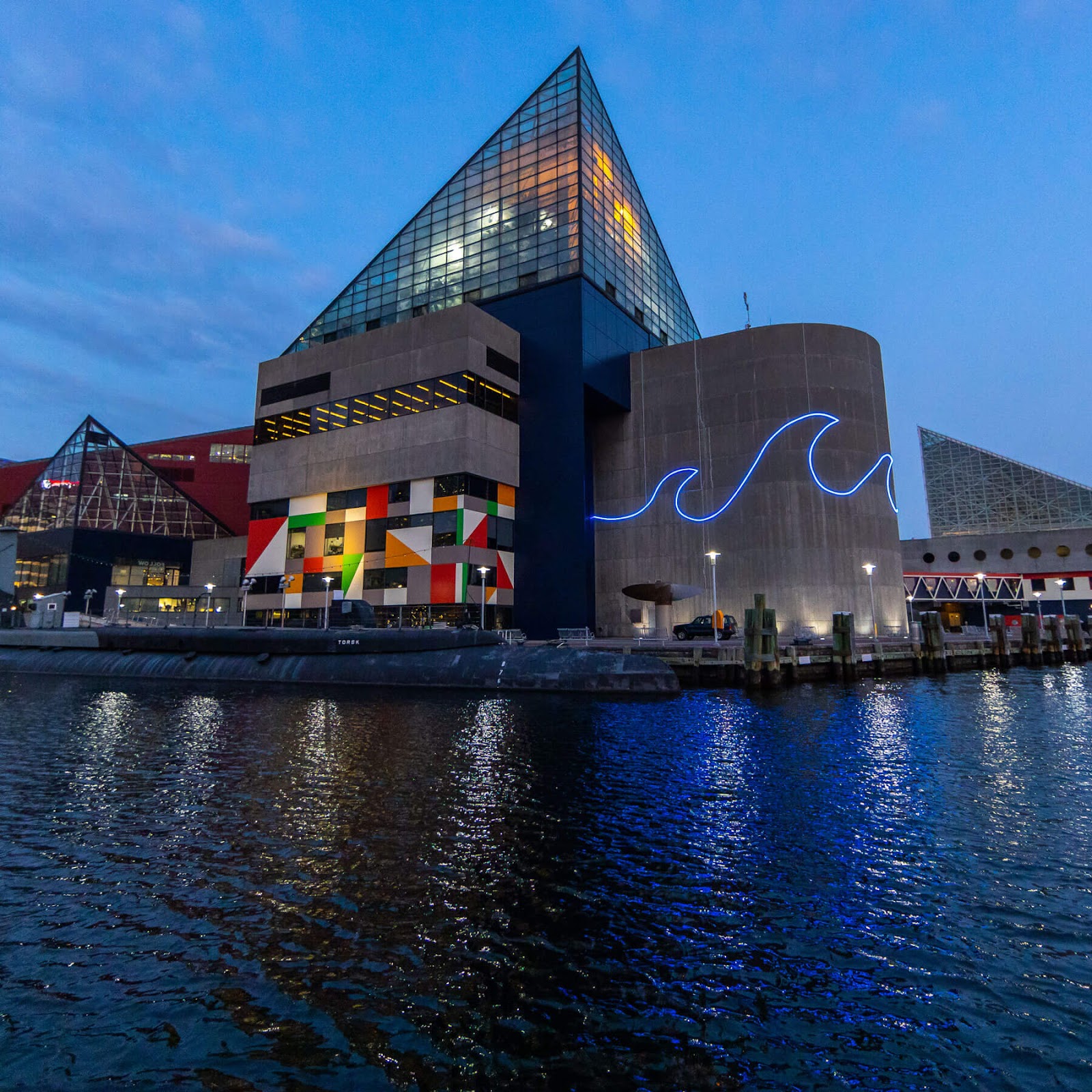
Read the guideAn aquarium on Baltimore's Inner Harbor, with underwater viewing areas used for dining and receptions.
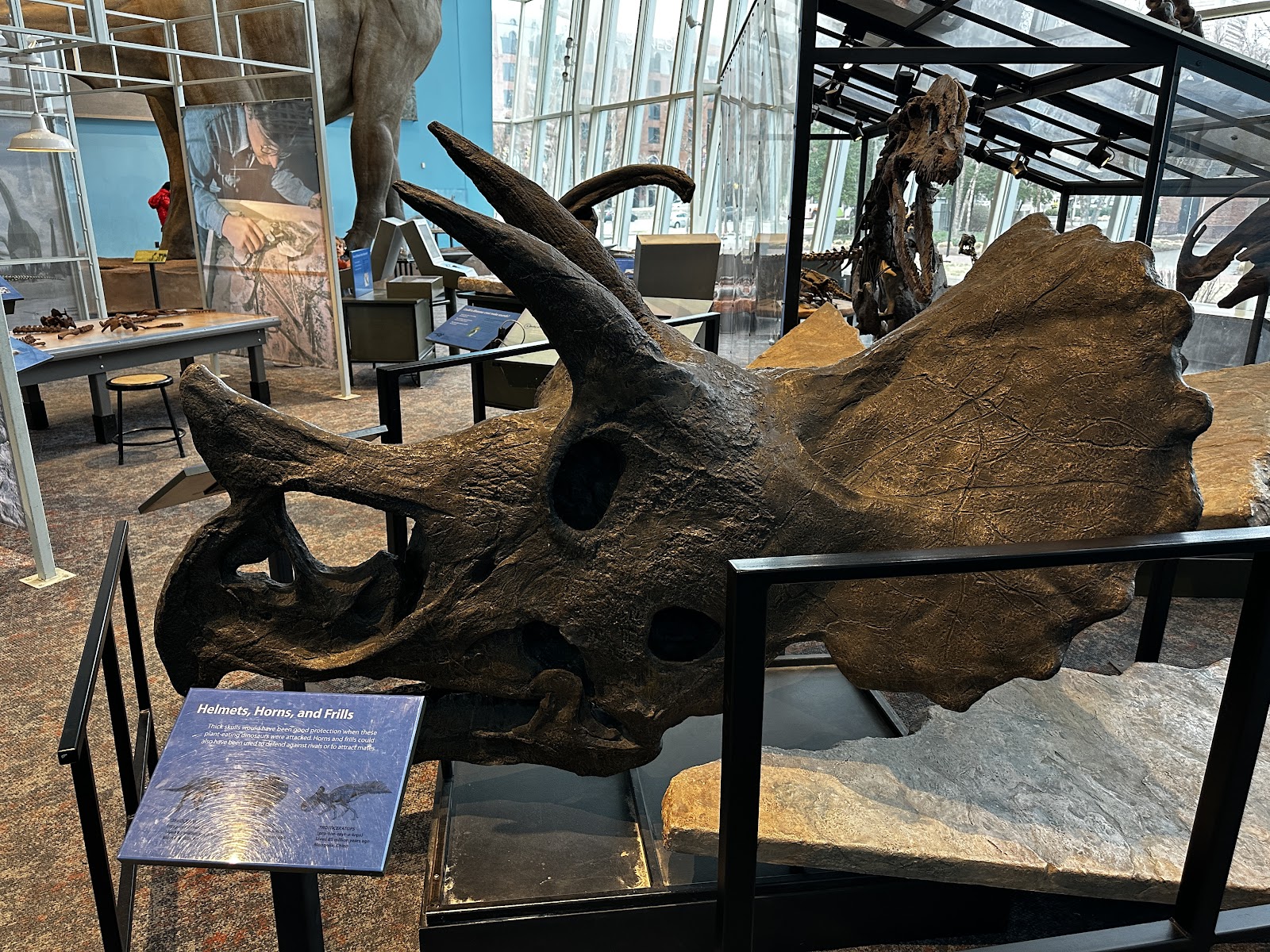
Read the guideA science museum on Baltimore's Inner Harbor, offering indoor exhibit space and outdoor harbourfront areas.
Read the guideA waterfront venue in Baltimore combining historic architectural character with contemporary interiors.
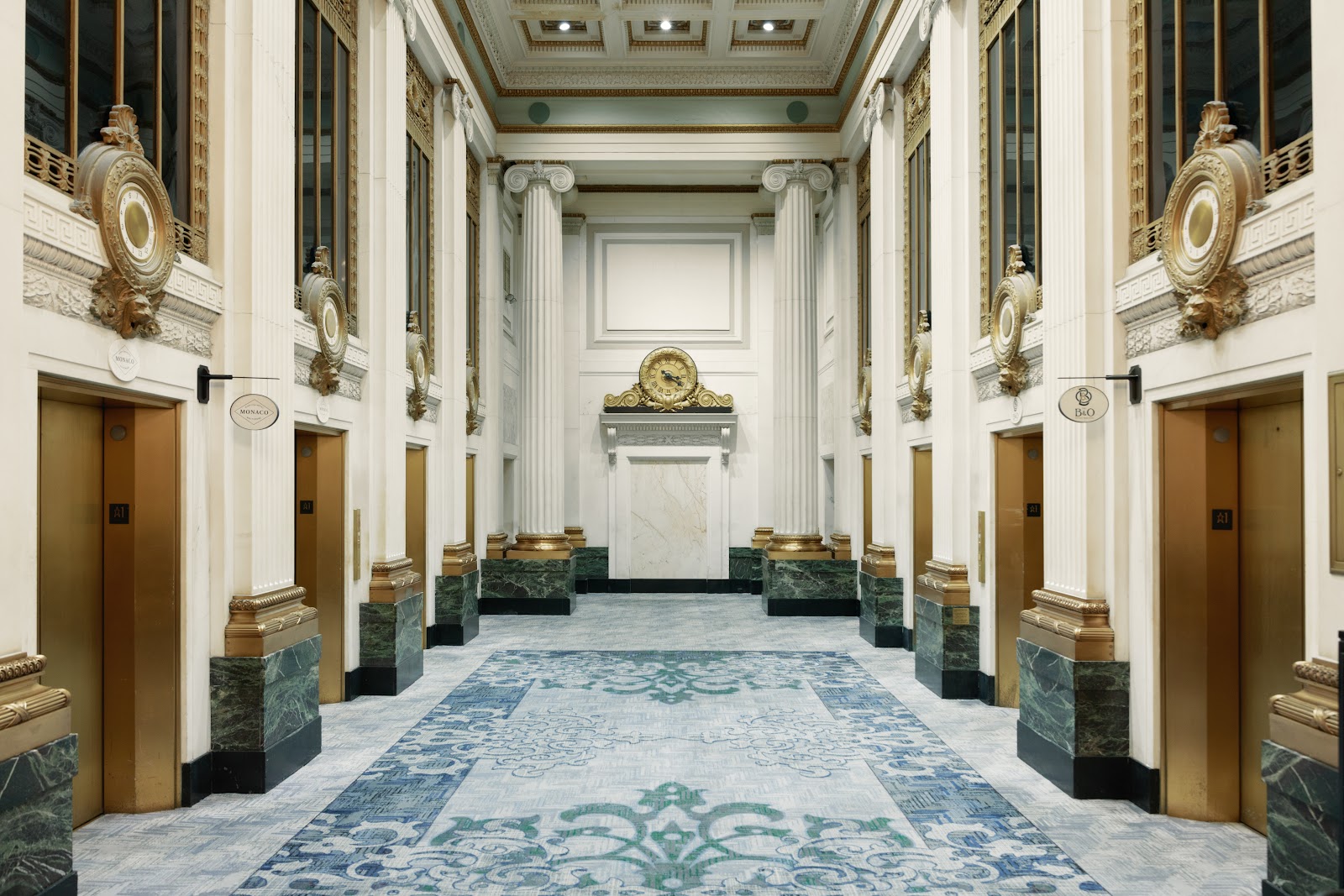
Read the guideA restored early-1900s building in downtown Baltimore, now a hotel with boldly decorated contemporary interiors.
Read the guide