 Overhills Mansion: Who This Venue Suits, and Who It Doesn’t
The Walters Art Museum, Baltimore: Four Ways Out of the Gallery Problem
The architecture here is the asset. The galleries are the obstacle. Both are in the same booking.
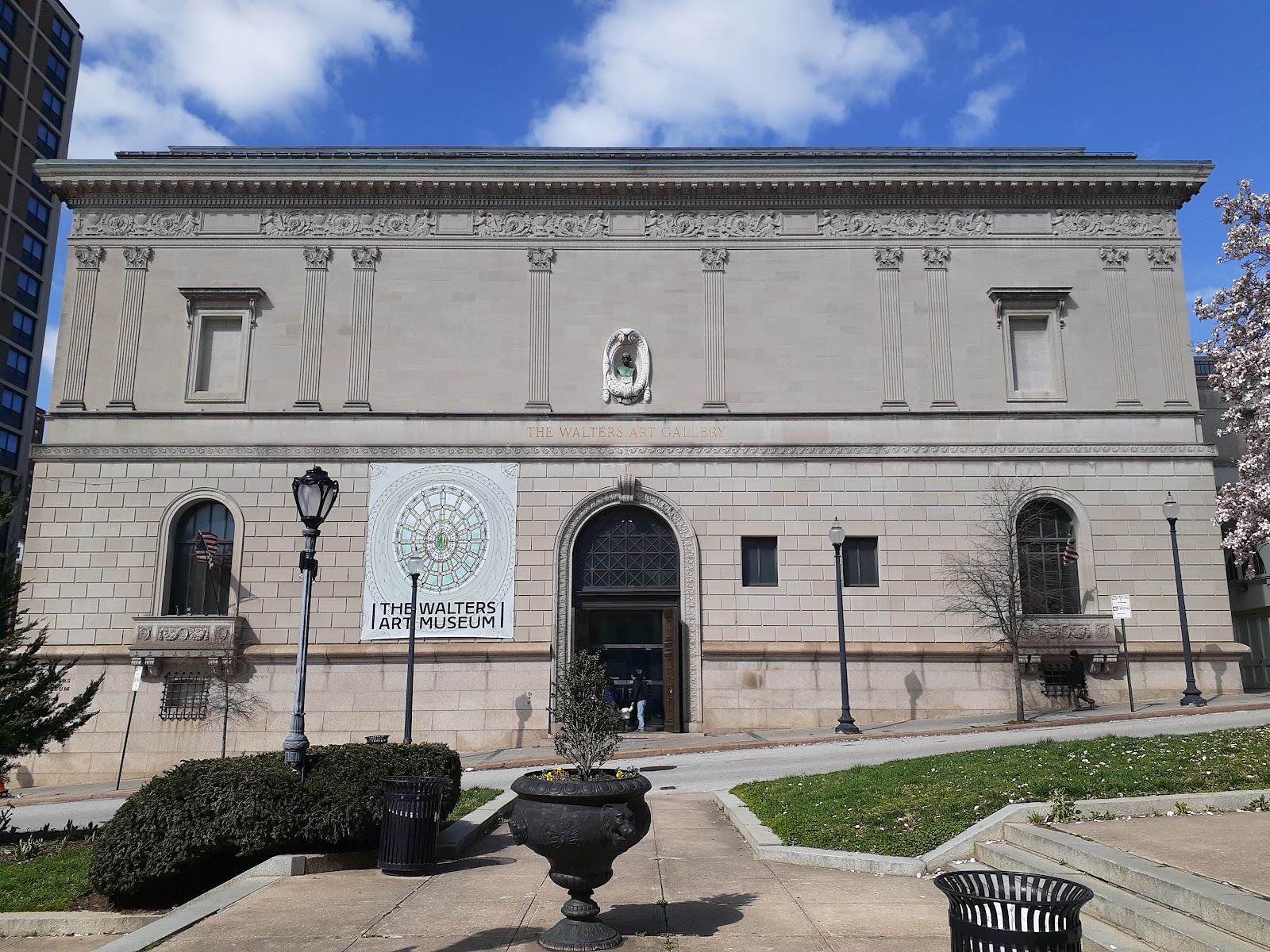
The Walters Art Museum in Baltimore offers what its own description calls majestic architecture and timeless collections — a backdrop that is both dramatically historic and elegantly modern, across more than one building.
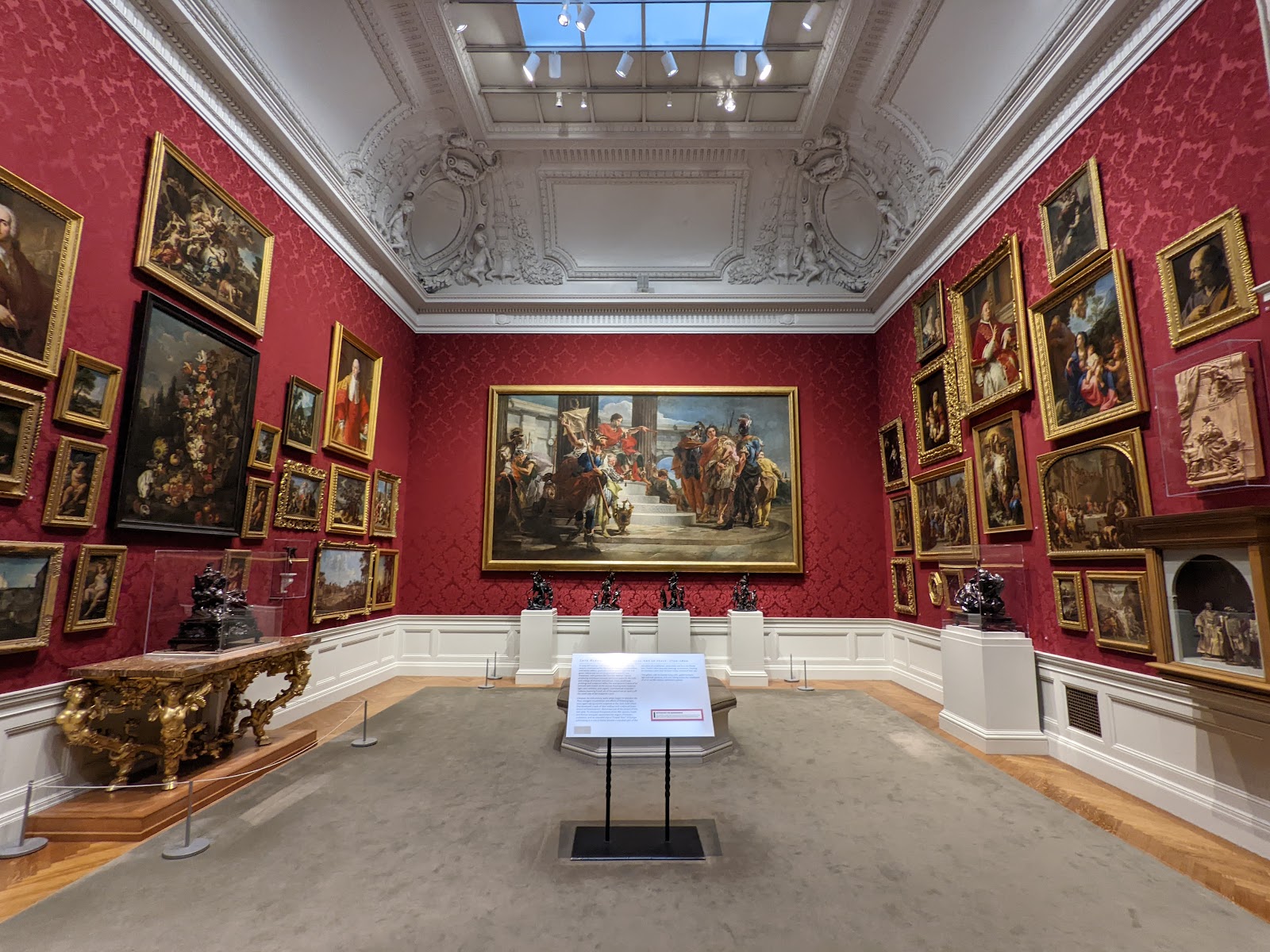
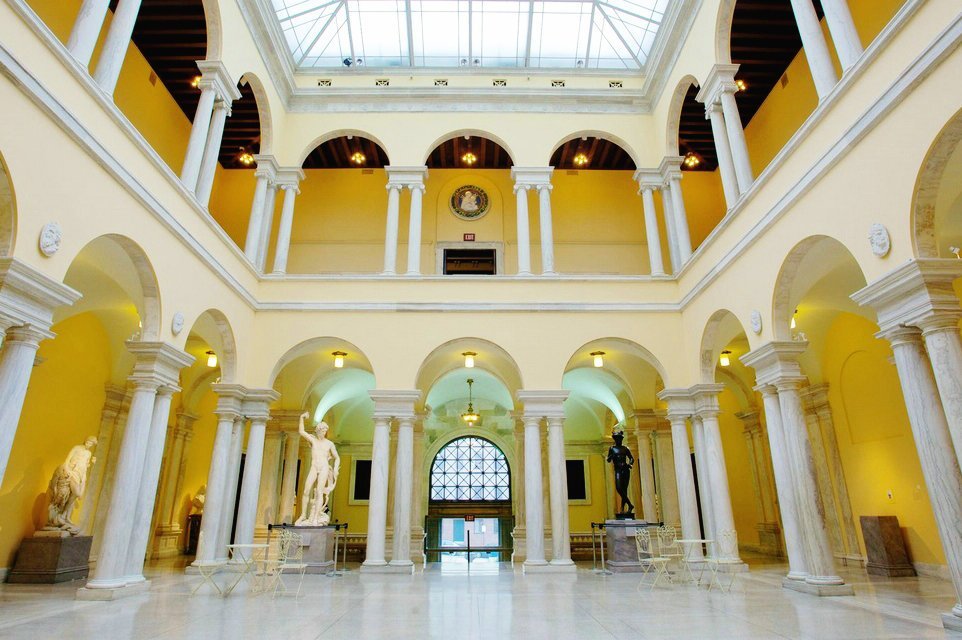
The architecture is genuinely the asset and worth leading with. A museum built in this tradition has a tall central court or atrium, monumental stairs, stone or marble, arcades and strong symmetry — spaces that hold nothing light-sensitive, are therefore generously lit, and photograph as well as any interior in the city. The galleries around them are the obstacle, because gallery lighting is engineered for two things that have nothing to do with photographing people: conservation, which caps how much light may fall on sensitive material, and display, which aims that limited light precisely at objects.
So this is written as the problem and four ways out of it. We have not photographed a wedding at the Walters; conservation lighting behaves the same in every museum. Whether photography is permitted in galleries, whether stands and flash are allowed, and which spaces a booking includes are the first questions — and the answers improve the plan rather than shrinking it.
The Walters Art Museum at a glance
| Where | Baltimore, Maryland |
| Character | A historic art museum with a monumental court and extensive collections |
| The asset | The architecture — court, stairs, stone, symmetry |
| The obstacle | Gallery lighting: low level, hard pools, from directly above |
| Ask first | Gallery photography, stands and flash, which spaces are included |
Why gallery light fails a face
It is worth being specific, because the instinct is to treat gallery light as simply dim and to solve it with ISO. Level is only one of three problems and it is the least serious.
Direction is the second. Display lighting comes from track or recessed fittings in the ceiling, aimed down at objects on walls and in cases. Light from directly above puts the eye sockets in shadow, draws a hard line down from the nose and leaves the underside of the chin dark — which is the lighting direction used deliberately in horror films, for exactly this reason.
Spectrum is the third and it survives editing least well. Museum fittings are frequently narrow-band LED chosen for low ultraviolet output and long life rather than colour rendering, and under a low-CRI source skin can go sallow or plum-toned even at technically correct white balance, because the source is not emitting the wavelengths skin needs to reflect. No slider recovers a wavelength that was never there.
Added to those, galleries in a historic museum often have mid-tone or dark walls and high ceilings, which means no bounce is available at all — a flash aimed upward does nothing. Every source must be direct and modified.
And in a collection of this kind there is a permissions layer that a hotel does not have. Works may be on loan, reproduction rights may be restricted, and photography may be prohibited in particular rooms entirely. That is worth establishing in writing rather than assuming, and it is a separate question from whether stands or flash are allowed — venues often answer those three differently.
Four ways out
The first way out is the architecture, and at this museum it is the strongest answer rather than a consolation. A monumental court or atrium holds nothing light-sensitive, so it is generously lit; it is tall and symmetrical, so a composition is ready-made; and it is finished in pale stone, which raises ambient across the whole space. That produces soft even light at a usable level where position barely matters, groups are easy, and nothing needs carrying.
Two adjustments come with it. The light arrives largely from above, so eye sockets darken — fixed with a reflector held low, a lifted chin, or a small face-height source. And pale stone pushes a meter towards underexposure, so add a stop or more exactly as for snow, checking that the stone still holds texture rather than clipping to blank cream.
The second way out is the stairs. A monumental staircase is the single most useful feature in a museum of this type: it gives elevation, a diagonal or a curve, a handrail as a leading line, and rows for a group automatically, which a flat floor never provides. Almost every group photograph in a building like this belongs on its stairs, and the frame is stronger than any gallery could offer.
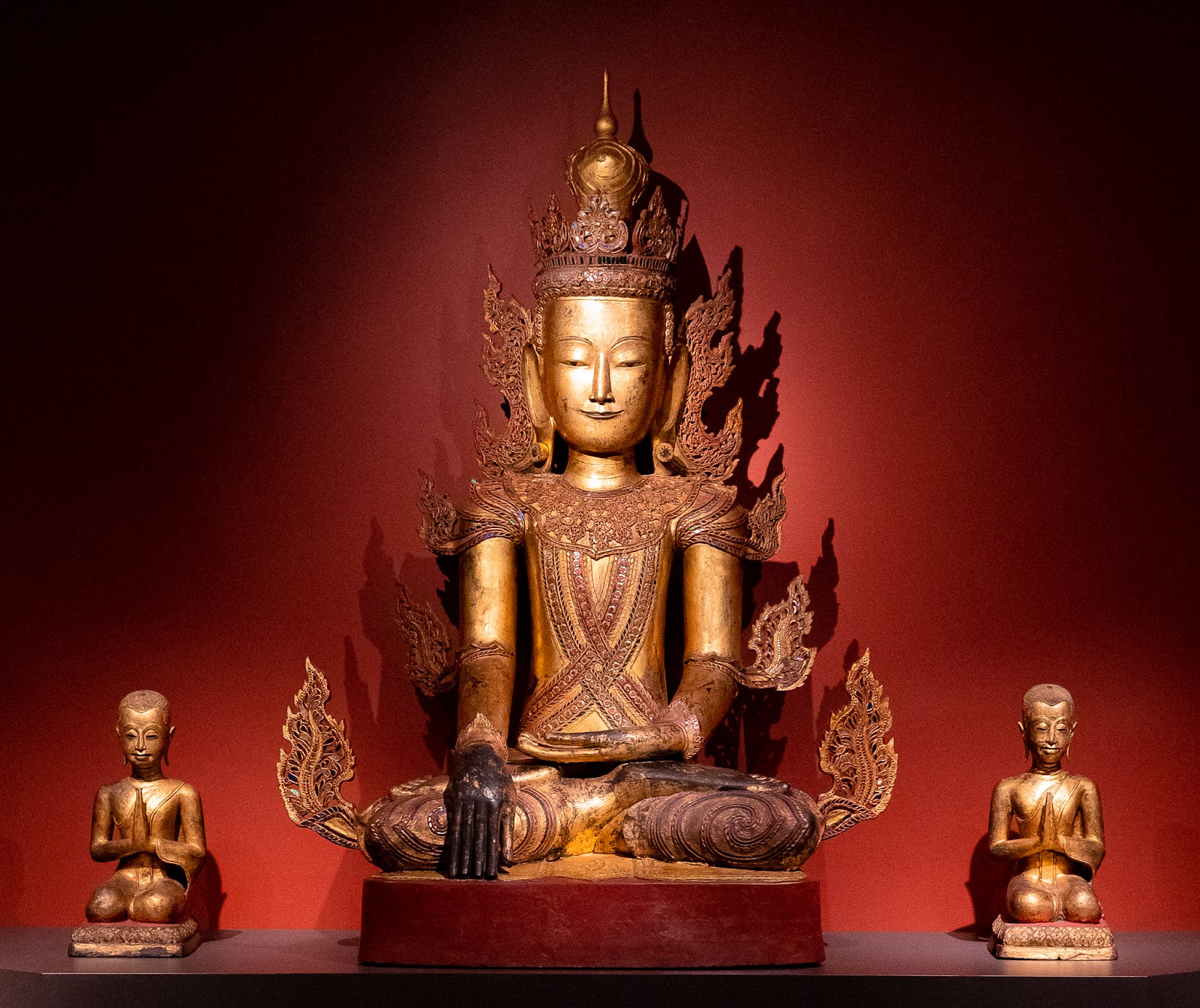
The third way out is to use display light deliberately rather than fighting it. A hard narrow beam from above with the room dark around it is a dramatic light, and if a subject is placed exactly where a pool falls and the camera is stopped down for the ambient, the result is a figure emerging from darkness. That is a real frame rather than a compromise — but only if it is chosen rather than accepted.
The fourth way out is to bring one small source and treat the gallery as background. One light, off-camera, at face height, gridded or modified so nothing spills onto works, cases or walls, gelled to sit near the gallery colour, at about a stop under a correct reading for the room. That gives a face that reads with a gallery that still looks like a gallery. The error to avoid is overpowering: a brightly lit couple against a black void is a studio portrait with a museum in the caption.
- Shoot the court: generous even light, ready-made symmetry, nothing to carry
- Add a stop or more in pale stone, and fix overhead light with a low reflector
- Put the group on the stairs; steps make rows a flat floor cannot
- Use a display pool on purpose, stopped down, room going dark
- One gridded source, a stop under the room, spilling onto nothing
Working the day, outside, and Baltimore weather
The running order is simple at a museum because nothing indoors changes through the day. Interior coverage can be scheduled wherever it is convenient, which means the outdoor block belongs in the last ninety minutes and everything else arranges itself around protecting that.
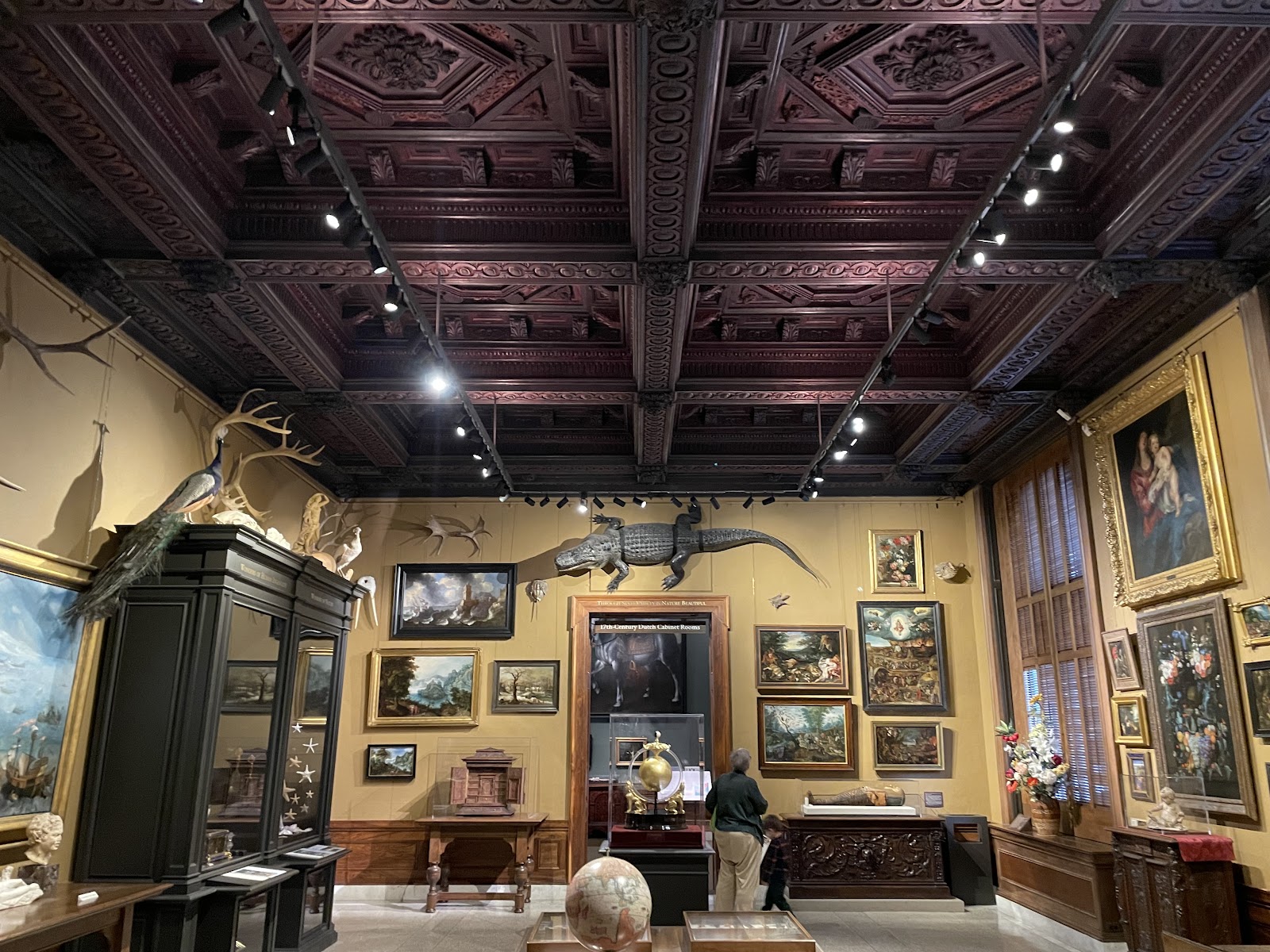
Detail work is worth building in deliberately rather than treating as filler. Conserved stone, joinery, brass, worn steps and architectural ornament are subjects in their own right, photograph well on a fast lens at a raised ISO by whatever light is there, and establish the character of the building more convincingly than a wide frame does. They also need no permissions and no setup.
Symmetry demands precision here because the architecture is built on it. A frame down an axis or centred on a symmetrical elevation collapses if the camera is slightly off centre or a degree out of level — the near-miss is the only failure available, since a clearly off-axis frame reads as intentional. Use the electronic level and take the extra thirty seconds.
Outside, Baltimore is unusually good material for a museum wedding and it is a short walk. Brick rowhouse streets are narrow and low-rise, so low evening sun reaches street level and runs the whole length of a block — ninety minutes of raking light at no equipment cost, on a material that only shows texture when light runs along it.
The white marble steps fronting so many Baltimore rowhouses are a genuine local signature and behave as low reflectors, bouncing light up into a face to fill the shadow overhead sun creates. A frame on them is located and lit at the same time, which is a combination rarely available at street level anywhere.
Mid-Atlantic conditions apply. Summer heat and humidity make long outdoor blocks difficult in formal clothes, so trips should be short and purposeful, and the museum’s own shadow is the reliable midday shade. Afternoon thunderstorms are common rather than rare, which makes a large museum an excellent fallback — the day continues indoors without a decision being needed.
Humidity produces the season’s equipment risk in both directions: kit chilled inside an air-conditioned museum fogs comprehensively on reaching warm damp air, and cold kit fogs on coming in during winter. Both take many minutes to clear and both are avoided the same way — let equipment come towards the temperature of where it is going before it gets there. And the light after a summer cell has passed, with wet stone steps returning reflections of a monumental facade under a dark sky, is frequently the best of the day.
More frames from The Walters Art Museum
The Walters Art Museum wedding photography: common questions
Why is gallery light so difficult?
Three reasons, and level is the least. It comes from directly above, which darkens eyes and draws shadows down the face; and museum fittings are often narrow-spectrum, which renders skin sallow or plum even at correct white balance.
Can white balance fix the colour problem?
No. A low-CRI source is not emitting the wavelengths skin needs to reflect, and no slider recovers a wavelength that was never there. Your own gelled source on the faces is the fix.
Where is the best light in the building?
The monumental court or atrium. It holds nothing light-sensitive, so it is generously lit, tall, symmetrical and pale-surfaced — soft even light at a usable level where position barely matters.
What adjustment does a pale stone hall need?
Add a stop or more over the metered reading, exactly as for snow, and check the stone still holds texture rather than clipping to cream. Also fix the overhead direction with a low reflector or a lifted chin.
Where should group photographs happen?
On the stairs. A monumental staircase gives elevation, a diagonal, a handrail as a leading line and rows automatically — which a flat gallery or ballroom floor never does.
How should a gallery be lit if it is permitted?
One gridded source at face height, spilling onto nothing, about a stop under a correct reading for the room. Overpowering it gives a studio portrait with a museum in the caption.
More Baltimore, MD venue guides
We are writing a photographer’s guide to every venue we would happily shoot in Baltimore, MD. Here are three more, plus the full index:
- The American Visionary Art Museum: Who This Venue Suits
- The Baltimore Basilica: Field Notes on a Latrobe Interior
- Clifton Mansion: A Photographer Answers the Real Questions
All Baltimore, MD Wedding Venues →
Planning a wedding at The Walters Art Museum?
Ask about the galleries early — the answer sharpens the plan. Tell us your date.