Three facts govern photographs in these islands and all three are unfamiliar to anyone arriving from the mainland. The first is the sun. These venues sit between about nineteen and a half and twenty-two and a quarter degrees north — inside the tropics — which means the June noon sun reaches eighty-seven to eighty-nine degrees and passes exactly through the zenith twice a year at every location, in late May and again in mid-July. On those dates a vertical object casts essentially no shadow at all.
Between roughly ten and three for much of the year there is no position on open ground that fixes a face, and the only cover is architectural or broadleaf. The second is the dusk, and it is the shortest in these guides. At this latitude the sun descends very steeply, which compresses civil twilight to twenty-one or twenty-two minutes and makes the fall from usable light to dark abrupt.
Day length barely varies either — eleven hours at the winter solstice to thirteen and a quarter in June — so there is no long summer evening and no short winter day, and the low light arrives at roughly the same hour all year. A plan built on a leisurely golden hour will lose most of it: the sequence has to be decided in advance, because four setups fit into twenty-two minutes only if none of them is being worked out at the time.
The third fact is windward and leeward, and it is the one that decides which island and which coast a date should be on. The trade winds come from the north-east; when that moist air meets a mountain it is forced up, cools and condenses. So the windward north-east coasts are wet, green and frequently showery with cloud sitting on the ranges, and the leeward south-west coasts sit in rain shadows that can be genuinely arid — a difference of hundreds of inches of annual rain across a few miles of the same island.
Leeward means reliable weather and a sunset that goes into the ocean; windward means frequent rain, running waterfalls, saturated green and the most frequent rainbows anywhere, with the ocean frame belonging to dawn. On a windward coast a shower is the normal condition rather than an interruption, and the ten minutes after one passes are the best ten minutes of the day. Two further things recur everywhere.
The species distinction is absolute: monkeypod, banyan, mango and dense broadleaf canopy block almost all light and give soft reliable cover, while a palm frond is a row of stiff parallel blades whose shadow, under a near-vertical sun, falls straight down a face as hard stripes that no exposure recovers. Broadleaf is cover; palm is background and silhouette, and never the other way round.
And the ground varies by the island's age: young Hawai'i Island gives black basalt against white coral sand and deep blue water — the widest tonal range in these guides, where two tones and a subject is the rule rather than four — while older Kaua'i gives weathered tan rock and a red soil that stains fabric permanently. Humpback whales are in these waters from roughly December to April, and on the leeward channels they are visible from the shore.
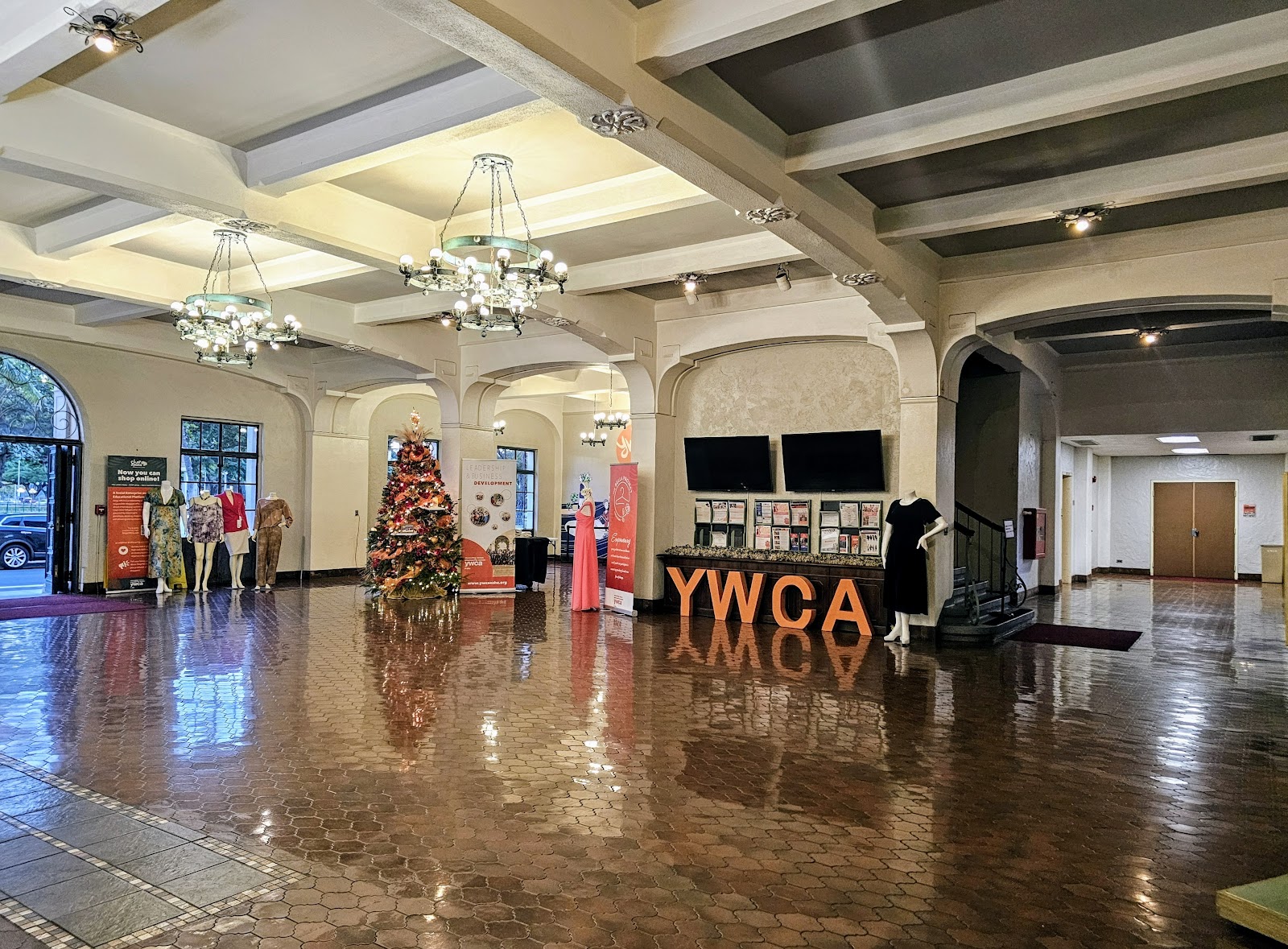
The Laniakea YWCA: A Building Organised Around Its Courtyard
A historic YWCA building in downtown Honolulu, arranged around a planted courtyard with native planting and timber interiors.
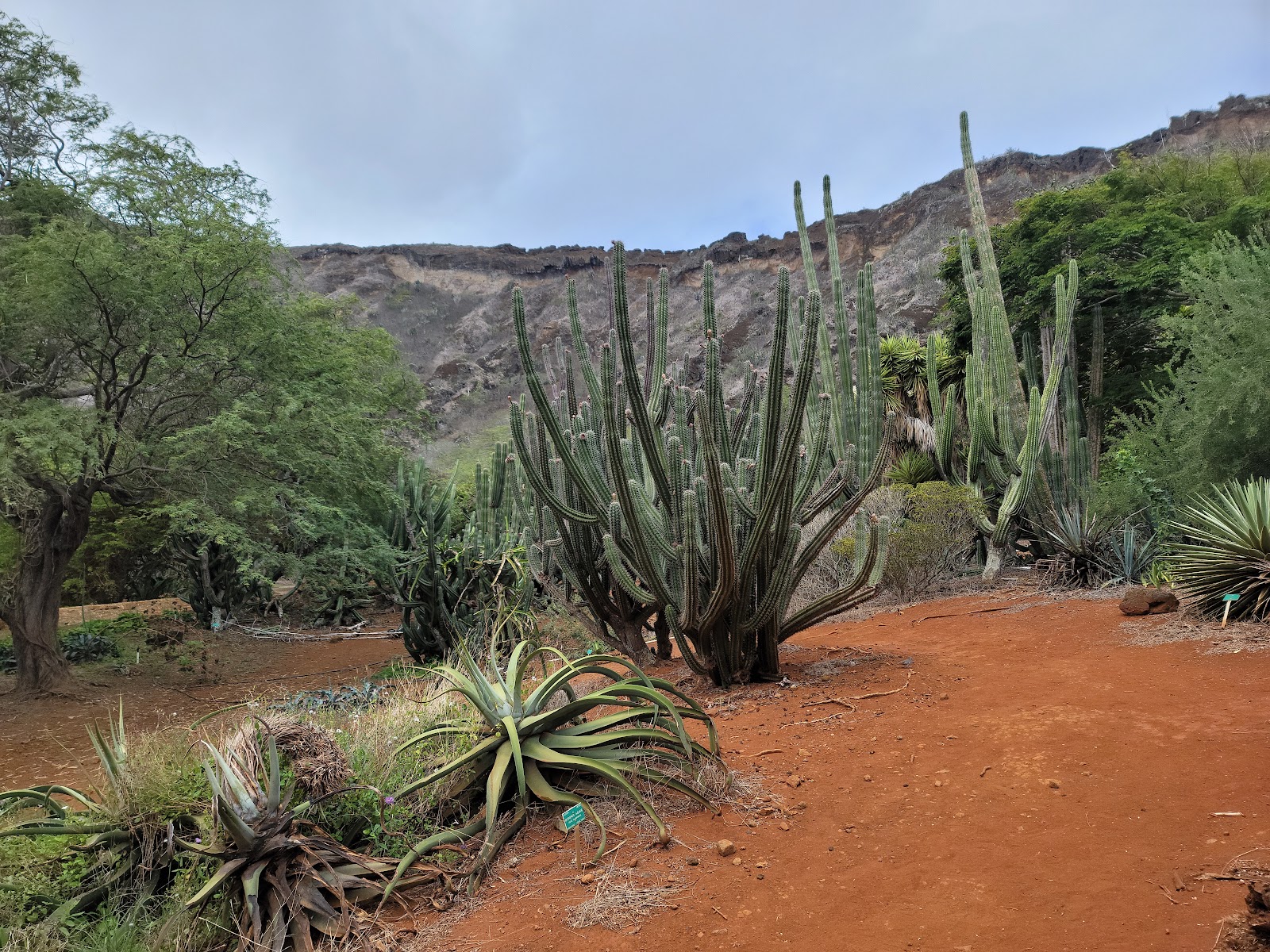
Koko Crater Botanical Garden: Reading Light Inside a Crater
A dry-land botanical garden planted inside the basin of Koko Crater on the eastern side of Oahu, with cacti, plumeria and crater walls around it.
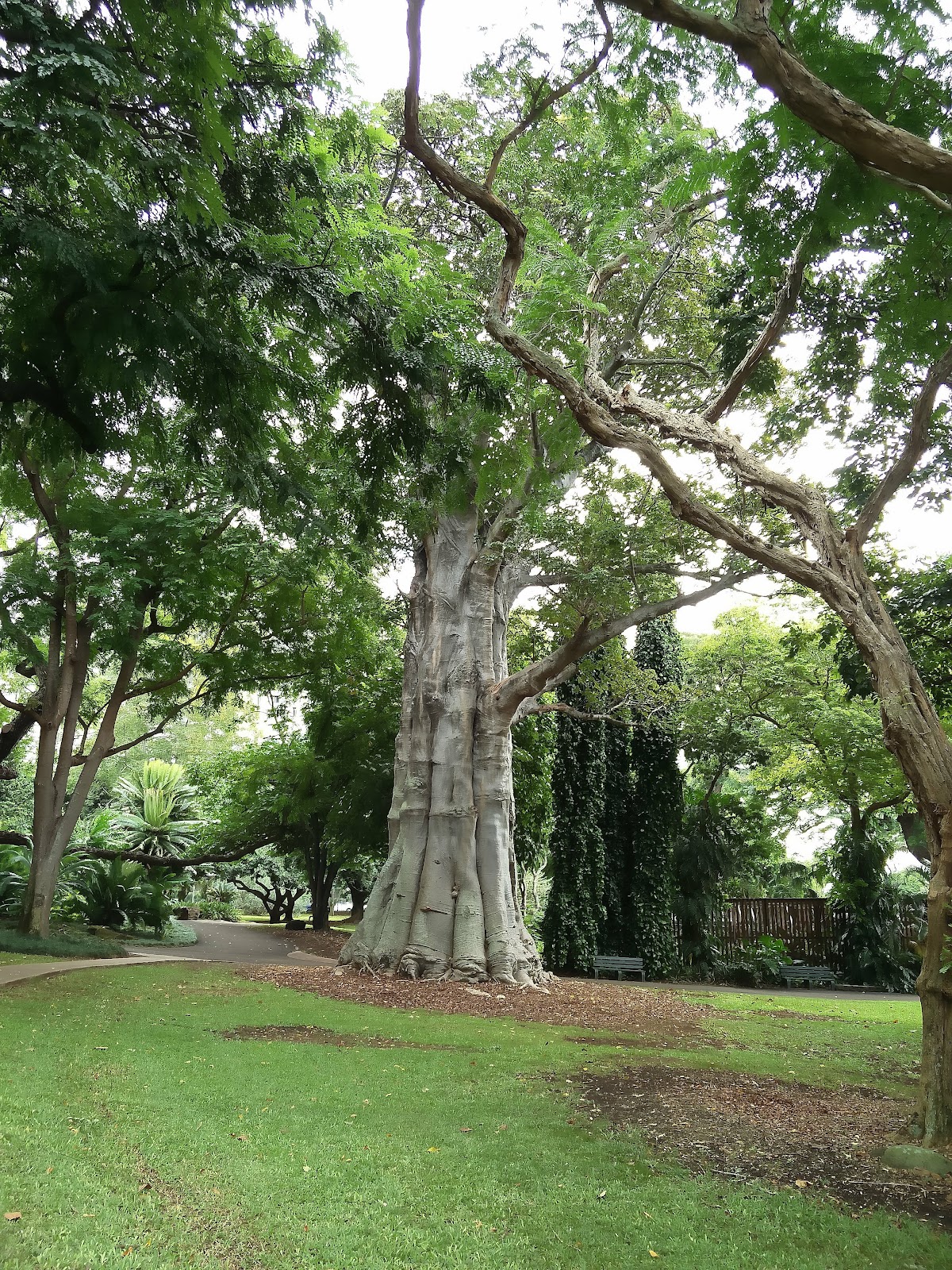
Foster Botanical Garden: Four Ways Out of the Tall-Canopy Problem
A botanical garden in central Honolulu with exceptional mature tropical trees, palms and orchid collections.
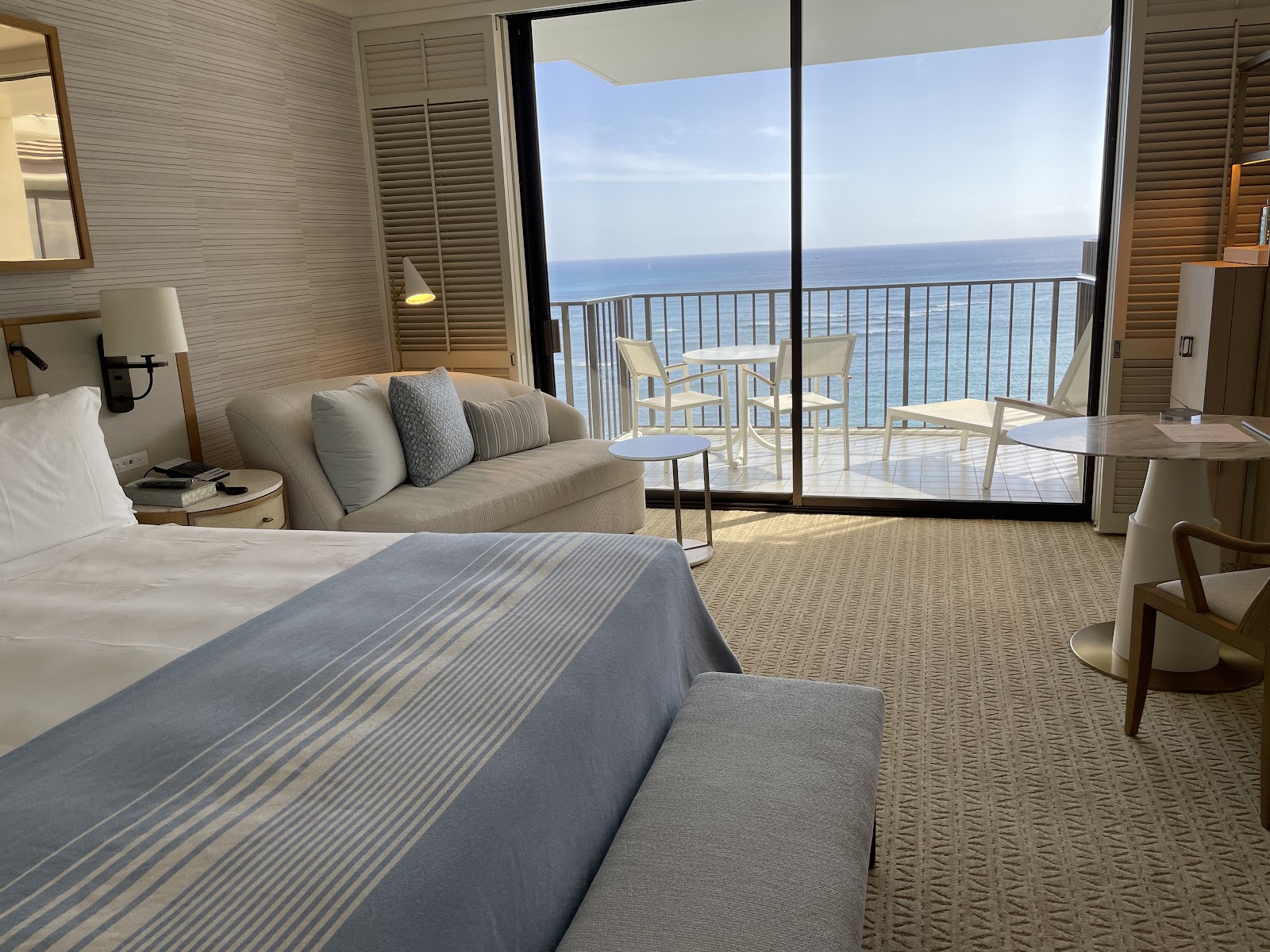
The Halekulani: Photographing a Deliberately White Hotel
A luxury oceanfront hotel on Waikiki Beach, Honolulu, built around a restrained white and pale palette with ocean frontage.
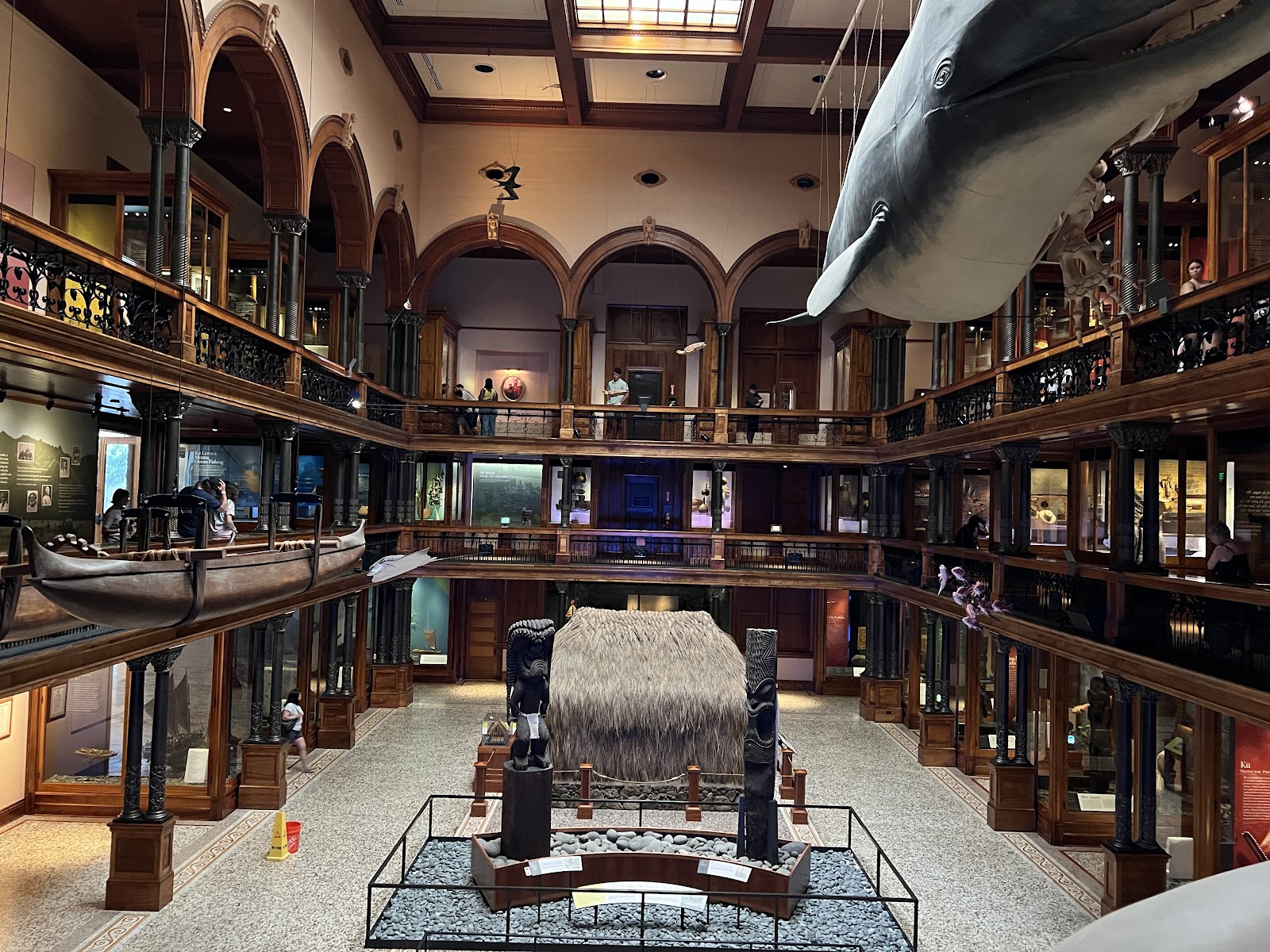
The Bishop Museum: Photographing Basalt, Koa and a Great Hall
A museum in Honolulu with late nineteenth-century basalt buildings, a koa-panelled galleried hall and open lawns.
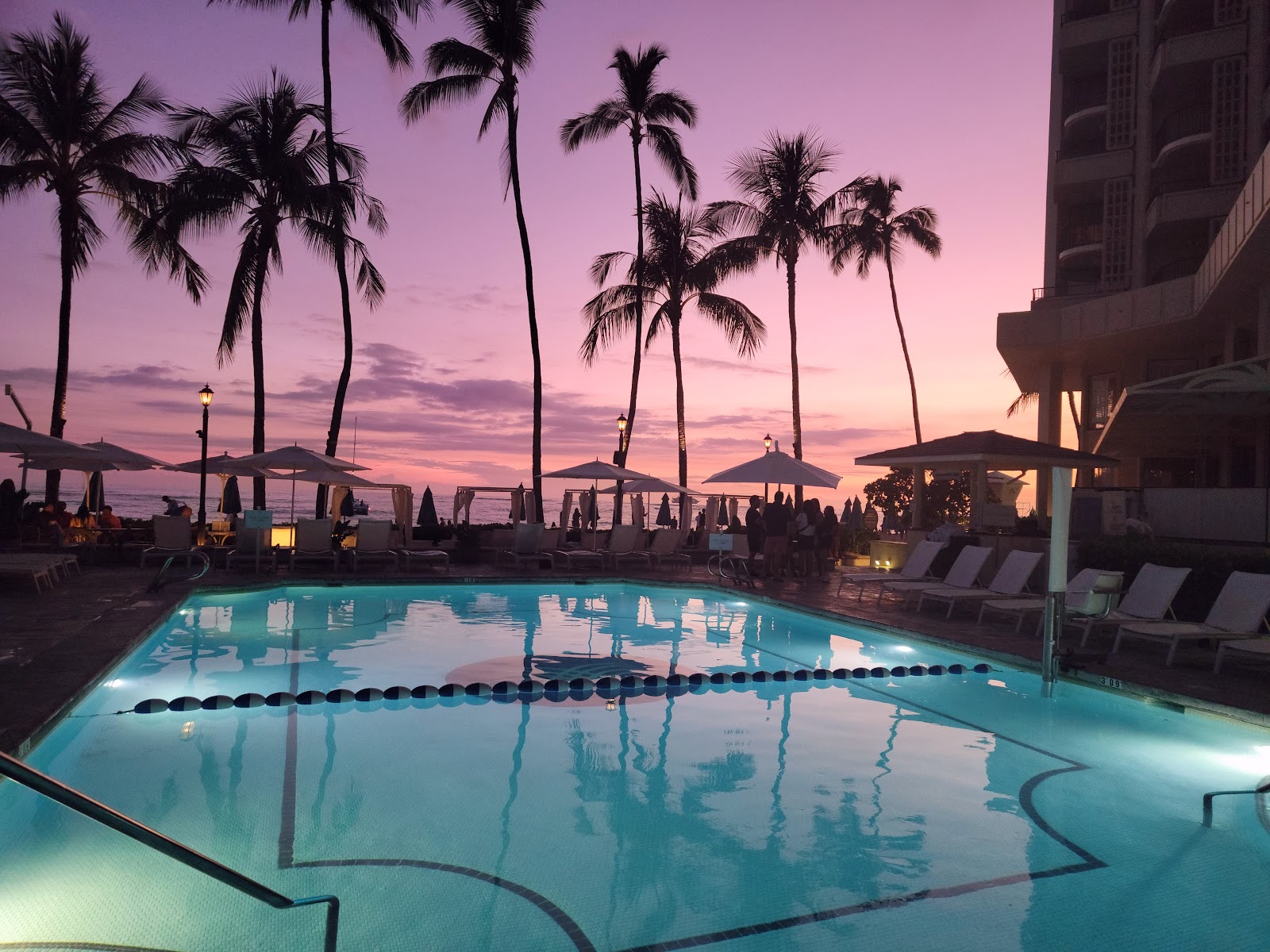
The Moana Surfrider: How the Banyan Courtyard Frame Is Made
An 1901 colonial-style hotel on Waikiki Beach, with white verandahs, lanais and a large banyan tree in its beachfront courtyard.
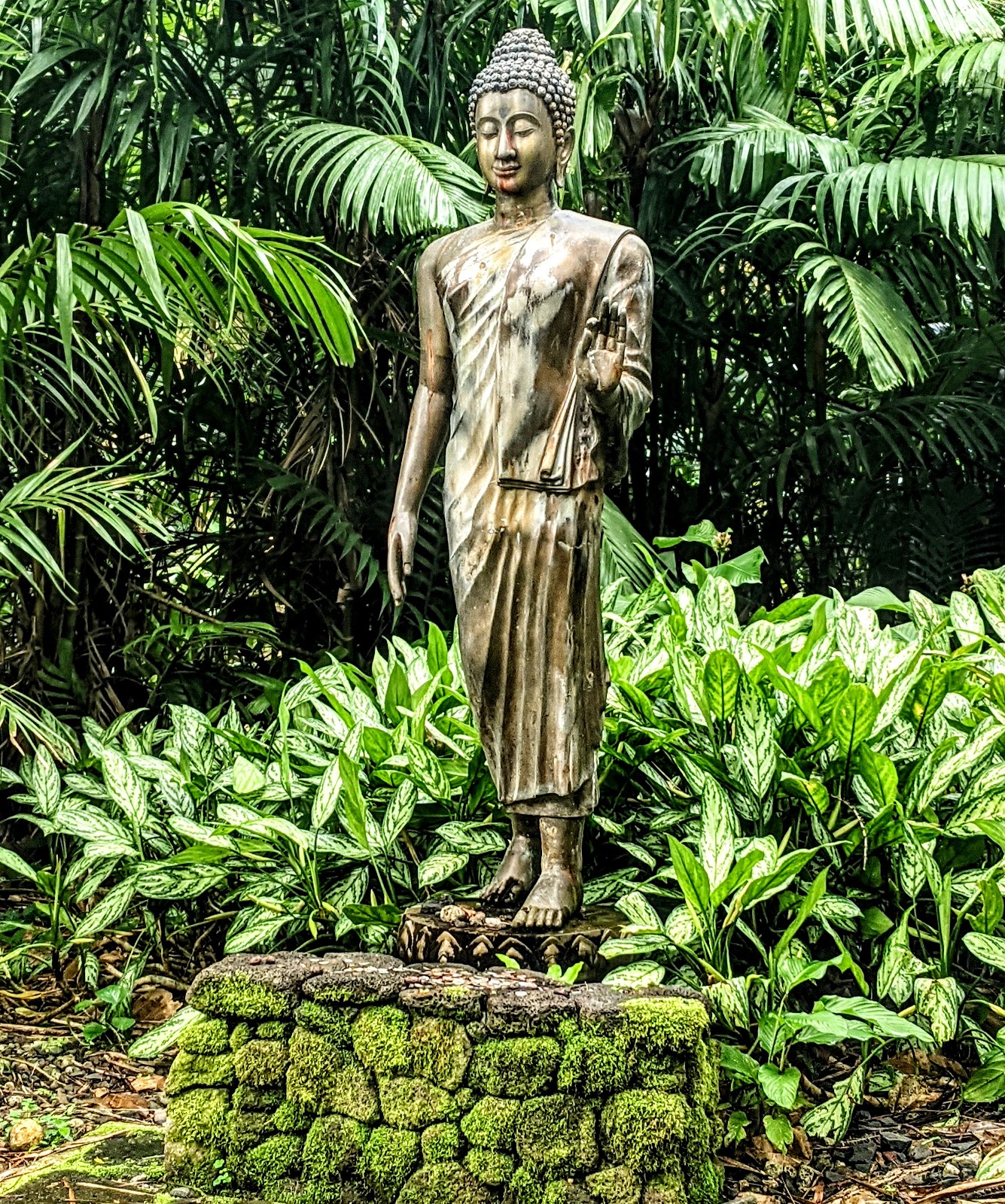
Lyon Arboretum: One Decision About Rain Governs Everything
A rainforest arboretum in upper Manoa Valley above Honolulu, with dense tropical planting, ferns and mountain views.
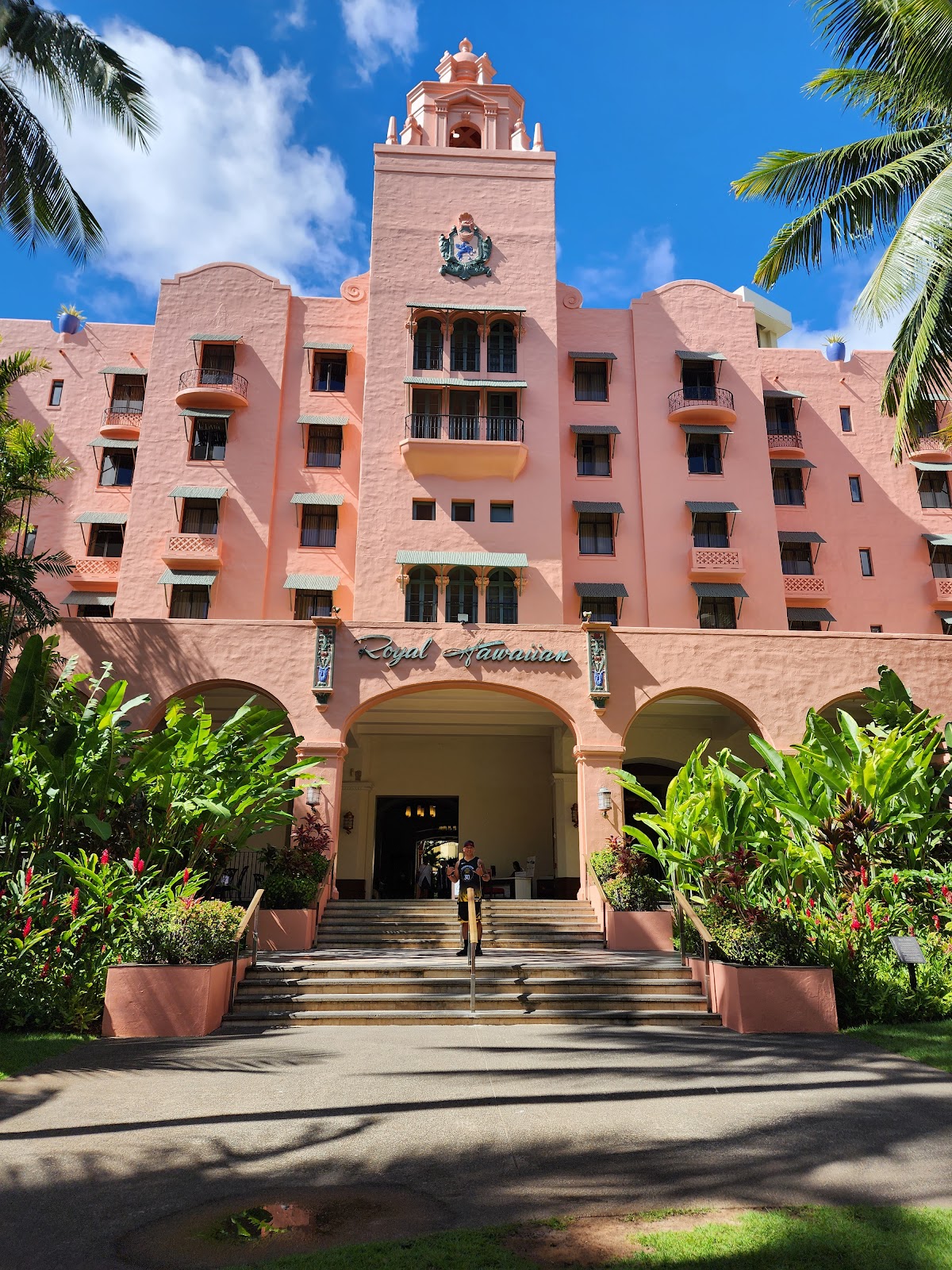
The Royal Hawaiian: Field Notes on a Pink Building by the Sea
A 1927 Spanish-Moorish hotel on Waikiki Beach, painted pink, with ocean frontage and Diamond Head to the east.
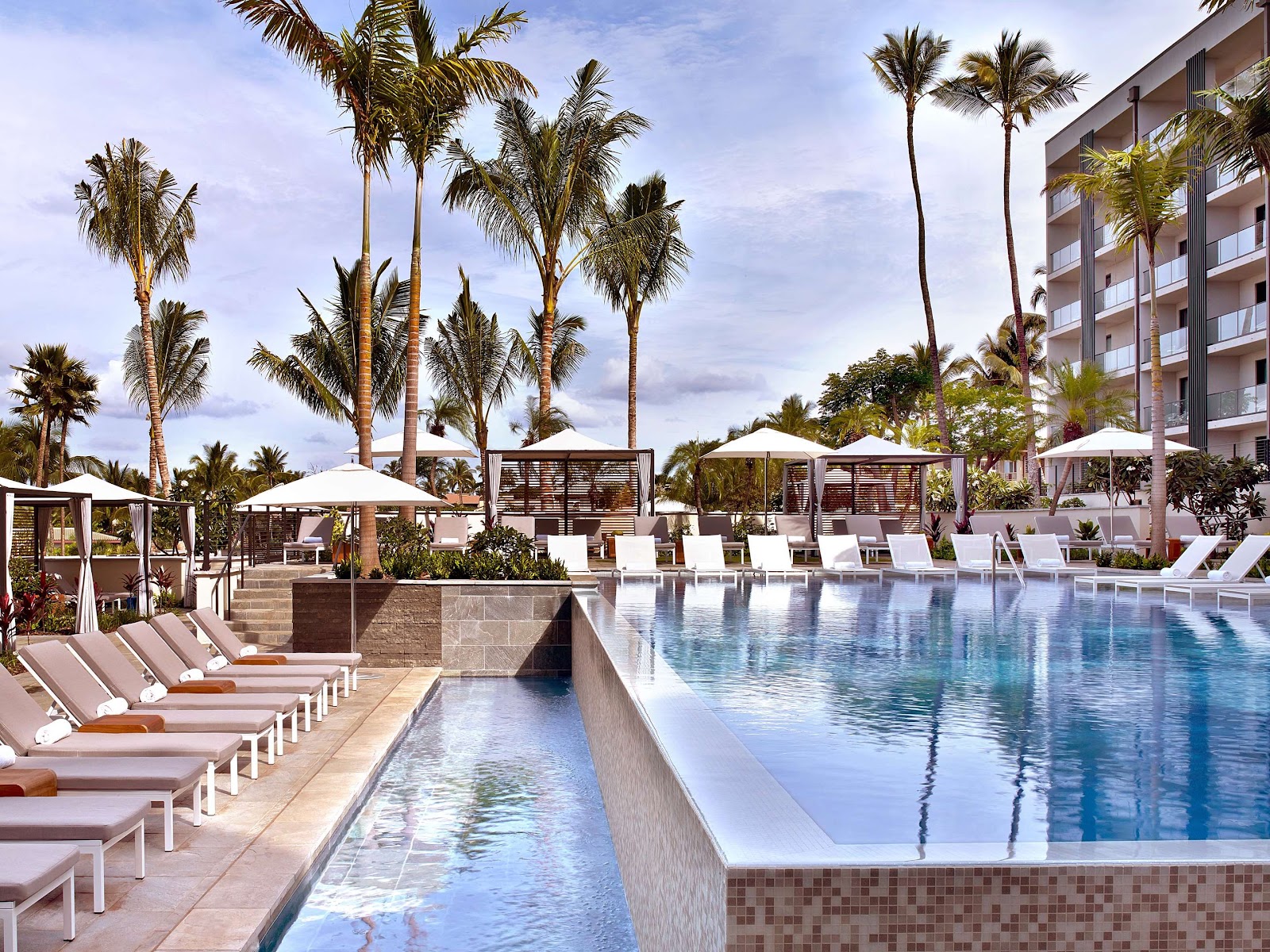
Andaz Maui at Wailea: A Walk Through the Site
A contemporary resort terraced down a south Maui slope to the beach, where the architecture is geometry rather than decoration.
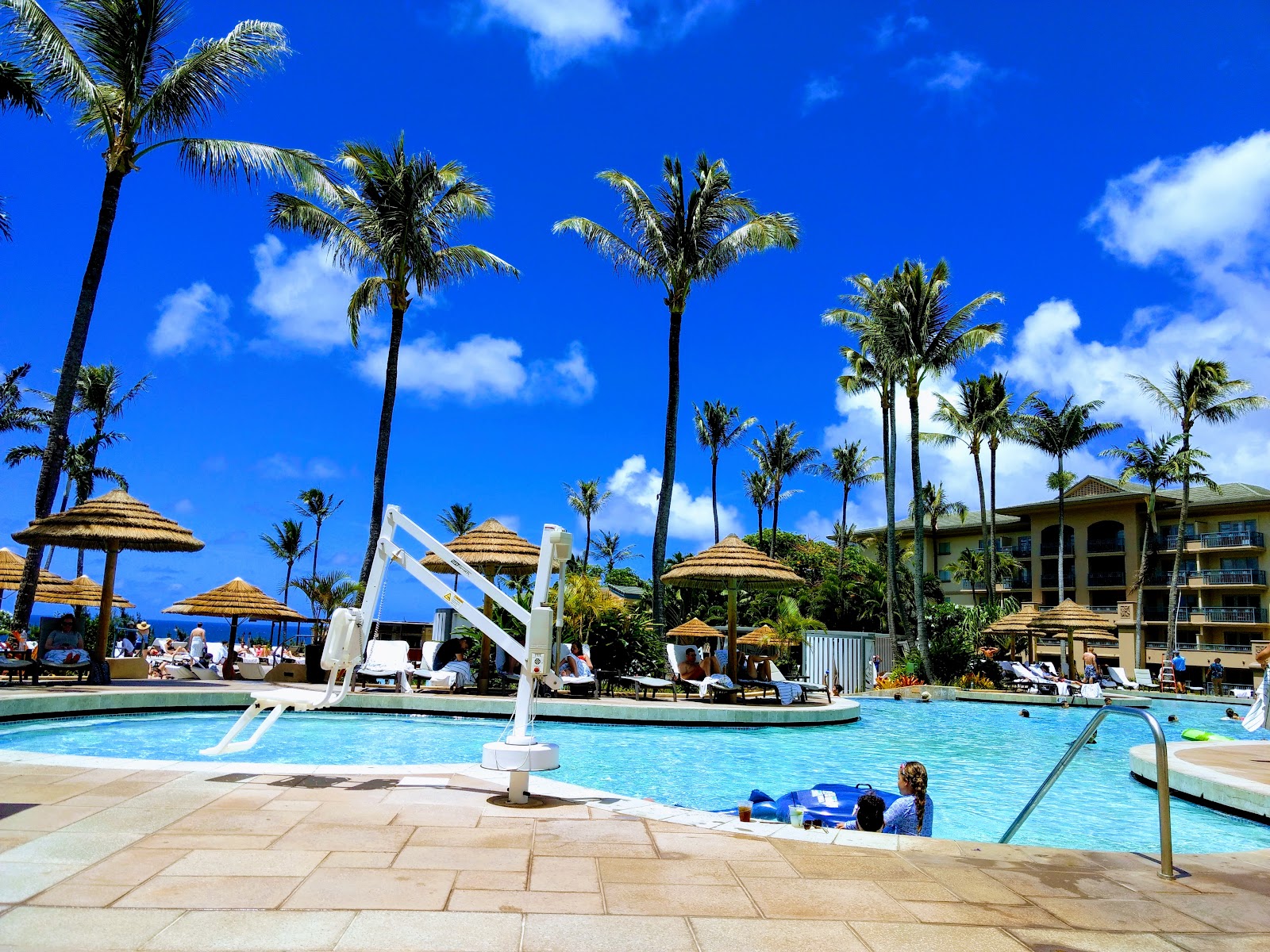
The Ritz-Carlton Maui, Kapalua: The One Decision That Governs Everything
A resort set back and above the shore at Kapalua, where the bluff and the beach are two different venues.