 The Laniakea YWCA: A Building Organised Around Its Courtyard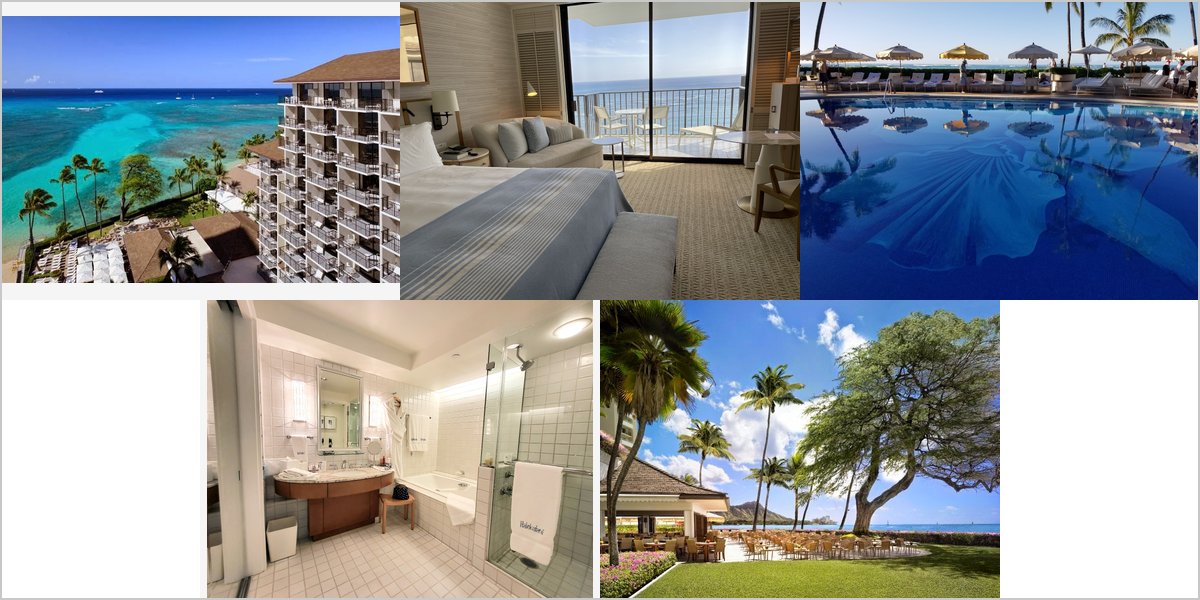
The Halekulani: Photographing a Deliberately White Hotel
A venue that is deliberately white gives you nothing to separate a white dress from. That is the whole problem.
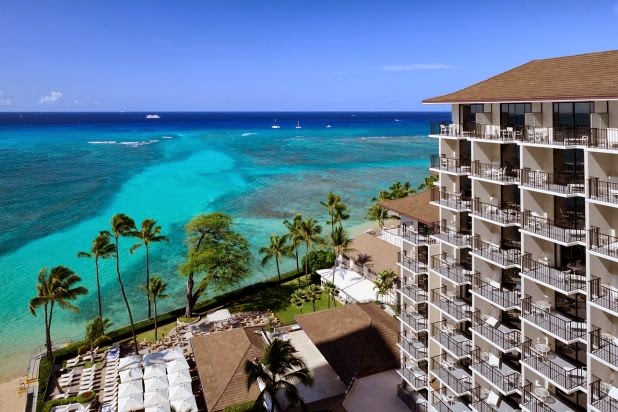
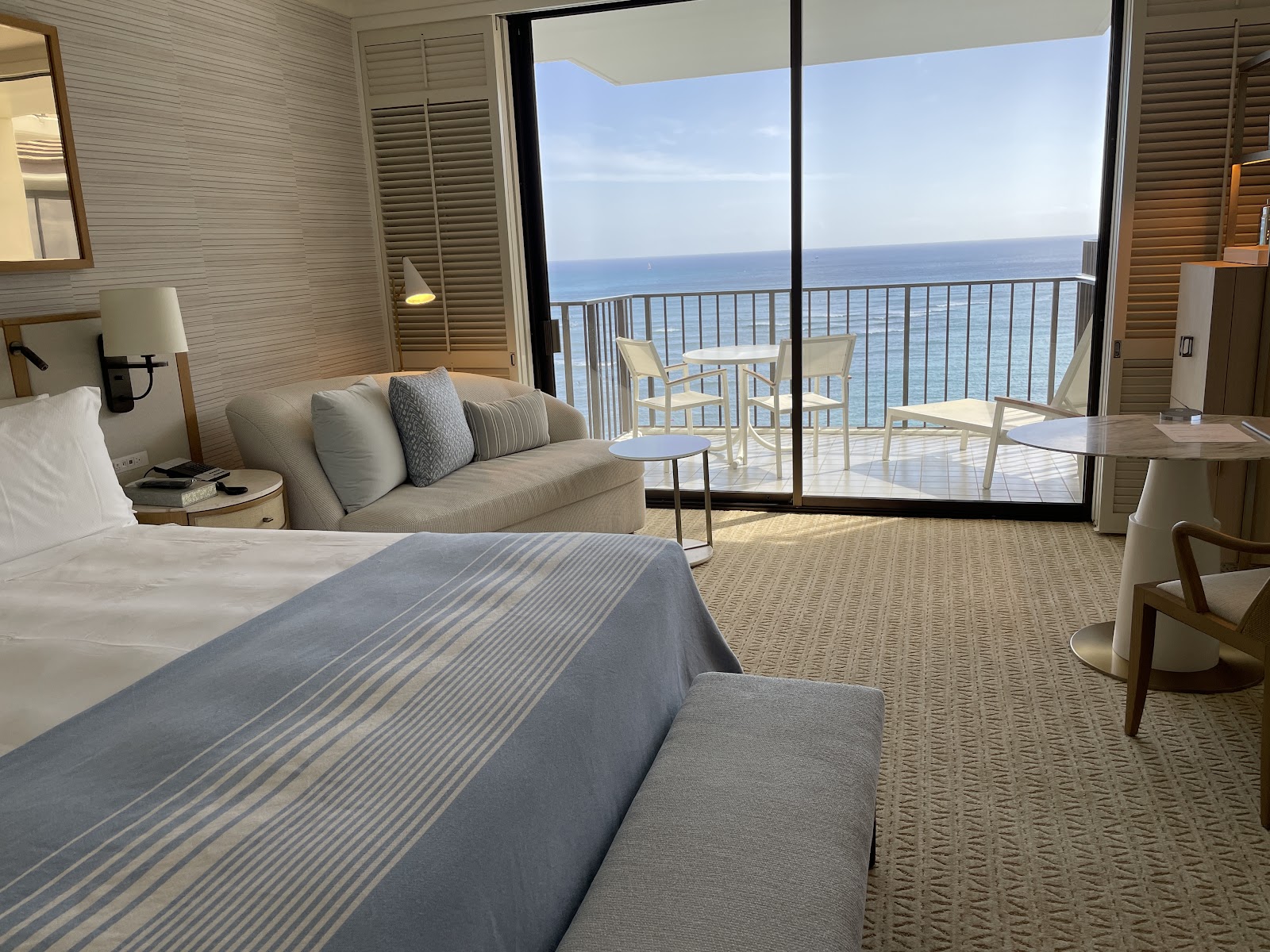
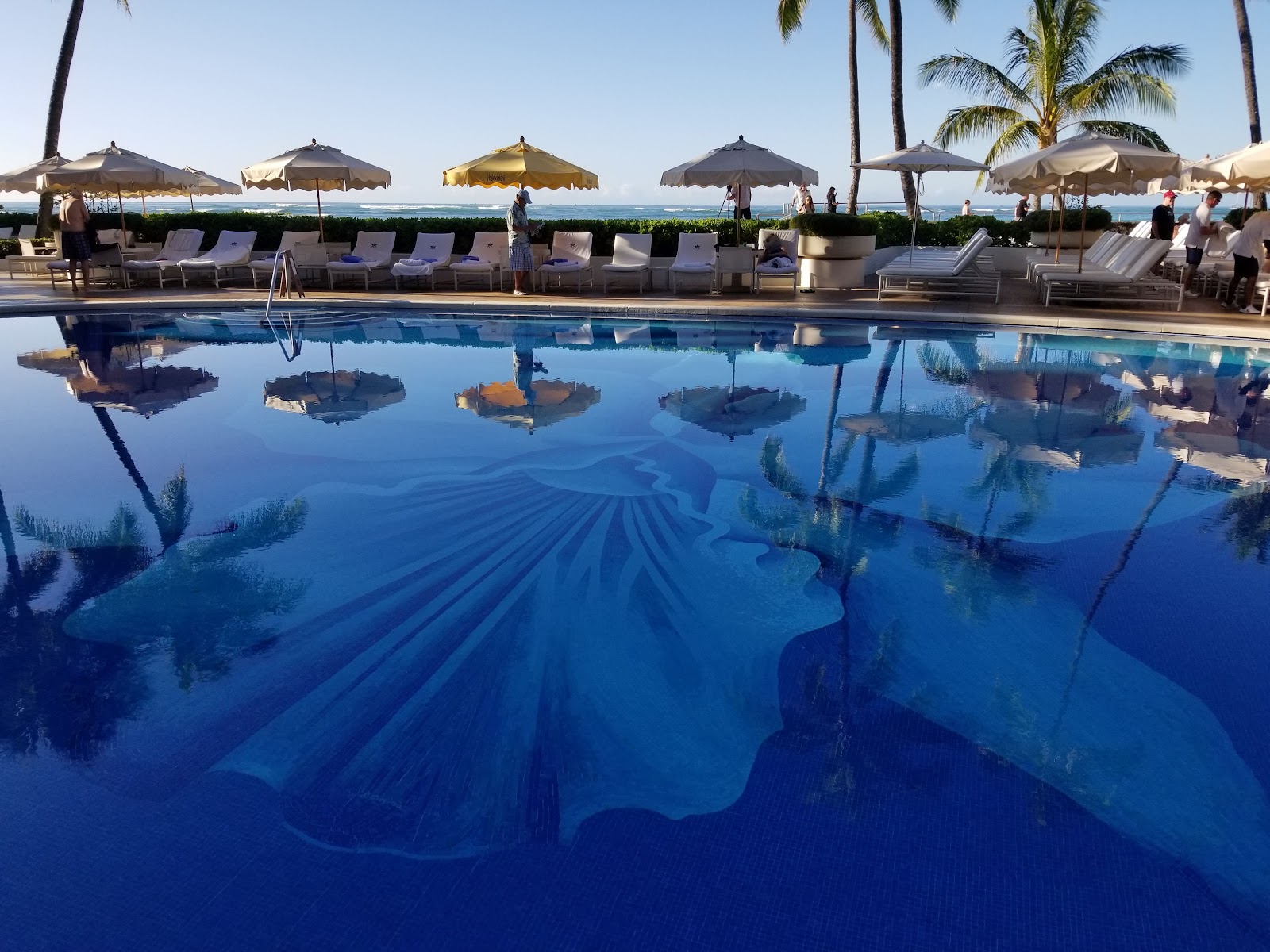
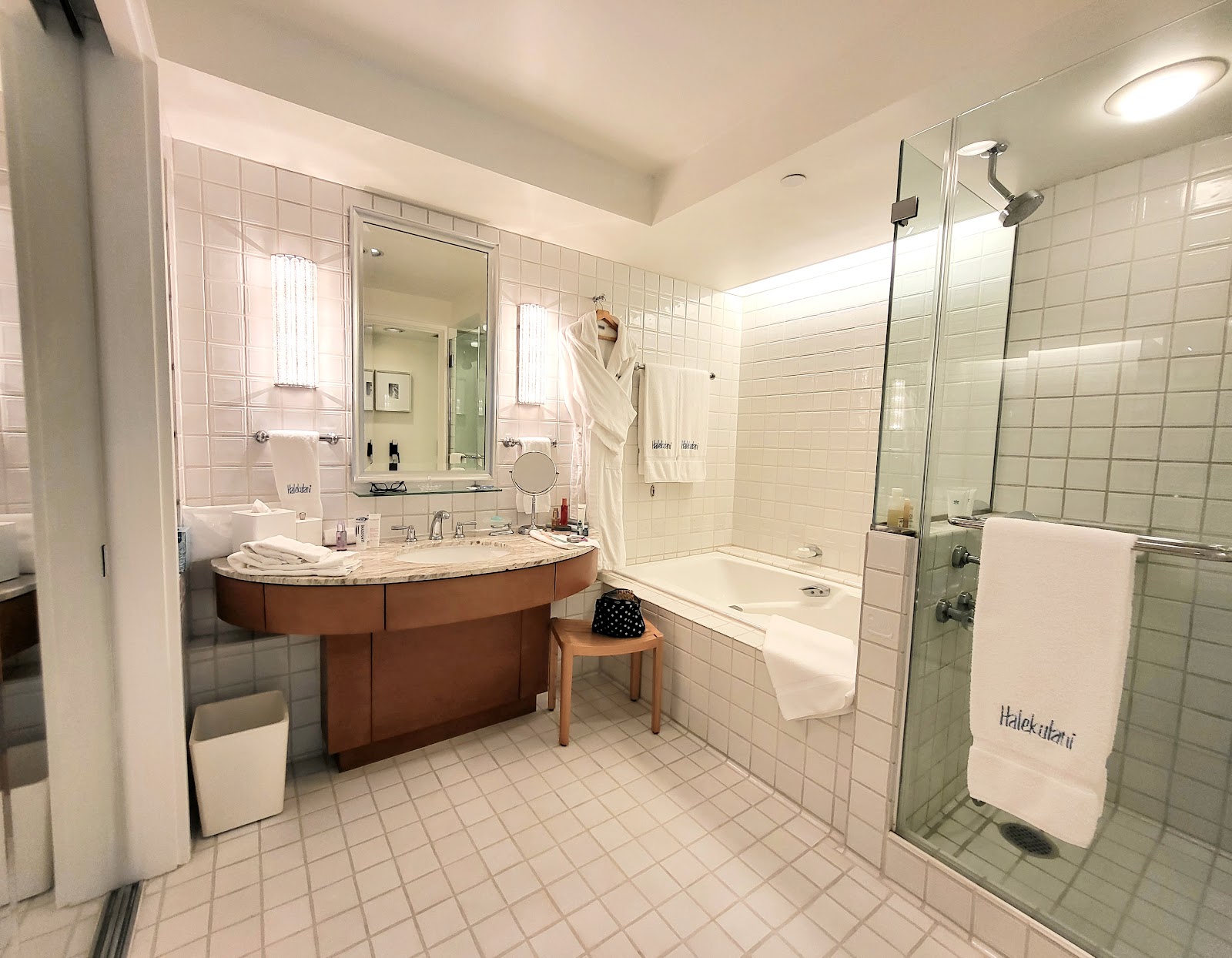
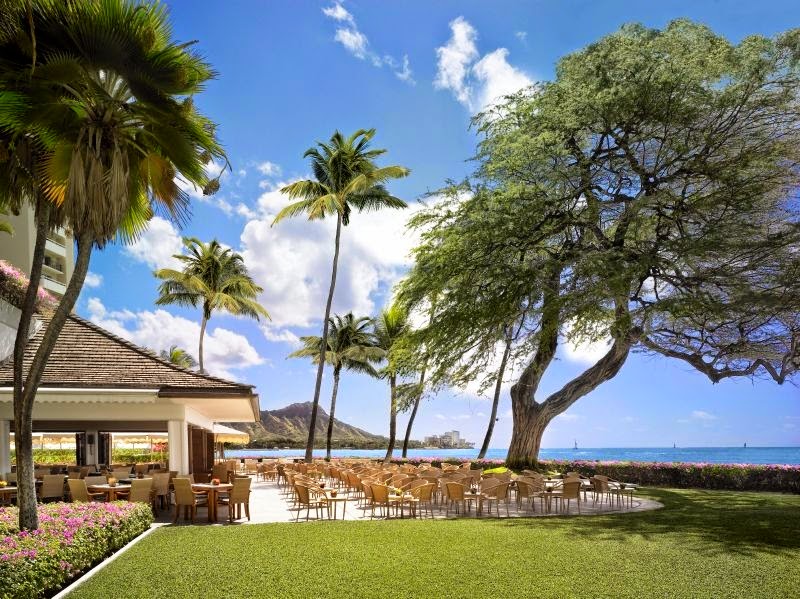
The Halekulani occupies oceanfront ground on Waikiki Beach in Honolulu, a luxury hotel whose identity is built on restraint: a white and pale palette running through its architecture, interiors and grounds, with direct ocean frontage and views along the coast.
That palette is a design achievement and a specific photographic difficulty, and it is not the difficulty people expect. A dark venue is a known problem with a known answer — bring light. An almost colourless one is subtler: there is plenty of light and almost no contrast, and contrast is what separates a subject from a background. Put a bride in ivory against a white wall, under bright even tropical light, and the result is technically perfect and visually indistinct.
Add sand and a bright sea and the whole environment is high-key. This is an honest account of who that suits and who it frustrates. We have not photographed a wedding at the Halekulani; white palettes and bright oceanfront light behave the same wherever they meet. Which terraces, lawns and rooms host events are questions for their events team.
The Halekulani at a glance
| Where | Oceanfront, Waikiki Beach, Honolulu, Hawaii |
| Character | Luxury hotel built on a restrained white and pale palette |
| The problem | Plenty of light, almost no contrast — nothing separates |
| Compounded by | Pale sand and bright sea, which make everything high-key |
| The fix | Bring the contrast: direction, shadow, and a darker frame edge |
Why white on white is harder than dark
A photograph reads because the subject differs from what is behind it — in brightness, in colour, or in sharpness. A white venue removes the first two deliberately. Walls, furnishing, floors and often the flowers all sit within a narrow band of pale neutral tones, and the lighting is designed to be even so nothing casts a distracting shadow.
A white dress in that environment has almost no edge. The photograph looks soft and washed even when exposure and focus are perfect, and no amount of contrast added afterwards fixes it — applying global contrast to a flat scene darkens shadows that do not exist and lifts highlights already near the top. The separation has to exist at capture or it does not exist at all.
Tropical oceanfront light makes it worse rather than better. Pale sand and bright water reflect a great deal of light upward, filling any shadow that might otherwise have given a face shape, so the environment itself is working against modelling. A subject standing on white sand beside a white wall under a high sun is lit from every direction at once.
There are four levers and they all have to be used deliberately. Sharpness separation: a long lens at a wide aperture, so the background goes genuinely soft and the subject is the only sharp thing — the single most reliable answer here. Directional light: one source from the side, which creates a shadow side and an edge where there was none. Framing: place the subject against a darker element — an open doorway, a shaded loggia, dark planting, the deep blue of the sea rather than the pale sand. And negative fill: put something dark on the shadow side, which subtracts light where you do not want it and manufactures the contrast the venue refuses to provide. Subtracting is more useful than adding in a place like this, and almost nobody does it.
Who this venue suits
The register is exactly right for some briefs and for those it is close to ideal:
- Couples who want a light, airy, pale aesthetic — this venue type genuinely delivers it rather than approximating it
- Anyone whose priority is clean uncluttered backgrounds where nothing competes with expression
- Briefs centred on fine detail, since pale even light shows fabric and beadwork texture beautifully
- Couples who want the ocean to be the only strong colour in the frame, which against white it certainly is
- Weddings needing reliability: the light is abundant, consistent and weatherproof
Who should look elsewhere
And some intentions fight every element of the design:
- Couples wanting dramatic, moody, high-contrast images — everything here works against that
- Anyone drawn to period texture, carved detail or rich colour, none of which is present
- Briefs needing the venue to be recognisable, since pale luxury interiors look alike worldwide
- Photographers unwilling to bring directional light, because the ambient will not model a face
- Anyone hoping colour will carry the set; the palette is intentionally almost absent
The ocean, the hours and the one strong colour available
The sea is the venue’s saving grace photographically, because it is the one saturated thing on site. Deep blue water behind a couple in white gives exactly the separation the architecture refuses — and the further out you frame, past the pale shallows into the darker water, the stronger it gets. Composing so the horizon puts deep blue rather than bright sand behind a subject is a free fix and it is the most useful single decision here.
Timing does the rest. At this latitude the sun is close to overhead for long stretches, which is the worst possible condition for an already flat environment — no direction at all, plus shadowed eye sockets. The first and last ninety minutes are when directional light exists, and at a white venue that directional light is not a luxury but the mechanism that makes the pictures work.
Sunset here is over open water with a clear western horizon, which gives warm low light and colour in the sky — the only moment when the environment supplies both direction and saturation at once. That is the block to protect above everything else, and it is short.
The hotel’s shaded structures are the midday answer. A deep loggia, terrace overhang or covered walkway facing the bright beach gives a large soft key with a dark surround behind — which is contrast, manufactured by architecture, available all day. Two metres inside the shade line, facing out. In a white venue that dark surround is worth more than it would be anywhere else.
Two practicalities. Salt spray and fine sand are constant on an oceanfront site, so change lenses under cover and clean afterwards. And trade winds are normal rather than occasional, which makes a veil a held-or-removed decision rather than a hope, and an unweighted light stand a genuine hazard near guests.
What works in your favour
- Genuinely delivers the light and airy aesthetic rather than approximating it
- Deep ocean blue is the one strong colour, and it separates white perfectly
- Pale even light renders dress and detail texture beautifully
- Shaded loggias manufacture the contrast the palette lacks
- A clear western horizon for sunset over open water
What to plan around
- Almost no contrast, so nothing separates from anything by default
- A white dress against white walls has effectively no edge
- Sand and sea reflect upward, filling the shadows that give a face shape
- Contrast added afterwards cannot create separation never captured
- Near-overhead sun for long stretches, and constant trade winds
More frames from The Halekulani
The Halekulani wedding photography: common questions
Why do photographs at white venues look flat?
Because a subject reads by differing from its background in brightness or colour, and a deliberately white palette removes both. A white dress against a white wall under even light has almost no edge, however correct the exposure and focus.
Can it be fixed afterwards?
No. Global contrast on a flat scene darkens shadows that do not exist and lifts highlights already near the top. The separation has to be created at capture — the information simply is not in the file otherwise.
What actually works?
Four things. A long lens wide open so the background goes soft. One directional source from the side to create a shadow side. Framing against a darker element. And negative fill — putting something dark on the shadow side to subtract light.
What is the single most useful decision?
Composing so deep ocean blue rather than bright pale sand sits behind the subject. The sea is the one saturated thing on site, and it gives exactly the separation the architecture refuses. It costs nothing but choosing where to stand.
Why is midday especially bad here?
Because at this latitude the sun is near-overhead for long stretches, which gives no direction at all in an environment that is already flat, and shadows the eye sockets. Directional light only exists in the first and last ninety minutes.
What is the answer at midday then?
A deep loggia or terrace overhang facing the bright beach. That gives a large soft key with a dark surround behind — contrast manufactured by architecture, available all day. In a white venue that dark surround is worth more than anywhere else.
More Honolulu, HI venue guides
We are writing a photographer’s guide to every venue we would happily shoot in Honolulu, HI. Here are three more, plus the full index:
- Koko Crater Botanical Garden: Reading Light Inside a Crater
- The Laniakea YWCA: A Building Organised Around Its Courtyard
- Lyon Arboretum: One Decision About Rain Governs Everything
All Honolulu, HI Wedding Venues →
Planning a wedding at The Halekulani?
A white venue needs contrast brought in, not corrected in later. Tell us your date and we will plan where the separation comes from.