 The Laniakea YWCA: A Building Organised Around Its Courtyard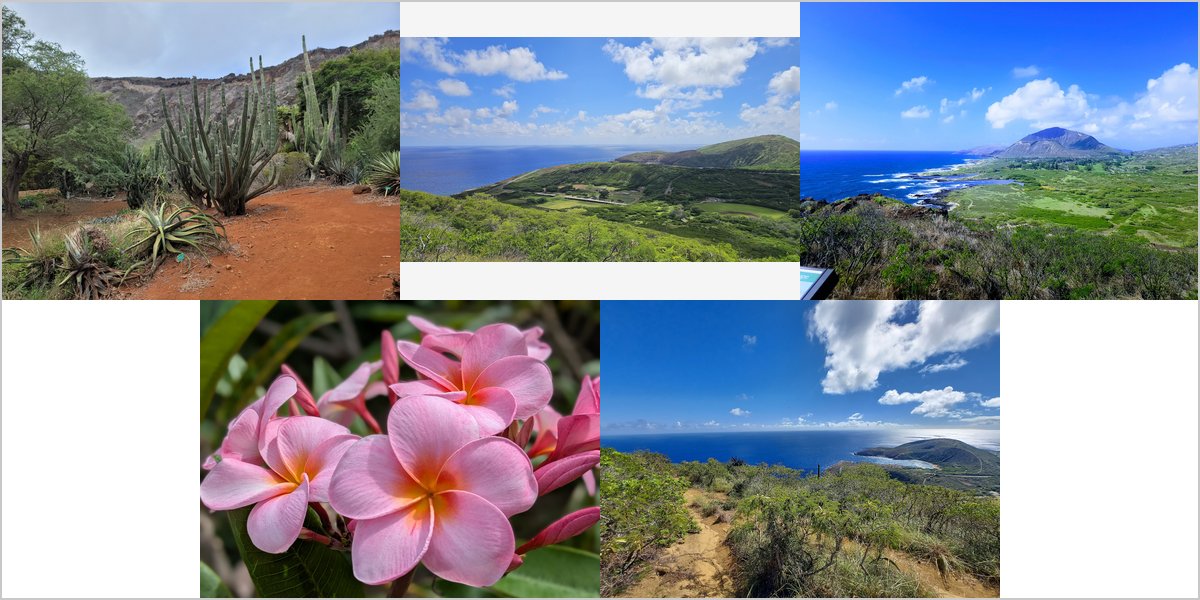
Koko Crater Botanical Garden: Reading Light Inside a Crater
Crater walls take the sun away long before sunset. The golden hour you planned for may not arrive at all.
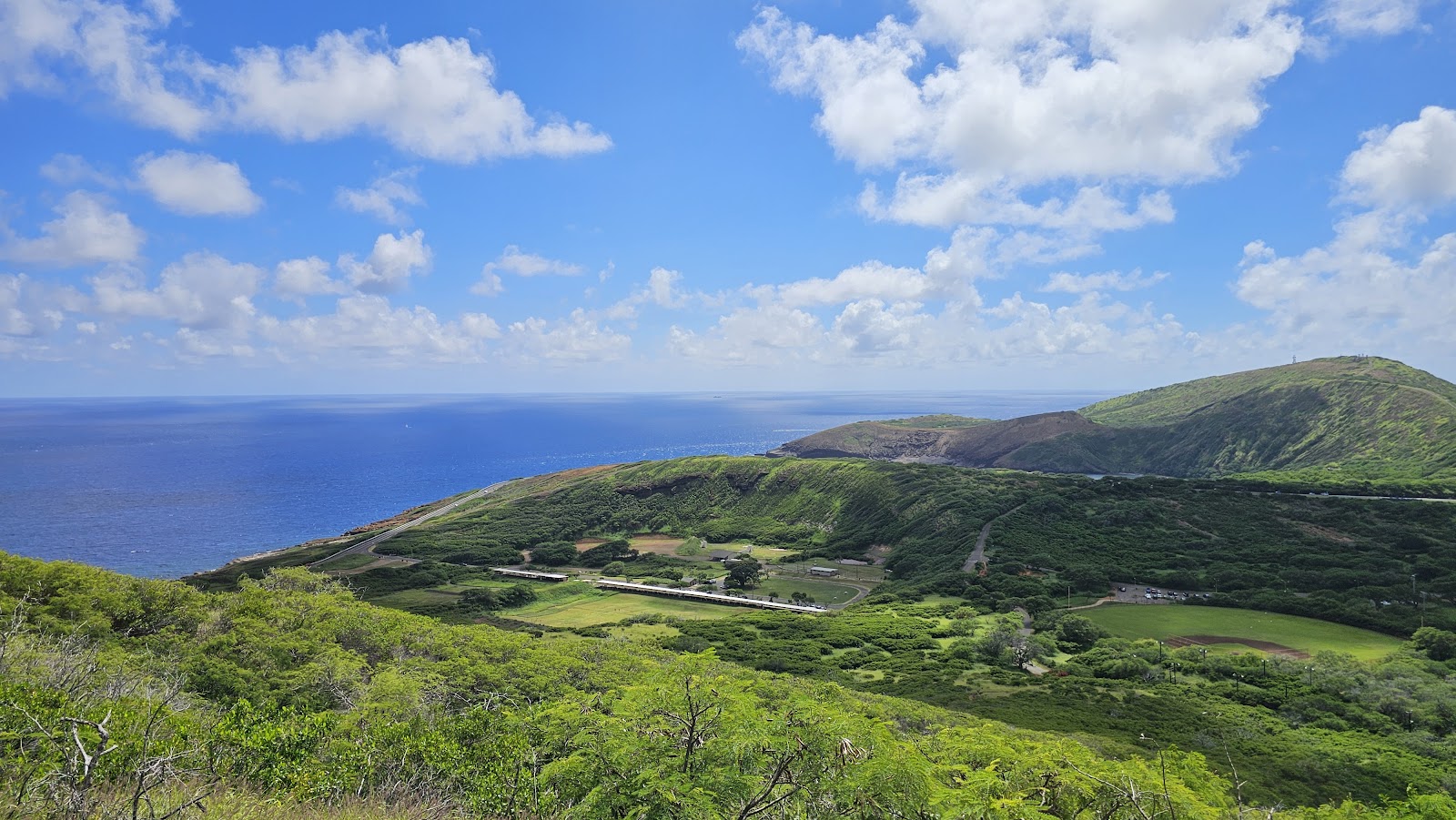
Koko Crater Botanical Garden is planted inside the basin of Koko Crater on the eastern side of Oahu, a dry-land garden of cacti, succulents, plumeria and arid-climate species, enclosed by the crater’s walls.
That enclosure is the governing fact and it inverts the schedule a photographer would normally assume. In an open landscape the best light is the first and last ninety minutes, when a low sun rakes across everything. Inside a crater the walls intercept a low sun completely — so the sun disappears from the basin floor well before the calendar sunset, and arrives well after the calendar sunrise. The golden hour, in the ordinary sense, may simply not happen here.
What does happen instead is worth knowing and planning for. This walks the day through. We have not photographed a wedding at Koko Crater; enclosed basins and arid planting behave the same wherever they occur. Which areas may be used, what the access and water situation is, and whether vehicles can reach the site are questions for their team — and access matters here, because this is a dry remote garden rather than a serviced venue.
Koko Crater Botanical Garden at a glance
| Where | Inside Koko Crater, eastern Oahu, Hawaii |
| Character | Dry-land garden of cacti, succulents and plumeria inside a crater basin |
| The inversion | Crater walls block low sun, so golden hour may not arrive |
| What replaces it | A long period of enormous even shade, which is excellent |
| Plan for | Heat, no shade at midday, and a remote site with little shelter |
Morning: late to arrive, and better for it
The sun reaches the crater floor later than it reaches the coast, because it has to clear the rim first. That delay is an advantage rather than a loss: for a period after sunrise the basin sits in enormous even shade with bright open sky above, which is one of the best natural lighting conditions there is — large, soft, directionless and completely consistent across the whole space.
In that light groups arrange themselves for composition rather than for the sun, nobody squints, and faces have no hard shadows. For formal photographs it is better than anything the middle of the day offers, and better than most open venues manage at any hour. If there is a block that must go well, it goes here.
The characteristic flaw is the one all overhead-sky shade carries: light from above shadows the eye sockets and marks under the nose and chin. The remedies are cheap and worth having ready — a reflector held low, a pose with the chin lifted and face turned upward, or a small source at face height.
Then the sun clears the rim and the condition changes quickly. In an arid garden with no canopy there is very little to intercept it, so the transition from even shade to full hard sun is abrupt rather than gradual. Knowing roughly when that happens, from a site visit at the right time of year, is worth more than any equipment.
Midday: a dry crater with no shade at all
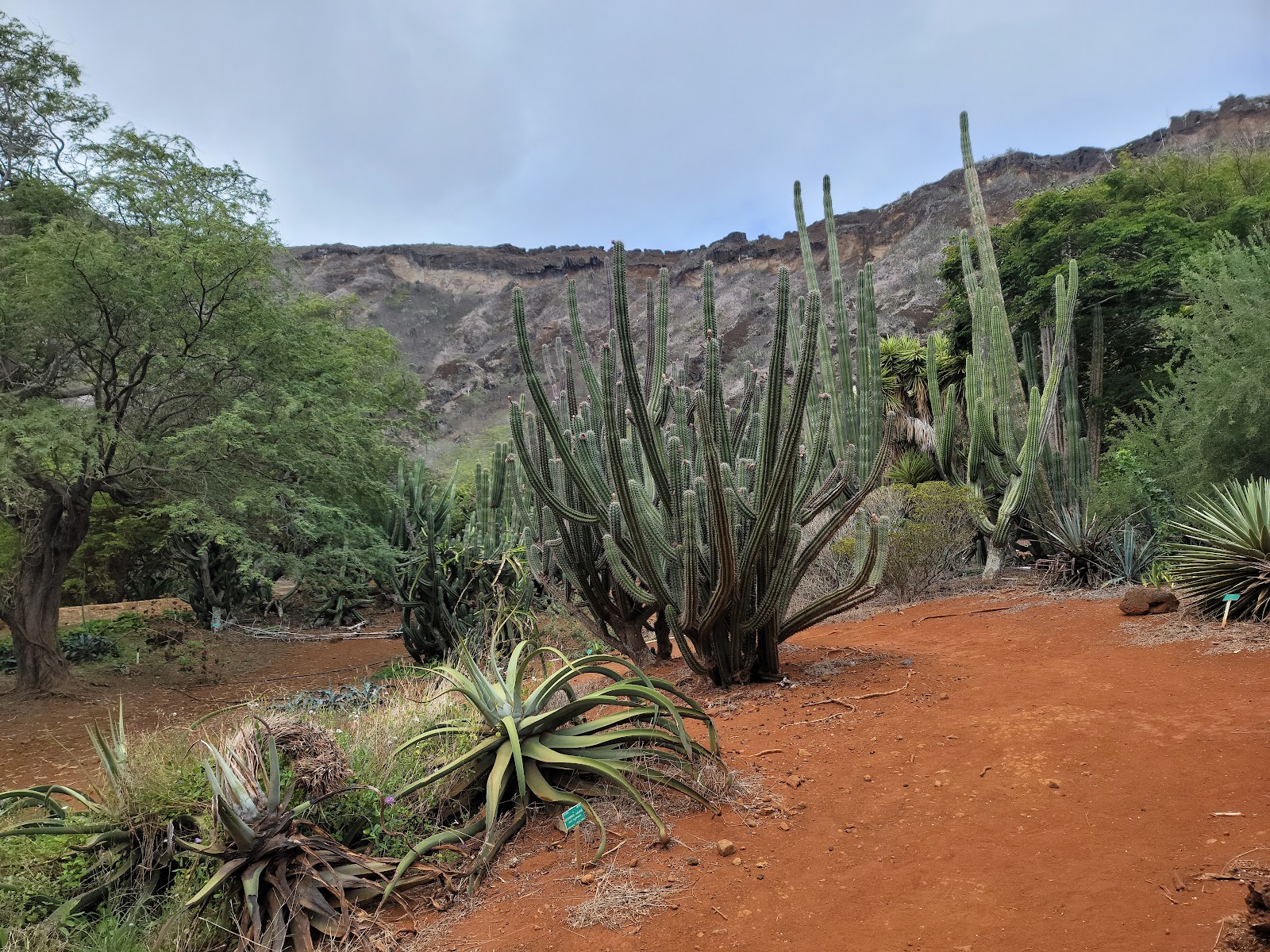
This is the hard part and it should be stated plainly. A dry-land garden has no canopy by definition — cacti, succulents and arid shrubs do not cast usable shade — and a crater basin has walls that are too far away to shade the centre. So in the middle of the day there is nowhere to go, and at this latitude the sun is close to overhead for long stretches.
The light is therefore hard, top-down and high-contrast: shadowed eye sockets, squinting, blown shoulders, and a sky bright enough to clip if you expose for skin. There is no positional fix, which is unusual — at most venues something casts a shadow.
That leaves two answers. Real fill flash, with enough power to compete with tropical sun, plus high-speed sync or a neutral density filter to hold the aperture. Or scheduling: treat midday as unusable for people and use it for the garden itself, which photographs perfectly well in hard light because cacti and succulents are architectural forms whose spines and ribs are revealed rather than flattened by a strong overhead sun.
Heat is a genuine safety matter rather than a comfort one. An enclosed dry basin with no shade traps heat, and the crater floor is materially hotter than the coast a short distance away. Guests in formal clothes in that environment at midday is not a photographic problem but it becomes one, because people wilt visibly and a gallery records it. Water, short blocks and honest advance warning are the professional response.
There is also a plant-safety point worth making. Cactus spines are hazardous, and a dress or veil brushing one will catch and tear. Keep a real margin, do not direct anyone to step between plantings, and remember this is a collection rather than scenery.
What works in your favour
- A long period of enormous even shade, excellent for groups
- Arid architectural planting that hard light reveals rather than flattens
- Crater walls giving a dramatic enclosing background unique to the site
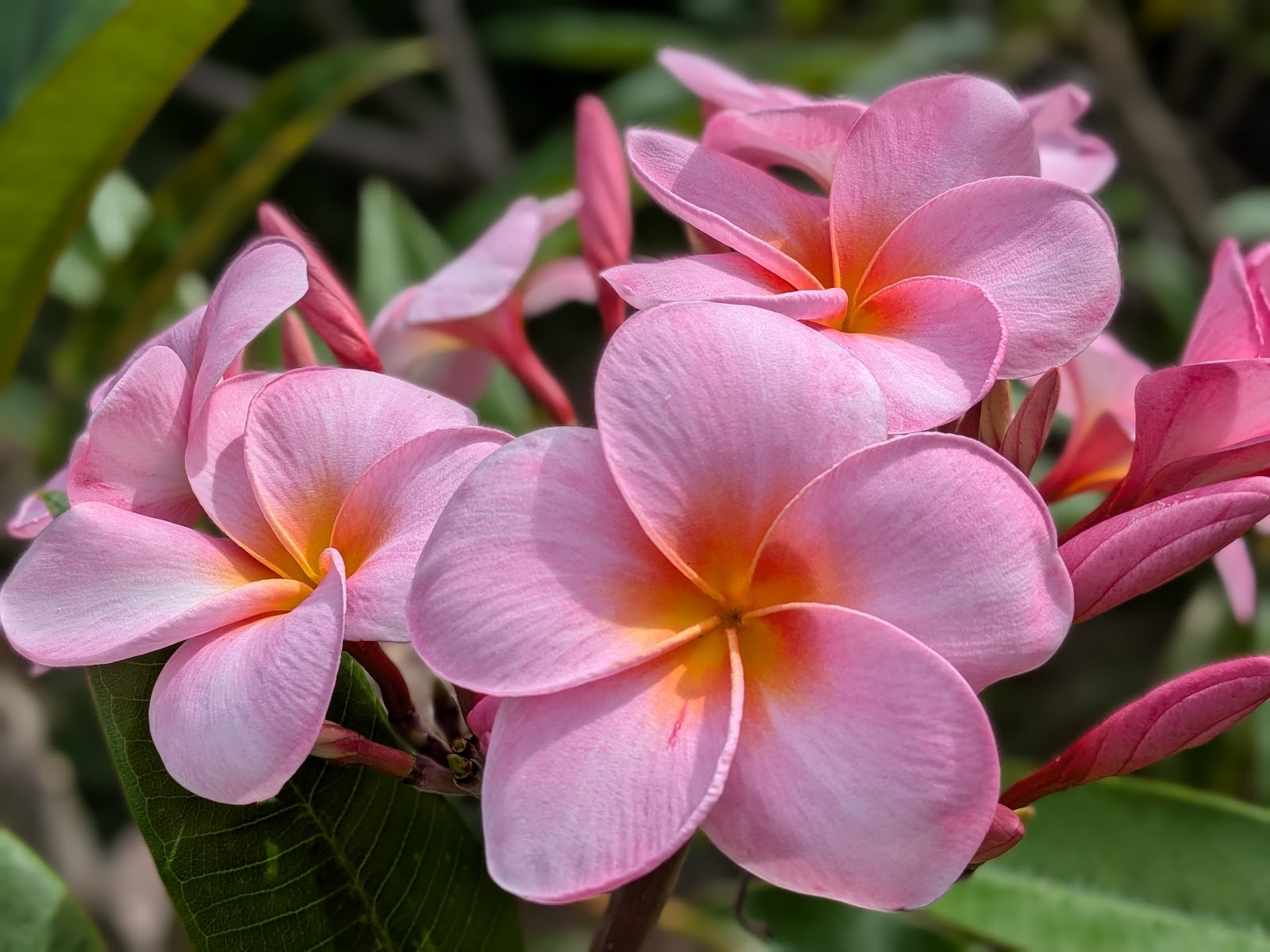
- Plumeria and flowering species providing the only strong colour
- Light more consistent across the middle of the day than an open coast
What to plan around
- Crater walls block low sun, so golden hour may not occur at all
- No canopy and no reachable shade anywhere at midday
- Enclosed dry basin traps heat well above the nearby coast
- Cactus spines are a real hazard to dresses and veils
- A remote site with little shelter and limited services
Evening: what replaces the golden hour
The sun leaves the basin floor early, and the honest advice is to expect that rather than plan around a golden hour that will not come. What you get instead is a second long period of even shade — the same excellent soft light as the morning, with the crater walls above still catching direct sun while the floor is already shaded.
That last detail is the frame worth having. For a while, the rim of the crater is lit and warm while the basin is in cool shade, which gives a warm lit wall above a cool foreground — the same colour contrast that makes mountain alpenglow effective, and available here at a much smaller scale and closer range. A long lens on the lit rim with the couple placed in the shaded foreground is the photograph this venue can make and an open garden cannot.
After that, the basin goes into deep shade well before the sky does, so there is a long period where the ground is dim and the sky above is still bright — a high-contrast condition that suits either silhouettes against the sky or a lit couple against a darkening basin. Both need a decision in advance because the window is long but the look changes throughout it.
For timing overall, this venue rewards an earlier day than a coastal one. The best conditions are the morning shade and the period when the rim is lit and the floor is not; the middle of the day is for the plants rather than the people; and the late evening is dark sooner than the clock suggests.
Two closing practicalities. This is a dry remote site, so dust is constant — change lenses under cover rather than in the open. And because there is little infrastructure, anything you need has to be carried in, which argues for a deliberately minimal kit and a plan with one or two positions rather than a tour of the basin.
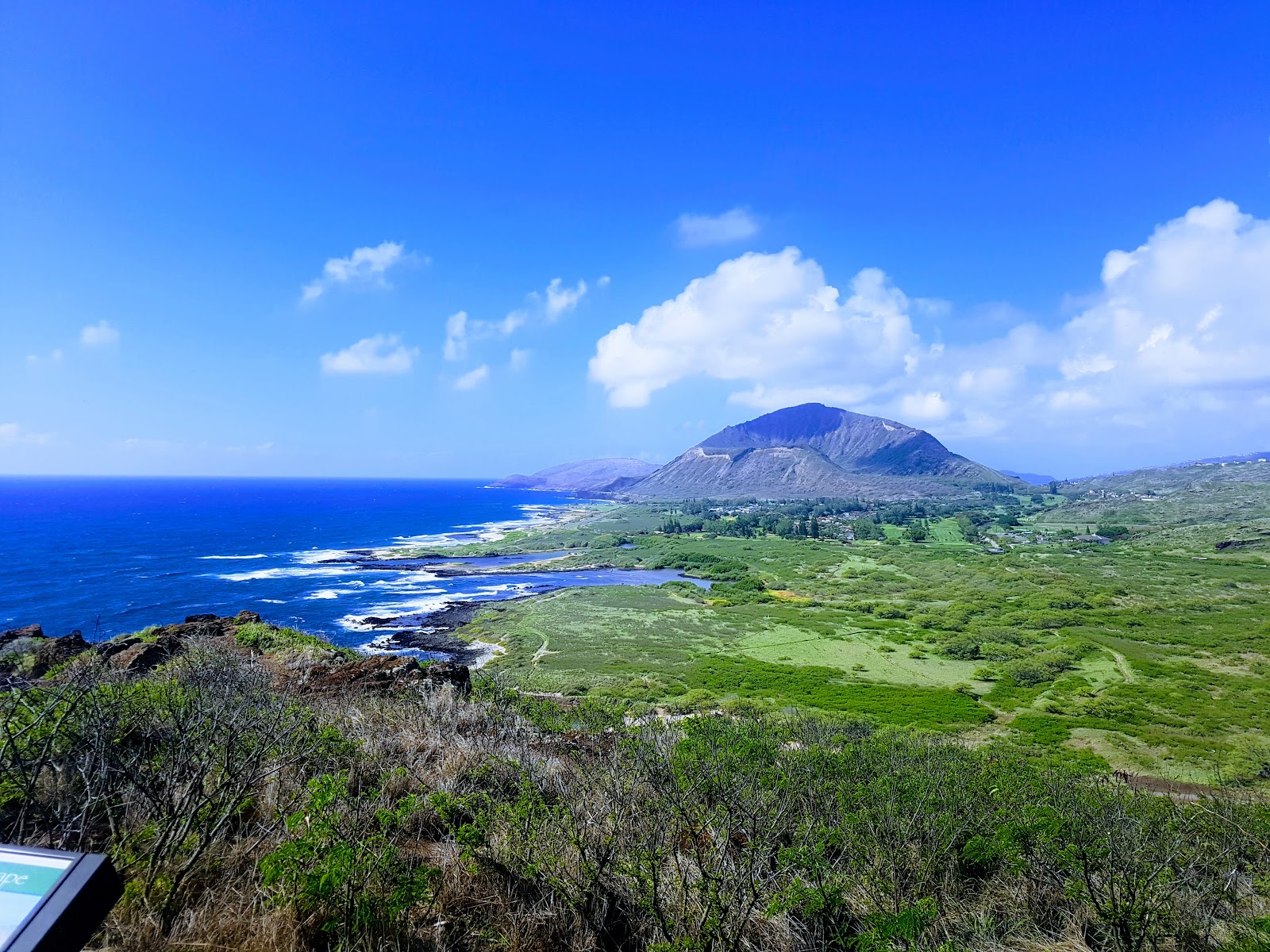
More frames from Koko Crater Botanical Garden
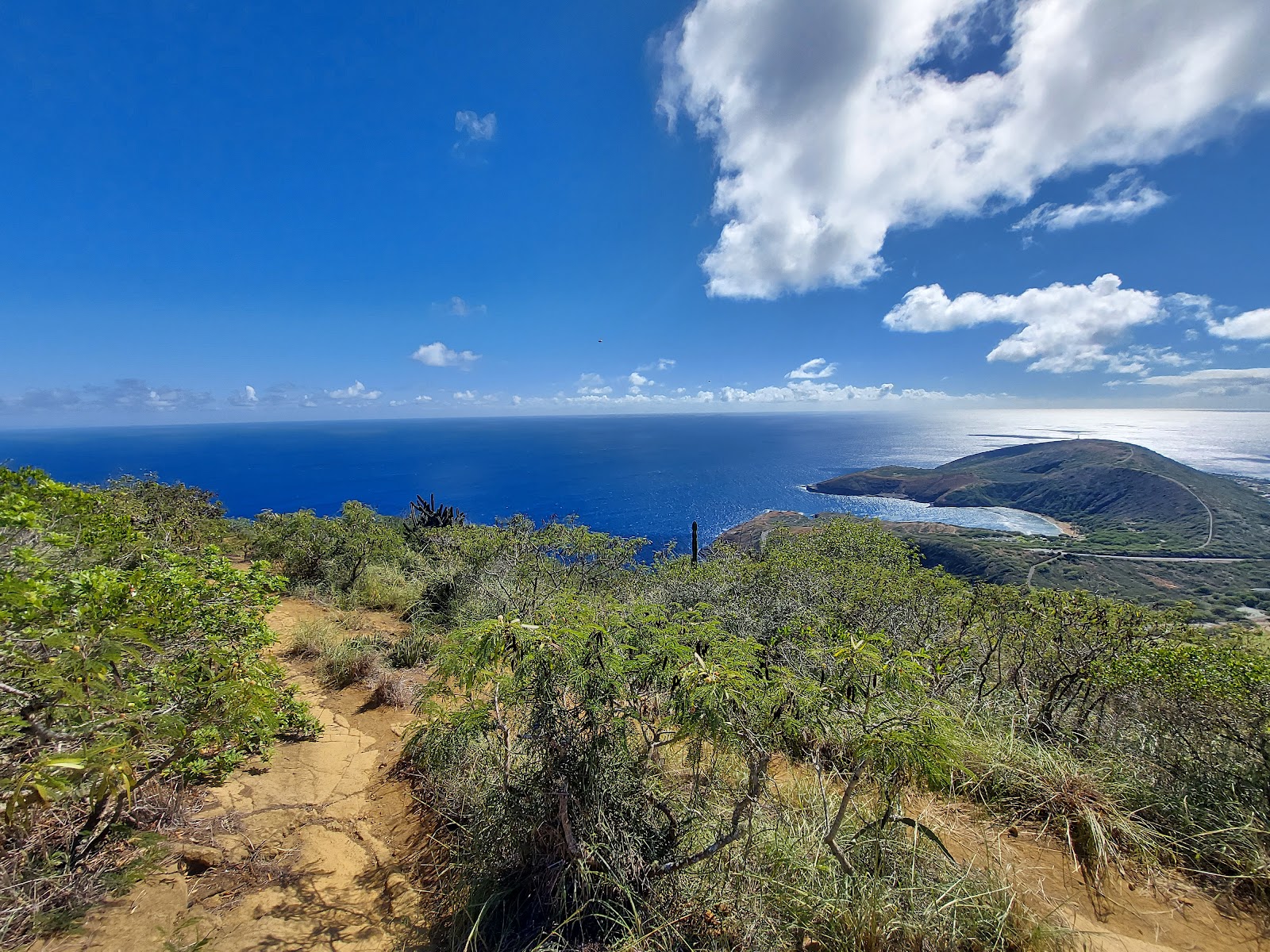
Koko Crater Botanical Garden wedding photography: common questions
Does the golden hour happen inside a crater?
Often not. The walls intercept a low sun completely, so direct light leaves the basin floor well before the calendar sunset and arrives well after sunrise. Planning around a golden hour that will not come is the commonest mistake here.
What replaces it?
Two long periods of enormous even shade, morning and evening, with bright open sky above. That is genuinely excellent light — large, soft and identical across the whole space, so groups can be arranged for composition rather than for the sun.
What is the drawback of that shade?
It comes from above, so it shadows the eye sockets and marks under the nose and chin. A reflector held low, a lifted chin with the face turned up, or a small source at face height all fix it cheaply.
Where is the shade at midday?
Nowhere, which is unusual. A dry-land garden has no canopy — cacti and succulents cast nothing usable — and the crater walls are too far from the centre to help. Either bring real fill flash or treat midday as time for the plants rather than the people.
Is there a frame unique to this venue?
Yes. For a while in the evening the crater rim is still lit while the basin is already shaded, giving a warm lit wall above a cool foreground. A long lens on the lit rim with the couple in shade below is something an open garden cannot produce.
Anything to warn the couple about?
Heat and spines. An enclosed dry basin traps heat well above the nearby coast, and guests in formal clothes wilt visibly at midday in a way a gallery records. And cactus spines will catch and tear a dress or veil, so keep a real margin.
More Honolulu, HI venue guides
We are writing a photographer’s guide to every venue we would happily shoot in Honolulu, HI. Here are three more, plus the full index:
- The Laniakea YWCA: A Building Organised Around Its Courtyard
- Lyon Arboretum: One Decision About Rain Governs Everything
- The Moana Surfrider: How the Banyan Courtyard Frame Is Made
All Honolulu, HI Wedding Venues →
Planning a wedding at Koko Crater Botanical Garden?
The crater takes the golden hour away and gives something else instead. Tell us your date and we will plan the morning, not the evening.