Minneapolis has the most demanding climate in this series, and rather than treating that as a caveat these guides are built around it. From late November to March the practical reality is that an outdoor block is three or four minutes rather than twenty — a welfare decision in formal clothes as much as a photographic one — and sunset falls in the middle of the afternoon in December, which can put the day's one timed frame before the ceremony rather than after it. The response is preparation instead of improvisation: the street chosen from a map, the positions known, the frames decided and the walk timed.
What the city gives back is unusual. Downtown has an extensive network of enclosed elevated walkways connecting buildings above street level, and those are not a curiosity but a genuine photographic position — glazed, heated corridors with a view straight down a street, which makes them a very large soft source on one side, a city view on the other, and an elevated vantage all at once. In January they may be the only elevated frame available anywhere, and because nothing ever leaves a heated space they also avoid the fogging that otherwise ruins a cold-weather sequence.
Snow is the other compensation and it is worth planning a date around rather than enduring. It is the best natural fill there is, lifting exactly the shadows a low sun carves while fooling a meter by about two stops; it covers and simplifies, which is why a sculpture garden and a ruined mill courtyard are both at their best under it; and indoors it does something that catches people out — snow turns the ground outside into a very large reflector, so daylight through a tall window in February arrives softer and more even than at any other time of year.
A dark panelled mansion that is difficult in July is genuinely easy in winter for exactly that reason. The rest of the year is easier and has its own facts. Summer days are long enough that the golden hour arrives well after a reception has started, which needs agreeing in advance as a short deliberate excursion rather than hoped for. Autumn gives the clearest air of the year, which matters most for the frames looking out from a height — and Minneapolis's towers are clustered rather than continuous, which means from an upper floor the city reads as distinct masses at different distances, exactly what a long lens wants.
Downtown is gridded, so which streets take low sun straight down their length is readable from a map rather than discovered on foot; and brick and warm stone bounce warm and flatter skin where pale stone and modern glass bounce cool and can grey it, which makes the side of the street you stand on a decision rather than an accident.
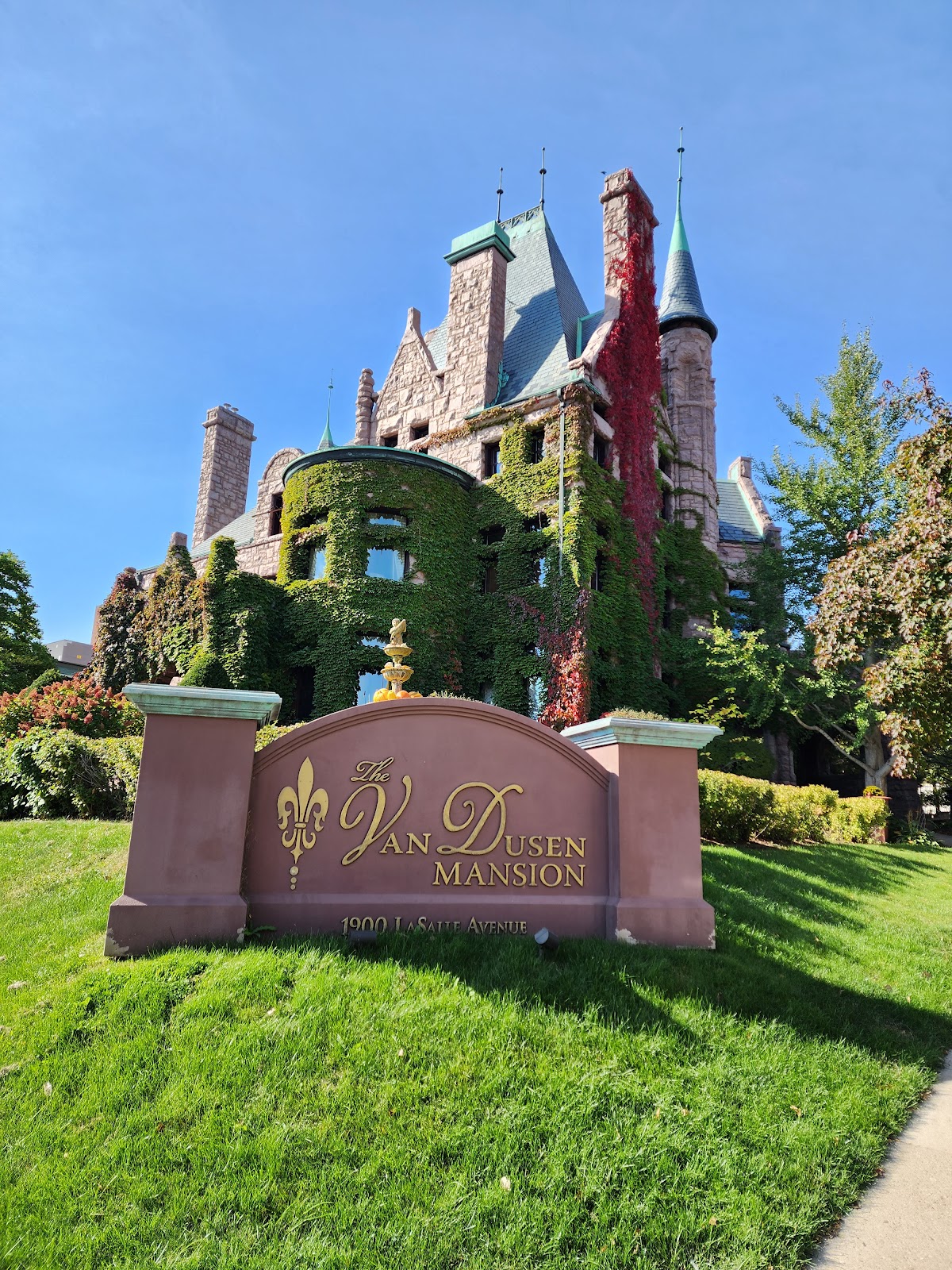
The Van Dusen Mansion, Minneapolis: A Walk Through House and Grounds
A historic Minneapolis mansion with a main ballroom of intricate woodwork and richly decorated interiors.
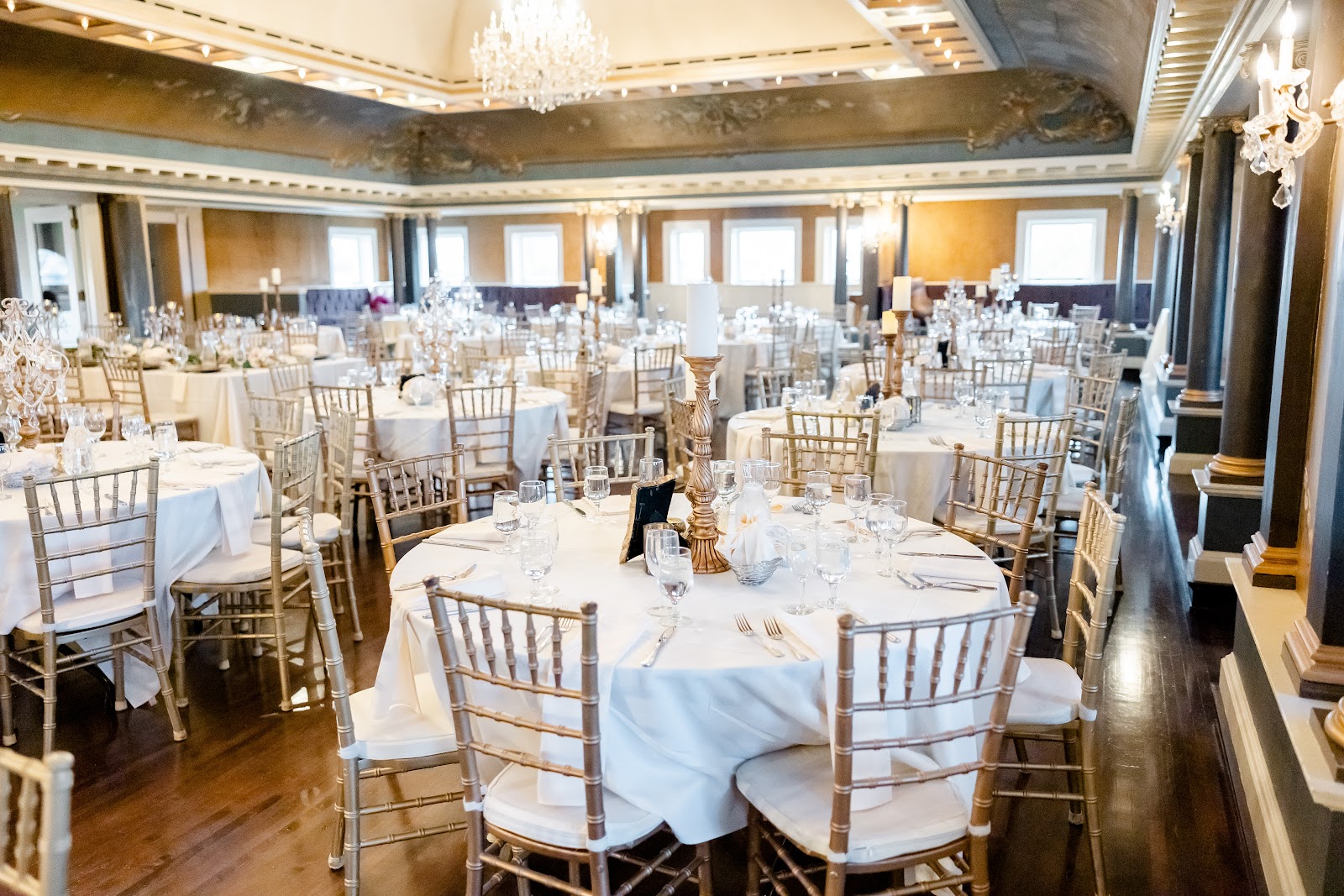
The Semple Mansion, Minneapolis: A Walk Through an Early-1900s House
An early-1900s Minneapolis mansion, with a formal grandeur rarely found in contemporary venues.
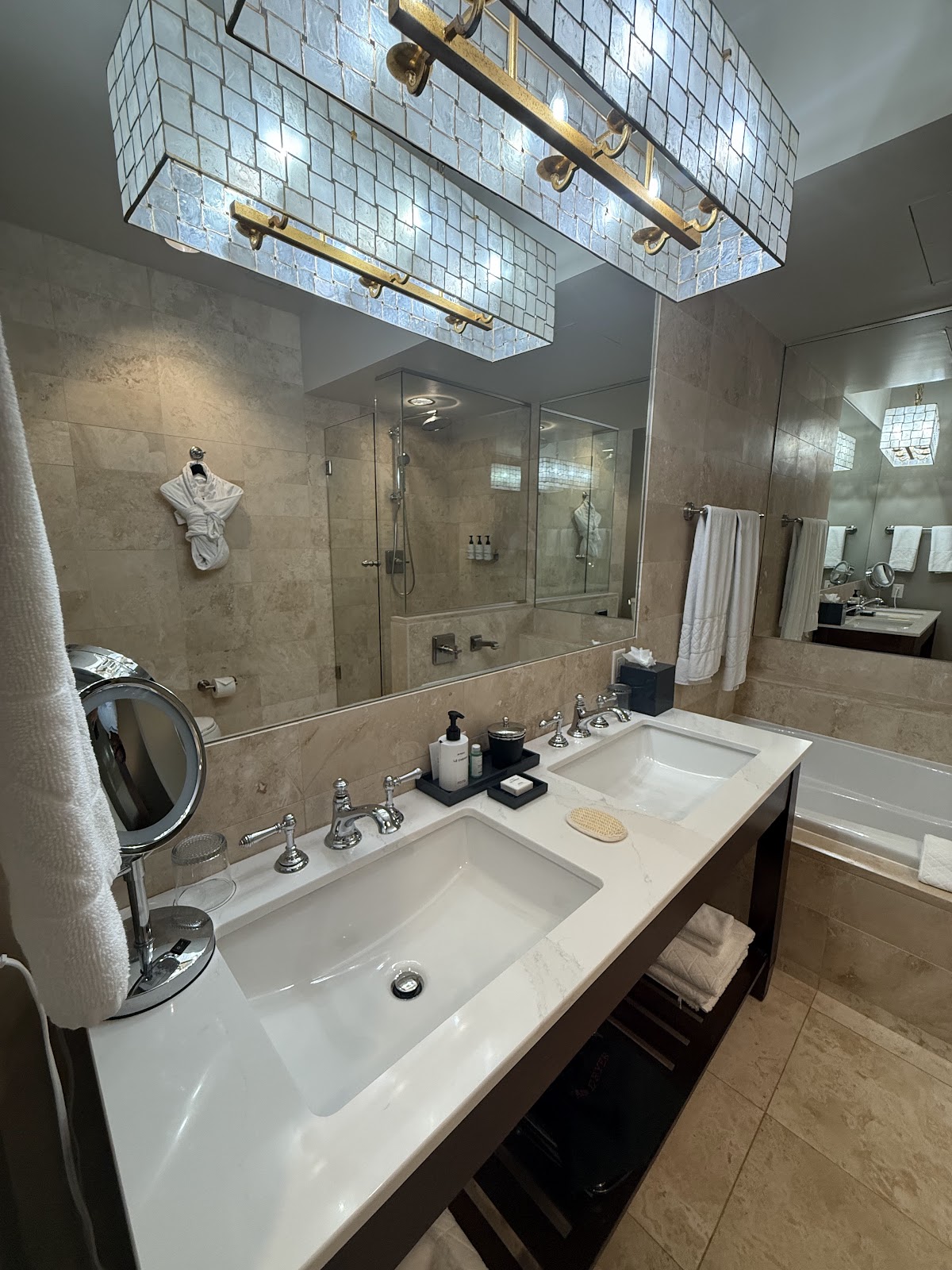
The Ivy Hotel, Minneapolis: The One Decision That Governs Everything
A Minneapolis hotel housed in a historic building, blending classic character with contemporary design.
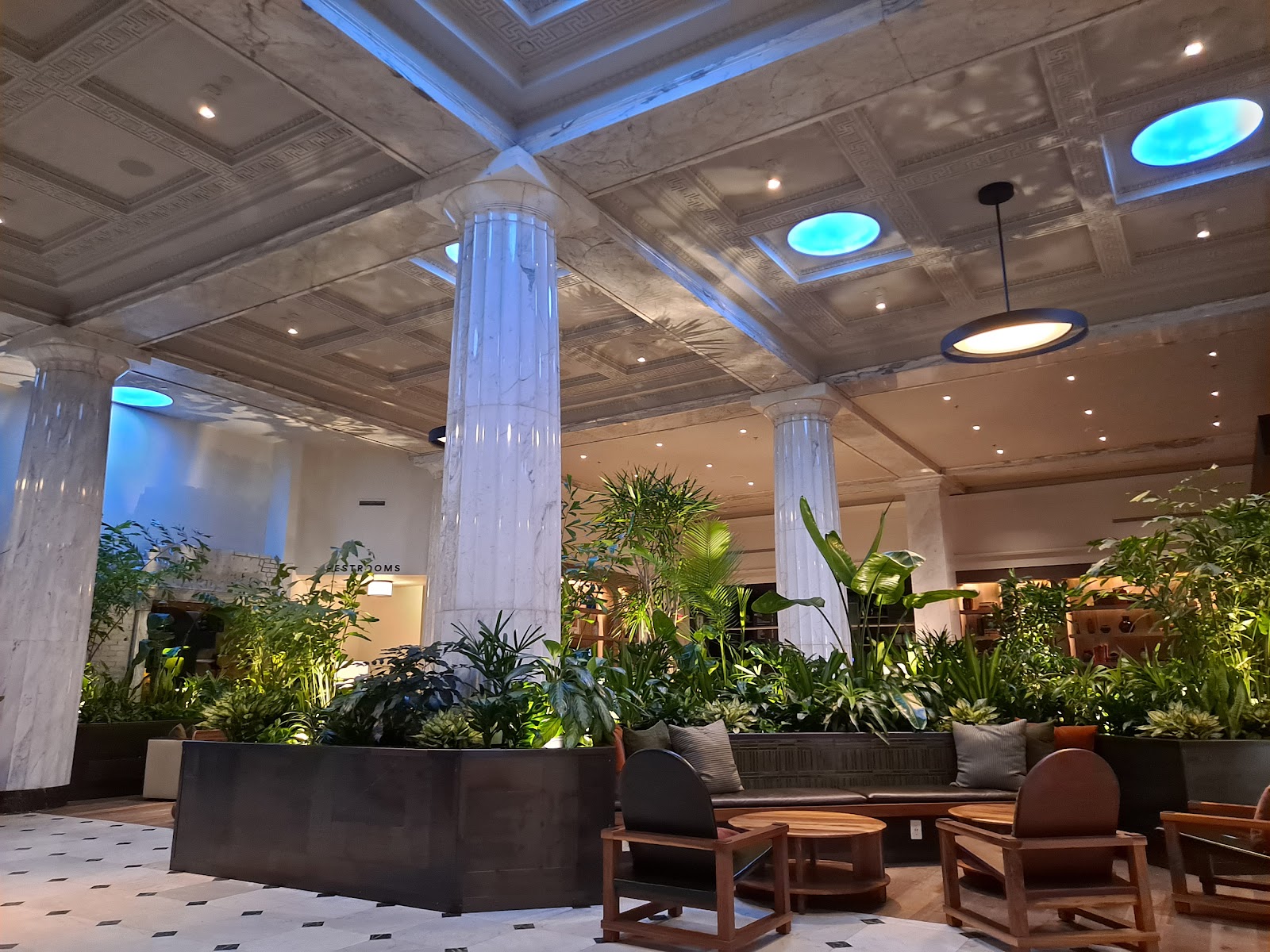
The Emery Hotel, Minneapolis: The One Decision That Governs Everything
A Minneapolis hotel offering a grand ballroom alongside smaller, more intimate event spaces.
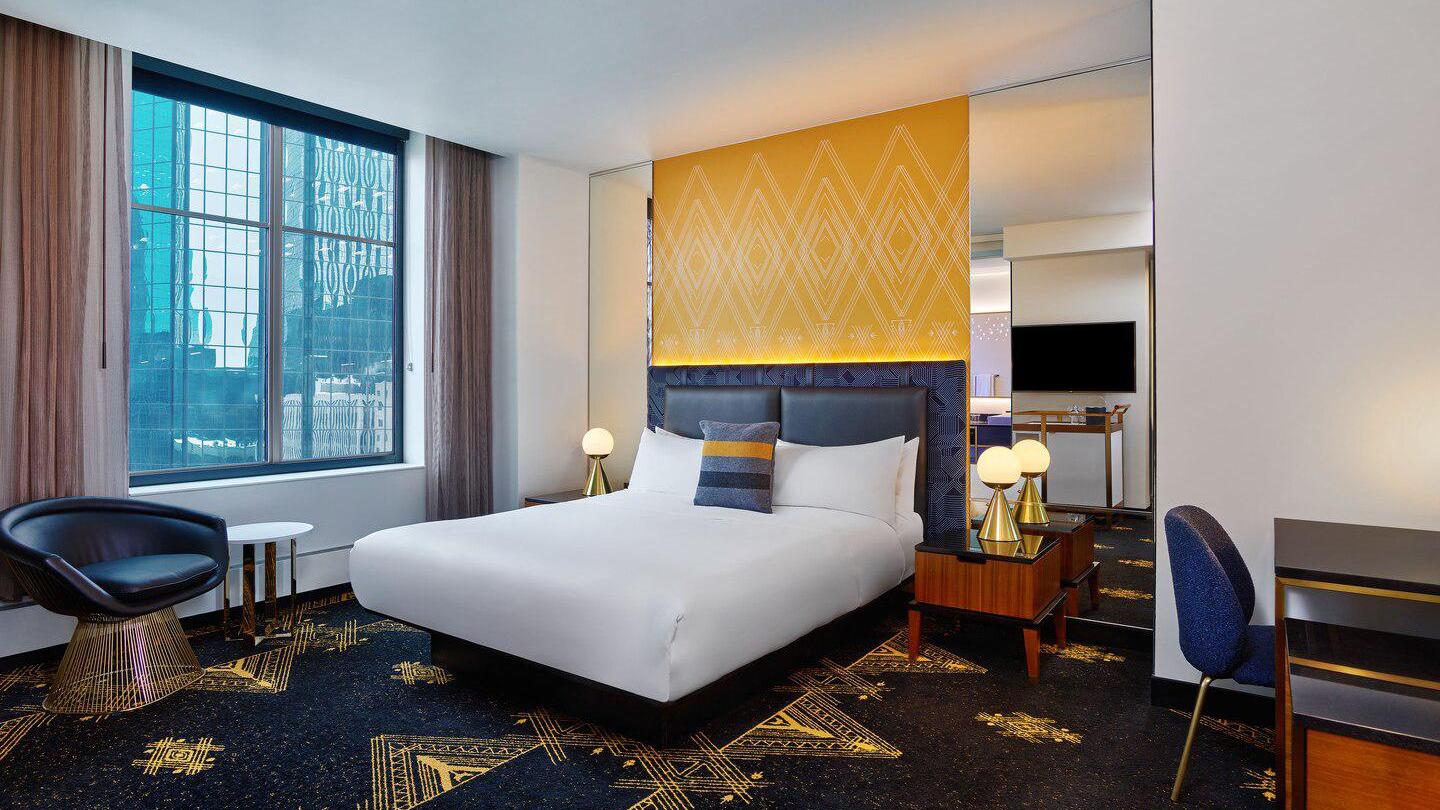
The W Minneapolis: The One Decision That Governs Everything
A hotel occupying a historic Minneapolis tower, combining period architecture with a modern ballroom and fittings.
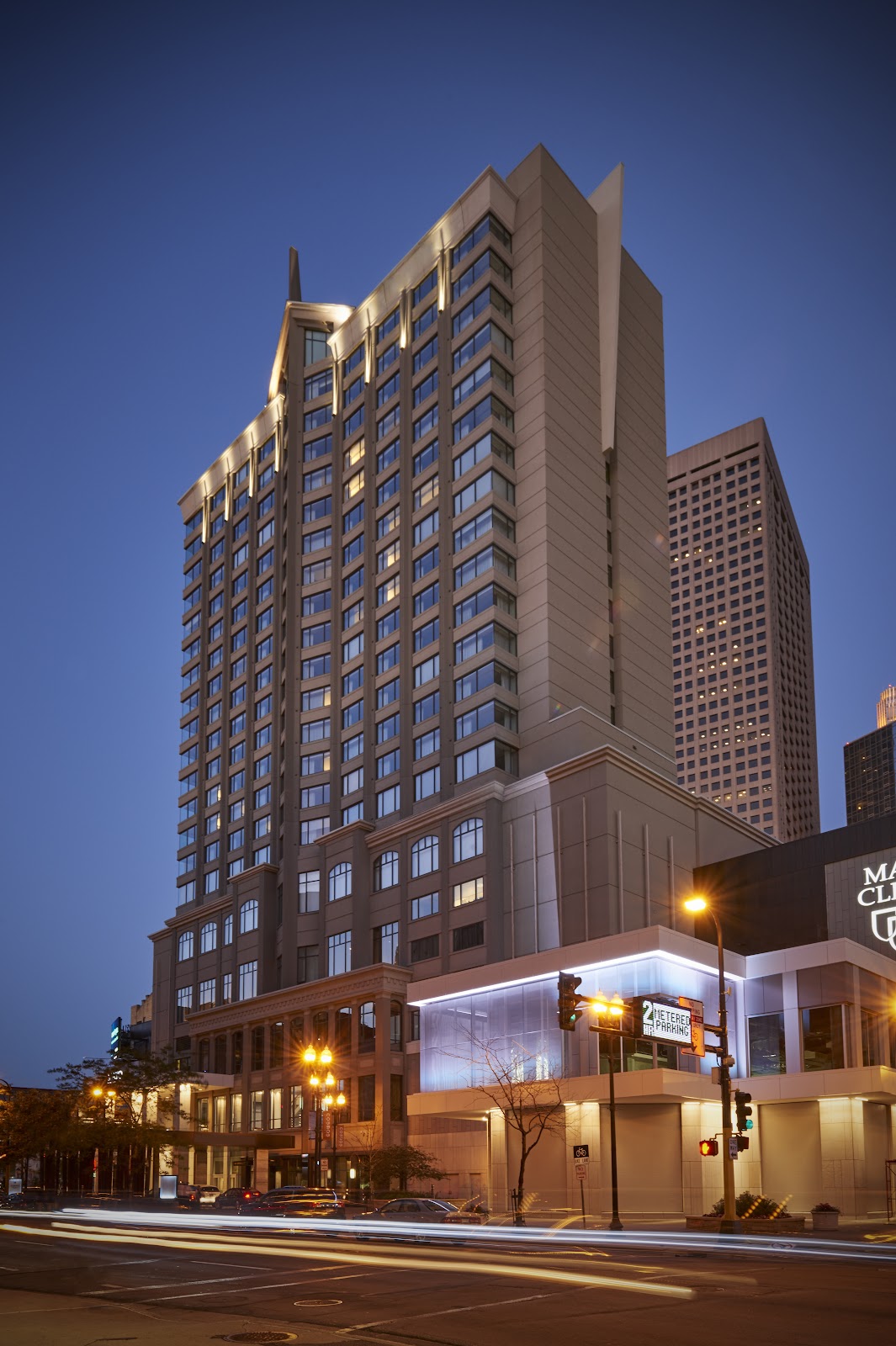
The Graves 601 Hotel, Minneapolis: What It Suits and What It Does Not
A hotel in a convenient downtown Minneapolis location, with straightforward access and parking for guests.
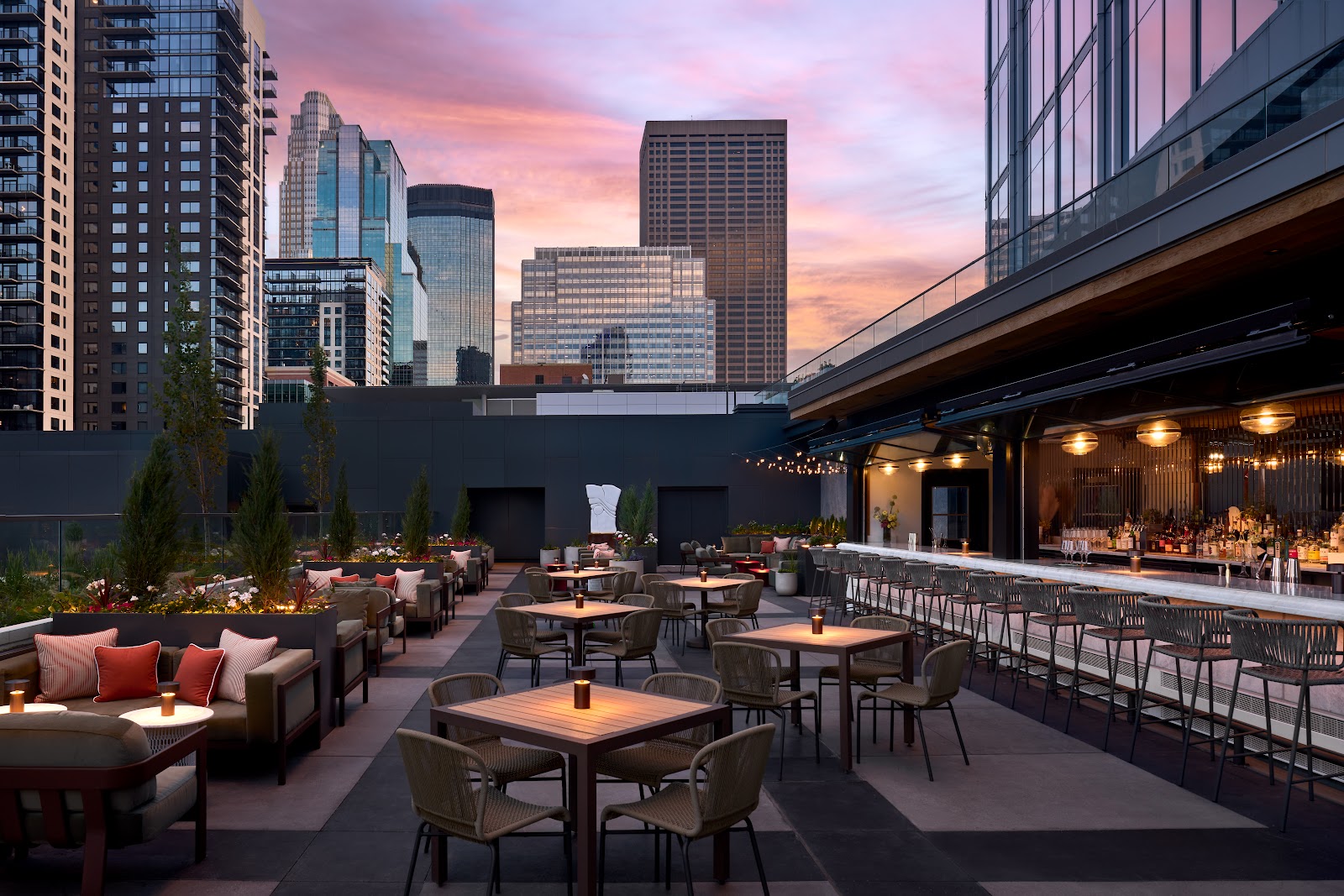
The Four Seasons Minneapolis: What It Suits and What It Does Not
A modern luxury hotel in Minneapolis, with a grand ballroom and smaller private dining rooms.
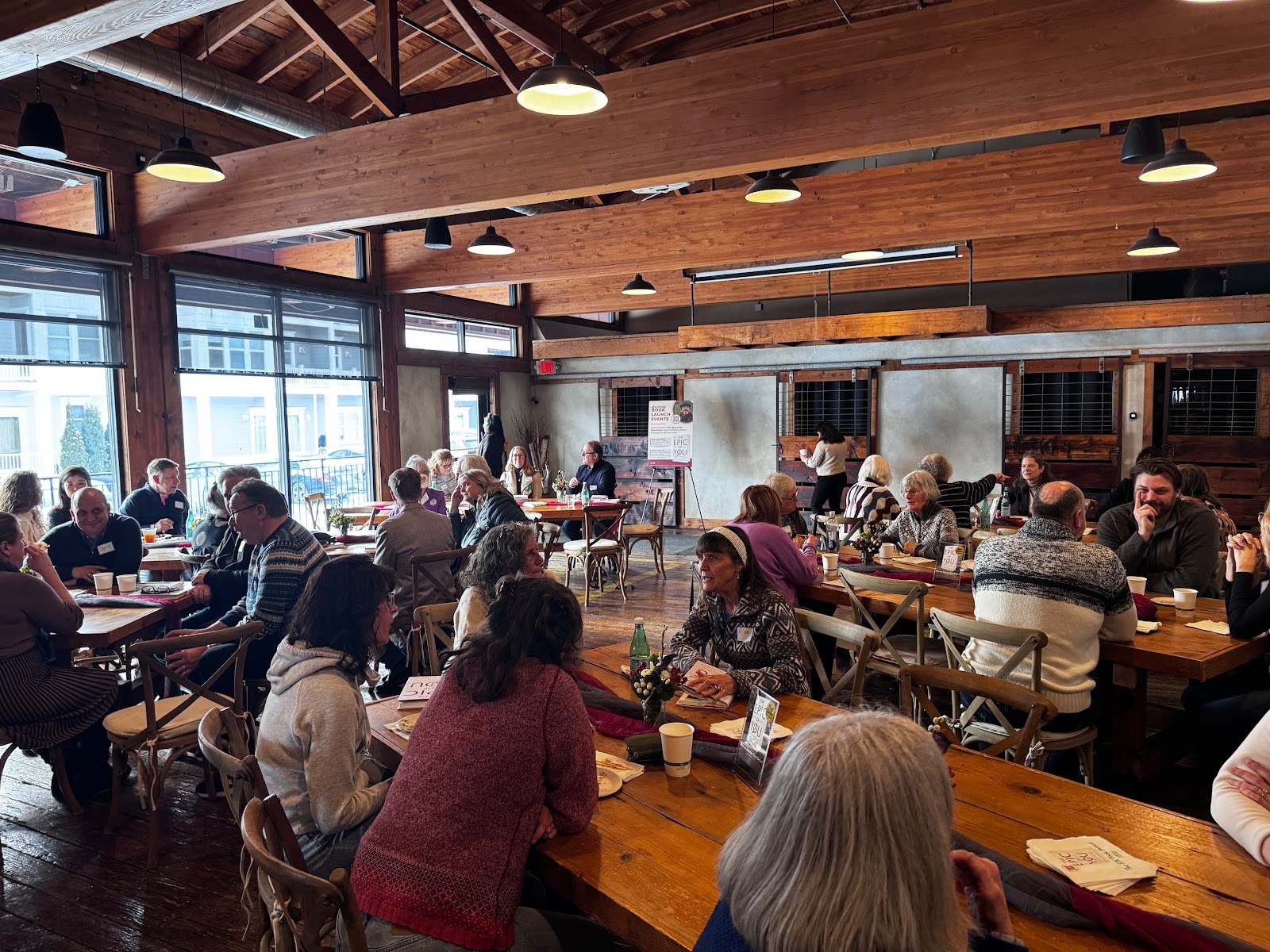
The Pique, Minneapolis: One Frame and How It Is Made
An event venue in the heart of Minneapolis, positioned for convenience and surrounded by urban settings for photographs.
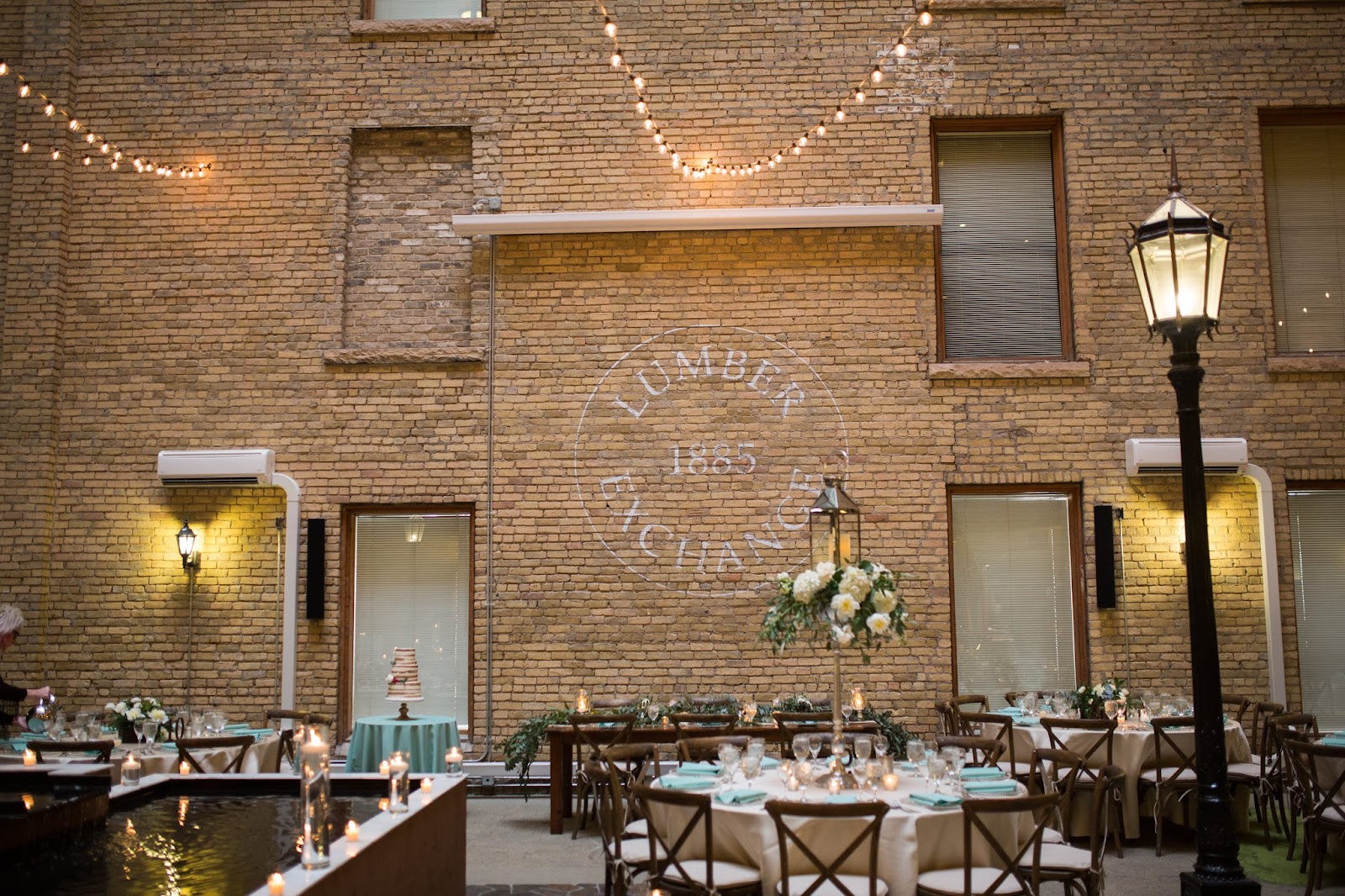
The Lumber Exchange, Minneapolis: One Frame and How It Is Made
A historic Minneapolis building with several event spaces, the most striking of which is the ornate Fountain Room.
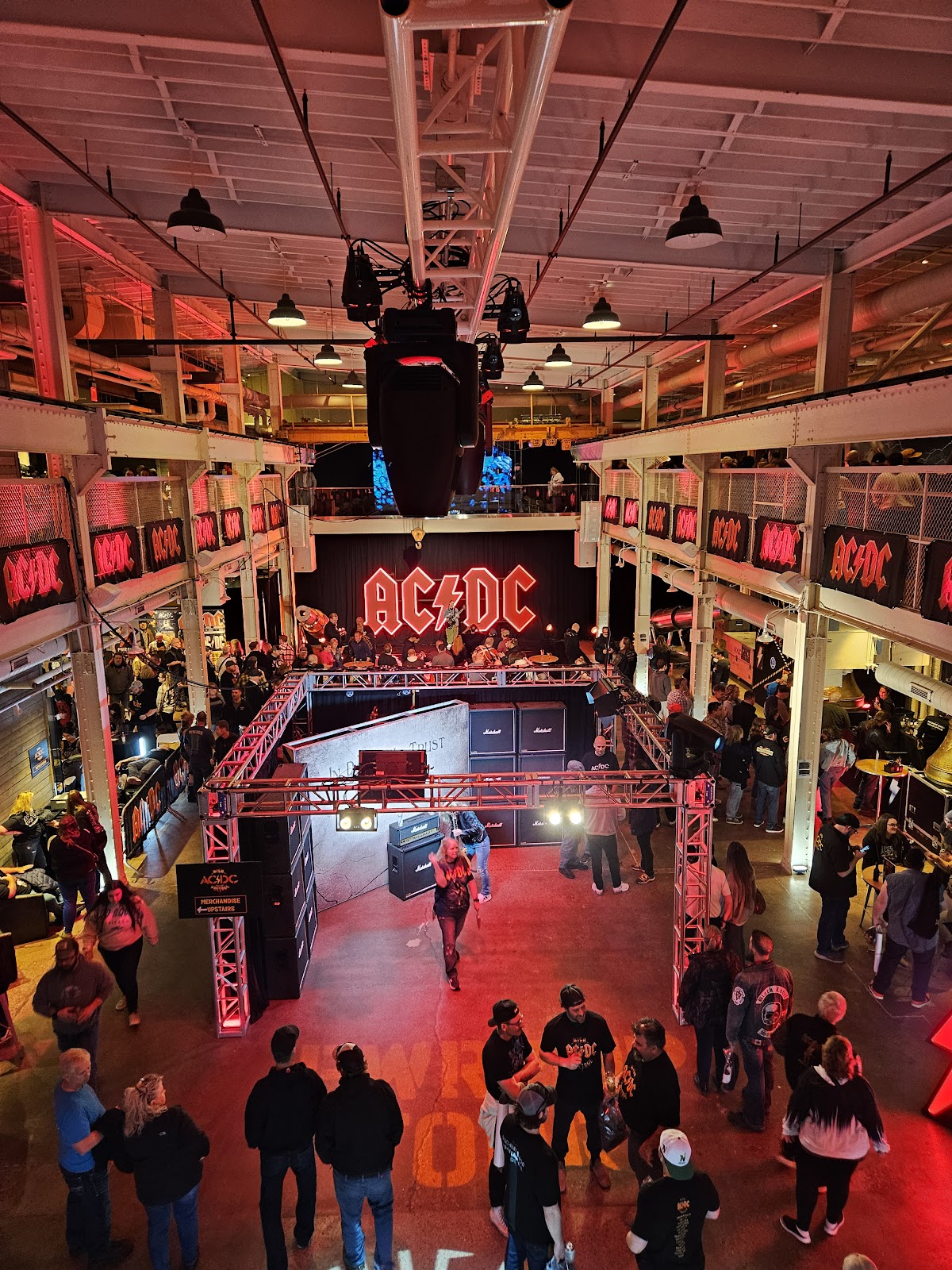
The Machine Shop, Minneapolis: Field Notes on a Converted Machine Works
A converted machine works in Minneapolis, transformed into a modern event space while keeping its industrial fabric.
- 1
- 2