 The Van Dusen Mansion, Minneapolis: A Walk Through House and Grounds
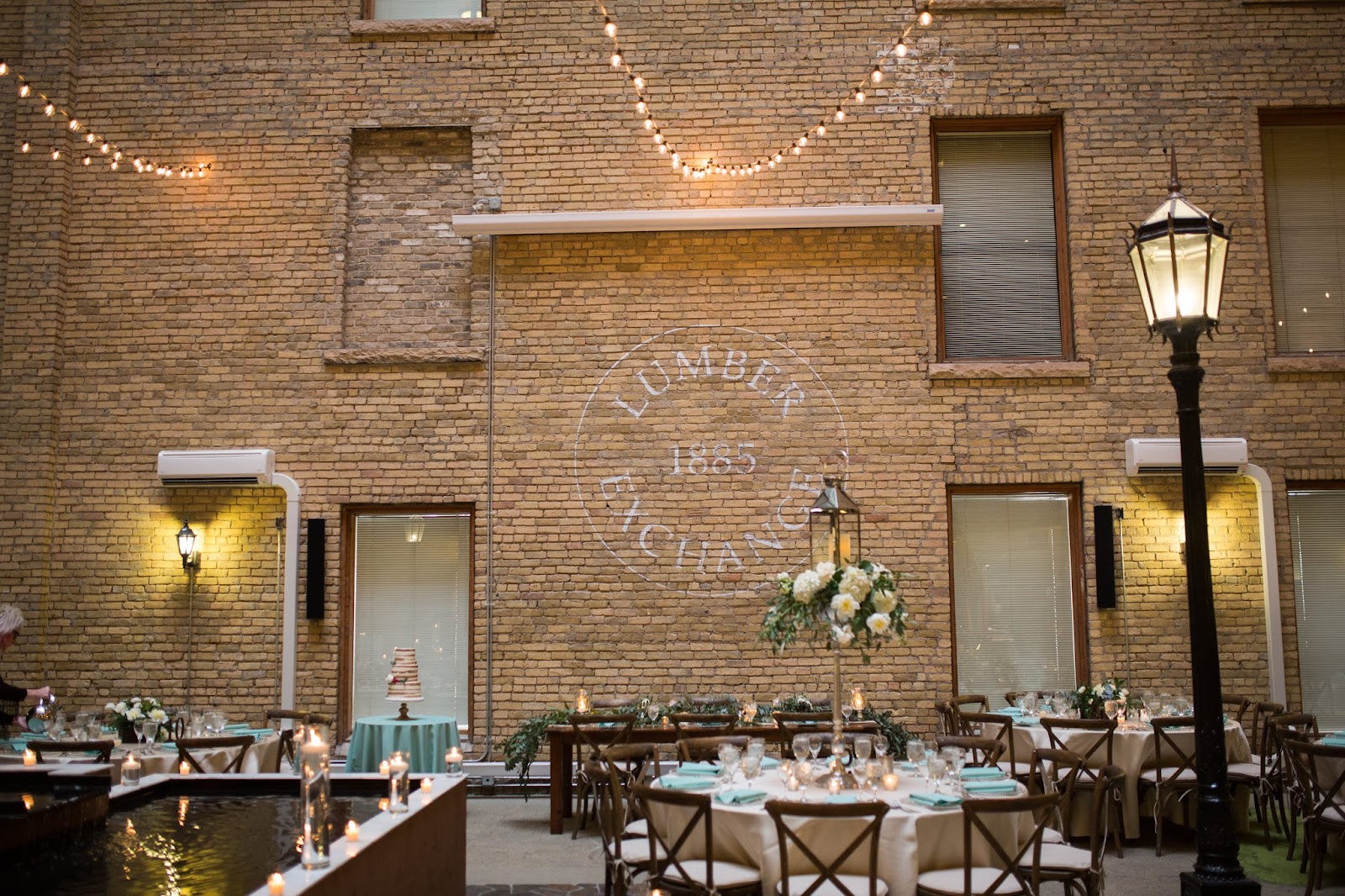
The Lumber Exchange, Minneapolis: One Frame and How It Is Made
An ornate room with a fountain in it is one frame. Getting it right is worth more than covering the rest.
The Fountain Room at the Lumber Exchange would dazzle guests with its intricate details and opulent feel, as the venue’s own description has it.
A building with several event spaces and one named room is telling you where its best frame is, and it is worth taking at face value. An ornate historic room with a water feature in it combines three things that rarely occur together indoors: dense three-dimensional ornament, which reads as richness when lit correctly; a reflective moving surface, which behaves unlike anything else in an interior; and a strong central focus, which means the room has already decided where the subject goes.
So this is written as one frame and the three things it needs. We have not photographed a wedding at the Lumber Exchange; ornate historic event rooms with water features behave consistently. Whether the fountain runs during events and whether it can be switched off, what may be attached to historic fabric, and whether the room lighting is adjustable are the questions for their team — the first one changes the frame most.
The Lumber Exchange at a glance
| Where | Downtown Minneapolis, Minnesota |
| Character | A historic building whose Fountain Room is its defining space |
| The frame | The ornate room with the fountain, lit to show both |
| It needs | Grazing light, a decision about the water, and precision |
| Ask first | Whether the fountain runs and can be stopped; fixings; lighting control |
The frame, and the three things it needs
The first requirement is grazing light, because dense ornament is three-dimensional and reads only when light crosses it at an angle and casts small shadows. Under the flat downward wash most restored rooms are lit with, intricate plasterwork flattens into a pale field and photographs as far less than it is — which is the single commonest failure in an ornate interior.
One source placed to one side of a wall, a cornice or a doorcase puts a small shadow beside every moulding and the detail returns. It is a one-light problem rather than a big-kit one, and it is worth setting up deliberately for two or three frames rather than carried through the evening.
The second requirement is a decision about the water, and it has two parts. A running fountain is moving water, which needs a shutter speed chosen rather than defaulted: fast enough to freeze gives texture and detail in the spray, slow enough to blur gives a smooth veil that contrasts with sharp ornament. Both are good and they are different photographs, so take one of each rather than choosing on the day.
A still basin is the other half and it is the better frame. Undisturbed water mirrors, which doubles the ornament above it, fills what would otherwise be dead ground at the bottom of a picture, and gives a symmetry that no built element provides. That depends entirely on the surface being still, which means asking whether the jets can be switched off for a few minutes — a question worth asking because the answer transforms the frame.
Water also raises ambient from below, which in a room lit from above is genuinely useful: it fills the shadow under a chin that overhead lighting creates. A couple standing beside a lit basin gets fill for free.
The third requirement is precision. An ornate room with a central feature is almost always symmetrical, and the eye detects a two-degree error in a symmetrical composition instantly while forgiving a large one in an asymmetrical composition entirely. The near-miss is the only failure available — so level with the electronic level, and either centre exactly on the axis or step clearly off it.
A low camera is worth trying in a room like this, because it maximises the reflection in a still basin and lets the ceiling ornament rise into the upper frame rather than sitting above the top edge. How much reflection appears depends entirely on viewing angle, so dropping close to the water can be the difference between a full mirrored image and a flat plane of surface.
The room's other conditions, and the rest of the building
Ornate historic rooms are light-hungry and it is worth knowing why. Dense plasterwork, deep colour, patterned carpet and heavy textiles absorb rather than return light, and usable room light is mostly bounced — so a richly decorated room is two stops or more below a pale one with identical windows, and bounce flash returns a fraction of what it would elsewhere.
Test bounce with one frame on arrival. Where it fails, a pale wall at a sensible distance is the better surface, and direct modified light better than either — with the steep fall-off in a warm dim room used as free separation rather than filled in.
Warm bounce is the colour condition: gilding, timber, brass and warm paint all reflect strongly warm, and the cast arrives on the shadow side of a face from several directions. Bounced and localised, so global white balance cannot separate it — one gelled source as the authority on faces, with white balance set to it, is the answer.
Mixed sources are certain in a restored building of this age: daylight through tall windows, warm decorative fittings, cooler modern downlights added later, and possibly accent lighting on the ornament. Three colour temperatures in one frame cannot be resolved afterwards, so pick the one that should be correct and switch off or overpower whatever else lands on skin. Switching a few fittings off is frequently the cheapest and best move in a room like this.
Beyond the one room, a building with several event spaces gives a practical advantage worth using: a change of register costs a walk rather than a journey. The honest plan is that the Fountain Room supplies the frames the day is remembered for and the other spaces supply the coverage, which is a different job and needs less preparation.
Guest floors or hotel rooms, where the building has them, are the best portrait light available: domestic-sized windows with close walls that bounce and ceilings low enough that a flash aimed upward returns something. Largest window on the shaded side, every overhead fitting off so the room has one colour of light, lamps moved out of frame.
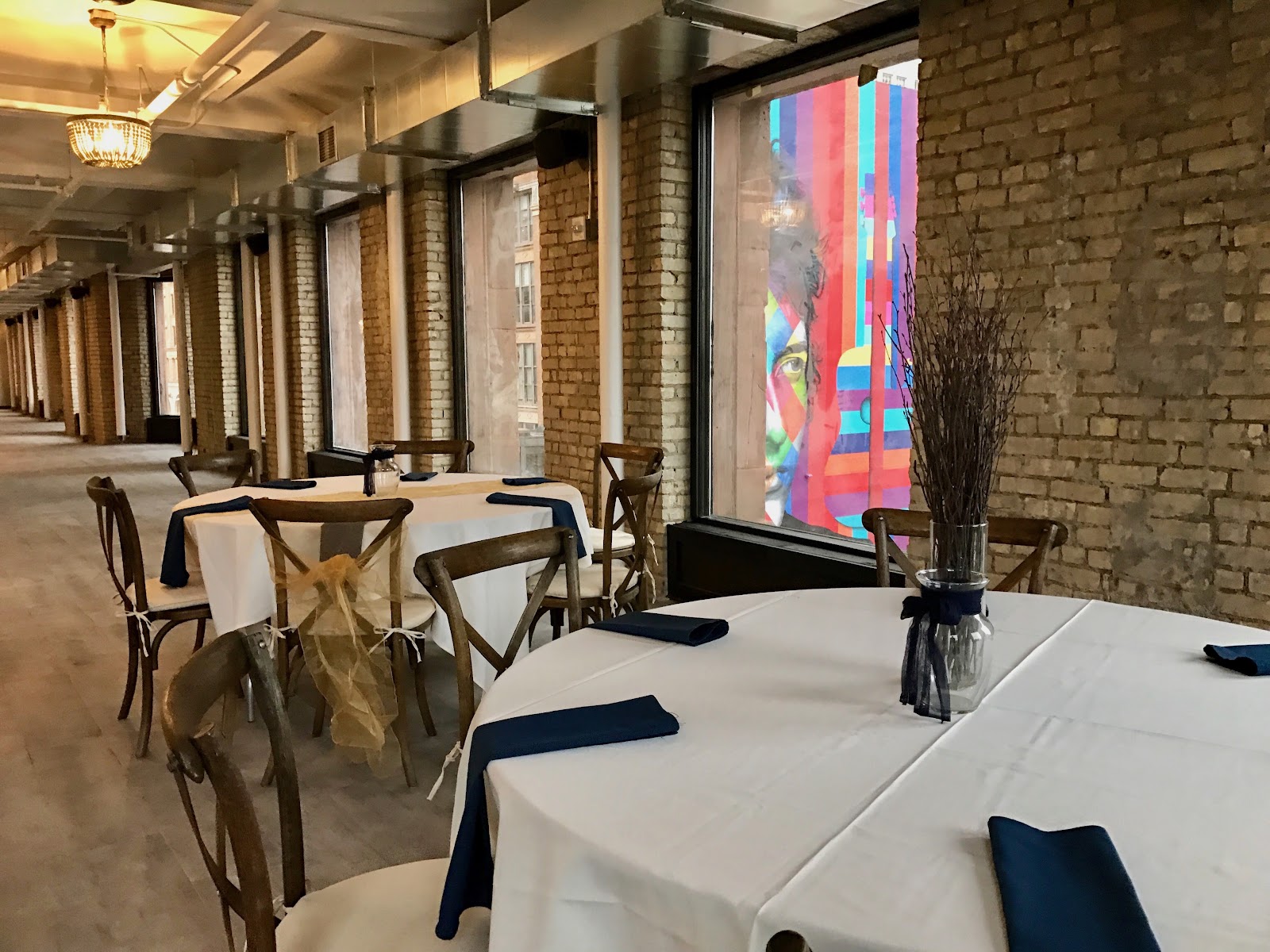
And a historic building of this period is likely to have tall windows, which send light further into a room and higher up a standing figure than modern ones — worth seeking out specifically, and it matters more in a dark decorated room than in a bright one.
- Graze the ornament with one source or it flattens to a pale field
- Ask whether the fountain can be stopped; a still basin is the better frame
- Take the water both ways — frozen spray and blurred veil
- Get low to maximise the reflection and lift the ceiling into frame
- Level and centre; the near-miss is the only failure available
Outside, and Minneapolis through the year
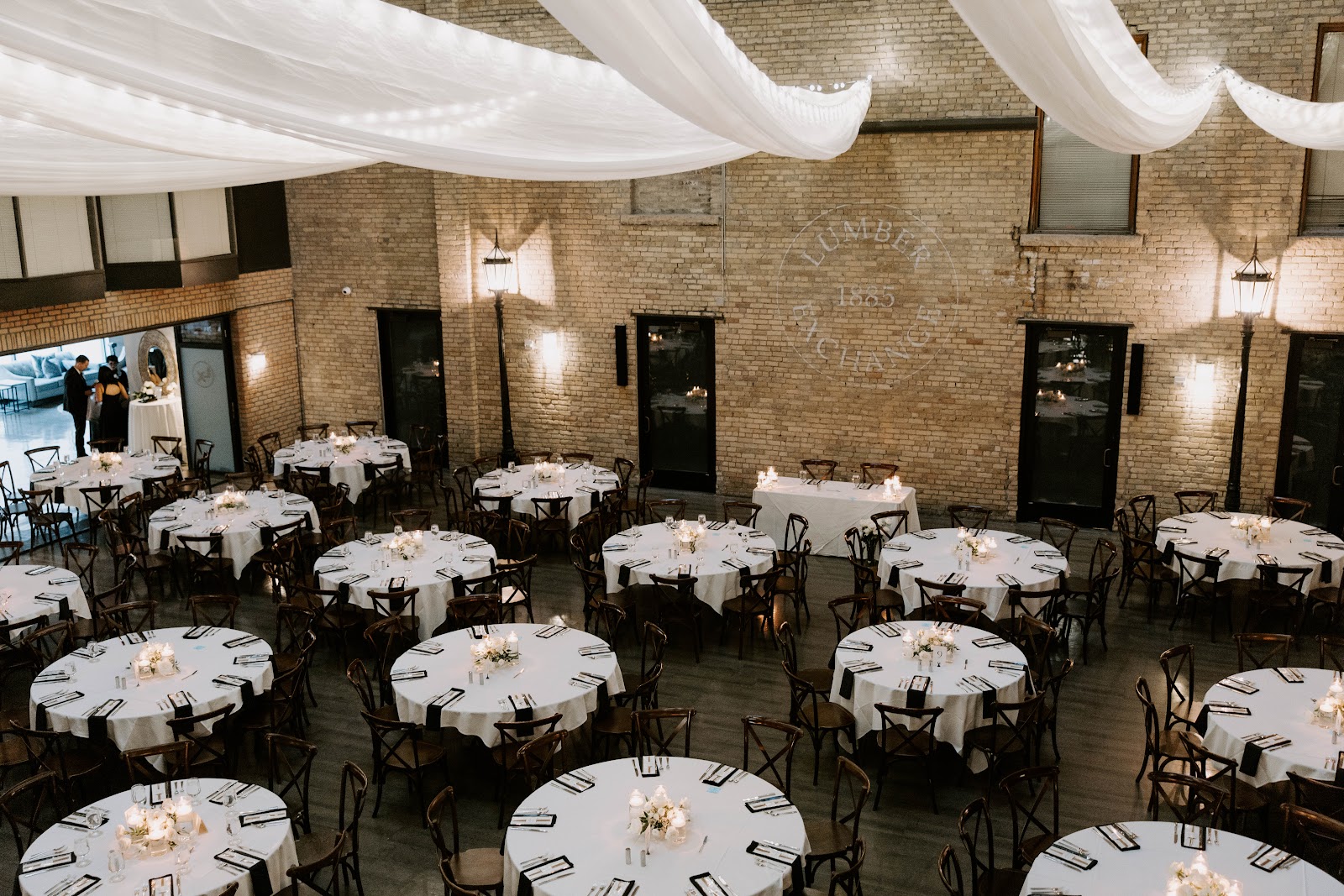
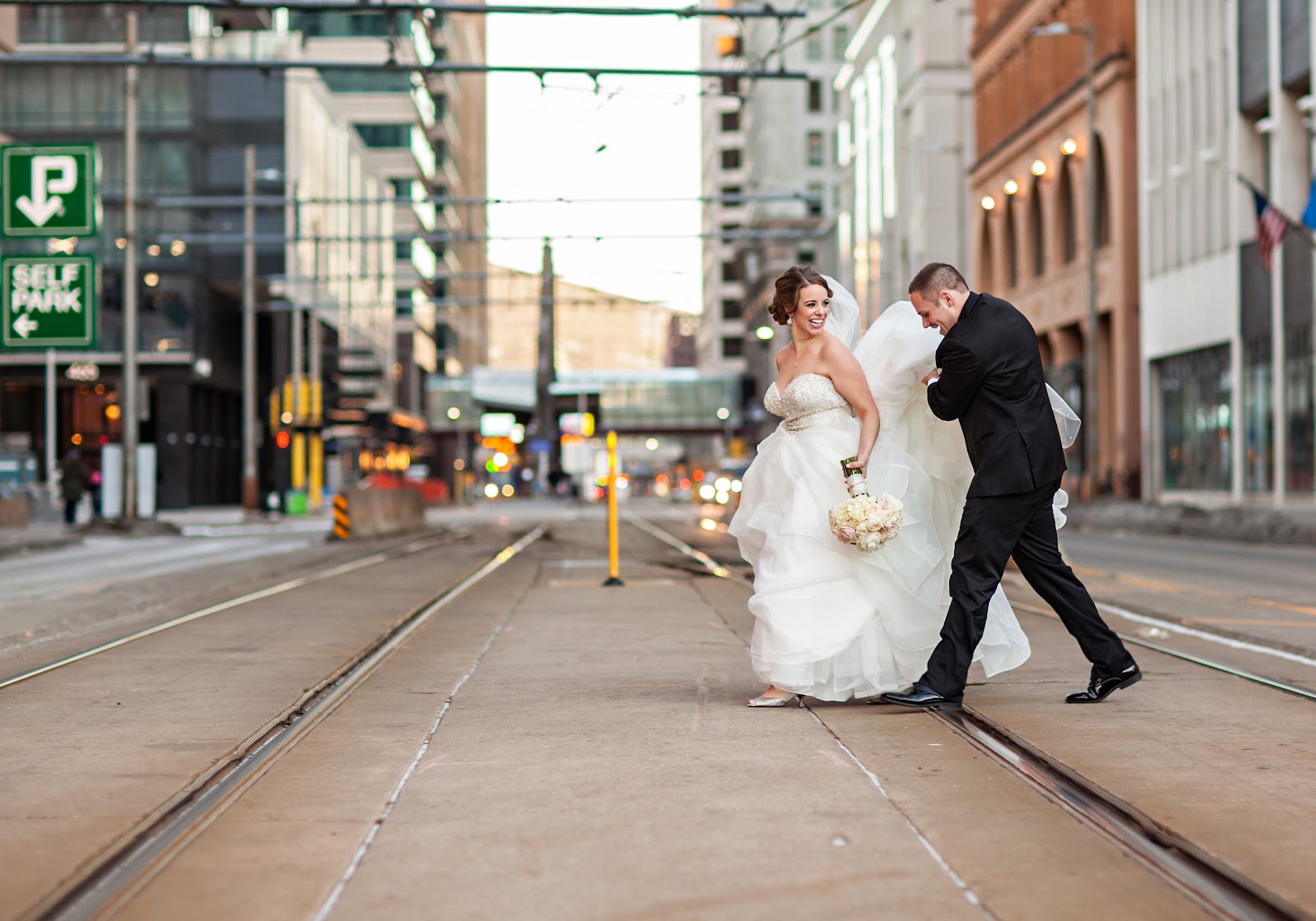
Downtown Minneapolis is the outdoor counterweight and its older commercial fabric is good material: brick and stone at a largely low-rise scale away from the towers, which means low sun reaches street level and runs the length of a block. Both materials show their texture only when light runs along them, so a short walk to find which side is being raked is worth more than any accessory — and brick outside is a warm, textured match for a warm ornate interior rather than a change of register.
Alleys give directional light from walls on both sides, a contained background, and shelter, which in this climate matters.
The network of enclosed elevated walkways downtown is the asset worth asking about: glazed, heated corridors with views down streets, which give a very large soft source on one side and a city view on the other. In a Minnesota January it may be the only elevated frame possible at all, and whether the building connects to that network is a question worth putting.
Minneapolis’s winter is the most demanding in this series. Days are short, with sunset in the middle of the afternoon in December, and temperatures are low enough that an outdoor block becomes three or four minutes rather than twenty — a welfare decision in formal clothes as much as a photographic one, which means the outdoor frames must be decided in advance and executed quickly.
That is a reason this kind of venue suits a winter date particularly well: a warm, richly decorated interior is exactly the right place to spend a short cold day, and the building will carry more of the gallery without that being a compromise.
Snow is the compensation outdoors and it is the best natural fill there is, lifting exactly the shadows a low sun carves while fooling a meter by about two stops. Snow against historic brick and stone under low winter sun is the best the exterior will look all year.
The fogging risk is severe in both directions and worse than in a milder climate: a camera taken from a heated building into subzero air and brought back will fog comprehensively and can take a long time to clear. Let a body stay cold between outdoor visits rather than cycling it, and plan one excursion rather than several.
Summer is warm and humid with very long days, which pushes the golden hour well past the start of a reception — easy to accommodate at a venue whose interior does not care what time it is. And autumn gives the clearest air and the best raking light of the year on brick and stone, which is the season the exterior is best in.
More frames from The Lumber Exchange
The Lumber Exchange wedding photography: common questions
What is the defining frame?
The ornate room with its fountain, lit so that both read: grazing light on the plasterwork and a considered decision about the water.
Why does the ornament look flat?
Because a flat downward wash gives three-dimensional plasterwork nothing to cast a shadow with. One source placed to one side brings every moulding back.
What is the best question about the fountain?
Whether the jets can be switched off for a few minutes. A still basin mirrors the ornament above it, doubles the information in the frame and gives a symmetry nothing built provides.
How should moving water be shot?
Both ways. Fast enough to freeze gives texture in the spray; slow enough to blur gives a smooth veil against sharp ornament. They are different photographs.
Why get low?
Because how much reflection appears in a still basin depends entirely on viewing angle — and a low camera also lifts the ceiling ornament into the upper frame.
Why does this venue suit a winter date?
Because a warm richly decorated interior is the right place to spend a short cold day, and the building carries more of the gallery without that being a compromise.
More Minneapolis, MN venue guides
We are writing a photographer’s guide to every venue we would happily shoot in Minneapolis, MN. Here are three more, plus the full index:
- The Machine Shop, Minneapolis: Field Notes on a Converted Machine Works
- The Mill City Museum, Minneapolis: Field Notes on a Ruined Flour Mill
- The Minneapolis Institute of Art: Four Ways Out of the Gallery Problem
All Minneapolis, MN Wedding Venues →
Planning a wedding at The Lumber Exchange?
Ask whether the fountain can be stopped. Tell us your date and we will ask.