Vicksburg has a geographic distinction that separates it from most of the Deep South: it sits on loess bluffs above the Mississippi, which means genuine elevation in a region that otherwise has almost none, and a west-facing prospect over very wide water. That produces the one frame the town gives and almost nowhere nearby can — sunset across the river seen from a height, with the water carrying the colour and the whole sky visible rather than glimpsed through trees.
The loess itself shapes the ground in ways that show up in photographs: fine wind-blown silt holds a vertical face, which is why the area has steep-sided ravines and sunken lanes with earth walls rising on both sides, giving deep shade, warm earth colour and light arriving from above like a natural corridor. Those are genuinely local backgrounds available almost nowhere else.
The other thing to understand here is the gallery, which is usually described as a comfort measure and is also one of the best light sources ever accidentally designed. A roof above blocks the overhead component of a high sun — and at about thirty-two degrees north the June midday sun reaches roughly eighty-one degrees, near enough to straight down that nothing in the open is usable; columns to the sides restrict the light to a horizontal band; and a pale floor bounces it back to fill from below.
The result is soft, directional, even light at exactly the scale of two people, available at any hour and in any weather. The climate is humid subtropical, and the humidity rather than the heat is the photographic fact: moist summer air softens shadows and flattens distance, which can dissolve the long river view into haze in July in a way it does not in November, and it makes condensation on equipment severe enough that a bag should be opened twenty minutes before going out.
Spring brings azaleas through late March and April; late October into November gives the clearest air; and winter is quietly the best season, because a December sun at about thirty-four degrees comes into tall windows at an angle all day and the bare canopy opens the bluff views. The guides below take each venue on its own terms.
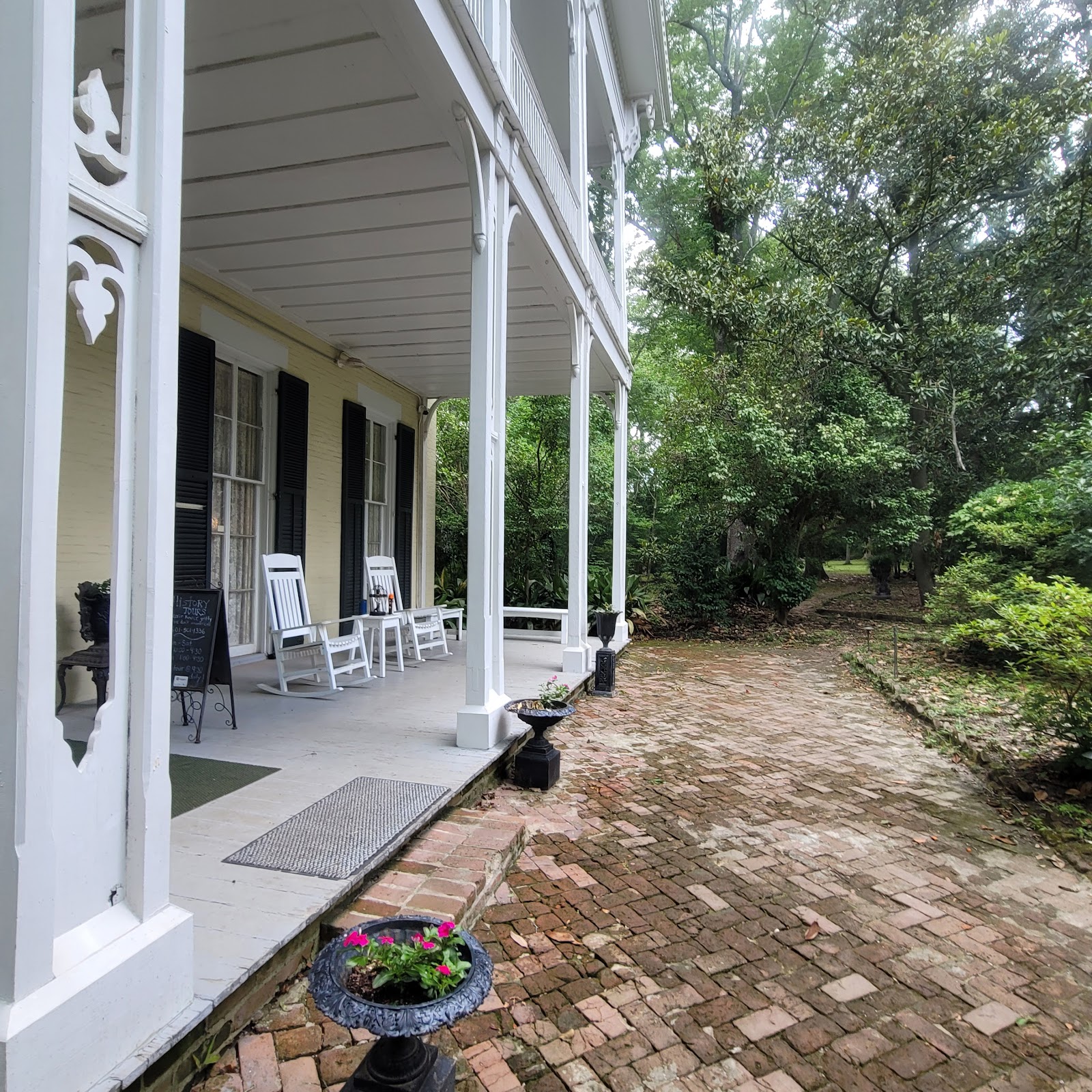
The McRaven House, Vicksburg: The Problem, and Four Ways Out
A preserved Vicksburg historic house — dark, small, densely furnished rooms, and four ways to photograph in them.
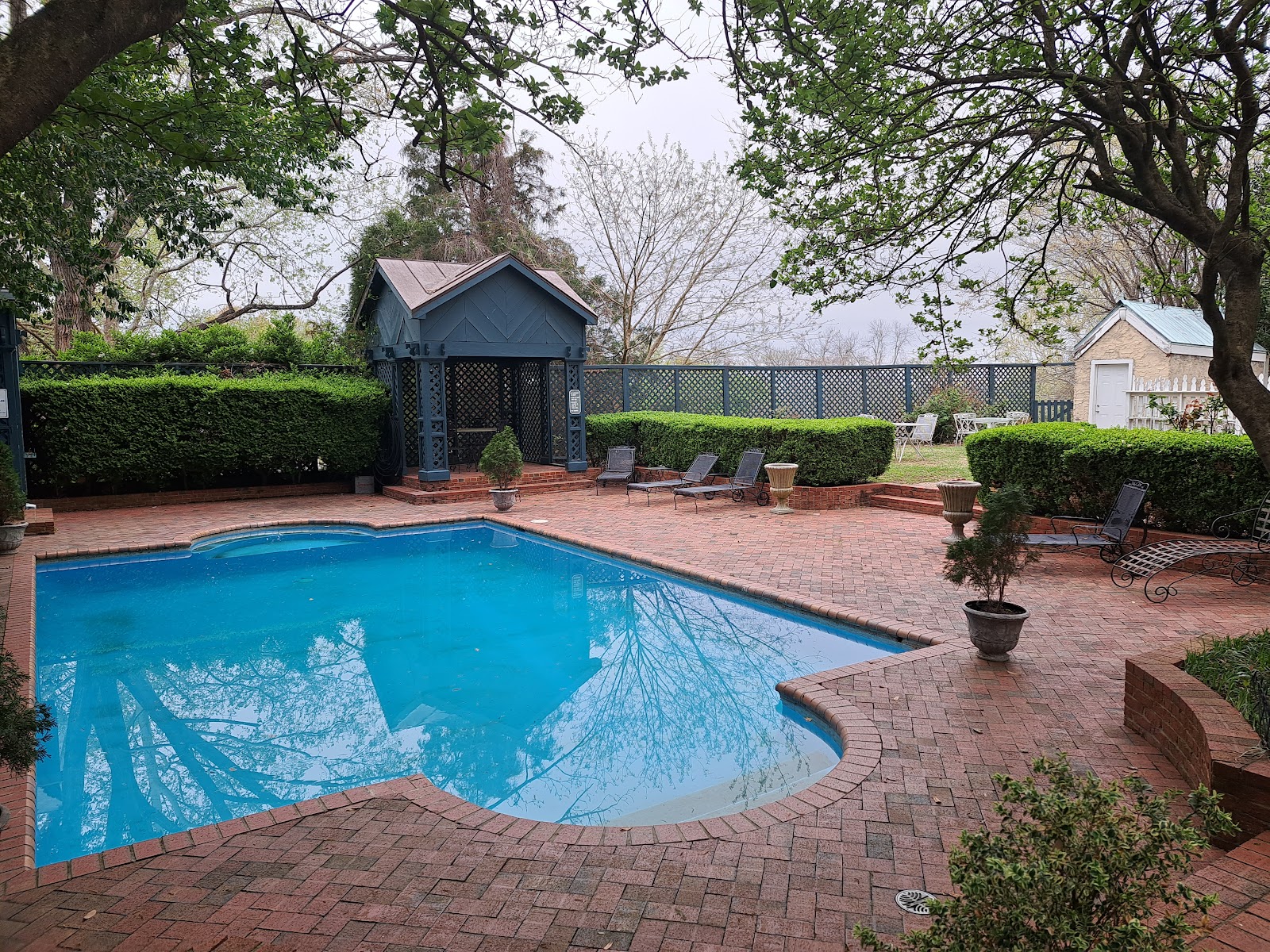
The Duff Green Mansion, Vicksburg: The Light Through a Day
A tall-ceilinged Vicksburg townhouse taken hour by hour through a wedding day.
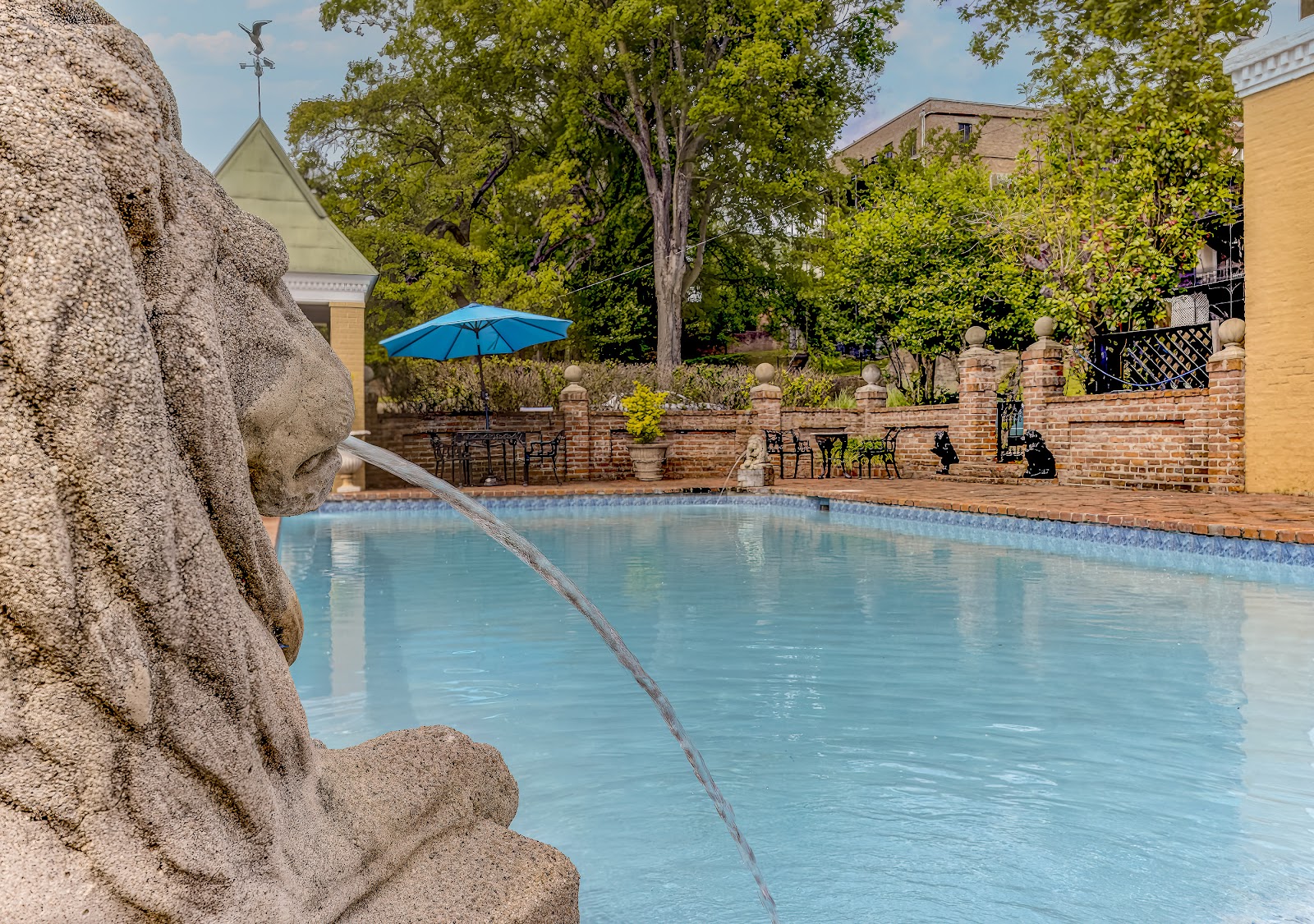
The Cedar Grove Mansion, Vicksburg: A House Built for the Bluff
A Vicksburg house on the loess bluffs facing the Mississippi — and what that orientation decides.
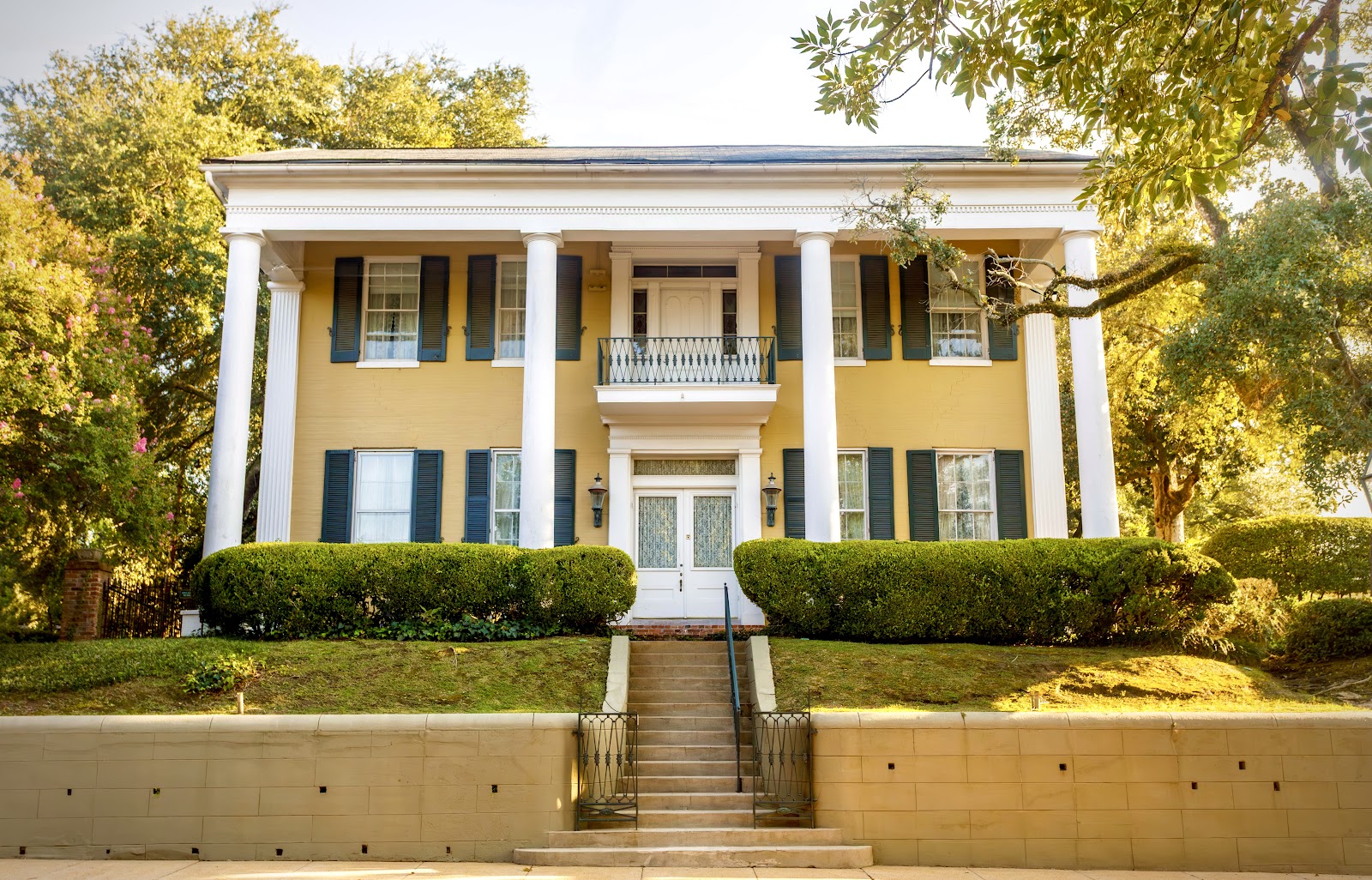
The Anchuca Mansion, Vicksburg: A Walk Through the Galleries
A Vicksburg antebellum house walked in the order a wedding day uses it — galleries, rooms, grounds.