Arkansas sits between about thirty-three and thirty-six and a half degrees north, which gives a June noon sun of seventy-seven to eighty degrees, a December noon sun that still reaches thirty to thirty-two, days running from roughly nine hours fifty to fourteen hours twenty, and a civil twilight of twenty-seven to twenty-eight minutes. The practical reading is that summer middays are hard and winter days have no bad hour at all — a sun that never rises above thirty-two degrees in December models faces from dawn to dusk, and it rakes across stone, brick and weathered timber for whole afternoons rather than for the twenty minutes a summer evening allows.
The state divides into two geologies that behave differently. The Ozark Plateau in the north is dissected limestone and sandstone: flat-topped uplands cut by steep valleys, with karst springs that run clear and blue-green because the water comes out of the rock, and ground that is almost never level. The Ouachita Mountains in the west are older, folded, and — unusually for North America — run east to west, which gives them long north-facing slopes that stay cool, shaded and hardwood-covered and long south-facing slopes that are hot, dry and pine-clad.
Three things recur at every venue on this page. First, the species decide the shade, and there is a strict order of usefulness. Eastern redcedar — a juniper, not a true cedar — is dense and very dark and blocks almost all direct light, so a metre inside its margin gives soft directional light in front and three or four stops of near-black behind; at three stops down it reads near-black rather than green, which solves the colour problem too.
Shortleaf and loblolly pine come second: shade only a stop or two down, far less green because the canopy is high and open, and tall dark trunks that make a genuinely good background field. Oak and hickory come third, and only at the canopy edge — two metres in, facing out, never four. What to avoid entirely is dapple: partial canopy in direct sun gives a four or five stop range across a face and it is the commonest way a rural set goes wrong. Second, green is the problem for half the year.
From May to October an Arkansas property is green in every direction, and skin sits close to green in luminance and complementary to it in hue. The fixes are a lower camera, which replaces the background with sky; the non-green surfaces — weathered timber, pale limestone, brick, gravel, dark cedar; and the calendar, because Arkansas woods are bare from mid-November to late March. Third, the two best windows are both later and longer than in the north. Late March to mid-April, when redbud flowers magenta on bare wood and dogwood white beneath — both lit directly because the canopy has not yet closed.
And the last week of October into the first half of November, three to five weeks behind New England, when hickory gold, oak russet, sweetgum purple-red and sassafras orange hold for a genuine three weeks. The constraint on both is severe weather: this state sits in the secondary severe-weather corridor of the southeast, with a peak in April and May and a smaller one in November, which makes a named indoor alternative a requirement rather than a courtesy.
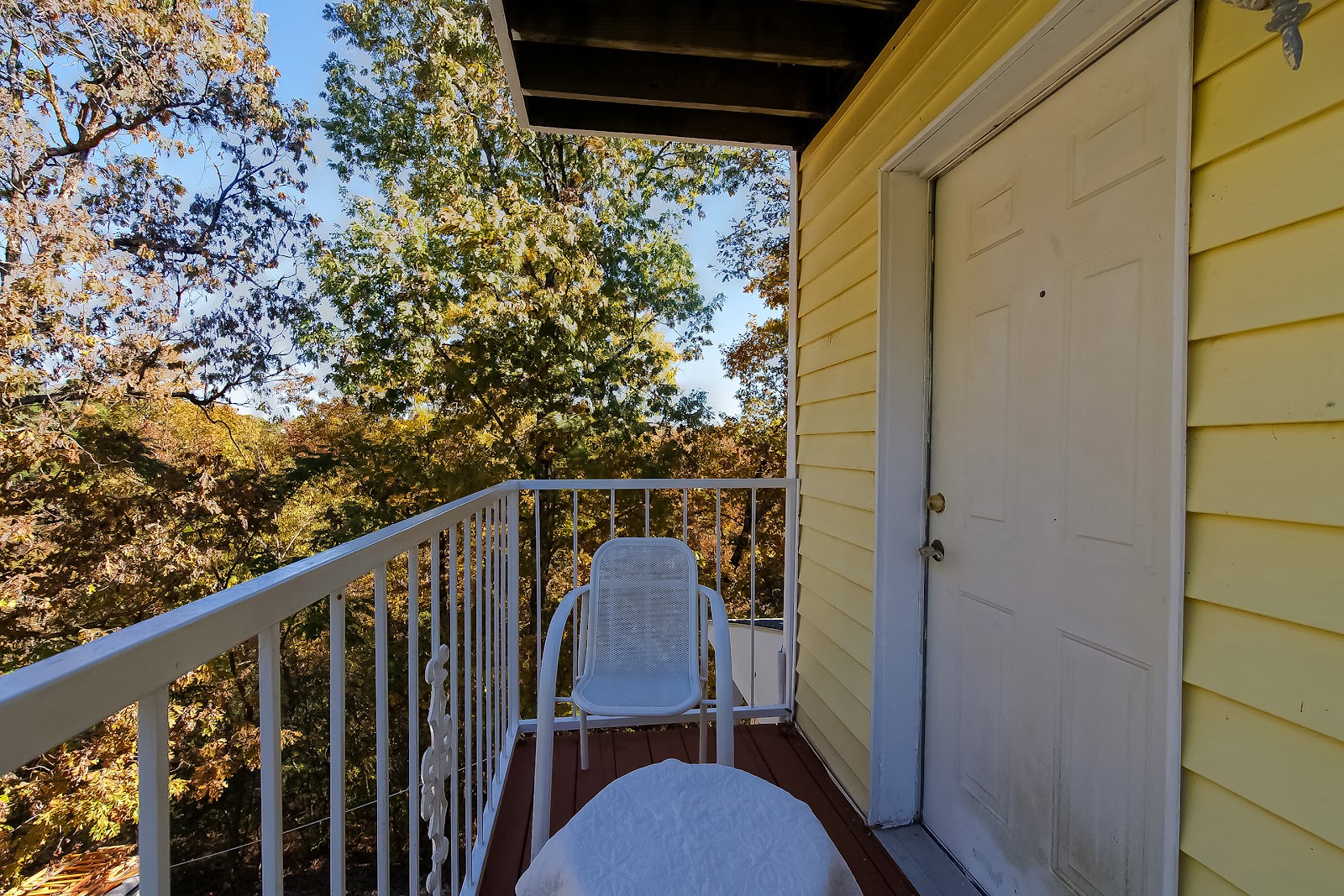
The Ozark Mountain Lodge, Eureka Springs: The Problem, and Four Ways Out
A lodge in Ozark hardwood woodland — where dappled light is the central problem and four things solve it.
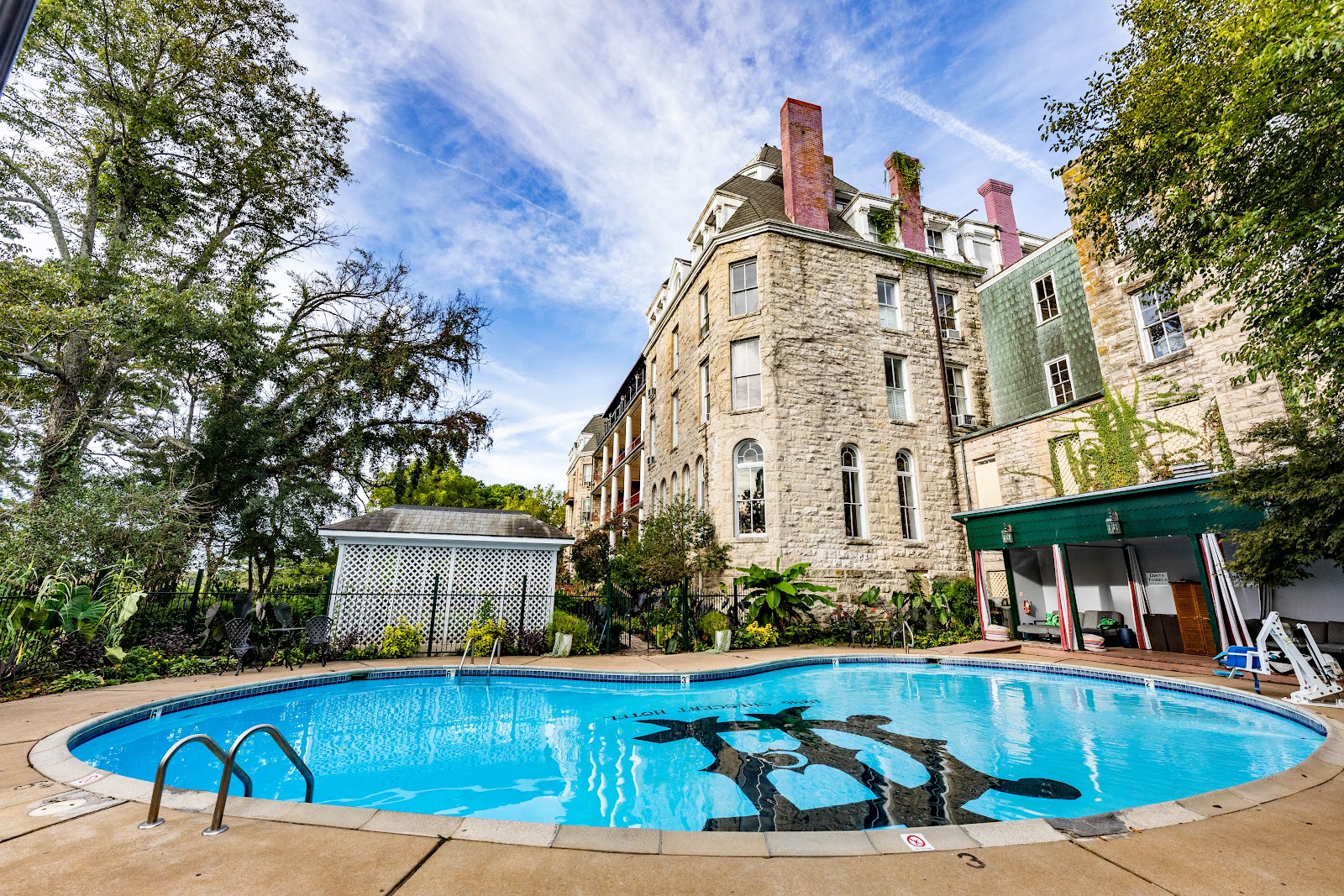
The 1886 Crescent Hotel, Eureka Springs: Field Notes on a Hillside Hotel
A Victorian limestone hotel on an Ozark hilltop — and what steep ground and pale stone give a photographer.
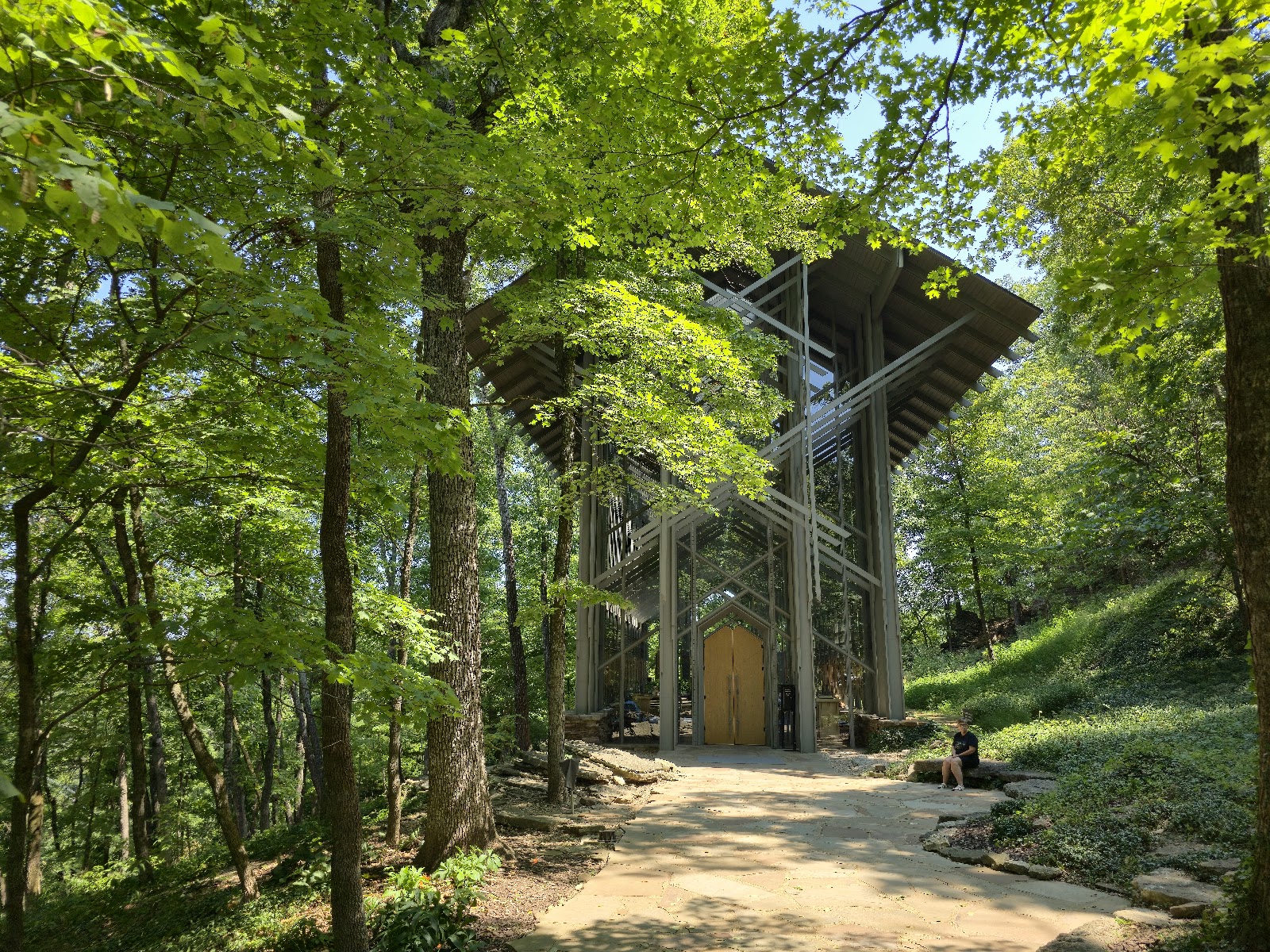
Thorncrown Chapel, Eureka Springs: What It Suits, and What It Does Not
A glass chapel standing in Ozark woodland — extraordinary, and harder to photograph than almost any interior.
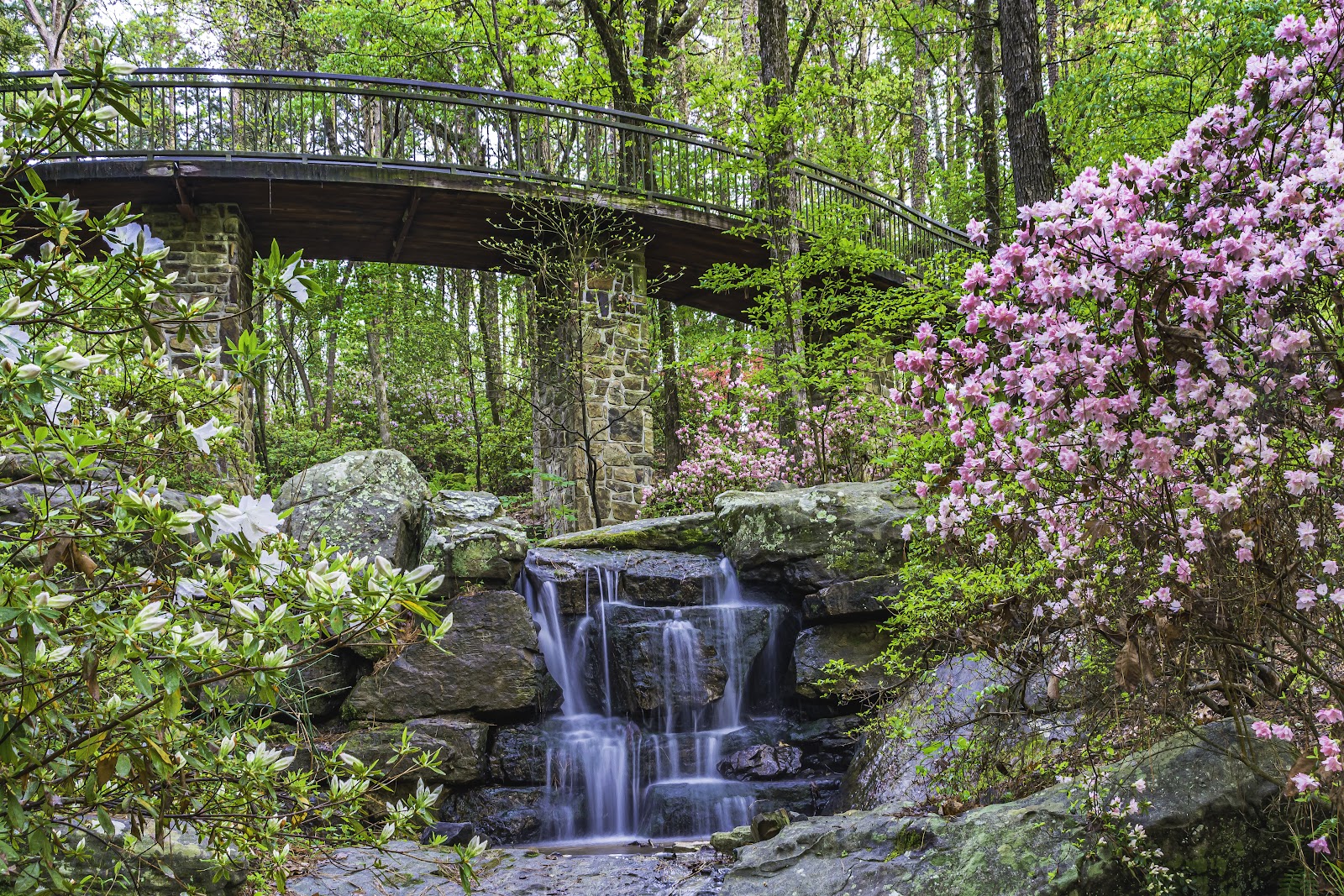
Garvan Woodland Gardens, Hot Springs: A Walk Through the Site
A woodland garden on a Hot Springs lake peninsula, walked in the order a wedding day uses it.
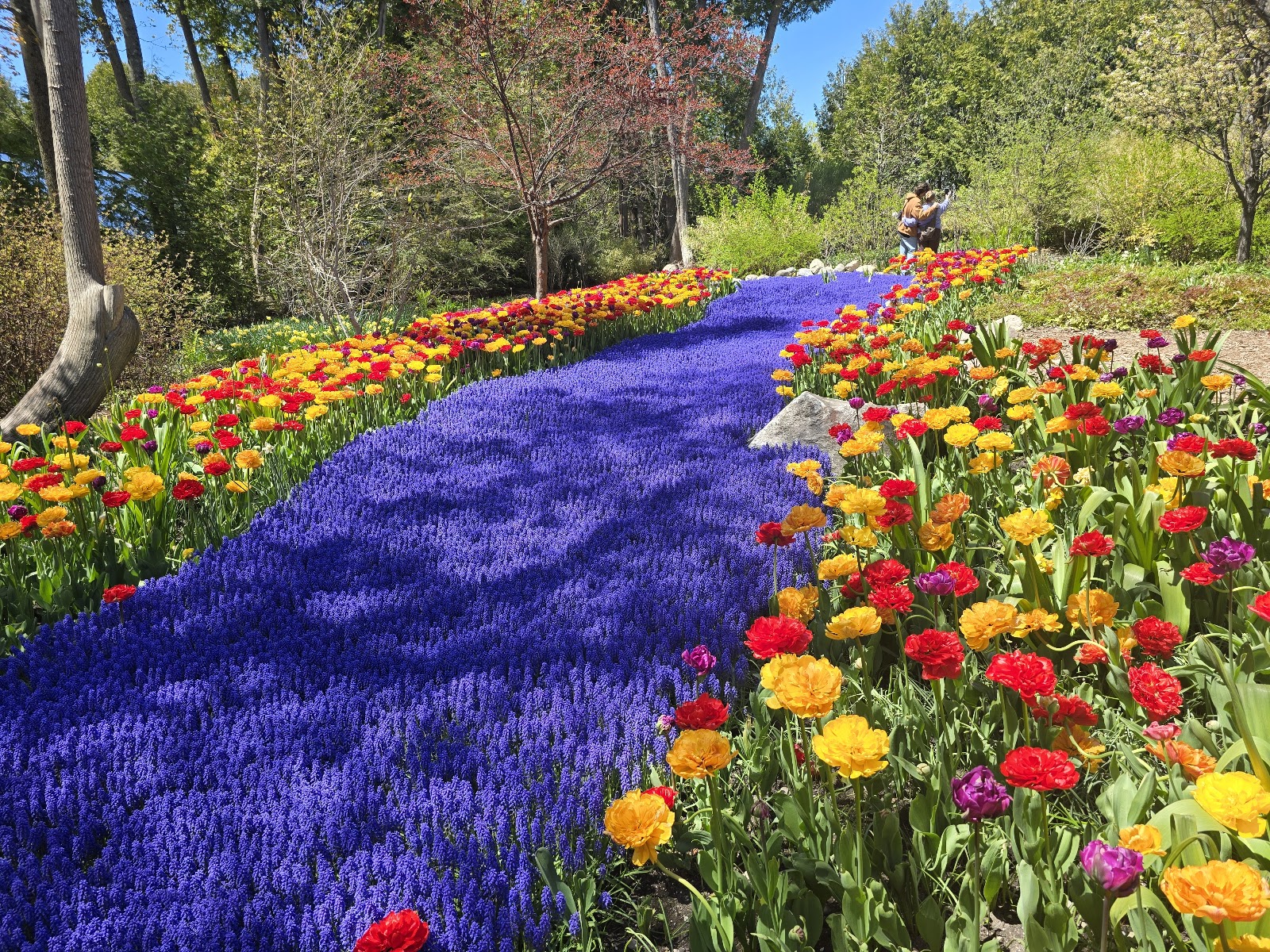
The Garden at The Grand, Hot Springs: The One Decision That Governs Everything
A Hot Springs garden venue where one question — which way does it face — governs the whole day.
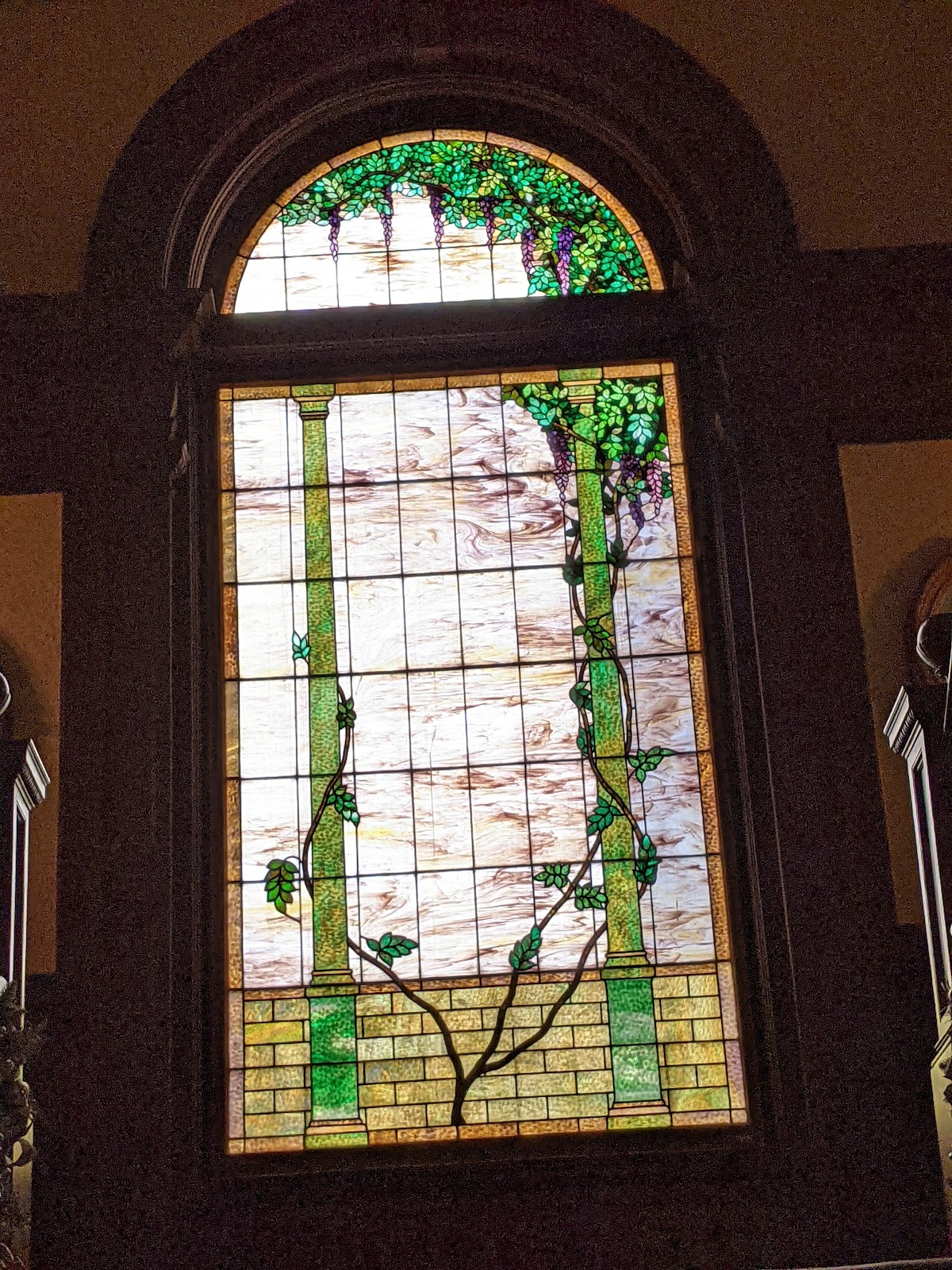
The Alexander Mansion, Hot Springs: Field Notes on a Valley House
A historic Hot Springs house in a valley between east–west ridges — and what that unusual geography does to the light.
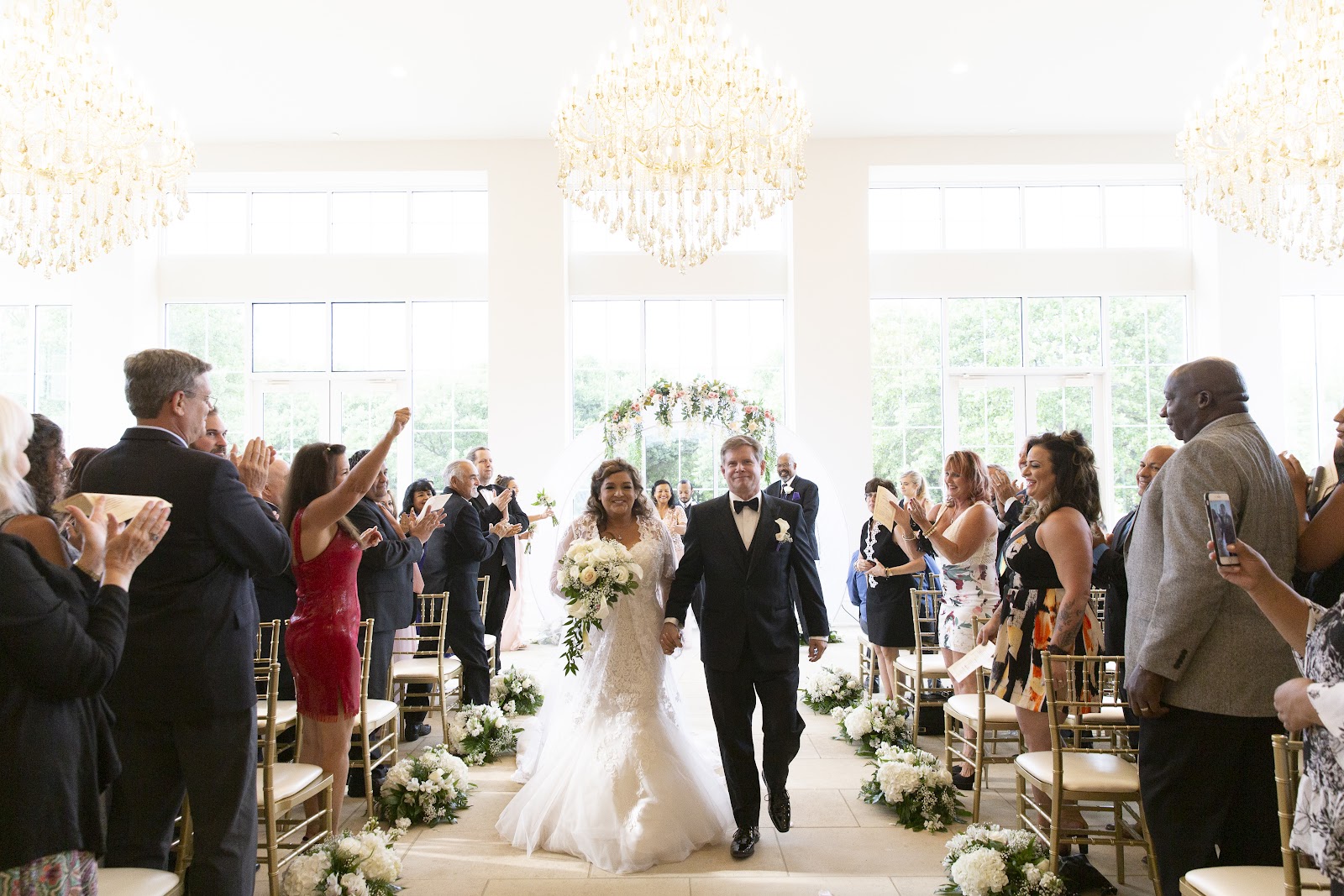
The Venue at Hickory Creek, Alexander: Field Notes, Problem and Solution
A creekside venue between Little Rock and the Ouachita foothills, in hickory and pine country with water through it.
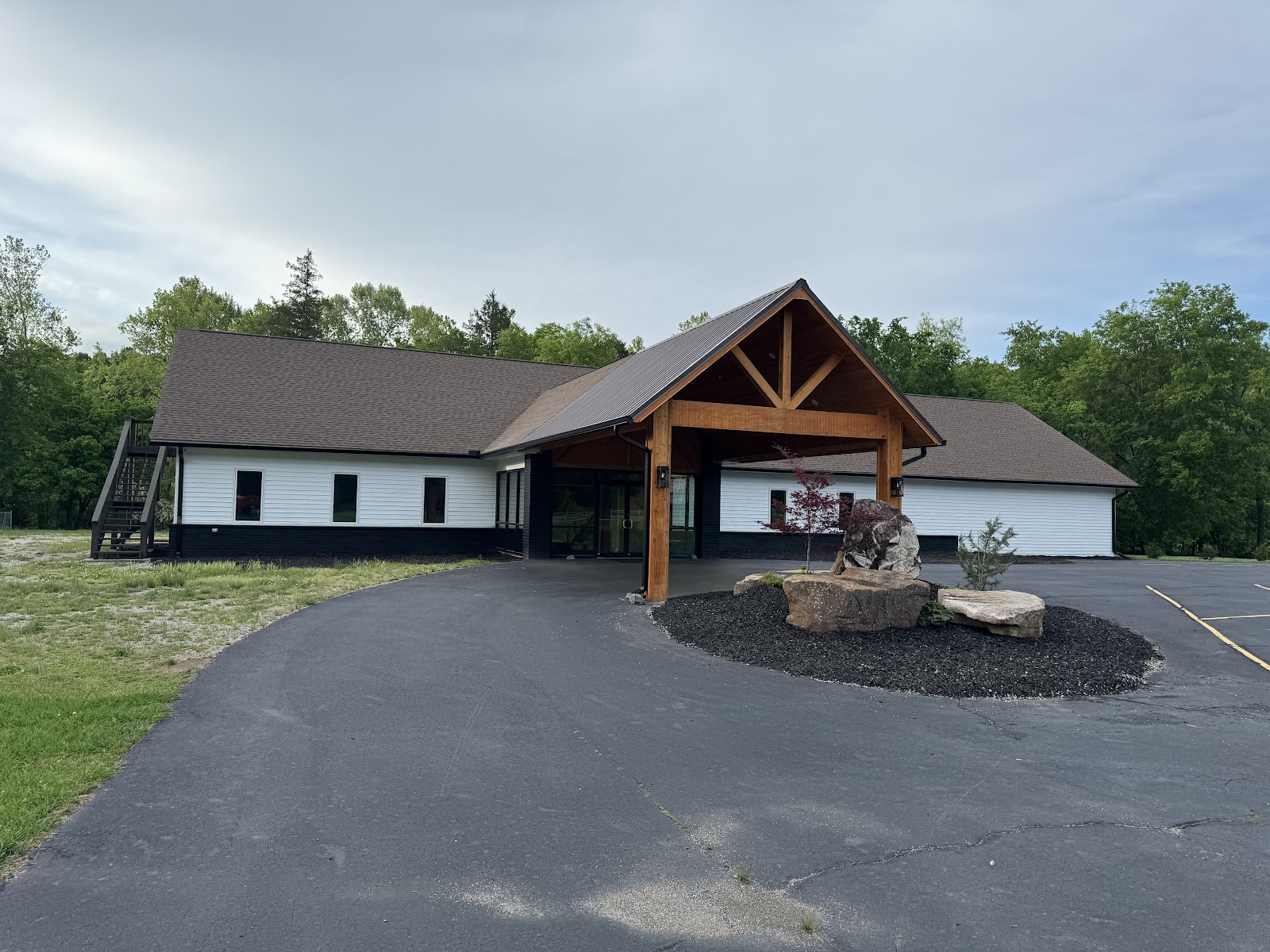
The Venue at Cedar Creek, Maumelle: Field Notes, Problem and Solution
A creekside venue on the Arkansas River bottomland, where the ground is flat, the trees are tall and the water is the best light on the property.
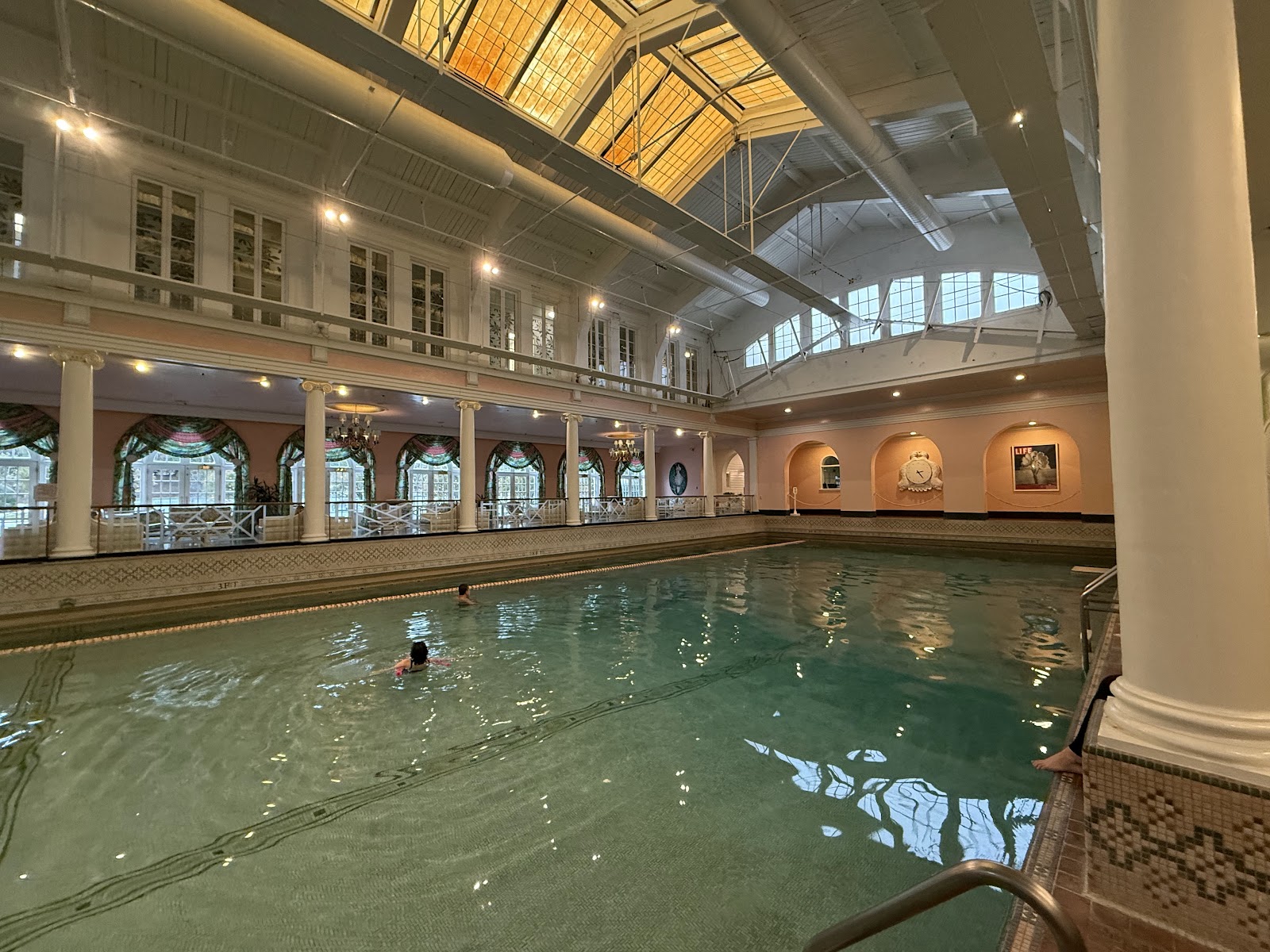
The Greenbrier, Greenbrier: Field Notes, Problem and Solution
A rural venue where the Ozark foothills give out and the Arkansas River valley begins — two landscapes meeting on one property.
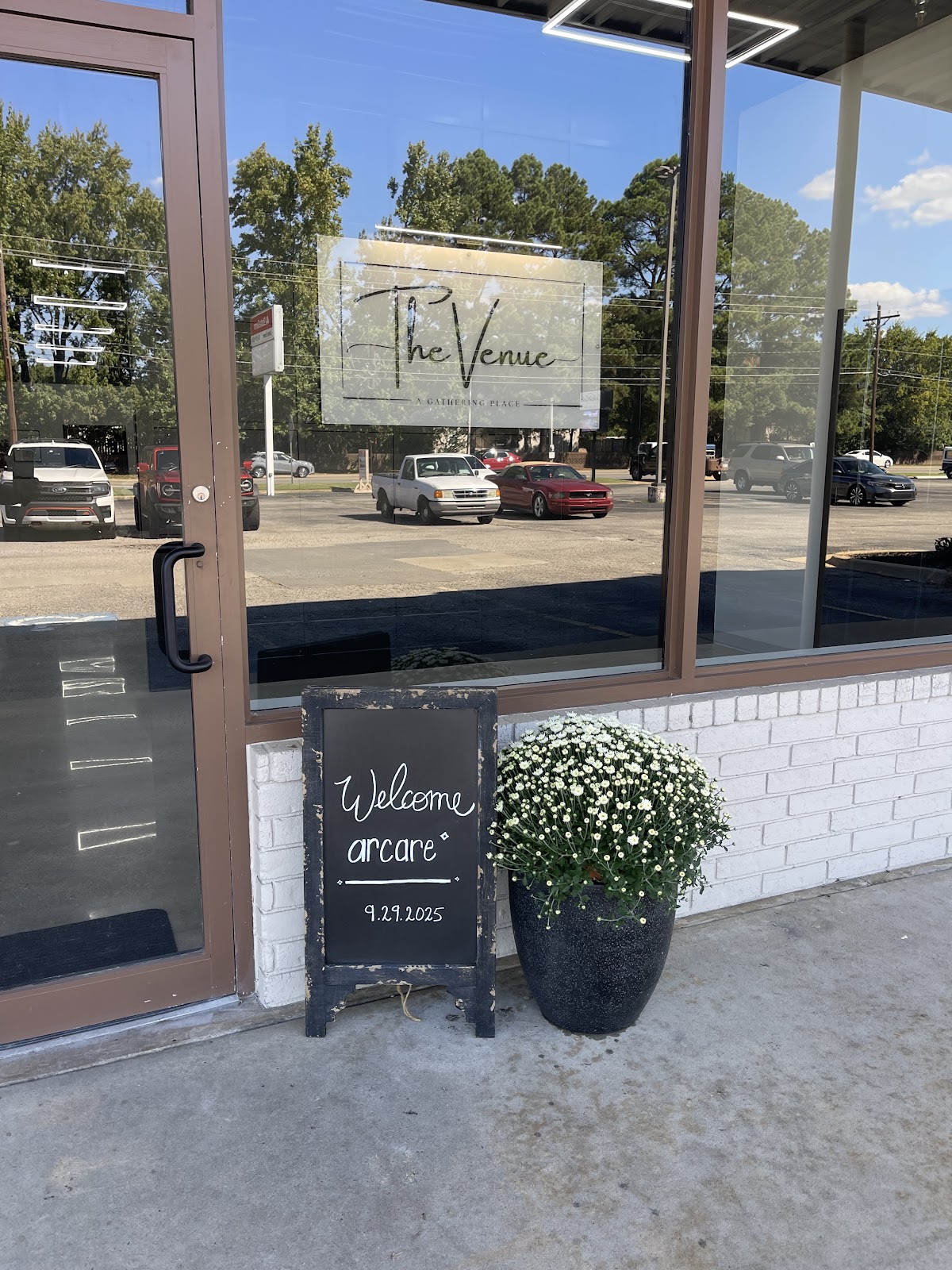
The Venue at The Farm, Judsonia: The One Decision That Governs Everything
A working-landscape venue in central Arkansas, where every frame is either inside the farm's world or outside it.