Two things make the Bluegrass distinctive for a photographer and both come from the same rock. The limestone under this country is the reason the pasture supports the horses it does, and the same stone appears in every wall, every fence footing and most of the older buildings — pale, warm and reflective, which makes it a light source rather than a background.
A sunlit limestone elevation is a soft source at architectural scale: a couple standing in shade three or four metres out from one, turned towards it, is lit by a source the size of the wall, needing a custom white balance set on a face because that bounce is markedly warmer than daylight. A daylight setting renders it orange, and a global correction afterwards neutralises the face while turning the stone the colour of cement.
And limestone reads as stone only under raking light, so the elevations the sun is skimming are the ones worth photographing — which on a long frontage means a walk along it rather than a single position.
The second thing is the landscape the limestone produced: rolling pasture with plank fencing and mature specimen trees standing alone in open ground. That is the specimen-tree condition at landscape scale, and it matters because full shade is the whole game in a humid Kentucky summer — dappled light through a thin crown puts bright patches and deep shadow on the same face at a ratio nothing holds, while a mature pasture oak gives complete shade a whole group can stand in.
Ten minutes identifying which trees genuinely qualify is the most valuable ten minutes of any outdoor block, and the test is to look at a face rather than the ground. The plank fencing is the other landscape element and an unusually good one: long painted lines running with the contours, which give a frame structure, lead the eye, and rake beautifully in low sun. Rolling ground also means positions genuinely above and below a subject — a camera above a group sees faces rather than the backs of heads.
Autumn colour usually peaks from late October into early November, and because specimen trees turn individually rather than together, a single enormous crown in full colour above a still-green lawn is a frame uniform woodland cannot produce. The guides below take each venue on its own terms.
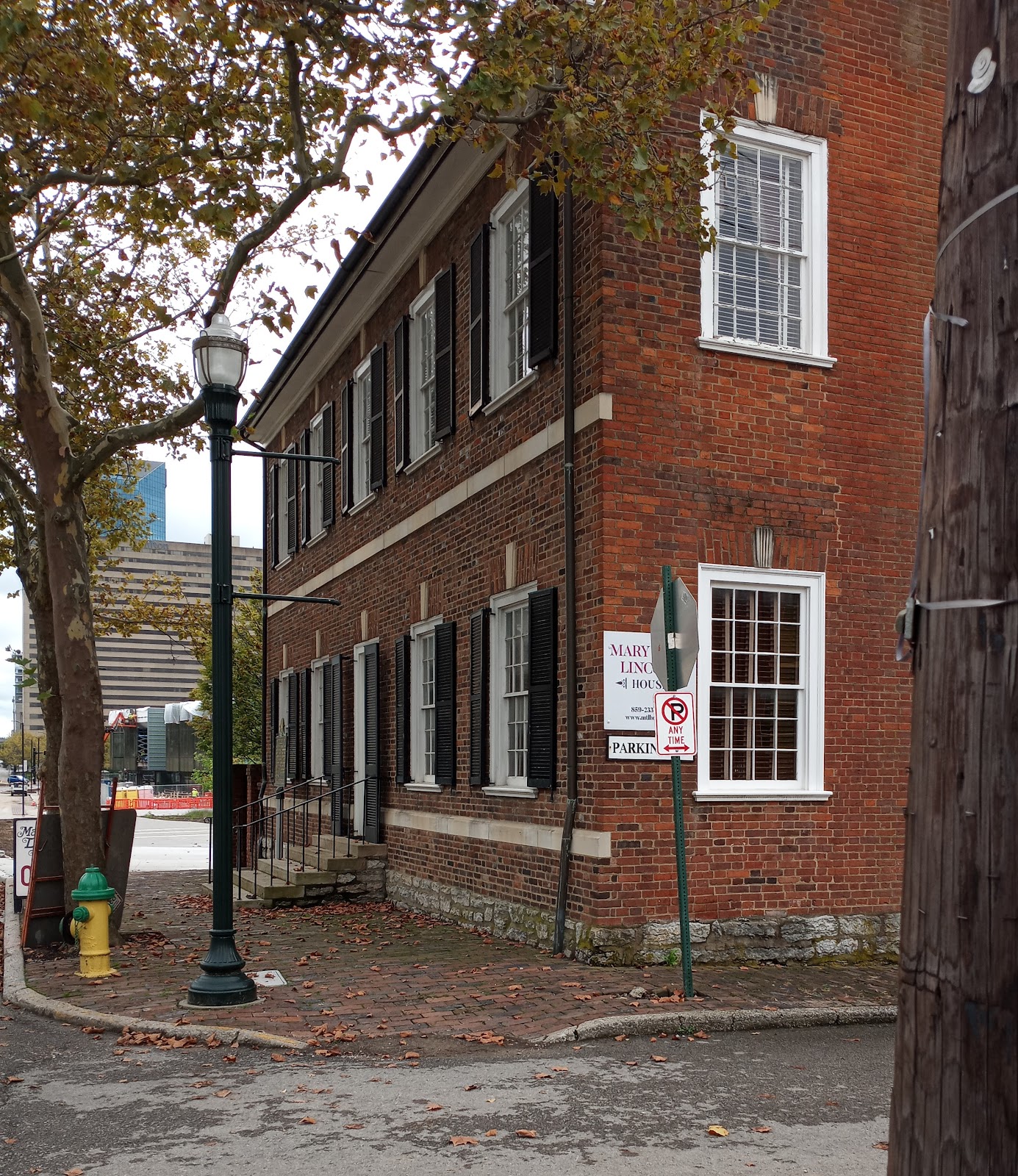
The Mary Todd Lincoln House, Lexington: What It Suits, and What It Does Not
A small preserved Lexington townhouse — intimate and specific, and constrained in four real ways.
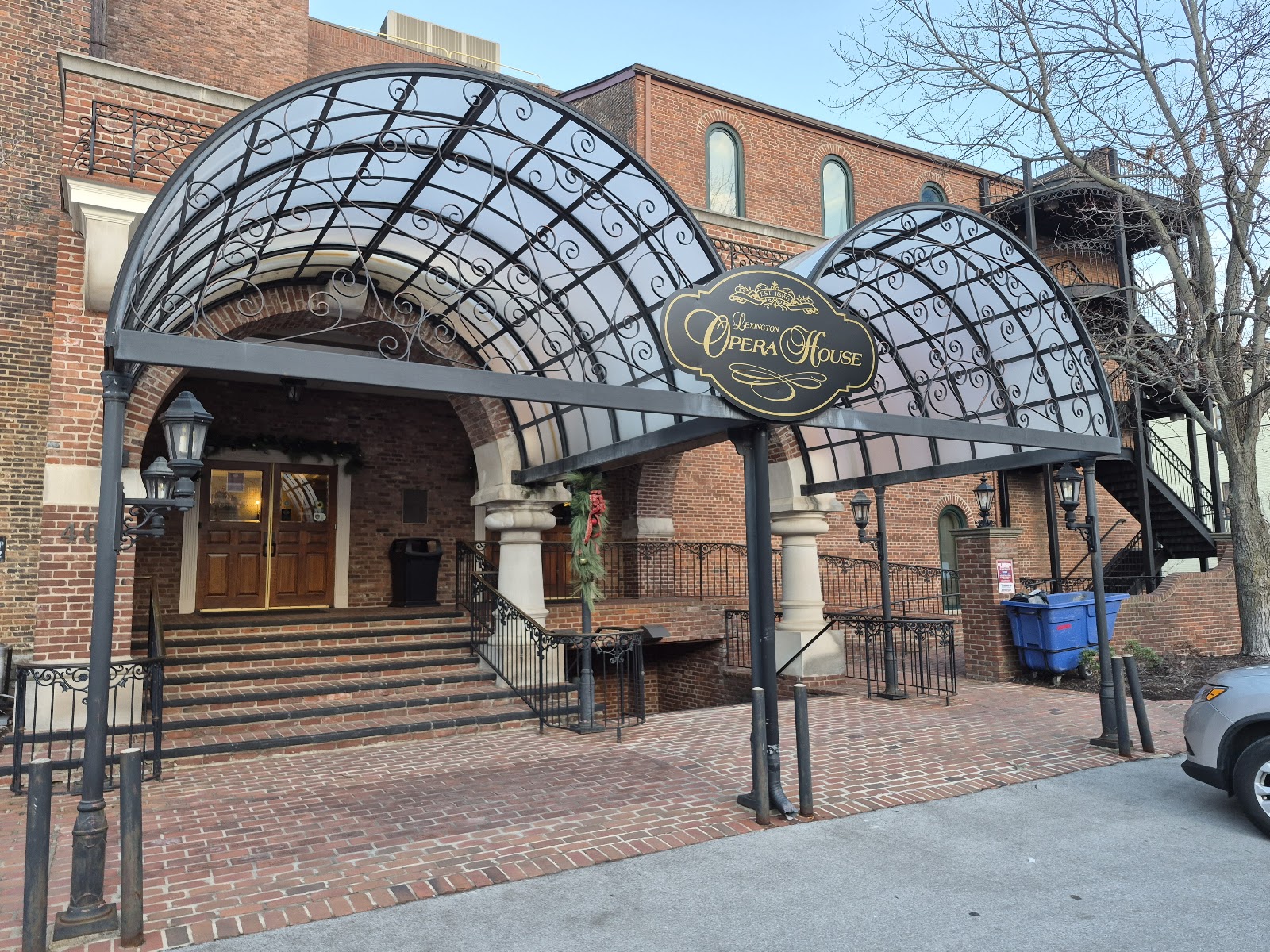
The Lexington Opera House: One Frame, and How It Is Made
A Victorian Lexington opera house — and the one frame a tiered auditorium exists to give.
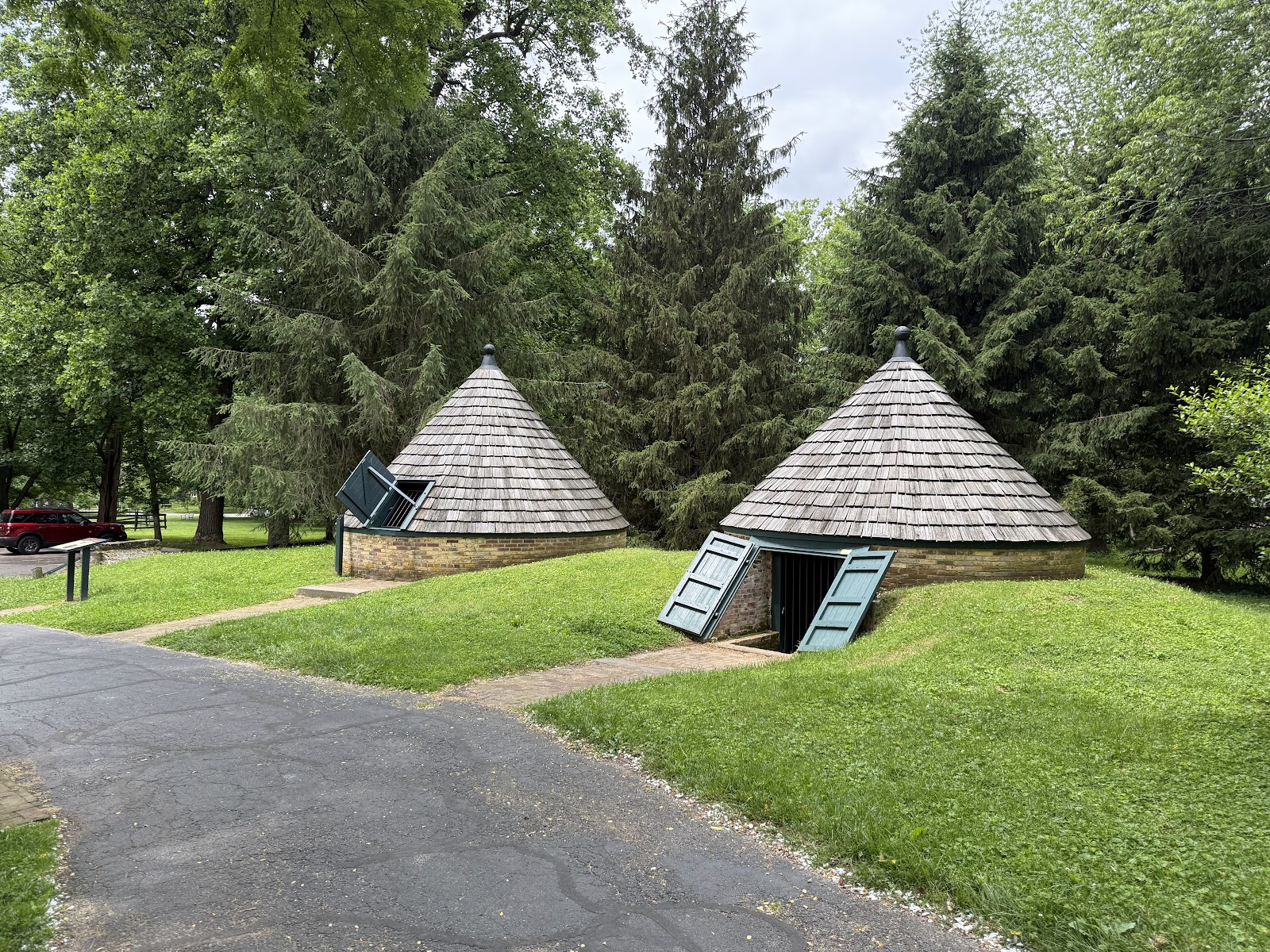
Ashland, The Henry Clay Estate, Lexington: Field Notes on a House in Old Grounds
A historic Lexington estate with very old grounds — and what mature specimen trees and a preserved interior each ask for.
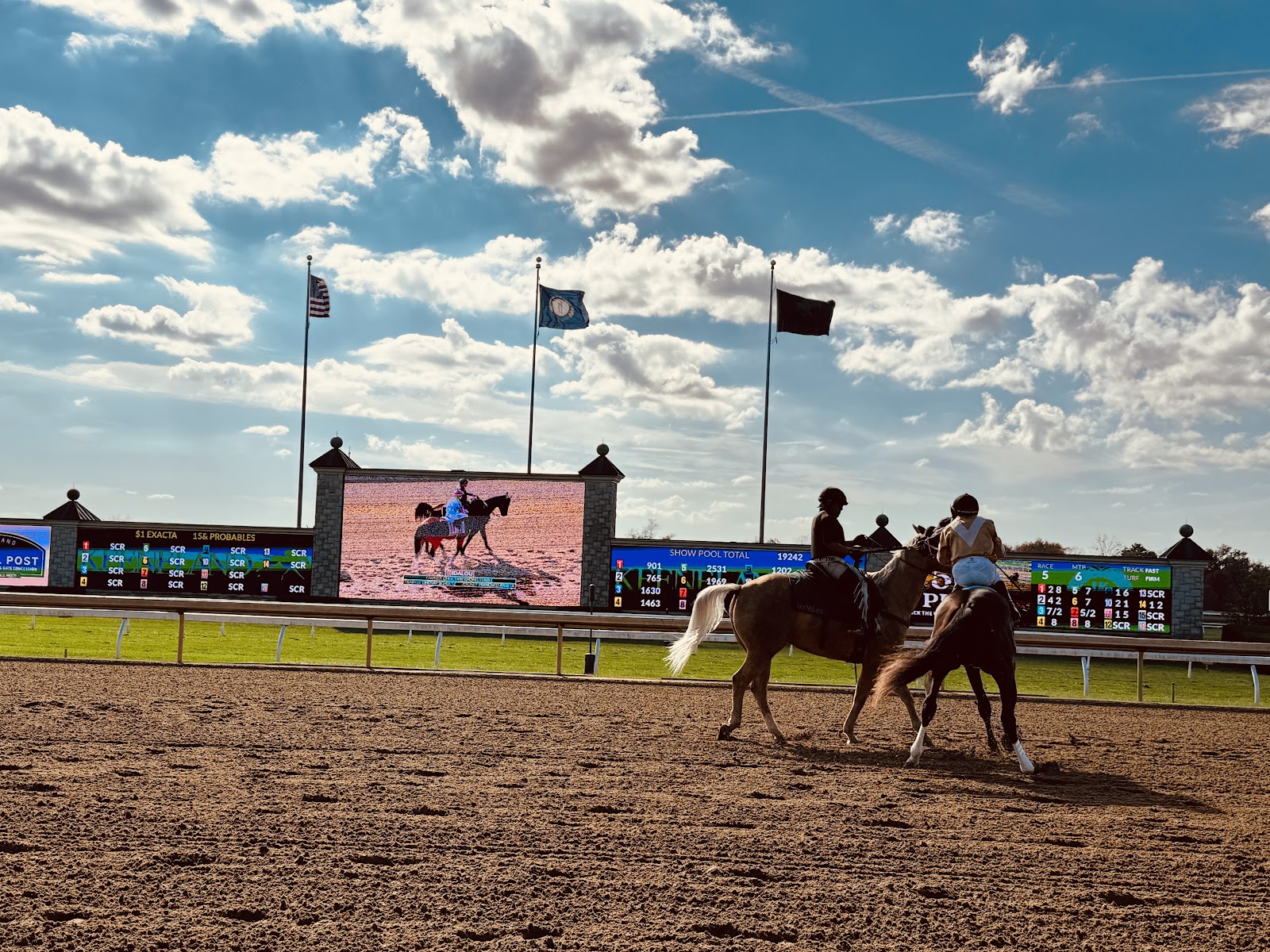
Keeneland Racecourse, Lexington: The Problem, and Four Ways Out
A Lexington racecourse — open ground, stone buildings and four ways round both.