The Hoxton Chicago: Photographing a Wedding in Fulton Market
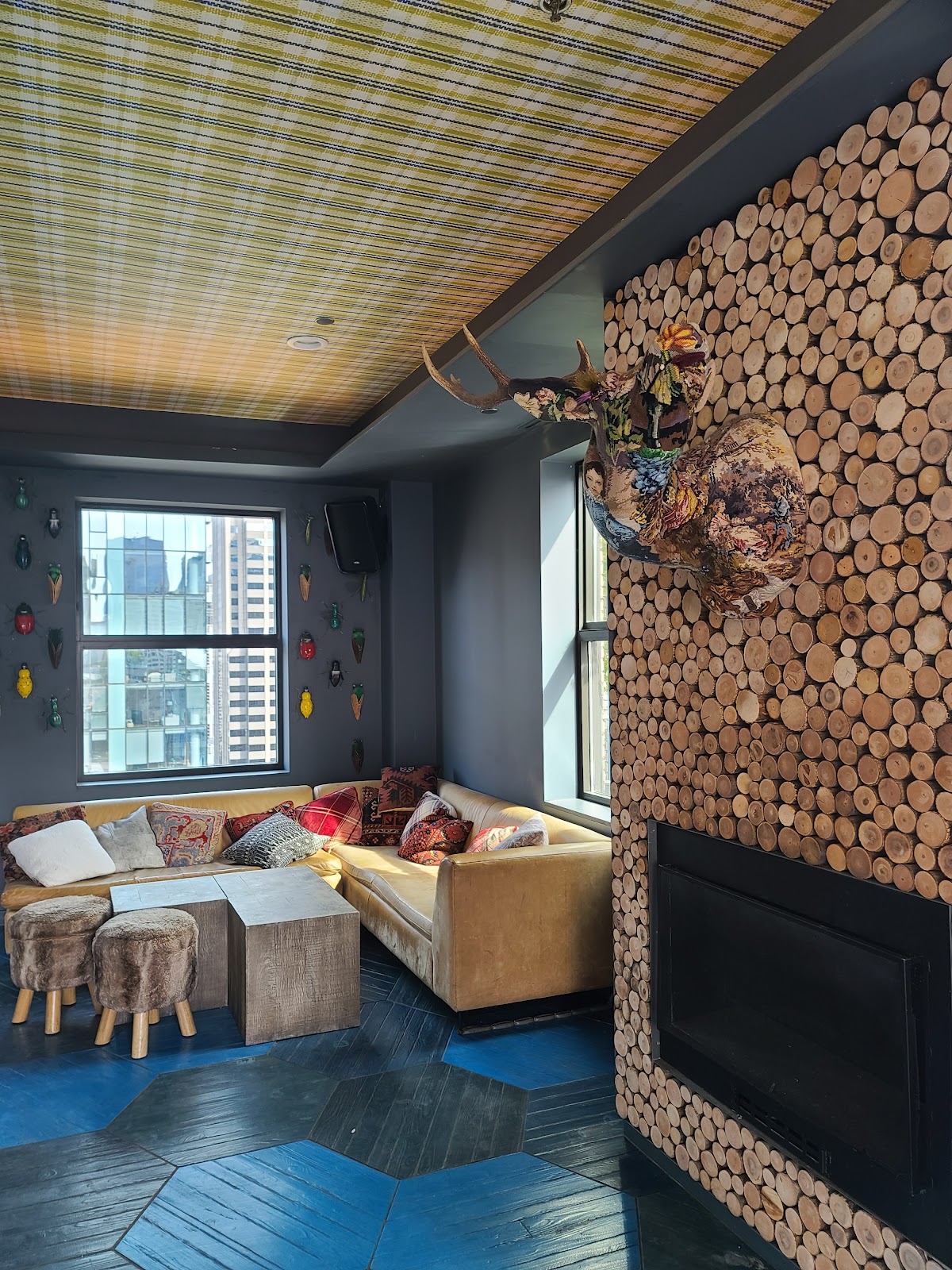
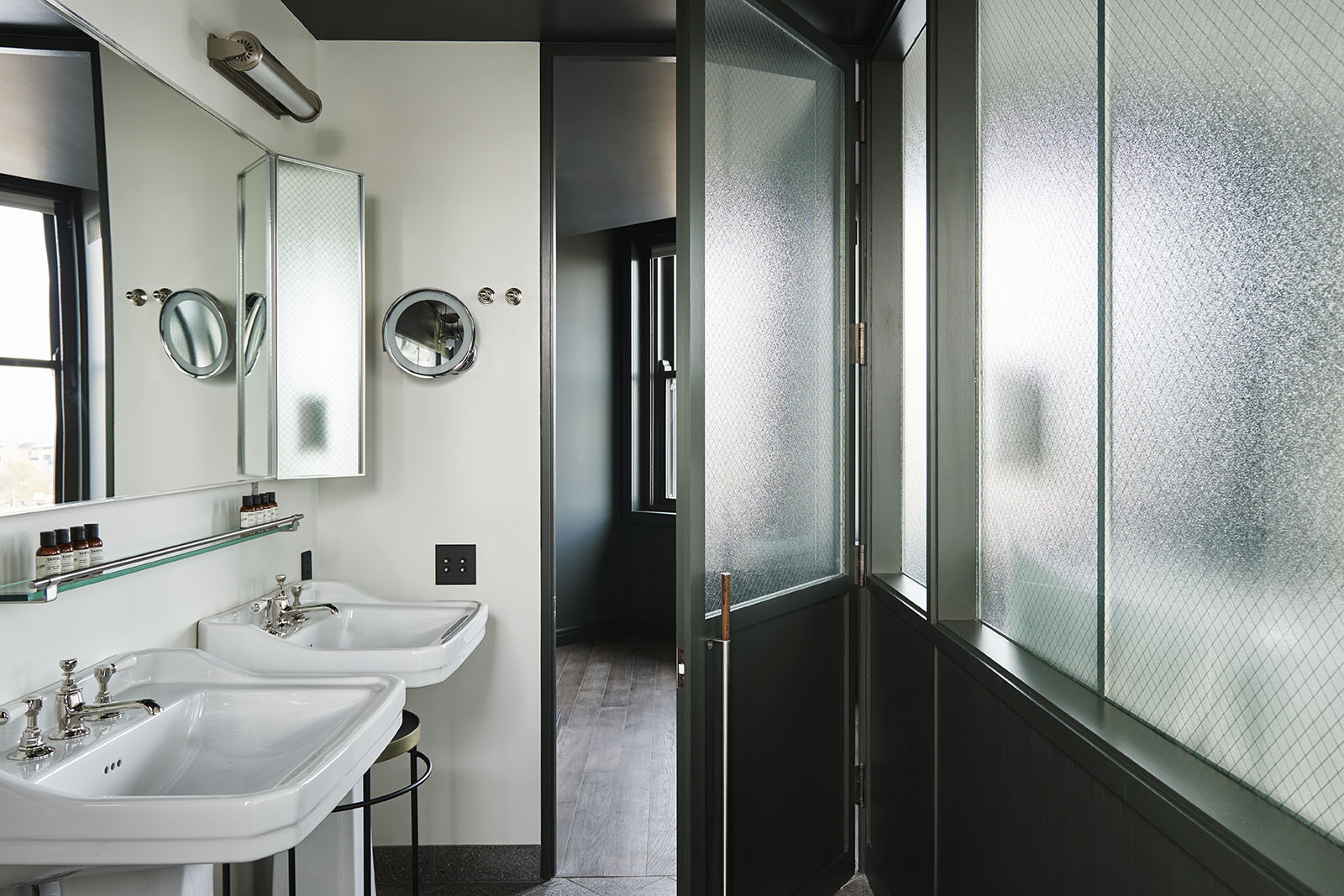
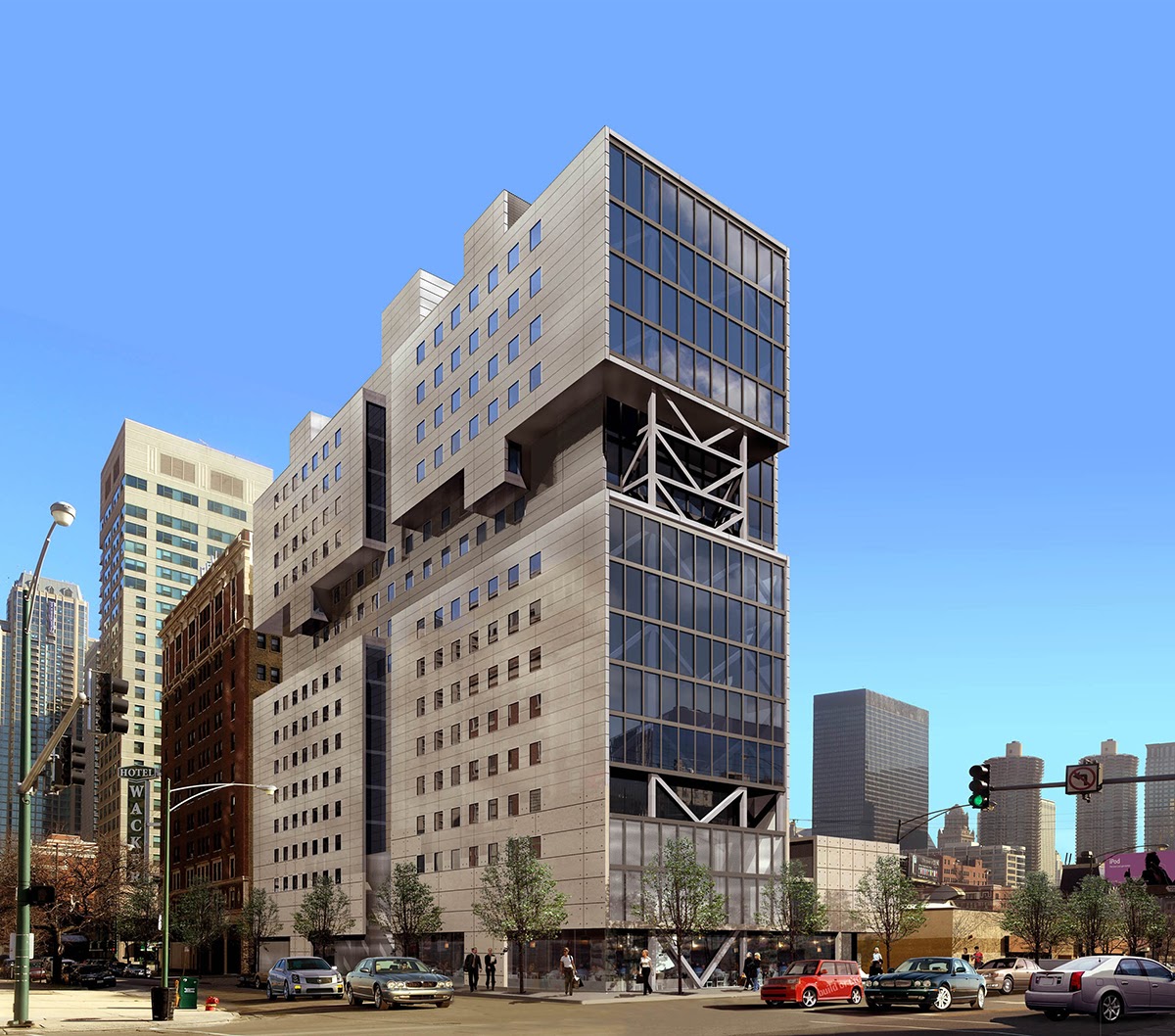
A hotel in Fulton Market on Chicago's West Side, with exposed brick interiors in a former meatpacking district.
Read the guideVenue guides
Chicago is a city of hard contrasts for a photographer, and its venues divide along lines that matter more than style. There are the sealed grand ballrooms, where the light is identical at two in the afternoon and one in the morning and nothing is ever rushed. There are the window venues — lake-facing, river-facing, skyline-facing — where the single best frame of the day lasts about twenty minutes and is dictated by sunset rather than by the running order. There are the museums, some of them so vast that ordinary wedding lighting simply disappears into the volume.
And there is the lakefront itself, which supplies the skyline-across-water frame that no inland city can offer and a wind that never quite stops.
These guides are written venue by venue rather than as a general survey, because the useful information is specific: which hour the carved limestone on a Michigan Avenue facade actually reads, why a bright aquarium is harder than a dark one, how long a lift journey really costs in a hotel stacked over forty floors, and which West Side streets run east-west so that low sun reaches the brick. We have not photographed weddings at all of these venues and we say so in each guide.
What transfers is the craft — how glass, stone, timber, water and altitude behave — and that is the same whoever is holding the camera.
A hotel in Fulton Market on Chicago's West Side, with exposed brick interiors in a former meatpacking district.
Read the guideA hotel on North Michigan Avenue in a 1920s building with a sculpted limestone facade and an upper terrace.
Read the guideA luxury hotel a block from the Magnificent Mile, with pale tonal interiors, a terrace and high guest floors.
Read the guideA hotel occupying upper floors above Michigan Avenue, with interior ballrooms and high-level guest rooms.
Read the guideA 1910 Beaux-Arts hotel on South Michigan Avenue, with period public rooms and contemporary renovated interiors.
Read the guideA hotel in a 1928 Loop office building, with a series of smaller event spaces and a rooftop bar.
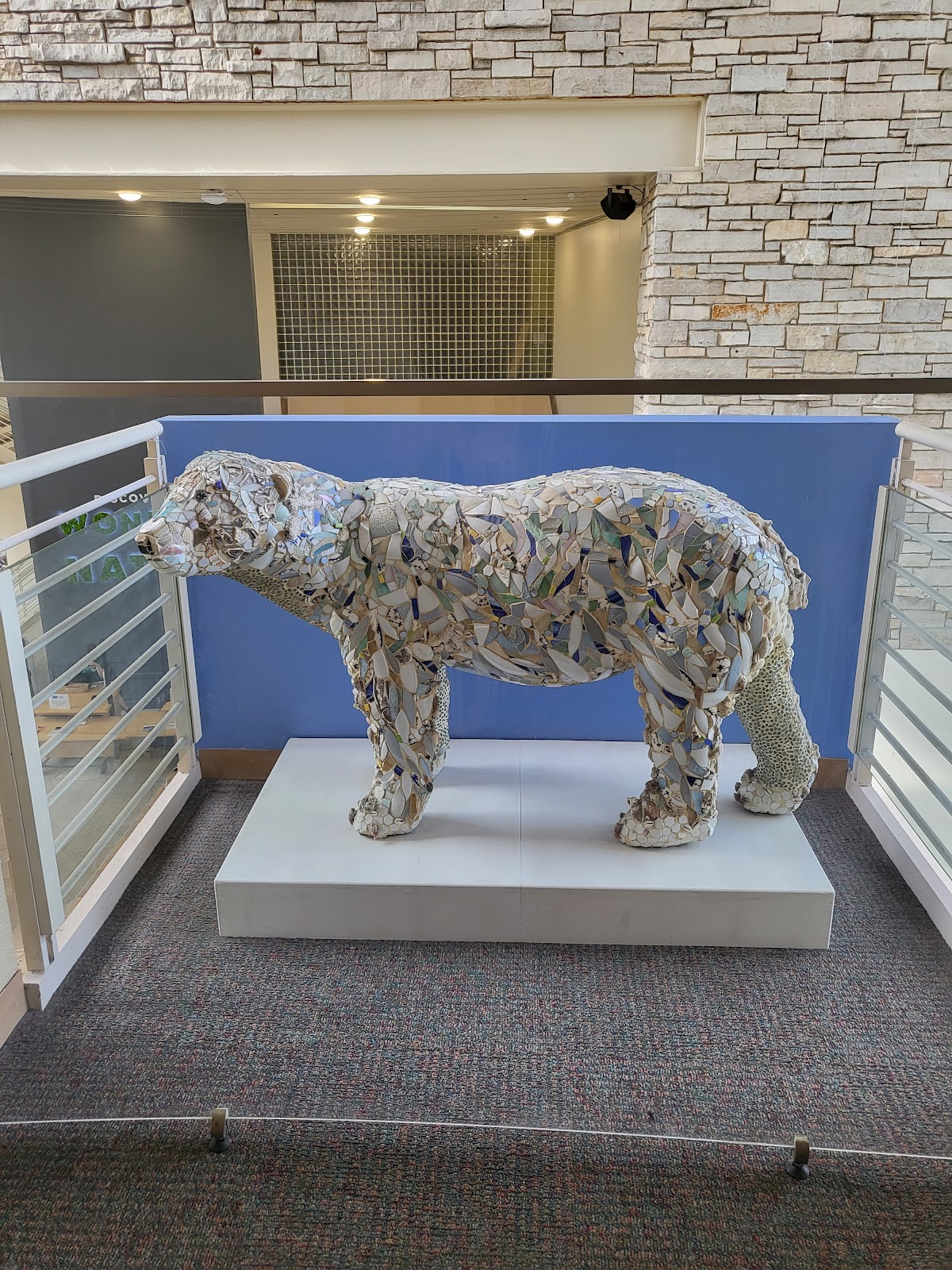
Read the guideA contemporary nature museum in Lincoln Park, with a glass-roofed butterfly haven and restored prairie planting outside.
Read the guideA 1929 Art Deco tower at the Wicker Park six-corners junction, with upper-floor rooms and a rooftop.
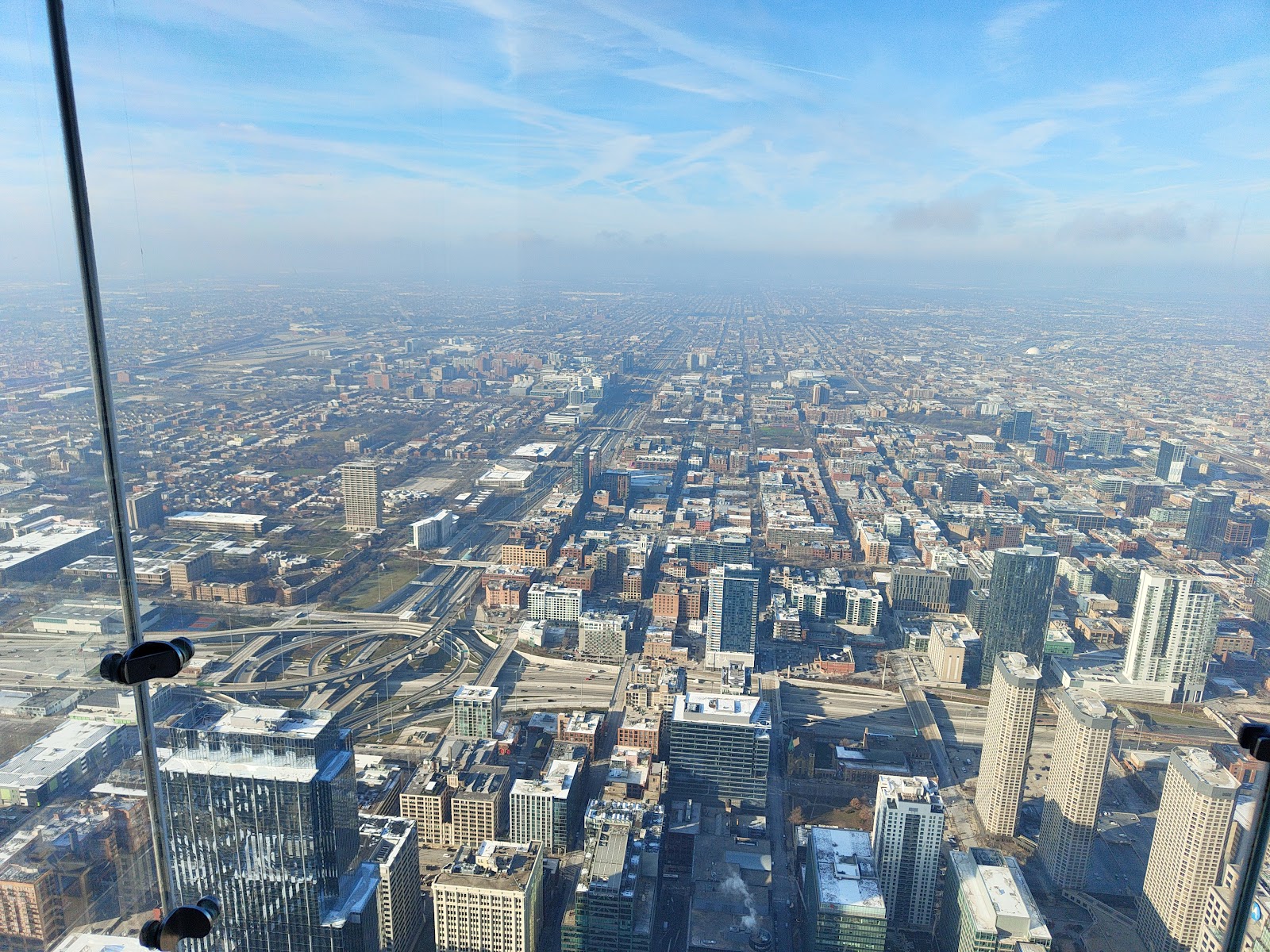
Read the guideAn enclosed observation deck on the 103rd floor of the Willis Tower, with glass on all sides and projecting glass ledges.
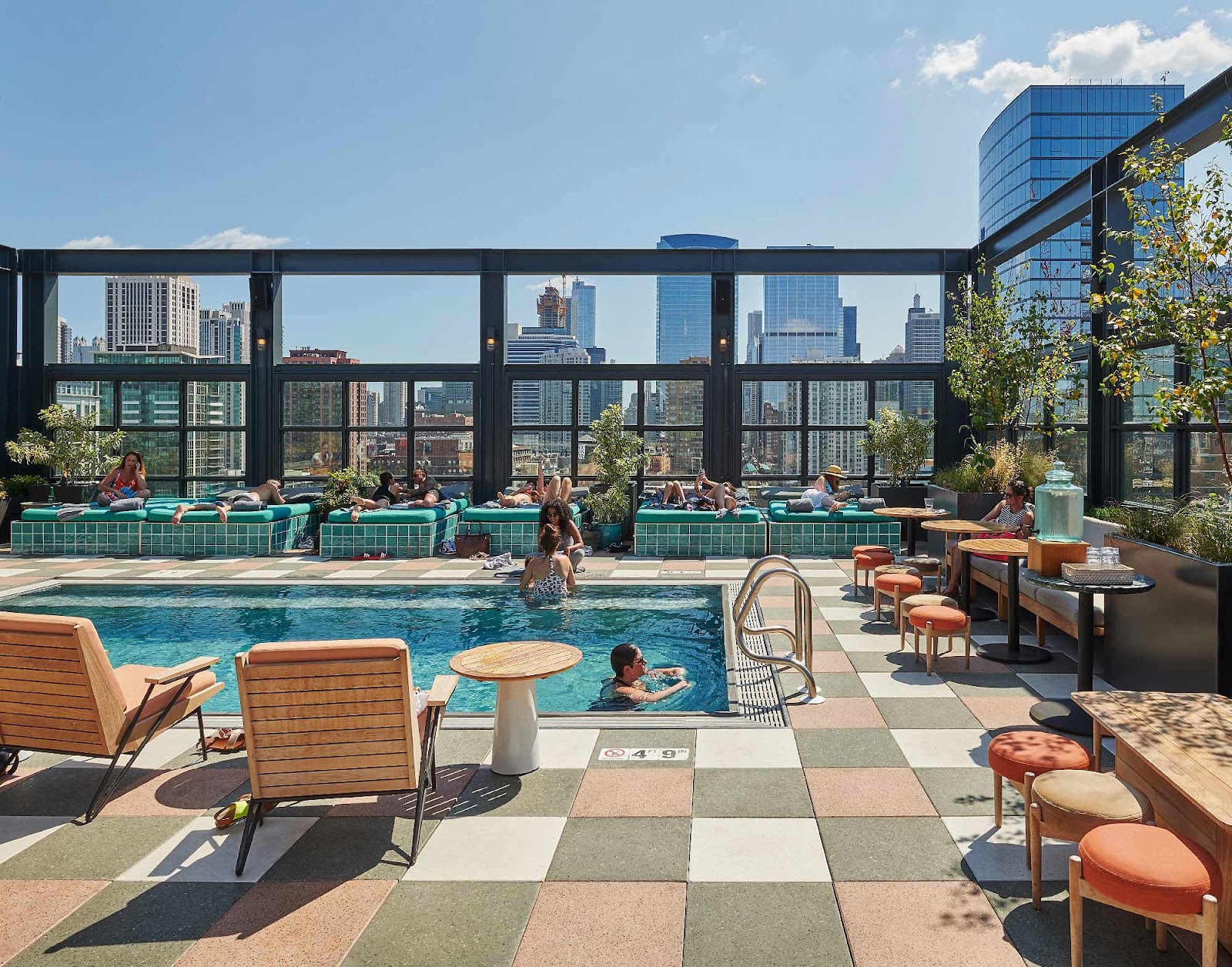
Read the guideA contemporary hotel in River North with a rooftop venue that can be enclosed or opened to the sky.
Read the guide