 The Hoxton Chicago: Photographing a Wedding in Fulton Market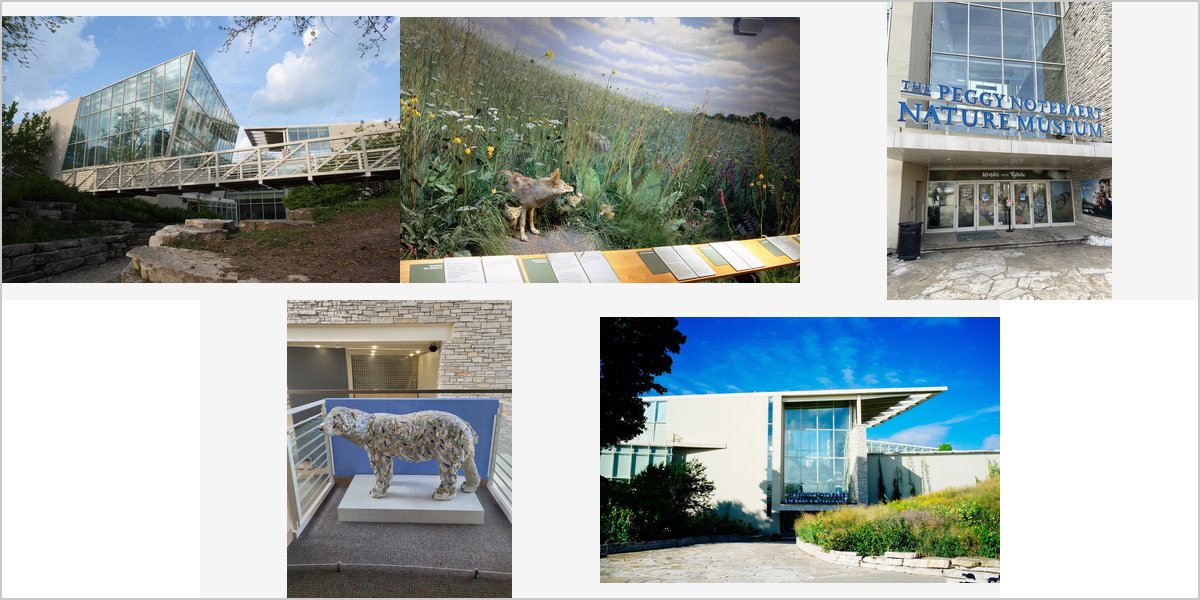
September 4, 2026
The Peggy Notebaert Nature Museum: Glass, Butterflies and Prairie
A glazed butterfly house, a prairie garden and a pond. Three conditions, and the humidity in the first one will cost you a lens.
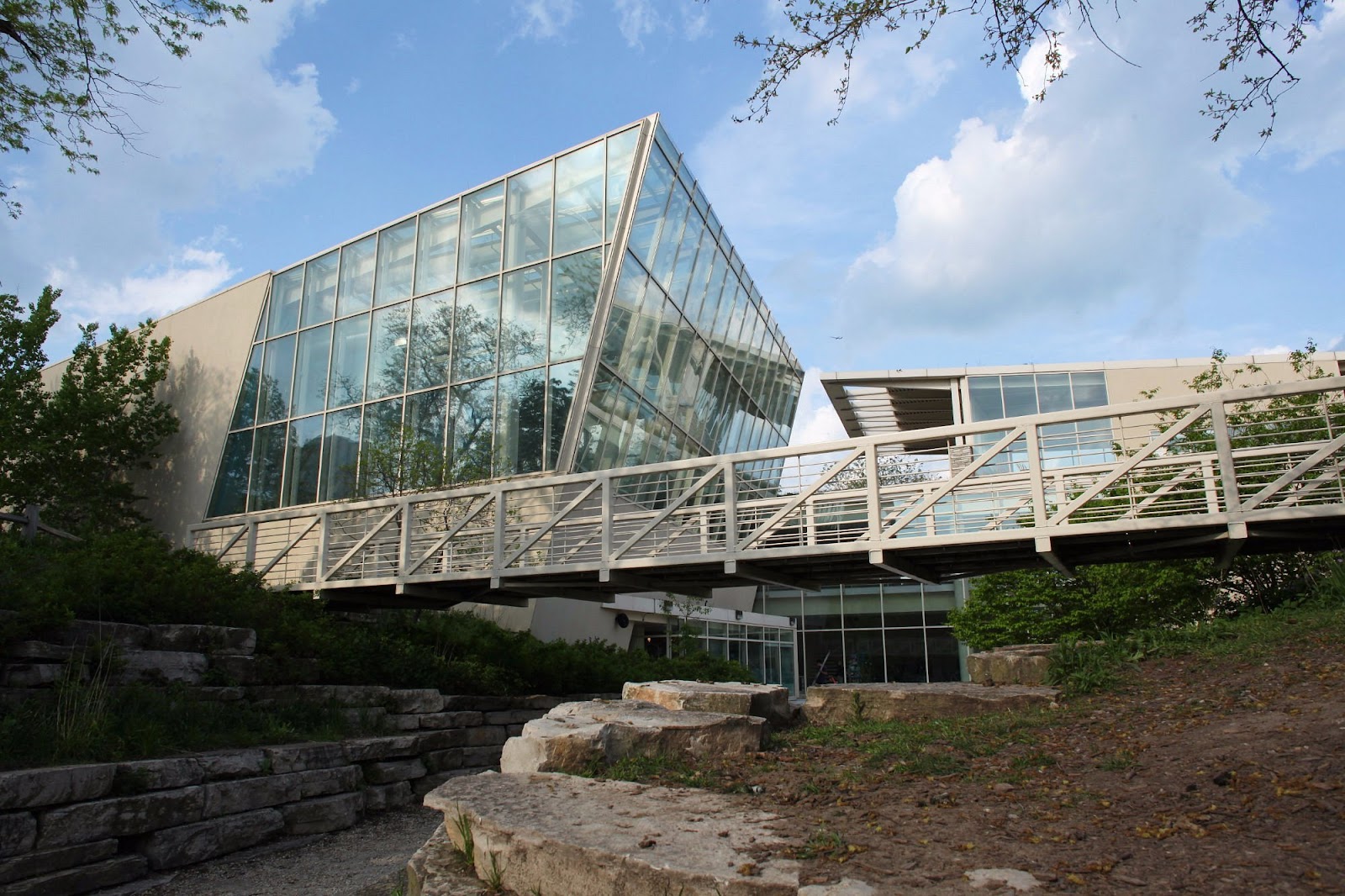
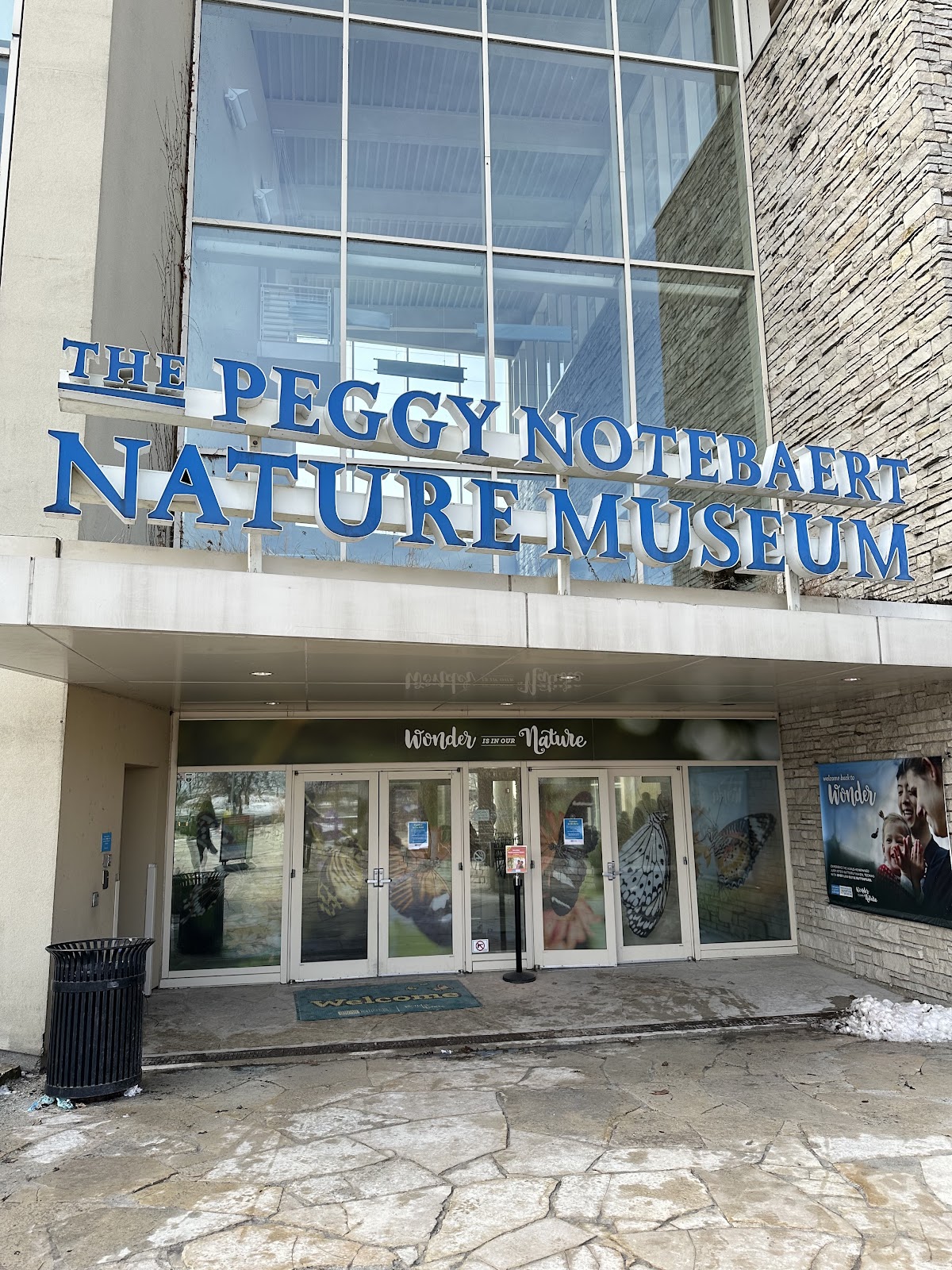
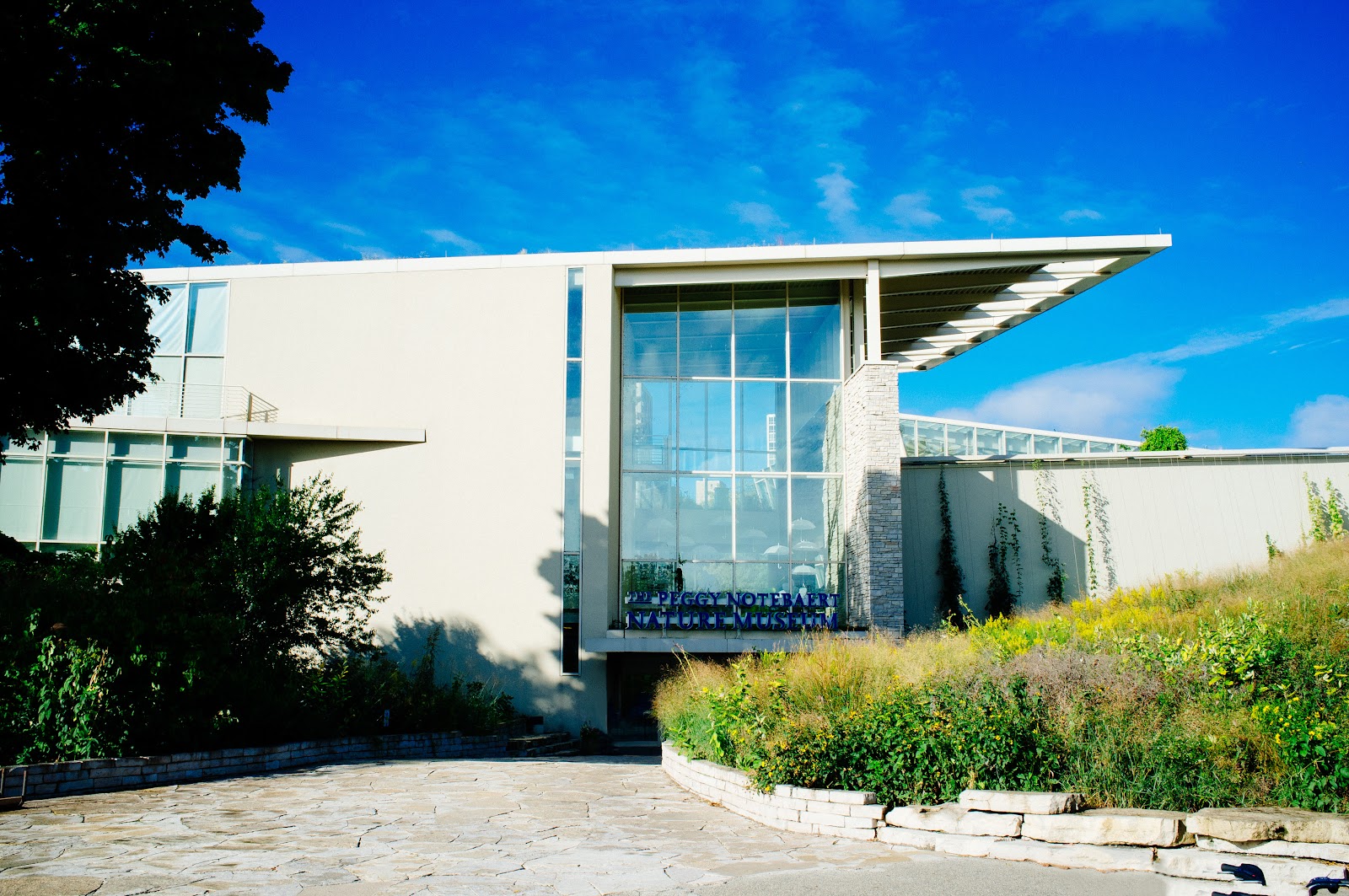
The Peggy Notebaert Nature Museum sits in Lincoln Park on Chicago’s North Side, a contemporary building whose best-known space is a glazed butterfly haven, with restored prairie and native planting on the grounds and North Pond nearby.
For a photographer it holds three distinct conditions and they are unusually complementary: a warm glass-roofed interior full of moving insects and dense planting; open prairie planting outside that is at its best at the two ends of the day; and water within a short walk. Each is good at a different hour, and one of them — the butterfly haven — carries a practical hazard that will remove a camera from service for fifteen minutes if you walk in unprepared.
So this follows the light through a day here. We have not photographed a wedding at this museum; glazed humid interiors and prairie planting behave the same anywhere. Which spaces host events, whether the butterfly haven is available and what the conservation rules are inside it are questions for their events team — and the last one shapes what is possible more than the light does.
The Peggy Notebaert Nature Museum at a glance
| Where | Lincoln Park, Fullerton Parkway, Chicago, Illinois |
| Character | Contemporary nature museum with a glazed butterfly haven |
| The hazard | The haven is kept warm and very humid; lenses fog on entry |
| Outside | Restored prairie and native planting, best in low raking light |
| Ask first | Butterfly haven access and its conservation restrictions |
Morning: the prairie, and why native planting photographs differently
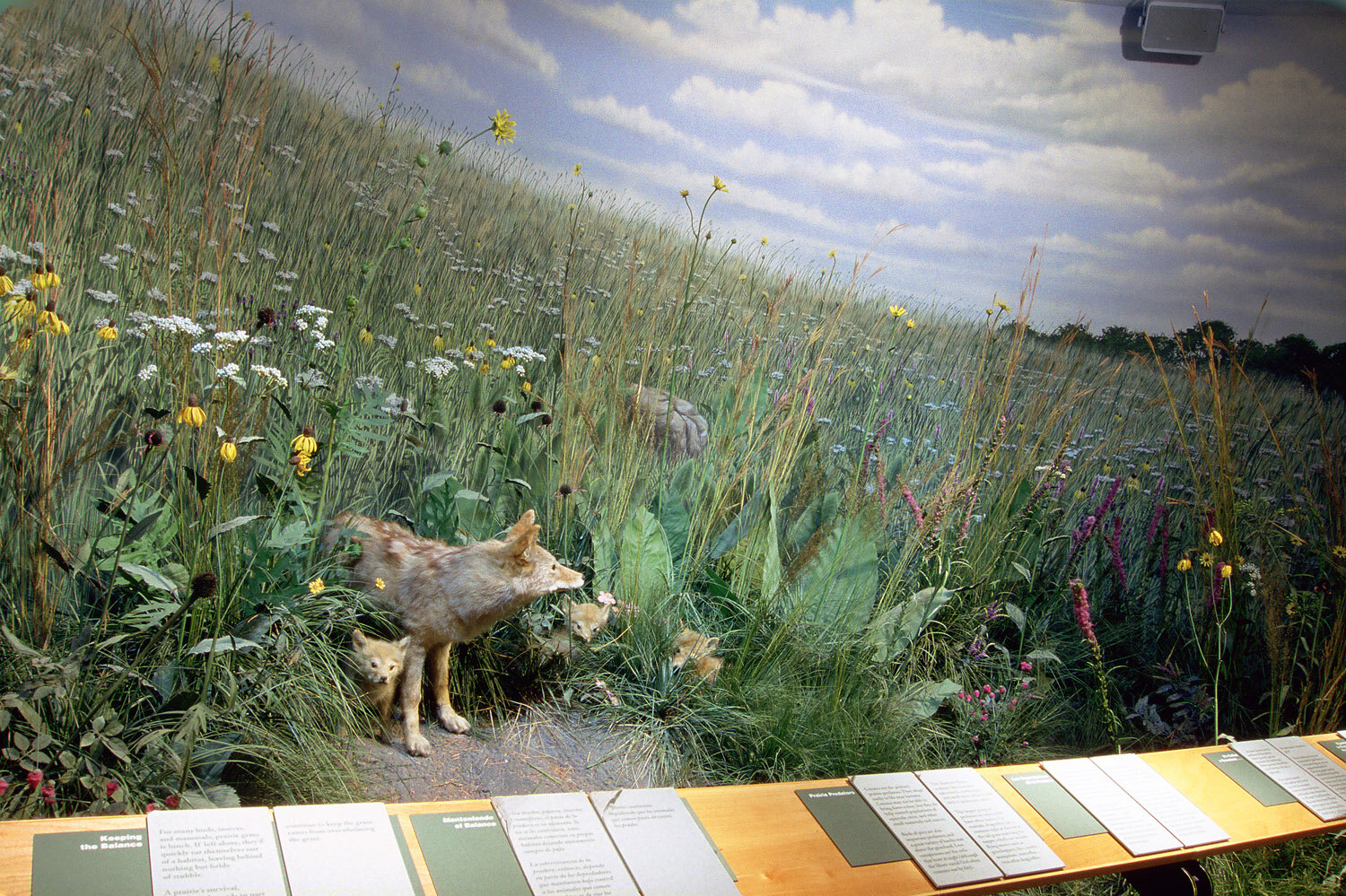
Prairie planting is not a garden, and the difference matters photographically. A formal garden gives you structure — beds, paths, hedges, symmetry — which composes easily. A prairie gives you height, texture and movement: tall grasses, seed heads, coneflowers and switchgrass at or above waist height, all of it moving in any breeze.
That changes the technique in two ways. First, backlight is everything. Grasses and seed heads are translucent, so low sun coming through them from behind turns the whole planting into a field of glowing edges, which is the single most beautiful thing available on this site. Front-lit prairie is dull green-brown; back-lit prairie is extraordinary. So the hour matters more than the position.
Second, foreground is free. Because the planting is tall, you can place stems half a metre from the lens and shoot through them at a couple standing two metres back, which gives depth and softness with no equipment at all. In a low garden that trick is unavailable; here it is the default.
Early morning is the calmer half of the day and prairie grass at any real shutter speed needs calm, so the first two hours are worth having if the timeline allows. Dew on seed heads in first light is the same bonus that dew on grass is, and it lasts about as long.
Midday: the butterfly haven, and the fogging problem first
Deal with the hazard before the photography. A butterfly haven is kept warm and at high humidity by design. Bring a camera in from cooler air and moisture condenses on every glass surface including the interior elements, and the lens is unusable for ten to twenty minutes while it equalises. In a Chicago winter, longer.
The fix is preparation rather than cure: bring the body and lens you intend to use inside and let it sit in the space for fifteen minutes before you need it, or dedicate one body to the haven and leave it there. Wiping the front element does nothing when the condensation is internal. This single piece of planning is the difference between the haven producing frames and producing nothing.
Once acclimatised, it is a lovely space to work in. A glass roof over dense planting gives soft diffused light with warm colour, and midday — the worst hour outside — is the brightest and best hour in there. The same glasshouse caveats apply as in any conservatory: foliage casts green onto skin so position people where light reaches them without passing through leaves, set a custom white balance in the space, and expect glazing bars to stripe the light when the sun is high.
The butterflies themselves are a bonus rather than a subject you can direct. They move constantly and unpredictably and they will not land on cue. The realistic approach is to shoot the couple properly and treat any butterfly in frame as a gift; building a planned photograph around insect behaviour is how twenty minutes get spent for nothing. And conservation rules usually restrict flash and how close anyone may stand to planting, which is worth confirming — it is a living collection, and the restrictions are reasonable.
What works in your favour
- A glazed butterfly haven that is at its best at the worst outdoor hour
- Back-lit prairie grasses that glow at either end of the day
- Tall native planting gives a free, soft foreground in every frame
- Lincoln Park and North Pond within a short walk
- A genuine weather plan that is more interesting than a fallback
What to plan around
- Lenses fog for up to twenty minutes on entering the humid haven
- Foliage casts green onto skin, as in any glasshouse
- Butterflies cannot be directed and will not land on request
- Conservation rules commonly limit flash and proximity to planting
- Prairie grass needs calm air; any breeze softens it at slow speeds
Evening: the pond, the low sun and the order to do things in
The last ninety minutes are when the outside of this site is at its best, for the reason given above: low sun runs through the prairie horizontally rather than down onto it, and translucent grasses light up from behind. That is the block to protect in the timeline if anything has to give.
North Pond nearby adds water, and water at that hour does what it always does — mirrors the sky, doubles the trees, bounces a soft fill upward into faces, and gives you a clean horizontal to compose against. It also gives a sight line towards the skyline, which is the frame that places the whole gallery in Chicago rather than in a generic park.
The sensible order for the day, then, runs against instinct. Prairie and pond early if a first-look block is possible; butterfly haven and interiors through the middle of the day when outside is harsh; and the main portrait block in the last ninety minutes back outside in the prairie. Most photographers would do portraits mid-afternoon and interiors in the evening, and at this venue that sequence gets the worst version of both.
Two closing notes. This is a public park setting, so visitors, runners and cyclists are present whenever it is open, and the usual answers apply — long lenses, tight framing, short decisive blocks. And seasonally, prairie is one of the few plantings that photographs well in late autumn and winter: bleached seed heads and bare stems against snow have a graphic quality that summer green does not, so a cold-weather wedding here is not a compromise.
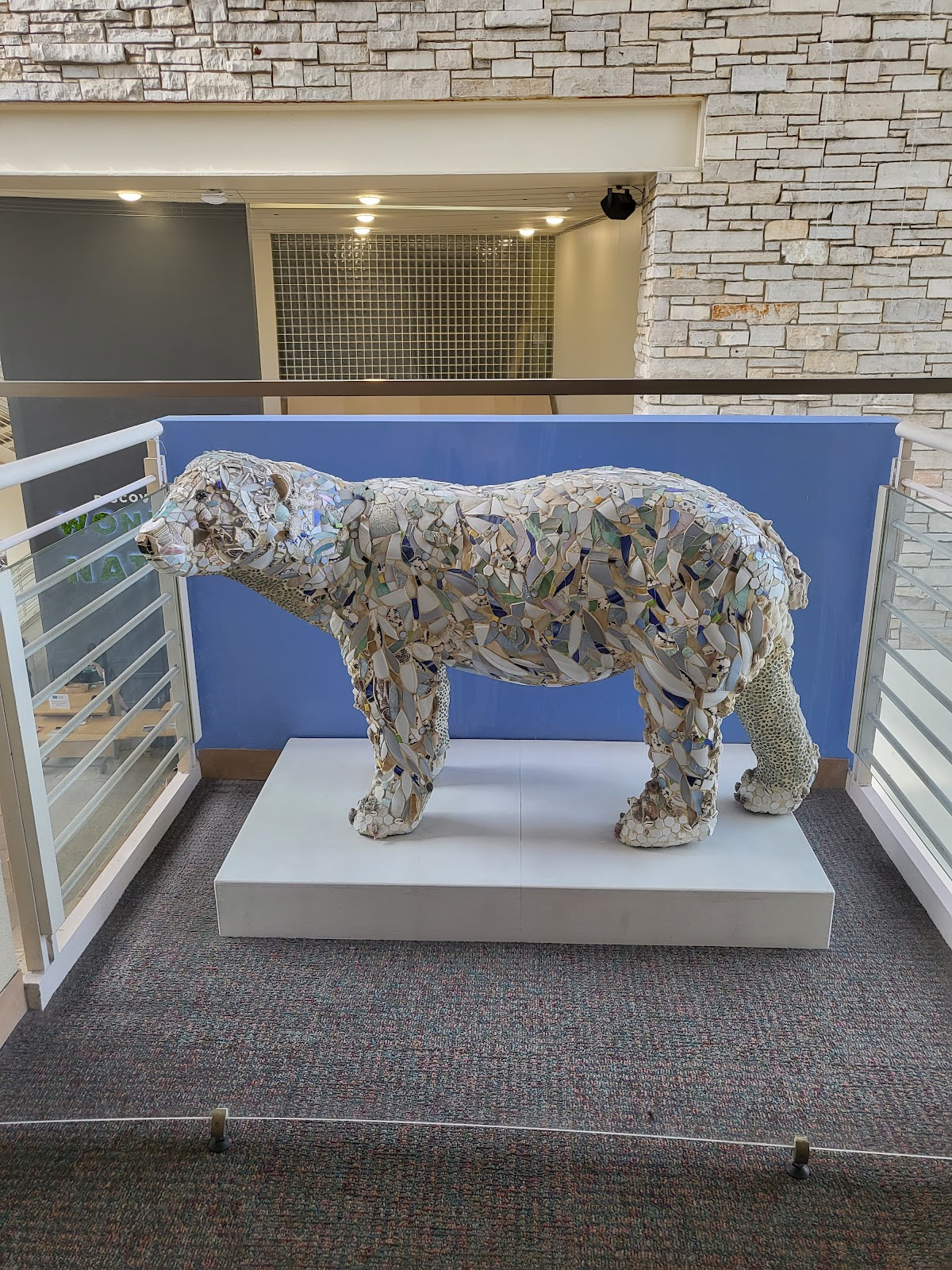
More frames from The Peggy Notebaert Nature Museum
The Peggy Notebaert Nature Museum wedding photography: common questions
Why does my lens fog inside the butterfly house?
Because it is kept warm and very humid, so moisture condenses on every glass surface including the internal elements when you bring a camera in from cooler air. Wiping the front does nothing. Let the body and lens sit in the space for fifteen minutes, or dedicate one body to it.
When is the prairie at its best?
The first and last ninety minutes. Grasses and seed heads are translucent, so low sun coming through them from behind turns the planting into a field of glowing edges. Front-lit prairie is dull; back-lit prairie is the best thing on the site.
Can you plan photographs around the butterflies?
No. They move unpredictably and will not land on cue. Shoot the couple properly and treat any butterfly in frame as a gift. Building a planned image around insect behaviour is how twenty minutes get spent for nothing.
What order should the day run in?
Against instinct. Prairie and pond early if possible, the haven and interiors through the harsh middle hours, and the main portrait block in the last ninety minutes outside. Doing portraits mid-afternoon and interiors after dark gets the worst version of both.
How do you use tall planting compositionally?
As a foreground. Because prairie is waist height or above, you can put stems half a metre from the lens and shoot through them at a couple two metres back — depth and softness with no equipment. In a low garden that option does not exist.
Is winter a bad time here?
No, just different. Bleached seed heads and bare stems against snow have a graphic quality summer green cannot match, and the glazed haven is warm and green when nothing outside is. Expect the fogging problem to be worse, and plan for it.
More Chicago, IL venue guides
We are writing a photographer’s guide to every venue we would happily shoot in Chicago, IL. Here are three more, plus the full index:
- The Ritz-Carlton Chicago: Field Notes on a Sealed Ballroom
- The Shedd Aquarium: Four Ways Out of the Bright-Aquarium Problem
- The Blackstone: Working a Building With Two Vocabularies
All Chicago, IL Wedding Venues →
Planning a wedding at The Peggy Notebaert Nature Museum?
One space here will cost you a lens for twenty minutes if you arrive unprepared. Tell us your date and we will plan the order and the acclimatising.