 The Hoxton Chicago: Photographing a Wedding in Fulton Market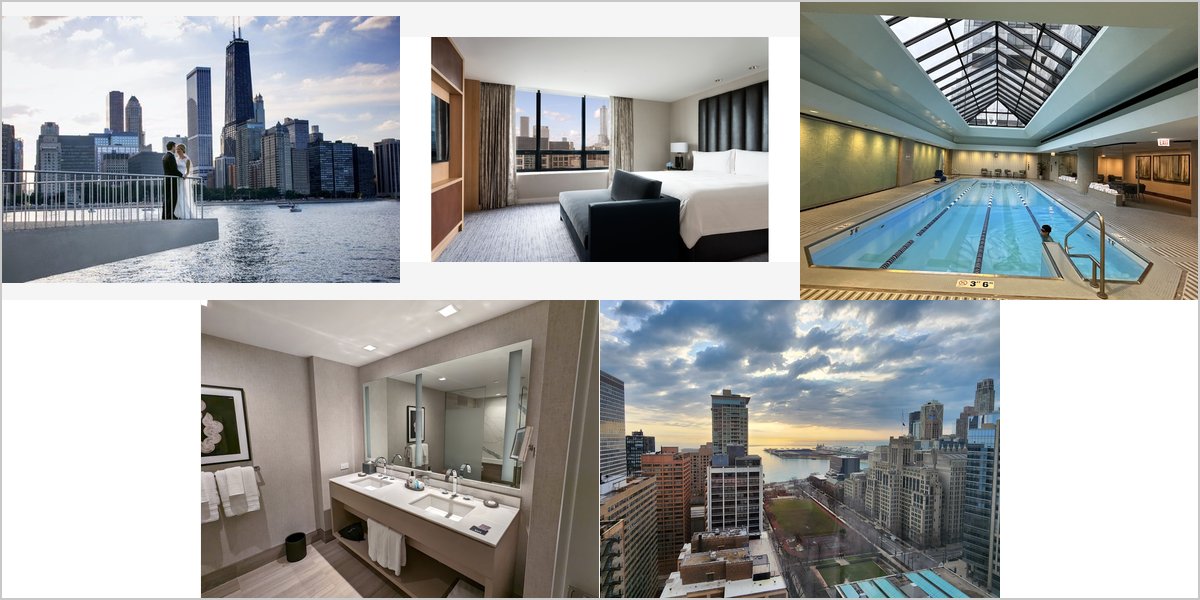
September 10, 2026
The Ritz-Carlton Chicago: Field Notes on a Sealed Ballroom
A ballroom with no windows has no timing problem at all. That is its great advantage, and photographers rarely use it.
The Ritz-Carlton Chicago occupies upper floors of a building off the Magnificent Mile near Water Tower Place, with interior function rooms and guest floors high above street level.
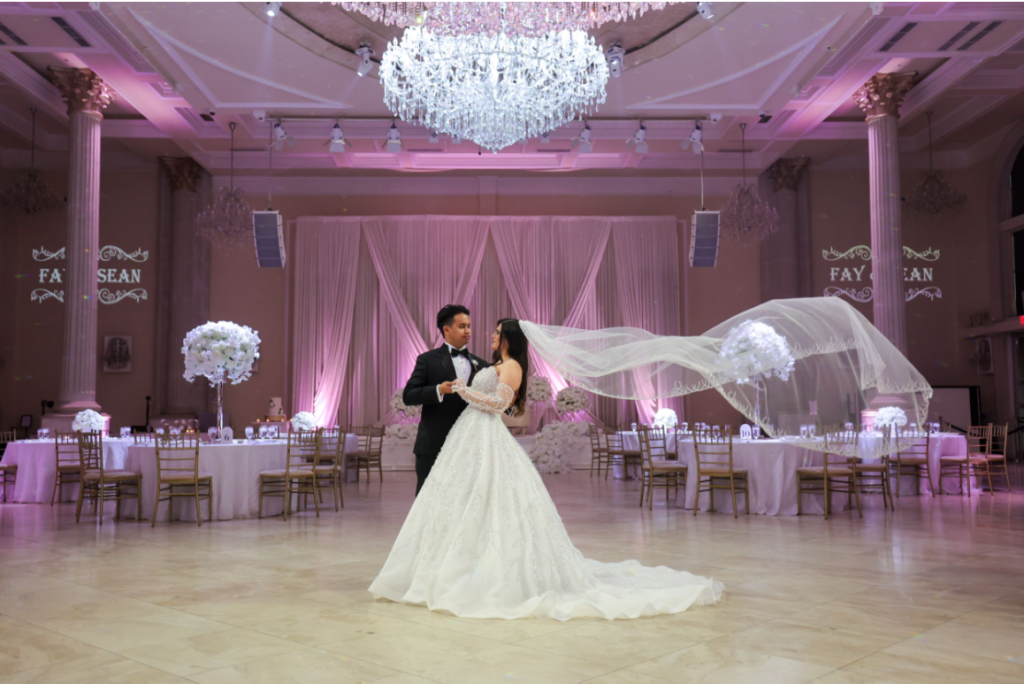
Its ballrooms are, for practical purposes, sealed rooms: no daylight, no view, a fixed artificial lighting condition that is identical at two in the afternoon and one in the morning. That is usually written up as a limitation. It is more usefully understood as a different assignment, and in a specific way an easier one — because everything that makes a window venue difficult is absent, and everything that makes a controlled space productive is present.
These are field notes on working a sealed room deliberately, and on what the building’s height gives you elsewhere. We have not photographed a wedding at this hotel; windowless function rooms and high-level guest floors behave the same anywhere. Which rooms are allocated, and whether guest floors can be used for portraits, are questions for their events team.
The Ritz-Carlton Chicago at a glance
| Where | Off the Magnificent Mile near Water Tower Place, Chicago, Illinois |
| Character | Upper-floor hotel with interior ballrooms and high guest floors |
| The condition | No daylight, no view, one fixed lighting state all day and night |
| The advantage | No timing pressure at all — the room is identical whenever you shoot |
| Where the light is | The guest floors, whose windows sit high above the street |
What a sealed room removes, which is most of the difficulty
A ballroom with large windows is a moving target. Its light changes continuously, its best moment lasts twenty minutes and is dictated by sunset, and after dark the glass becomes a mirror that reflects your lights back at you. Every decision has a clock attached, and a delayed running order can cost the single best frame of the day.
A sealed room removes all of that. There is no convergence point to hit, no window to balance, no mirror to manage, no weather dependency, and no penalty whatsoever for the reception running forty minutes late. You can light the room once, confirm it on the back of the camera, and know that the same setup holds for the next six hours. That is a genuine professional advantage and it is worth saying plainly rather than treating windowlessness as a deficiency.
It also means the empty-room photograph — the set, lit, symmetrical, pristine room before guests enter — can be made at leisure rather than squeezed. That frame is in almost every gallery a couple keeps, and it only exists before the doors open.
The cost is that nothing in the photographs says what time it is or where in the world you are. Sealed ballrooms across the world look similar, which is precisely why the rest of the building has to do the locating work — and why the guest floors matter more here than they would at a venue with a view from the ballroom.
How to light a room that gives you nothing
House lighting in a hotel ballroom is almost always the same problem: warm, dim, and coming from directly overhead via chandeliers or downlights. Overhead light shadows eye sockets, marks the lines under nose and chin, and produces a top-lit look that flatters nobody. The room looks lovely; the people in it do not.
The fix is unglamorous and reliable. Add one source at face height, gelled warm to match the room, at roughly forty-five degrees to the subject: that restores modelling, puts catchlights in eyes, and leaves the chandeliers as glowing detail in the upper frame rather than as the light source. Add a second behind the couple as a rim and the dance floor is solved for the night, because — and this is the point of a sealed room — the setup does not need revisiting.
Uplighting deserves a specific note because it is ubiquitous and usually coloured. Saturated uplighters wash walls in a narrow-band colour that no white balance can resolve, and if they are the only light on a face the skin goes with them. Treat them as background entirely: let your own key own the faces so skin is neutral, and the coloured walls become atmosphere. If the couple have chosen a strong colour, that combination is what they were picturing.
One more sealed-room advantage: because the ambient is low and fixed, a slow shutter with a flash gives very controllable drag. The flash freezes the couple, the ambient trails the moving lights and the room, and you get motion and sharpness in one frame. It is a reliable technique anywhere but it is most predictable here, because the ambient never changes.
- Light the room once; a sealed space holds the same setup for hours
- One warm source at face height, forty-five degrees, kills the top-light look
- Let your key own faces so coloured uplighting stays as background
- Take the empty-room frame at leisure before the doors open
- Use shutter drag freely; the ambient is fixed, so results are repeatable
Where the daylight is: the guest floors and the street below
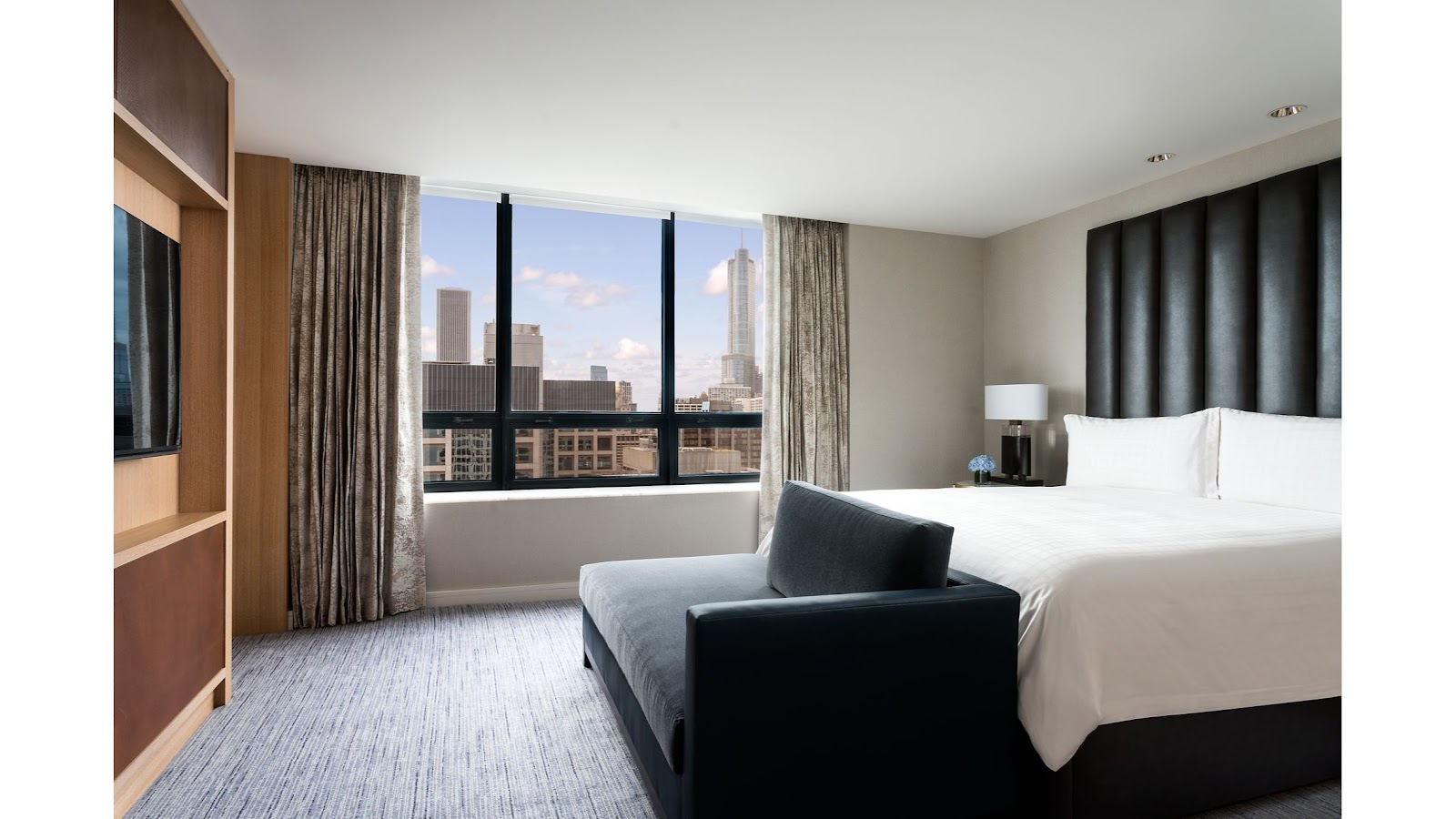
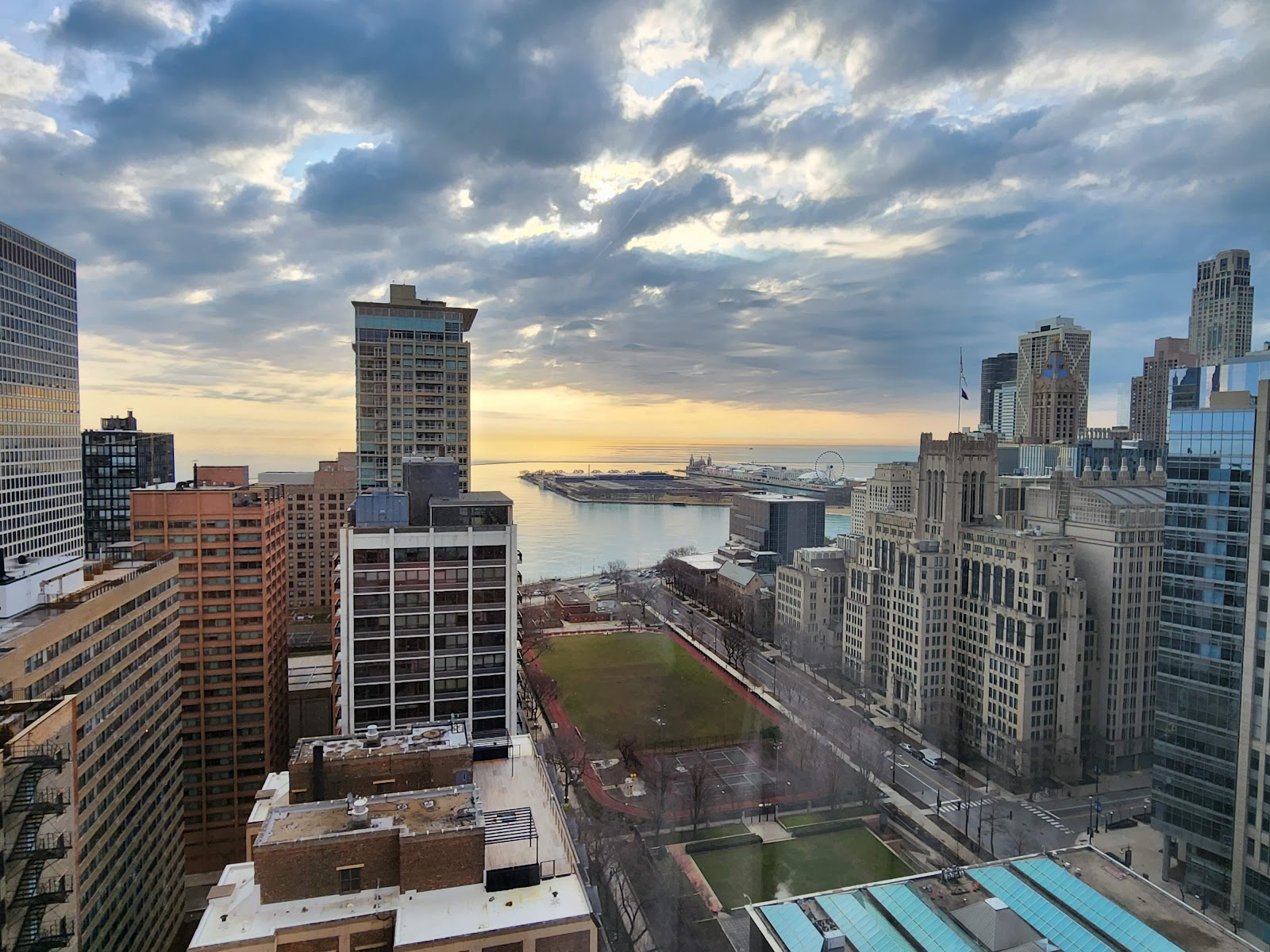
Since the ballrooms supply no daylight and no location, the guest floors have to. High-level rooms in a building like this have two things worth using: large windows well above street level, and a view that includes the Michigan Avenue district rather than the pavement.
The light is the more important of the two. A large window high above a street receives light with no obstruction and no bounce from buildings opposite, which makes it cleaner and more directional than a low-floor window. Place a couple a metre back and turned into it and you have a large soft key with a natural fall-off — the best portrait light in the building, and free. Preparation coverage should happen in the room with the biggest window on the shaded side, and it is worth requesting that specifically.
The view matters for locating the gallery. A frame with the couple at a high window and the city below places the whole set in Chicago in a way that no ballroom frame can. It also carries the standard window problem: in daylight the view is far brighter than the room, so either light the interior up towards it or expose for the couple and let the view go bright and soft, which can be the better choice. After dark, balance one warm source against the city lights, as with any night city frame.
Down at street level the Magnificent Mile, the historic Water Tower and Oak Street are within a short walk, which gives you architecture and daylight without a transfer. It is among the busiest pedestrian districts in the country, so the usual discipline applies: long lenses, tight frames, and the early or late hours rather than the middle of a Saturday afternoon.
The honest summary of a venue like this: the ballroom is where the wedding happens and it is technically easy once lit; the guest floors are where the photographs that could only have been taken here get made. A timeline that allocates twenty minutes to a high window is worth more than one that allocates an hour to the ballroom.
What works in your favour
- A fixed lighting condition that holds for hours — light it once
- No timing pressure, no weather dependency, no window to balance
- Shutter drag and other ambient techniques behave predictably
- High guest-floor windows give clean, directional, unobstructed light
- The Magnificent Mile and Water Tower within a short walk
What to plan around
- Nothing in a sealed ballroom says where or when the wedding was
- House lighting is warm, dim and directly overhead — unflattering alone
- Coloured uplighting will contaminate skin if it is the only light on faces
- All the locating frames depend on access to guest floors or the street
- A very busy pedestrian district outside at almost all hours
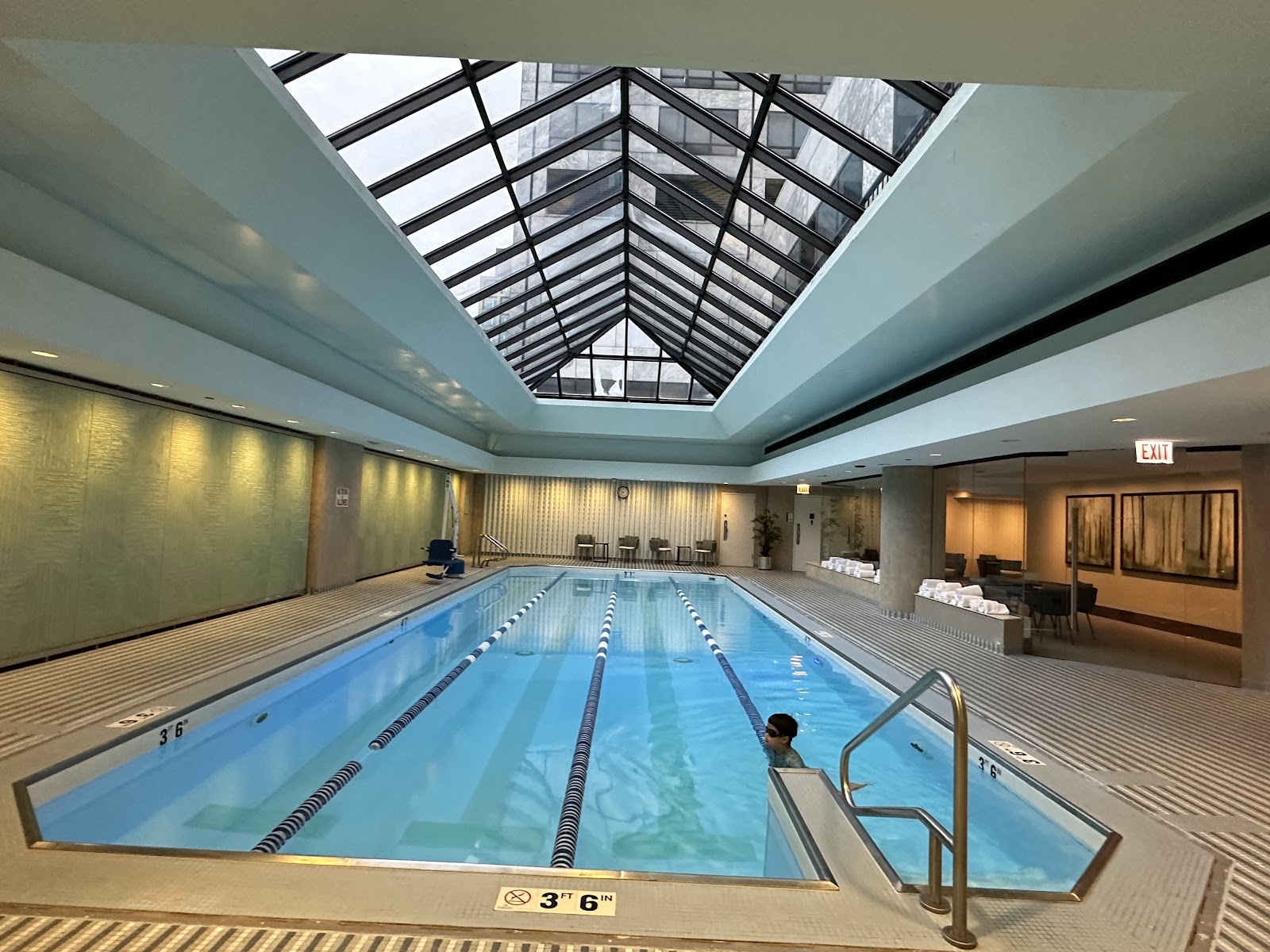
More frames from The Ritz-Carlton Chicago
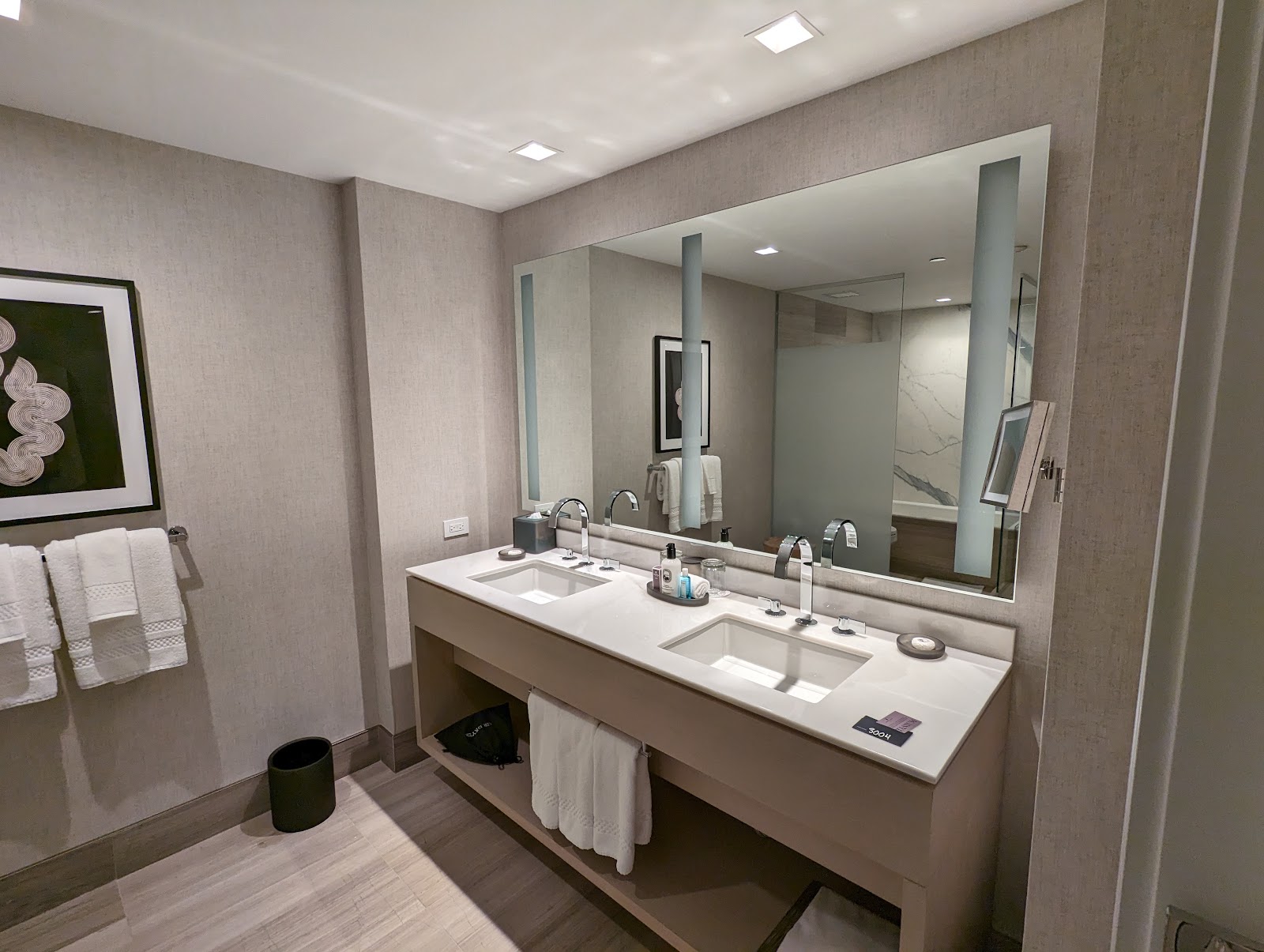
The Ritz-Carlton Chicago wedding photography: common questions
Is a windowless ballroom a disadvantage?
Less than it sounds. It removes the timing pressure, the window balance, the mirror problem after dark and the weather dependency. You light it once and the setup holds for hours, and a late running order costs you nothing. The real cost is that it says nothing about where or when.
How should the ballroom be lit?
One warm-gelled source at face height, about forty-five degrees to the subject, so the overhead house lighting stops being the key. That restores modelling and catchlights and leaves the chandeliers as detail overhead. A second light behind as a rim finishes the dance floor for the night.
What about coloured uplighting?
Treat it strictly as background. Saturated uplighters are narrow-band colour that no white balance resolves, so if they are the only light on a face the skin goes with them. Let your own key own faces and the coloured walls become atmosphere — usually exactly what the couple pictured.
Where does the daylight come from at this venue?
The guest floors. A large window high above a street gets light with no obstruction and no bounce from the buildings opposite, so it is cleaner and more directional than a low-floor window. Ask for the room with the biggest window on the shaded side.
What frames locate the gallery in Chicago?
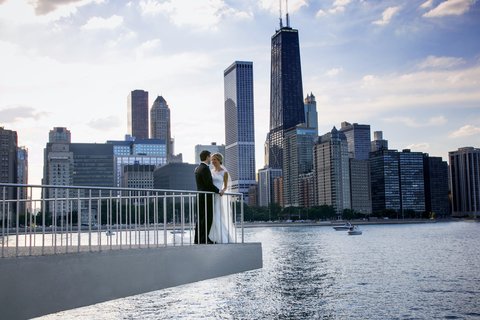
The high-window frames and the street-level ones. A ballroom could be anywhere; a couple at a high window with the city below could only be here. Twenty minutes at a high window is worth more to the set than an extra hour in the ballroom.
Is there a technique a sealed room is especially good for?
Shutter drag. Because the ambient is low and never changes, a slow shutter with flash gives very predictable results — the flash freezes the couple while the ambient trails the moving lights. It works anywhere, but it is most repeatable here.
More Chicago, IL venue guides
We are writing a photographer’s guide to every venue we would happily shoot in Chicago, IL. Here are three more, plus the full index:
- The Shedd Aquarium: Four Ways Out of the Bright-Aquarium Problem
- The Blackstone: Working a Building With Two Vocabularies
- The Drake Hotel: A Grand Ballroom and a Lake Michigan Window
All Chicago, IL Wedding Venues →
Planning a wedding at The Ritz-Carlton Chicago?
A sealed ballroom is the easy part; the locating frames take planning. Tell us your date and we will build twenty minutes at a high window into the timeline.