 The Hoxton Chicago: Photographing a Wedding in Fulton Market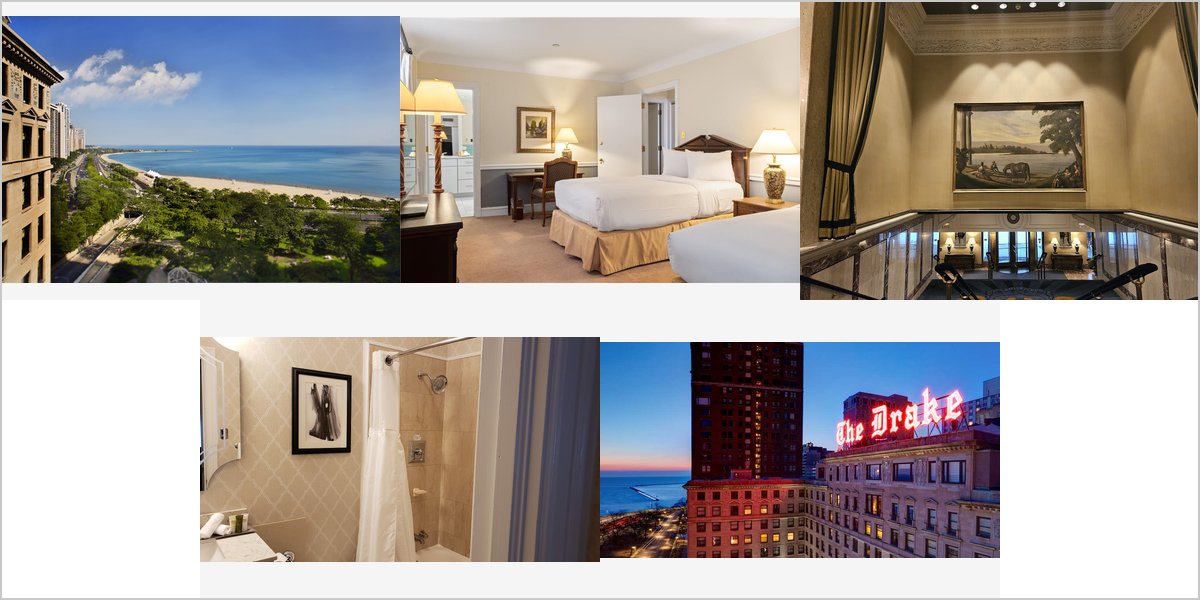
August 5, 2026
The Drake Hotel: A Grand Ballroom and a Lake Michigan Window
Most grand ballrooms are sealed boxes. This one has windows onto a lake, and that changes everything about the timing.
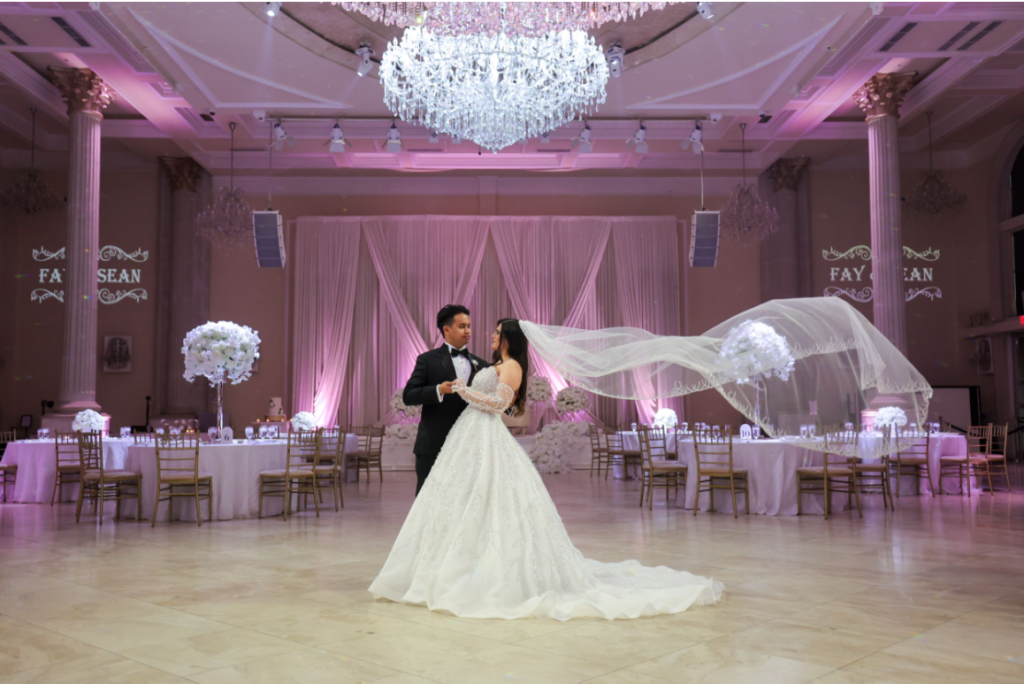
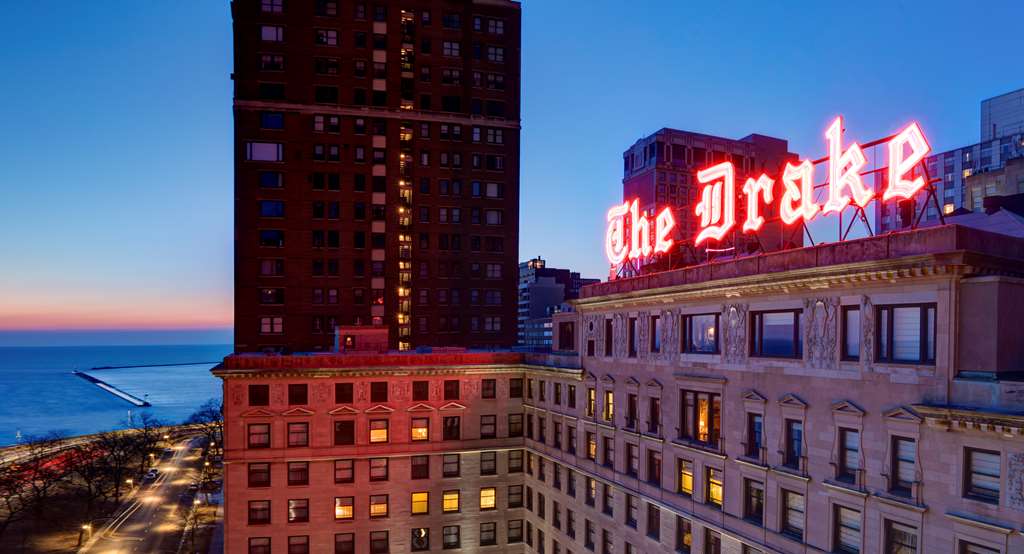
The Drake Hotel stands where Michigan Avenue turns into Lake Shore Drive at the north end of the Magnificent Mile, a 1920 grand hotel in the Italian Renaissance manner with a series of period function rooms, of which the lake-facing Gold Coast Room is the best known.
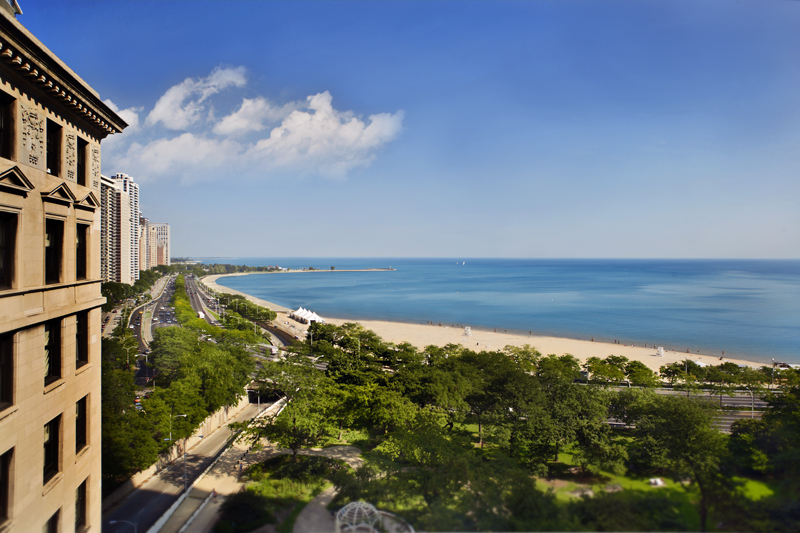
The thing that makes this venue photographically unusual is not the period detail, common enough in hotels of its generation, but the windows. A conventional grand ballroom is a sealed room: chandeliers, no daylight, one consistent artificial condition from noon to midnight, and the photographer’s job is to light it. A ballroom with large windows onto Lake Michigan is a room whose light changes completely across the evening — and that turns a lighting problem into a timing problem.
This piece follows the venue’s own logic, which is the logic of those windows. We have not photographed a wedding at the Drake; period hotel interiors and large lake-facing windows behave the same anywhere. Which rooms are allocated, what the lake outlook is from each, and what rigging is permitted are questions for their events team.
The Drake Hotel at a glance
| Where | Michigan Avenue at Lake Shore Drive, Chicago, Illinois |
| Character | 1920 Italian Renaissance grand hotel with period function rooms |
| The difference | Lake-facing windows, so the ballroom light changes hour by hour |
| Best moment | The window’s blue-hour balance, which lasts about twenty minutes |
| Ask first | Which room you have and which way its windows face |
Why a window changes a ballroom
In a windowless ballroom the light is a constant. You set up once, you know exactly what every frame will look like, and the only variable is where people stand. That predictability is genuinely valuable and it is why hotels build rooms that way. The cost is that nothing about the photographs says what time it is, and a reception at seven looks identical to one at eleven.
A window onto a lake removes the constant and replaces it with a schedule. Through the afternoon the window is far brighter than the room, so it reads as a white rectangle unless you light the interior up towards it. At some point in the evening the two converge — the sky outside drops to roughly the level of the chandeliers inside — and for about twenty minutes you can hold the room and the view in one exposure. After that the window goes black and becomes a mirror, reflecting the room back at you.
Those twenty minutes are the single most valuable slot in the day at a venue like this, and they are dictated by sunset rather than by the running order. A frame with a lit period ballroom, a couple, and Lake Michigan holding colour behind them is the photograph that only this kind of room can give — and it is unavailable ten minutes late.
So the practical instruction is the same one that governs every window venue: find sunset for the date, subtract fifteen minutes, and get the couple to a window at that clock time regardless of what the reception is doing. It is a two-minute interruption and it is the difference between a good hotel gallery and one that could not have been taken anywhere else.
The afternoon: preparation rooms and the Michigan Avenue problem
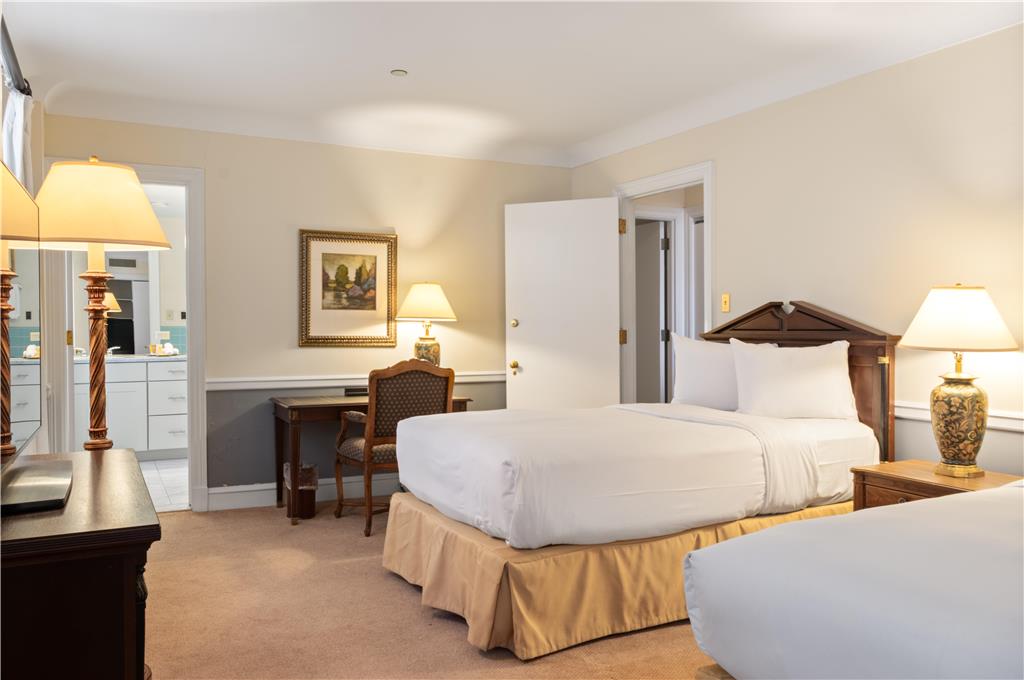
Hotel preparation coverage is decided by the room allocation, and the two things that matter are window size and orientation. A large window on the shaded side is a soft directional source and an easy morning; a small window in direct sun is a hot rectangle with everything else in gloom. It is worth asking for the former explicitly at booking, because it is a free improvement that nobody thinks to request.
Period hotel rooms bring a specific complication: heavy patterned furnishing. Carpets, drapes, upholstered furniture and wallpaper in a 1920s register all carry strong colour, and they all bounce that colour onto skin. A room with a deep red carpet will warm every face in it, consistently, in a way that is easy to miss in the moment and obvious across a gallery. Set white balance in the room rather than trusting auto, and watch what the carpet is doing.
Switch the overheads off and move the lamps. Mixed tungsten and daylight in a hotel room is the commonest cause of inconsistent skin tone through a preparation set, and it takes half a minute to eliminate.
Outside, the location is both an asset and a crowd-control exercise. The top of the Magnificent Mile, Oak Street Beach and the lakefront path are all within a short walk, which gives you water, sand, open sky and a skyline view without a transfer. They are also among the busiest public spaces in the city. The answer is the usual one: long lens, tight framing, and an early or late slot rather than four in the afternoon.
What works in your favour
- A grand ballroom with real windows onto Lake Michigan
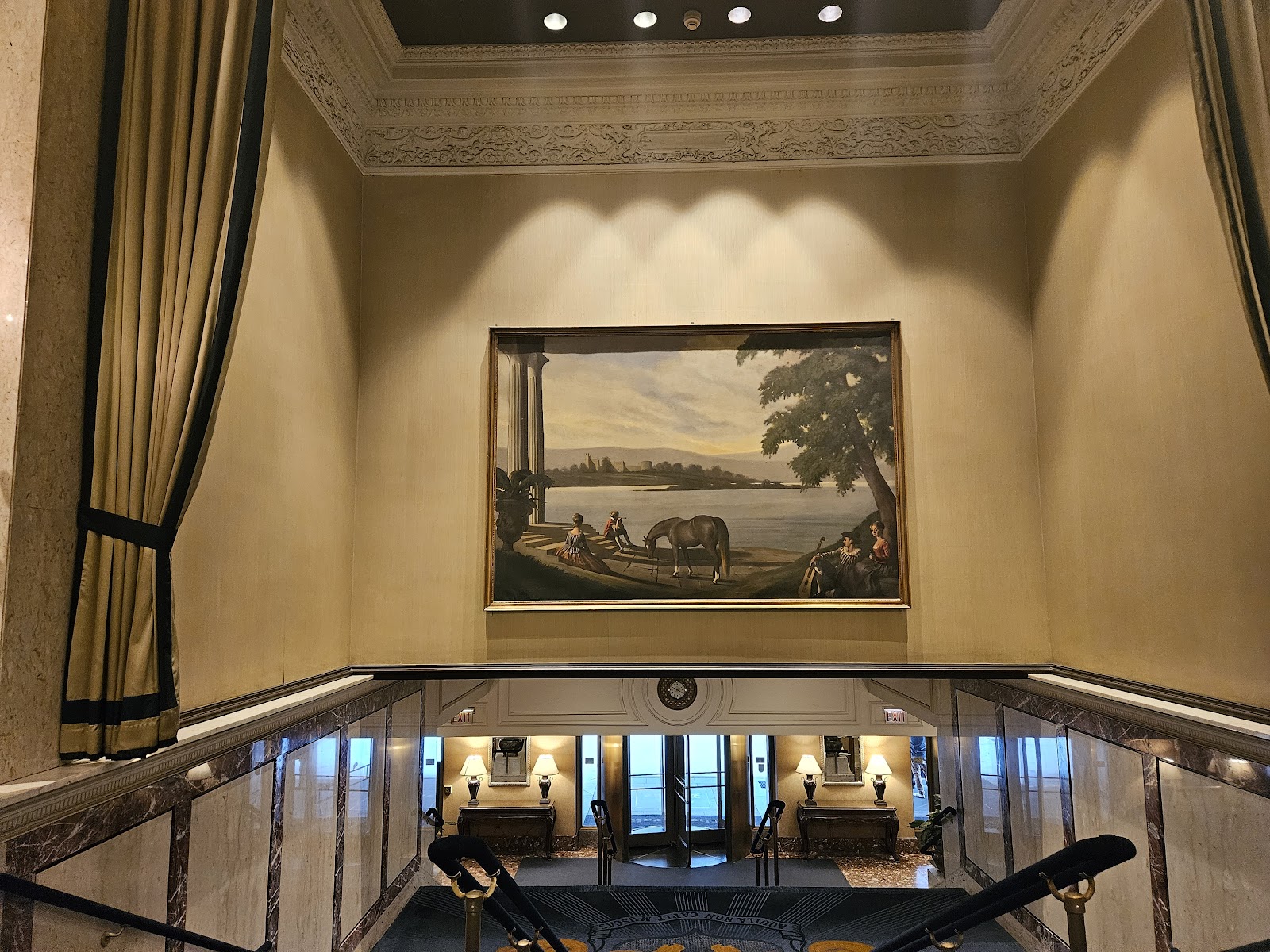
- Period architecture — plaster, chandeliers, stair detail — with genuine age
- Oak Street Beach and the lakefront path a short walk away
- Weatherproof from end to end, with real interiors and reliable power
- A twenty-minute window balance that no sealed ballroom can offer
What to plan around
- The window’s best moment is dictated by sunset, not the running order
- After dark the window becomes a mirror reflecting the room and your lights
- Heavy period furnishing bounces strong colour onto skin
- Chandelier light is warm, dim and directly overhead — unflattering alone
- Michigan Avenue and the beach are crowded in every season
The evening: chandeliers, mirrors and what to bring
Once the window has gone dark, a period ballroom becomes a straightforward but demanding lighting problem. Chandelier light is warm, dim and comes from directly overhead, which is the least flattering direction there is — it puts eyes in shadow and draws every line on a face downward. It looks wonderful in the room and poor on a person, which is the standard disconnect of grand interiors.
The fix is to add a source at face height and let the chandeliers be background. One off-camera light, warm to match the room, at roughly forty-five degrees, converts the entire evening — faces get direction and catchlights, the chandeliers stay as glowing detail in the upper frame, and the room still reads as itself. Two lights, one as a rim from behind, and the dance floor is solved for the night.
The dark window is now a mirror, and it will show your lights, your assistant and the back of the room. That is worth one deliberate check: reposition so the reflected cone misses the lens, or move a light behind the plane of the subject. Used knowingly, a period ballroom doubled in a black window is a strong frame; used carelessly it is a bright rectangle floating where the lake used to be.
One scheduling note that applies to every grand hotel. The room looks its absolute best in the twenty minutes before guests enter it — set, lit, empty, symmetrical. That is a photograph worth making and it exists only then. Ask the coordinator for access before the doors open; it costs nothing and it is invariably in the final gallery.
More frames from The Drake Hotel
The Drake Hotel wedding photography: common questions
What makes this different from a normal hotel ballroom?
Windows. A sealed ballroom is one constant lighting condition all night, which is predictable but says nothing about what time it is. Lake-facing windows mean the room’s light changes hour by hour, which turns a lighting problem into a timing problem — and gives you one frame no sealed room can.
When is the best moment in the room?
About fifteen minutes before sunset through to twenty minutes after, when the sky outside drops to roughly the brightness of the chandeliers inside. That is the only window when you can hold the lit ballroom and the lake in one exposure. It is unavailable ten minutes late.
Why do chandelier photographs look unflattering?
Because chandelier light is warm, dim and directly overhead, which puts eyes in shadow and pulls every facial line downward. It looks beautiful in the room and poor on a person. Add one light at face height at about forty-five degrees and let the chandeliers become background.
What should we ask for in the getting-ready room?
A large window on the shaded side of the building — that is a free improvement nobody thinks to request. Then switch off the overheads, move the lamps out, and be aware that a deep-coloured period carpet will bounce its colour onto every face in the room.
Is the dark window a problem later on?
It becomes a mirror showing your lights, your crew and the back of the room. Reposition so the reflection misses the lens, or put a light behind the plane of the subject. Used deliberately, a ballroom doubled in a black window is a strong frame.
Is there a shot people always forget?
The empty room, set and lit, in the twenty minutes before guests come in. It is symmetrical, pristine and only exists then. Ask the coordinator for access before the doors open — it costs nothing and it always ends up in the gallery.
More Chicago, IL venue guides
We are writing a photographer’s guide to every venue we would happily shoot in Chicago, IL. Here are three more, plus the full index:
- The Godfrey Chicago: What a Retractable Roof Actually Changes
- The Gwen: How the Carved Relief Frame Is Actually Made
- The Hoxton Chicago: Photographing a Wedding in Fulton Market
All Chicago, IL Wedding Venues →
Planning a wedding at The Drake Hotel?
The whole day here turns on one twenty-minute window. Tell us your date and we will give you the clock time to build the reception around.