 The Hoxton Chicago: Photographing a Wedding in Fulton Market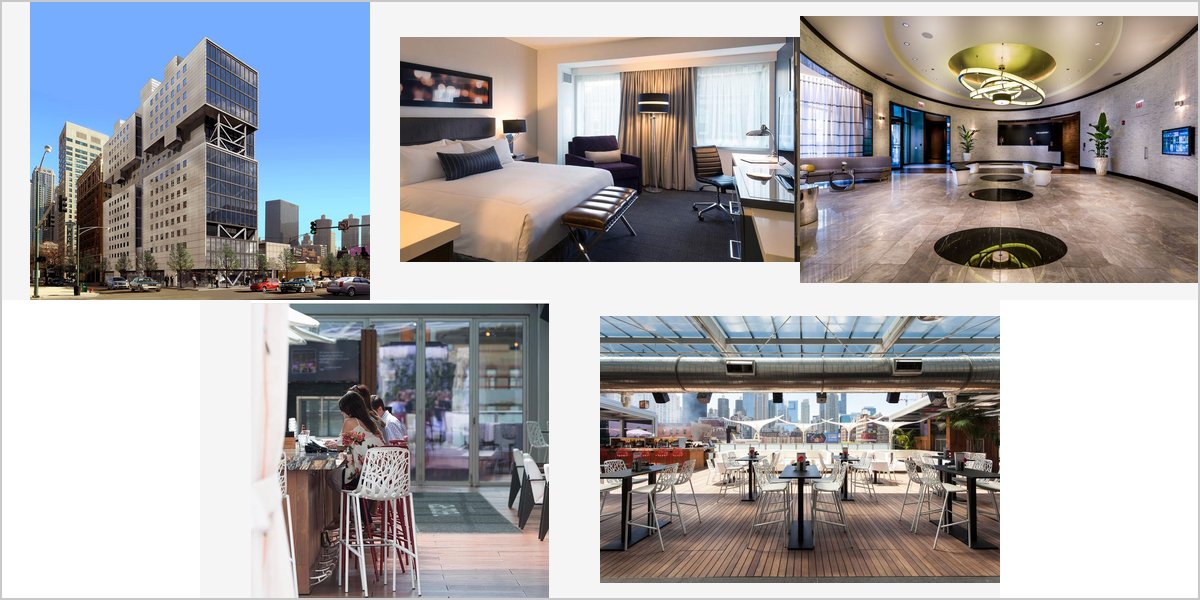
August 29, 2026
The Godfrey Chicago: What a Retractable Roof Actually Changes
A roof that opens and closes is two venues in one room, and the two versions need completely different lighting.
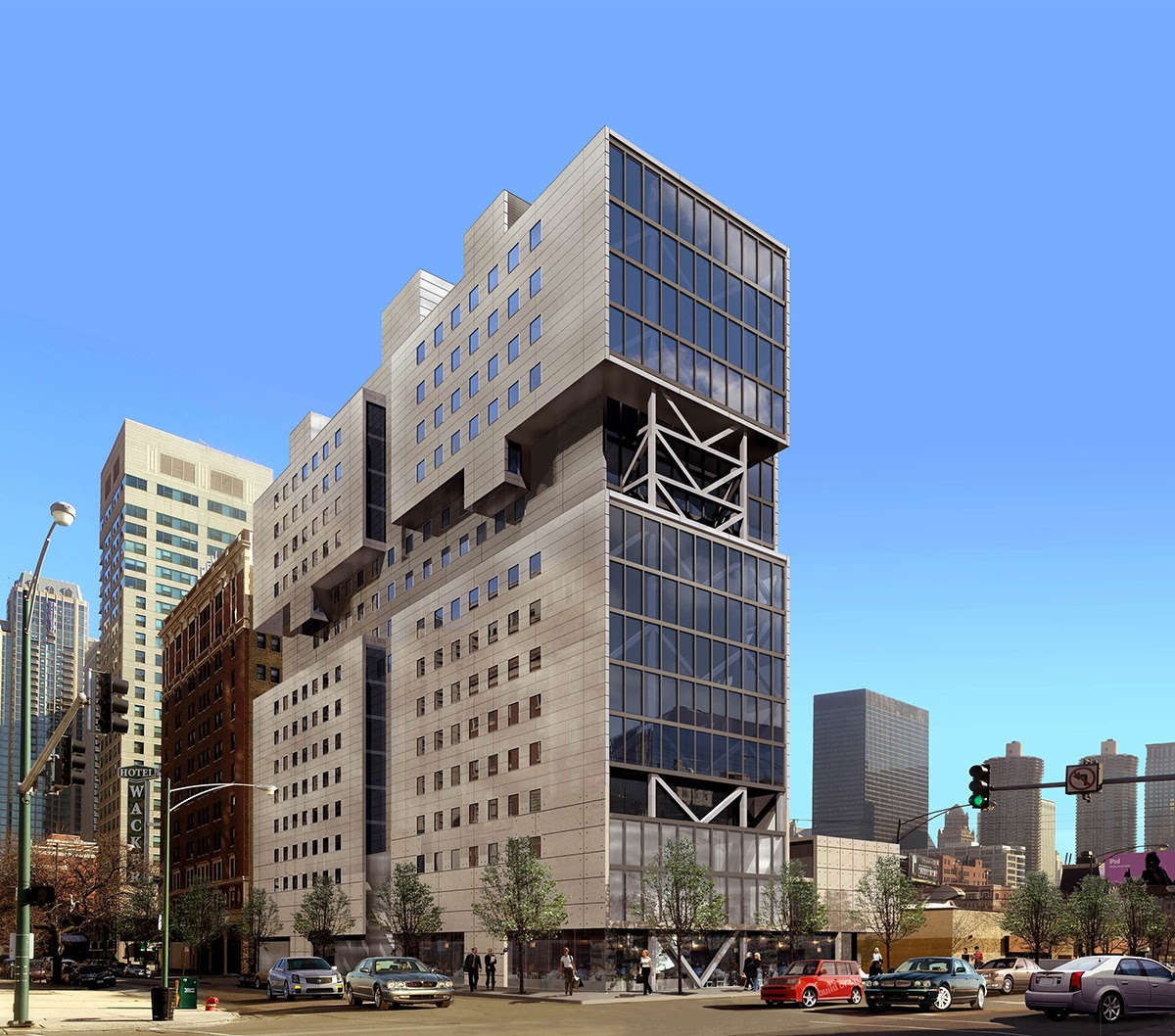
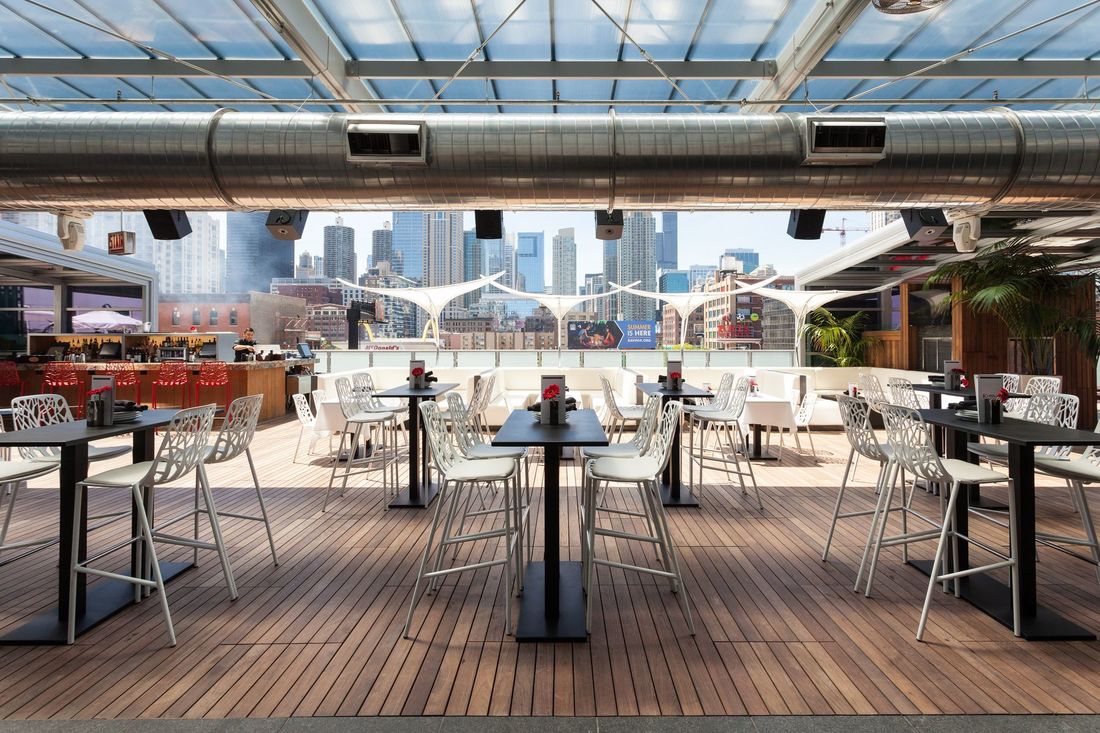
The Godfrey Hotel stands in River North, a contemporary building whose best-known space is a rooftop venue with a retractable enclosure — a room that can be opened to the sky in good weather and closed against it otherwise, with the skyline around it.
That single feature is what the venue turns on, and it is more consequential photographically than it sounds. A retractable roof does not give you a room with a nice option. It gives you two genuinely different venues that occupy the same floor plan: an open-air terrace with sky above, direct sun, wind and no ceiling to work with — and an enclosed glazed room with even overhead light, reflections in the glass, shelter and a completely different colour of light.
Which one you get is decided by the weather on the day, often within the hour, which means a photographer has to arrive with both plans rather than one. This is about that pair. We have not photographed a wedding at the Godfrey; retractable and glazed rooftop enclosures behave the same anywhere. What the roof policy is, who decides when it opens and what the wind threshold is are questions for their events team — and the third matters most.
The Godfrey Hotel Chicago at a glance
| Where | River North, Chicago, Illinois |
| Character | Contemporary hotel with a retractable-roof rooftop venue |
| The fork | Open-air terrace or enclosed glazed room — decided on the day |
| Open | Sky, direct sun, wind, and no ceiling to bounce from |
| Closed | Even overhead light, shelter, and glass that reflects everything |
Open: a terrace, with everything that implies
With the roof back, the space is an open-air rooftop and behaves exactly like one. The light is whatever the sky is doing, which in the middle of a bright day means direct overhead sun with no shade anywhere and a hard contrast problem, and in the last hour means low raking light across the skyline with real warmth and direction. The difference between those two conditions on the same terrace is the difference between the hardest light of the day and the best.
There is no ceiling, which removes bounce flash as an option entirely — a flash aimed upward on an open roof sends its light to the sky and returns nothing. Everything has to be lit directly, with a modifier, which in turn means stands, which in turn means wind.
Wind at roof level is stronger and gustier than at street level and it is the reason retractable roofs have thresholds. An unweighted stand on a roof is a serious hazard rather than an inconvenience, and a large modifier in a gust is unmanageable. The practical answer is small, weighted and hand-held wherever possible: an assistant holding a light beats any stand on an open roof.
What the open version gives in exchange is sky, and sky is where colour is. In the half hour after sunset an open roof puts the whole colour field of the sky in frame above a lit skyline, which the enclosed version cannot do because glazing tints it and reflects the room into it. If the weather allows the roof to be open at that moment, that is the frame of the day and it is worth asking for the roof to be opened specifically for it, even briefly.
Closed: a glazed room, which is a different problem entirely
With the roof closed, the space becomes a glazed room and the physics change completely. Light now arrives through glass from above, which diffuses it — so a hard midday sun becomes a large soft overhead source, the same effect a conservatory roof produces. Midday, which was the worst condition on the open terrace, becomes one of the better ones enclosed.
Overhead soft light has the familiar drawback: it shadows eye sockets and marks the shadow under nose and chin. A low bounce, a lifted chin or a source at face height fixes it, and on an enclosed roof a stand is finally safe to use, so this is where lighting properly becomes practical.
Glass brings reflections, and a glazed enclosure has a great deal of it. During the day this is mild. After dark, with the room lit and the sky black, every pane shows the interior — your lights, your crew, the back of the room — and it shows it above the subjects as well as behind them, which is unusual and easy to miss. A deliberate check on reflections after dark is not optional in a space like this. Used knowingly, the skyline reflected in an overhead glazed panel above a couple is a frame that exists nowhere else.
The colour shifts too. Architectural glazing is commonly tinted, usually towards green or blue, so the enclosed room’s daylight is not neutral. Set a custom white balance under the closed roof rather than carrying one over from the open terrace — they are different light sources, and a set shot across both without adjustment will not match itself.
What works in your favour
- Two genuinely different venues in one floor plan, weather permitting
- Enclosed, a glazed roof turns hard midday sun into a soft overhead source
- Open, the post-sunset sky fills the frame above a lit skyline
- A real weather plan that keeps the view, unlike most rooftops
- Stands are safe to use once the roof is closed
What to plan around
- You do not know which venue you have until the day, sometimes the hour
- Open, there is no ceiling to bounce from and wind makes stands hazardous
- Closed, glazing reflects the room above and behind the subjects after dark
- Tinted glass shifts colour, so the two versions do not match each other
- Open-roof midday is the hardest light of the day, with no shade at all
Arriving with both plans, and the one request worth making
Because the configuration is decided by weather, the only workable approach is to prepare both and choose on site. In practice that means a small amount of extra thought rather than extra equipment: know where you would put a hand-held light on an open terrace, know where you would put a stand under a closed roof, and know the white balance for each. Ten minutes of forethought removes the improvisation that otherwise happens at the worst moment.
The one request worth making of the venue is this: ask whether the roof can be opened briefly at a specific time, even if the event is running enclosed. The half hour after sunset with the roof back is the single strongest frame this venue offers, and it takes two minutes of couple time. Coordinators can often accommodate a short opening when they cannot accommodate an open evening, and nobody asks.
River North around the hotel gives the street-level counterweight — a district of converted and contemporary buildings, galleries and low-rise streets that photograph in a different register from the Loop, with the river a short walk away. Because the buildings are lower than downtown, evening sun reaches street level, which it does not a few blocks south.
The sensible timeline, then: interiors and preparation through the middle of the day, whichever the roof is doing; the rooftop block timed to the last hour of daylight and again briefly after sunset; and a short street-level block in River North for the frames that need the city at human scale. The rooftop is the venue’s headline and it works best as two short visits at the right moments rather than as a place to spend the evening waiting for the light to be interesting.
One last practical note on a retractable space: opening and closing takes time and is sometimes noisy, and it may not happen mid-ceremony. If the forecast is marginal, the decision usually gets made before guests arrive and then stands. Knowing who makes that call, and when, tells you which of your two plans you are actually running.
More frames from The Godfrey Hotel Chicago
The Godfrey Hotel Chicago wedding photography: common questions
What difference does a retractable roof make photographically?
It gives you two different venues in one room. Open, it is a terrace with direct sun, wind and no ceiling to bounce from. Closed, it is a glazed room with soft diffused overhead light, shelter and reflections. They need different lighting and different white balance.
Which configuration is better?
Neither, and it depends on the hour. Open-roof midday is the hardest light of the day; closed-roof midday is one of the best, because glazing diffuses hard sun into a large soft source. But open after sunset puts the whole sky in frame, which the glass cannot.
What is the problem with lighting an open roof?
No ceiling, so bounce flash returns nothing, and wind makes stands hazardous rather than merely awkward. The answer is small, weighted and hand-held — an assistant holding a light beats any stand on an open roof.
What goes wrong when the roof is closed?
Reflections, after dark especially. A glazed enclosure shows the lit interior in every pane, including overhead, which is unusual and easy to miss. Check deliberately. Used knowingly, a skyline reflected in a glazed panel above a couple is a frame nowhere else offers.
Do the two versions match each other?
Not without adjustment. Architectural glazing is usually tinted towards green or blue, so the enclosed light is not neutral. Set a custom white balance under the closed roof rather than carrying one over from the open terrace.
Is there one thing worth requesting?
Ask whether the roof can be opened briefly after sunset even if the event runs enclosed. That half hour with the roof back is the strongest frame the venue offers and it needs two minutes of couple time. Coordinators often can, and almost nobody asks.
More Chicago, IL venue guides
We are writing a photographer’s guide to every venue we would happily shoot in Chicago, IL. Here are three more, plus the full index:
- The Gwen: How the Carved Relief Frame Is Actually Made
- The Hoxton Chicago: Photographing a Wedding in Fulton Market
- The Langham Chicago: Photographing Inside a Modernist Building
All Chicago, IL Wedding Venues →
Planning a wedding at The Godfrey Hotel Chicago?
You will not know which venue you have until the day, so both plans get made in advance. Tell us your date and we will prepare each.