 The Hoxton Chicago: Photographing a Wedding in Fulton Market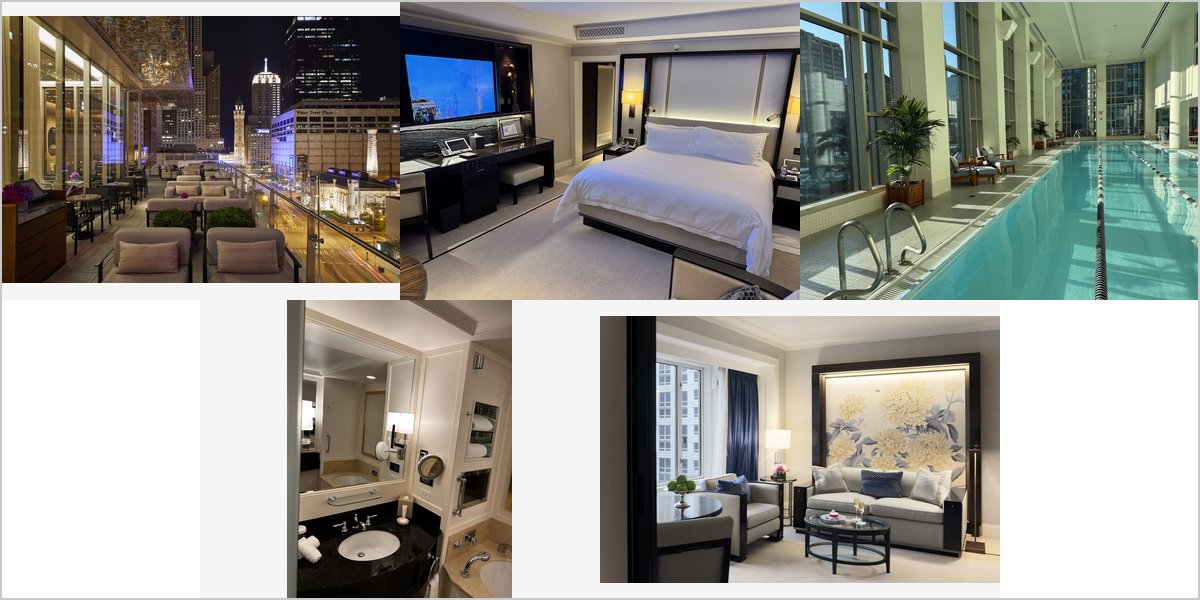
September 13, 2026
The Peninsula Chicago: Photographing Pale, Tonal Luxury
Expensive interiors are pale, tonal and low contrast on purpose. That is restful to stand in and difficult to photograph.
The Peninsula Chicago sits a block off the Magnificent Mile in the Streeterville area, a luxury hotel with a terrace and a set of interiors in the register that expensive hotels almost universally adopt: pale, tonal, restrained, with cream and taupe and soft grey doing most of the work and very little strong colour anywhere.
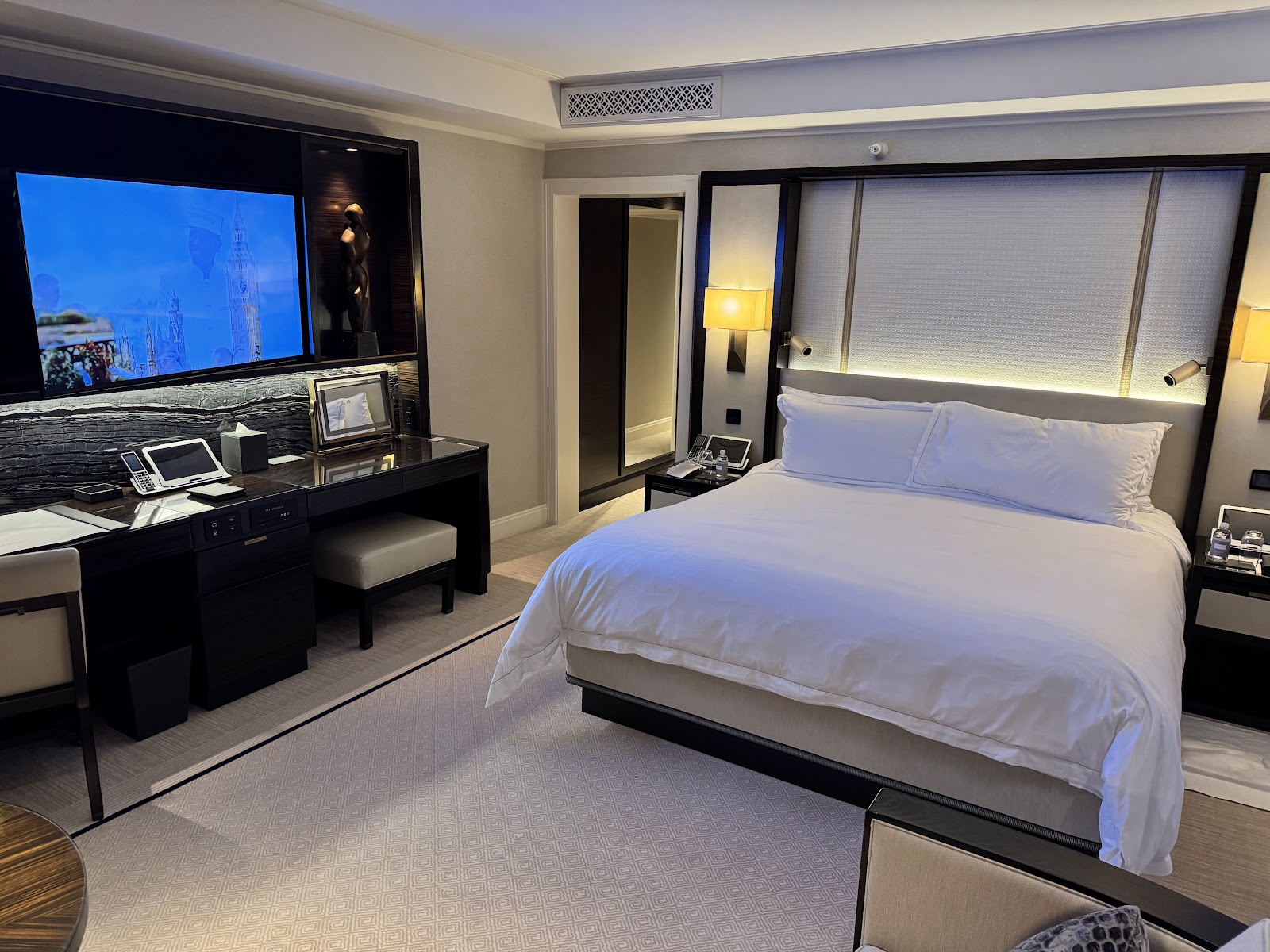
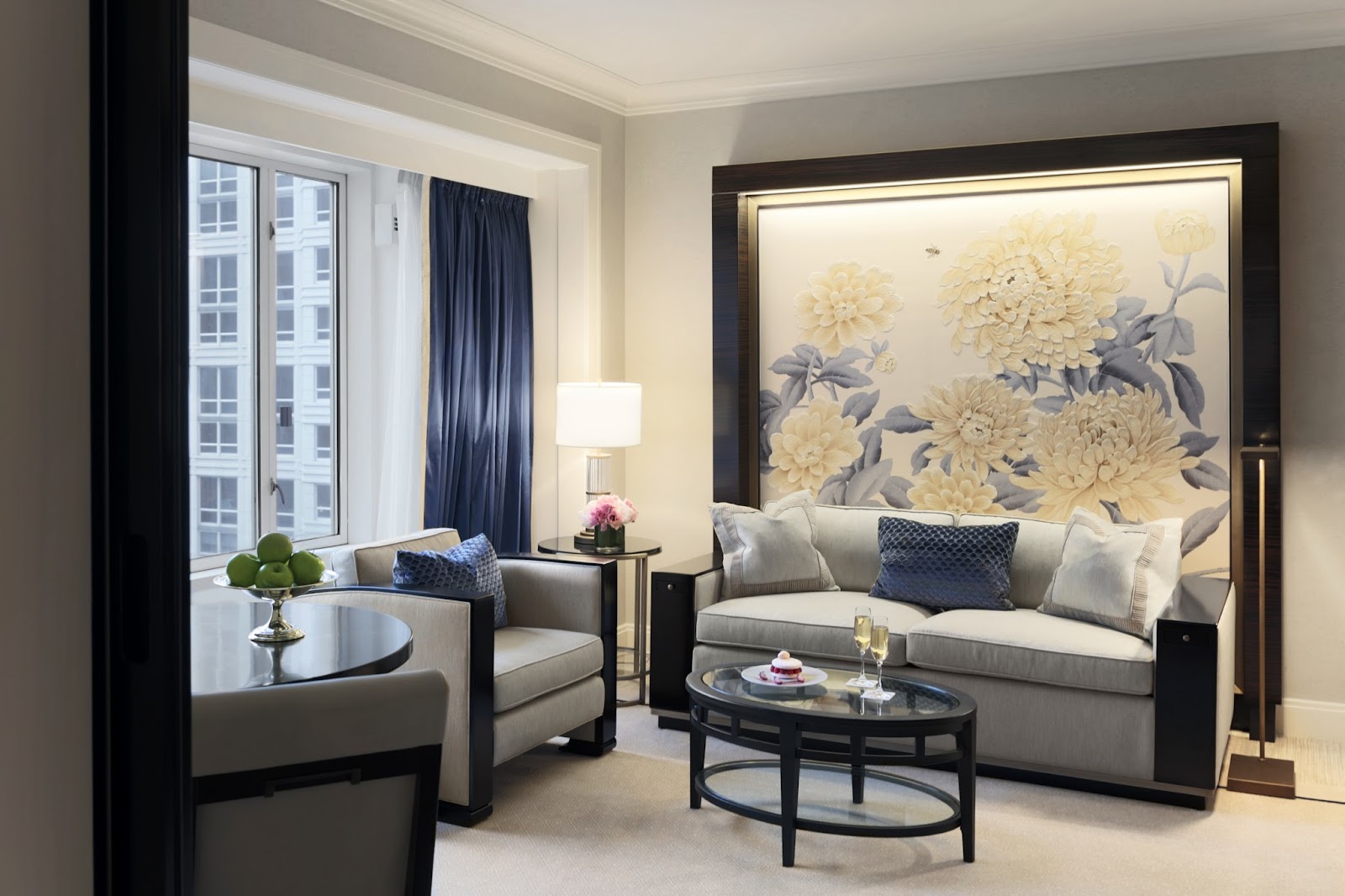
That register is a deliberate design achievement and it is genuinely difficult to photograph, for a reason that is rarely articulated. A dark venue is a known problem with known answers — bring light. A pale tonal venue is a subtler problem: there is plenty of light, but almost no contrast, and contrast is what separates a subject from a background. A couple in ivory and pale grey, in a cream room, under even lighting, produces a technically correct photograph in which nothing stands out from anything.
This is an honest account of who that suits and who it frustrates, and what to do about it. We have not photographed a wedding at the Peninsula; pale low-contrast interiors behave the same in every hotel of this class. Which rooms are allocated and what the terrace allows are questions for their events team.
The Peninsula Chicago at a glance
| Where | Streeterville, a block off the Magnificent Mile, Chicago, Illinois |
| Character | Luxury hotel with pale tonal interiors, a terrace and high guest floors |
| The problem | Plenty of light, almost no contrast — nothing separates from anything |
| The fix | Bring the contrast yourself: direction, shadow and a darker frame edge |
| The gift | Clean, quiet, uncluttered backgrounds that never compete |
Why low contrast is harder than low light
Separation is what makes a photograph legible. A subject reads as a subject because it differs from what is behind it — in brightness, in colour, or in sharpness. A pale tonal interior removes the first two deliberately: the walls, the furnishing, the floor and often the flowers all sit within a narrow band of light neutral tones, and the lighting is designed to be even so that nothing casts a distracting shadow.
Add a bride in ivory and the problem becomes acute: a pale dress against a cream wall under even light has almost no edge. The photograph looks soft and washed even when exposure and focus are perfect, and no amount of contrast added afterwards fixes it, because the information that would create separation was never there. Global contrast applied to a flat scene darkens the shadows that do not exist and lightens highlights that are already near the top.
So the work has to happen at capture, and there are three levers. Sharpness separation: a long lens at a wide aperture, so the background goes genuinely soft and the subject is the only sharp thing in the frame — this is the most reliable single answer in a pale hotel. Directional light: one source from the side rather than the room’s even ambient, which creates a shadow side on a face and an edge where there was none. And framing: find or create a darker element — an open doorway, a shaded corner, a dark piece of furniture, a window frame — and place the subject against it rather than against the pale field.
There is a fourth lever that costs nothing: negative fill. In an evenly lit pale room, putting something dark on the shadow side of a subject — a jacket, a dark panel, standing them beside an open dark doorway — subtracts light where you do not want it and manufactures the contrast the room refuses to provide. Subtracting is often more useful than adding in a space like this, and almost nobody does it.
Who this venue suits
The register is exactly right for some briefs, and for those it is close to ideal:
- Couples who want a light, airy, pale aesthetic — this is the venue type that actually delivers it
- Anyone whose priority is a clean uncluttered background where nothing competes with faces and expression
- Briefs centred on fine detail — a dress, stationery, rings — since pale even light shows texture beautifully
- Couples who want the photographs to feel calm and understated rather than dramatic
- Weddings where reliability matters: the light is consistent, ample and weatherproof all day
Who should look elsewhere
And some intentions fight the interiors from the first frame:
- Couples wanting dramatic, high-contrast, moody images — every element here works against that
- Anyone drawn to strong period texture, carved detail or ornament, which this register deliberately omits
- Briefs that depend on the venue being recognisable, since pale luxury interiors look alike worldwide
- Photographers unwilling to bring directional light, because the room’s own lighting will not create separation
- Anyone hoping colour will carry the set; the palette is intentionally narrow
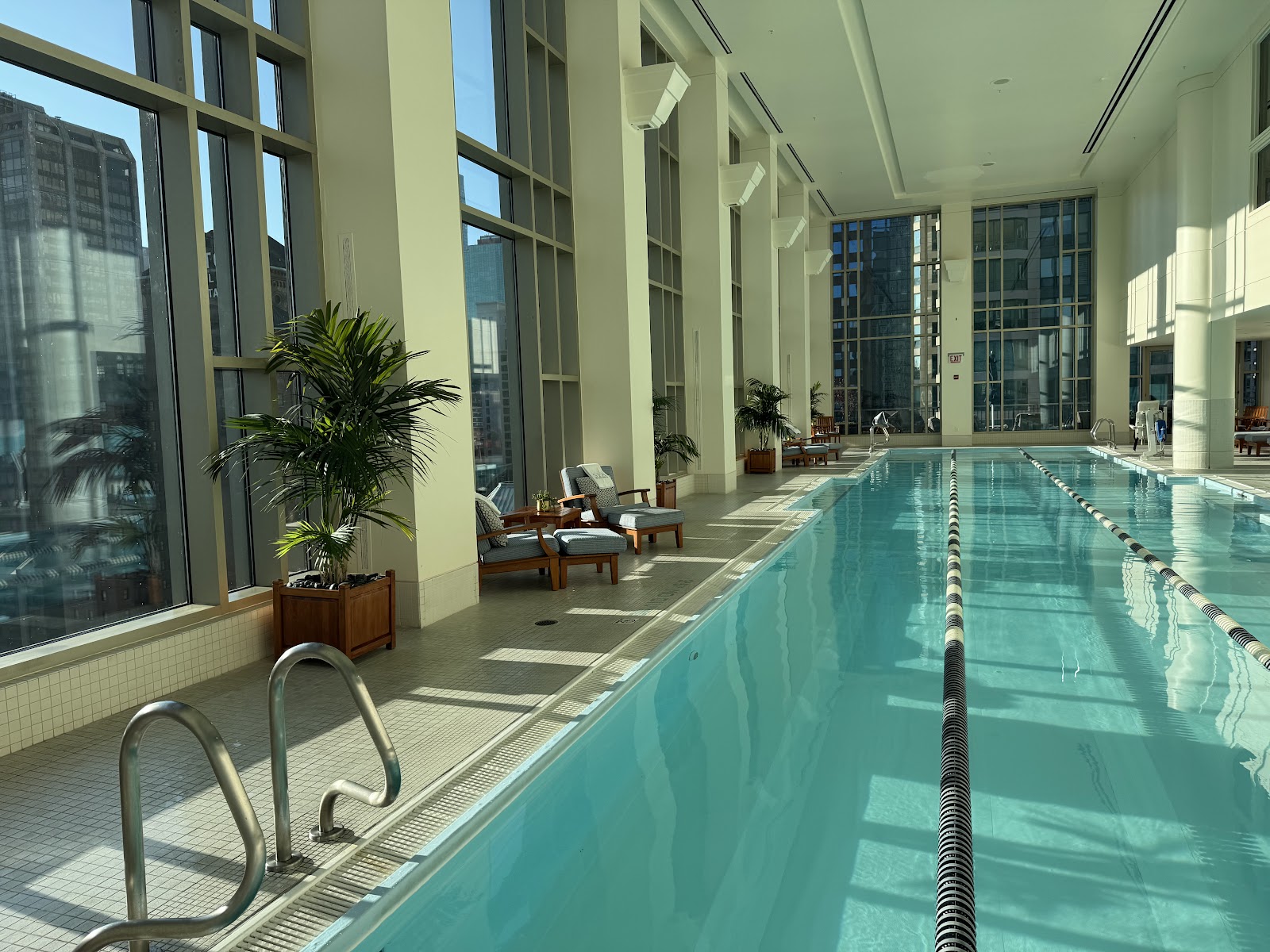
The terrace, the high floors and the district
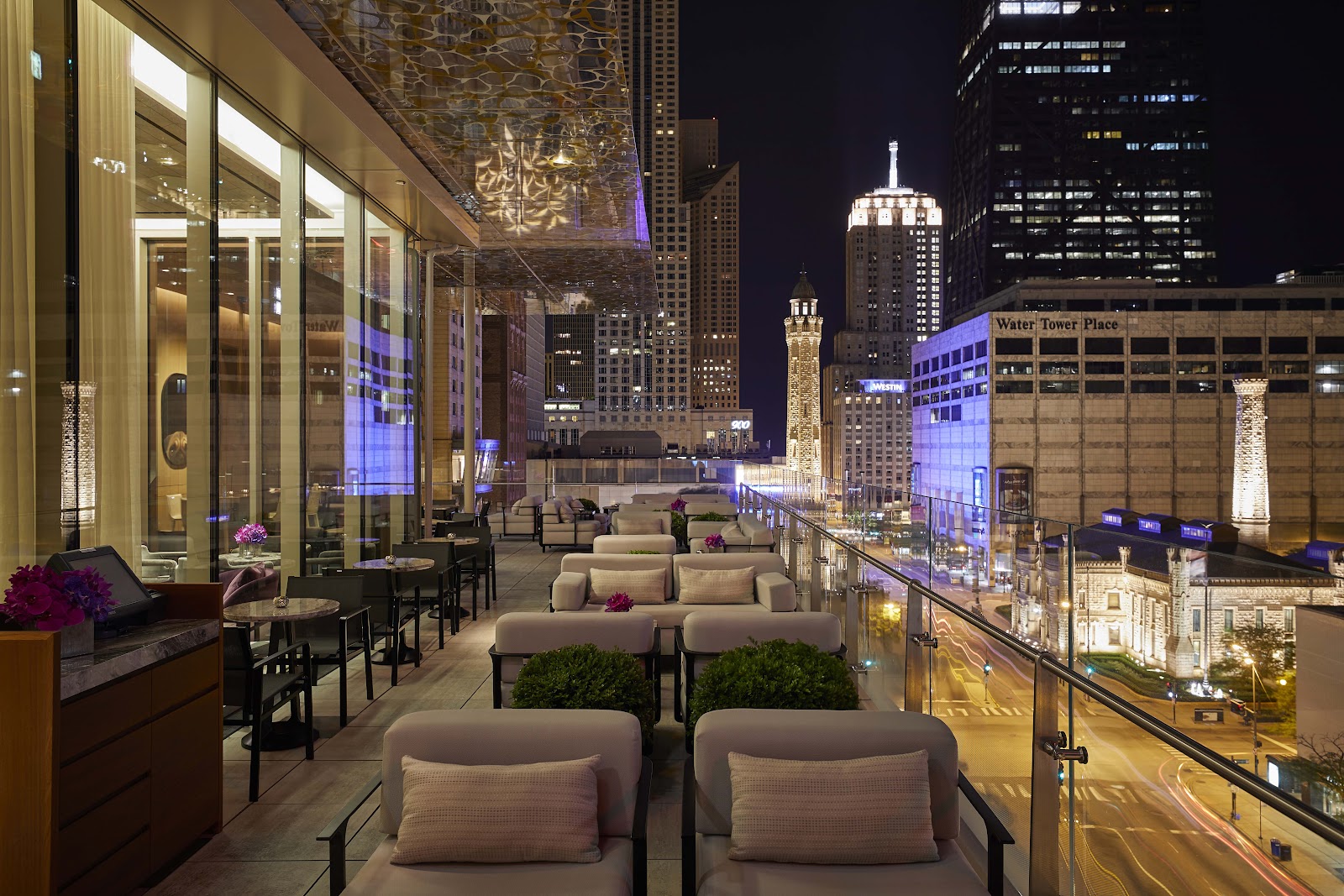
A terrace is the venue’s natural counterweight, because outdoor light has the contrast the interiors lack. Even open shade outside has a directional quality and a sky-lit fall-off that an evenly lit room does not, and direct low sun in the last hour gives you hard rim light, real shadow and saturated colour — everything the pale interior refuses.
It is worth planning the day so the main portrait block happens outside in the last ninety minutes for exactly that reason. A gallery shot entirely in a pale hotel is uniformly soft; the same gallery with a block of directional evening light in it has range. The terrace also gives elevation and a view of the surrounding buildings, which locates the set.
The guest floors provide the other useful light. Large windows well above street level receive unobstructed directional daylight, and a subject placed a metre back and turned into a window has the strongest natural key in the building along with a natural fall-off into shadow — which is precisely the separation the public rooms lack. Preparation coverage belongs there, in the largest room on the shaded side.
Down at street level, the Magnificent Mile, the historic Water Tower and Oak Street Beach are within a short walk, giving architecture, water and daylight with no transfer. It is one of the busiest pedestrian districts in the country, so long lenses, tight frames and the hours at either end of the day are the working method, not the middle of a Saturday afternoon.
One small note on colour discipline. In a room whose palette is this narrow, any colour that does enter the frame becomes disproportionately loud — a coloured uplighter, a bright bouquet, a bridesmaid in a saturated shade. That is an opportunity rather than a problem: in a cream room, one strong colour is the entire composition, and placing it deliberately is more effective than it would ever be in a busy space.
What works in your favour
- Genuinely delivers the light, airy, pale aesthetic couples ask for
- Clean uncluttered backgrounds that never compete with faces
- Pale even light renders dress and detail texture beautifully
- High guest-floor windows give unobstructed directional daylight
- Terrace, Magnificent Mile and the lakefront all within a short walk
What to plan around
- Very low contrast means nothing separates from anything by default
- A pale dress against a cream wall has almost no edge at all
- Contrast added afterwards cannot create separation that was never captured
- The interiors are not identifiably Chicago, or identifiably anywhere
- House lighting is even by design and will not model a face
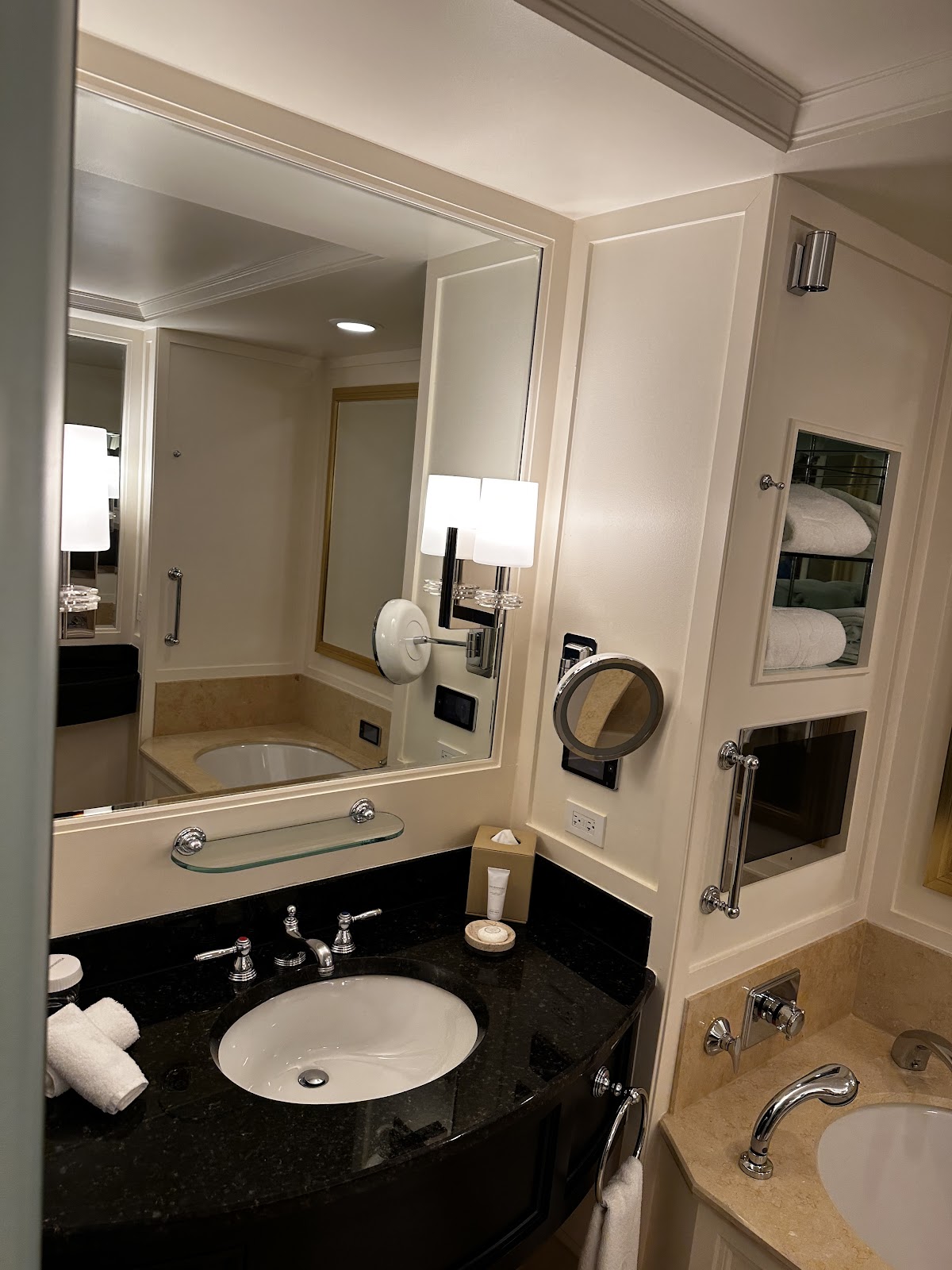
More frames from The Peninsula Chicago
The Peninsula Chicago wedding photography: common questions
Why do my photos in expensive hotels look flat?
Because the interiors are pale, tonal and evenly lit on purpose, which removes the brightness and colour differences that make a subject separate from a background. There is plenty of light and almost no contrast, and that is a harder problem than darkness.
Can't you add contrast afterwards?
Not effectively. Global contrast on a flat scene darkens shadows that do not exist and lifts highlights already near the top. The separation has to be created at capture — the information simply is not in the file otherwise.
What actually works in a pale room?
Three things. A long lens wide open, so the background goes soft and the subject is the only sharp thing. One directional source from the side to create a shadow side on the face. And framing the subject against a darker element rather than the pale field.
What is negative fill and why does it matter here?
Putting something dark on the shadow side of a subject to subtract light — a dark panel, a jacket, an open dark doorway. In an evenly lit pale room, subtracting light manufactures the contrast the room refuses to give. Almost nobody does it, and it costs nothing.
Is this the right venue for a light and airy style?
Yes — this is the venue type that genuinely delivers it, rather than approximating it. The trade-off is that dramatic, moody, high-contrast images are not available here without fighting every element of the design.
How should the day be structured?
Put the main portrait block outside in the last ninety minutes, where directional low sun supplies the contrast the interiors lack, and preparation on a high guest floor at a large window. A gallery shot entirely in a pale hotel is uniformly soft.
More Chicago, IL venue guides
We are writing a photographer’s guide to every venue we would happily shoot in Chicago, IL. Here are three more, plus the full index:
- The Robey: How Light Moves Through a Narrow Tower
- Virgin Hotels Chicago: A Venue of Small Rooms Rather Than Large Ones
- The Waldorf Astoria Chicago: A Walled Courtyard in a City
All Chicago, IL Wedding Venues →
Planning a wedding at The Peninsula Chicago?
Pale luxury needs contrast brought in, not corrected in later. Tell us your date and we will plan where the separation comes from.