 The Whitby, New York: A Walk Through a Midtown Hotel
The Four Seasons New York: What It Suits, and What It Does Not
Every venue suits some pictures and resists others. Here is the split, plainly.
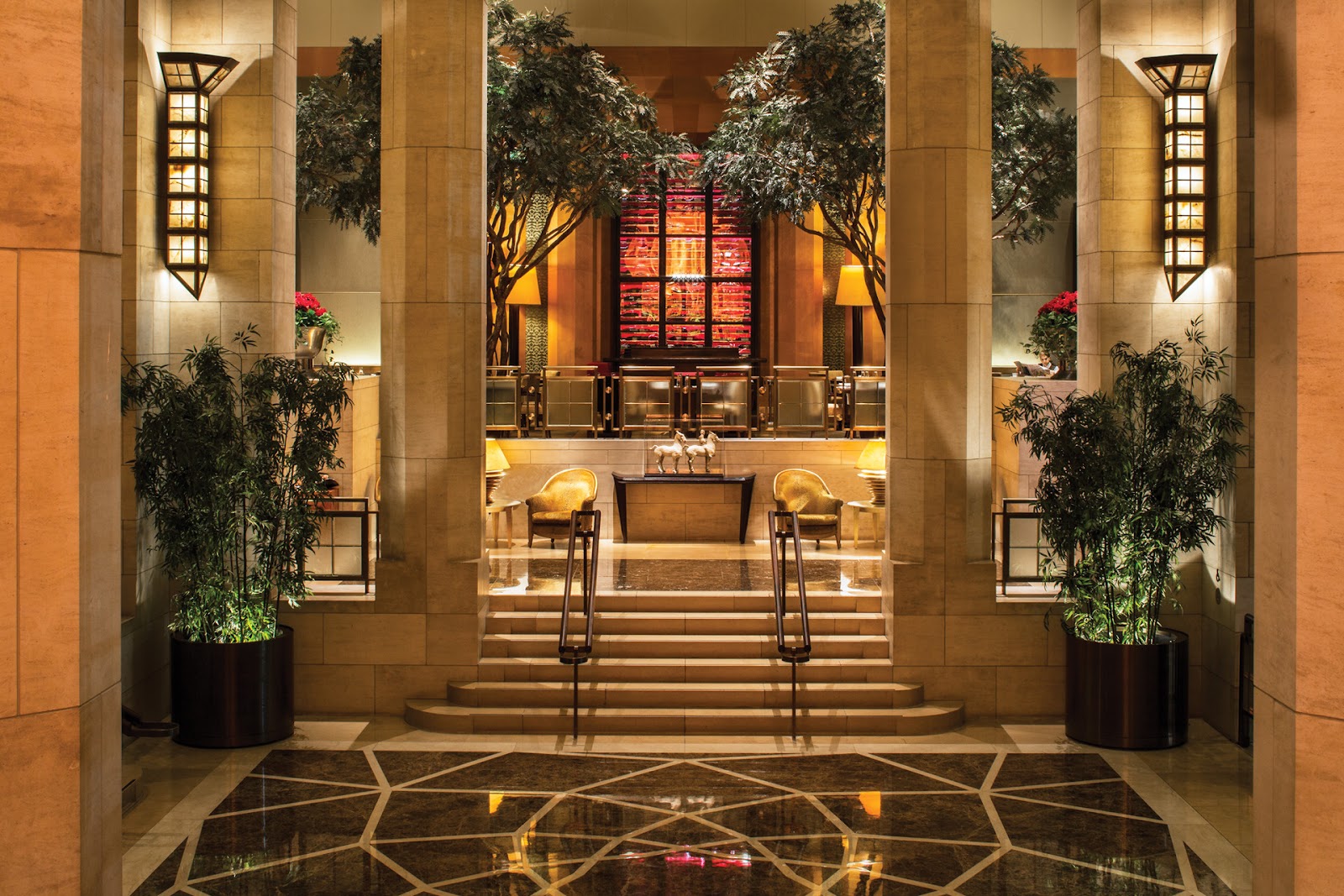
A large modern hotel is a competent building rather than a picturesque one, and that is not a criticism — it is the thing to understand before choosing it. Competence means the day runs, the spaces work, nothing goes wrong, and the pictures come from people rather than from architecture.
That split is worth stating rather than discovering on the day. Some pictures are easy here and some require deliberate work, and the couples who are happiest with their galleries are the ones who knew which was which in advance.
So: what it suits, and what it does not. Both lists are specific and both are honest.
We have not photographed a wedding at the Four Seasons New York; large modern hotels behave consistently and the pattern is well established. Which spaces are included, whether the lighting is adjustable and what may be attached are questions for their team.
The Four Seasons New York at a glance
| Where | Midtown Manhattan, New York |
| Suits | Reliability, a plan that cannot be rained off, people-led pictures, scale |
| Resists | Architectural character, daylight in the public rooms, natural separation |
| The main task | Building separation, because pale even rooms give none |
| Ask first | Spaces included, lighting control, fixings, roof or terrace |
What it suits
Reliability first, and it is worth more than it sounds. A large modern hotel has done this many times; the rooms are the right size, the timings hold, the staff know where things go, and the schedule does not collapse because of weather or a missing key. For a photographer that translates directly into pictures, because a day that runs on time leaves the margins in which unhurried frames are actually made.
The weather-proof plan is the sharpest version of that. Everything happens indoors and nothing needs a rain decision, which in a New York summer — where an afternoon thunderstorm is a genuine possibility — means the running order written in March is the running order used in July. Venues that depend on a garden or a terrace do not have that, and the difference shows up as calm rather than as a picture.
People-led pictures suit this building particularly well, and that is where its galleries are strongest. Without architecture competing for attention, the frames are about faces, gestures, groupings and reactions — which is what most couples actually want from a wedding gallery even when they describe their priorities in terms of venues. A neutral room is a clean stage.
Scale suits it too. Large groups fit, wide frames hold a full room without distortion, and there is room to stand back from a big formal grouping — which sounds trivial until you have tried to photograph thirty people in a space designed for twelve. In Manhattan, where space is the scarcest commodity in the city, a room with room in it is a real asset.
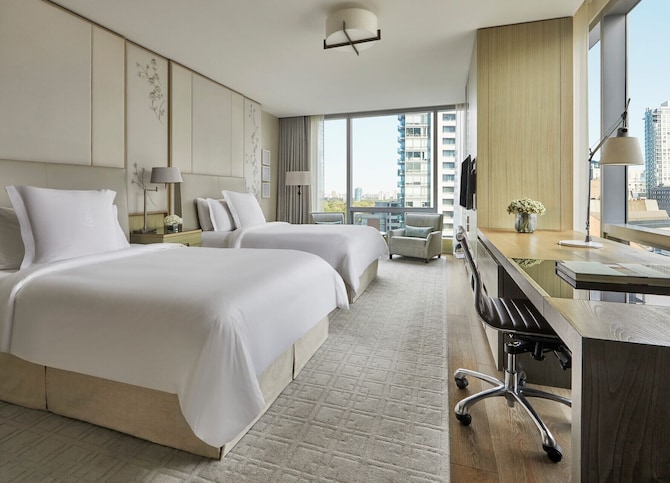
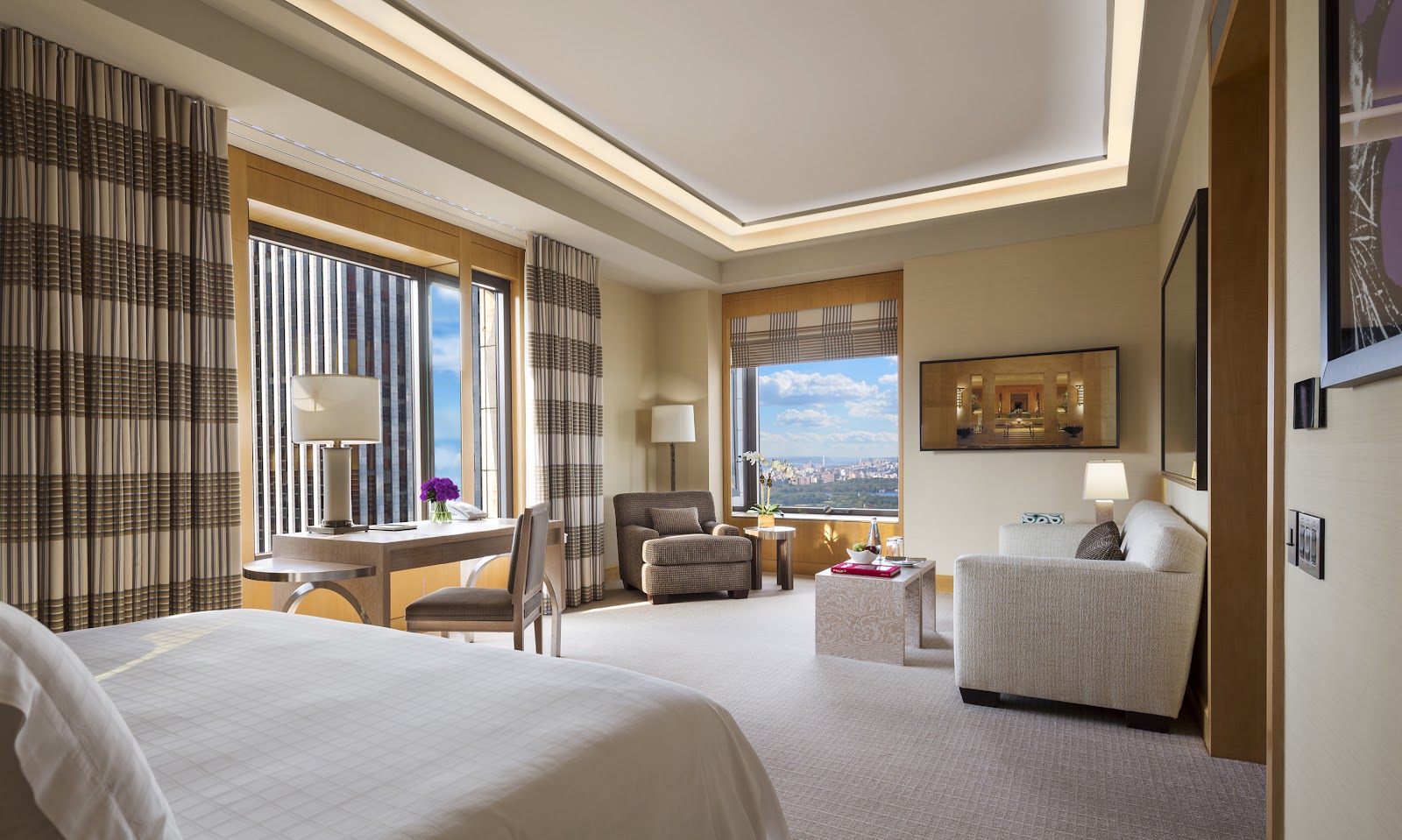
Guest rooms suit portraits and they are the best natural light in the building: domestic-sized windows, close walls that bounce, ceilings low enough that a flash aimed upward returns something usable. Ask for the largest window on the shaded side and for as high a floor as available — in Midtown the buildings opposite are very tall and close, and the sky reaching a tenth-floor window is worth more than a stop over a third-floor one.
And the transitions suit it, because a well-connected building lets a photographer keep working while everyone moves rather than repositioning through the move. Doorways frame, corridors give depth, stairs give elevation, and all three produce pictures of people rather than pictures of a room with people in it.
What it does not suit
Architectural character is the honest gap. A modern hotel interior is designed to be pleasant and unobtrusive, which means it will not appear in a gallery as a subject the way a gilded room or a nineteenth-century library does. If a couple wants the venue itself to be recognisable in the pictures, this is not the building that does it — and the answer is not to fight that but to shift the emphasis to the excursions, the guest rooms and the people.
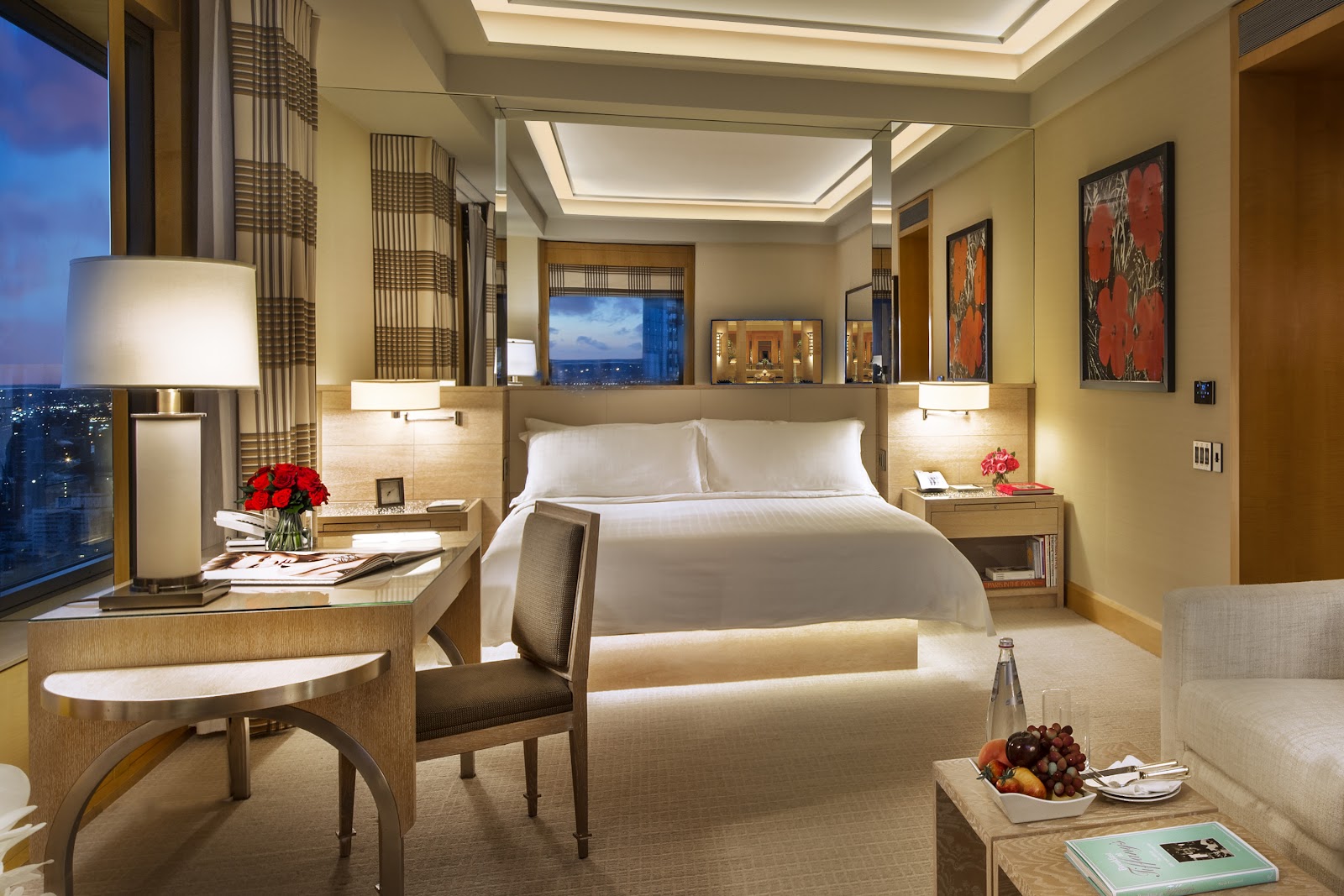
Natural separation is the technical gap and it is the main daily task. Pale even rooms, lit uniformly from above, give a subject nothing to stand out against: the wall behind is exactly as bright as the face in front, and the picture flattens. Nothing about it is fixable in editing, because the information was never recorded.
The fixes are all geometric. Put more distance between subject and background so fall-off can do some work. Find the darker end of the room — every room has one, usually away from the windows or the main fittings — and use it as the background rather than the bright end. Shoot from a position where the background is a corridor, a doorway or a further room rather than a near wall, because depth darkens. And add a source that is brighter on the face than the room is on the wall, which is the only reliable version.
Daylight in the public rooms is the second gap. Ballrooms and function spaces in hotels of this kind typically have none, and where they have windows the glass is frequently tinted, which throws a colour cast onto everything near it — usually green or blue, localised, and therefore uncorrectable globally. Gel a source to counter it, or turn subjects away from the glass, or use it as a bright background rather than as a light.
Mixed sources are certain in any large modern hotel: warm decorative lighting, cooler recessed fittings added later, coloured uplighting installed for the event, and any daylight there is. Three temperatures on one face cannot be resolved afterwards, so pick the one that should be correct, set white balance to it, and switch off or overpower whatever else lands on skin. Coloured uplighting is the frequent culprit and it is frequently the easiest to turn off for ten minutes.
Ceiling height is the third gap and it works against bounce. A function-room ceiling five metres up returns almost nothing from a flash and whatever it returns arrives coloured; direct into a modifier is the method, and any assumption about bouncing should be tested with one frame on arrival rather than relied on.
And the exterior does not suit a wide establishing frame at all: in Midtown there is nowhere to stand back, so the facade cannot be photographed whole. The exterior frames here are fragments, details and looking up — which is true of the whole city and worth accepting rather than working around.
- Build separation geometrically: distance, the darker end, depth behind
- Test bounce once; a function-room ceiling returns almost nothing
- Pick one colour temperature and kill or overpower the rest
- Turn coloured uplighting off for the ten minutes the portraits need
- Accept fragments for the exterior; no Midtown facade fits in a frame
The running order, and New York's year
The schedule here is built around the two things that change rather than the interior, which does not. The first is the guest rooms, whose light is best in the middle of the day and gone by late afternoon in winter. The second is any roof, terrace or outdoor access, which has two narrow windows — the last forty minutes of daylight, and roughly twenty minutes after sunset when the sky and the lit city are at the same brightness and one exposure holds both.
Above the surrounding roofline low sun arrives earlier than at street level, so a rooftop position is worth about thirty extra minutes over a street one — which is frequently the argument for going up rather than out.
In a New York summer the after-sunset window falls well into the reception, which needs agreeing in advance as a short deliberate excursion rather than an interruption. In December it falls in the middle of the afternoon and may precede the ceremony entirely, which is a scheduling fact rather than a preference.
At street level, most Manhattan light is bounced down from lit facades above rather than direct: soft, directional, available for much of the day, genuinely good portrait light and not golden-hour light. Where the grid lines up — low sun down the cross streets, the alignment closest around the ends of May and the middle of July — the effect is dramatic and short-lived. Recessed doorways and awnings are the reliable small position and they work in rain.
Summer is hot and humid, which at an indoor venue is nearly all advantage; the humidity’s real cost is comfort during any outdoor block, and a shorter excursion is a better one. Autumn gives the clearest air and the best street light of the year.
Winter is cold with short days. Snow is the compensation and it does two useful things: outdoors it is the best natural fill there is, lifting exactly the shadows a low sun carves while fooling a meter by about two stops; indoors it turns the street into a very large reflector, so the guest room windows give softer, brighter and more even light in February than at any other time of year.
The fogging risk applies in both directions in this climate — a cold lens brought into a warm room and a warm one taken out into February both fog, and neither clears quickly. Let a body come towards the temperature of where it is going before it gets there, which at a hotel with one planned excursion is easy to arrange.
None of this makes the building more picturesque than it is. It makes the pictures good, which is the actual objective and a different one.
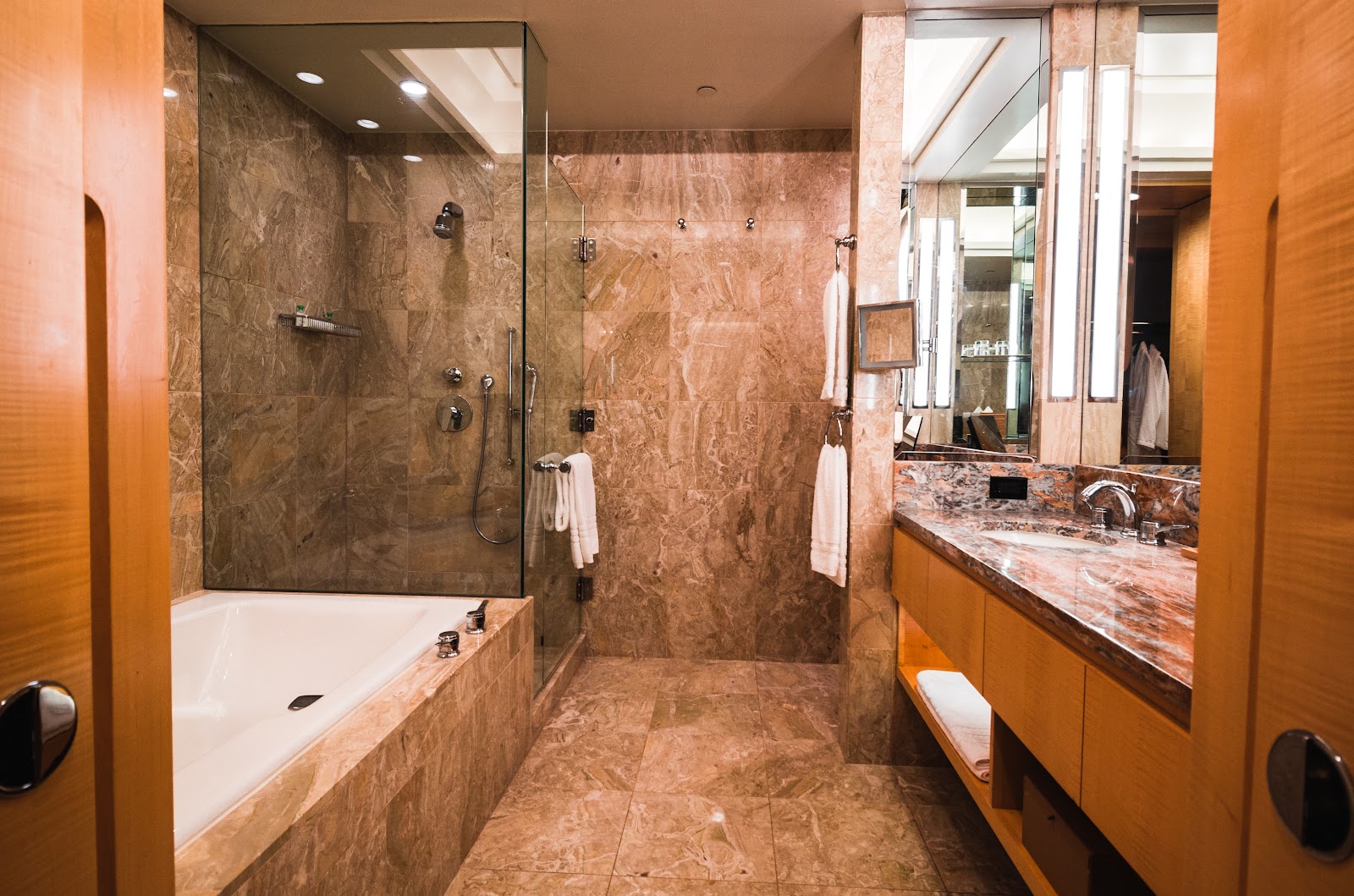
More frames from The Four Seasons New York
The Four Seasons New York wedding photography: common questions
What does this venue do best?
Reliability, a plan that cannot be rained off, people-led pictures, and scale — there is room to stand back from a large group, which in Manhattan is genuinely rare.
What is the main photographic difficulty?
Separation. Pale, evenly lit rooms give a subject nothing to stand out against, and the fixes are geometric: distance, the darker end of the room, depth behind, and a source brighter than the wall.
Will the building be recognisable in the pictures?
Not the way a gilded room or a historic library would be. The emphasis shifts to people, the guest rooms and any excursion — which is worth agreeing in advance rather than discovering.
Can you bounce flash off the ceiling?
Usually not in the function rooms; a ceiling five metres up returns almost nothing and colours what it does return. Direct into a modifier, and test bounce with one frame on arrival.
Why turn the uplighting off?
Because coloured uplighting adds a third colour temperature that lands on skin and cannot be corrected globally. Ten minutes off is usually all the portraits need.
How should the day be scheduled?
Around the guest-room light and any rooftop access, because those change through the day and the interior does not. The after-sunset window is the one fixed point that cannot be moved.
More New York venue guides
We are writing a photographer’s guide to every venue we would happily shoot in New York. Here are three more, plus the full index:
- The Greenwich Hotel, New York: How the Light Moves
- The Lowell, New York: One Frame, and How It Is Made
- The Ludlow, New York: Field Notes on a Lower East Side Hotel
Planning a wedding at The Four Seasons New York?
Know the split before you book. Tell us your date and we will plan to it.