Three things govern photographs in Kansas and the first is the wind. This is among the windiest states in the country, with average speeds well into double figures and almost nothing on open ground to interrupt them — which means a breeze is the default state of the air rather than an occasional event. The practical consequences are absolute: a modifier never goes on an unweighted stand anywhere, hand-held with a braced assistant is the only reliable method, and a five-hundredth of a second rather than a two-hundred-and-fiftieth is the default for anything with hair or fabric in it.
A veil will be moving, and the only fix is positional — read the direction first, because blowing toward the camera it obscures faces, across it reads as a shape, and away from the camera it extends into the frame. Rotating the couple ninety degrees is the entire solution. But the wind is also the best frame the state offers, used deliberately. Tallgrass and mature wheat move as travelling waves, and at a thirtieth of a second on a tripod that blurs into flowing bands while a still subject stays sharp.
That photograph is what this landscape makes better than anywhere else, and it needs a briefed couple and several attempts. Mornings are the exception worth knowing: overnight the ground cools and the air stabilises, so wind is at its daily minimum at dawn and builds through the morning. Anything that needs still air belongs in the first two hours and nowhere else.
The second is that there is no shade. Tallgrass prairie is treeless except along its watercourses, and wheat country is farmland — so between the creek bottoms and the buildings there is nothing at all between a face and a sun that reaches seventy-five degrees in midsummer. Kansas humidity mitigates it rather than solving it: water vapour scatters light and fills shadows, so contrast runs perhaps a stop and a half lower than a dry climate at the same angle, which makes midday workable in a way it is not in the desert but still poor. The shade here is where people put it.
Barn doorways and machine sheds, which are large soft sources with hard masks controlled by depth from the opening. Shelterbelts — prairie farms were routinely planted with windbreak rows of cedar, hackberry, elm or Osage orange on the north and west of a homestead, and those are usually the only substantial trees for a considerable distance. Creek-bottom gallery forest, where cottonwood grows, the state tree, broad-crowned with leaves that rustle audibly. Or a diffuser you carry and someone holds.
One regional bonus: farmyards and open ground here are pale dirt, gravel or concrete, which makes them efficient low reflectors — so a subject in a shed opening is filled from below for free, more strongly than in a green landscape where grass absorbs and tints. The third is the sky, which on a low horizon is half of every wide frame. A cloudless afternoon gives an even blue field above an even brown one and the wide frames are dull however well composed.
But from April into June the Great Plains generate supercell thunderstorms, and the cloud forms are spectacular — shelf clouds advancing as solid walls, mammatus hanging beneath an anvil, towering convection rising to enormous heights over a horizon flat enough to show all of it. That is among the most dramatic material in this library, and it comes with a line that has to be stated plainly: this is tornado country, open ground has no shelter, and a supercell is dangerous rather than merely inconvenient. A wedding in that window needs a genuine shelter plan and someone watching radar, and no photograph justifies staying out.
Outside storm season, dust and agricultural haze scatter long wavelengths efficiently, which makes a clear plains sunset unusually saturated — and with an unbroken horizon the colour spreads across the entire western sky rather than being confined to a gap between trees. Civil twilight runs twenty-eight to twenty-nine minutes here, among the shorter figures in this library, so the end of the day needs its two or three frames known in advance rather than improvised. Two closing notes on the ground itself.
Less than four percent of North America's tallgrass prairie survives and most of what remains is in the Kansas Flint Hills, which kept it because the limestone-capped slopes were too rocky to plough — so the grass was grazed rather than broken. Big bluestem reaches six to eight feet by late summer, taller than the people standing in it, which solves the compositional emptiness of open country entirely: get low and shoot through it. And the colour cycle runs opposite to trees. The grasses turn copper, bronze and russet through October and then hold, because dead grass stands all winter until it burns in spring.
This landscape has warm ground colour for five months rather than two weeks, which makes late autumn and winter far more photogenic here than in wooded country. The prairie's spring burning, in March and April, produces a genuinely black landscape for a week or two and then intense new green within three weeks — and on burn days a smoke haze that flattens distance and turns the sun orange, which no forecast will mention.

Roxy’s Downtown: Photographing a Small Stage Room
A small theatre and cabaret venue in downtown Wichita, Kansas, with a stage, tiered seating and brick interior.
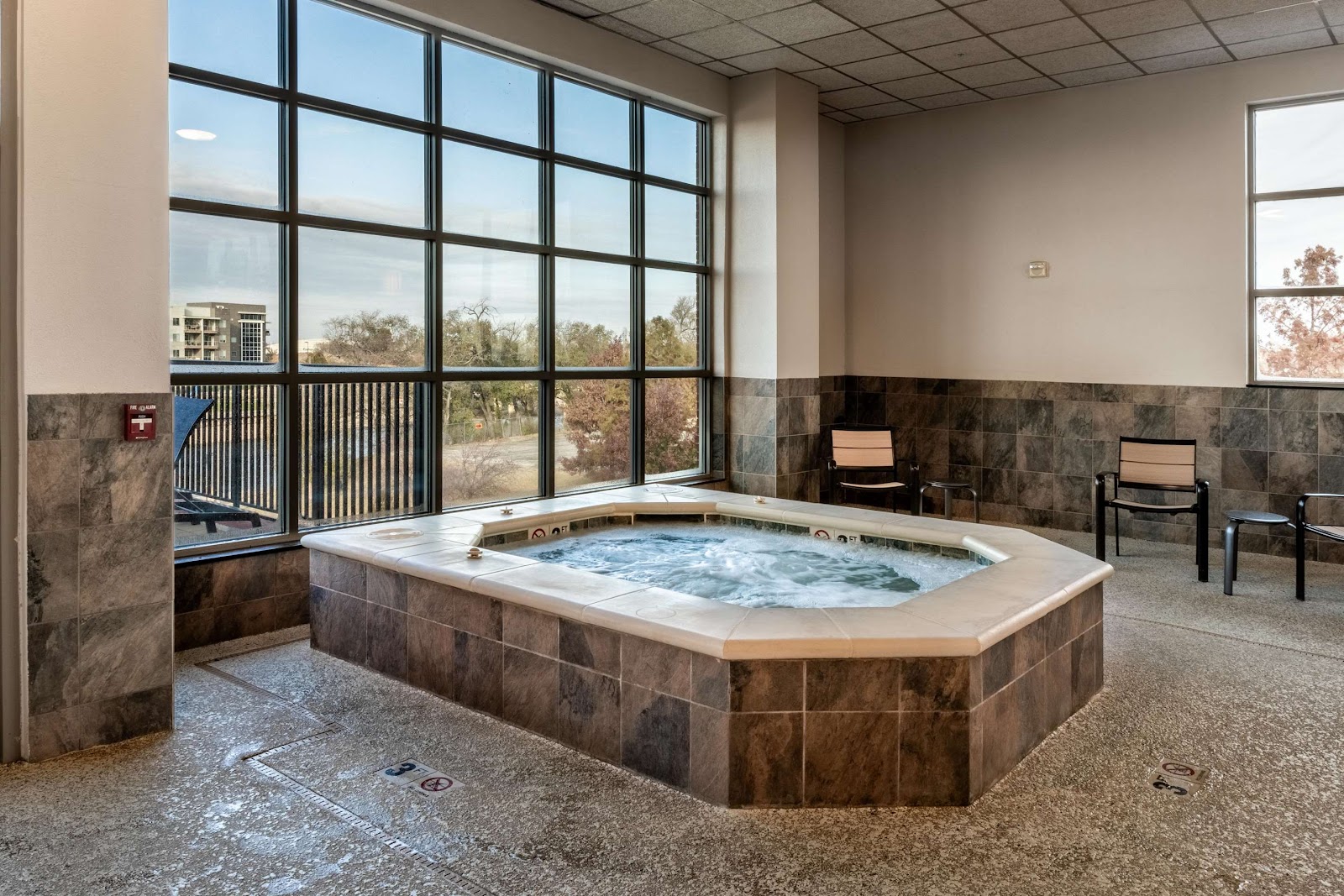
The Drury Plaza Broadview: One Decision About Which Way You Work
A 1920s hotel beside the Arkansas River in downtown Wichita, Kansas, with period ballroom space and river-facing rooms.
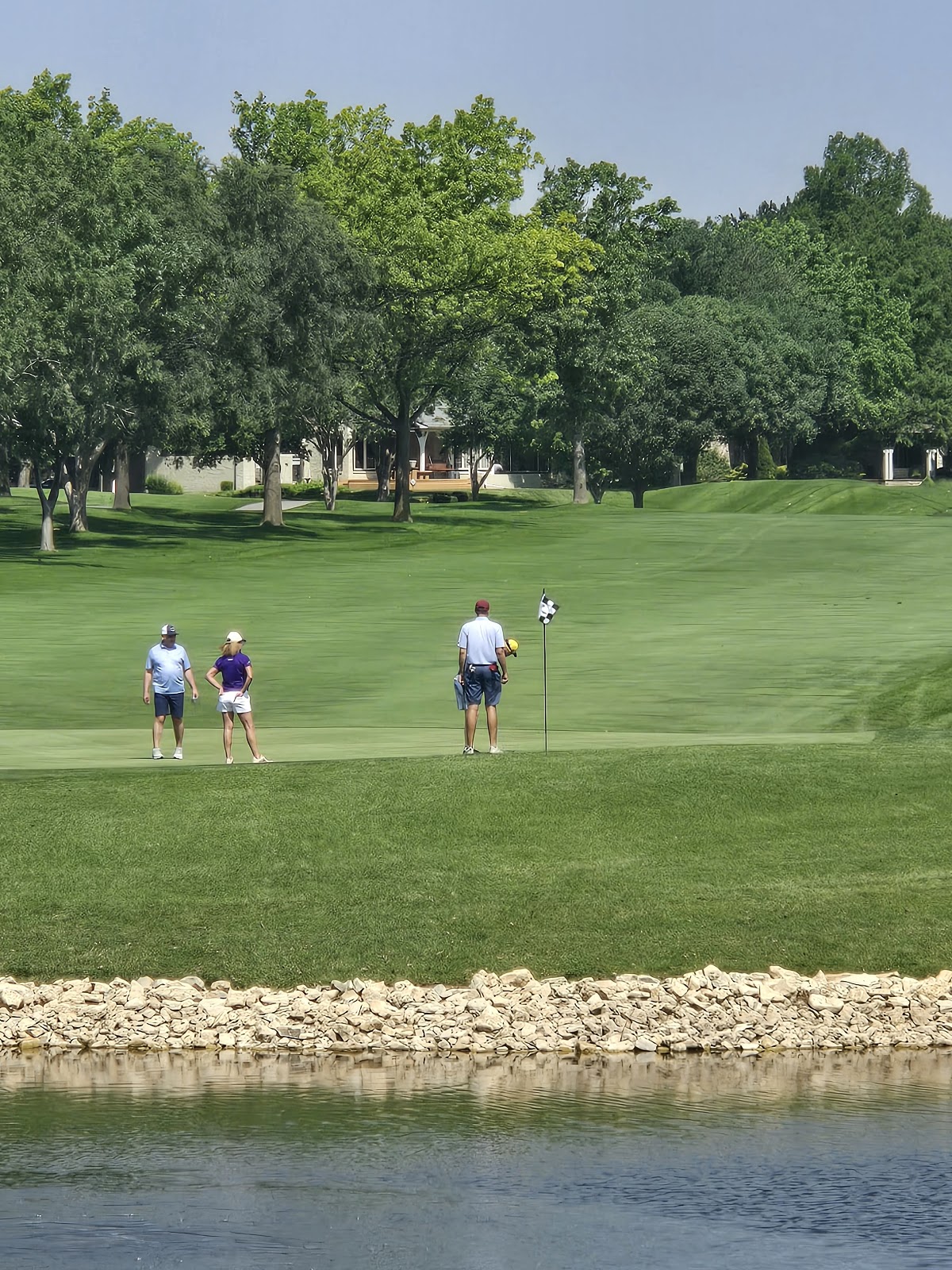
Reflection Ridge Golf Club: Reading Water on a Course Through the Day
A golf club in Wichita, Kansas, with water features across the course, a clubhouse and open plains sight lines.
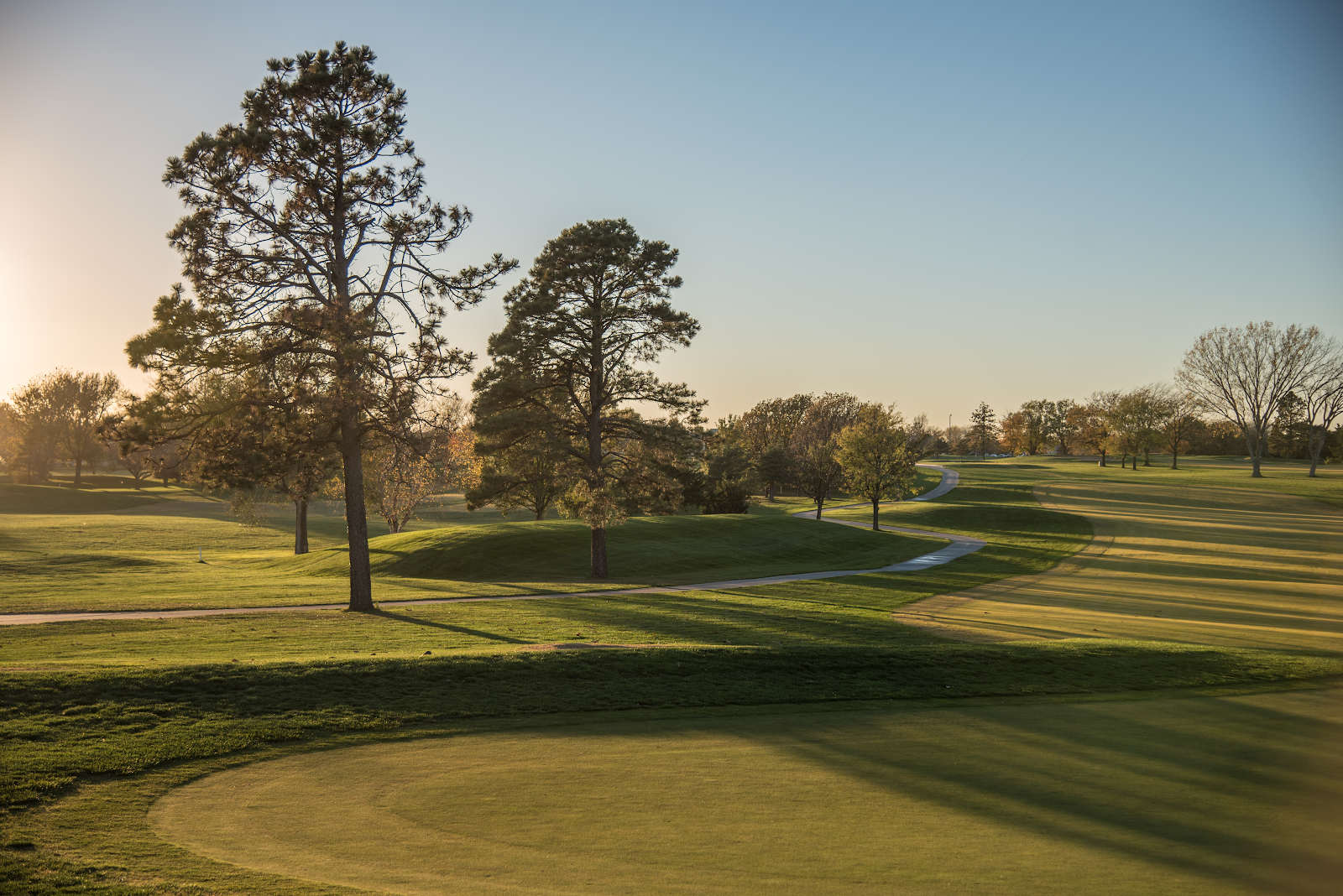
Crestview Country Club: How the Fairway Frame Is Actually Made
A country club outside Wichita, Kansas, with a golf course, clubhouse ballrooms and mature planting along the fairways.
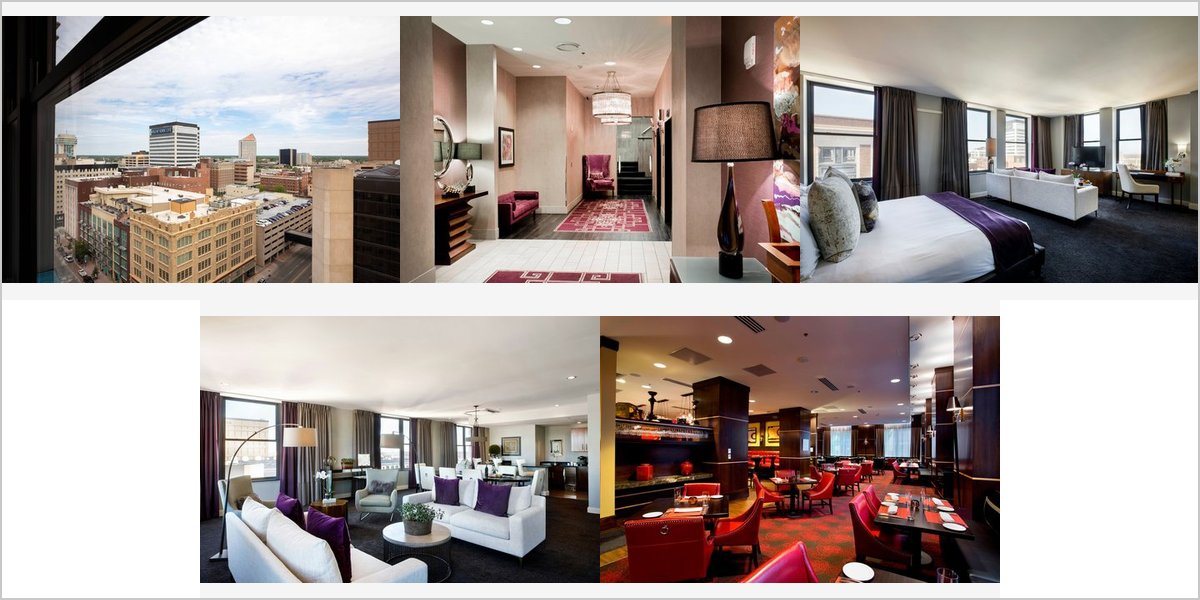
The Ambassador Hotel, Wichita: Four Ways Out of the Ornate-Ceiling Problem
A 1920s commercial building in downtown Wichita, Kansas, converted to a hotel, with high ceilings, ornate plasterwork and a ballroom.
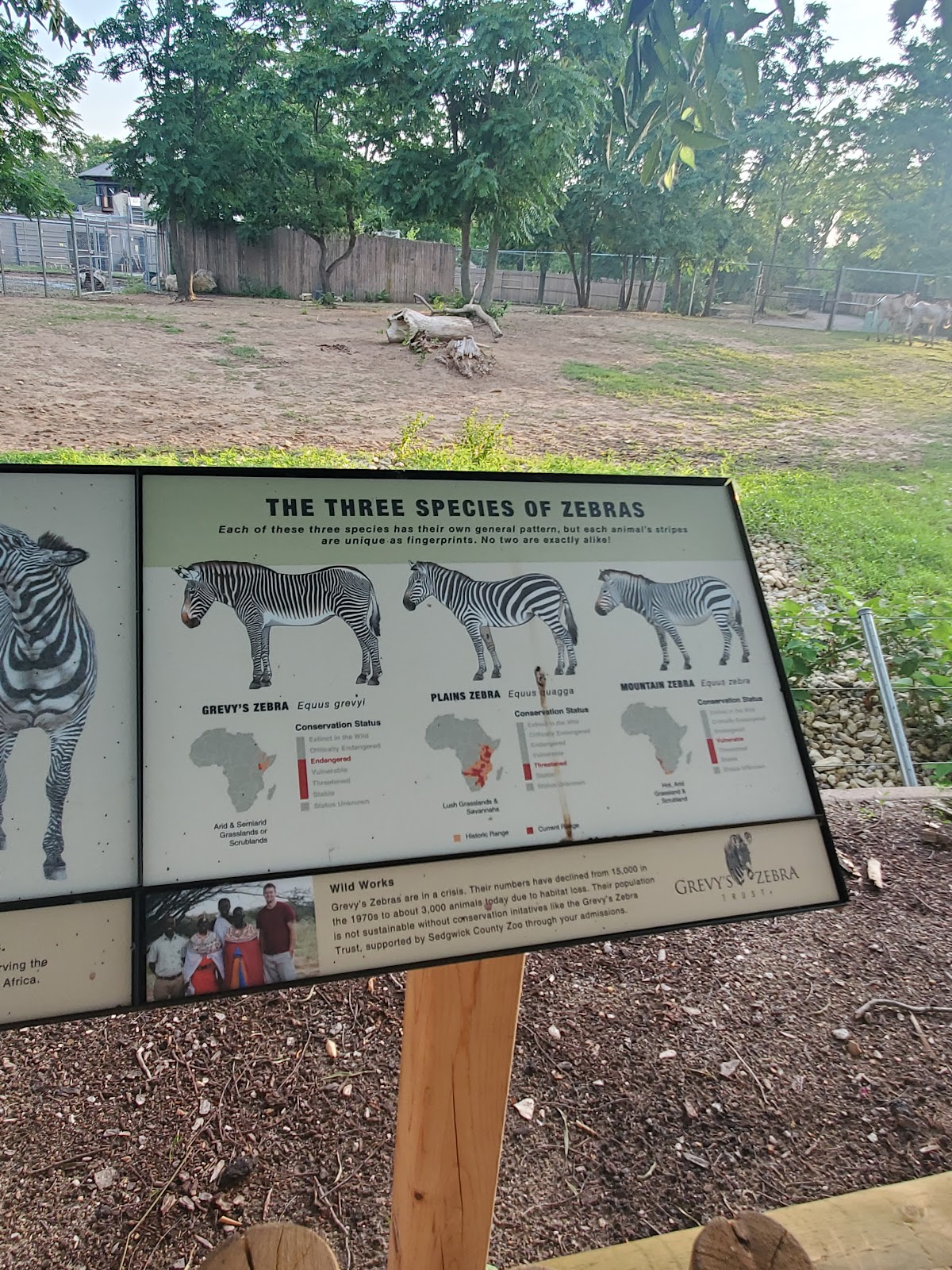
Sedgwick County Zoo: What a Plains Zoo Suits and What It Does Not
A large zoo on open ground outside Wichita, Kansas, with habitats, water features and planted areas across an extensive site.
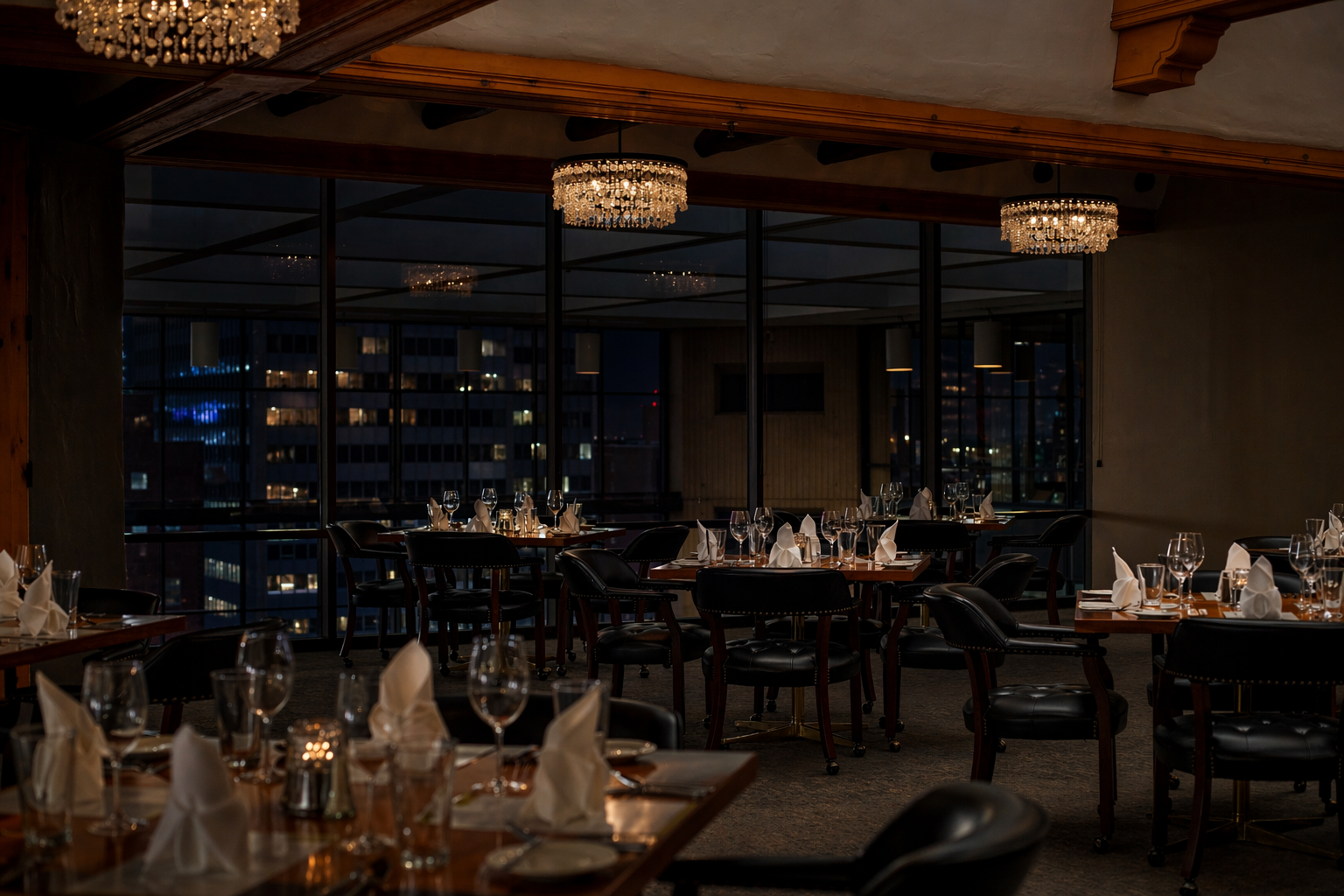
The Petroleum Club: Dark Panelling and a High Window
A private club on an upper floor of a downtown Wichita building, with wood-panelled rooms and windows over the city and plains beyond.
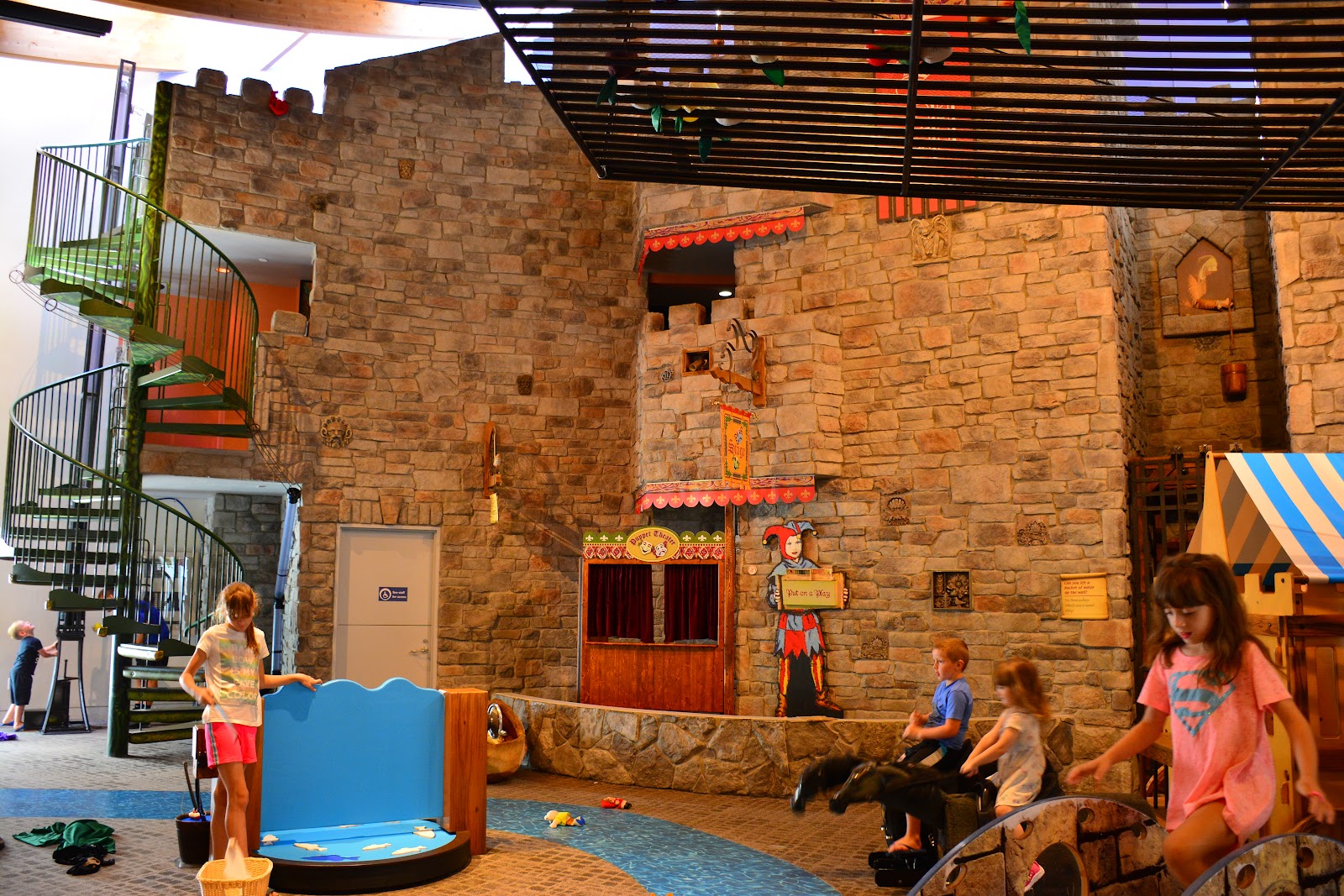
Exploration Place: Photographing Curved Architecture on a River
A science centre on the Arkansas River in Wichita, Kansas, with sculptural curved architecture, exhibit halls and riverside grounds.
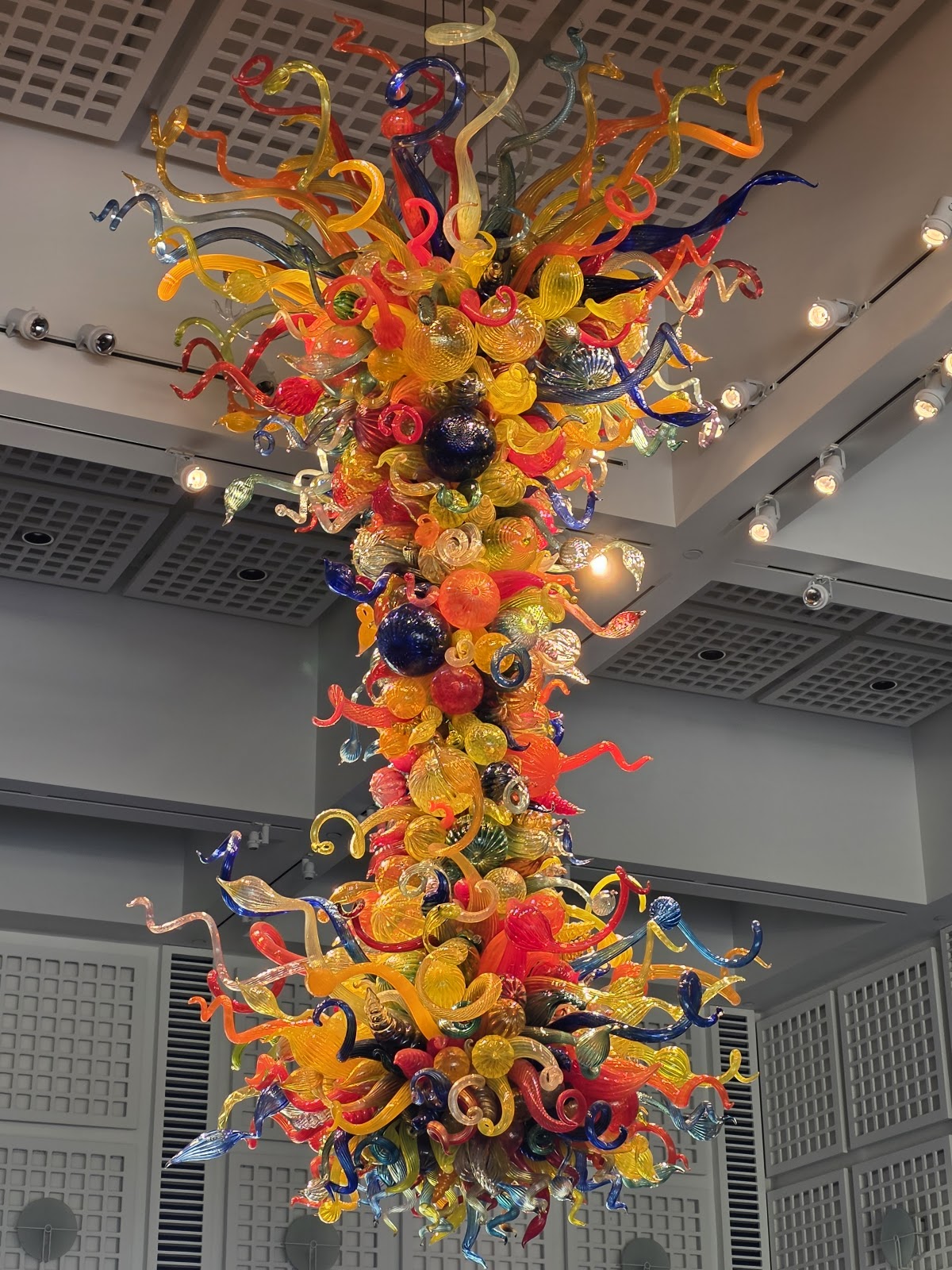
The Wichita Art Museum: Field Notes on Glass Under a Big Sky
An art museum beside the Arkansas River in Wichita, Kansas, with large glass façades, gallery spaces and planted grounds.
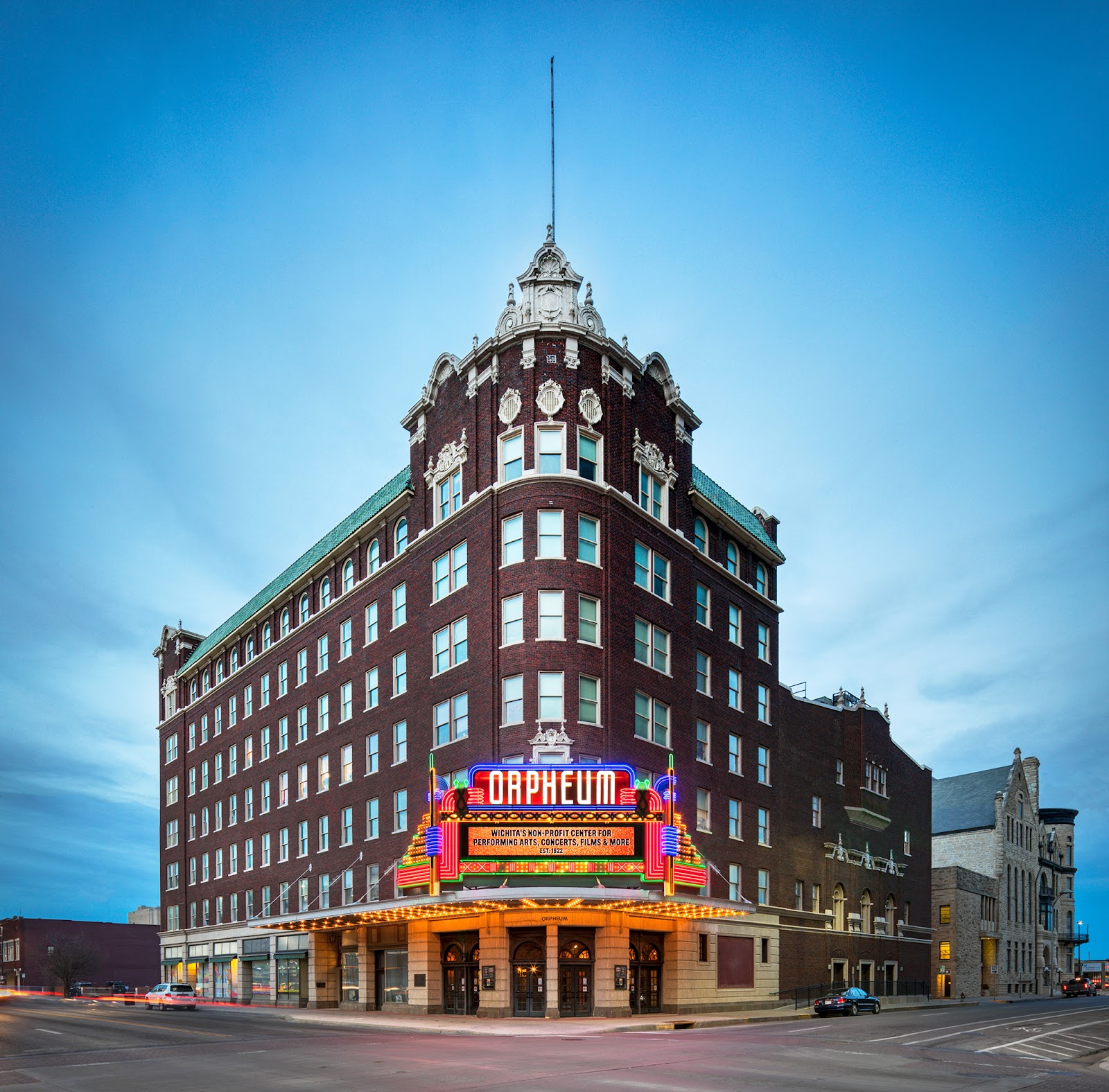
The Orpheum Theatre, Wichita: Photographing an Atmospheric Interior
A 1922 atmospheric movie palace in downtown Wichita, Kansas, with a painted sky ceiling, ornate plasterwork and a balconied auditorium.